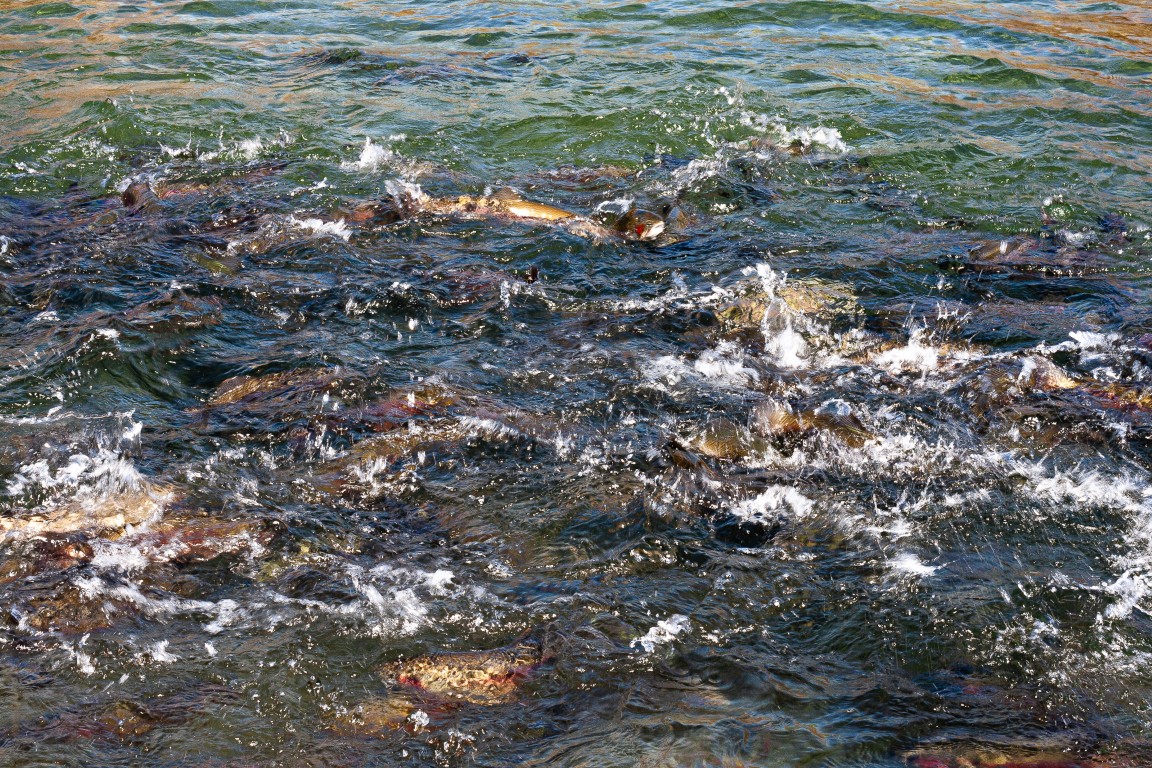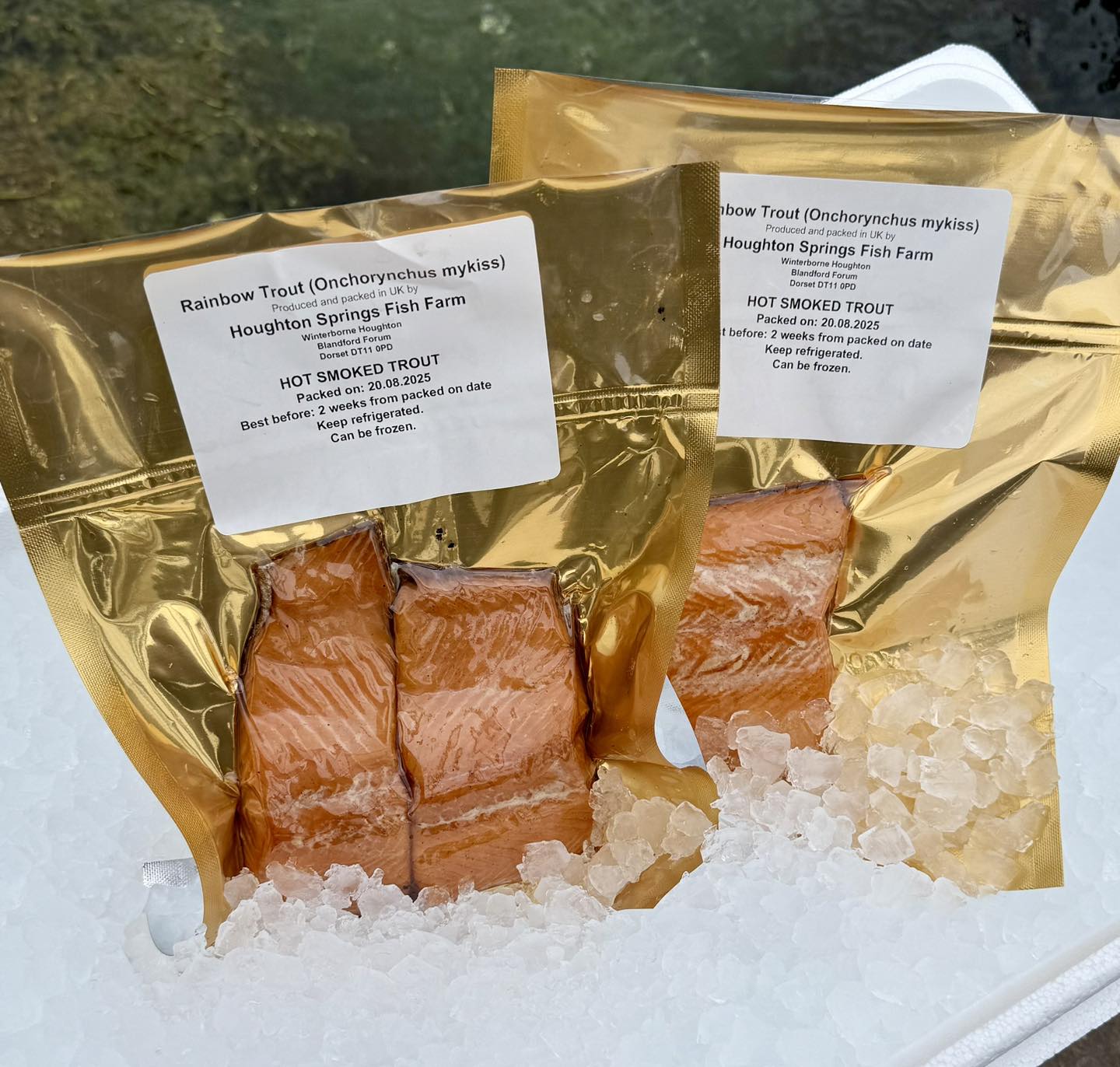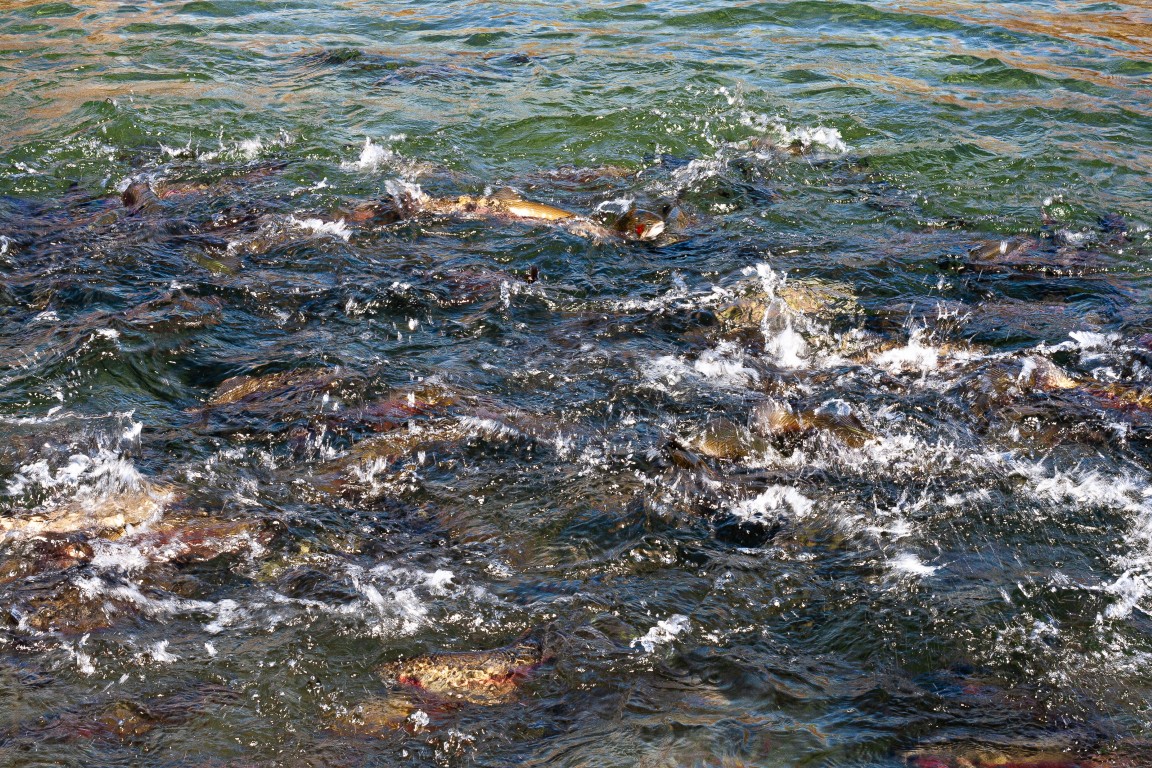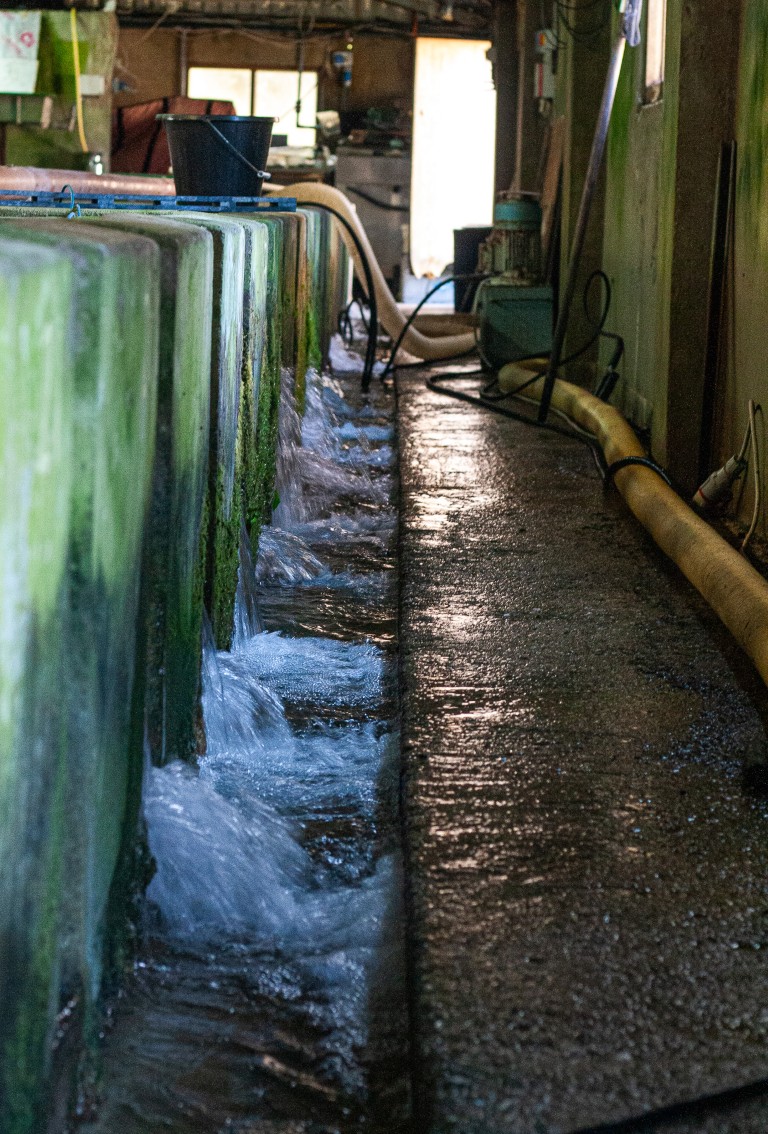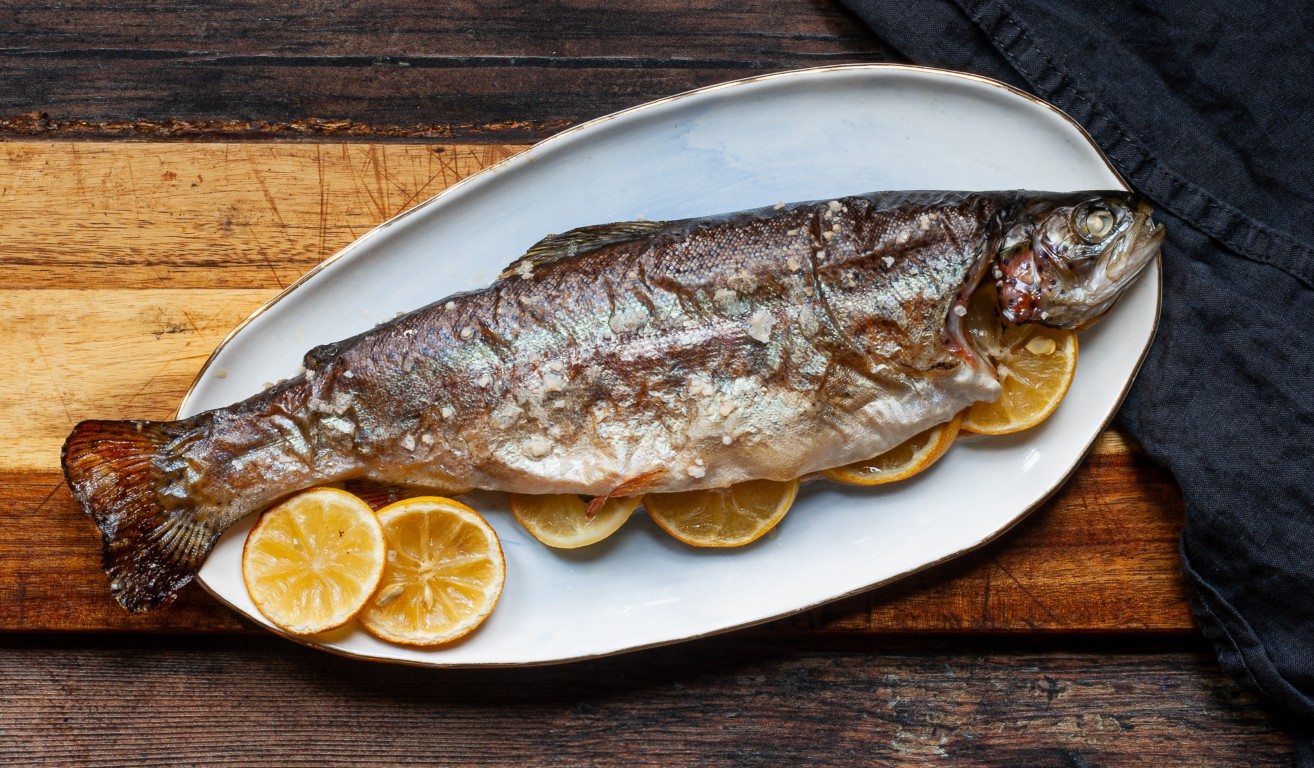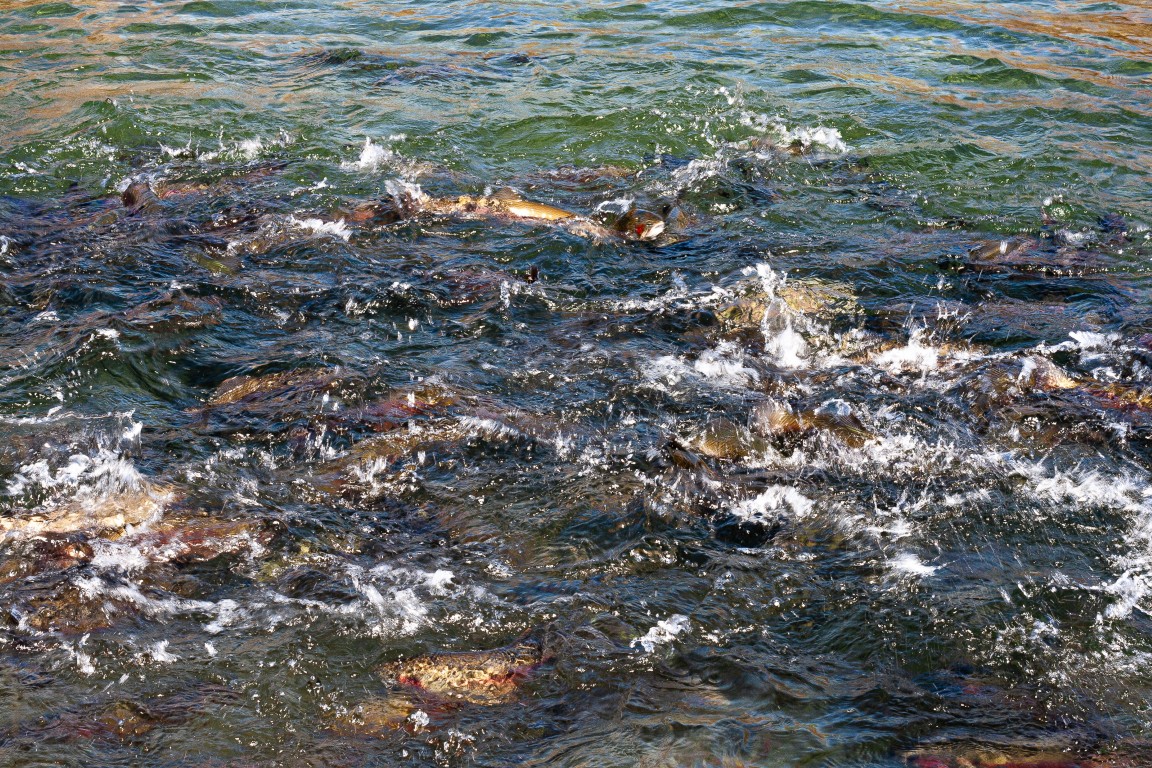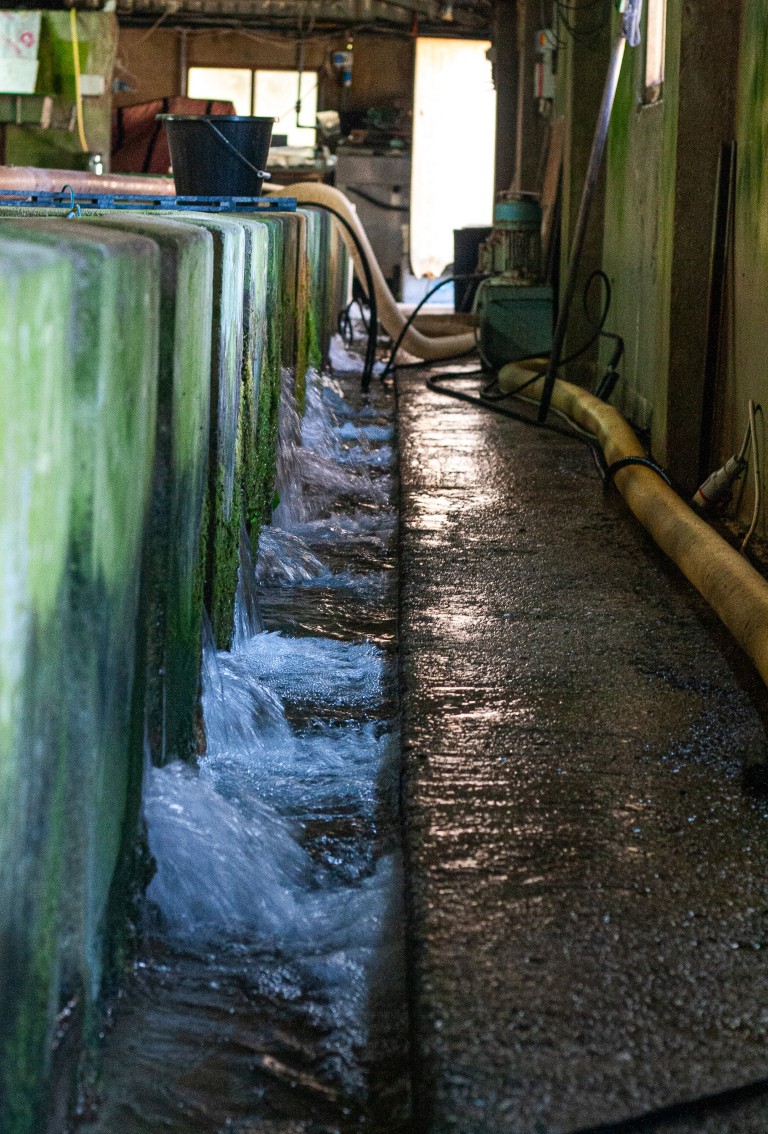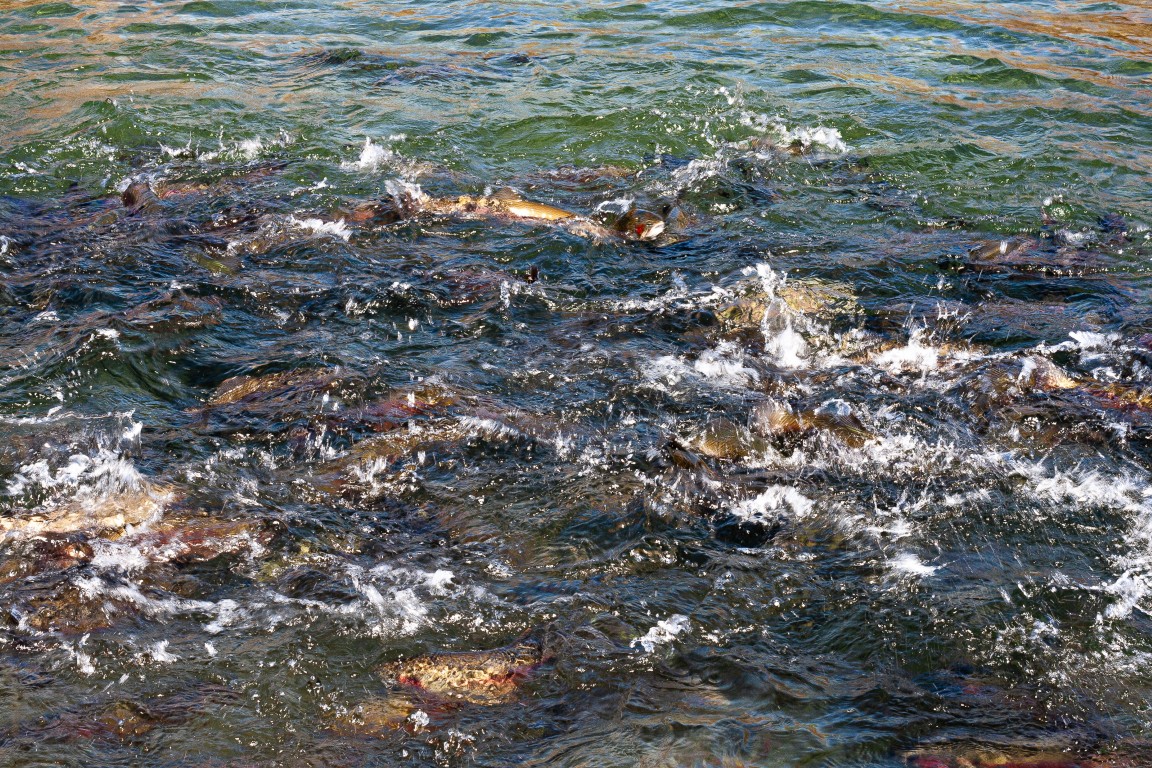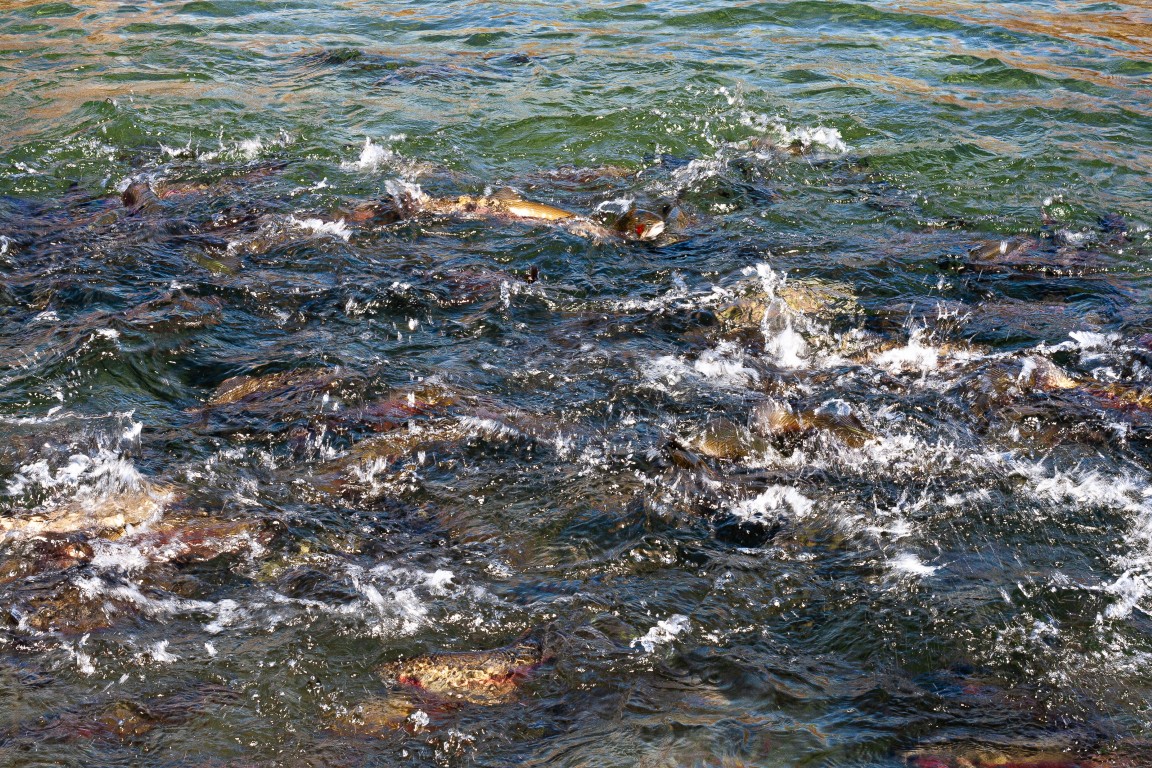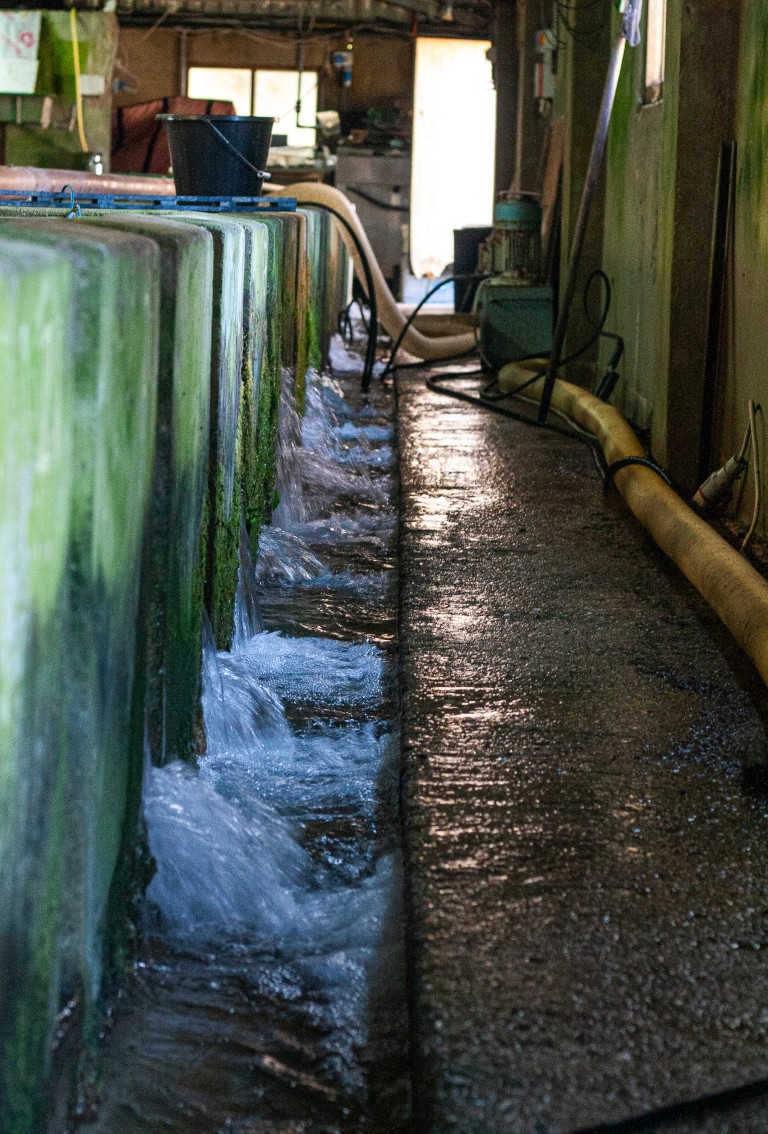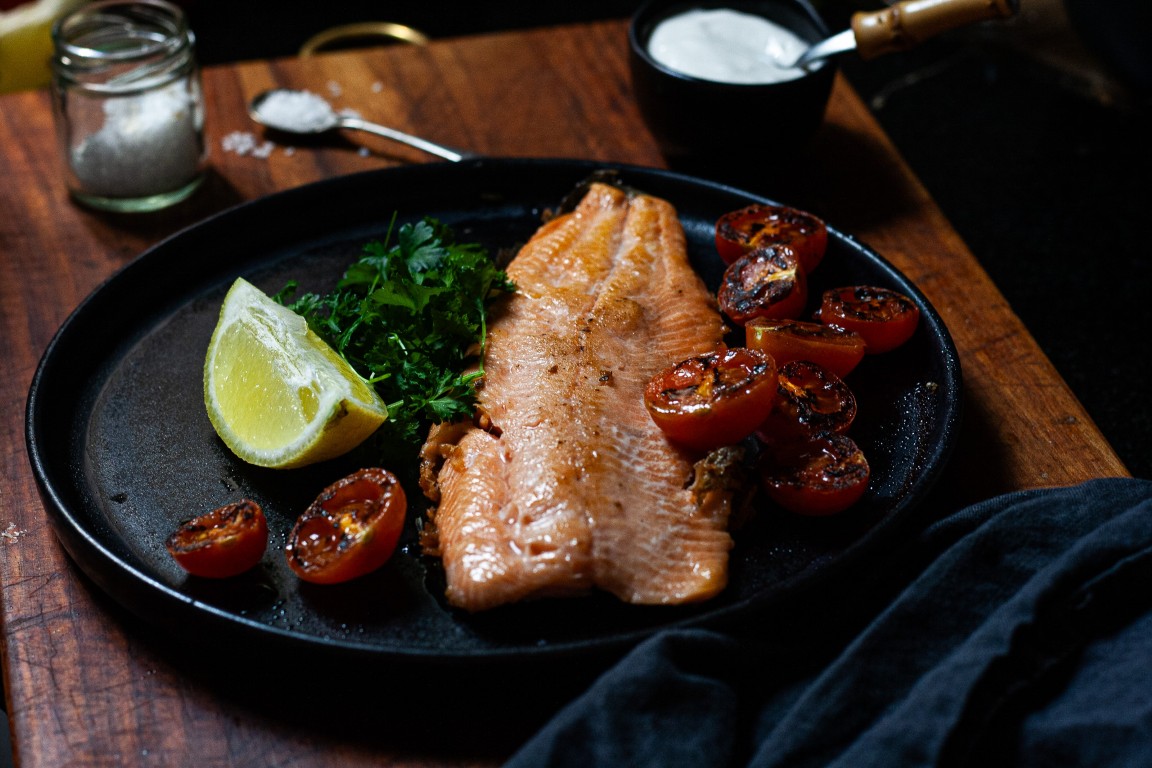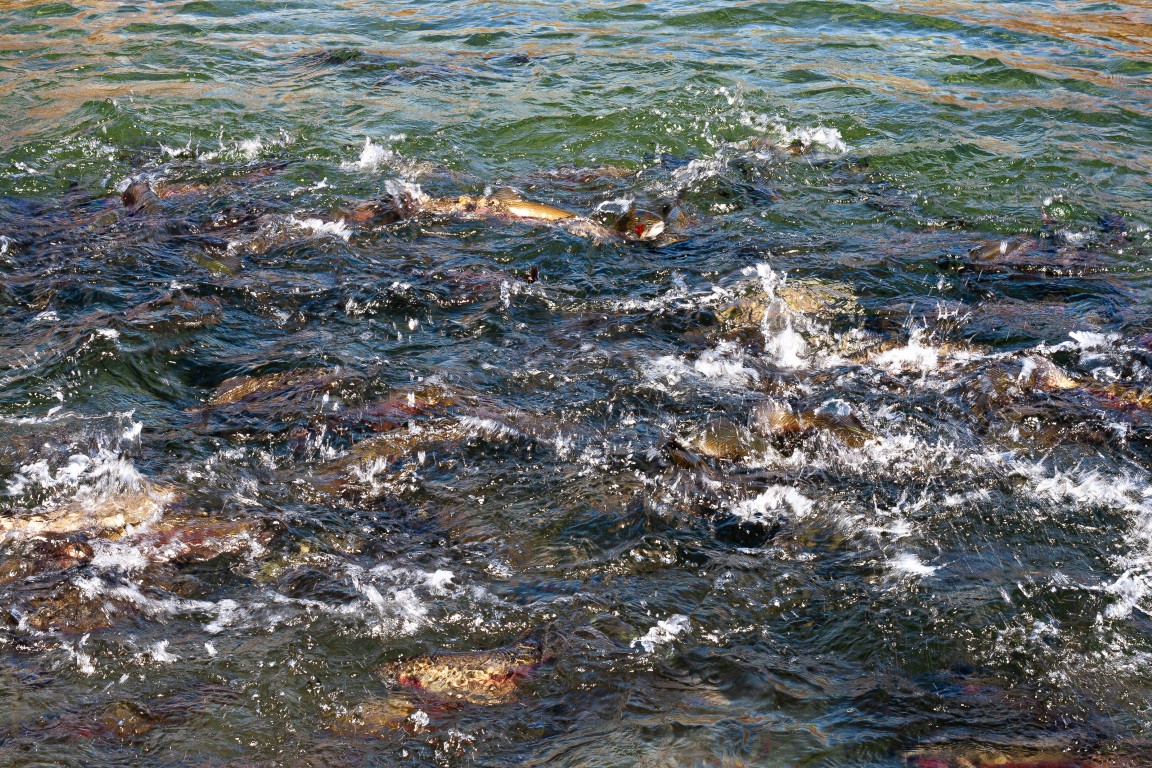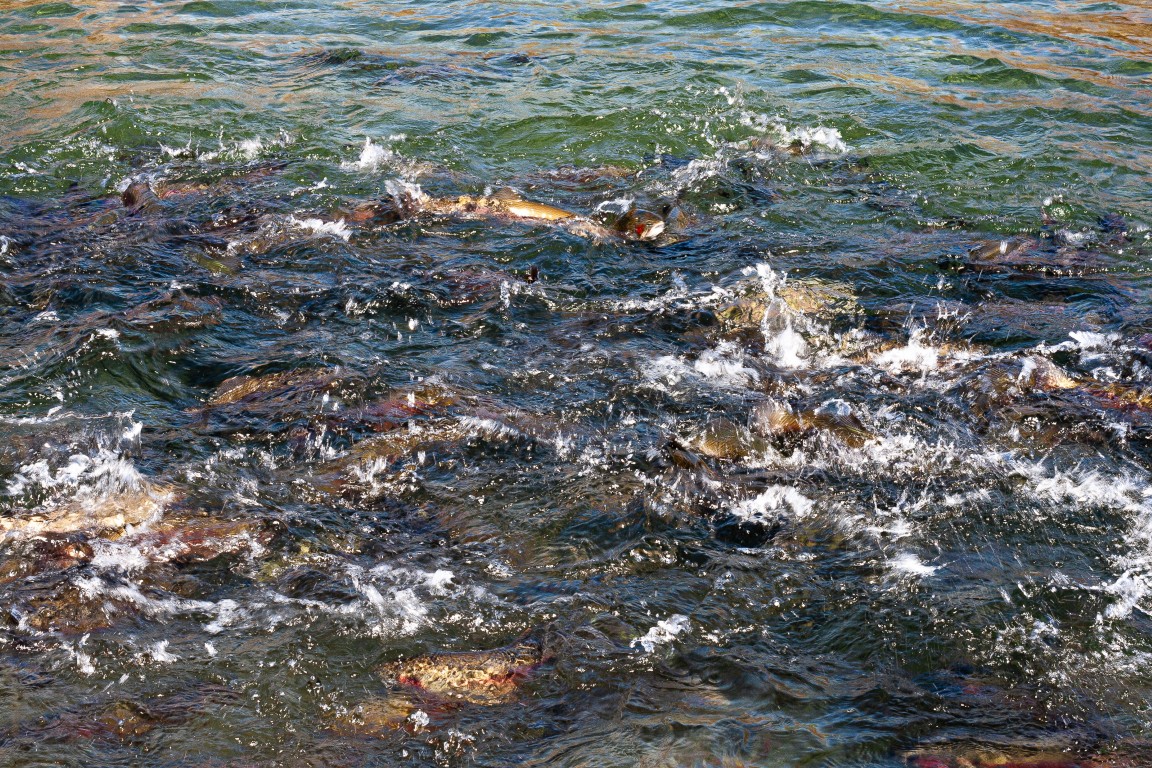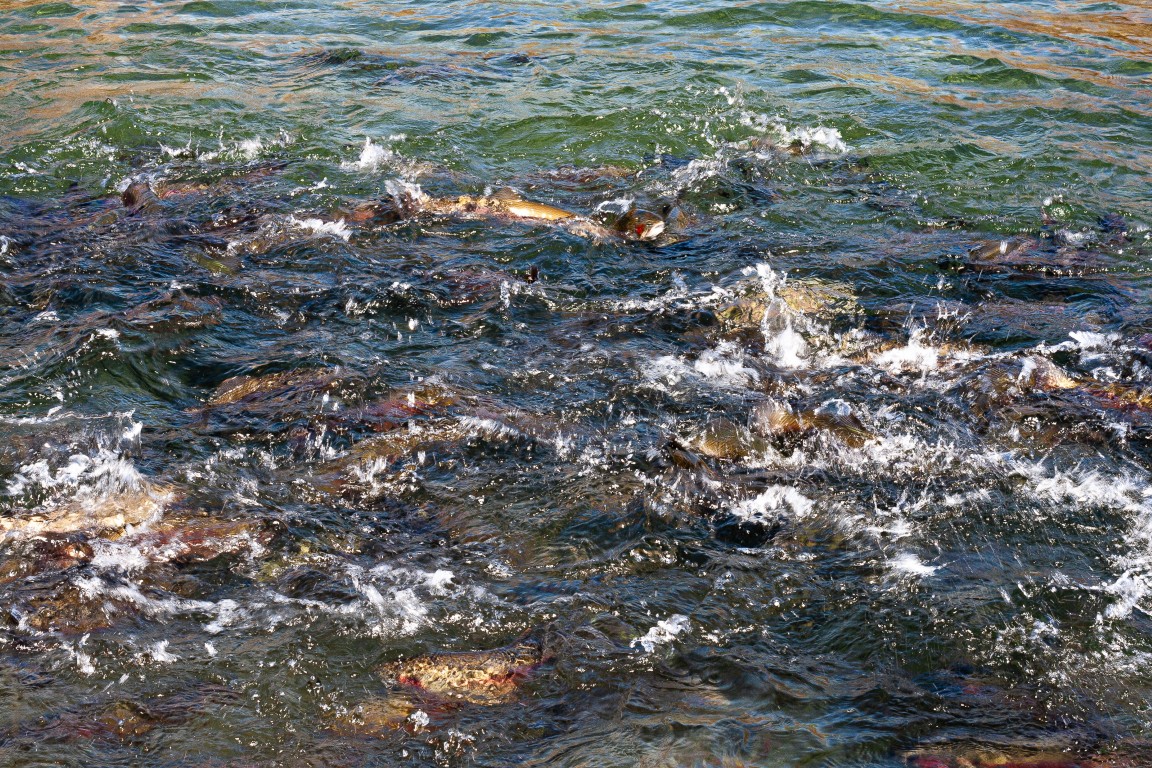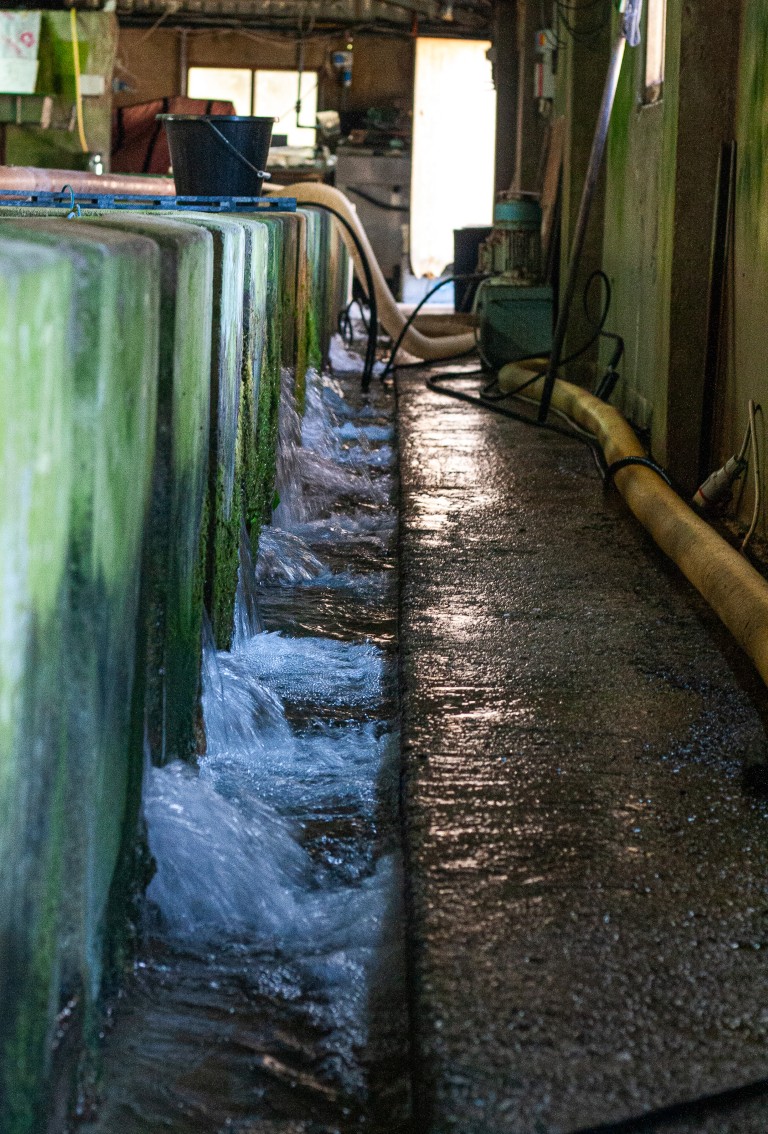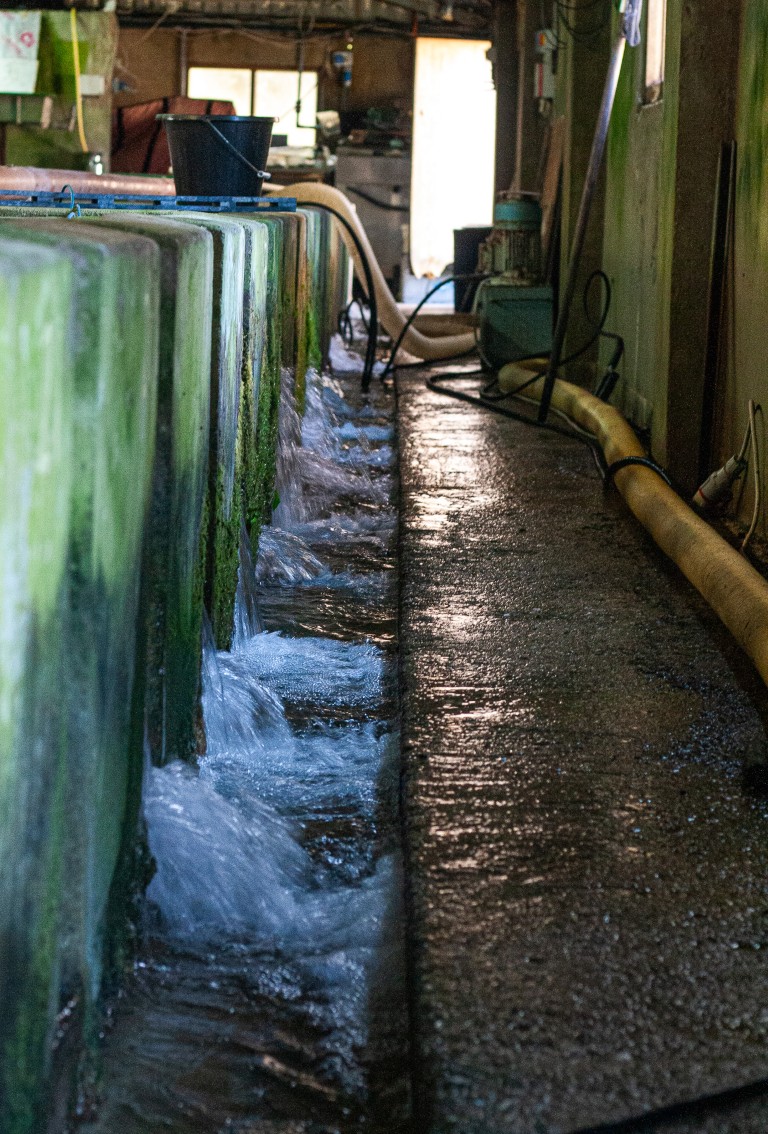
As a trout farmer in rural Dorset, you face many challenges, from maintaining water quality to ensuring your fish are healthy and thriving. One critical aspect that can often be overlooked is the nutritional needs of your trout. Choosing the right feed and understanding the dietary requirements of your fish can have a significant impact on their growth, health, and overall productivity. This guide will help you navigate the complexities of trout nutrition and provide practical steps to enhance your farming operations.
The Importance of Nutritional Needs in Trout Farming
Ensuring that your trout receive the right balanced diet is essential for their growth and health. Proper nutrition not only supports fish development but also improves disease resistance, increases feed efficiency, and enhances the quality of the meat. Here are some key reasons why focusing on nutrition is crucial:
- Growth Rates: The right diet promotes faster growth, allowing for quicker time to market.
- Health and Immunity: Adequate nutrition boosts the immune system, reducing the risk of disease outbreaks.
- Feed Conversion Ratio: A balanced diet improves the feed conversion ratio, meaning less feed is required to produce a pound of fish.
- Quality of Fish: Nutritionally rich diets lead to better meat quality, which can enhance market value.
Key Nutritional Components for Trout
Trout require a diet that is high in protein, fat, vitamins, and minerals. Understanding these components will help in selecting the right feed for your fish.
1. Protein
- Importance: Protein is vital for growth and tissue repair.
- Sources: Look for feeds that contain fish meal, soybean meal, or other high-quality protein sources.
- Content: Aim for a protein content of 40-50% in the feed, especially for young trout.
2. Fats
- Importance: Fats provide energy and are essential for hormone production.
- Sources: Fish oils and vegetable oils are good fat sources.
- Content: A fat content of around 15-20% is typically recommended.
3. Vitamins and Minerals
- Importance: These are crucial for metabolic processes and overall health.
- Sources: Ensure your feed is fortified with vitamins such as A, D, and E, as well as minerals like calcium and phosphorus.
- Consideration: Regularly assess your feed to ensure these components are included.
Choosing the Right Trout Feed
Selecting the right feed for your trout can be daunting, but following these steps can simplify the process.
How to Choose Trout Feed
- Assess Fish Age and Size: Different life stages require different feed formulations. Fingerlings need higher protein compared to adult trout.
- Evaluate Feed Quality: Look for reputable brands and check that feeds have been tested for quality and nutritional content.
- Consider Feed Type: Choose between floating, sinking, or pellet feeds based on your farming setup and fish behaviour.
- Check for Sustainability: Opt for feeds that use sustainable ingredients to support eco-friendly practices.
Common Mistakes to Avoid
- Ignoring Nutritional Needs: Failing to provide balanced nutrition can lead to stunted growth and health issues.
- Overfeeding: This can degrade water quality and lead to waste problems. Follow the recommended feeding guidelines.
- Neglecting Water Quality: Nutritional deficiencies can exacerbate issues caused by poor water quality. Always ensure proper water conditions alongside feeding.
Monitoring and Adjusting Feeding Practices
Regularly monitoring your trout’s growth and health is essential for successful farming. Here’s how to keep track:
Checklist for Monitoring Trout Nutrition
- Growth Rates: Measure fish size and weight regularly to ensure they are meeting growth targets.
- Feed Consumption: Keep a log of how much feed is consumed daily to adjust feeding rates as necessary.
- Health Observations: Watch for signs of disease or stress, which may indicate nutritional deficiencies.
- Water Quality Testing: Regularly test water parameters to ensure the environment supports healthy digestion and growth.
Engaging with Suppliers for Better Nutrition
Building strong relationships with feed suppliers can lead to better guidance and support. Here are some questions to ask:
- What is the nutritional breakdown of the feed?
- Can you provide sourcing information for the ingredients?
- Are there options for custom formulations based on my specific needs?
- What are your recommendations for feeding protocols?
By asking these questions, you can ensure that you are making informed choices about the products you are using and how they fit into your overall farming strategy.
Conclusion
In conclusion, understanding and meeting the nutritional needs of your trout is vital for running a successful farm. By selecting the right feed, monitoring your fish’s health, and engaging with quality suppliers, you can enhance growth rates, improve health, and ultimately increase your profitability. For more insights into trout farming, consider visiting our blog for additional resources that can aid in your farming journey.