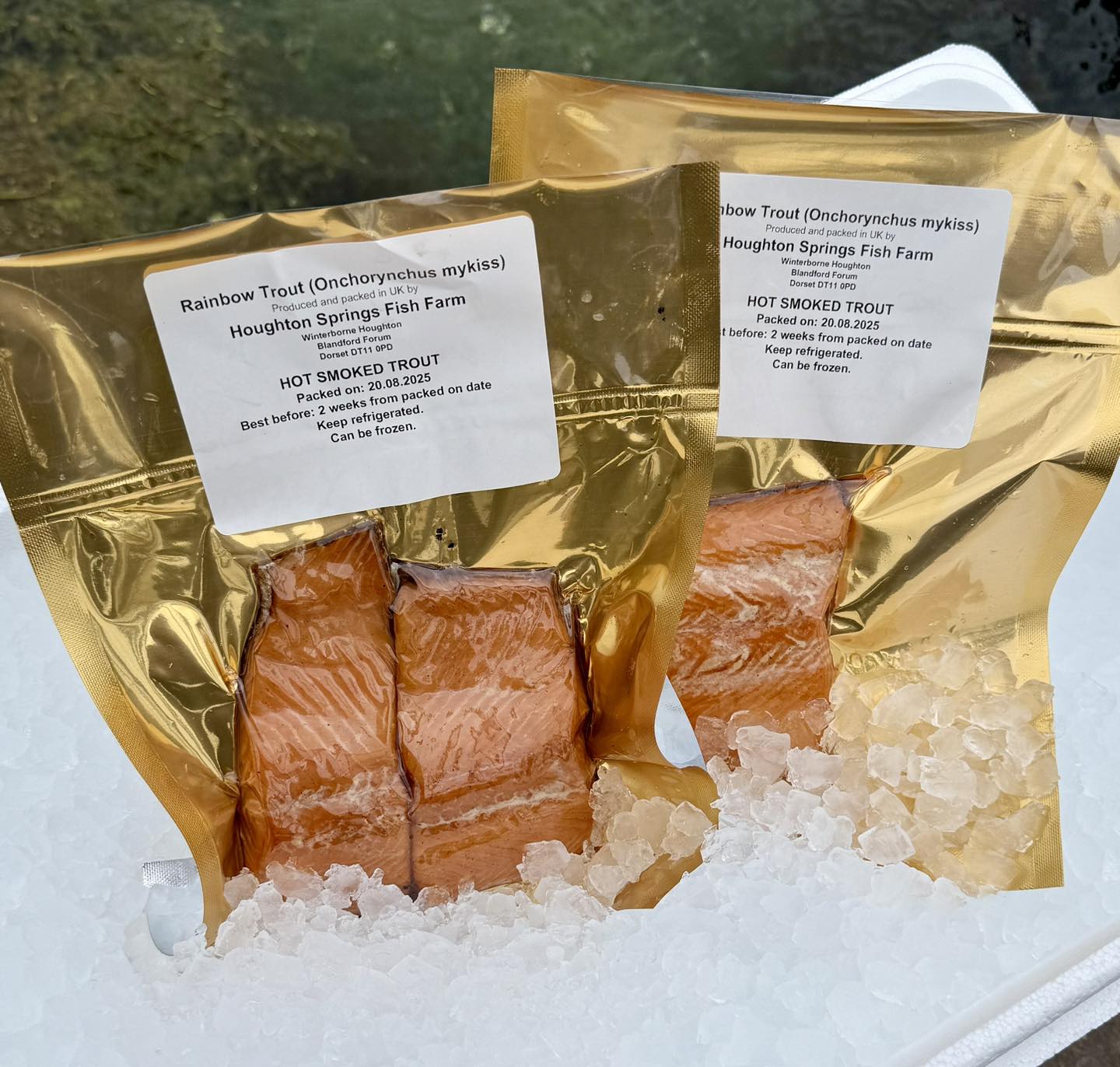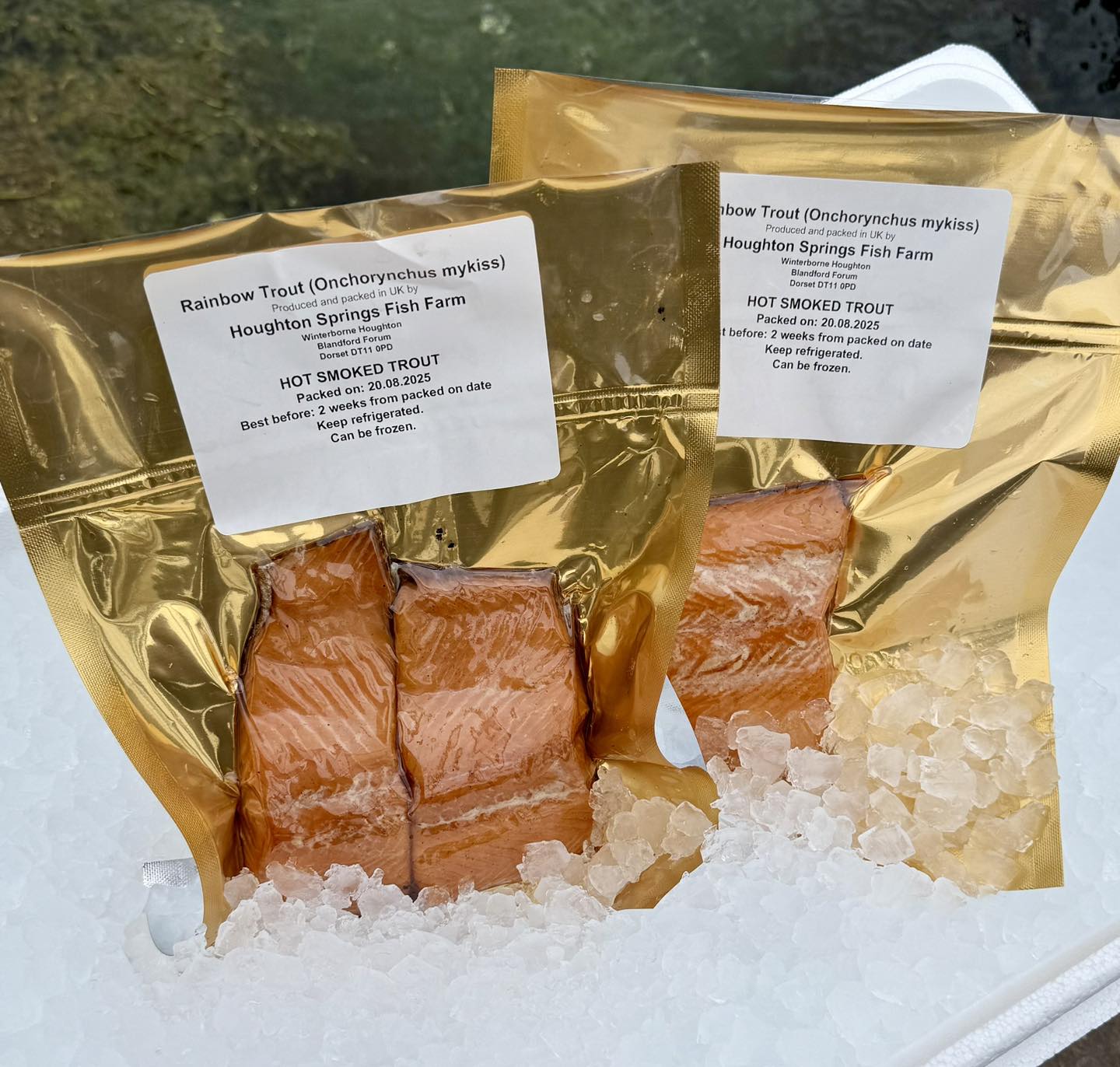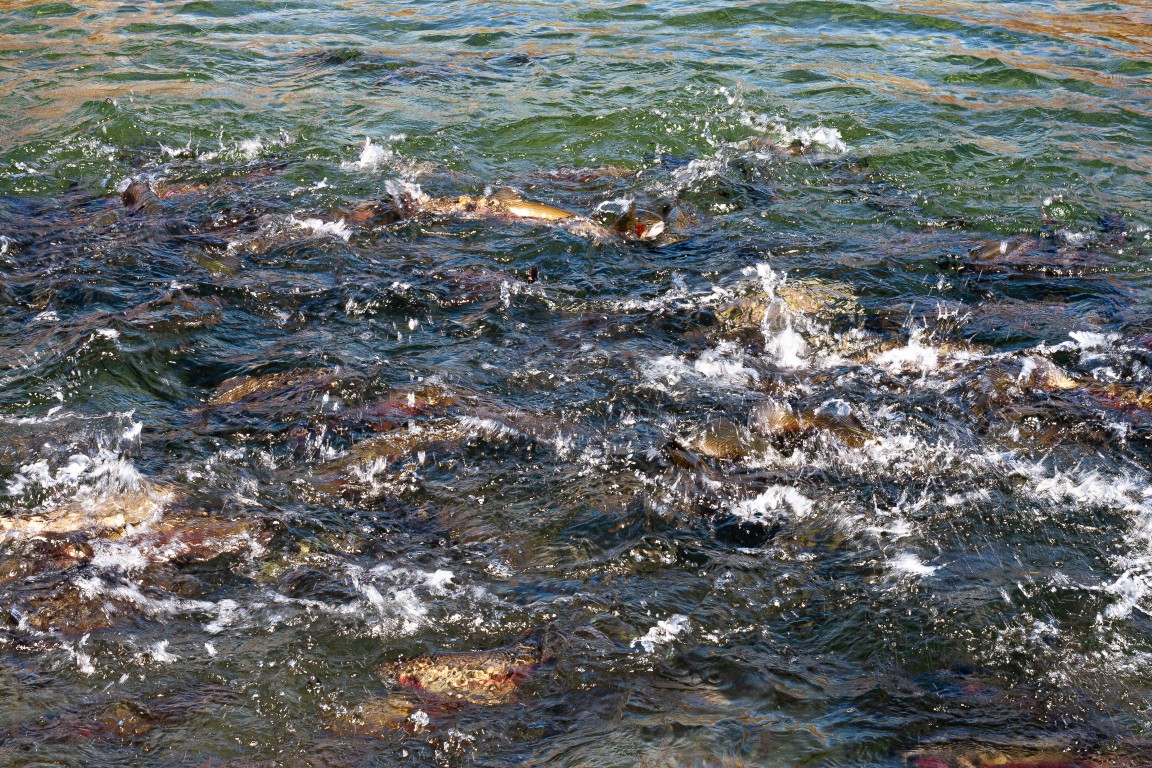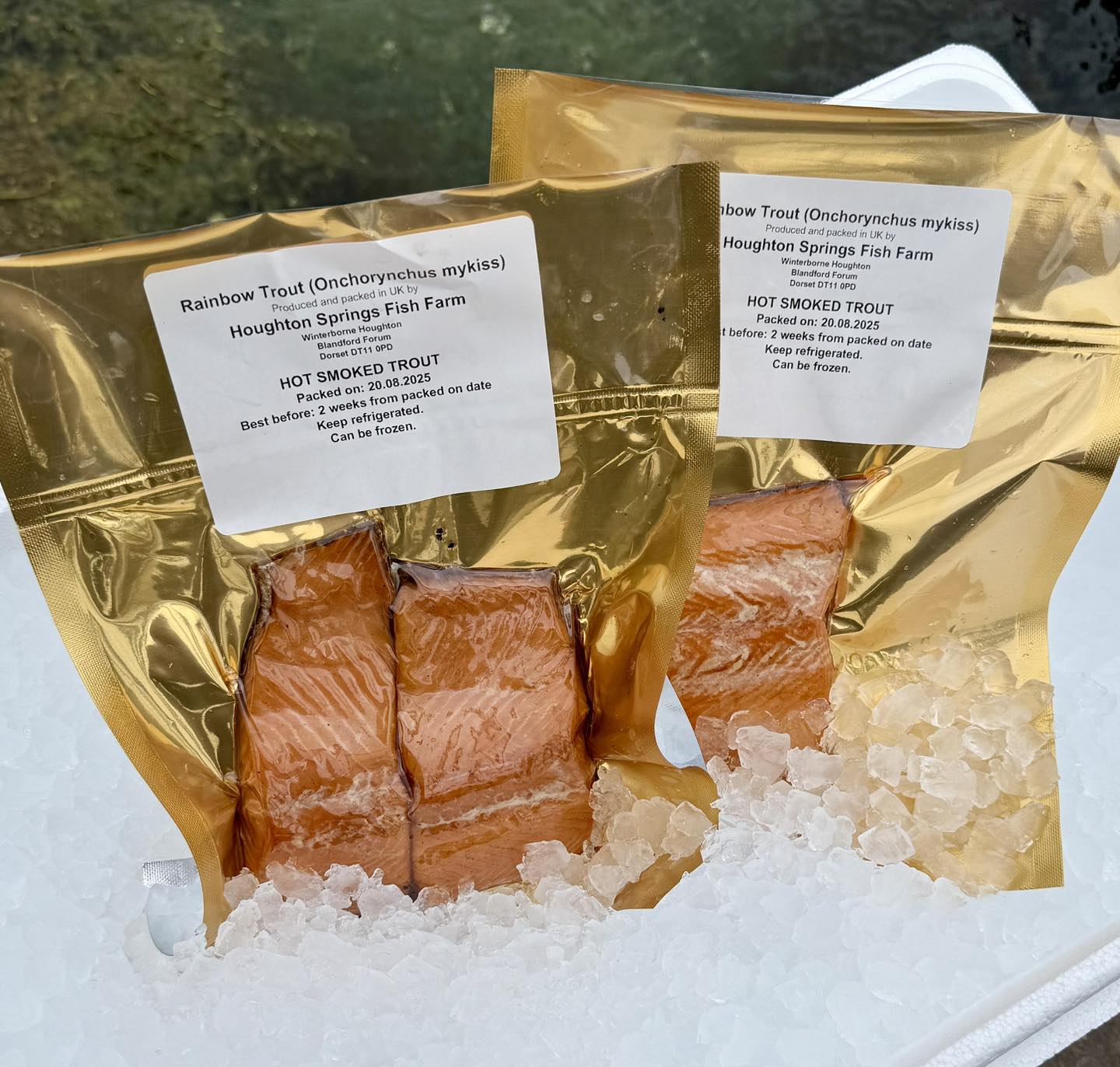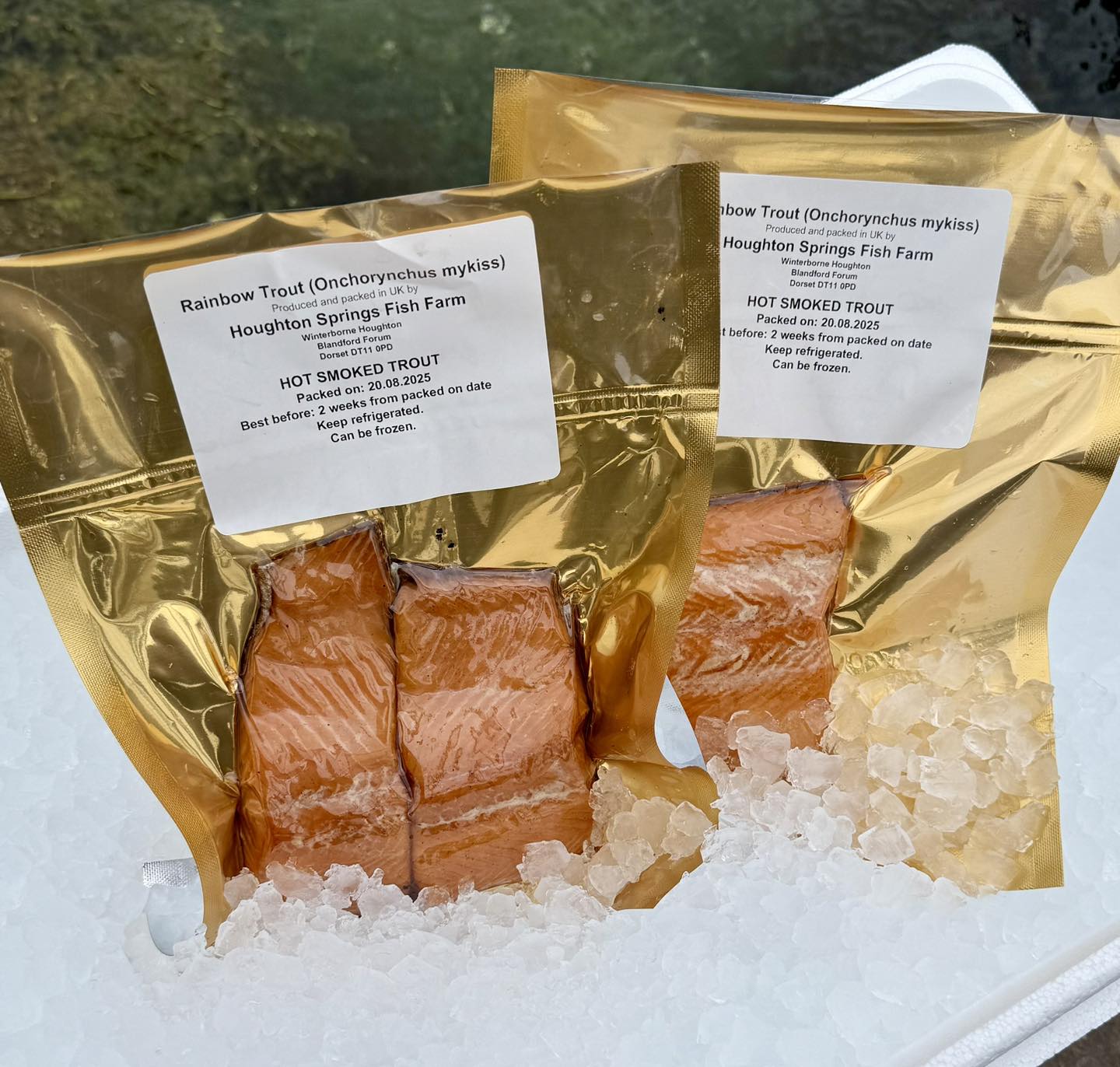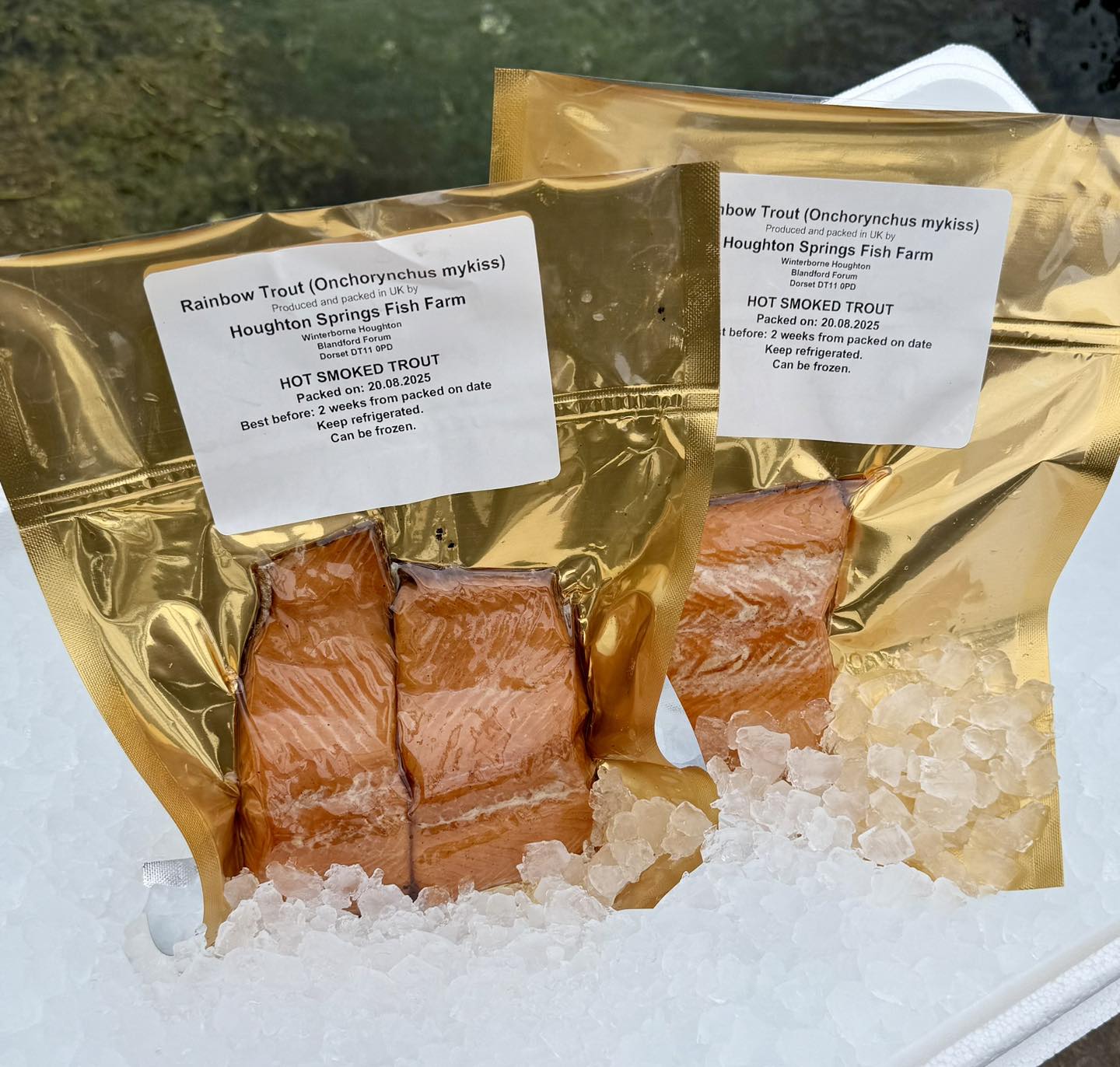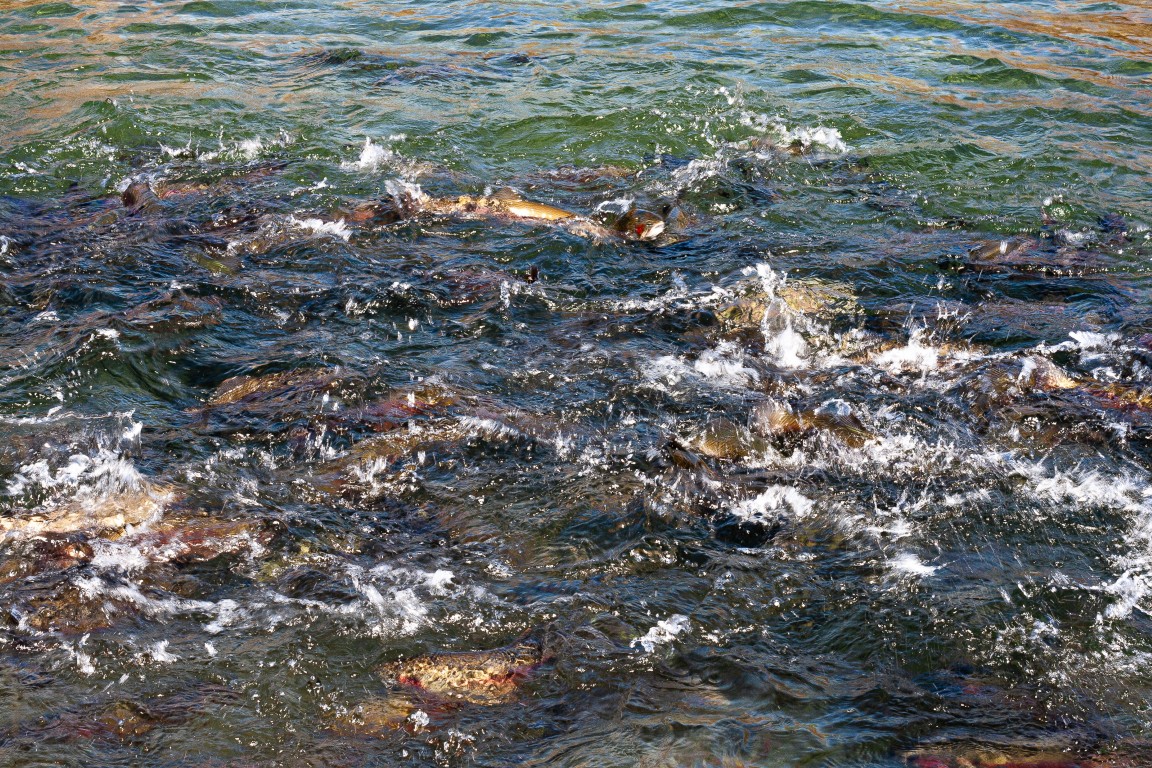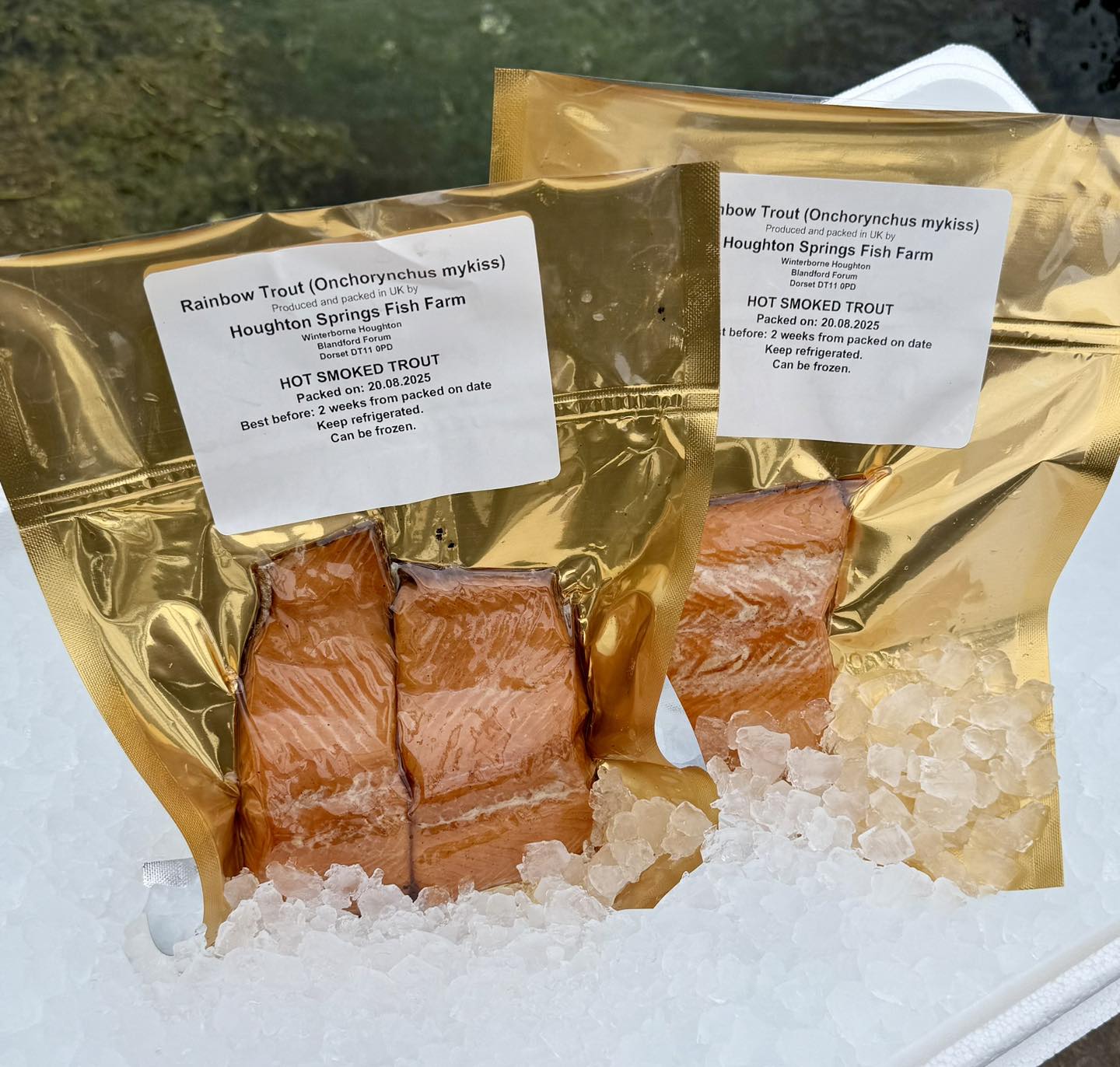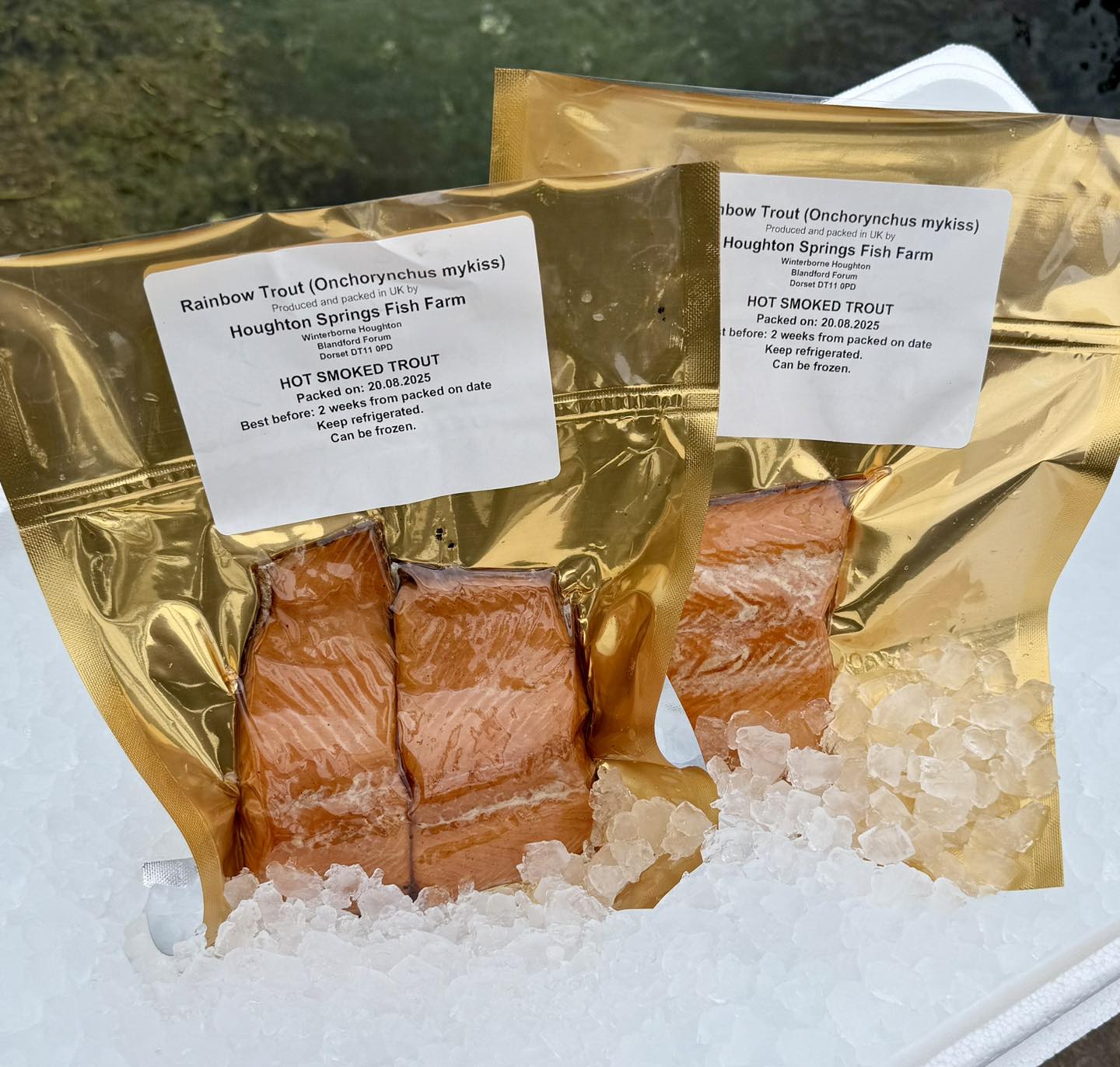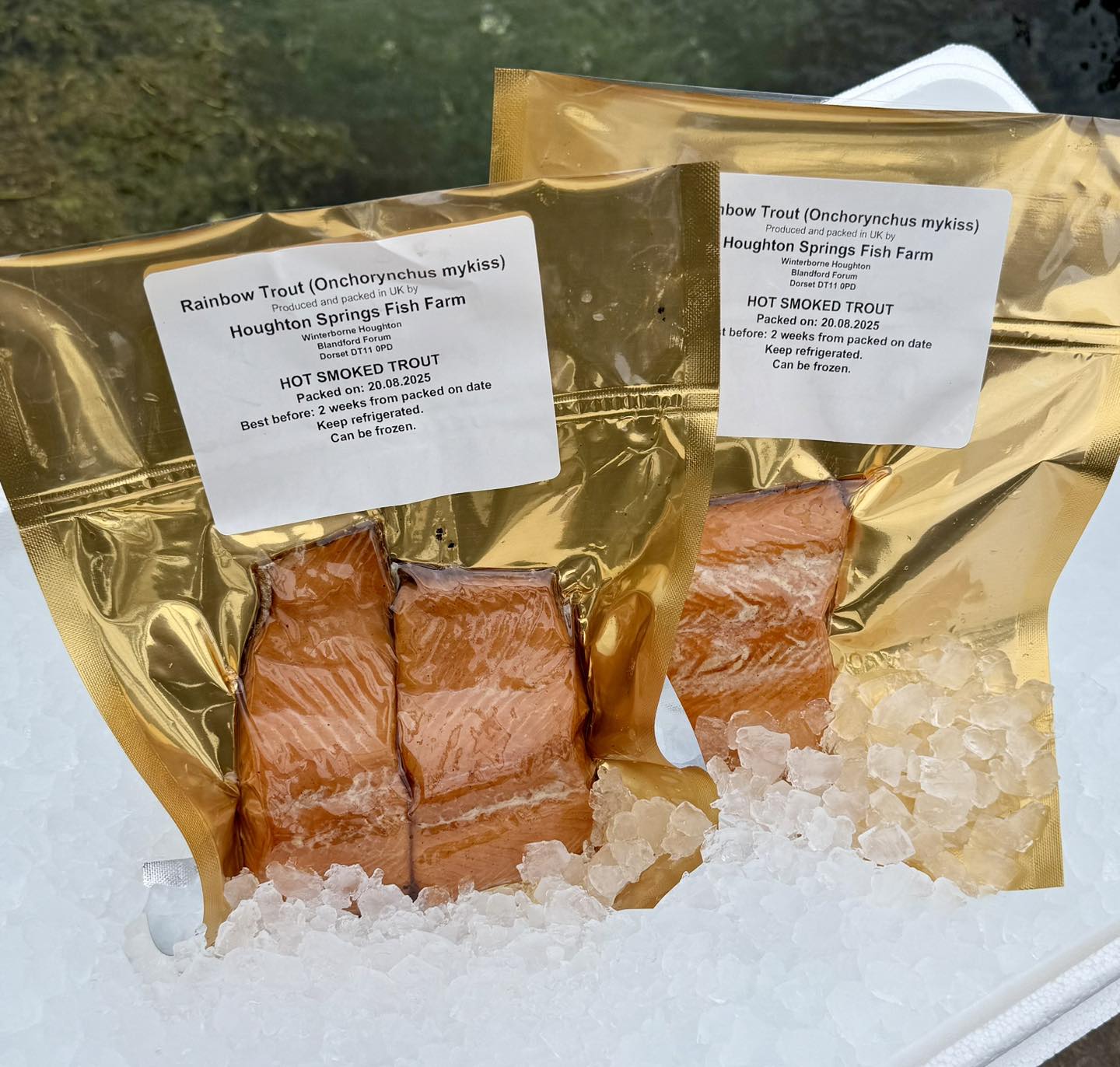

In the competitive landscape of trout farming, establishing strong relationships with local businesses can be a game-changer. These connections not only enhance your visibility within the community but can also lead to invaluable partnerships that drive sales and create a supportive local network. However, many trout farmers overlook the importance of these relationships, focusing solely on production and sales without considering the wider community context. This post will explore practical strategies for building and sustaining relationships with local businesses, ensuring mutual benefits and long-term success.
Why Local Business Relationships Matter
Establishing relationships with other local businesses can provide several advantages:
- Increased Visibility: Collaborating with local businesses helps elevate your brand within the community.
- Mutual Support: Sharing resources and referrals can lead to increased sales for both parties.
- Enhanced Credibility: Being associated with established local businesses boosts your reputation.
- Community Engagement: Participating in local events fosters goodwill and brand loyalty.
How to Identify Potential Local Business Partners
Before you can build relationships, it’s essential to identify potential partners that align with your values and goals. Here are some steps to follow:
- Research Local Businesses: Look for businesses that complement your offerings. For instance, local restaurants that serve fish dishes or shops selling gourmet products may be ideal partners.
- Attend Community Events: Engage with local fairs, markets, and networking events to meet business owners and discuss potential collaborations.
- Utilise Social Media: Platforms like Facebook and Instagram can help you discover local businesses and engage with them through comments or direct messages.
Approaching Local Businesses: Best Practices
Once you’ve identified potential partners, the next step is reaching out. Here’s how to approach this process effectively:
1. Personalised Communication
Rather than sending generic emails, take the time to personalise your message. Highlight what you admire about their business and how a partnership could be mutually beneficial.
2. Propose Clear Benefits
When outlining a potential collaboration, be clear about what you can offer. For instance, you might propose supplying fresh trout to a local restaurant in exchange for promotion on their menu or social media channels.
3. Be Open to Ideas
Encourage dialogue by asking for their input on how to collaborate. Flexibility can lead to innovative ideas that you might not have considered.
4. Follow Up
If you don’t receive an immediate response, don’t hesitate to follow up. Persistence shows your commitment to the partnership.
Building Long-Term Relationships
Once you’ve established a partnership, it’s crucial to nurture it. Here are some strategies to ensure the relationship remains strong:
Regular Check-Ins
- Schedule regular meetings or calls to discuss the partnership’s progress and identify new opportunities.
- Share updates about your farm, such as seasonal offerings or sustainability practices, which keeps the connection alive.
Collaborate on Events
- Host joint events, such as tasting evenings or farm tours, to engage the community and promote both businesses.
- Participate in local festivals together to reach a wider audience.
Share Marketing Efforts
- Consider cross-promotions, where you feature each other’s businesses in newsletters or social media posts.
- Develop co-branded materials to strengthen the partnership’s visibility.
Mistakes to Avoid
While building relationships with local businesses can be rewarding, there are common pitfalls to watch out for:
- Neglecting Communication: Failing to maintain regular contact can lead to a breakdown in the relationship.
- Overpromising and Underdelivering: Always ensure you can meet your commitments; otherwise, it may damage your credibility.
- Ignoring Feedback: Be receptive to feedback and willing to adapt your approach based on your partner’s needs.
Local Business Collaboration in Action
One successful example of local business collaboration in the trout farming industry is partnering with a local brewery. By supplying fresh trout for special tasting events that feature beer pairings, both businesses can attract new customers while supporting each other’s growth.
Conclusion: Take Action Today
Building relationships with local businesses is not just a strategy; it’s a necessity for sustainable growth. Begin by researching potential partners in your area, reaching out with personalised proposals, and committing to nurturing these relationships over time. As you engage with your community, you’ll not only enhance your business but also contribute to a thriving local economy.
For more insights on improving your trout farming practices, check our comprehensive guide on nutritional needs and learn how to maximise your farm’s potential.