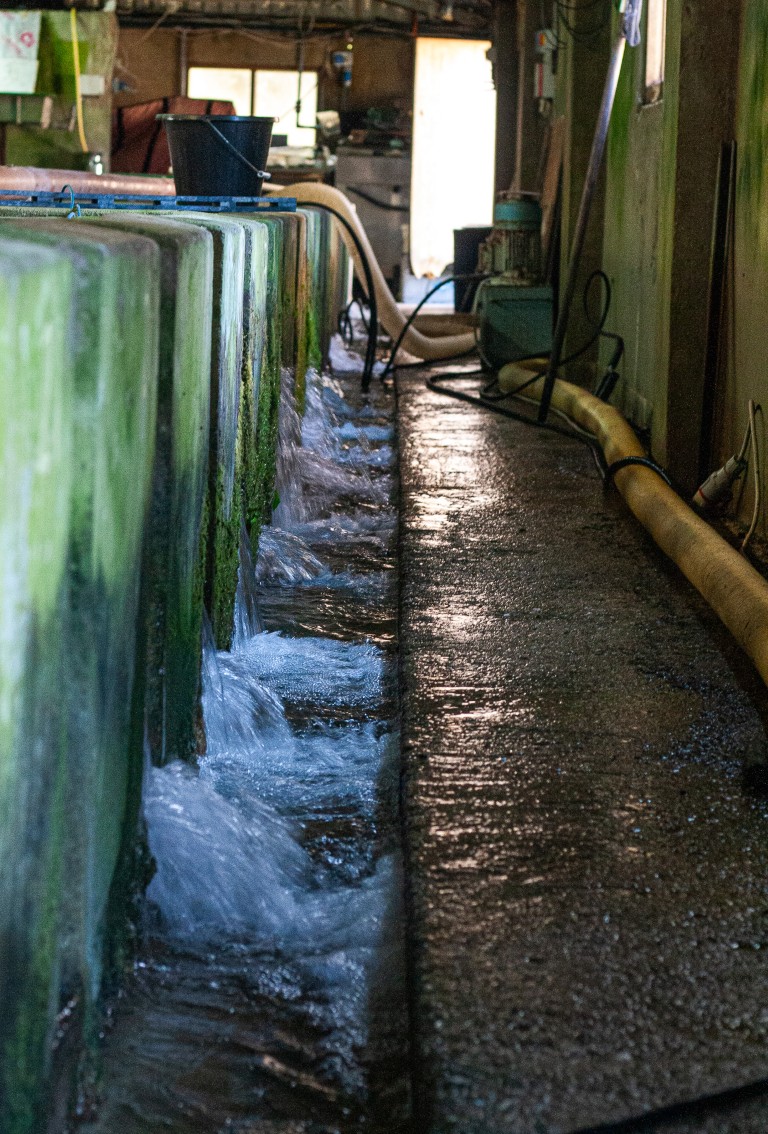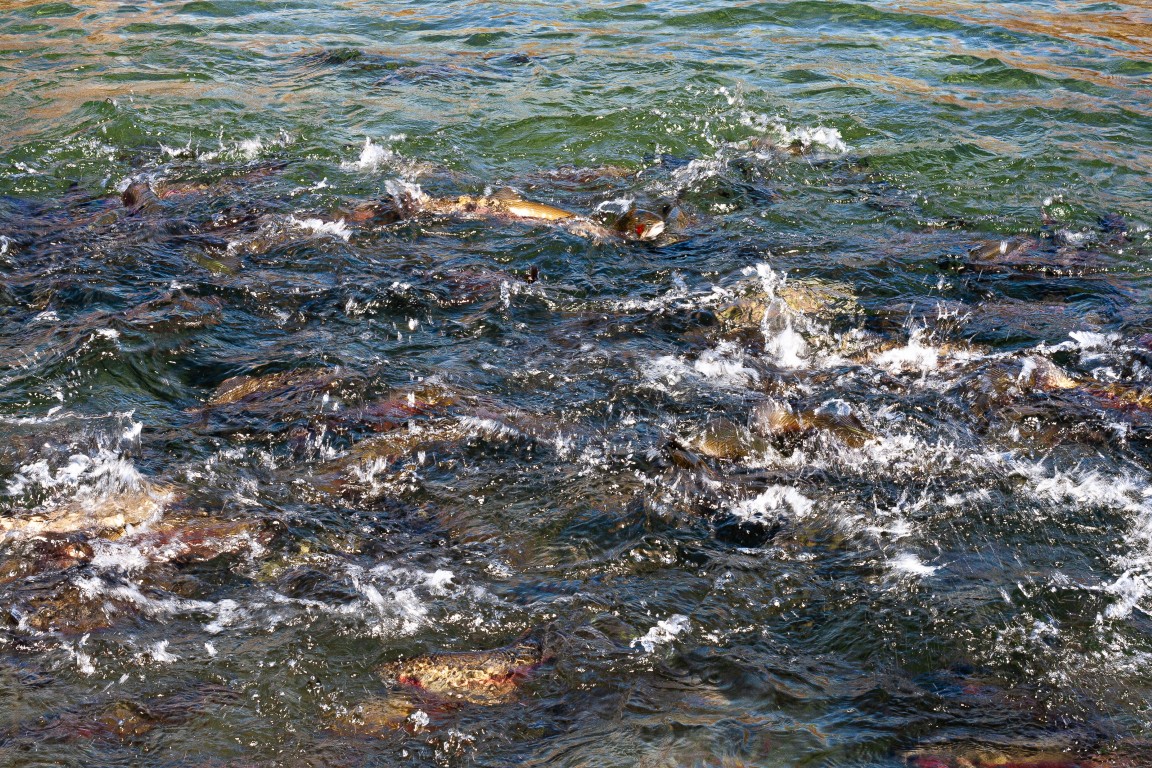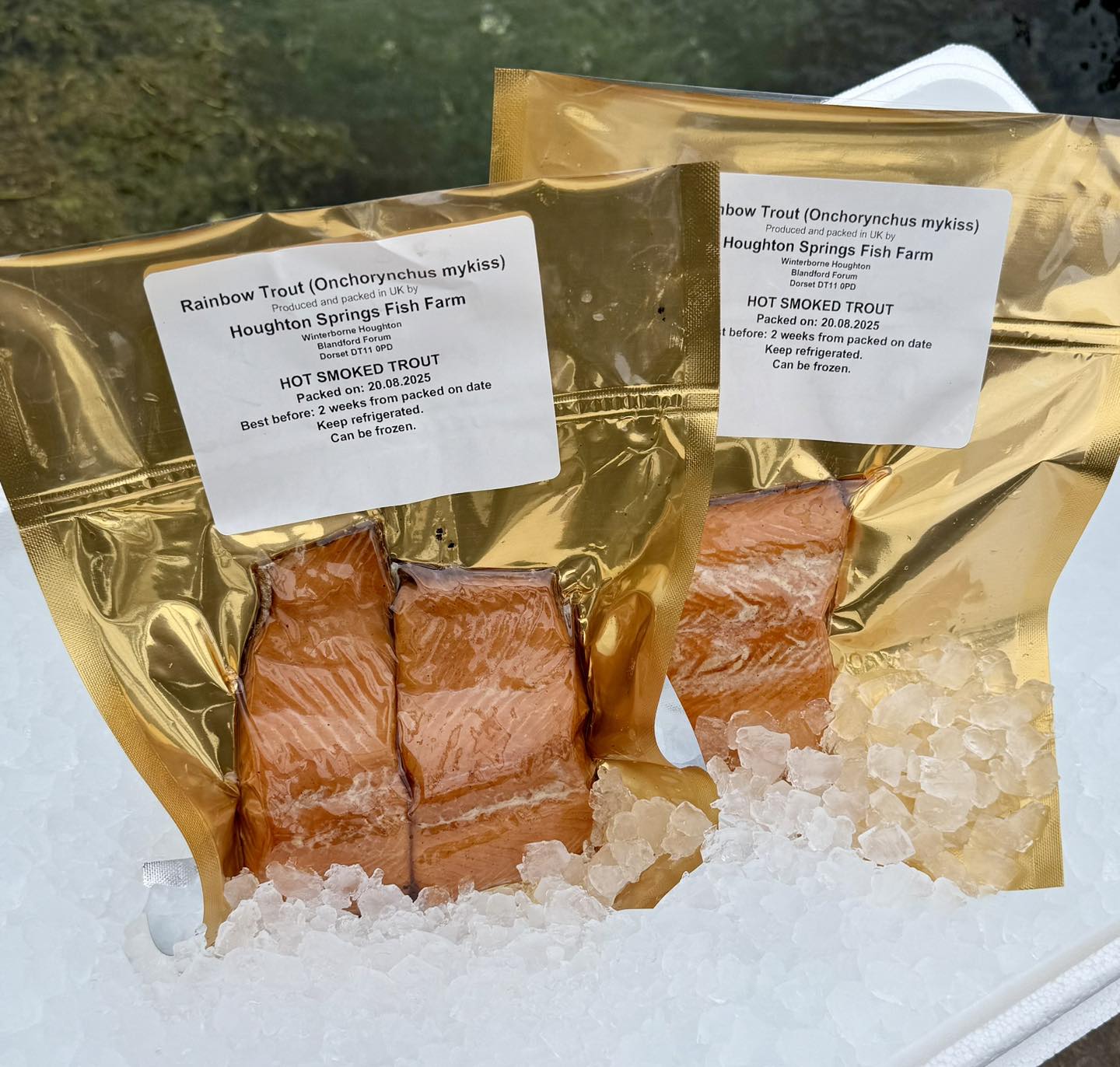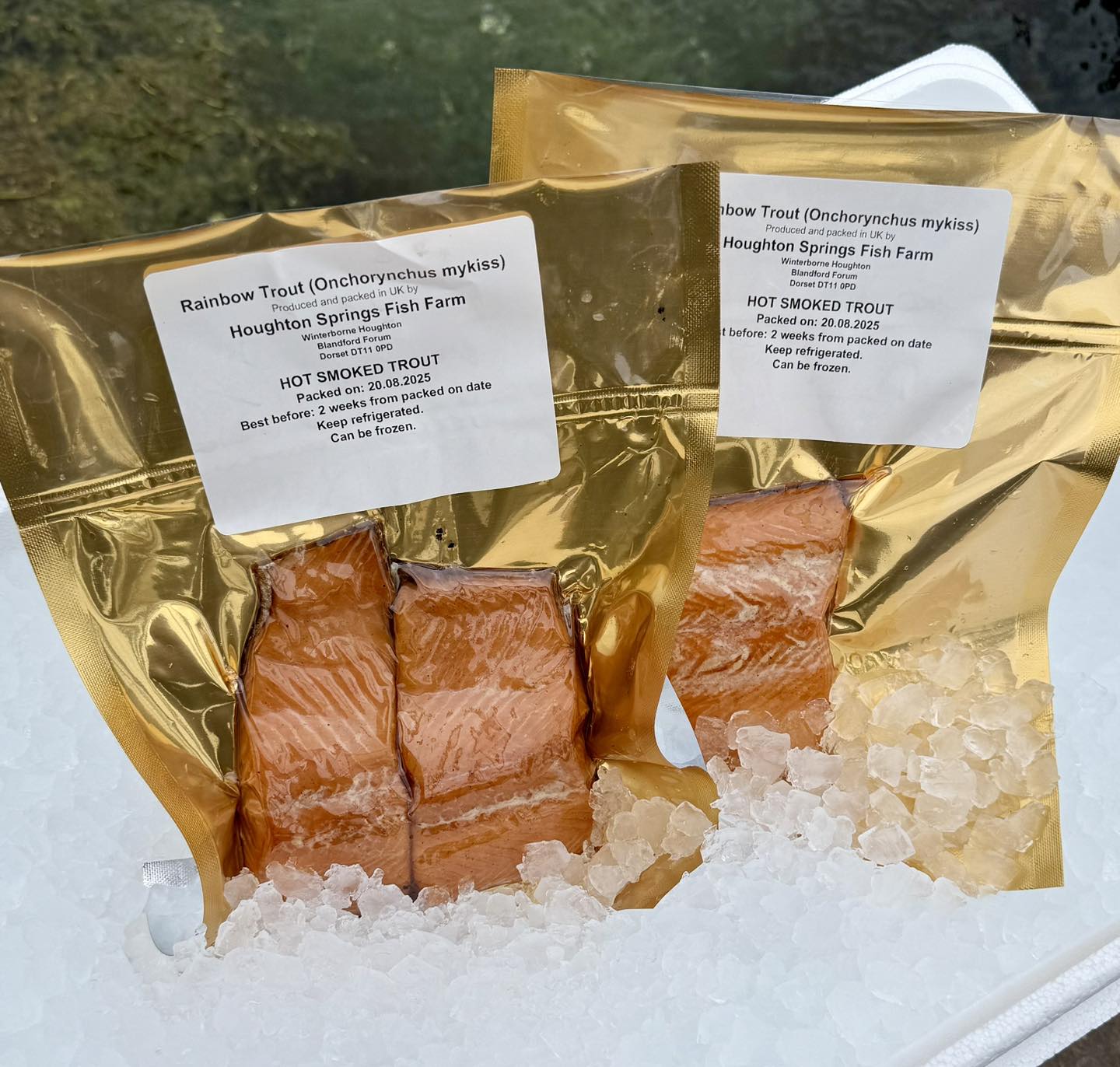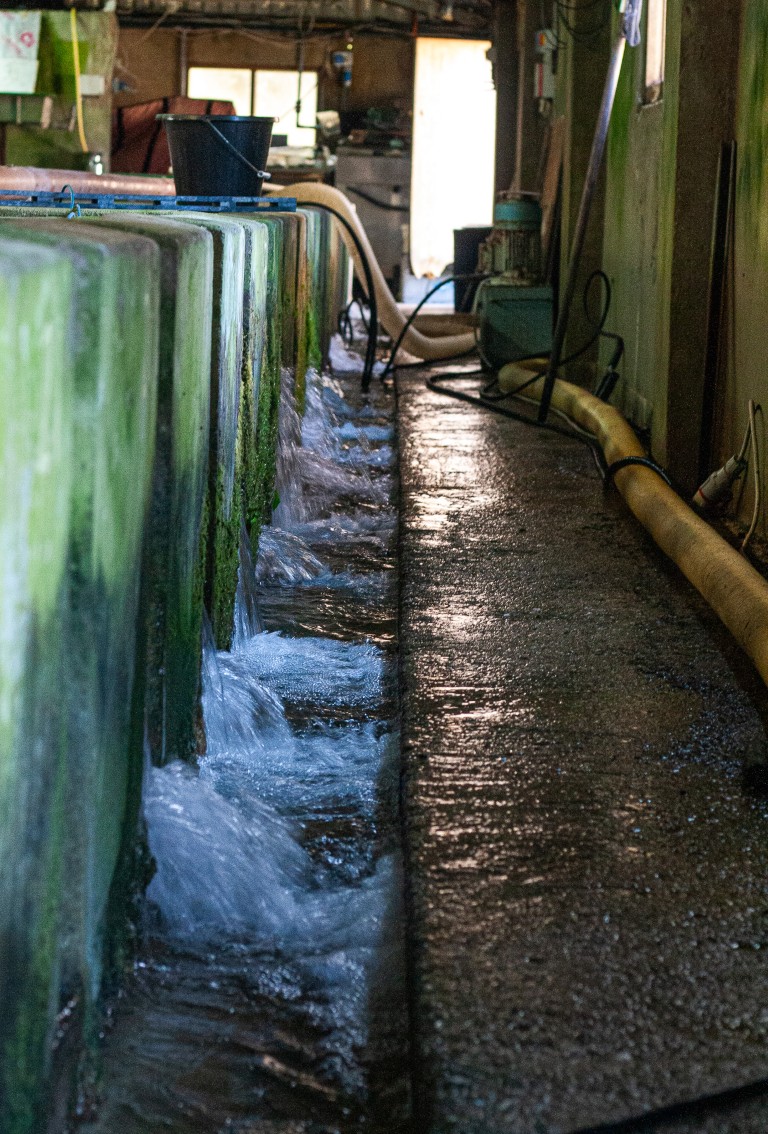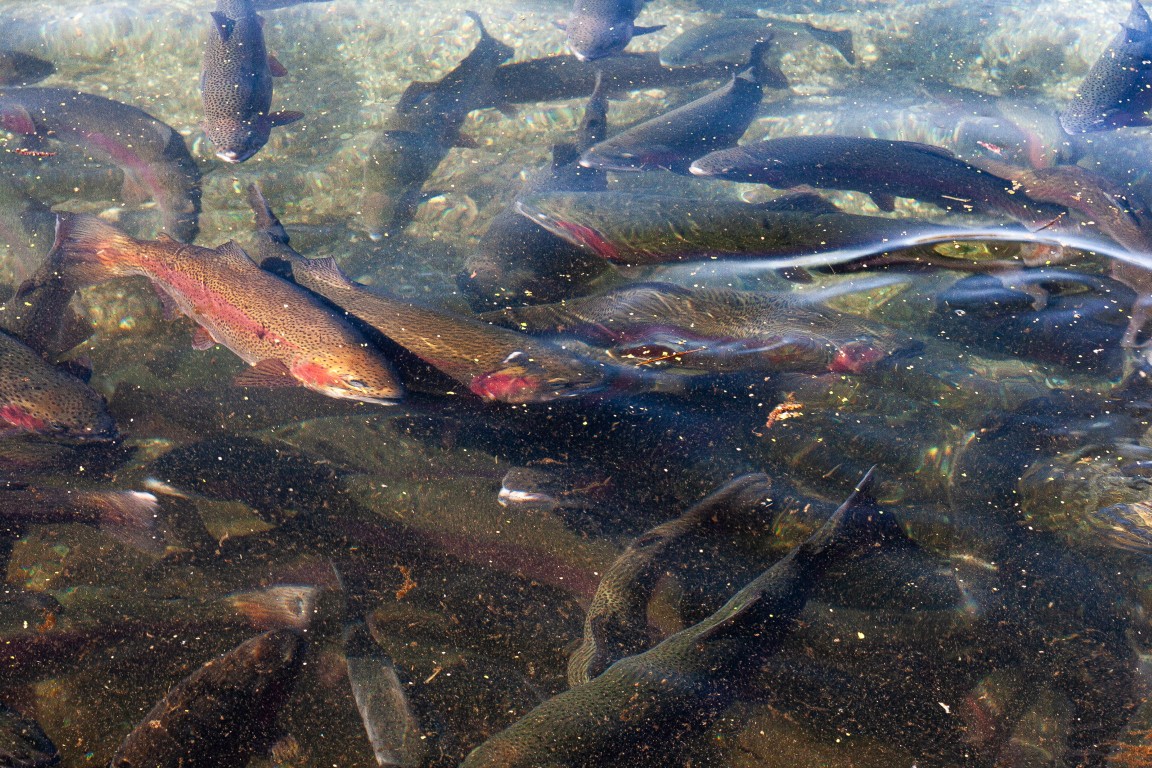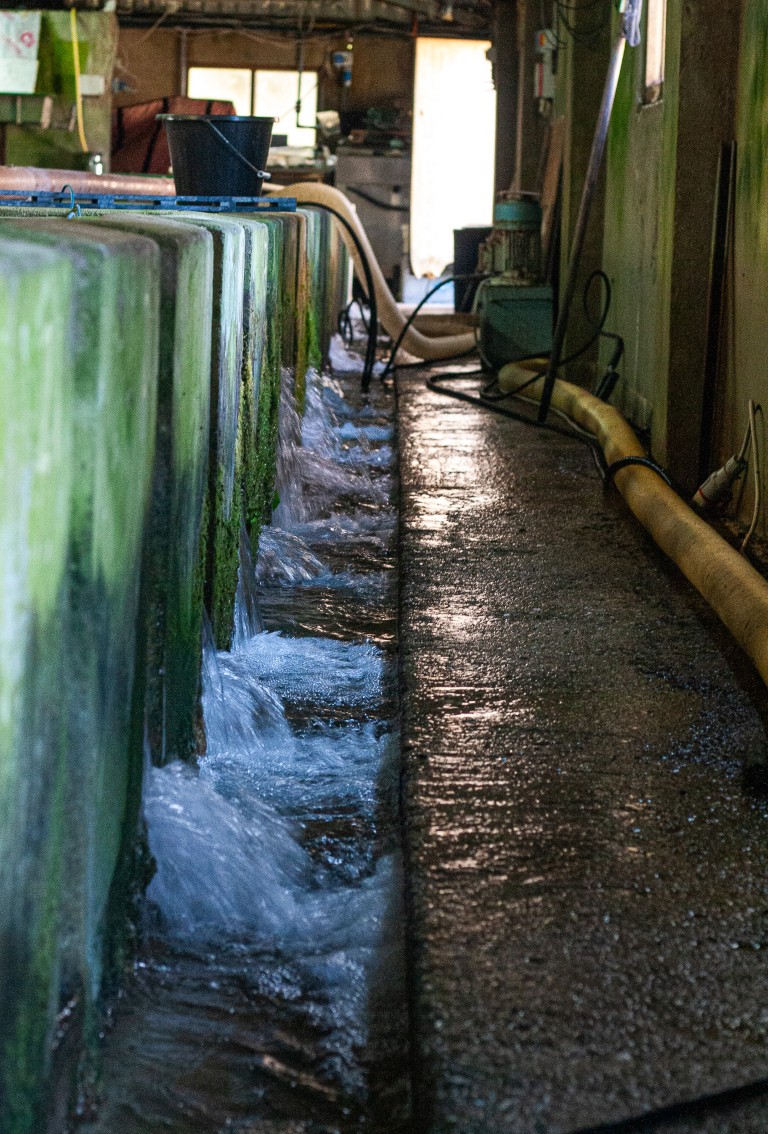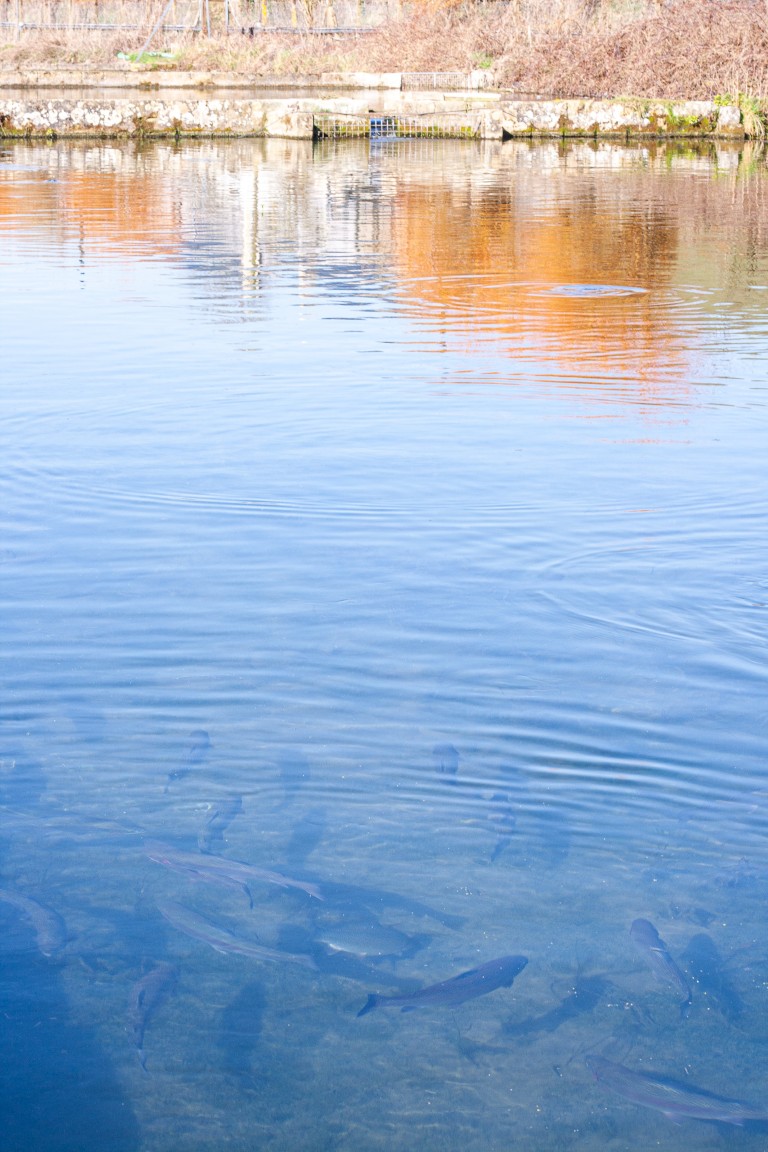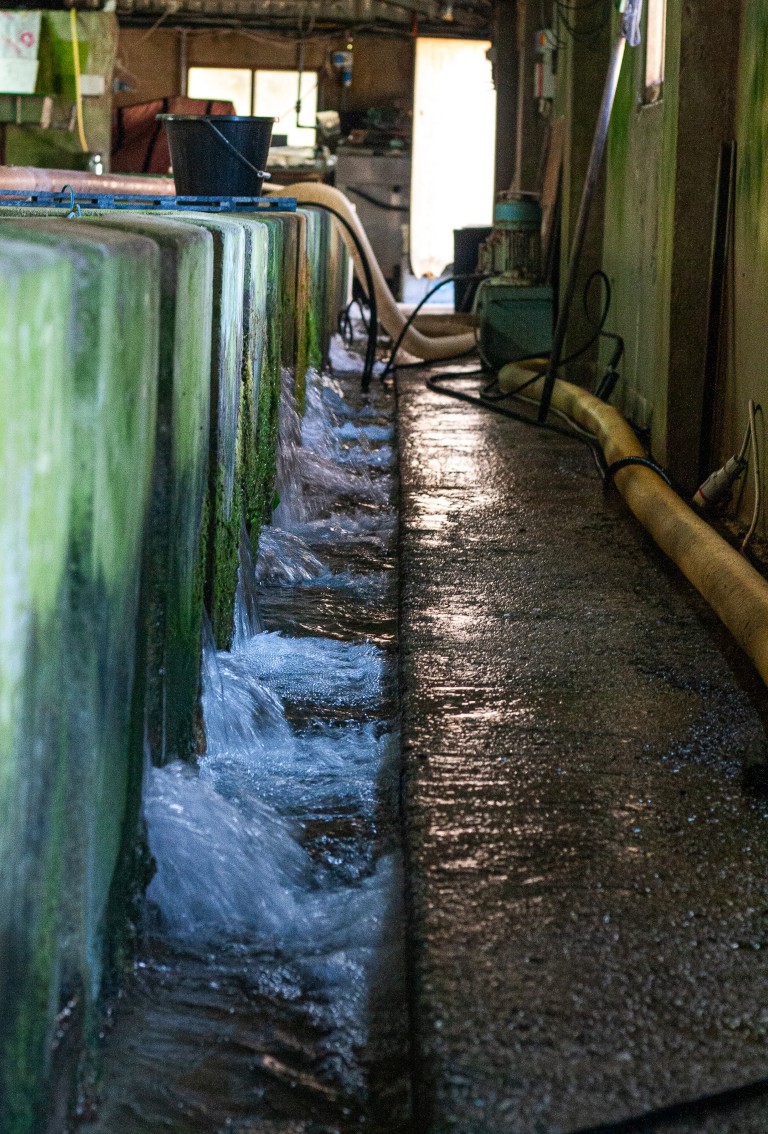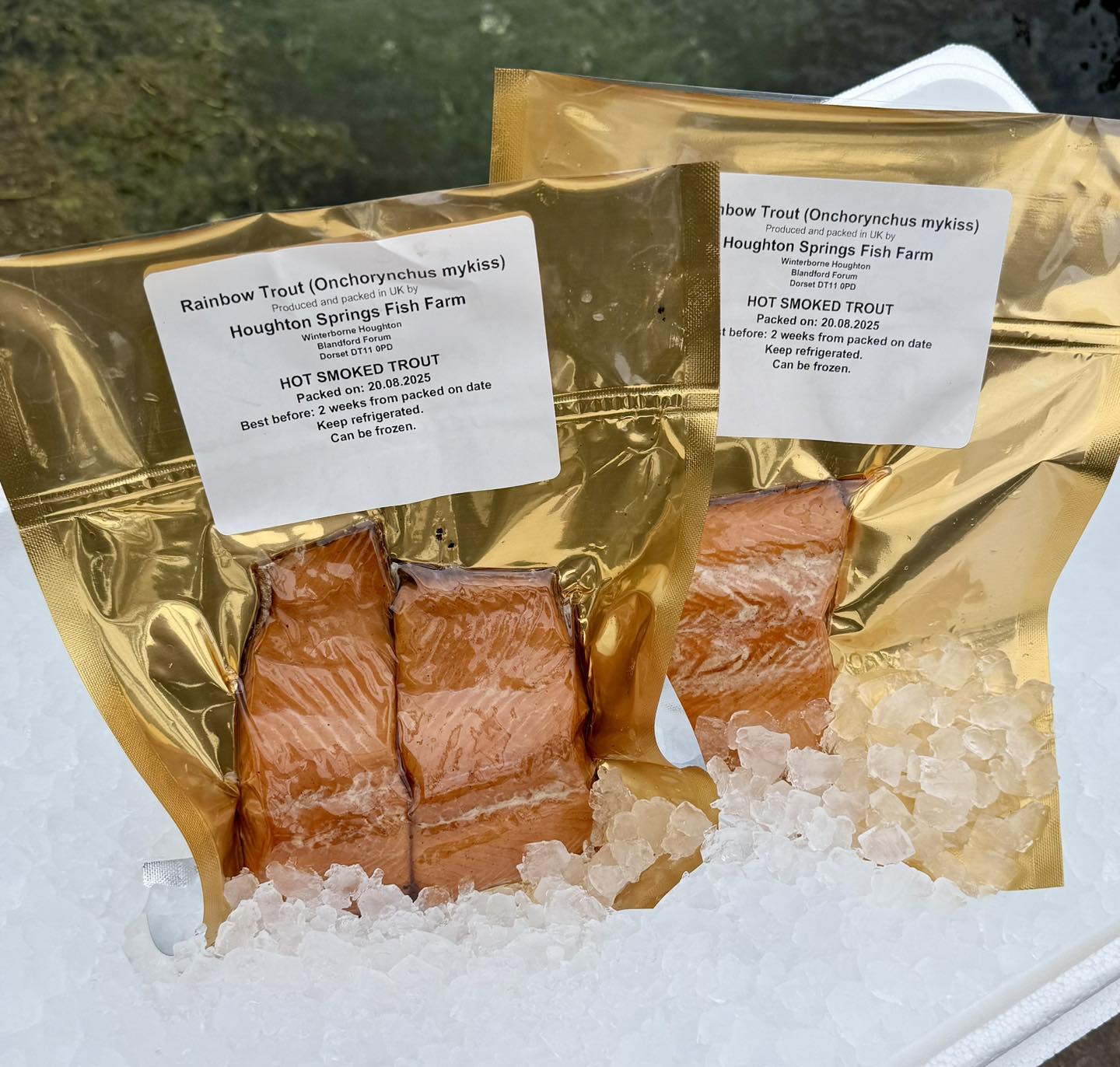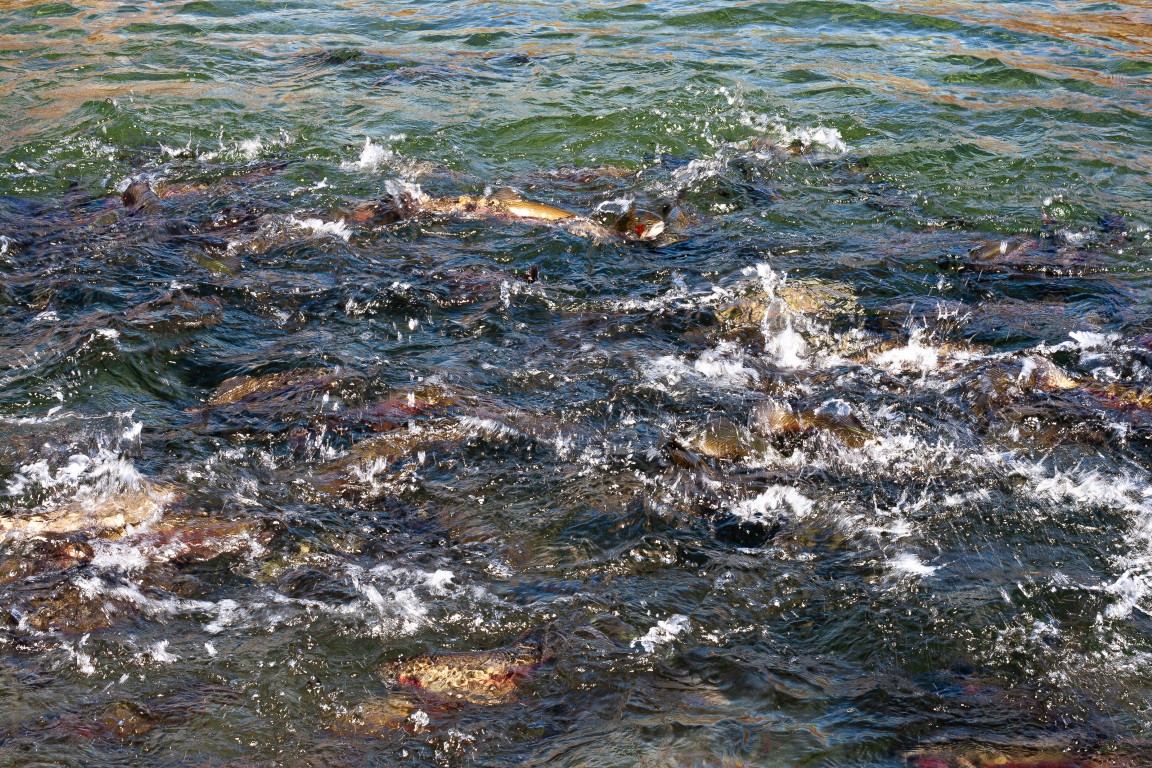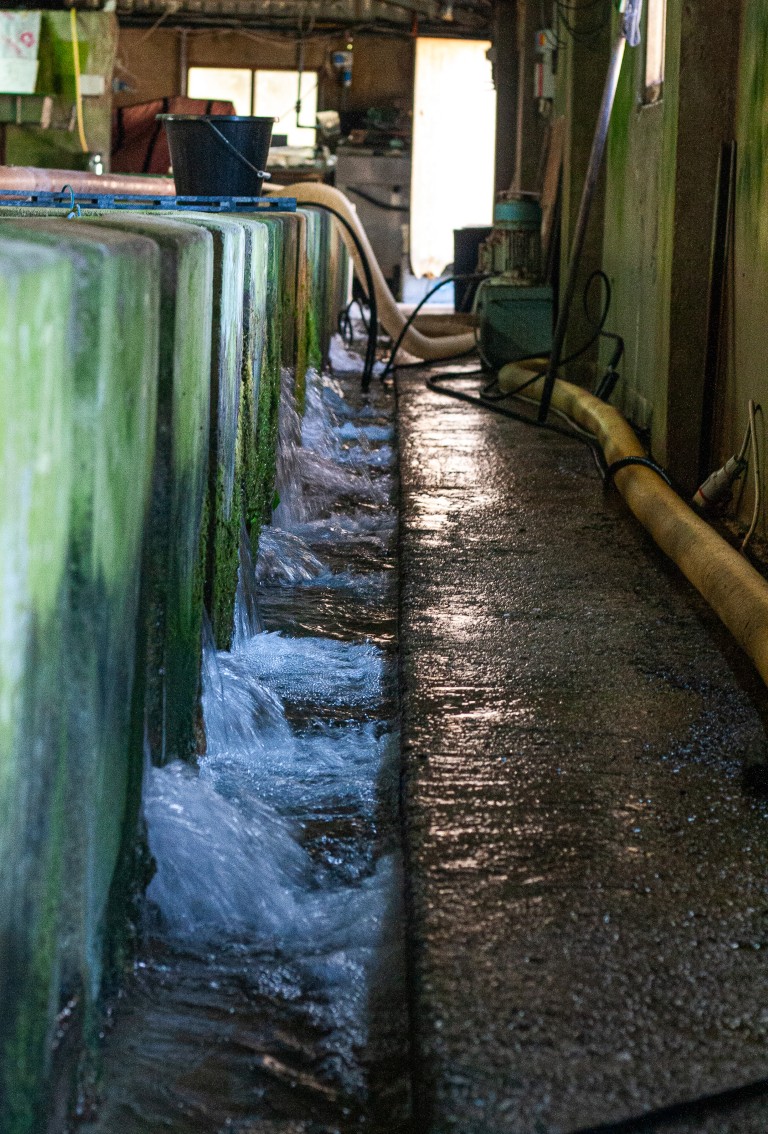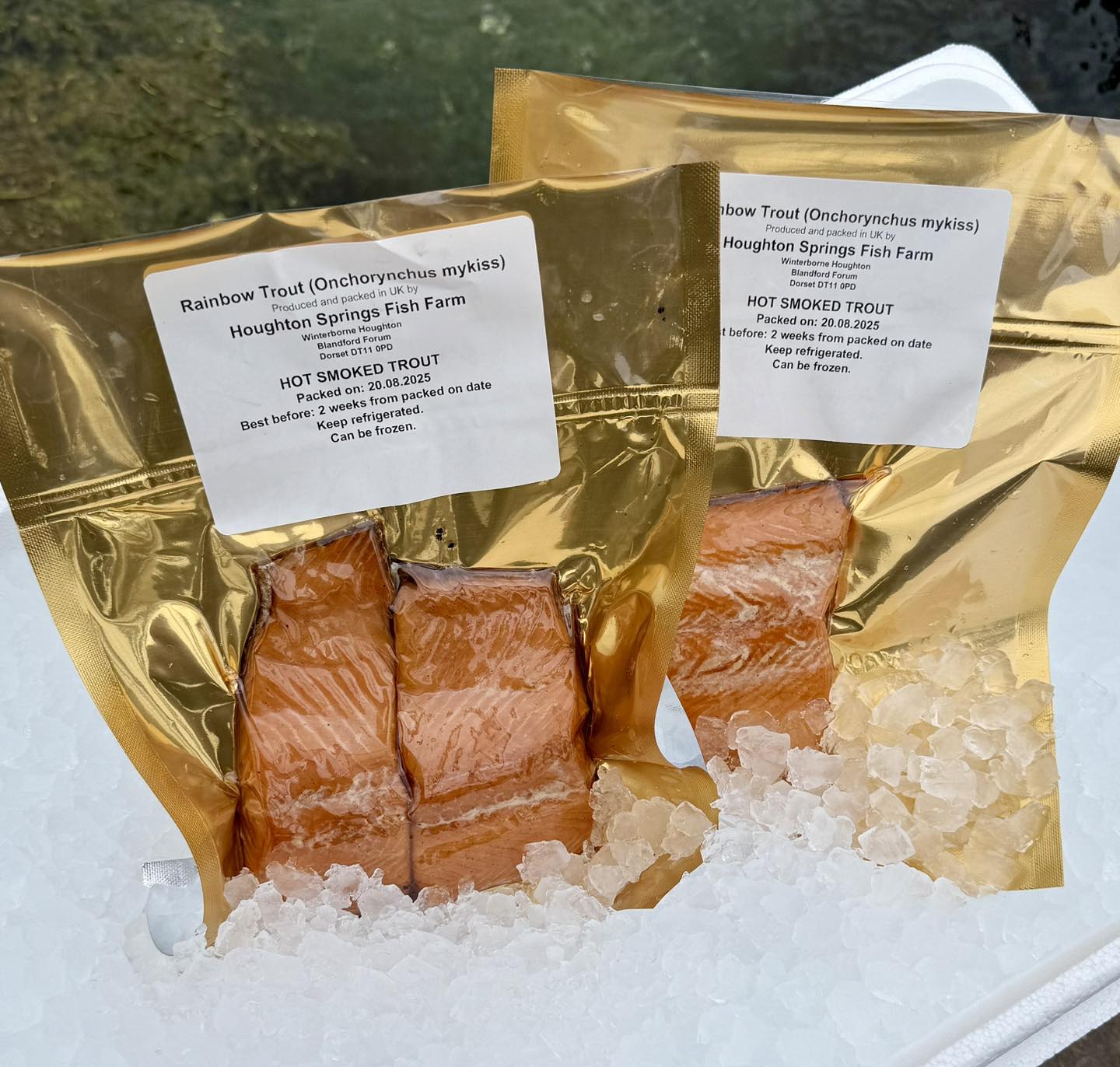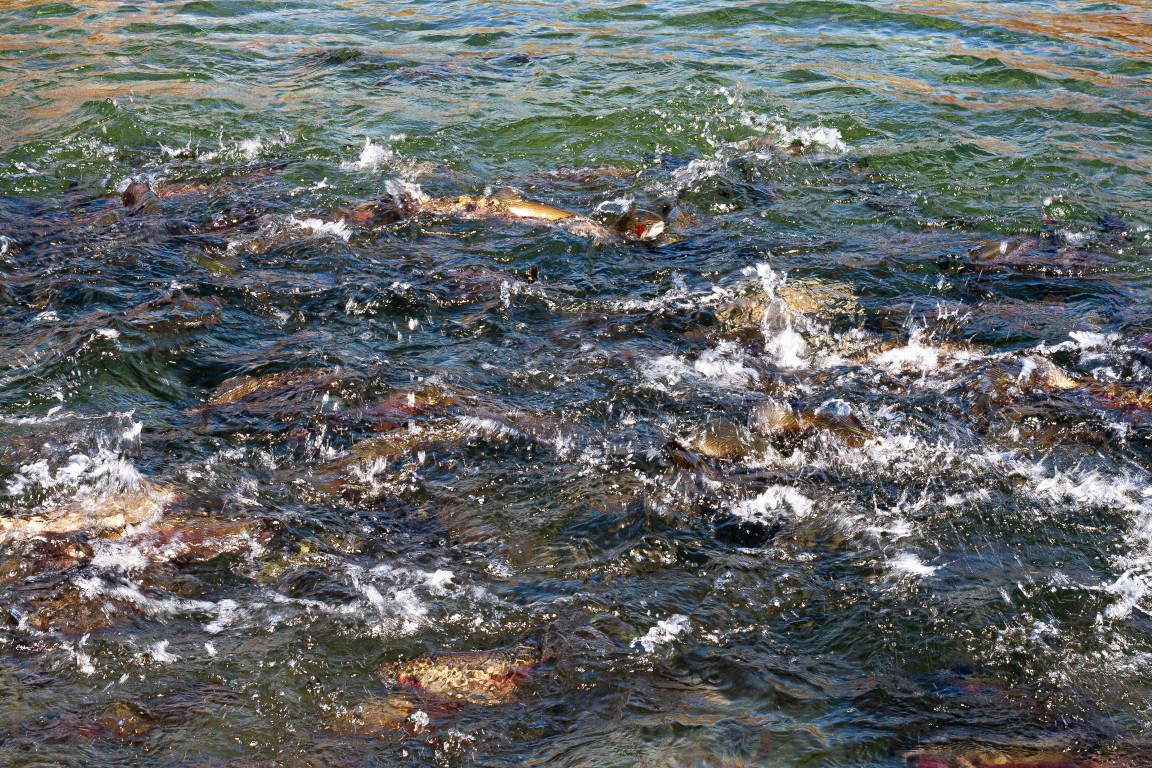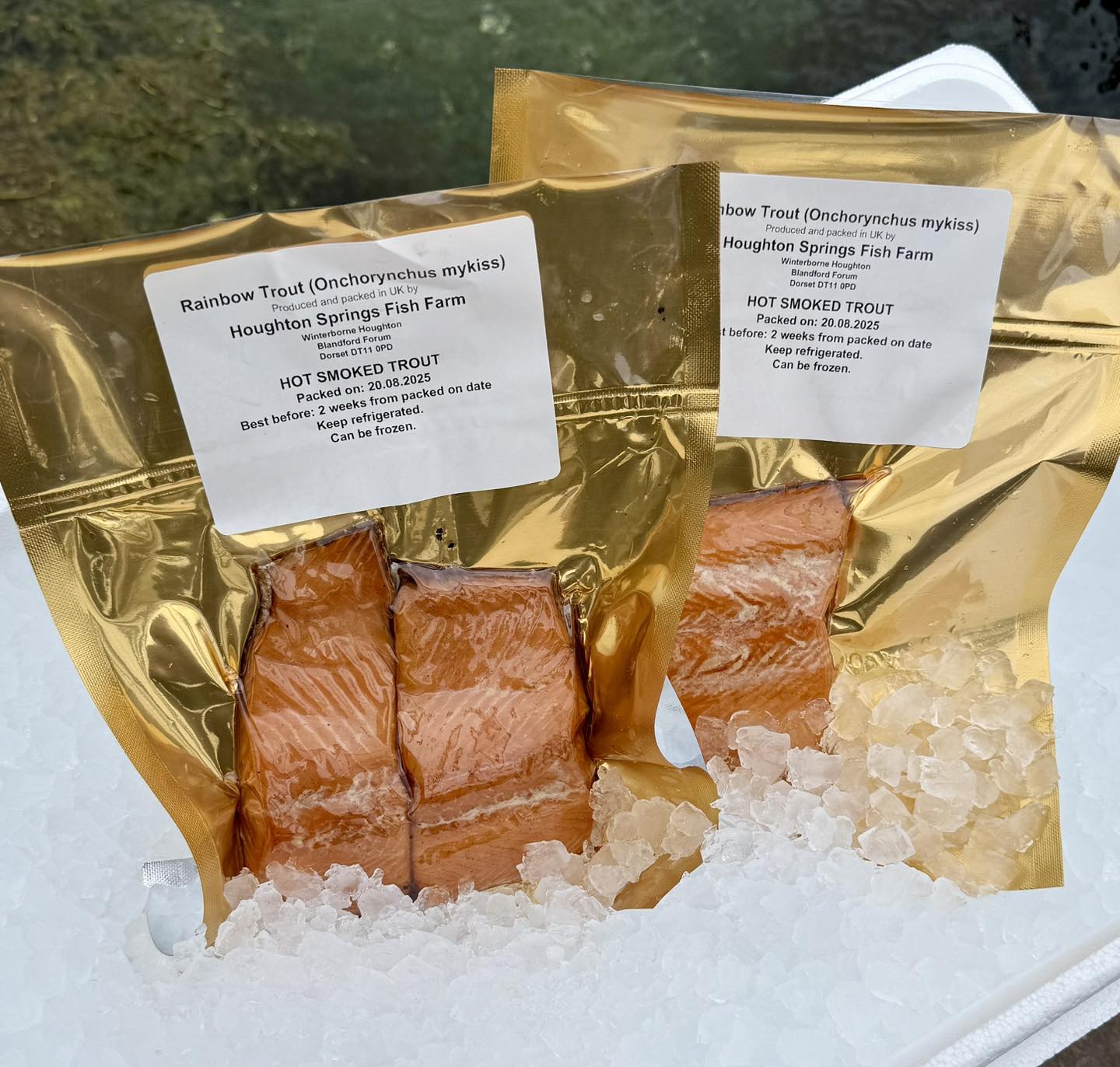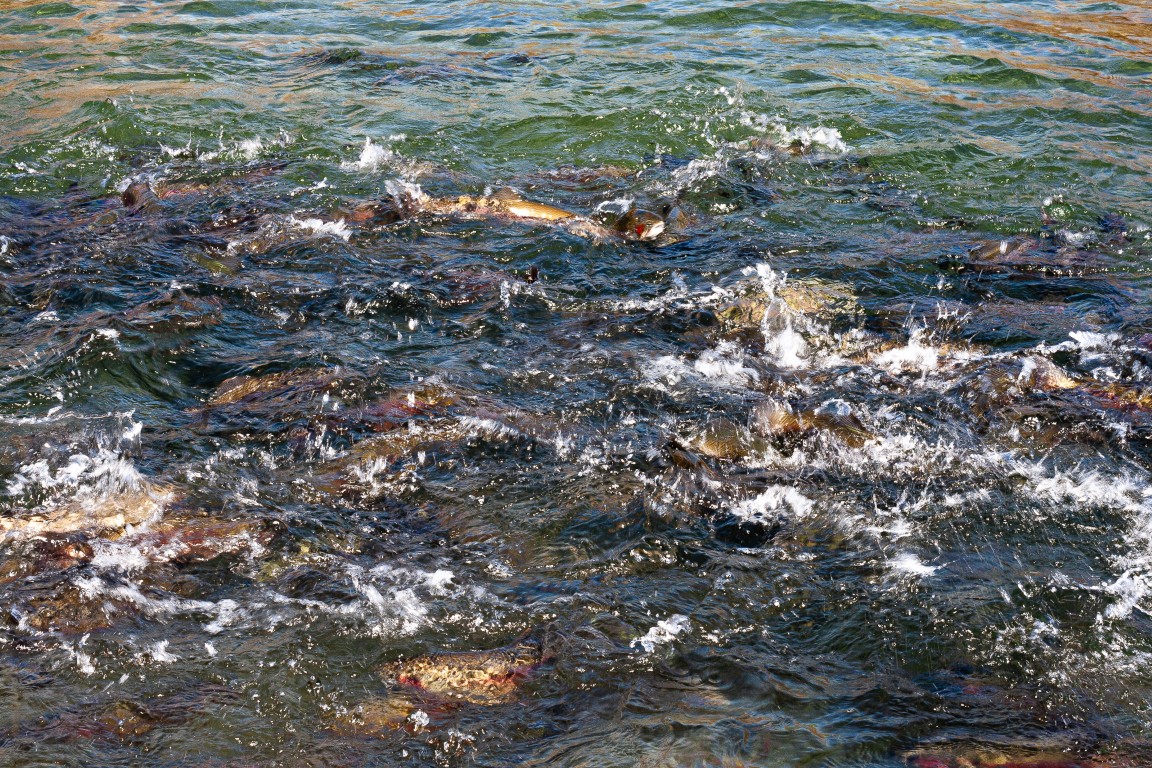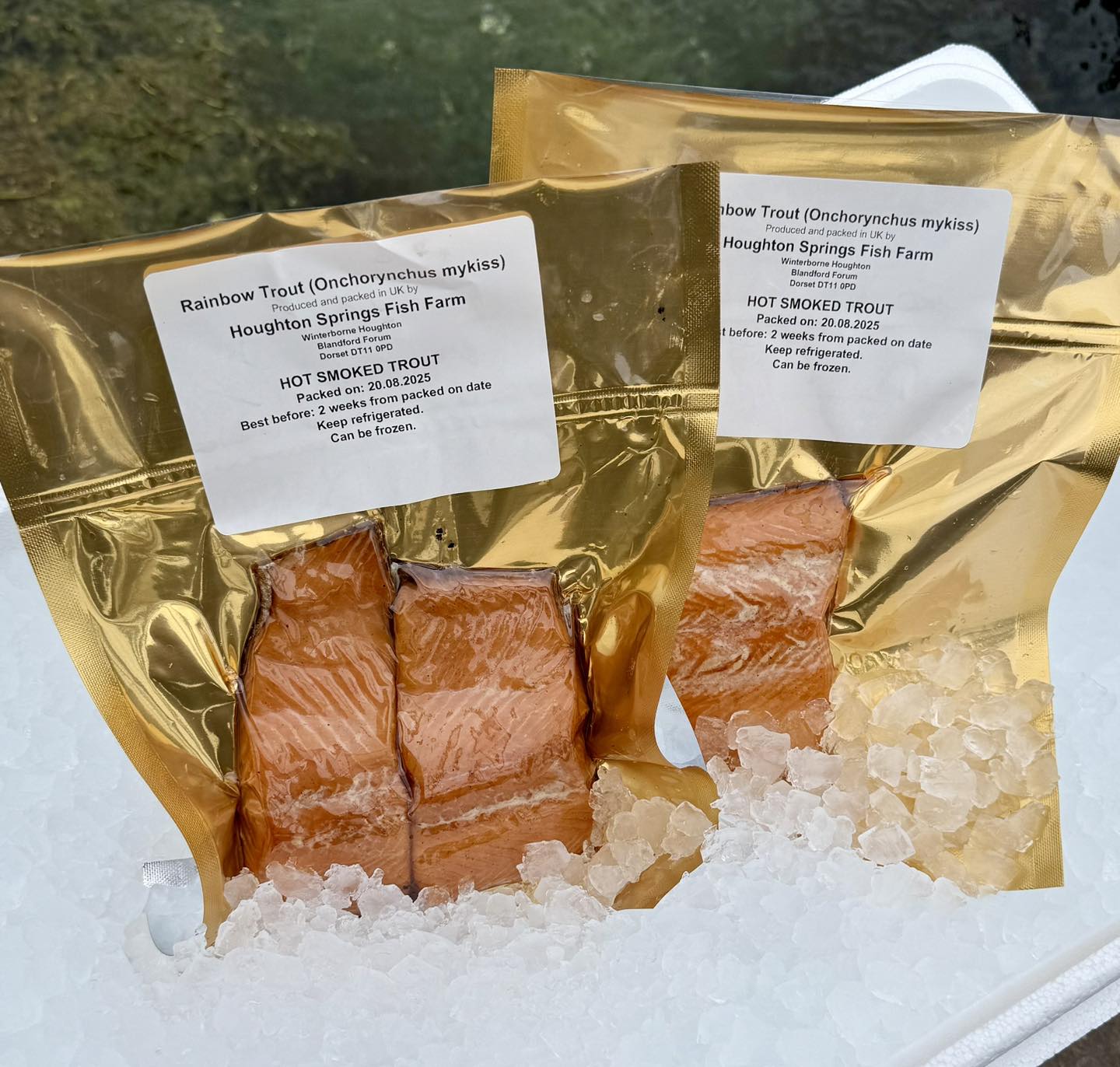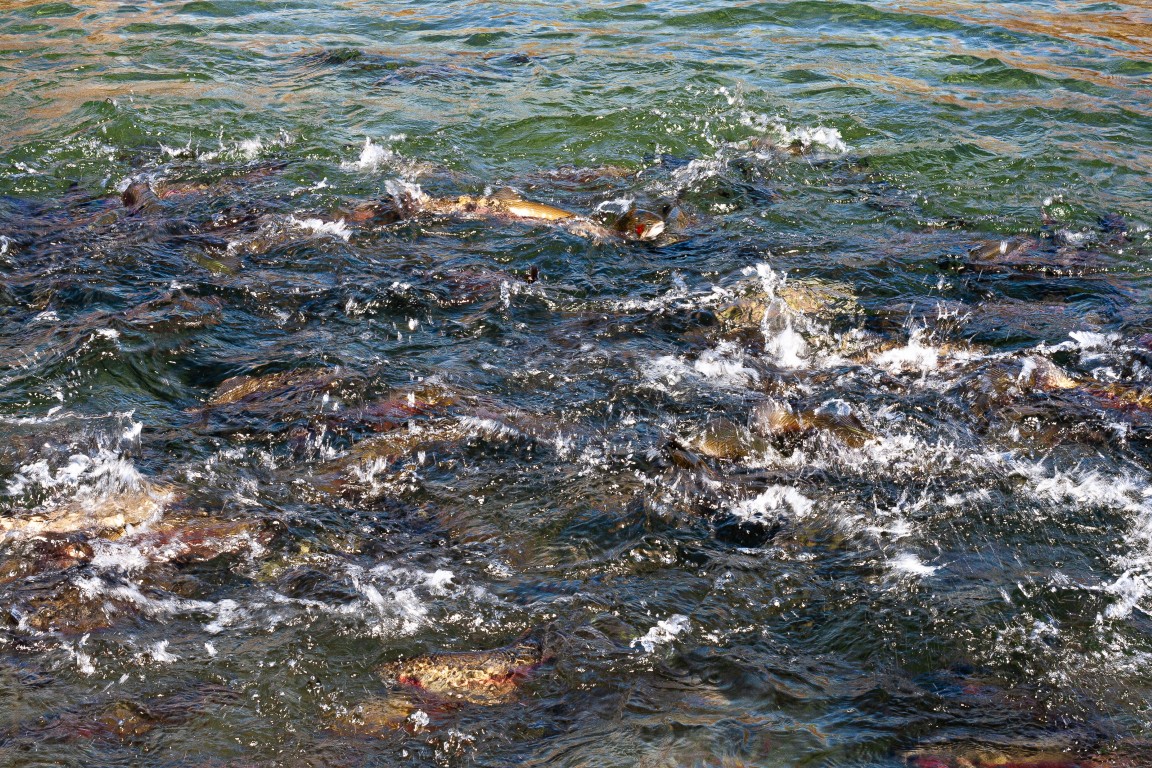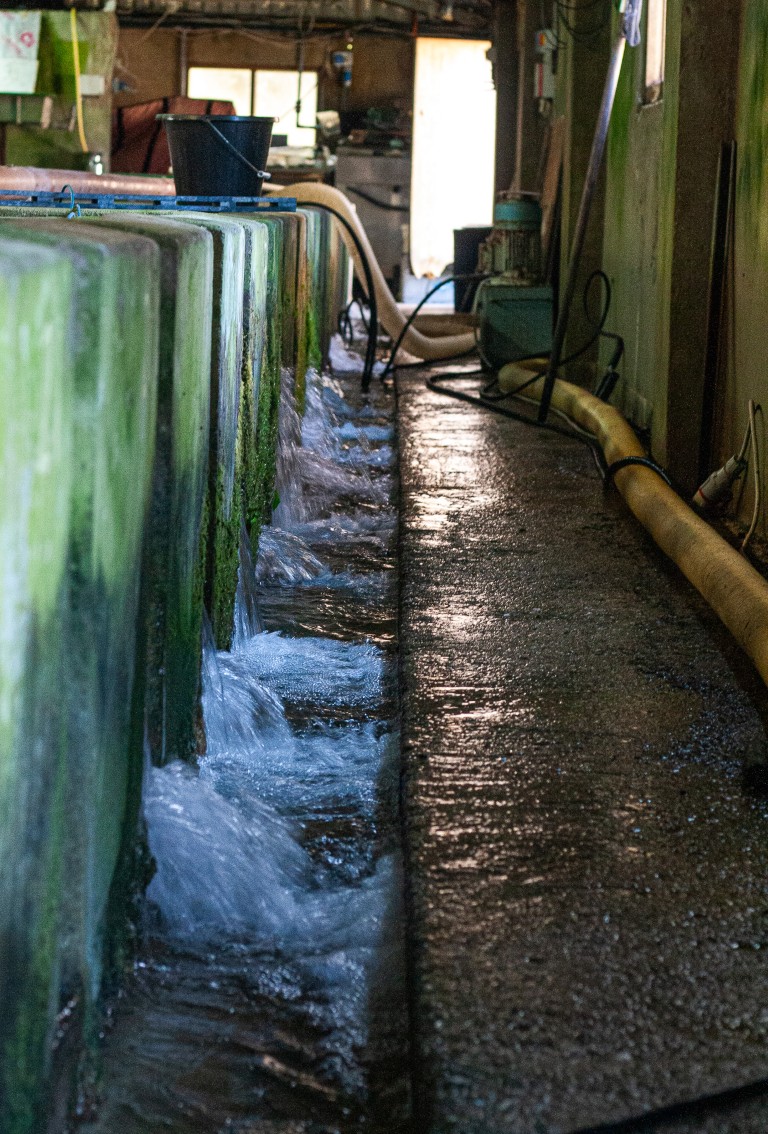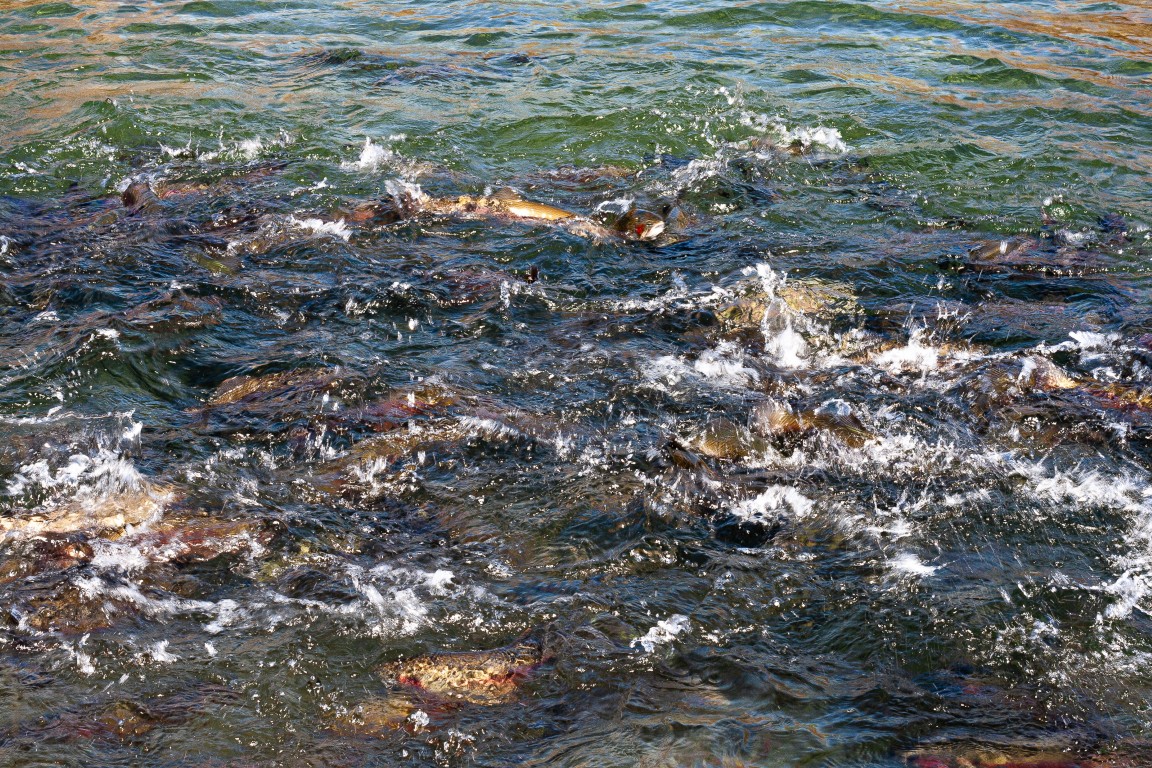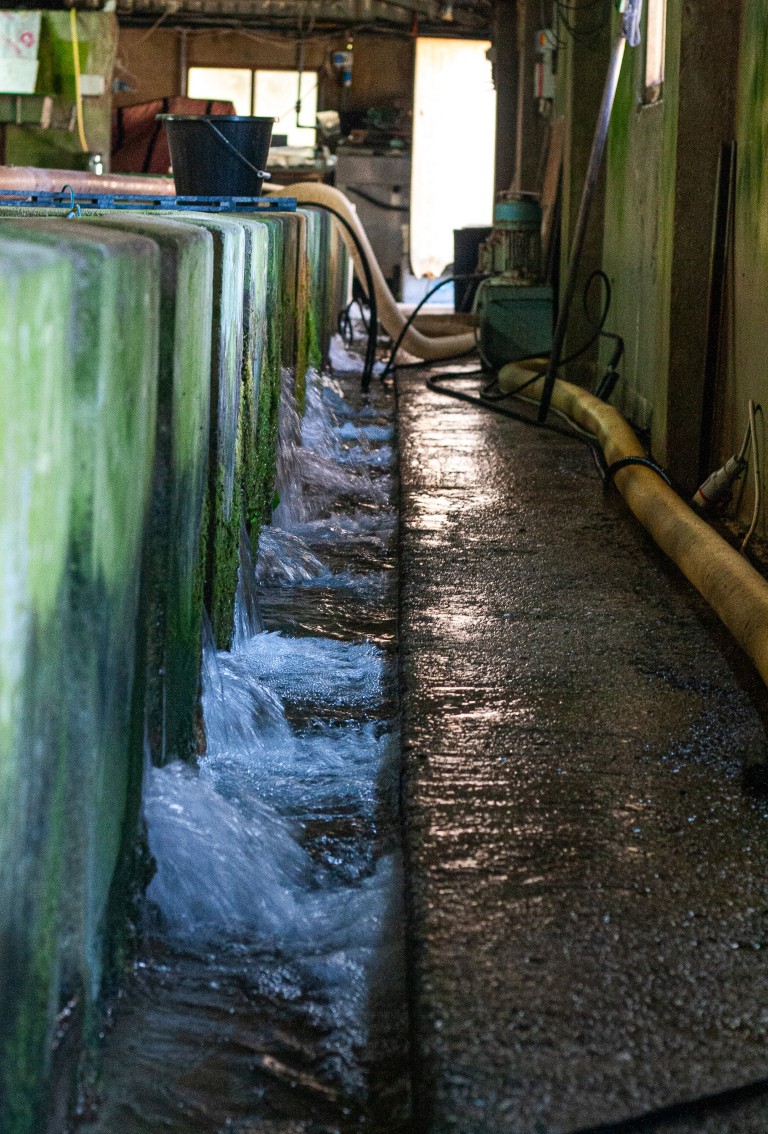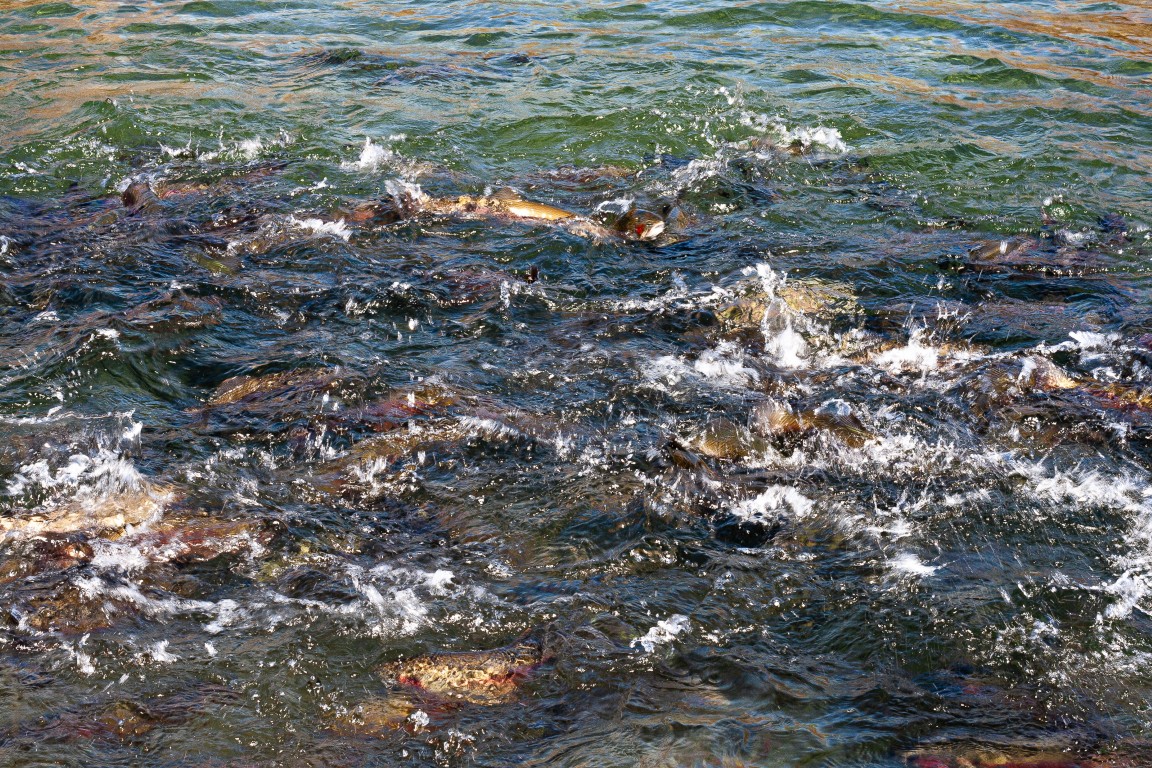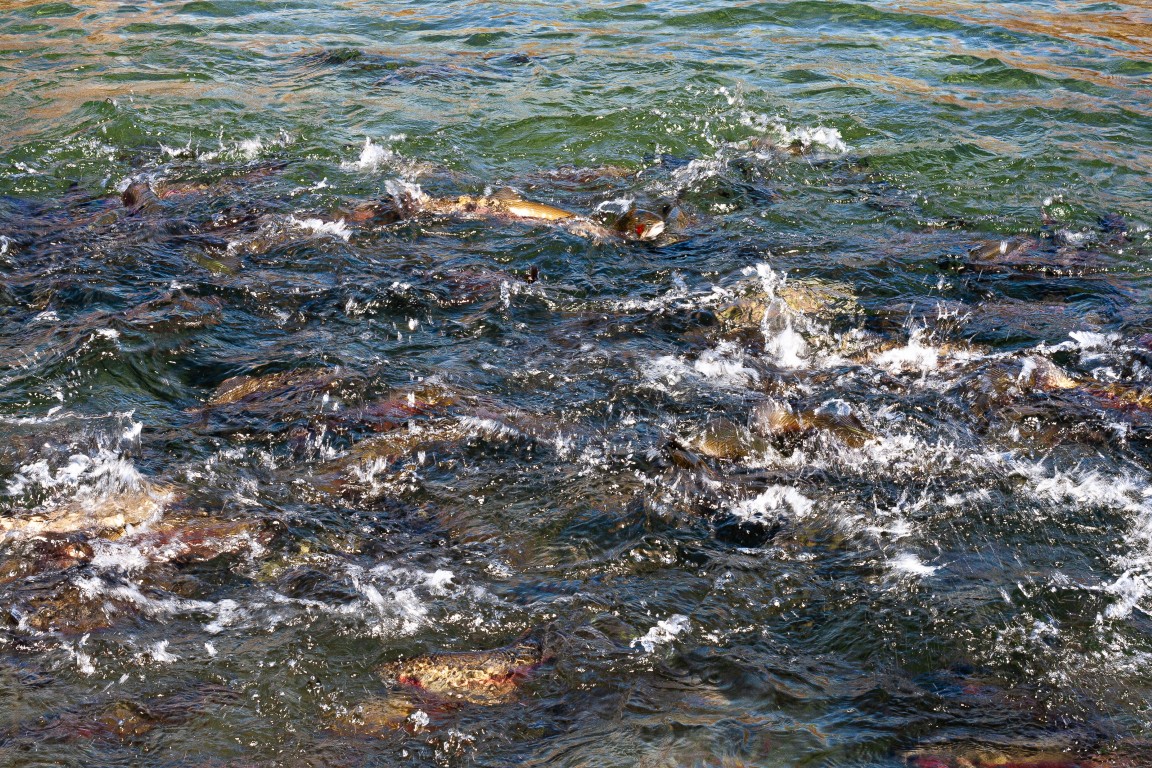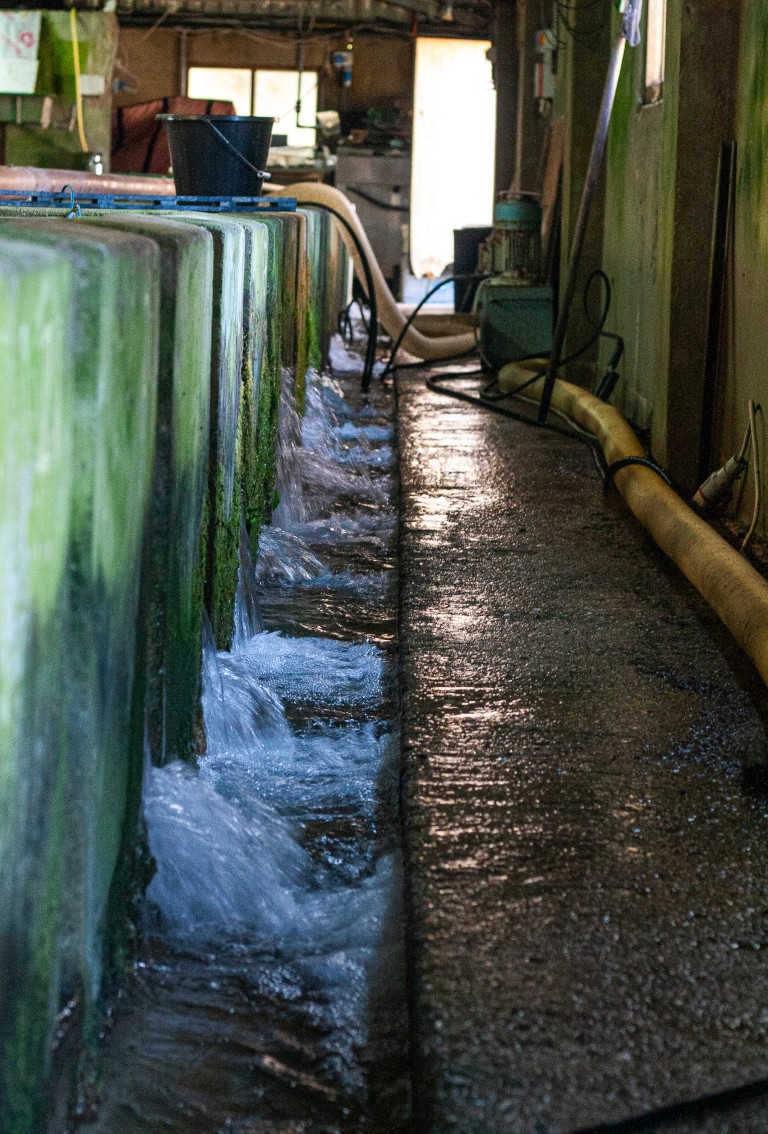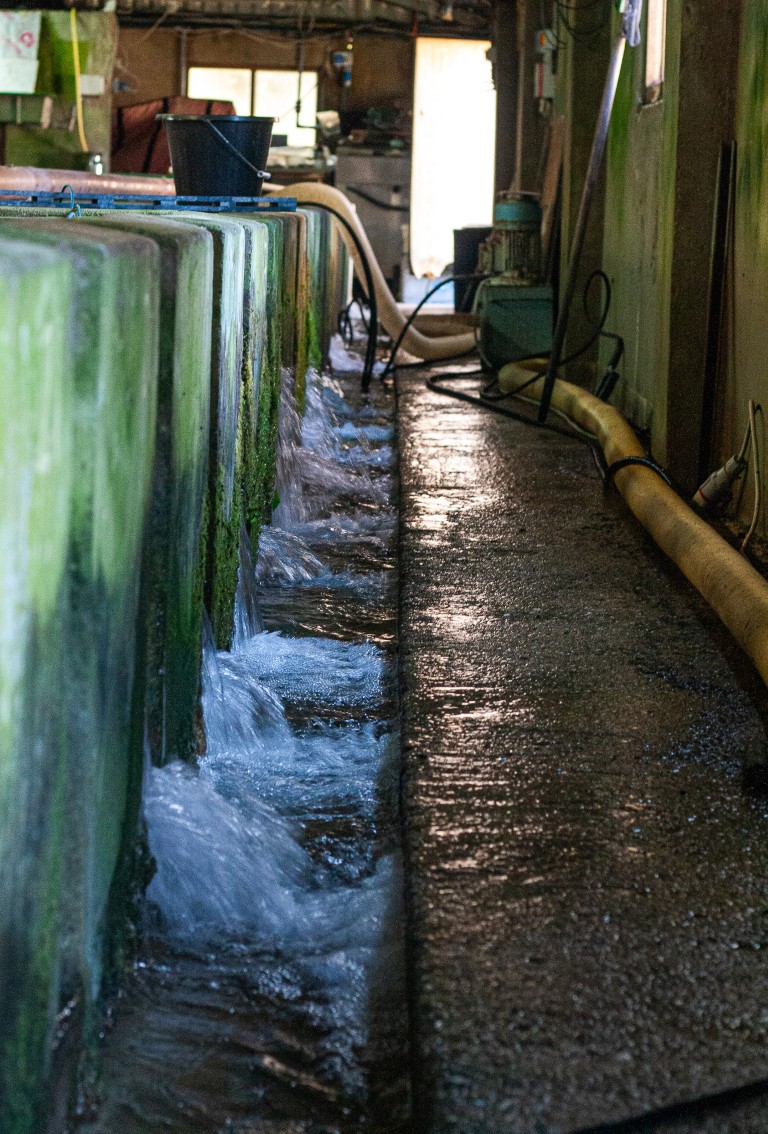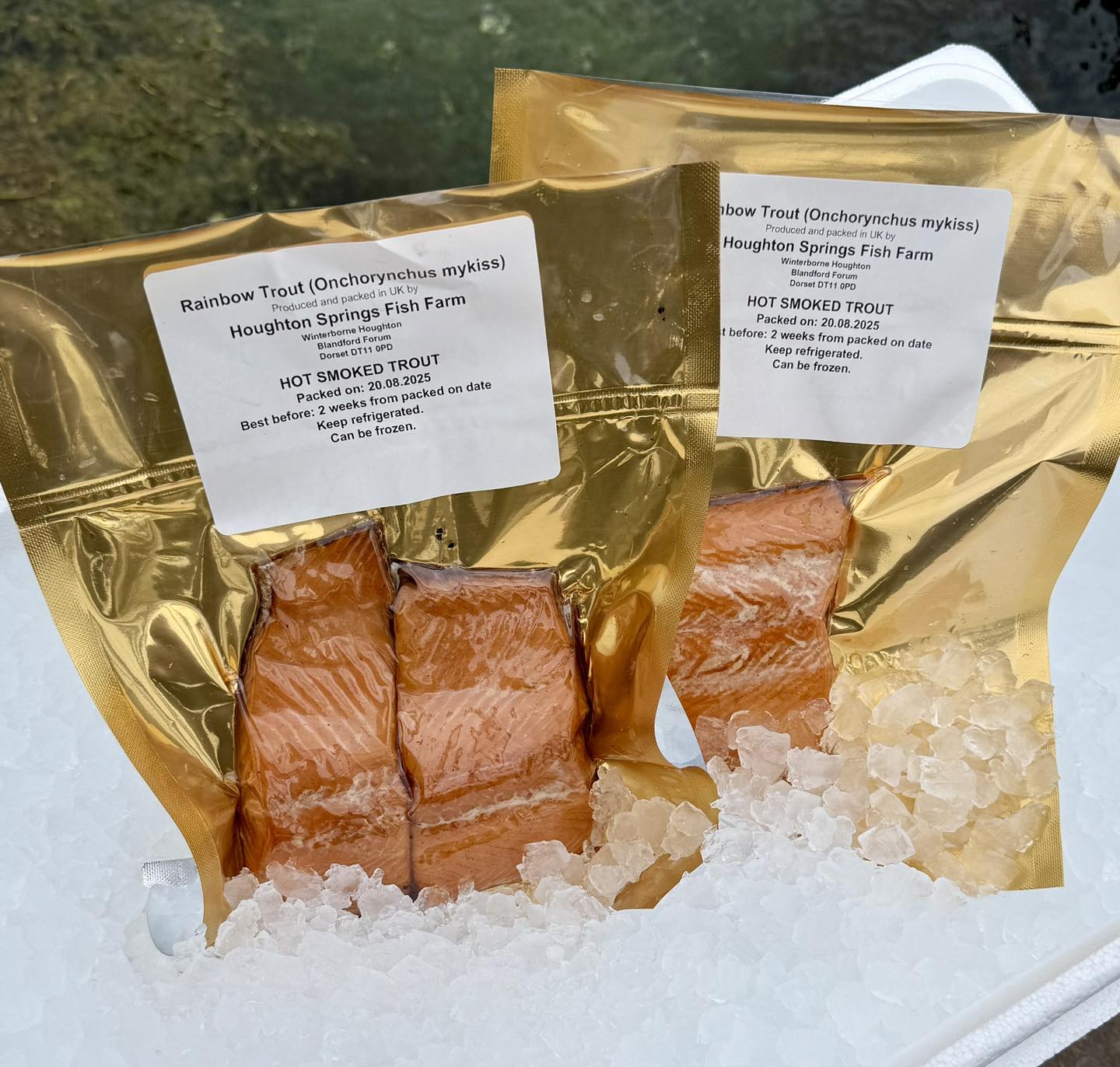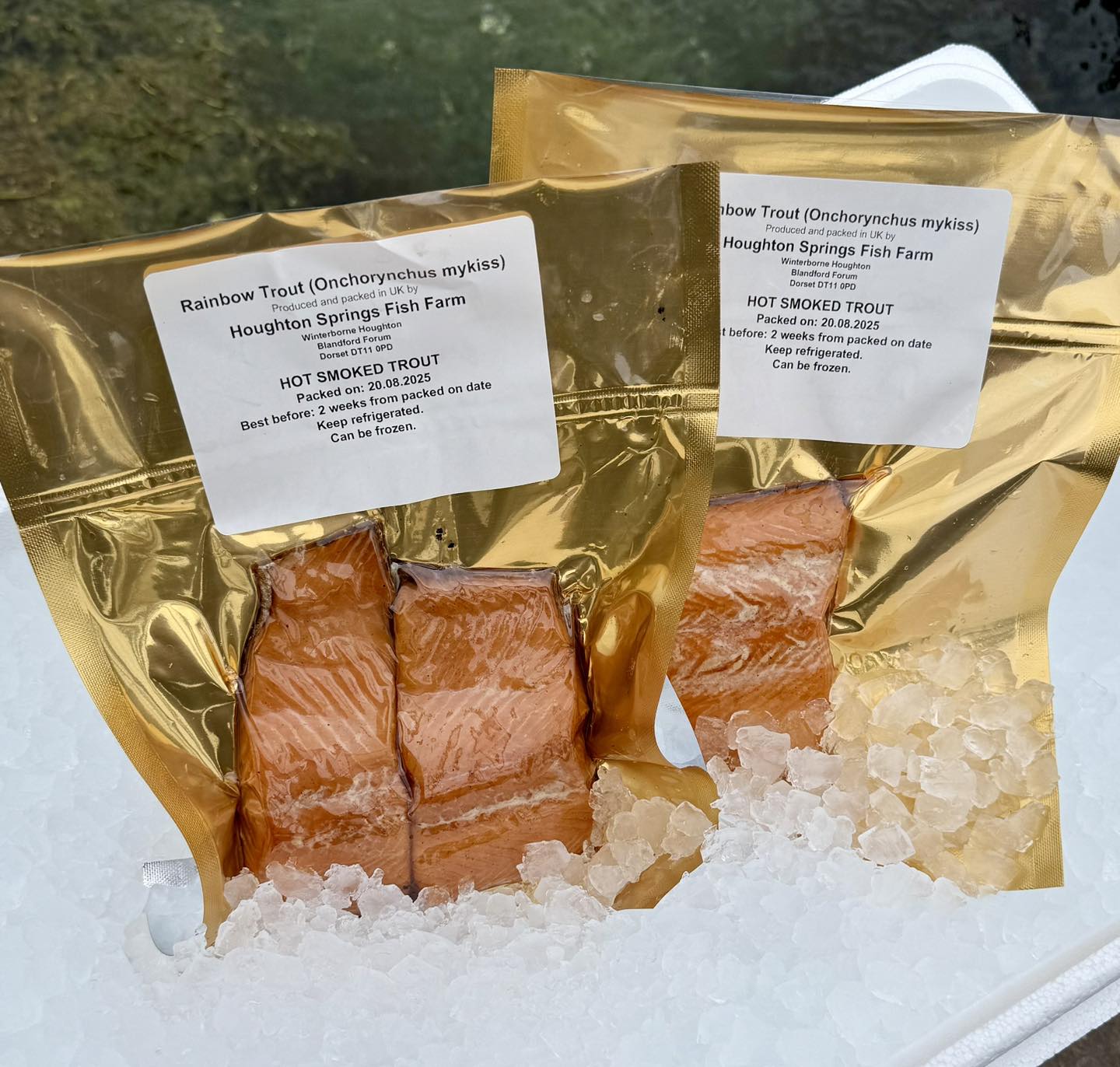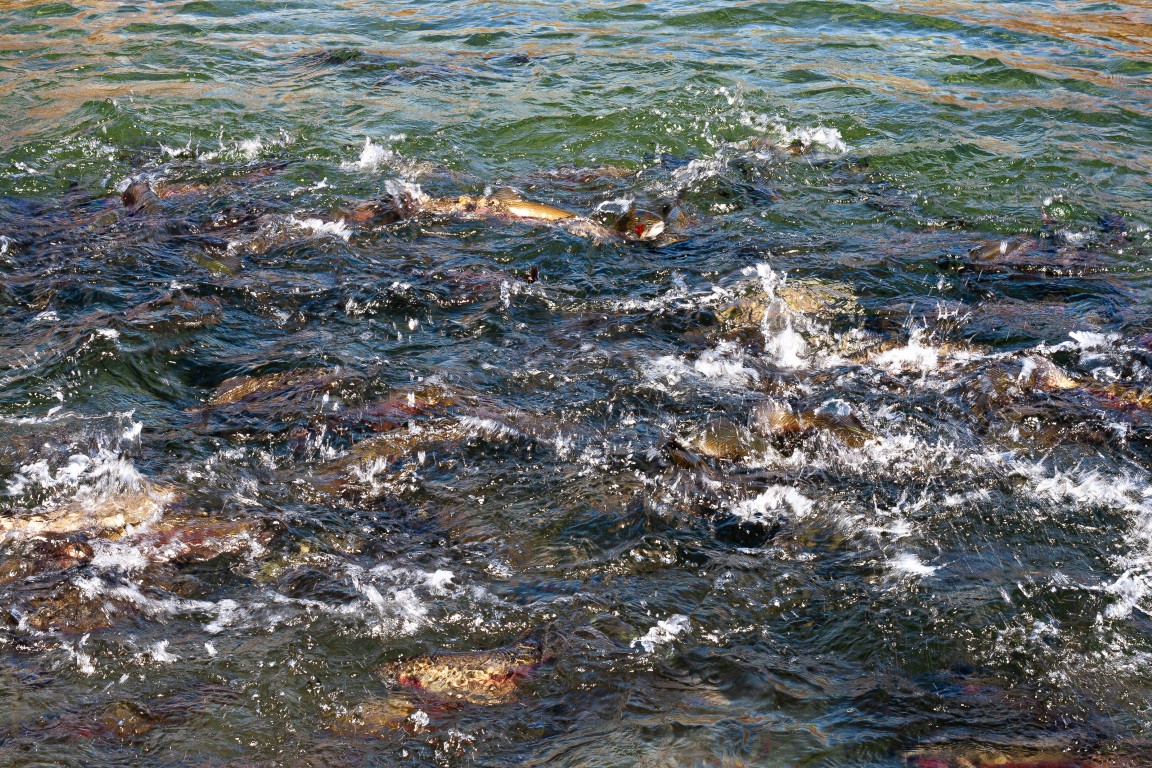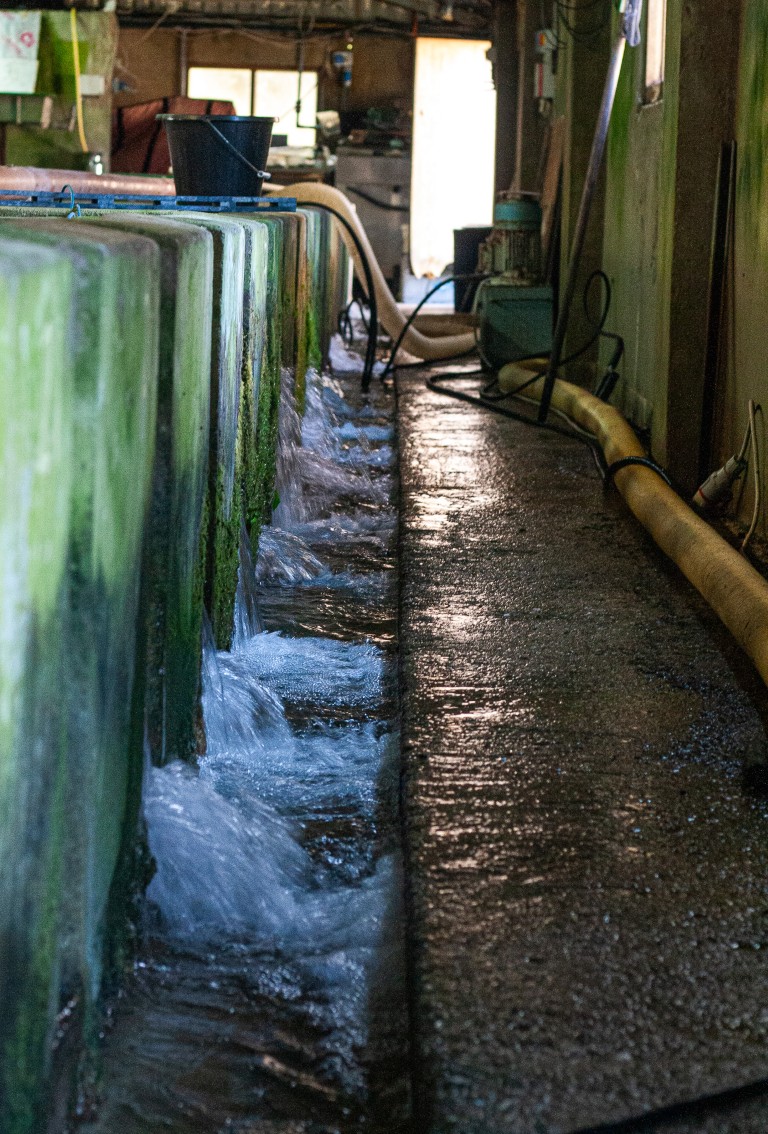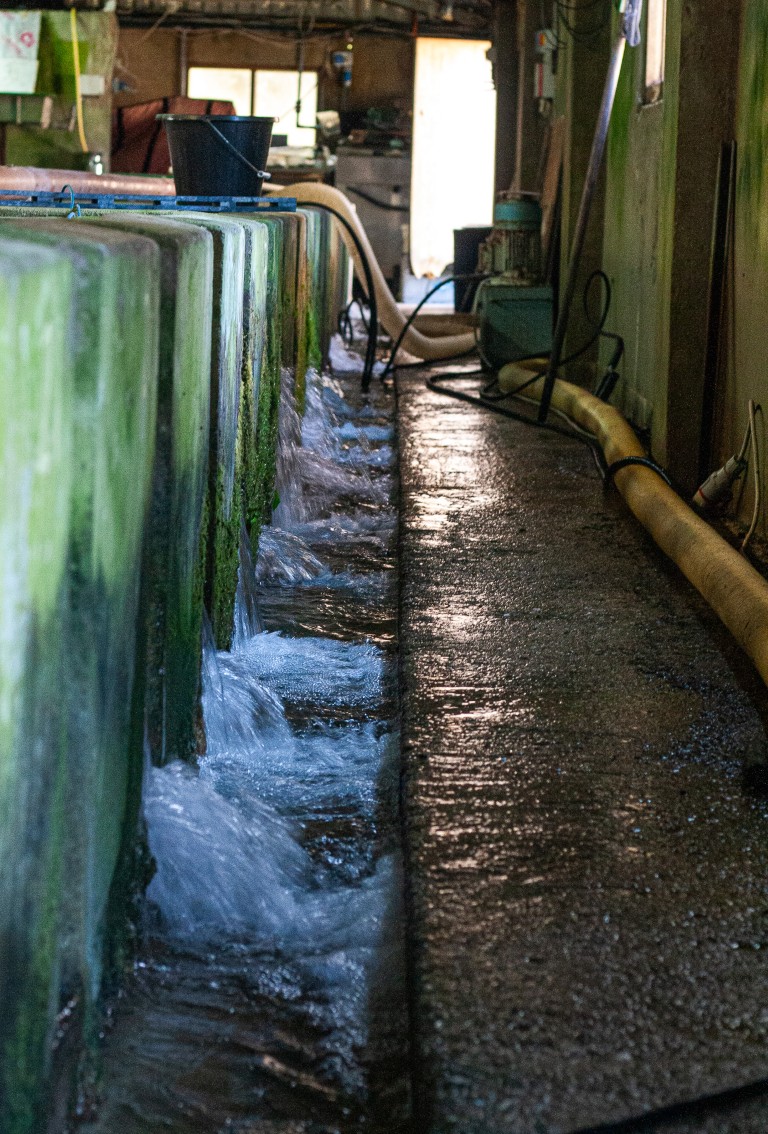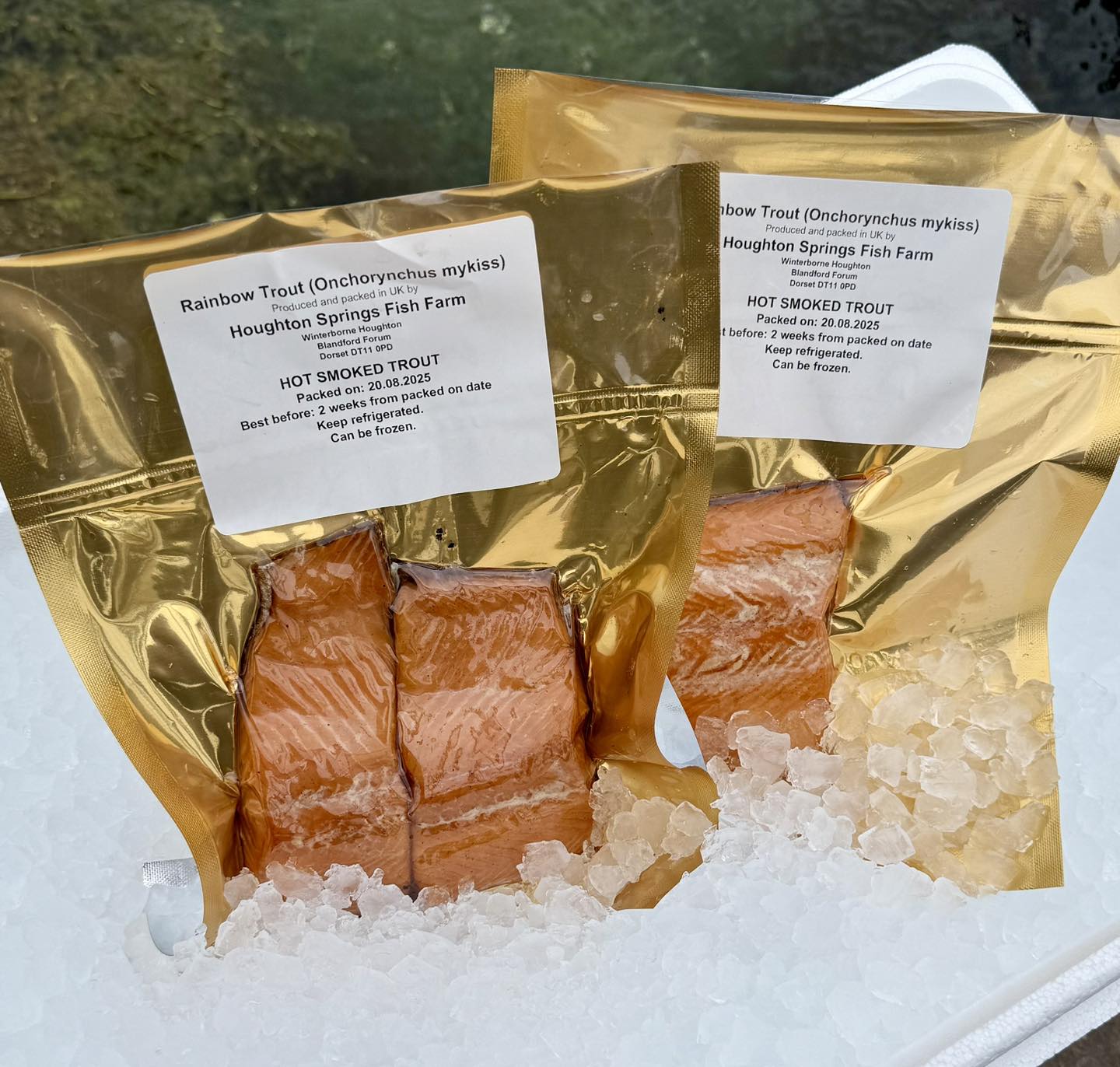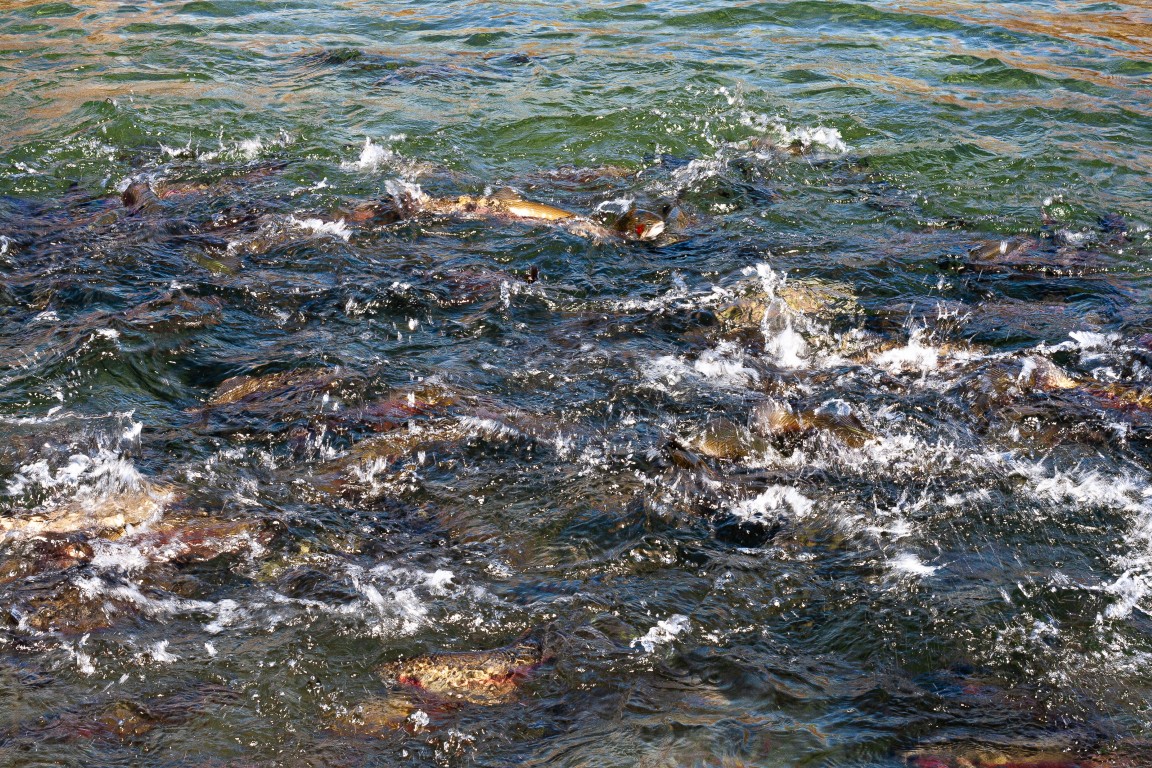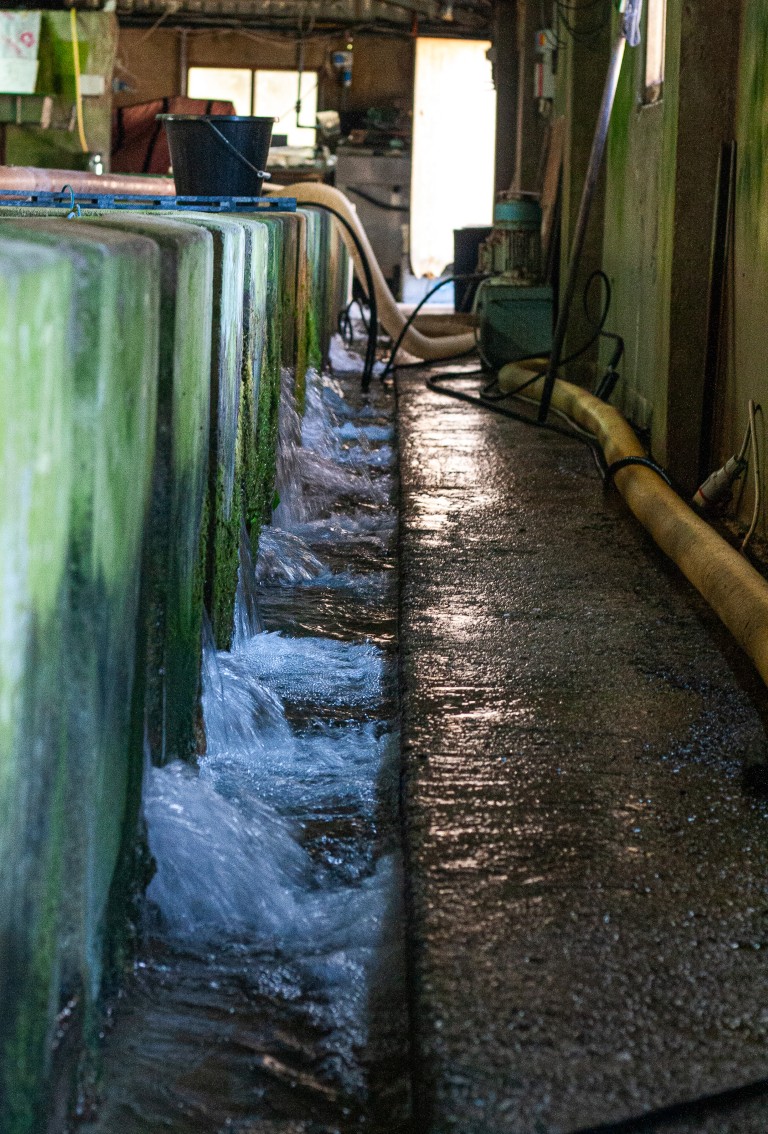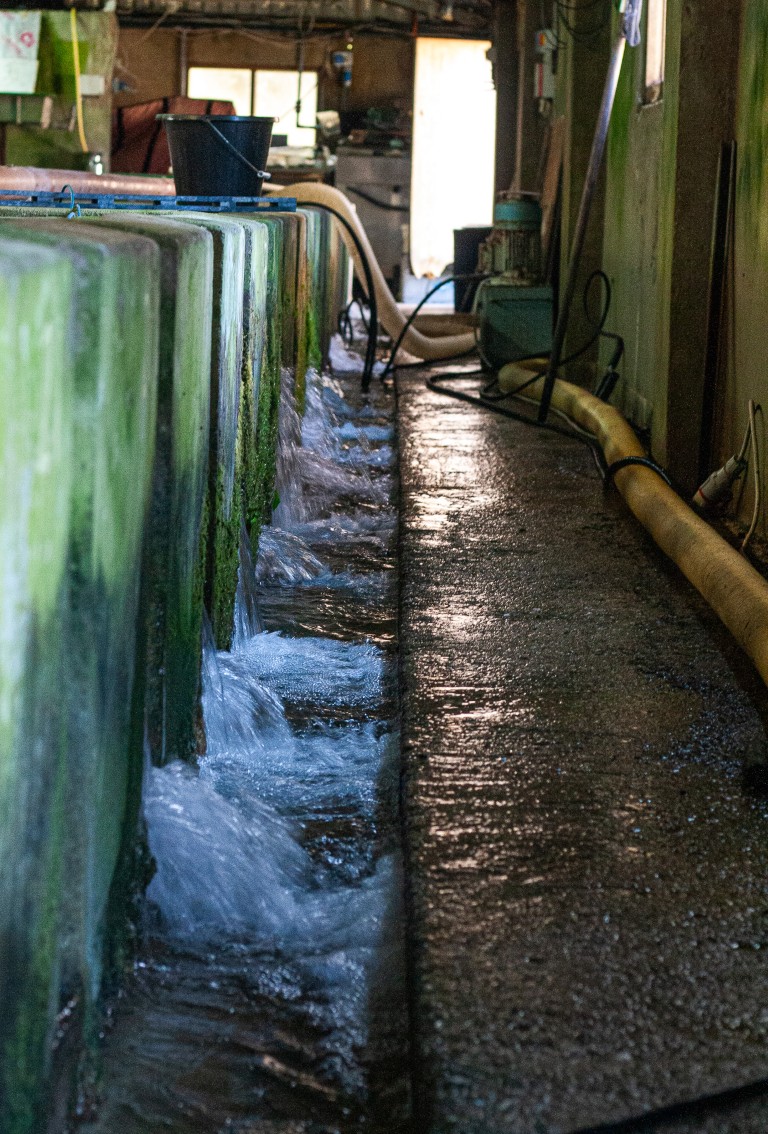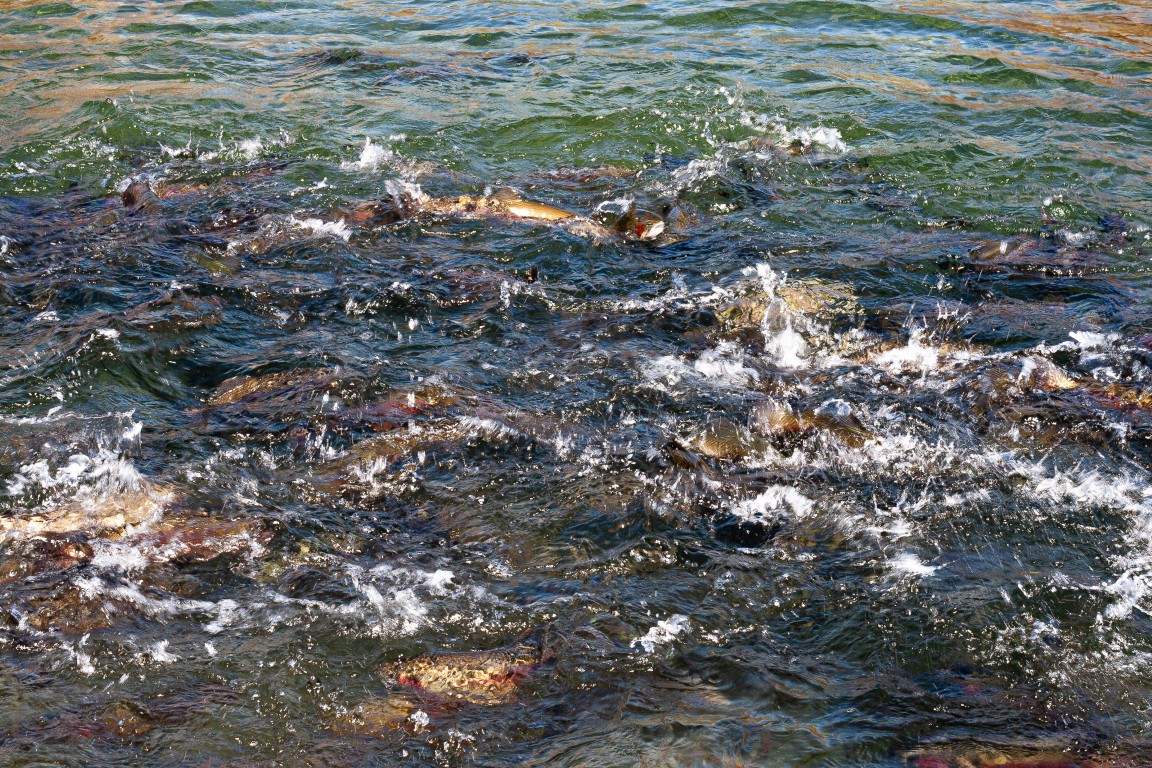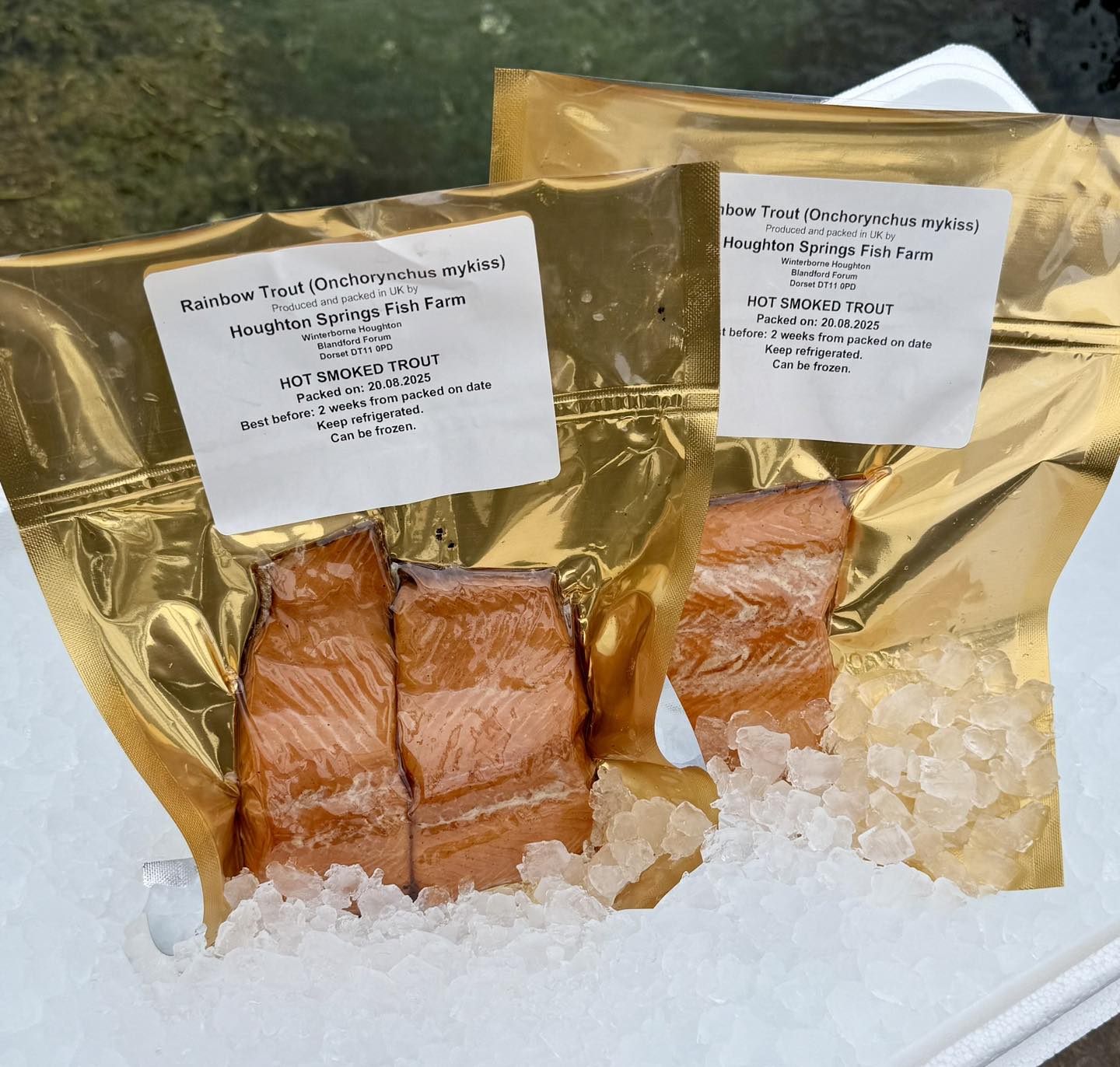
As we move further into the 21st century, the demand for sustainable fish farming practices has never been greater. Environmental concerns, rising populations, and consumer preferences are pushing fish farms to adapt and innovate. For those in the fish farming industry, such as Houghton Springs Trout Farm in rural Dorset, understanding these trends is crucial. This blog post will explore the future of sustainable fish farming, highlighting key trends, innovations, and practical steps for businesses looking to embrace these changes.
The Importance of Sustainable Fish Farming
The fish farming industry faces a significant challenge: balancing the need for increased fish production with the necessity of protecting our natural ecosystems. Sustainable fish farming not only addresses environmental concerns but also meets consumer demand for responsibly sourced products. Sustainable practices can lead to healthier fish populations, cleaner waterways, and improved business reputations.
Key Trends in Sustainable Fish Farming
-
Alternative Feeds
- Traditional fish feed often relies on wild-caught fish, which can deplete natural populations. The future of sustainable fish farming lies in developing alternative feeds made from plant-based proteins, insects, and by-products from other industries. These alternatives can reduce the environmental impact and enhance the sustainability of fish farming.
-
Recirculating Aquaculture Systems (RAS)
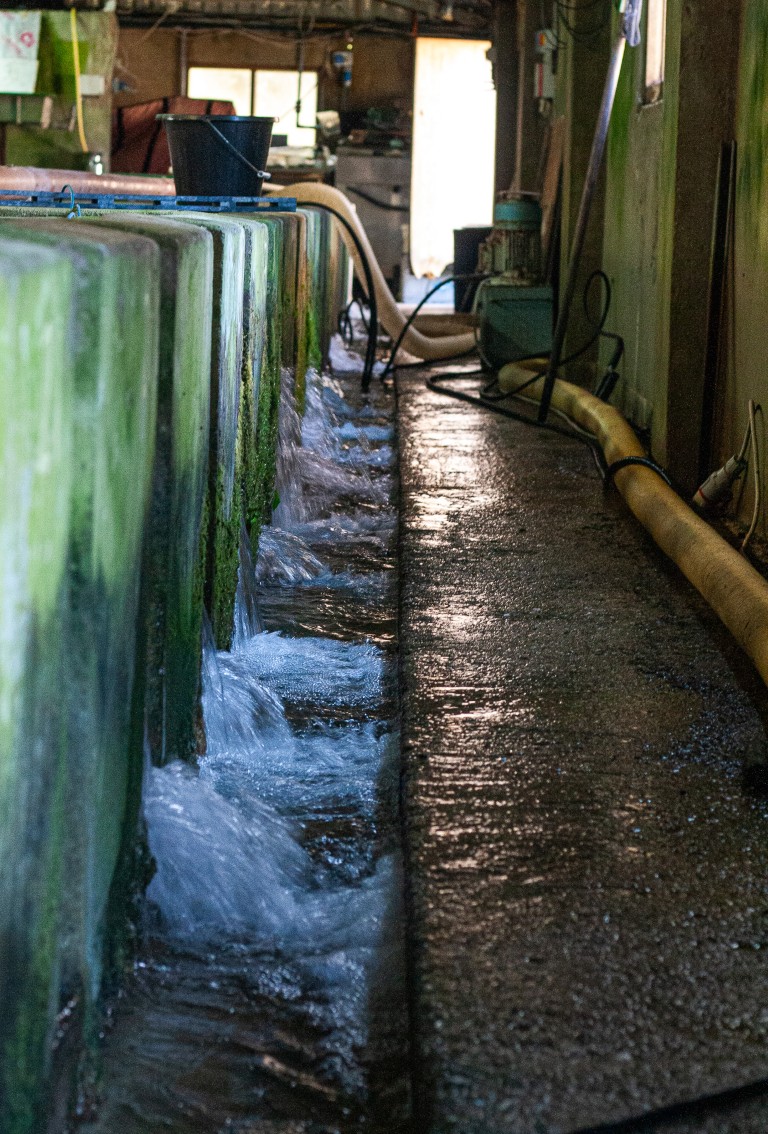
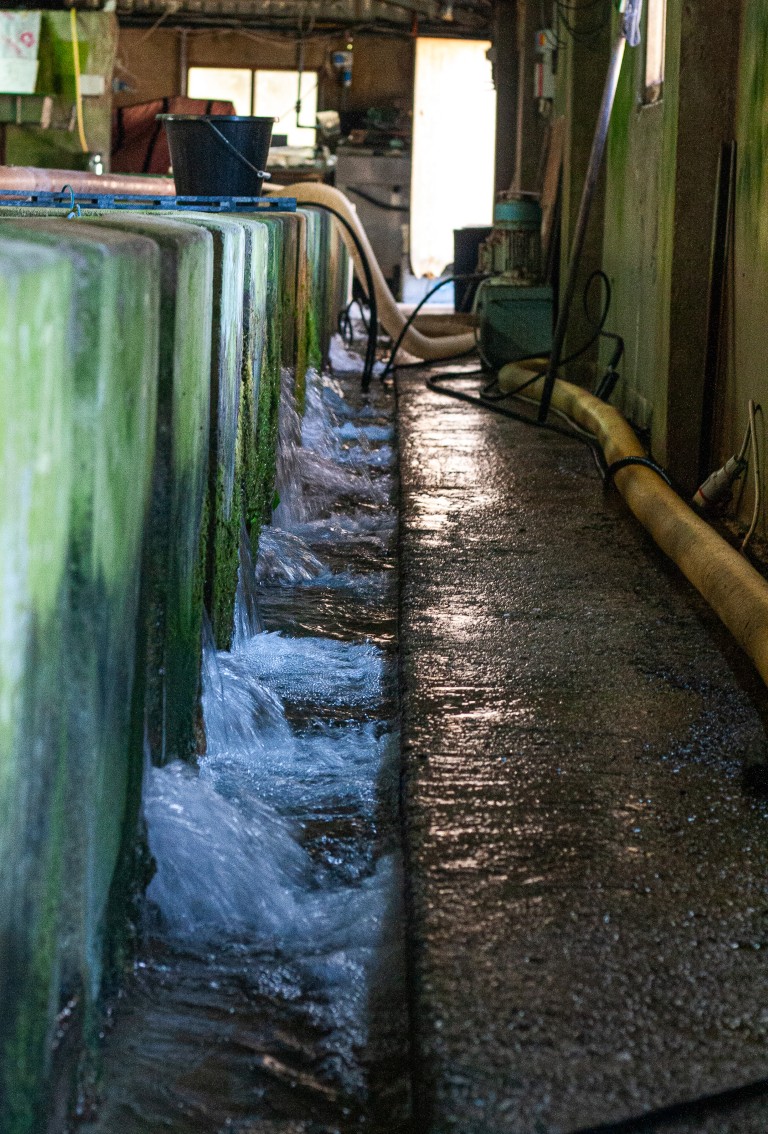
- RAS technology allows for the recycling of water within fish farming systems, significantly reducing water usage and ensuring cleaner water for fish. This closed-loop system not only conserves resources but also offers better control over fish health and environmental conditions.
-
Integrated Multi-Trophic Aquaculture (IMTA)
- IMTA involves cultivating multiple species that complement each other in a single system. For example, fish can be raised alongside shellfish and seaweeds, which can absorb waste and improve water quality. This approach enhances biodiversity and reduces waste, leading to more sustainable farming practices.
-
Traceability and Transparency
- Consumers are becoming increasingly interested in where their food comes from. Implementing tracking systems that provide information on the fish’s journey from farm to table can build trust and improve marketability. Companies that can demonstrate their commitment to sustainability will likely gain a competitive edge.
Innovations Shaping Sustainable Practices
Innovation plays a critical role in the evolution of sustainable fish farming. Here are some notable advancements:
-
Genetic Improvements: Breeding programmes are focusing on developing fish strains that are more resilient to disease and require less feed. This can lead to lower mortality rates and reduced feed costs.
-
Smart Technology: Advanced monitoring systems using sensors and IoT devices can provide real-time data on water quality, fish health, and environmental conditions. This enables farmers to make informed decisions and optimise their operations.
-
Renewable Energy Use: Implementing solar panels or wind turbines can help fish farms reduce their carbon footprint and energy costs. This transition to renewable energy sources aligns with broader sustainability goals.
How to Implement Sustainable Practices
For fish farming businesses looking to transition to more sustainable practices, consider the following steps:
-
Assess Current Practices
- Conduct a thorough review of your current operations to identify areas for improvement. Look at feed sources, water usage, and waste management.
-
Research Alternative Feeds
- Investigate suppliers of alternative feeds and evaluate their nutritional benefits and cost-effectiveness. Choosing sustainable feed options can significantly impact your business’s sustainability.
-
Invest in Technology
- Explore options for upgrading to RAS or implementing smart technology to monitor and control farm conditions. While there may be an initial investment, the long-term savings and environmental benefits are often substantial.
-
Train Your Team
- Ensure that your staff is trained in sustainable practices and understands the importance of these changes. A knowledgeable team can help implement new practices more effectively.
-
Engage with the Community
- Building relationships with local businesses and consumers can enhance your reputation and market presence. Consider hosting open days or educational tours to showcase your sustainable practices.
Common Mistakes to Avoid
Transitioning to sustainable fish farming is not without its challenges. Here are some pitfalls to watch out for:
-
Neglecting Research: Failing to research and understand new technologies or practices can lead to poor decisions. Stay informed about industry trends and advancements.
-
Ignoring Regulations: Always ensure compliance with local and national regulations regarding fish farming. Non-compliance can result in fines and damage to your reputation.
-
Underestimating Costs: Implementing sustainable practices may require upfront investment. Plan your budget accordingly to avoid financial strain during the transition.
-
Lack of Marketing Strategy: Simply adopting sustainable practices is not enough. Develop a marketing strategy that highlights your commitment to sustainability to attract environmentally conscious consumers.
The Road Ahead
The future of sustainable fish farming looks promising, but it requires commitment and innovation. By embracing alternative feeds, investing in new technologies, and understanding consumer preferences, businesses can position themselves as leaders in the industry.
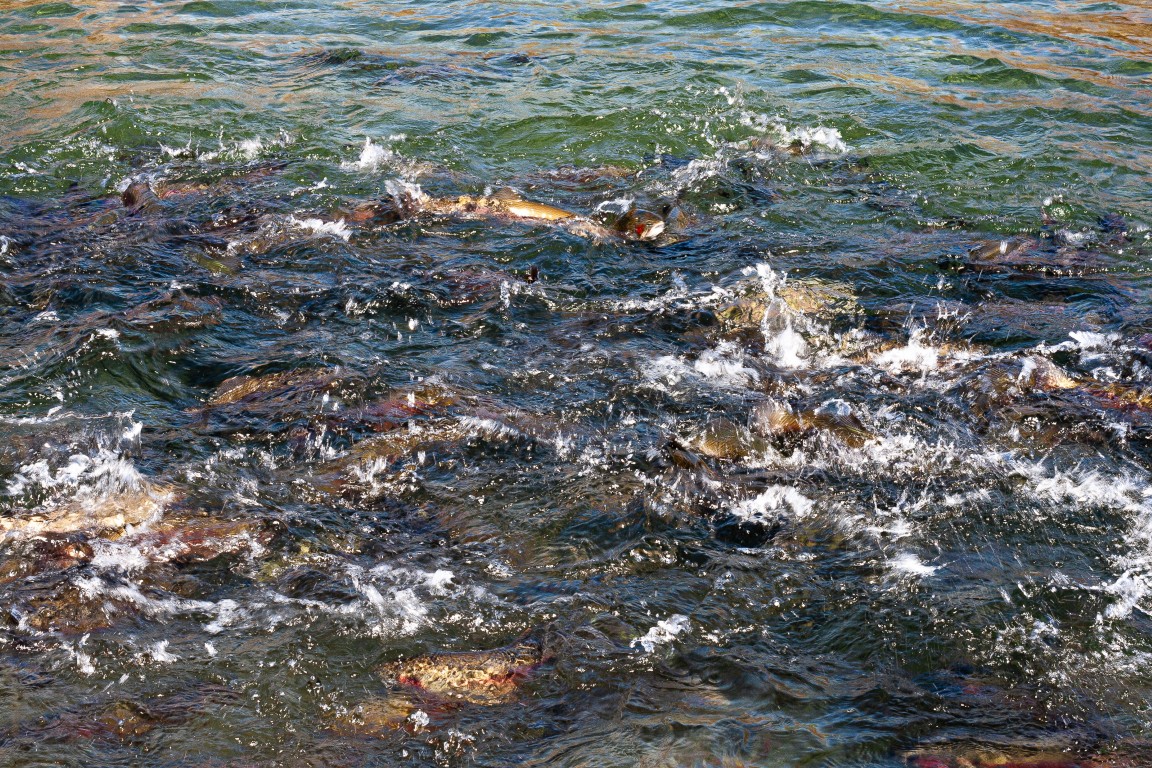
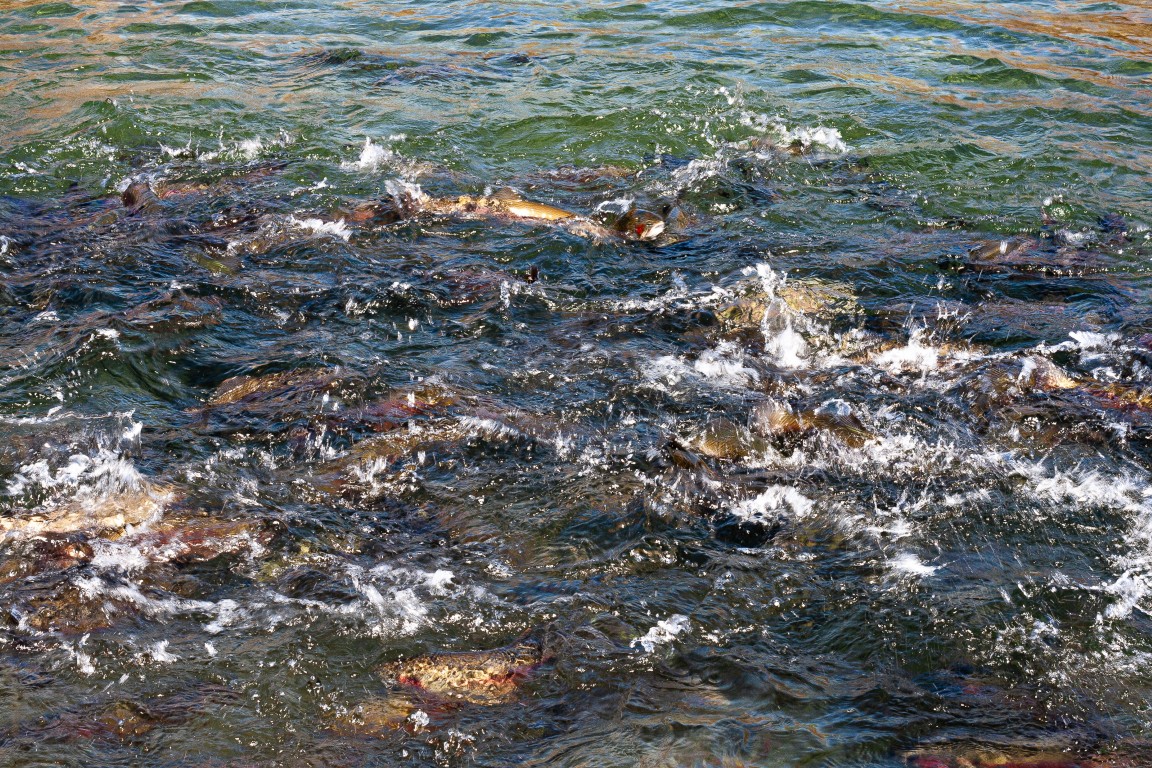
At Houghton Springs Trout Farm, we are dedicated to sustainable practices that benefit both our fish and the environment. Our ongoing commitment to the future of sustainable fish farming is reflected in our daily operations and our engagement with the local community.
If you’re interested in learning more about how we are shaping the future of sustainable fish farming, visit our page on the future of sustainable practices.
Conclusion
Sustainable fish farming is not just a trend; it’s the future of the industry. By adopting eco-friendly practices, embracing innovation, and engaging with consumers, businesses can thrive while protecting our precious natural resources. As we move forward, let’s work together to ensure a sustainable future for fish farming in Dorset and beyond.