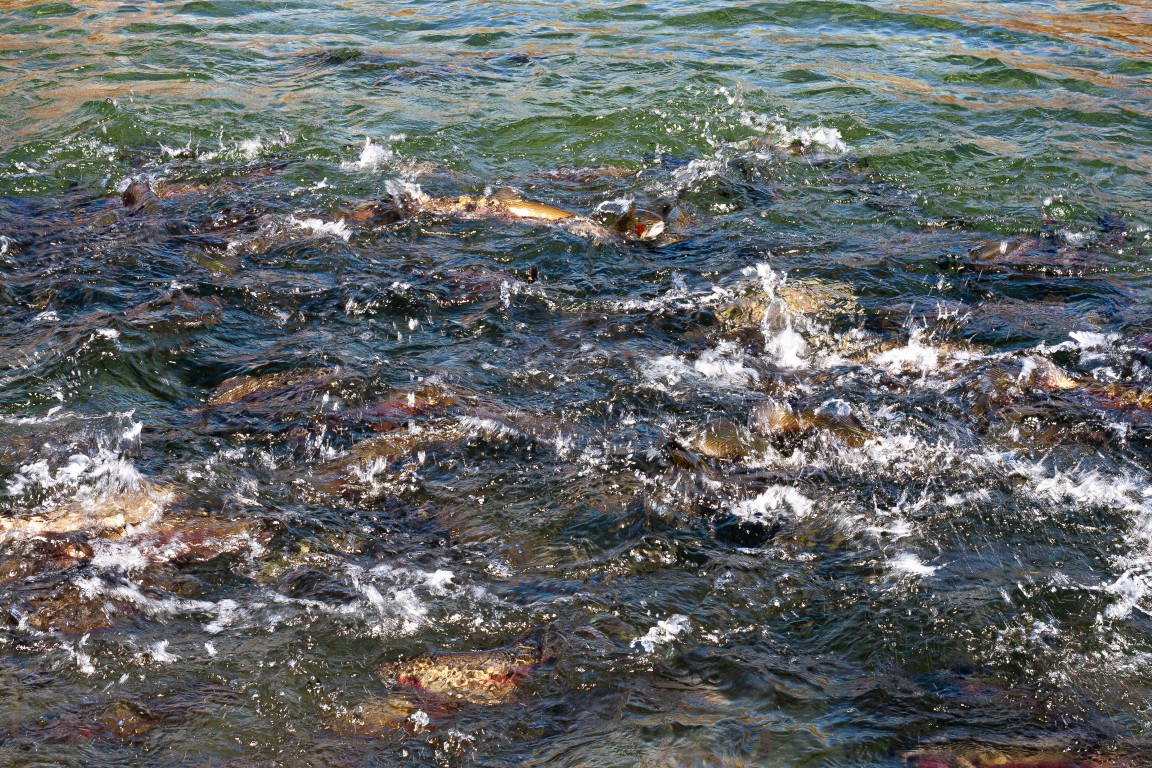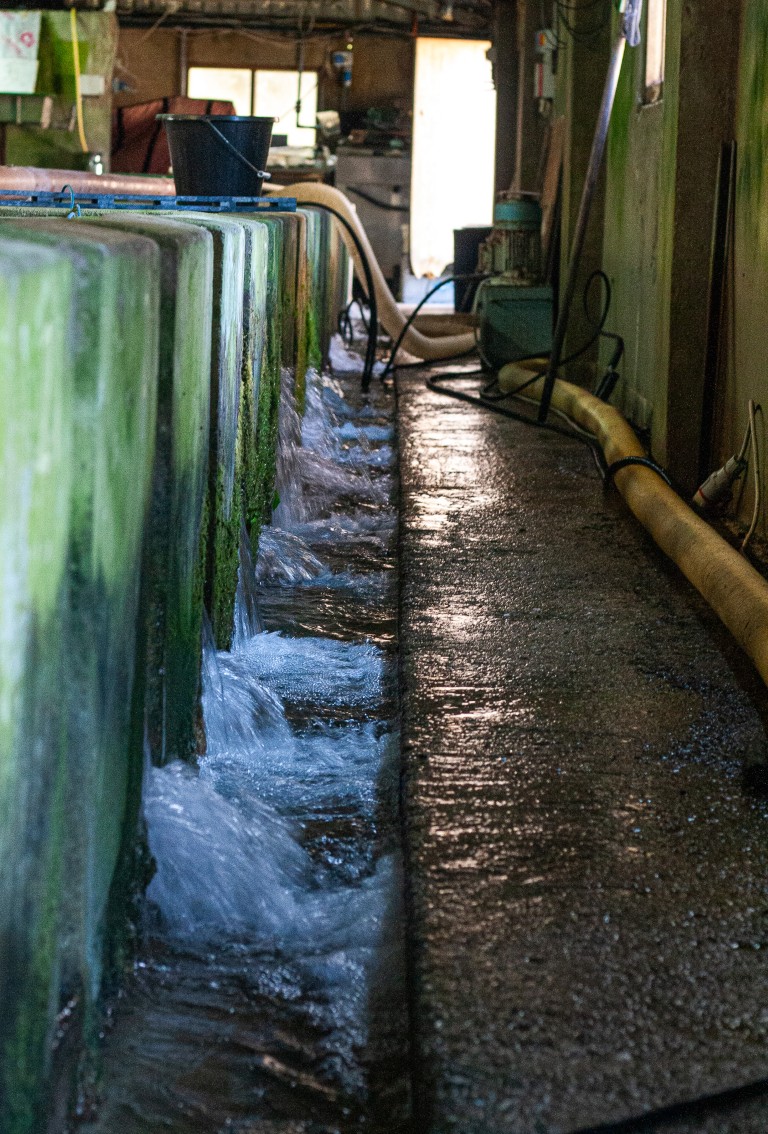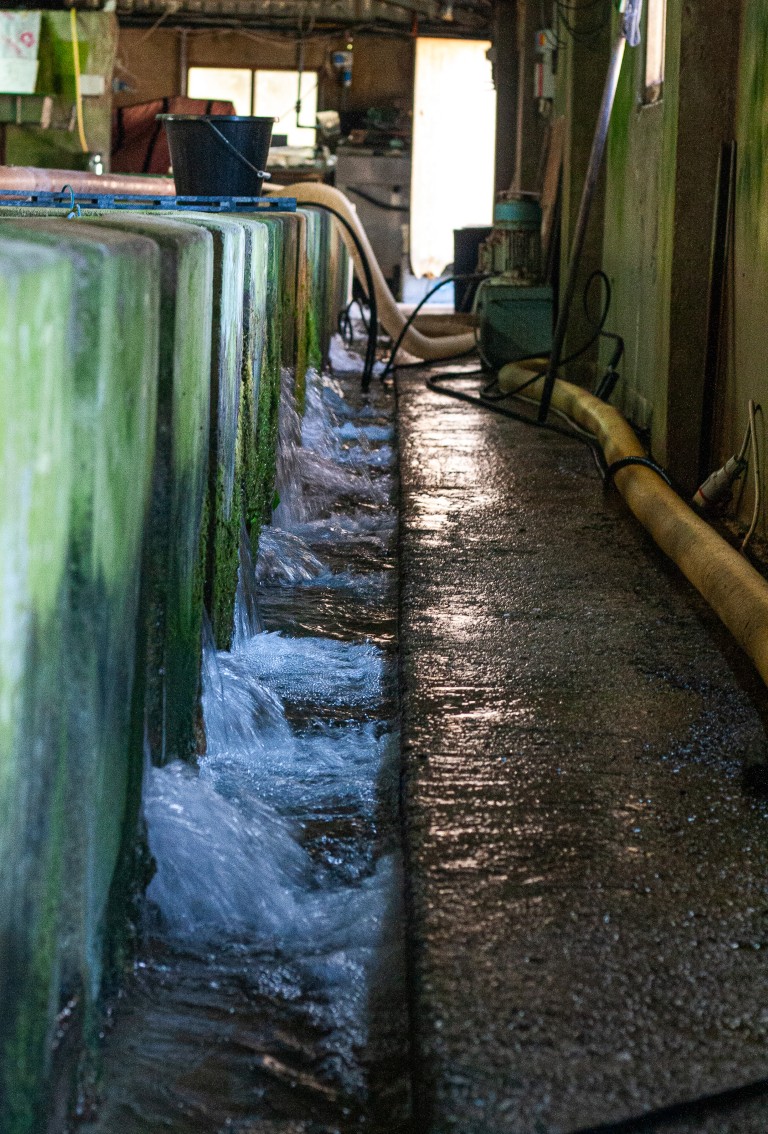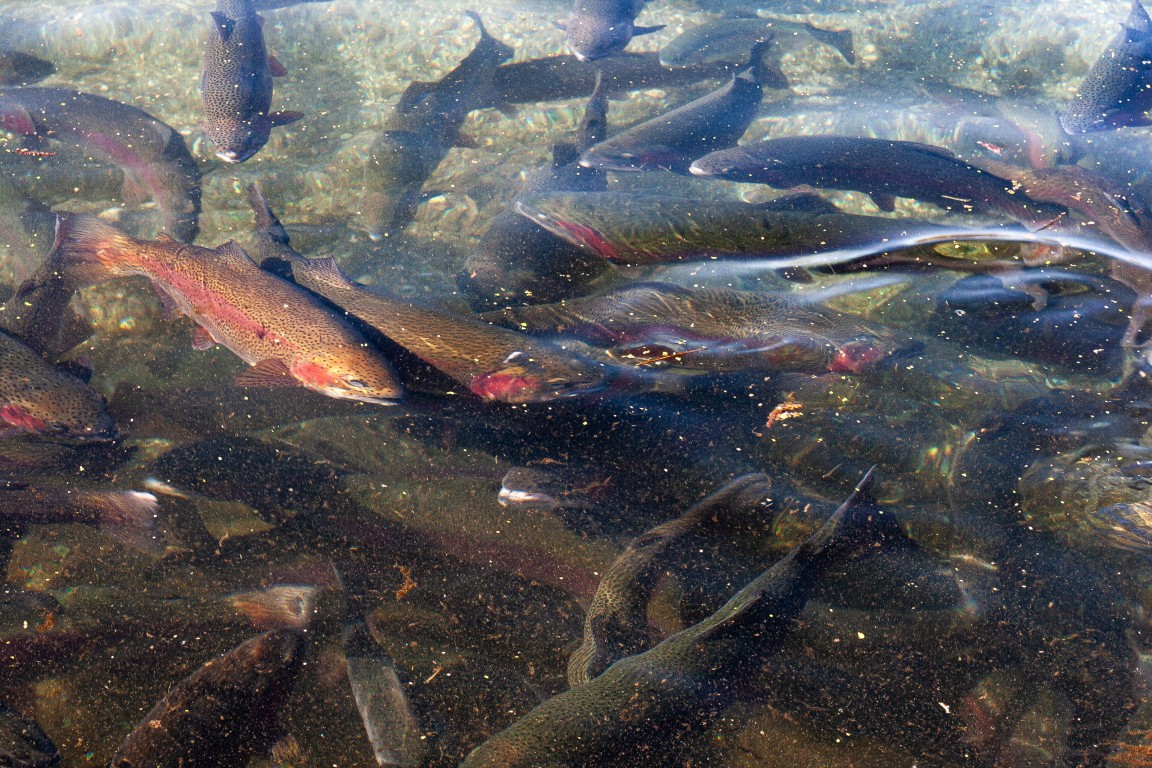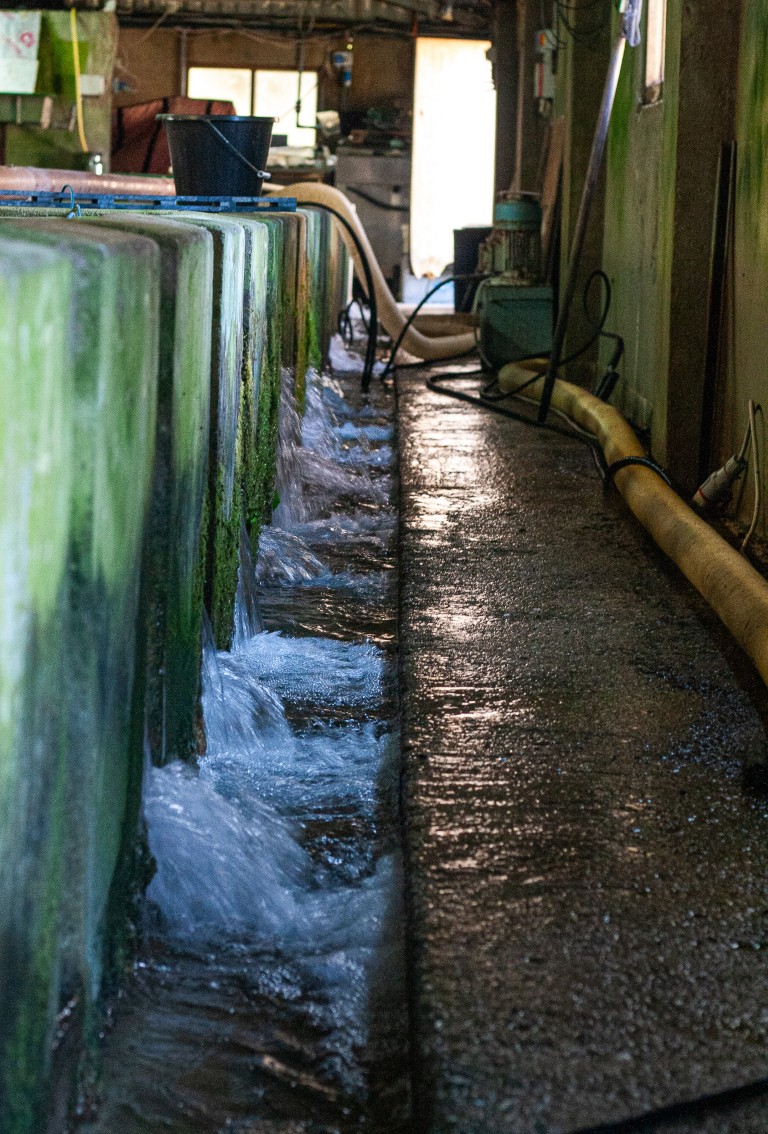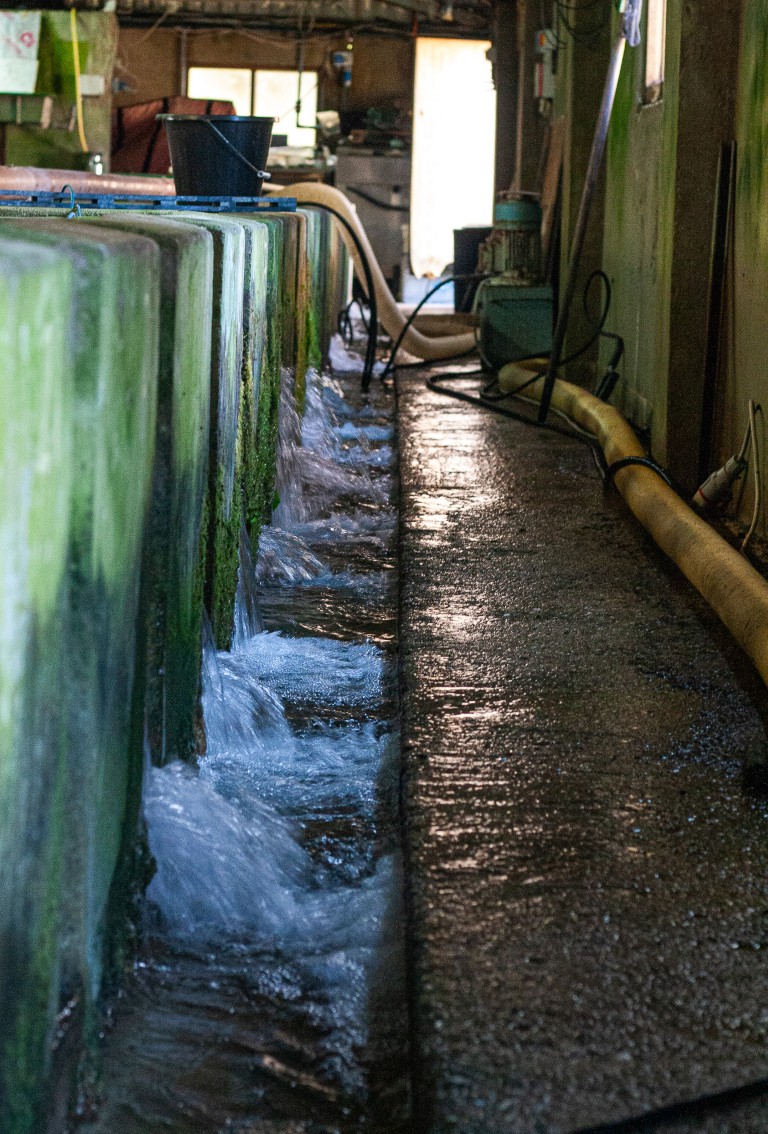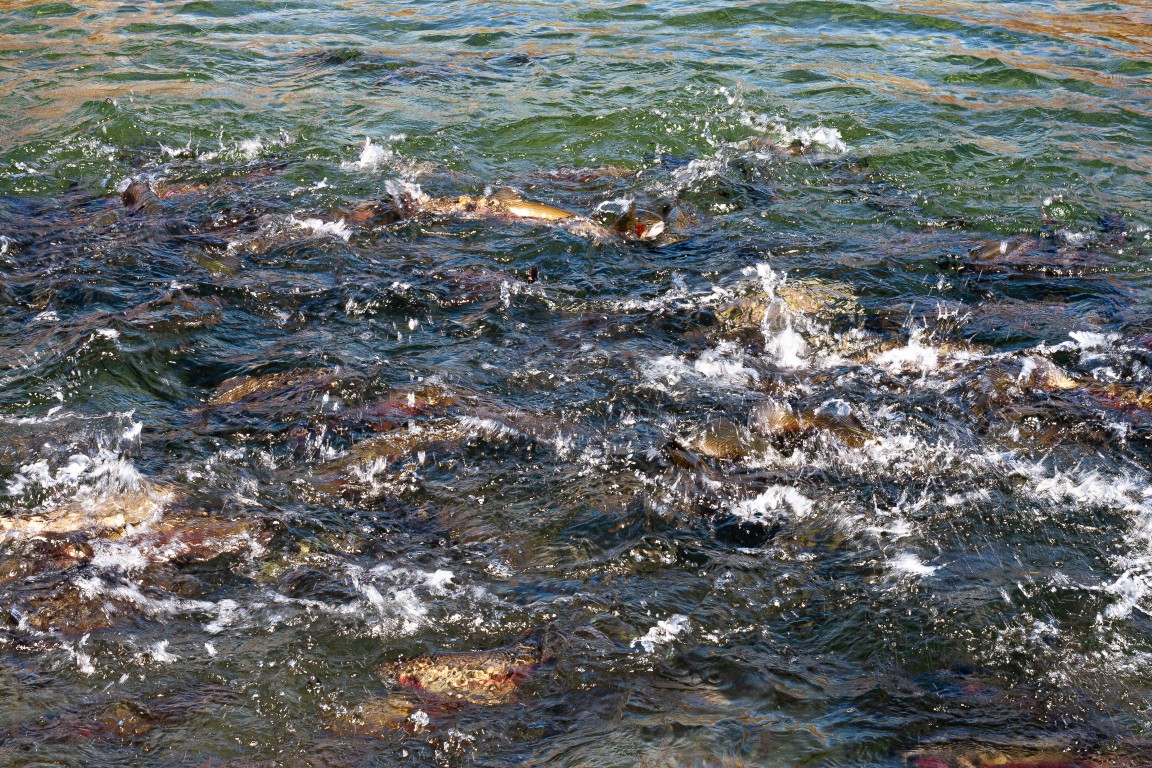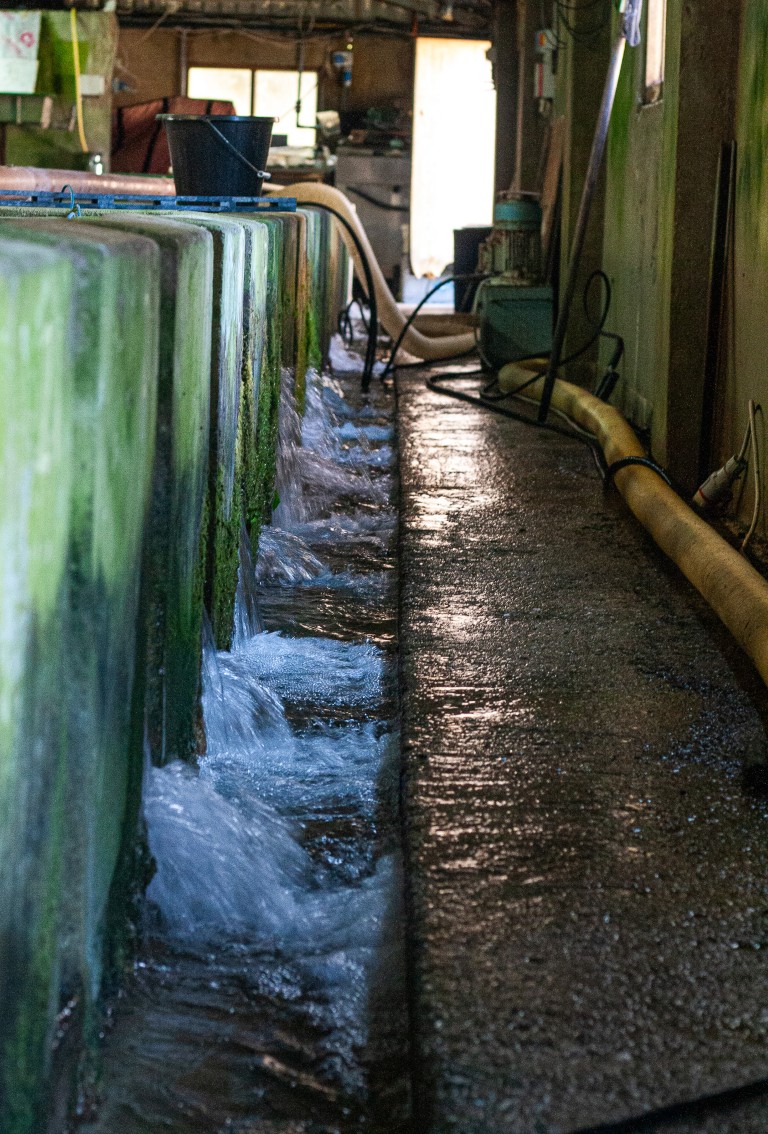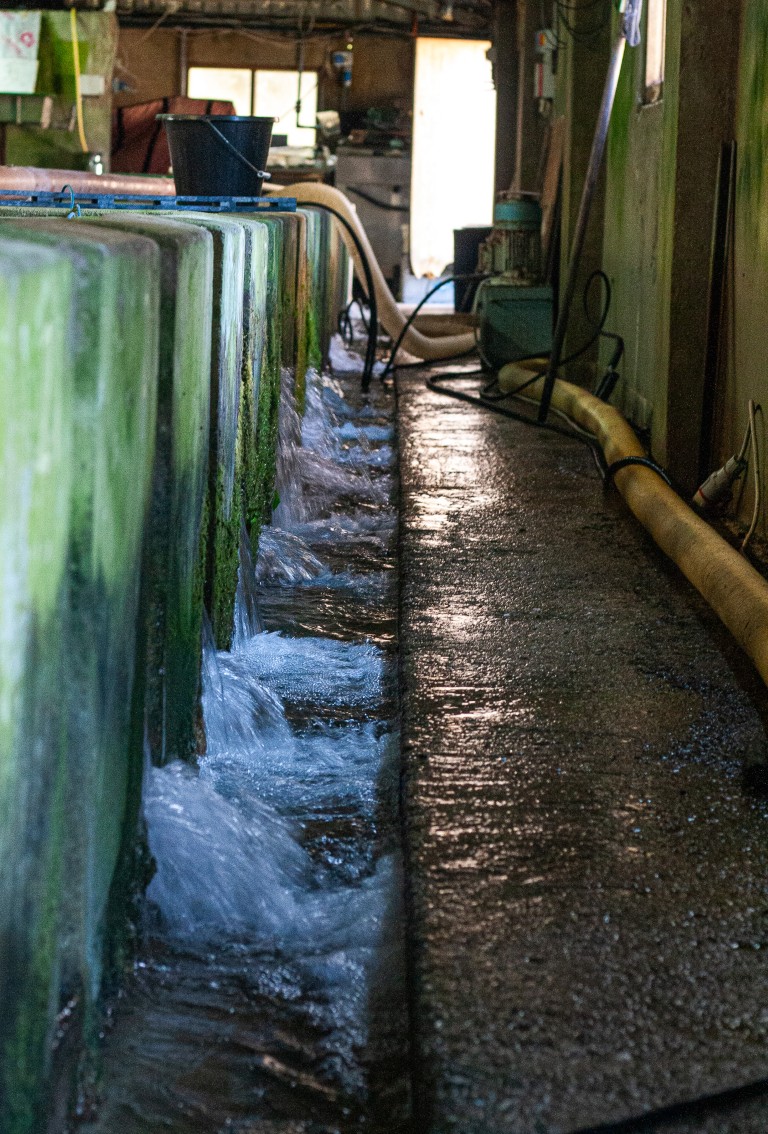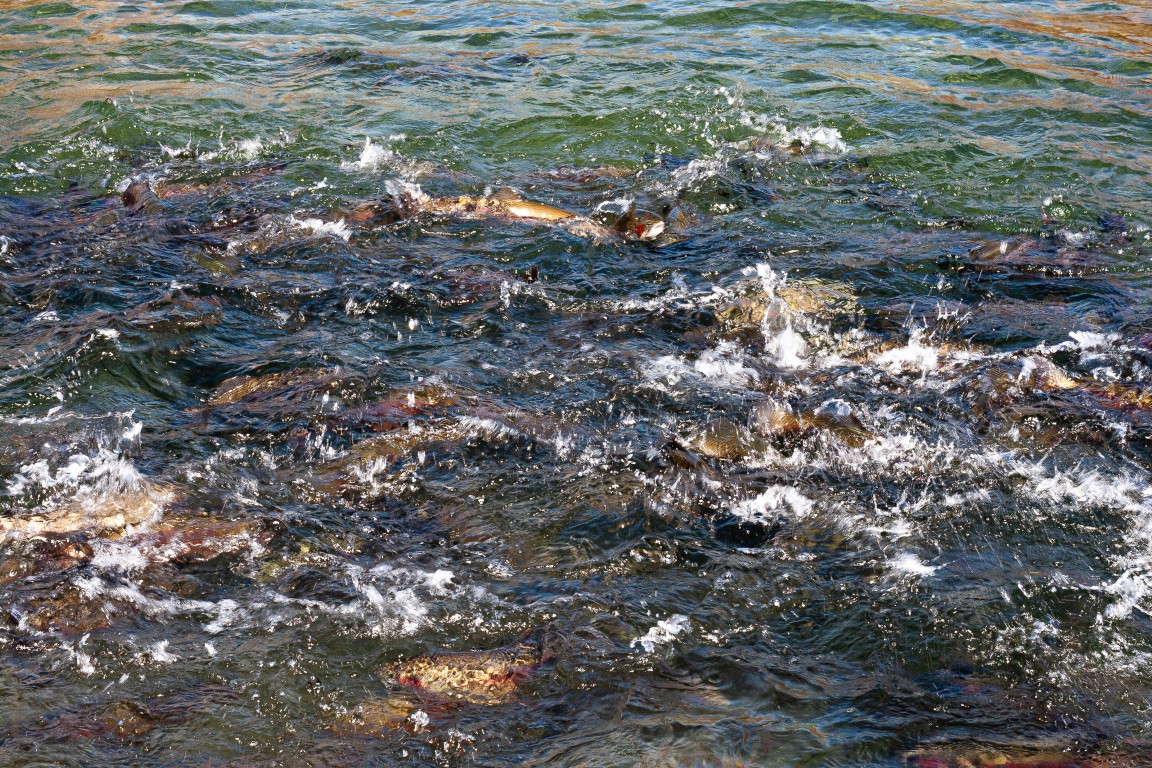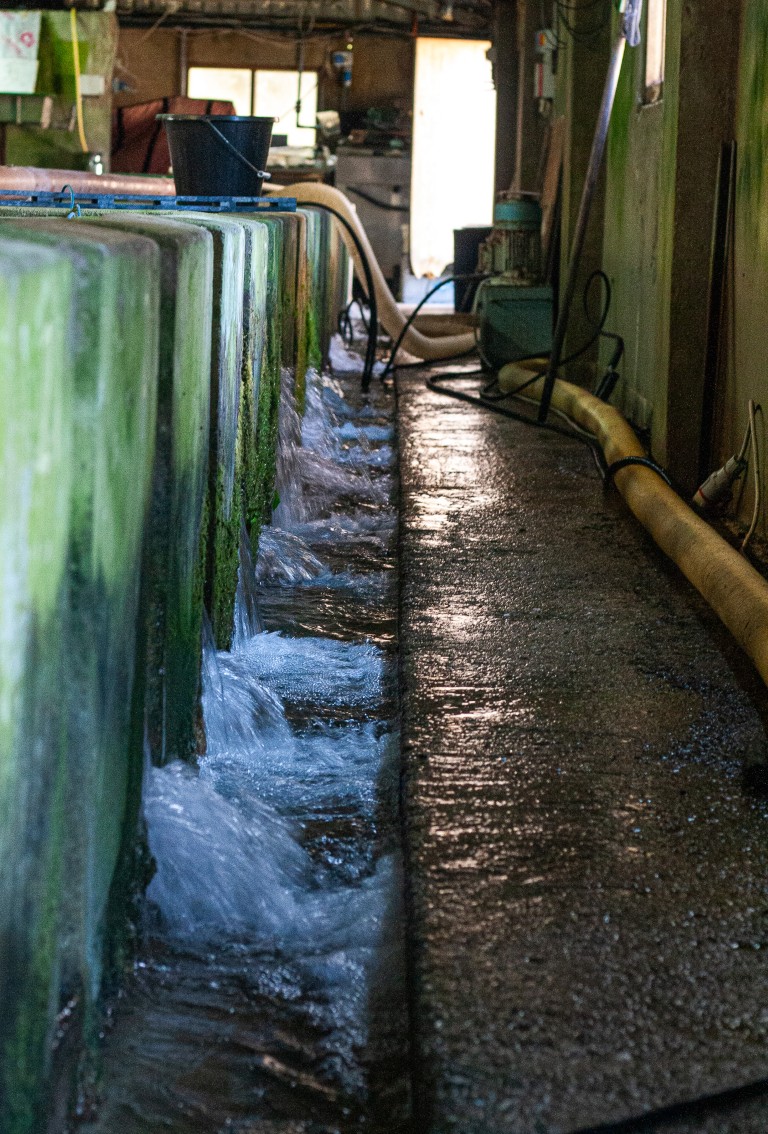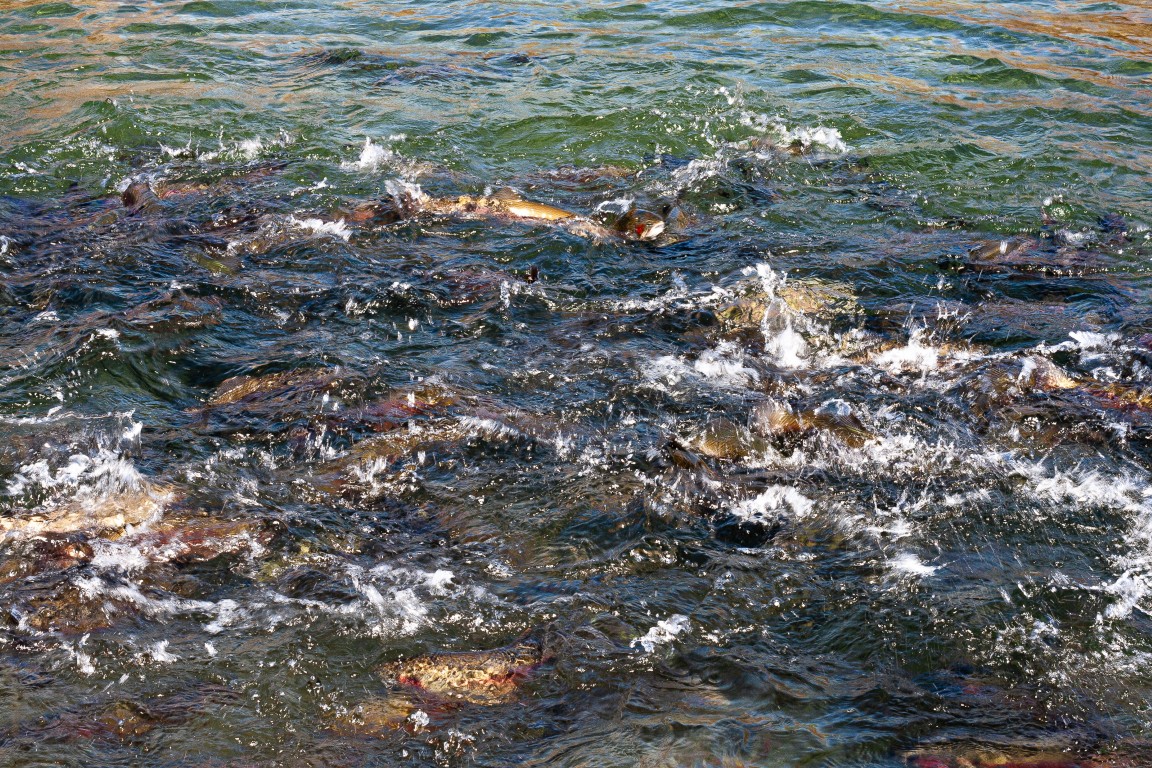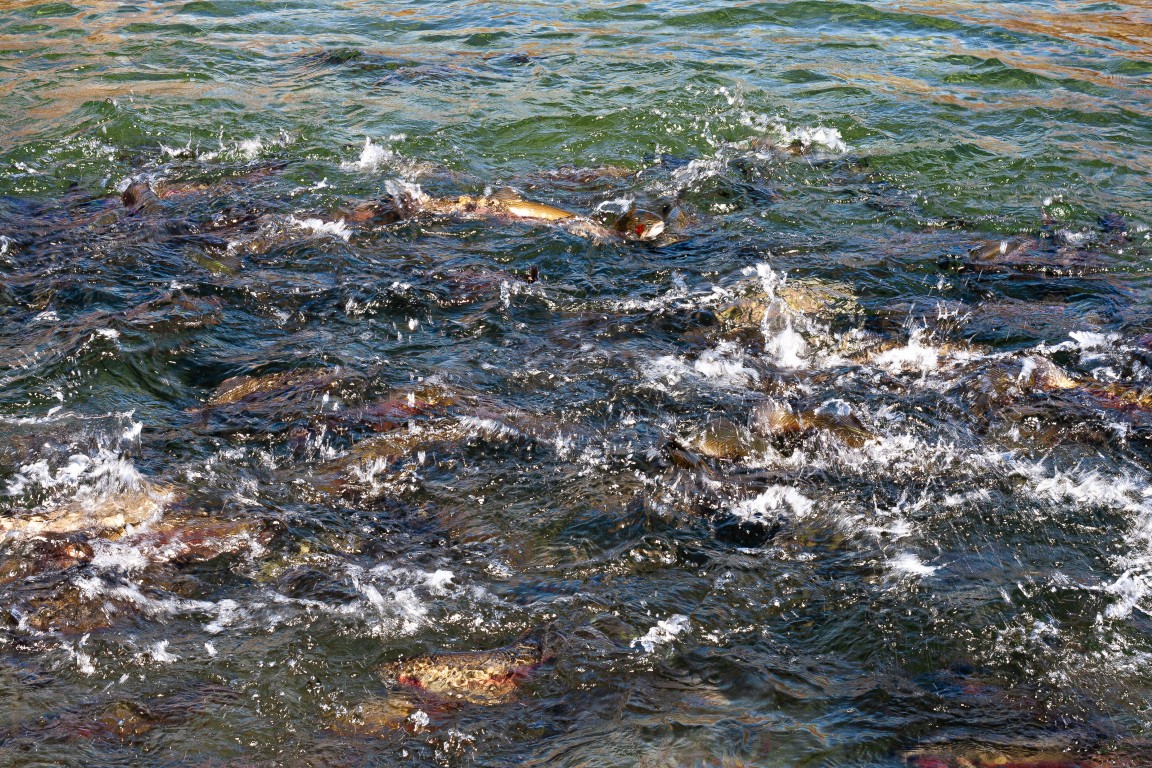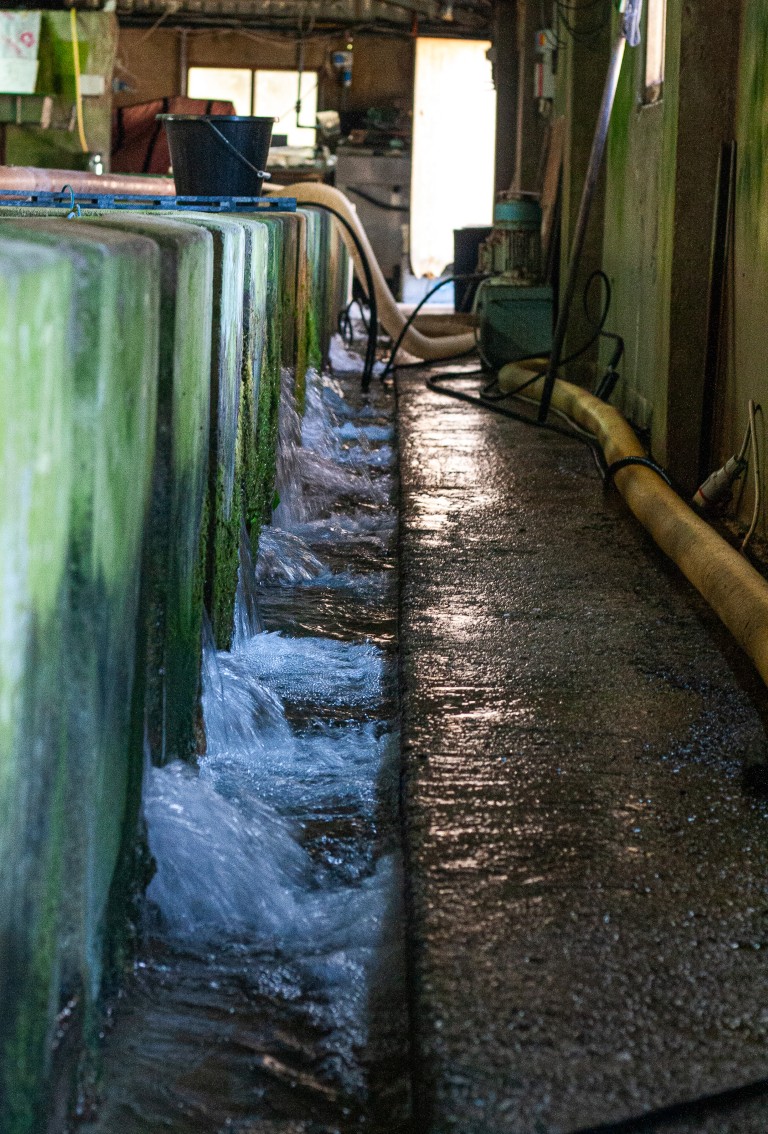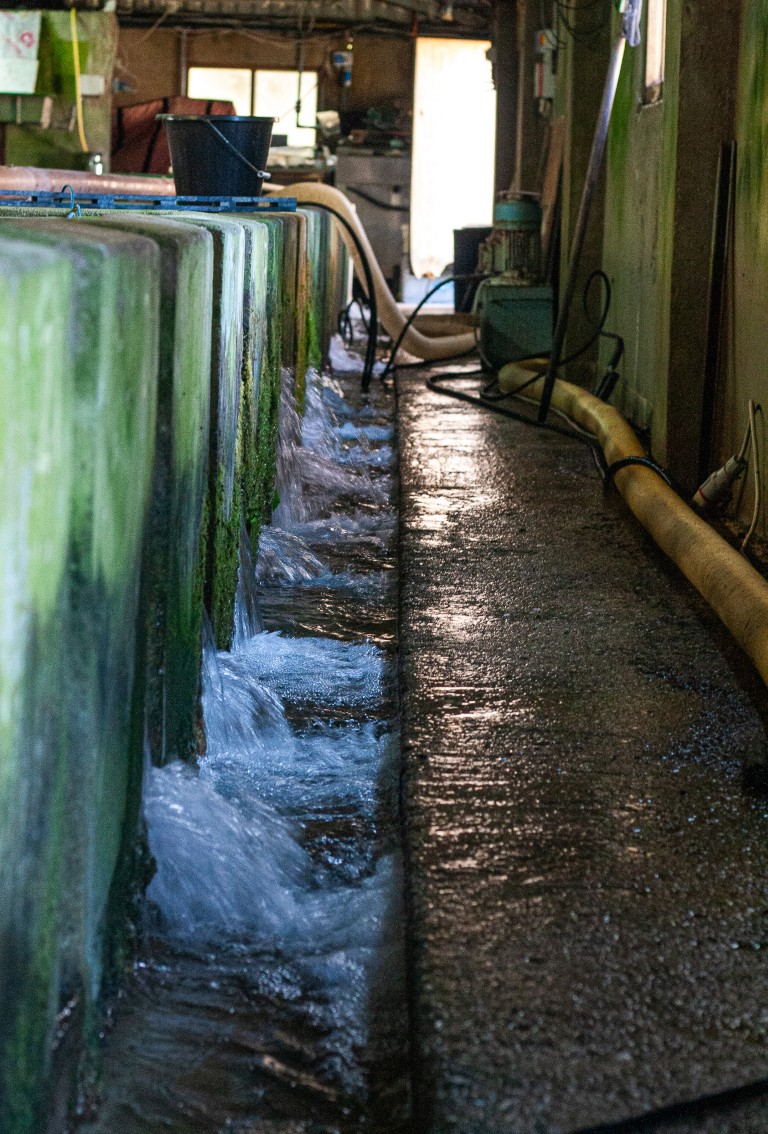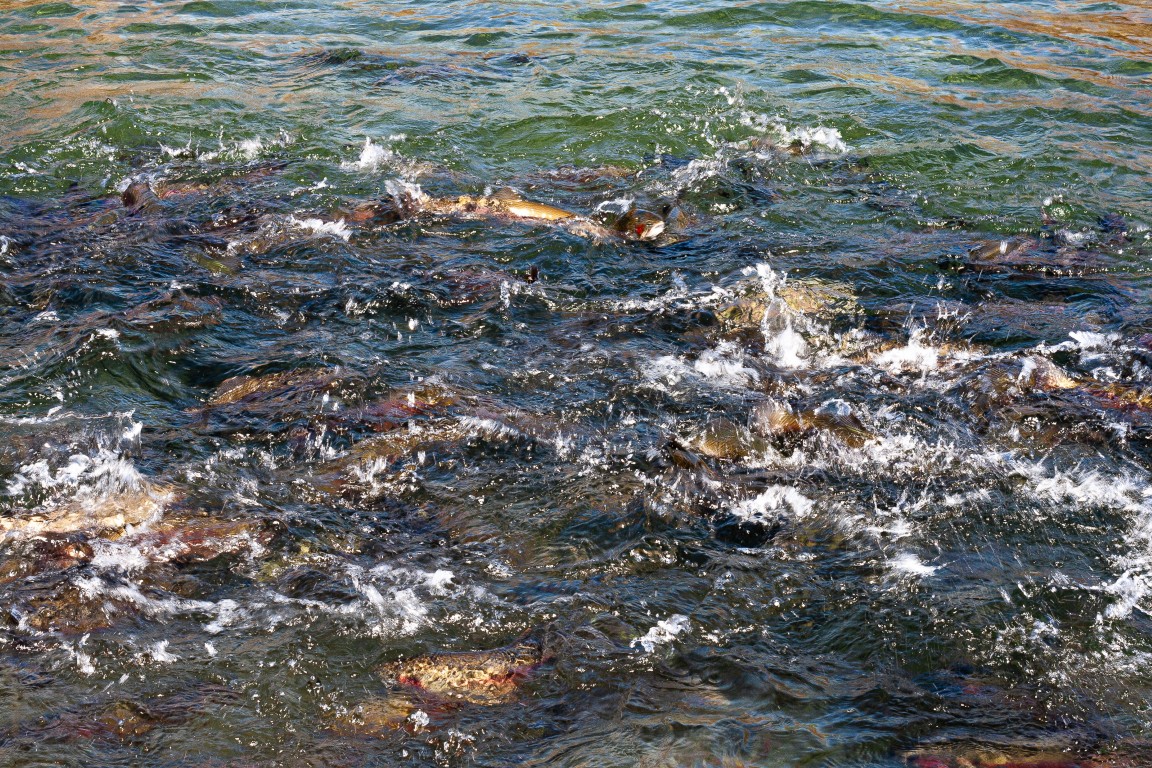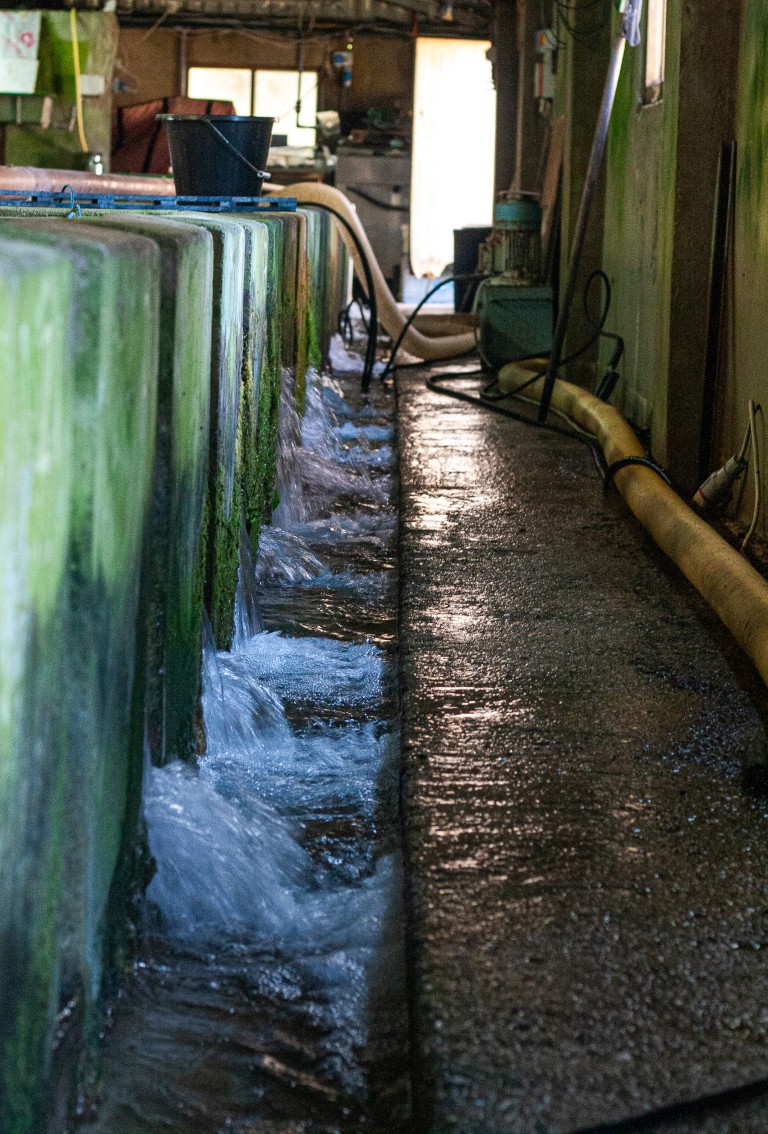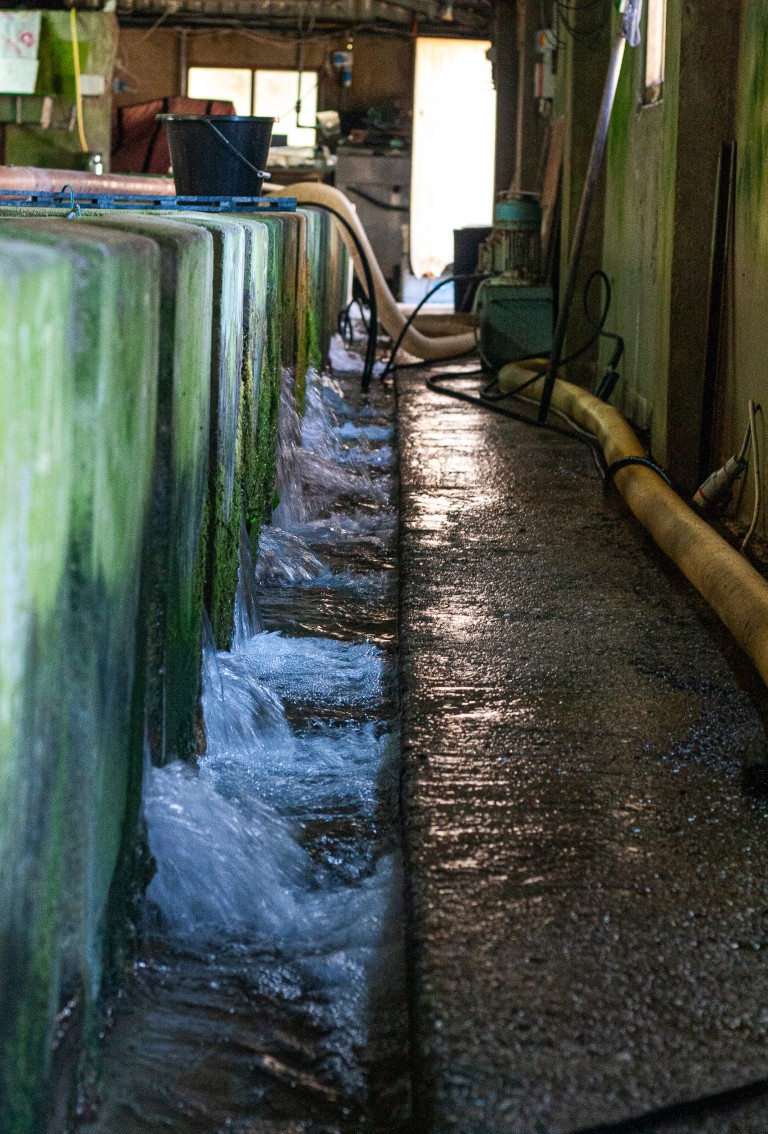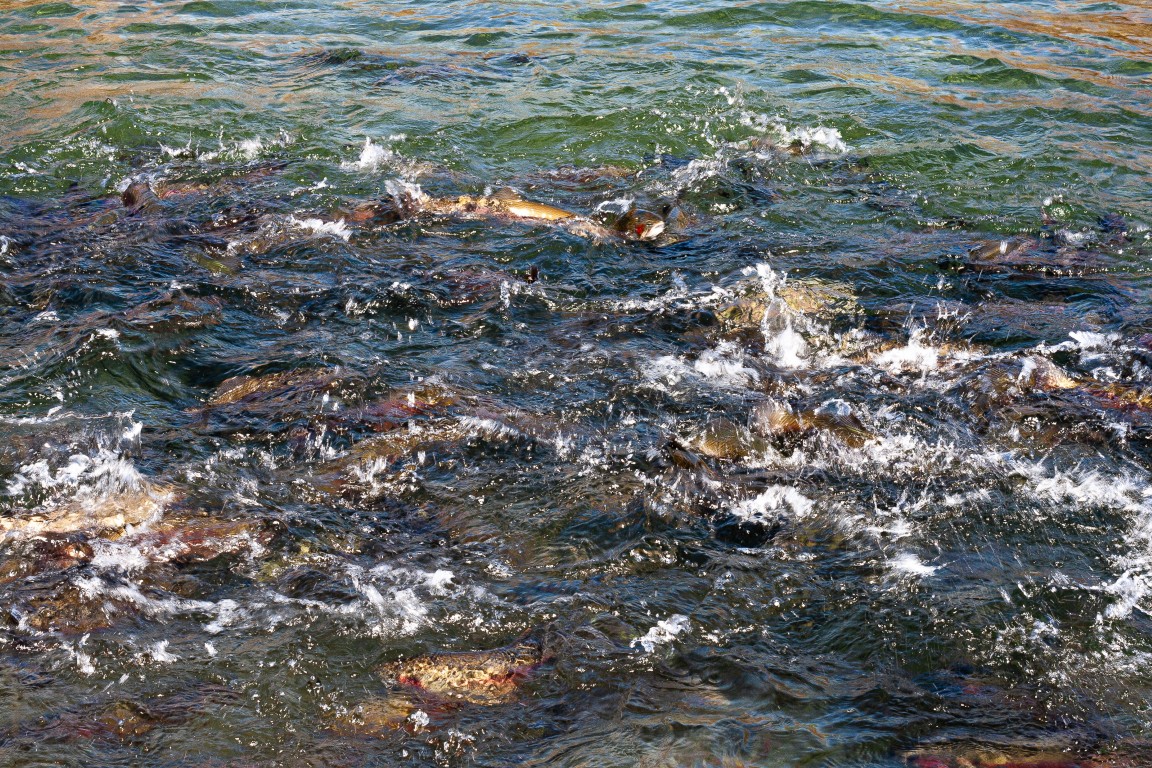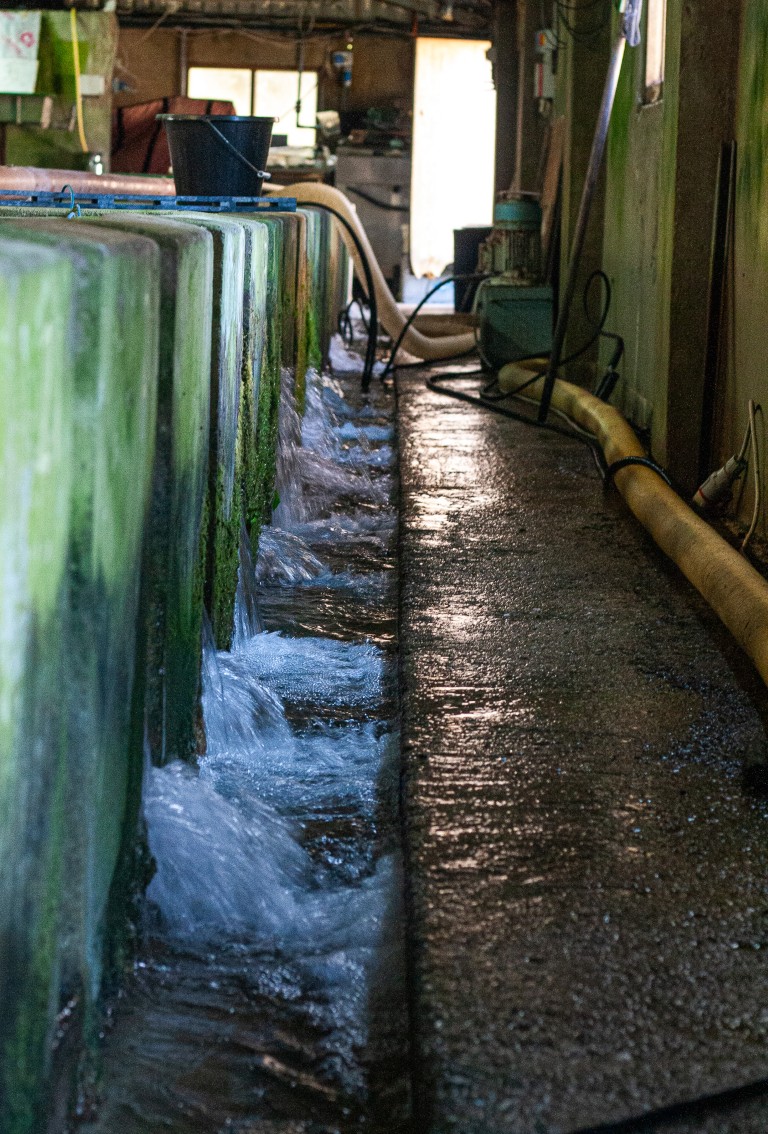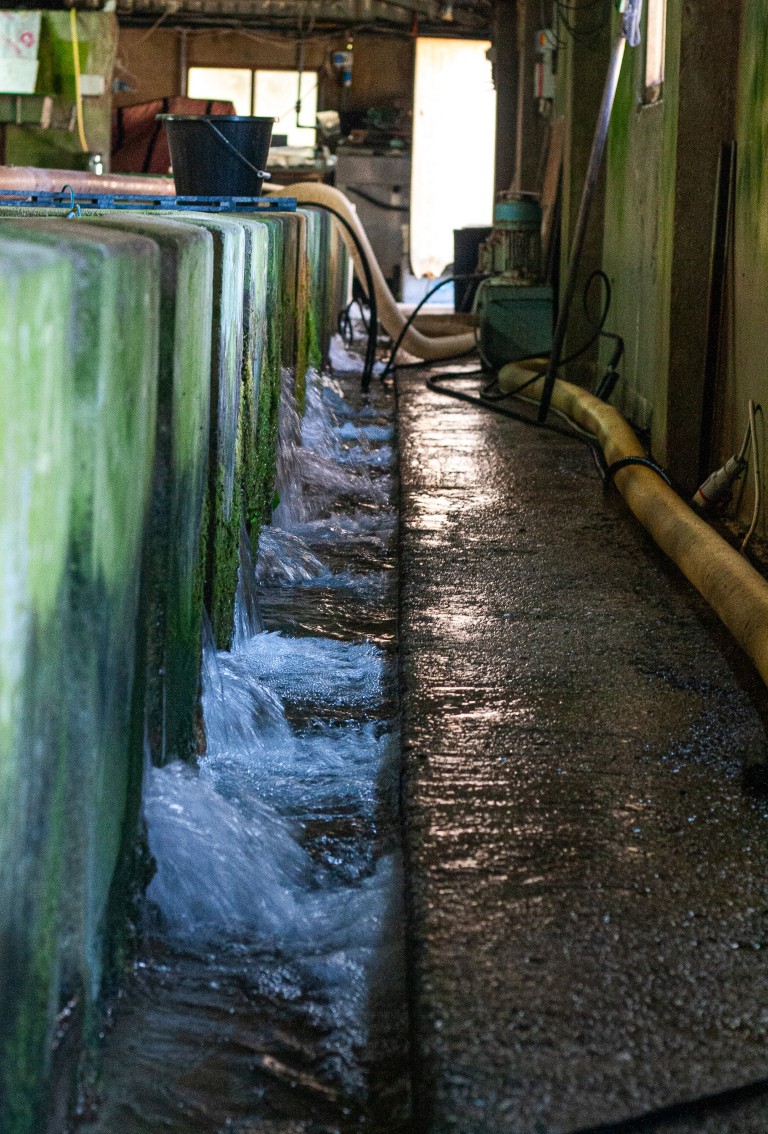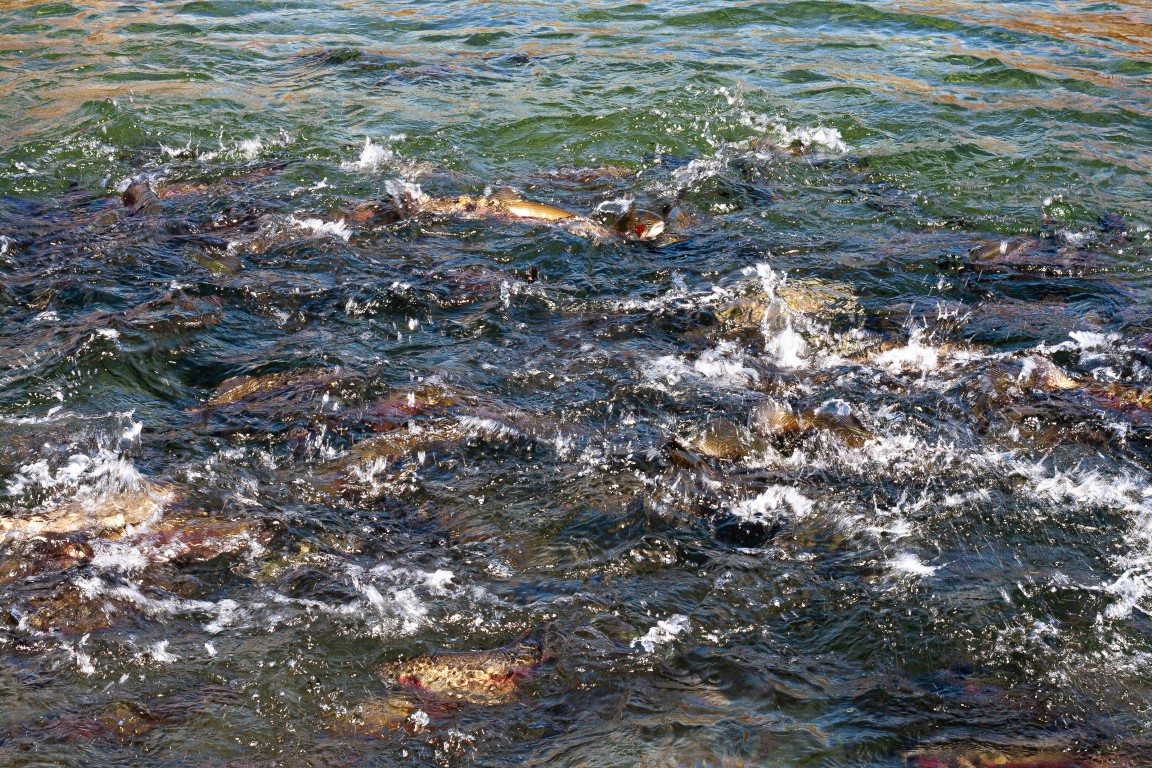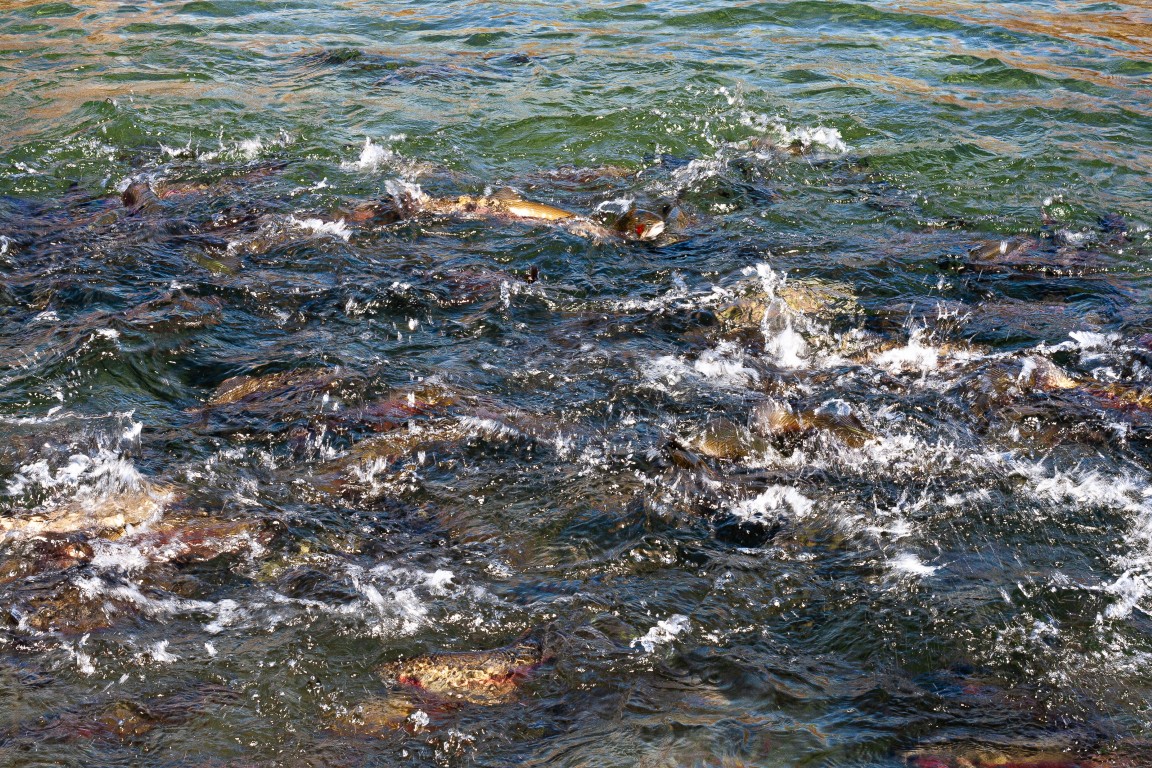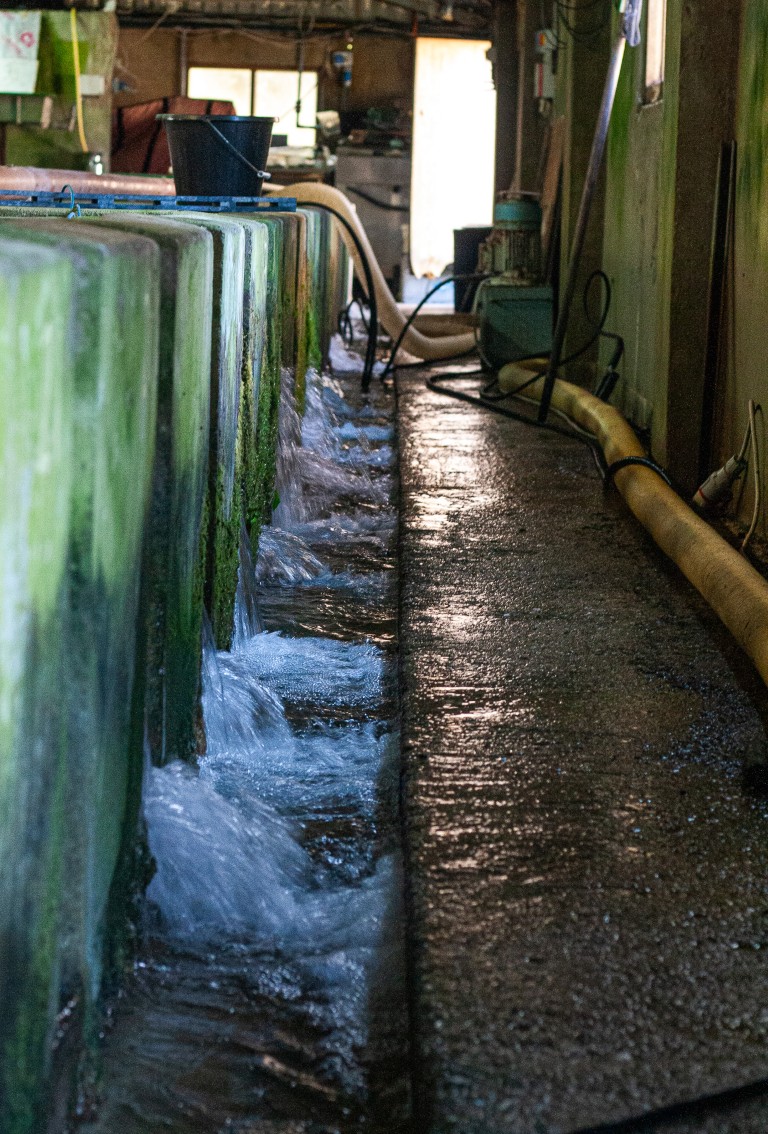
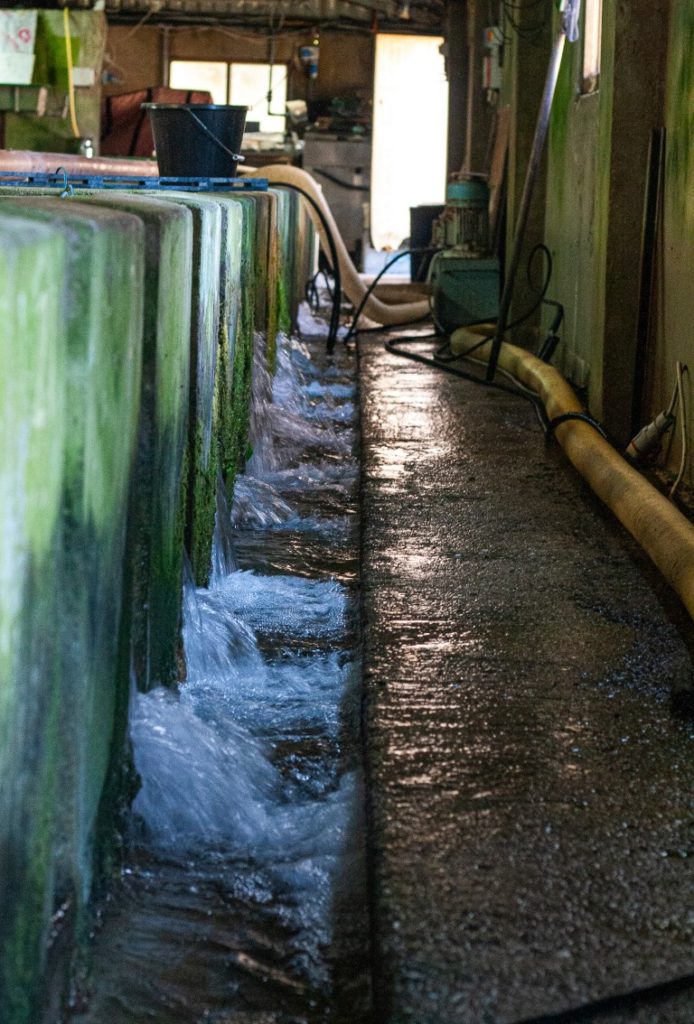
As a trout farmer, ensuring the health and growth of your fish is paramount. However, many small businesses in the industry often overlook a critical aspect that can significantly impact their success: water quality management. Poor water quality can lead to disease, stunted growth, and even the loss of your stock. In this post, we will explore the essential factors of water quality management, how to monitor these factors effectively, and the best practices to adopt to maintain a healthy environment for your trout.
Understanding Water Quality Parameters
Water quality is not just about clarity; it encompasses several parameters that must be monitored regularly. Here are the key factors to consider:
1. Temperature
Trout thrive in specific temperature ranges, typically between 10°C and 16°C. Higher temperatures can reduce oxygen levels and increase the chances of disease.
2. pH Levels
The ideal pH level for trout is between 6.5 and 8.5. Fluctuations outside this range can stress fish and lead to poor growth.
3. Dissolved Oxygen (DO)
Trout require a high level of dissolved oxygen, ideally above 6 mg/L. Low oxygen levels can lead to stress and mortality.
4. Ammonia and Nitrite Levels
Both ammonia and nitrite are toxic to fish. Ammonia should ideally be at 0 mg/L, while nitrite levels should be maintained below 0.1 mg/L to prevent fish poisoning.
5. Hardness and Alkalinity
These parameters influence pH stability and should be monitored to ensure a balanced environment.
6. Turbidity
High turbidity can reduce light penetration, affecting plant growth and overall water quality.
How to Monitor Water Quality
Regular monitoring is crucial in maintaining optimal water conditions. Here’s how to implement an effective monitoring plan:
Equipment Needed
- Water Testing Kits: Invest in comprehensive kits that can measure pH, ammonia, nitrite, dissolved oxygen, and temperature.
- Thermometers: Use accurate thermometers for precise temperature readings.
- Turbidity Meters: These devices help measure the clarity of water.
Monitoring Schedule
- Daily: Check temperature and dissolved oxygen levels.
- Weekly: Test for pH, ammonia, nitrite, and turbidity.
- Monthly: Review overall water quality trends and adjust management practices as necessary.
Best Practices for Water Quality Management
To ensure your trout farm operates efficiently, consider adopting the following best practices:
1. Regular Water Changes
Changing a portion of the water regularly can help maintain optimal levels of dissolved oxygen and remove harmful toxins.
2. Aeration Techniques
Implement aeration systems to increase oxygen levels, especially during warmer months when oxygen levels tend to drop.
3. Filtration Systems
Invest in reliable filtration systems to remove solid waste and toxins from the water. This will help maintain clarity and quality.
4. Planting Aquatic Vegetation
Incorporating plants can enhance oxygen production and provide natural filtration. They can also serve as a habitat for beneficial microorganisms.
5. Conducting Regular Health Checks
Monitoring the health of your trout can provide insights into water quality. Signs of stress or disease can often be traced back to poor water conditions.
Common Mistakes to Avoid
While managing water quality, it’s easy to make mistakes that could jeopardise your trout farm. Here are some common pitfalls to avoid:
1. Infrequent Testing
Neglecting regular monitoring can lead to unnoticed shifts in water quality, putting your trout at risk.
2. Ignoring Seasonal Changes
Be aware that water quality can fluctuate with seasonal changes. Adjust your management practices accordingly.
3. Overcrowding
Having too many fish in one space can lead to poor water quality and increased competition for oxygen.
4. Delaying Intervention
If you notice signs of poor water quality or unhealthy fish, act quickly. Delaying intervention can lead to catastrophic losses.
Building a Water Quality Management Plan
To ensure a systematic approach to water quality management, consider developing a comprehensive plan that includes:
Goals and Objectives
Set clear goals for water quality parameters you aim to achieve.
Procedures
Outline the procedures for testing, monitoring, and responding to changes in water quality.
Responsibilities
Assign specific tasks to team members, ensuring everyone is aware of their roles in maintaining water quality.
Record Keeping
Maintain detailed records of water quality tests, fish health, and any interventions made. This will help in tracking trends and making informed decisions.
Conclusion
Effective water quality management is a cornerstone of successful trout farming. By understanding the key parameters, implementing monitoring practices, and avoiding common mistakes, you can ensure a healthy environment for your fish. Regular testing and a proactive approach will not only enhance the growth of your trout but also contribute to the sustainability of your business.
For further guidance on enhancing your trout farming operations, consider exploring our resources on effective trout farming strategies and building relationships with local businesses.