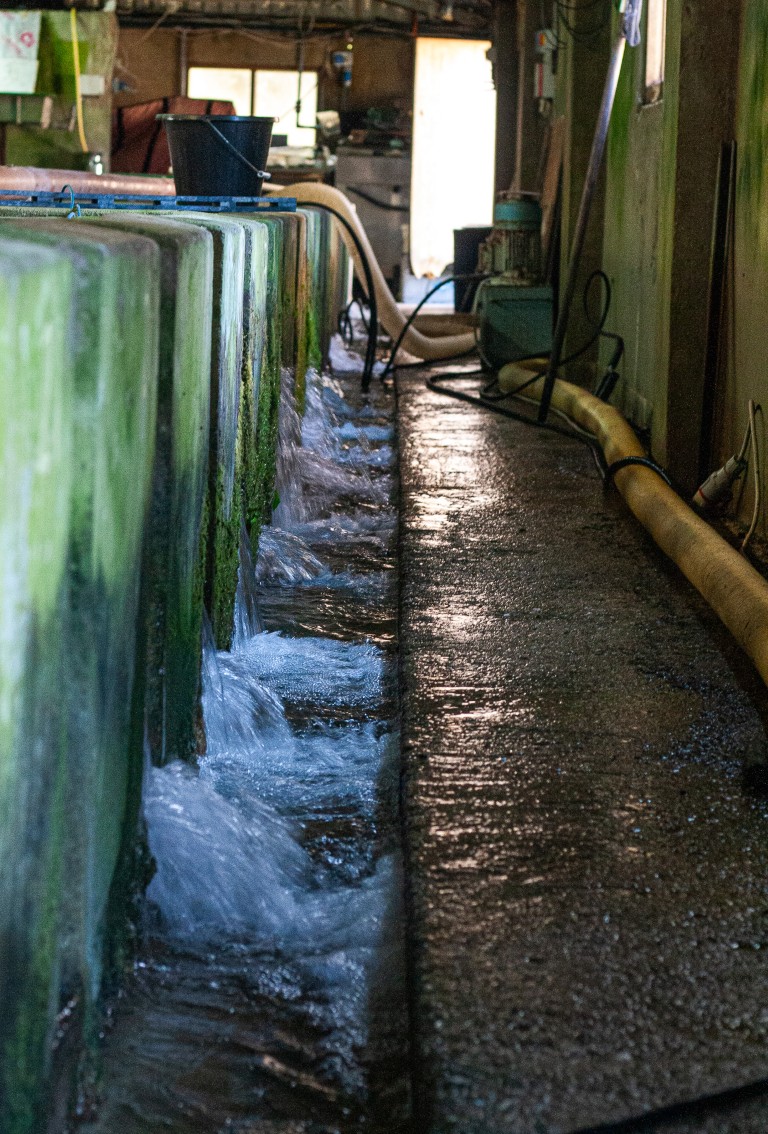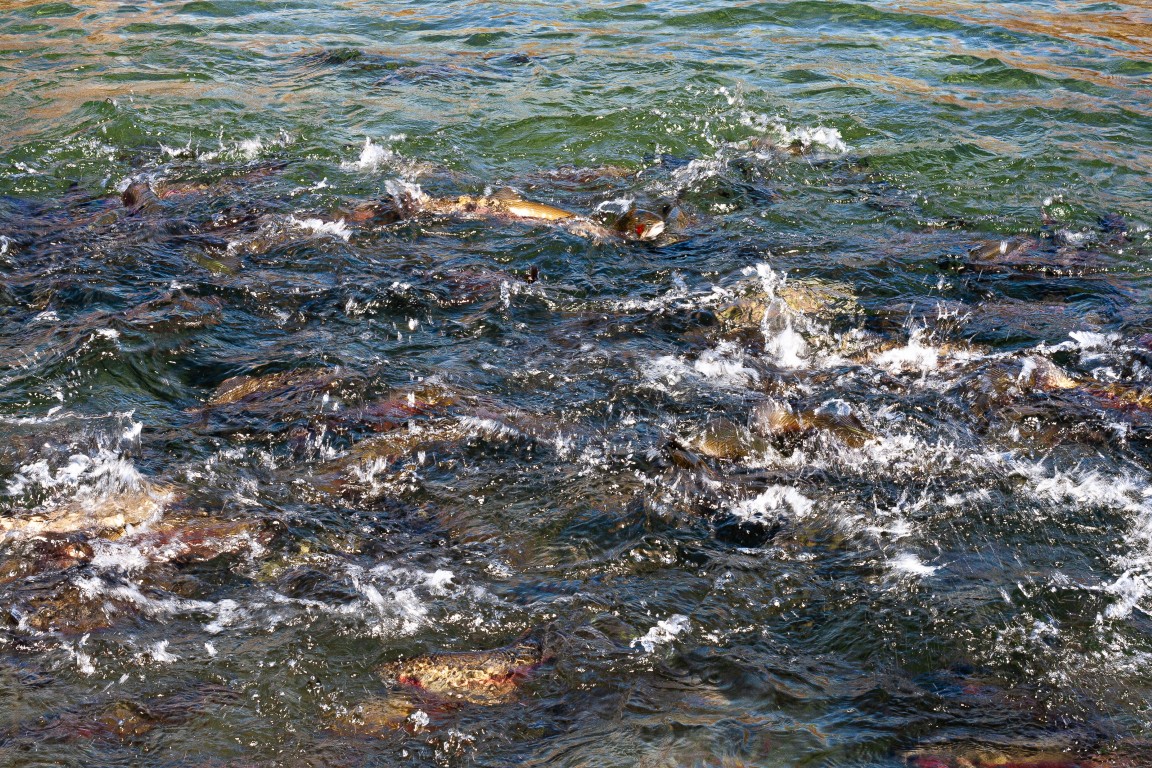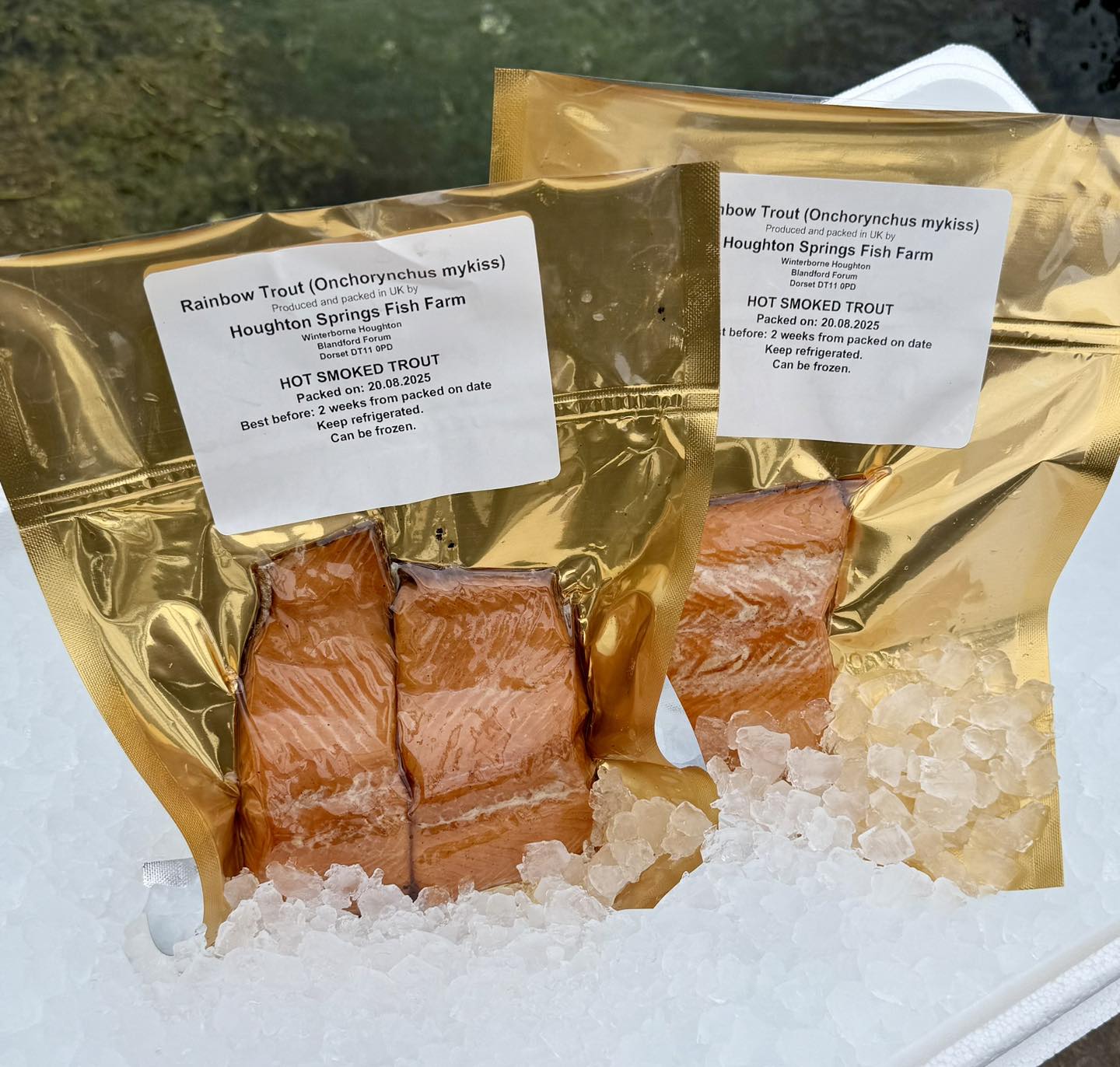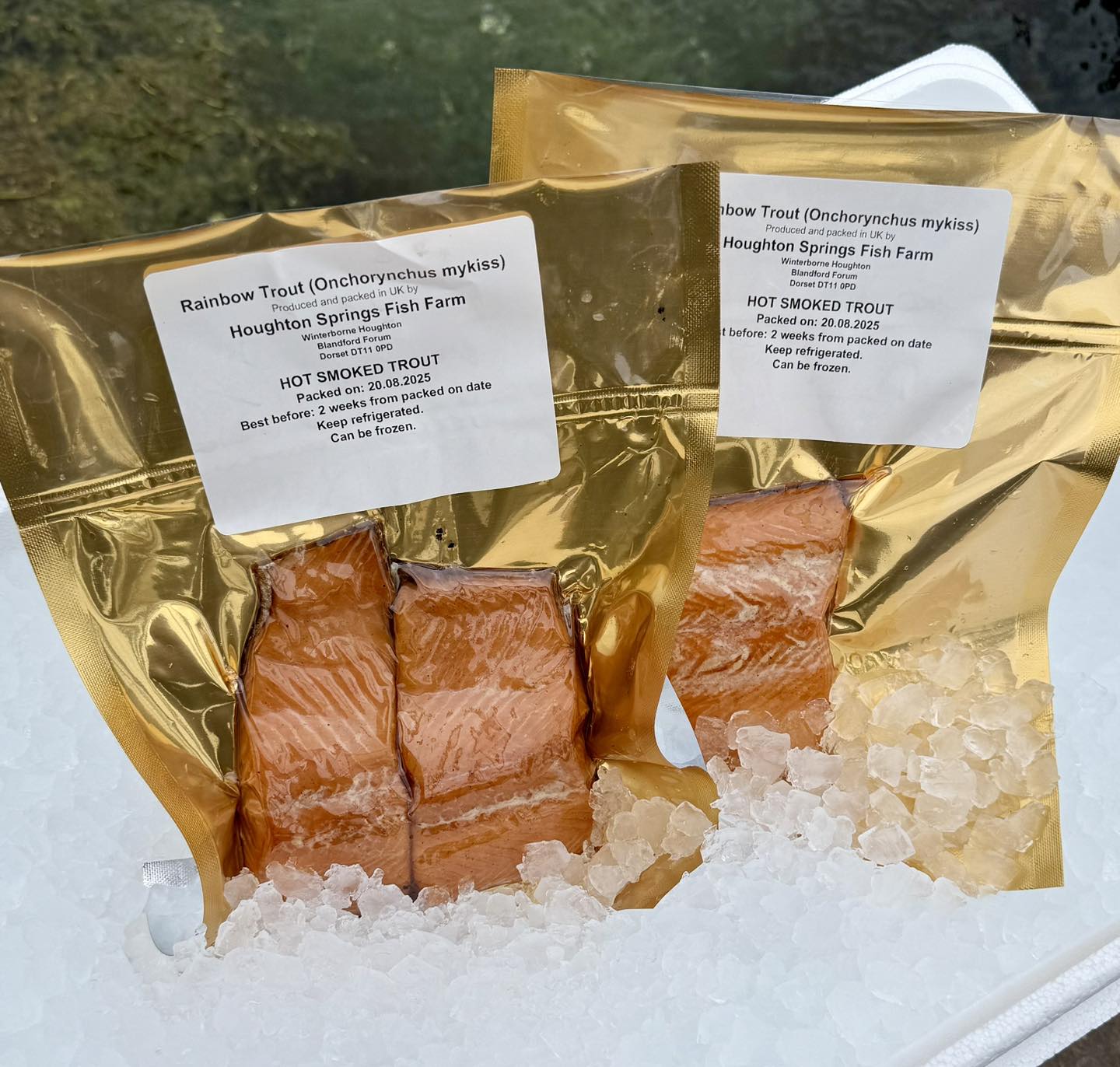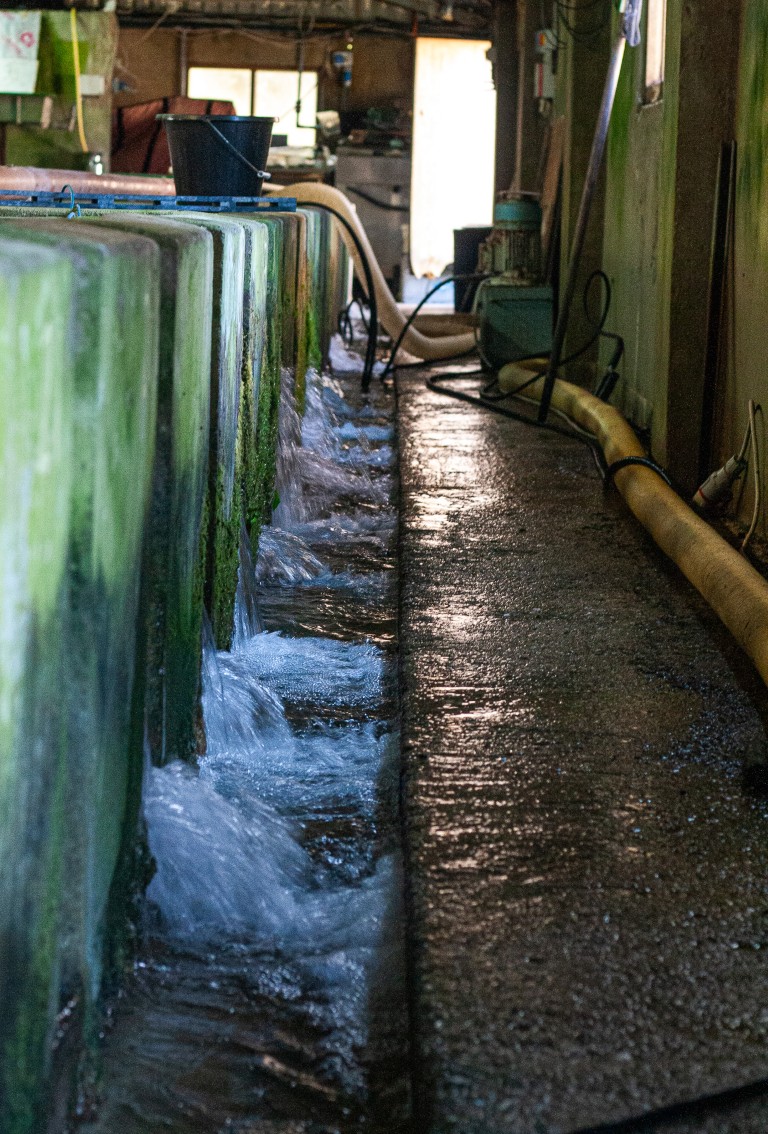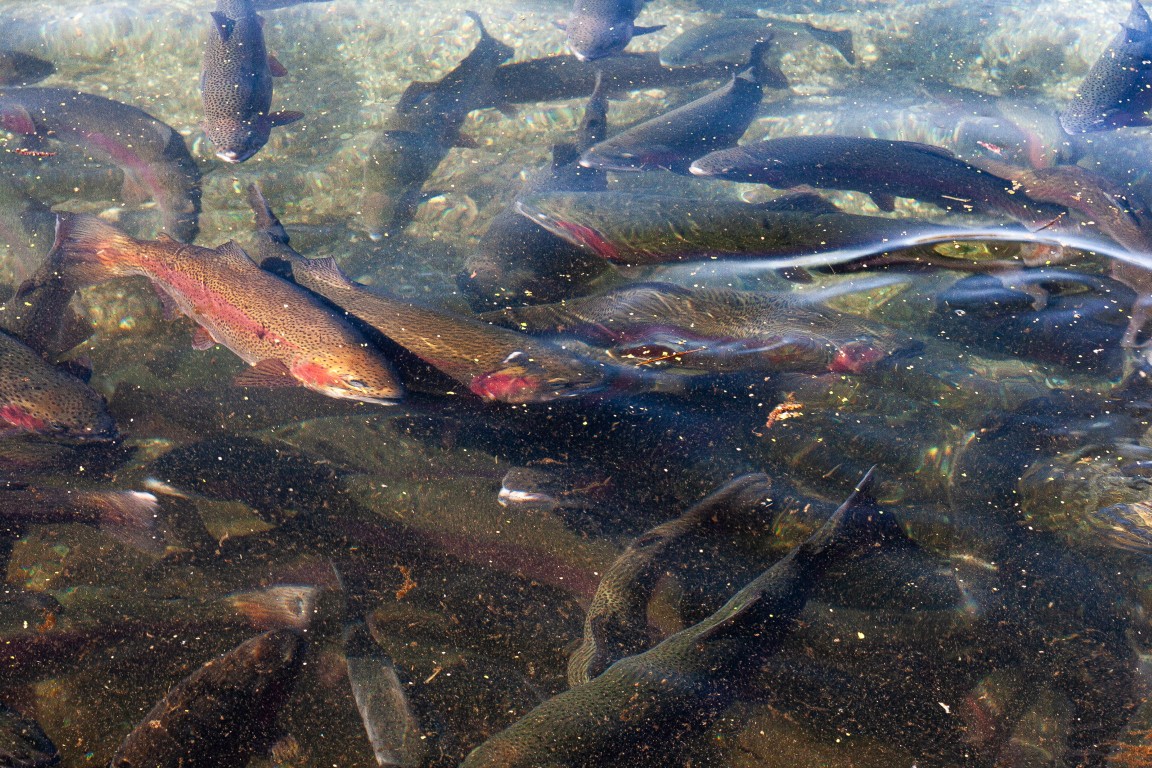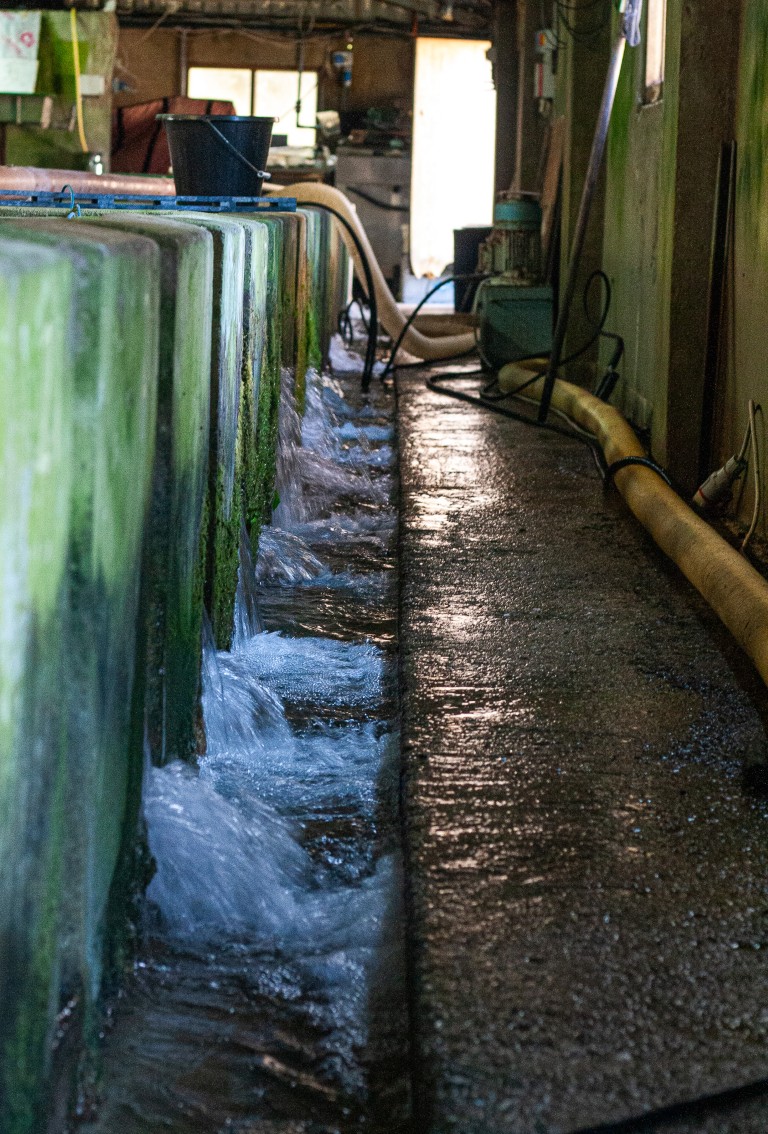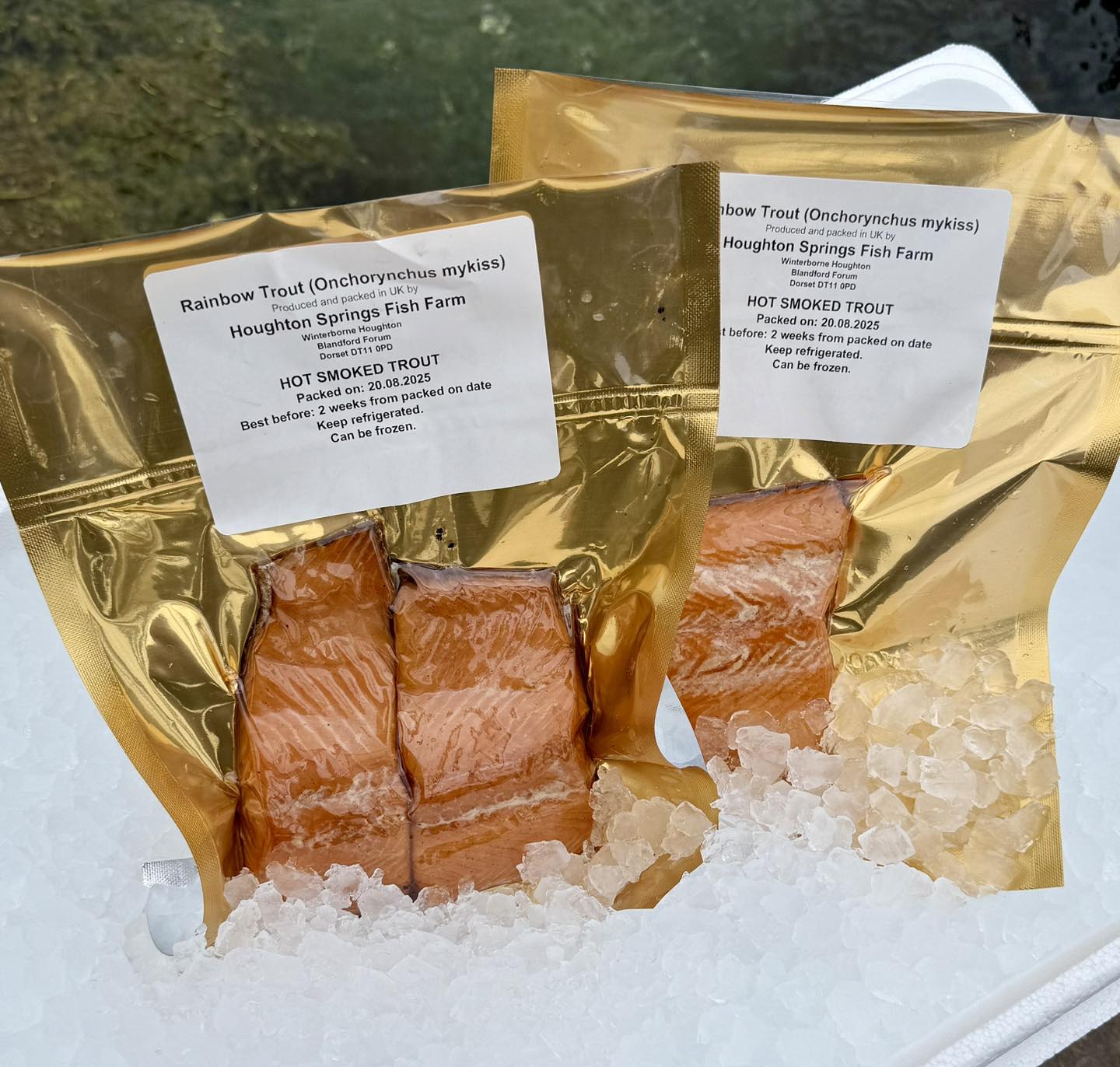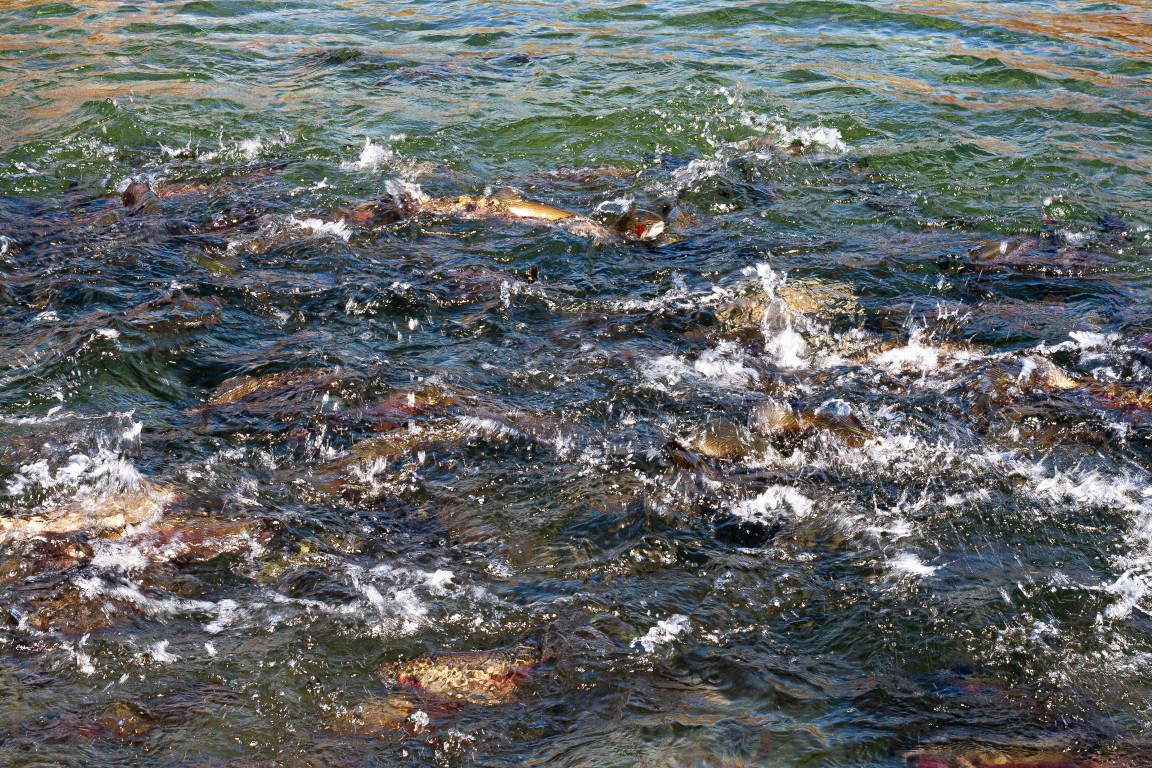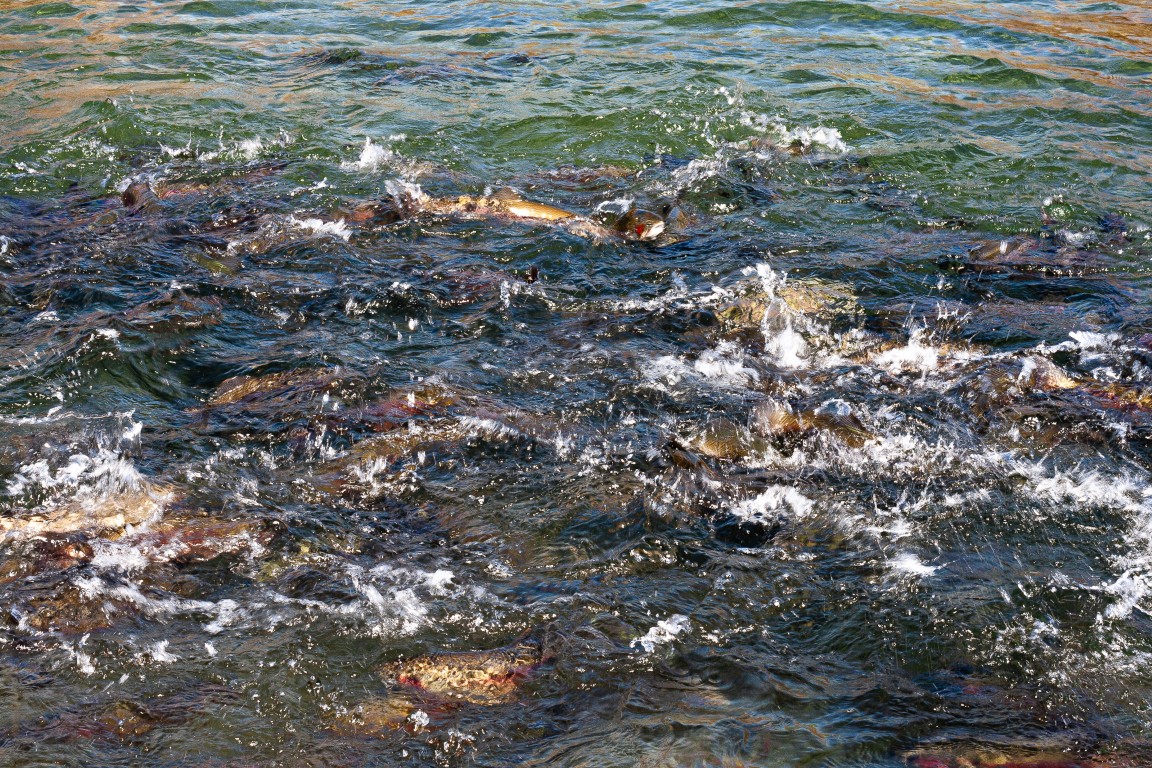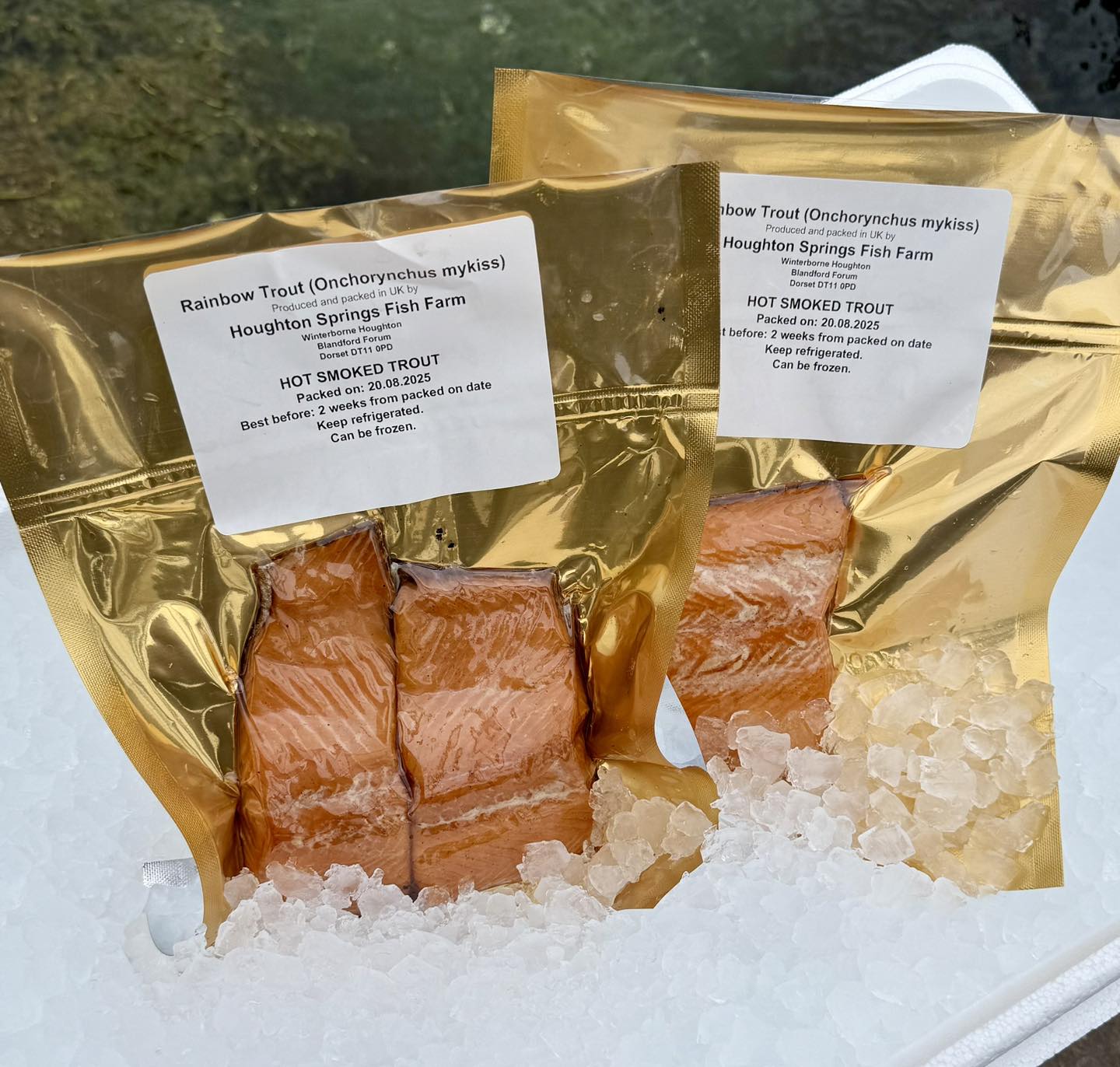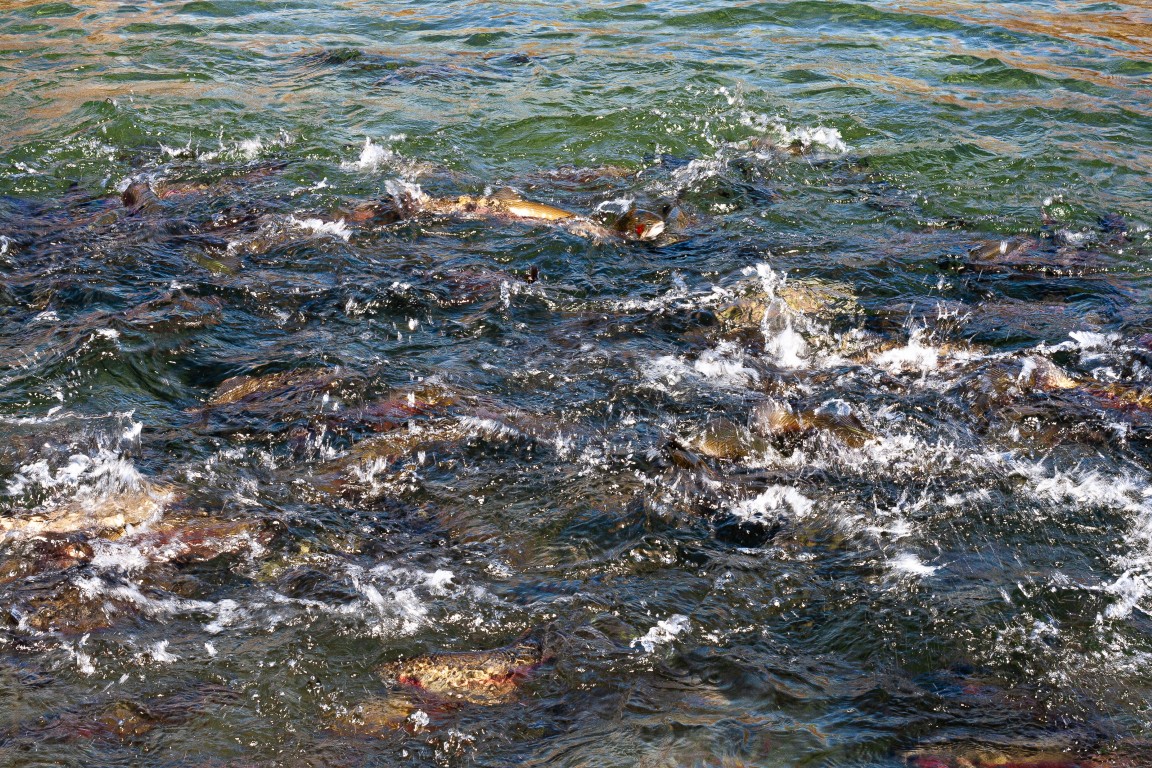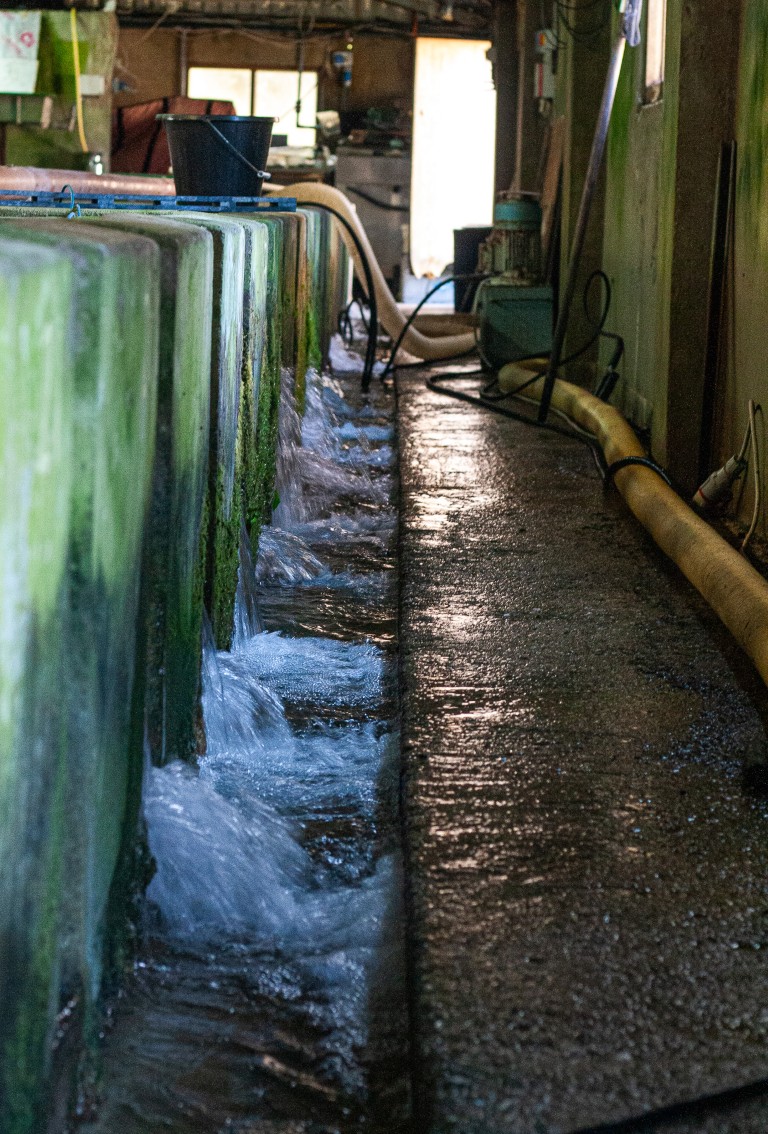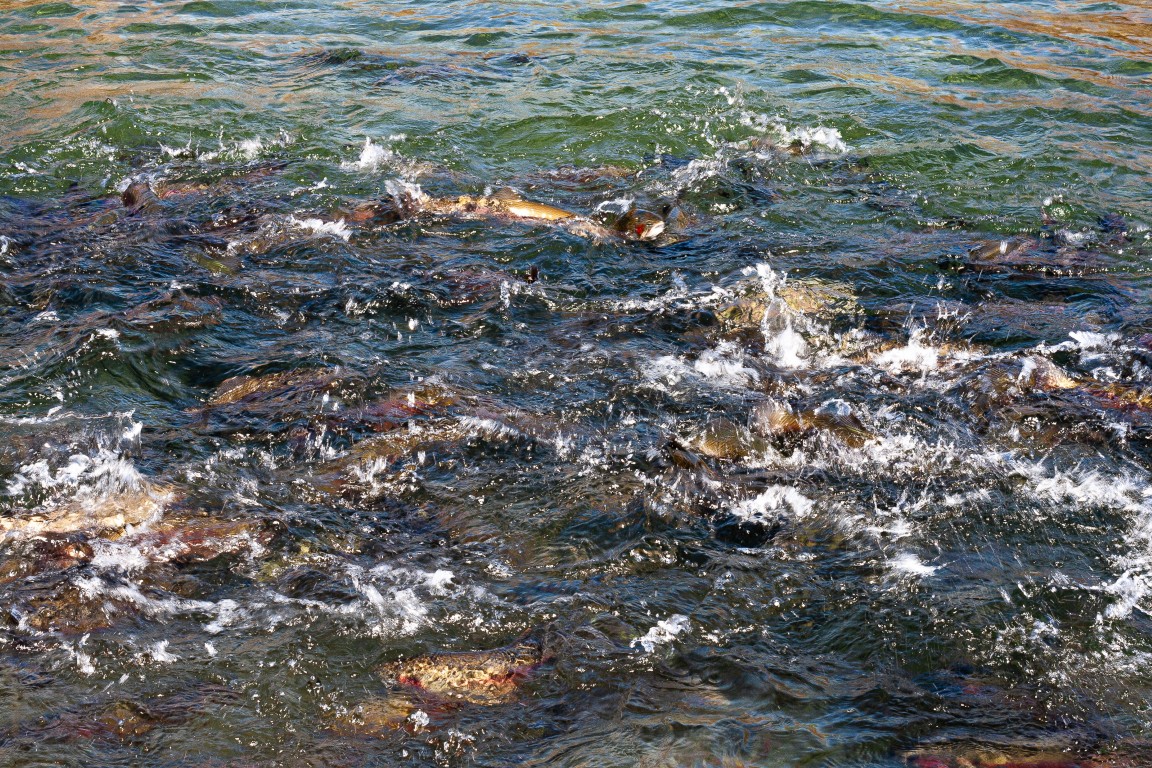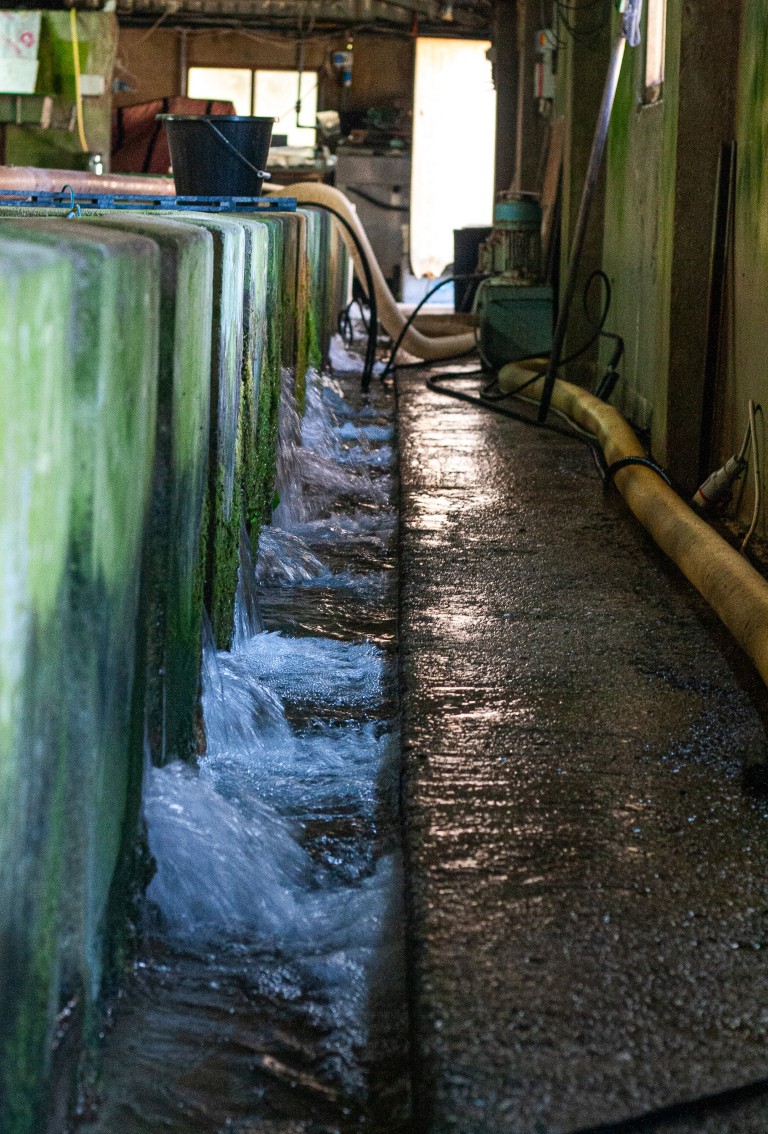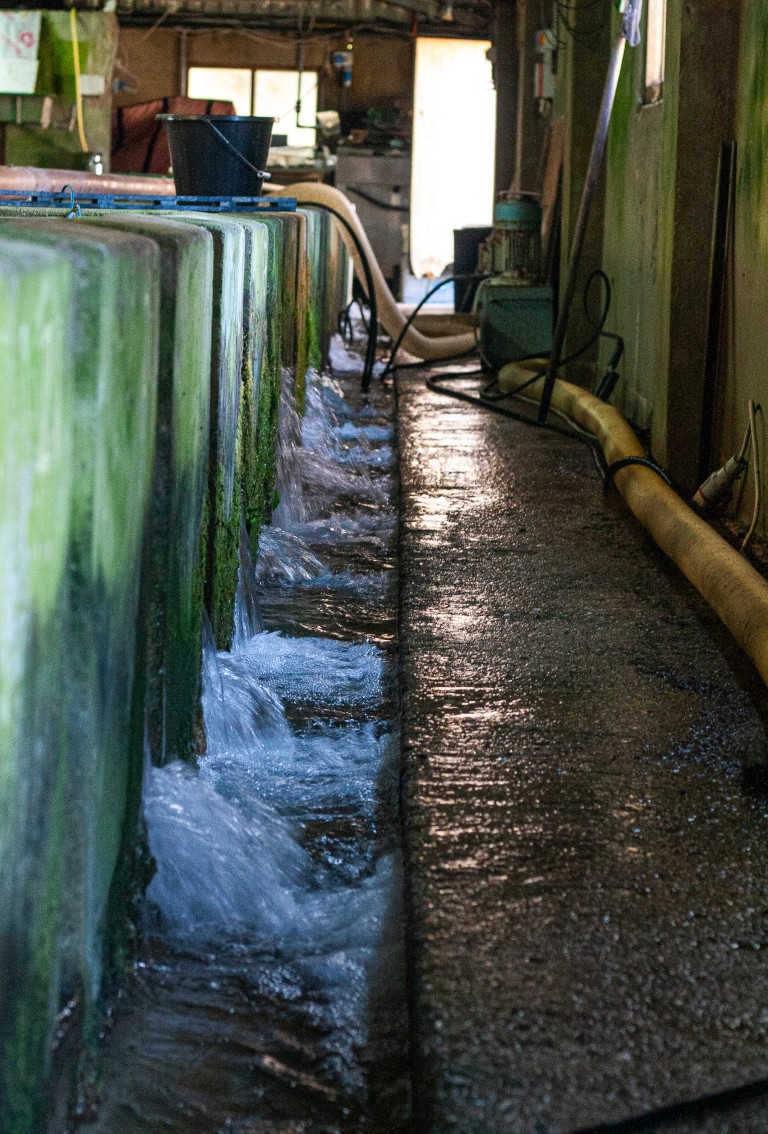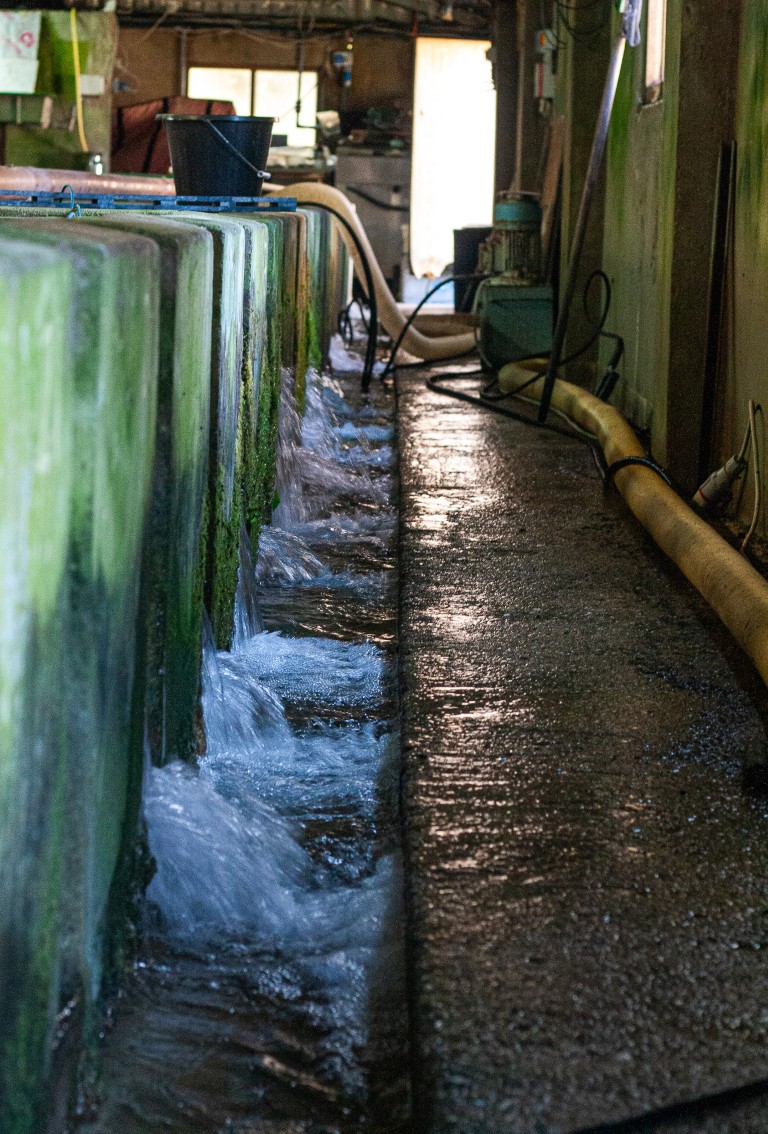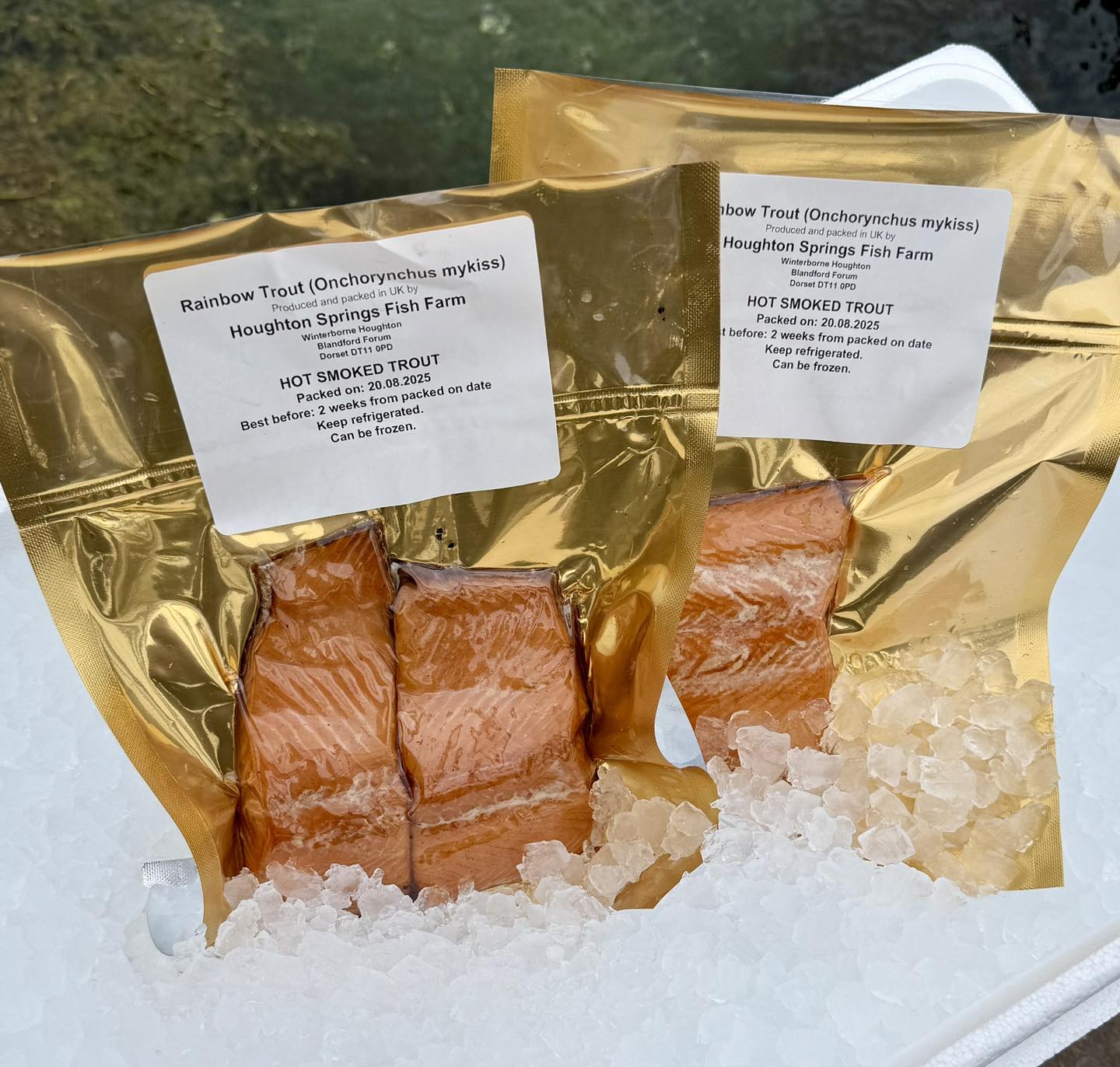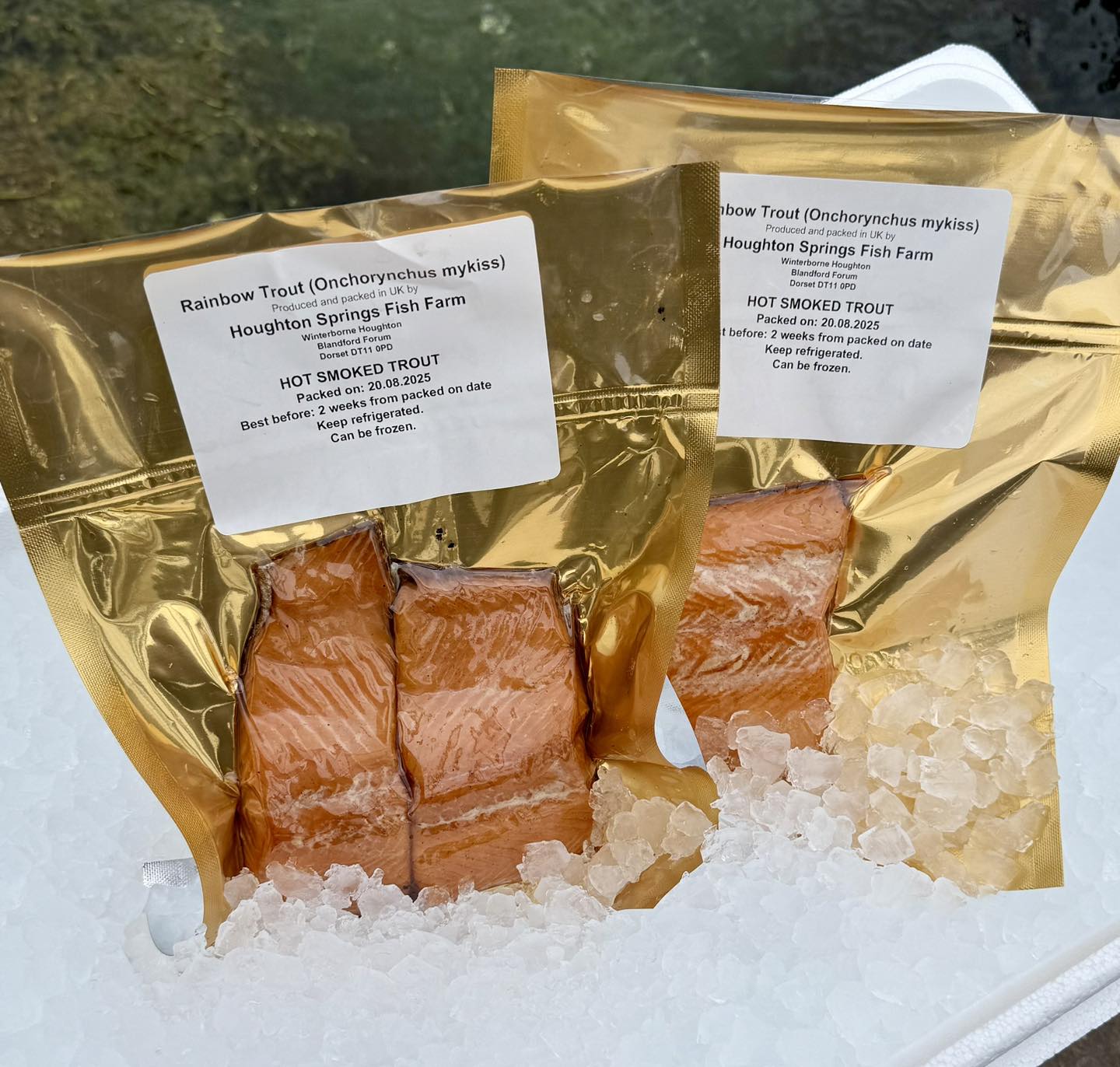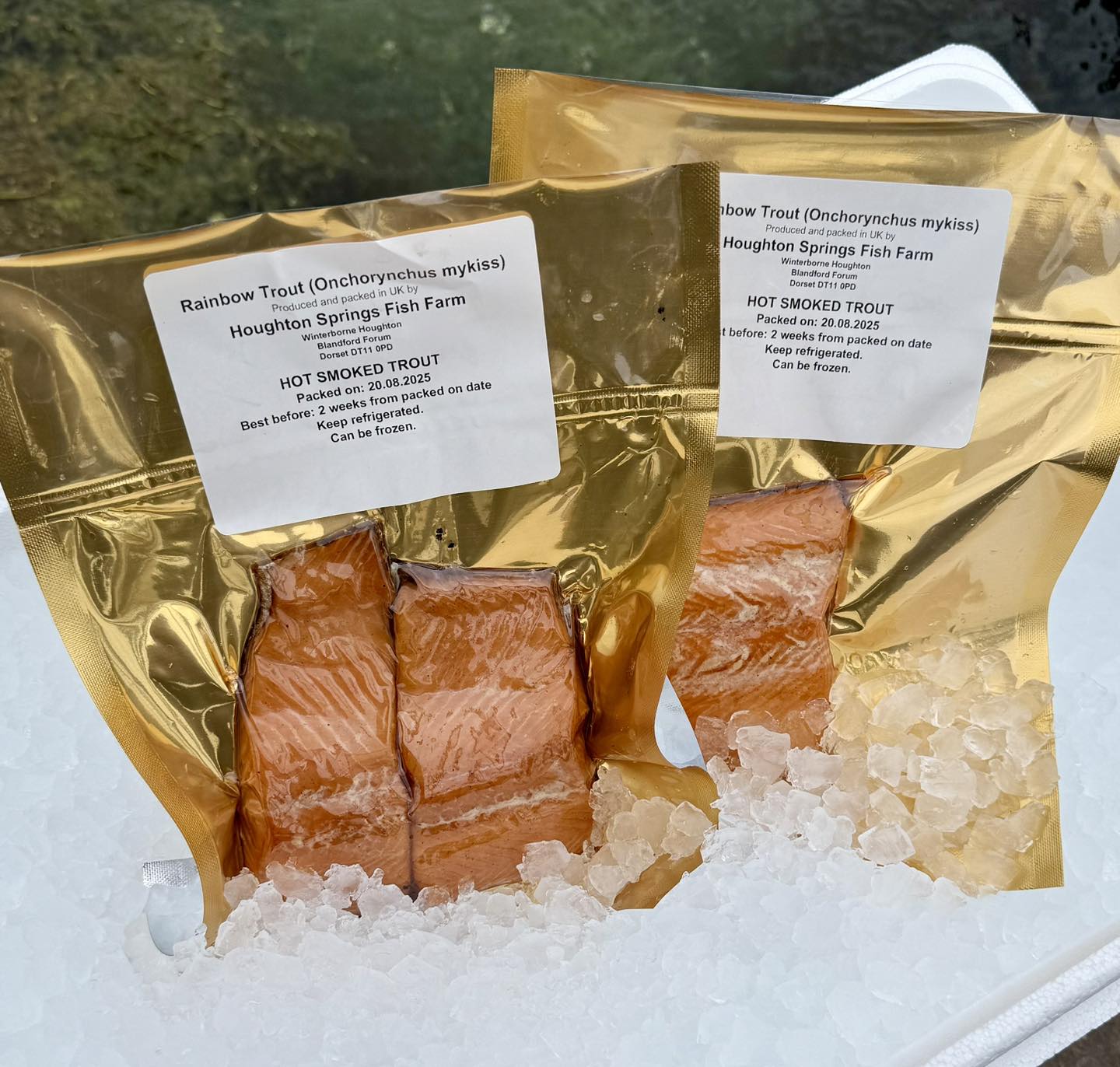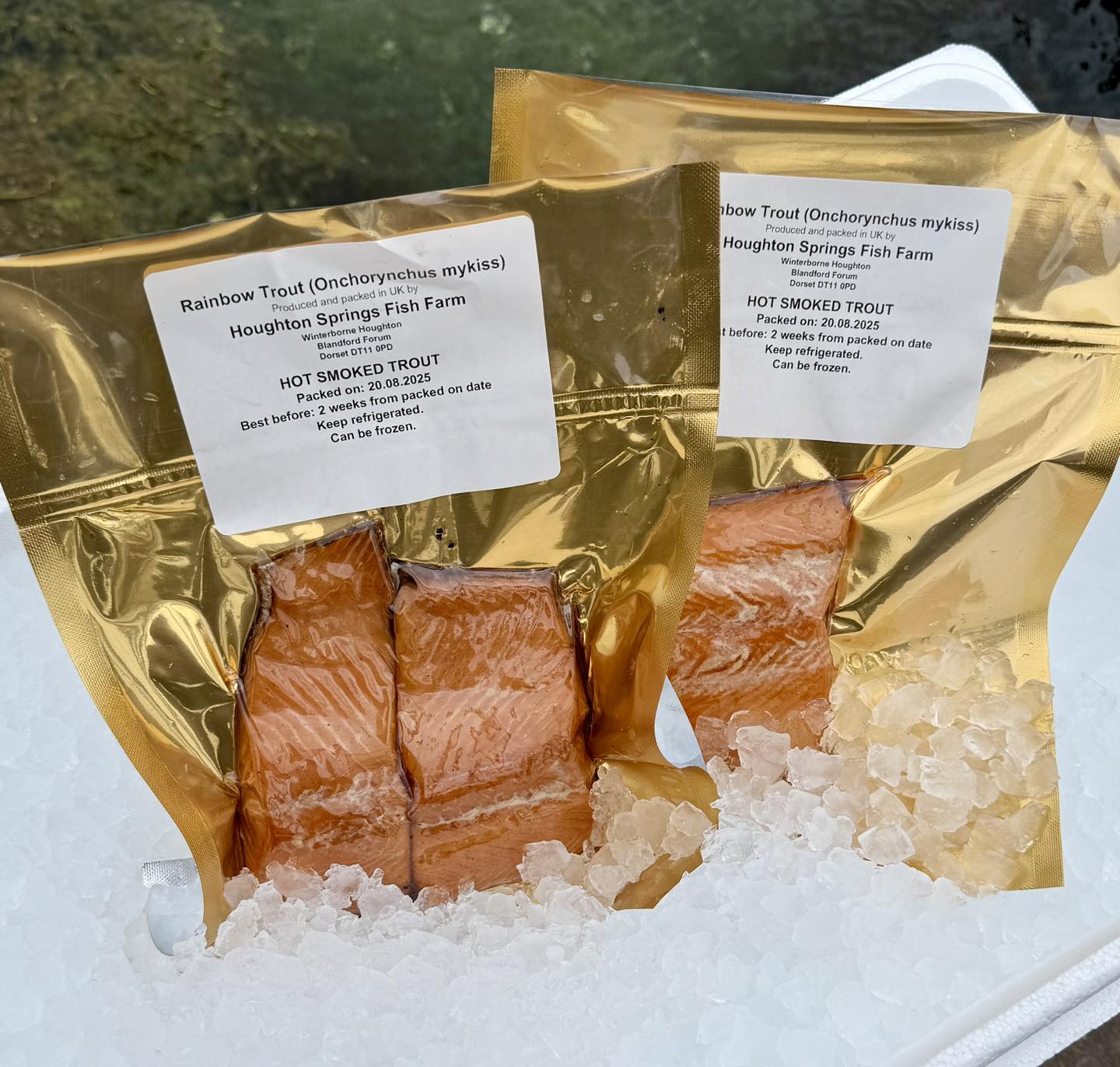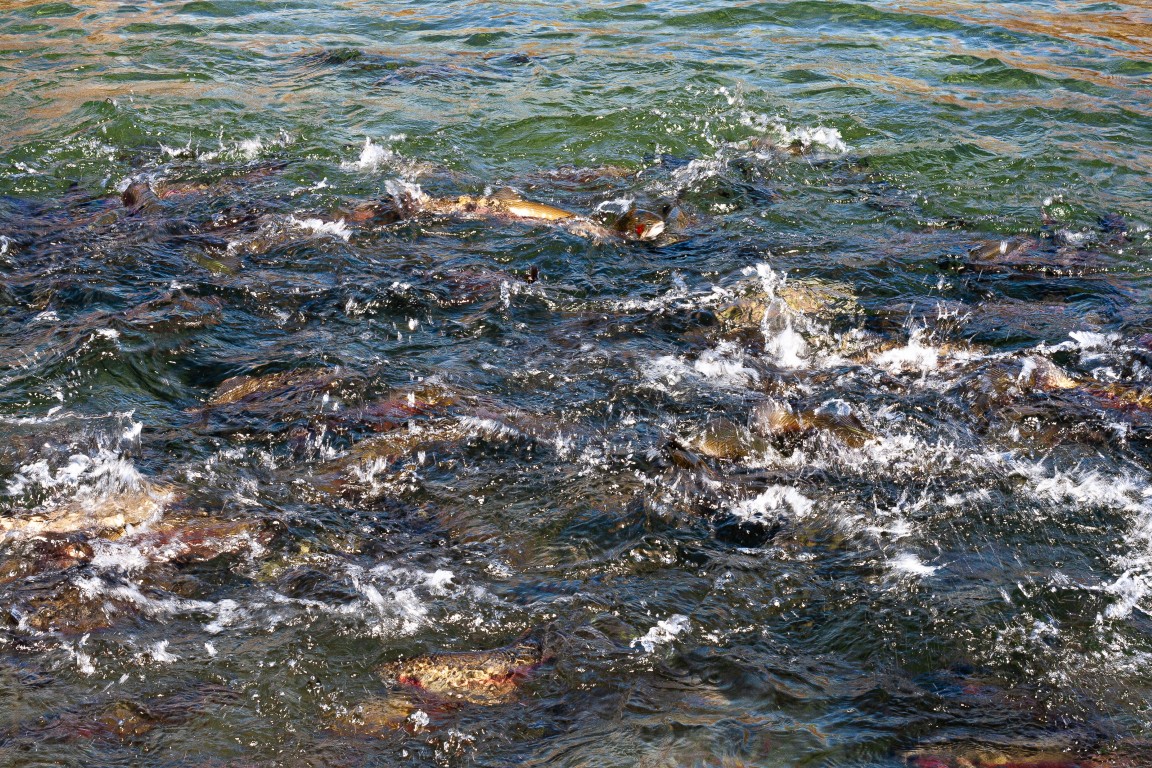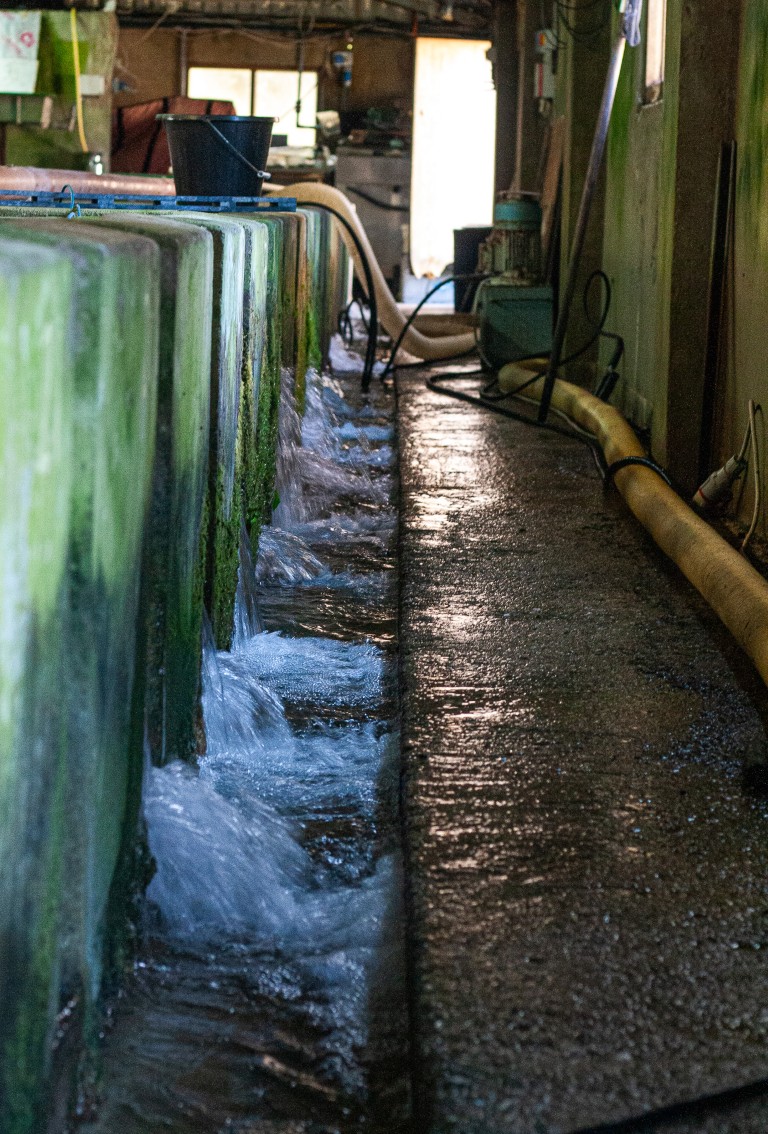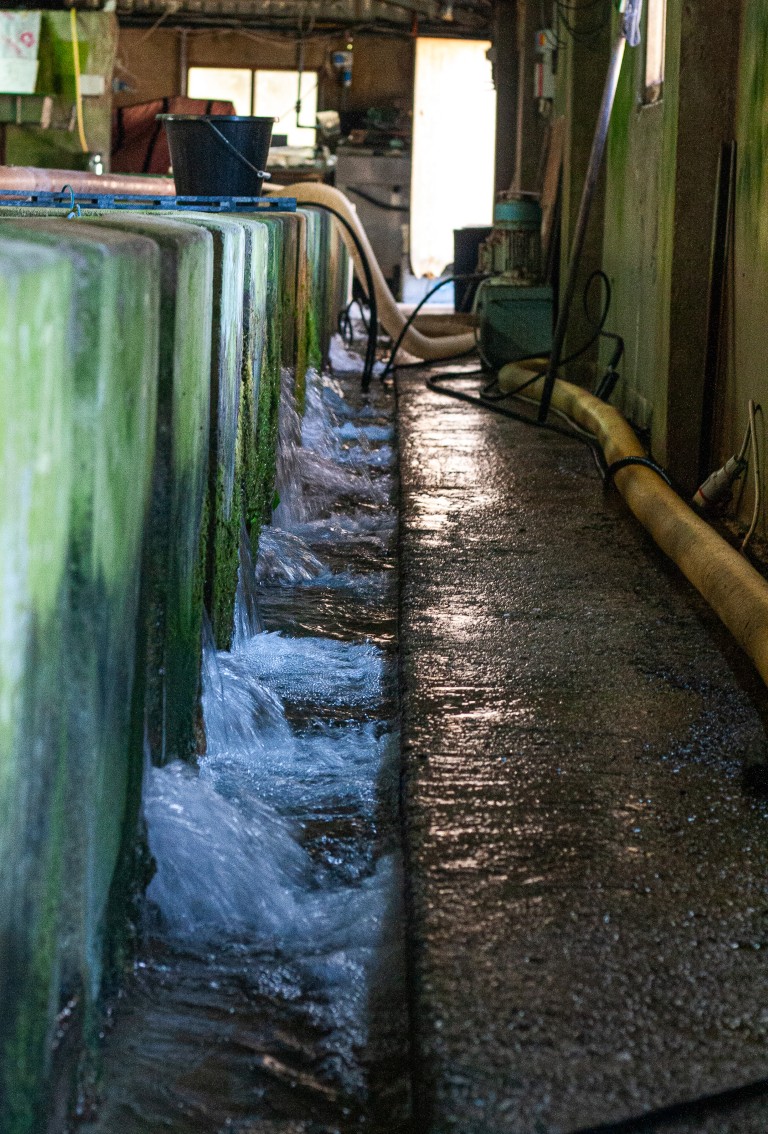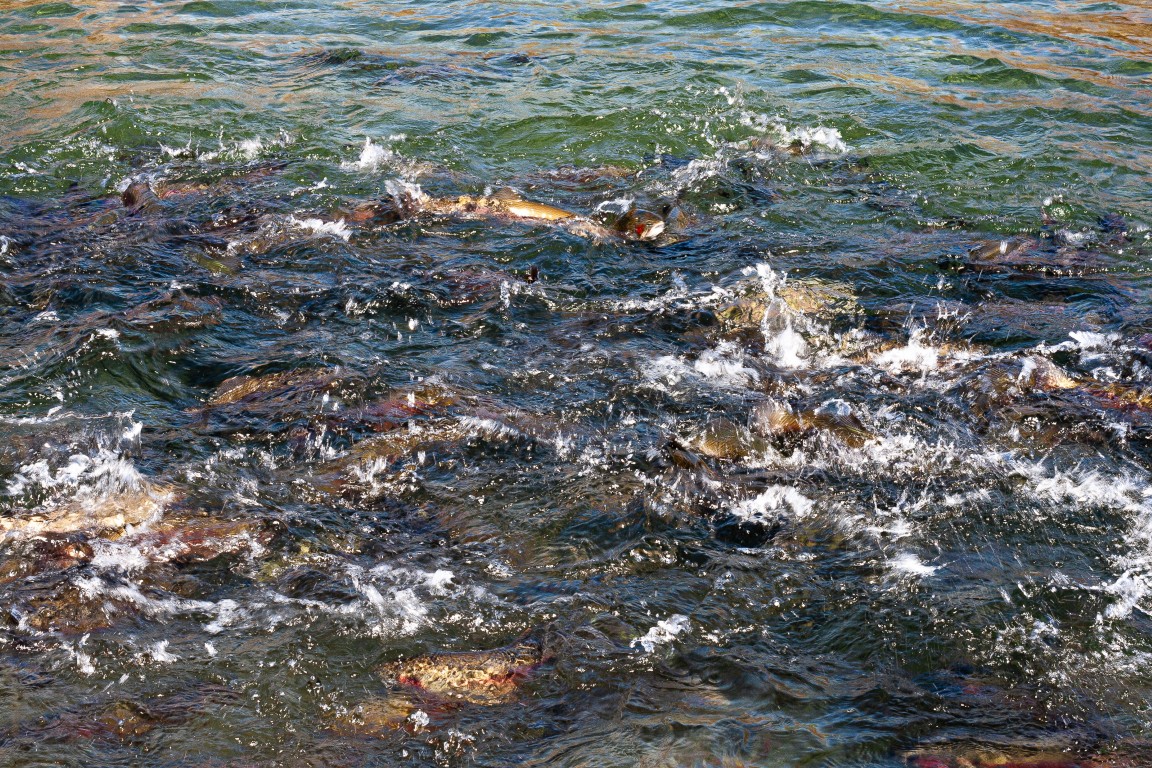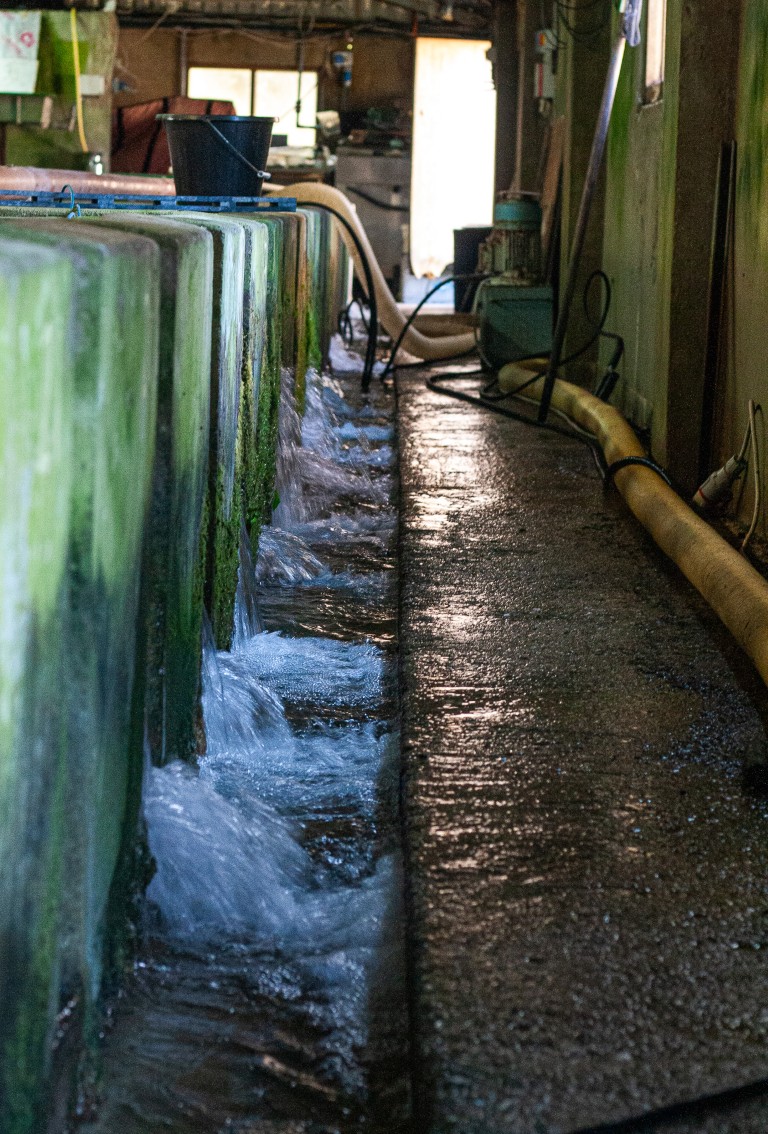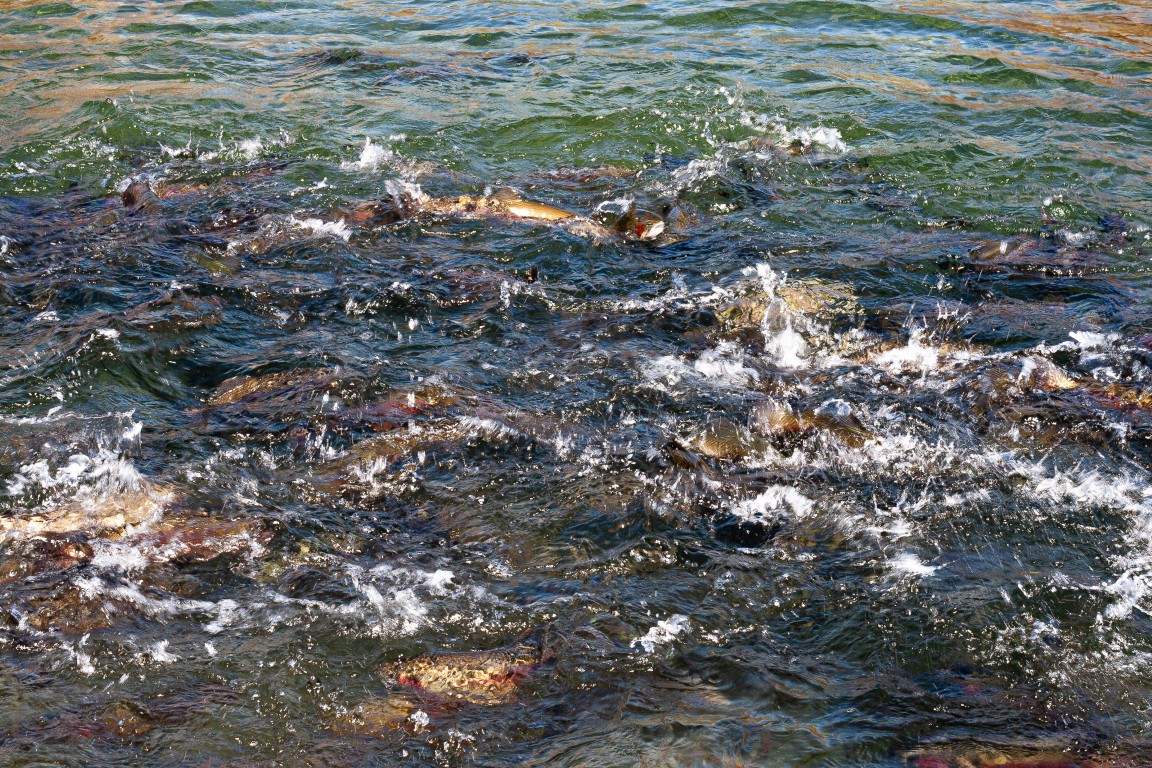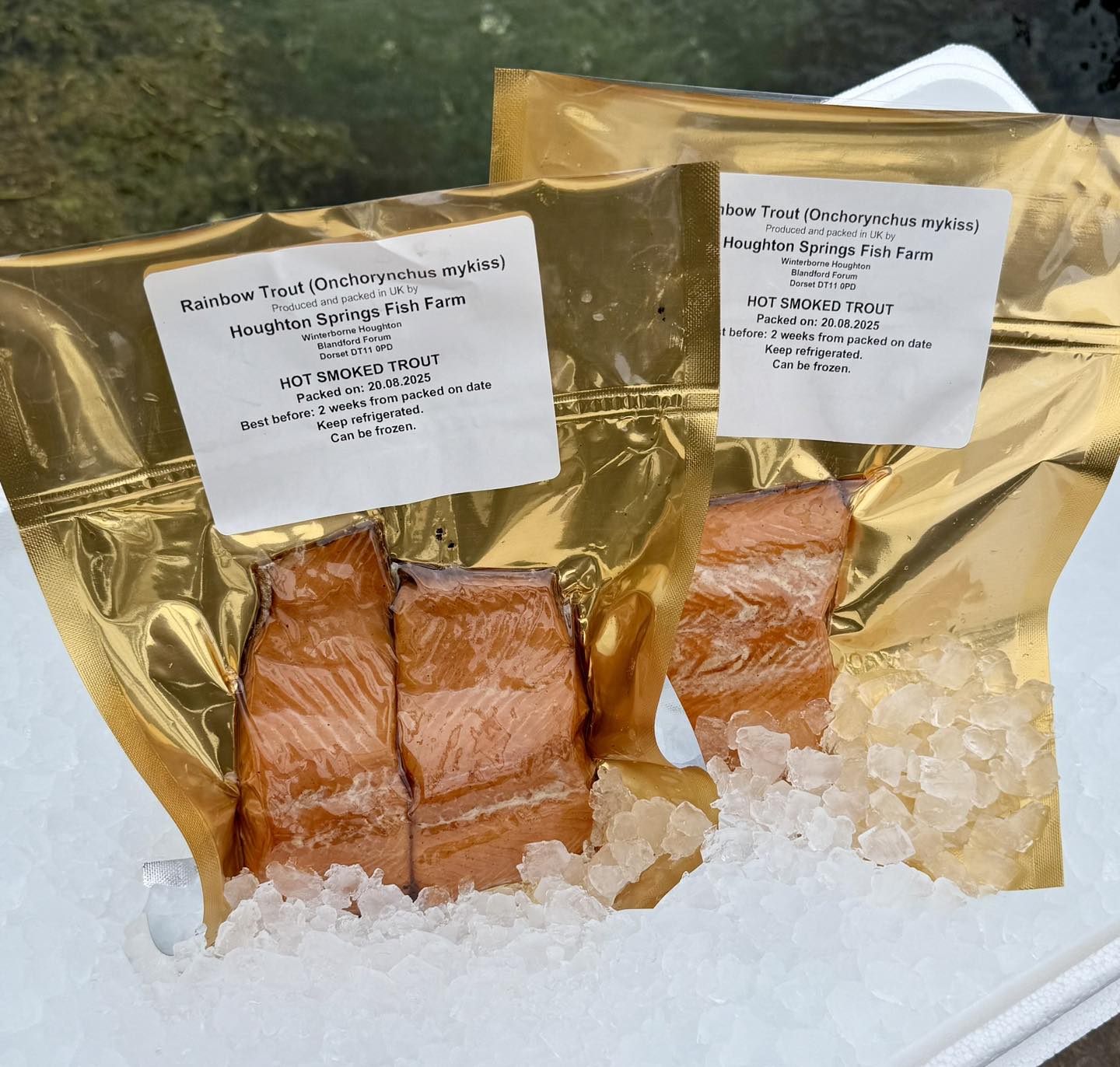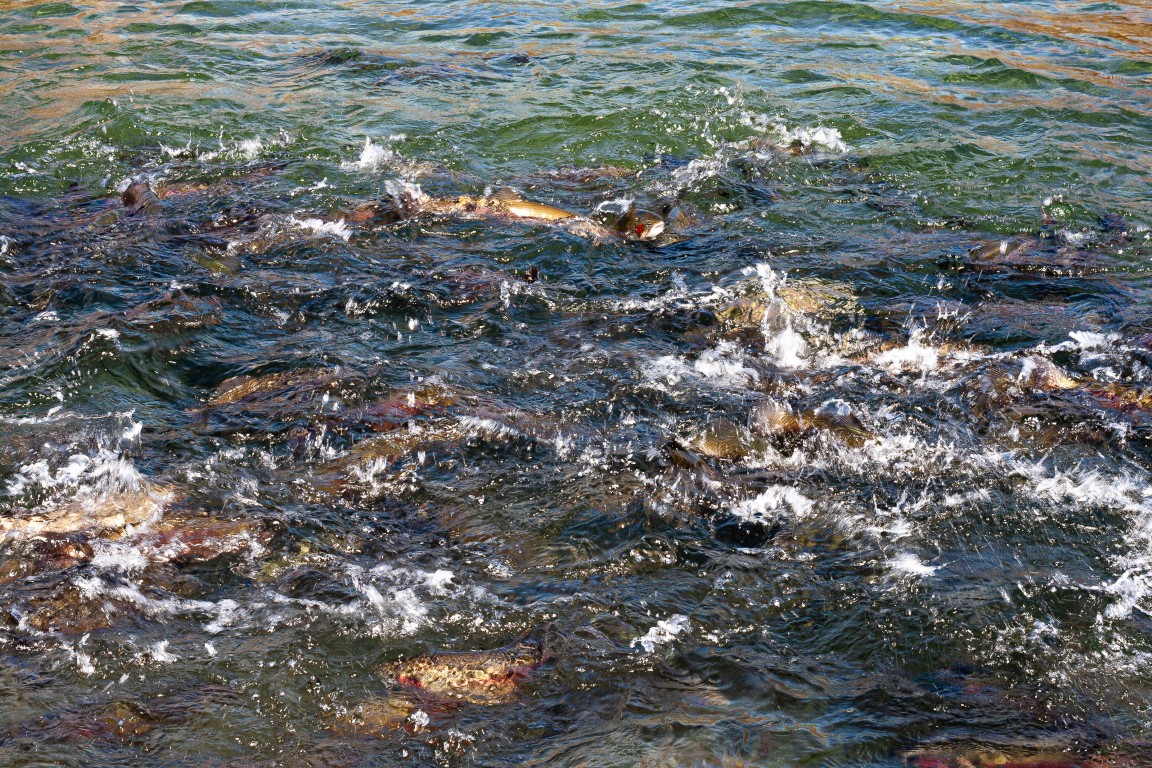
Fish farming in the UK operates within a framework of regulations designed to ensure the welfare of fish, protect the environment, and maintain food safety standards. For small businesses engaged in aquaculture, understanding these regulations is crucial not only for compliance but also for building a responsible and trustworthy brand. At Houghton Springs Trout Farm, we pride ourselves on adhering to these regulations, ensuring that our practices align with national standards. This blog post will outline the key regulations surrounding fish farming in the UK and provide practical insights for small businesses in the industry.
Understanding UK Fish Farming Regulations
The UK fish farming sector is governed by a combination of national and European regulations. These regulations cover various aspects of fish farming, including animal welfare, environmental protection, and food safety. Below are some of the main areas of regulation that fish farmers must navigate.
1. Animal Welfare Standards
The welfare of farmed fish is a priority in UK regulations. The Animal Welfare Act 2006 applies to fish and lays down duties for fish farmers to ensure that their fish are kept in conditions that meet their biological needs. Key aspects include:
- Proper Housing: Fish must be housed in environments that allow for natural behaviour and growth.
- Health Monitoring: Regular health assessments are required to identify and treat any disease or injury.
- Sufficient Space: Fish should have enough space to swim freely, which reduces stress and promotes overall well-being.
2. Environmental Regulations
Environmental protection is another critical area for fish farming. The Environmental Permitting (England and Wales) Regulations 2016 require fish farms to obtain permits for their operations. This includes:
- Water Quality Management: Farmers must monitor and manage the quality of water used in their operations, ensuring it meets standards for pollutants and pathogens.
- Biodiversity Protection: Operations must not negatively impact local wildlife or ecosystems. This includes measures to prevent escape of farmed fish into wild populations.
3. Food Safety and Traceability
The Food Standards Agency (FSA) oversees regulations related to food safety and traceability in fish farming. Important points include:
- Hygiene Standards: Fish farms must adhere to strict hygiene protocols to prevent contamination.
- Traceability Systems: Farmers are required to maintain records that trace fish from the farm to the consumer, ensuring accountability and safety.
4. Licensing and Inspections
Fish farmers must obtain various licenses and are subject to inspections to ensure compliance with regulations. This includes:
- Aquaculture License: Required for all fish farming operations.
- Regular Inspections: Regulatory bodies conduct inspections to ensure compliance with welfare and environmental standards.
How to Ensure Compliance
For small businesses in fish farming, achieving compliance can seem daunting. Here are practical steps to navigate the regulatory landscape effectively:
A. Stay Informed
Keeping up-to-date with current regulations is crucial. Regularly check the UK government and relevant local authority websites for updates on regulations affecting fish farming. Joining industry associations can also provide valuable insights and resources.
B. Develop a Compliance Checklist
Creating a compliance checklist can help ensure that all aspects of your operations meet regulatory requirements. Key items to include:
- Regular health checks and documentation for fish welfare.
- Monitoring and reporting on water quality parameters.
- Maintaining detailed records of fish feed and treatments used.
C. Engage with Regulatory Bodies
Establishing a relationship with local regulatory authorities can facilitate smoother compliance. They can provide guidance, answer questions, and inform you of any upcoming changes to regulations.
D. Invest in Training
Training staff on animal welfare, hygiene, and environmental management is essential. Consider regular training sessions to ensure that everyone involved in your operations understands their responsibilities.
Common Mistakes to Avoid
Navigating regulations can lead to pitfalls for fish farmers. Here are some common mistakes to avoid:
- Neglecting Documentation: Failing to keep accurate records can lead to compliance issues. Ensure that all health checks, treatments, and environmental data are documented meticulously.
- Ignoring Changes in Regulations: Regulations can change frequently. Stay proactive in monitoring updates to avoid falling out of compliance.
- Underestimating the Importance of Training: Training staff is not just a formality; it’s essential for ensuring compliance and maintaining high standards of fish welfare.
Conclusion
Understanding UK fish farming regulations is vital for ensuring compliance and promoting responsible practices. By prioritising animal welfare, environmental protection, and food safety, your small business can build a reputation for quality and trustworthiness. At Houghton Springs Trout Farm, we are committed to adhering to these regulations, ensuring that our farming practices meet the highest standards. For further information on our commitment to responsible fish farming, visit our about page.
By staying informed, developing a compliance checklist, engaging with regulatory bodies, and investing in training, fish farmers can navigate the complexities of regulation with confidence. With careful attention to these areas, you can not only comply with the law but also contribute positively to the sustainability of the fish farming industry.