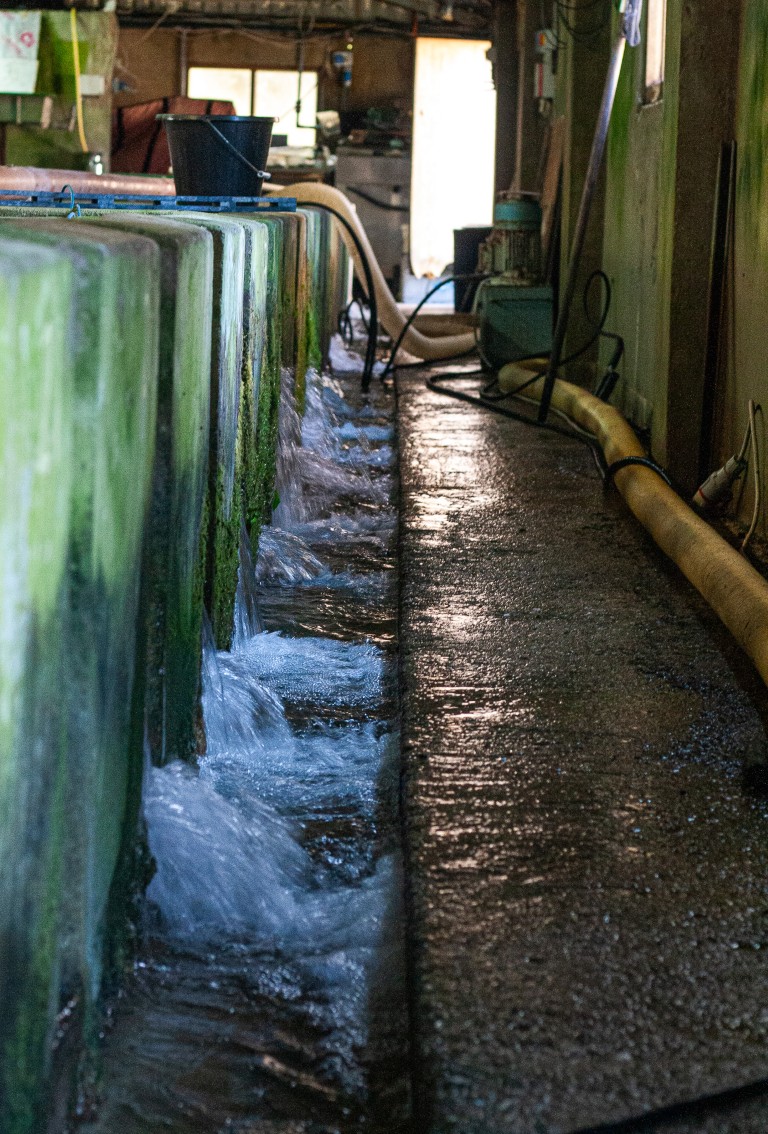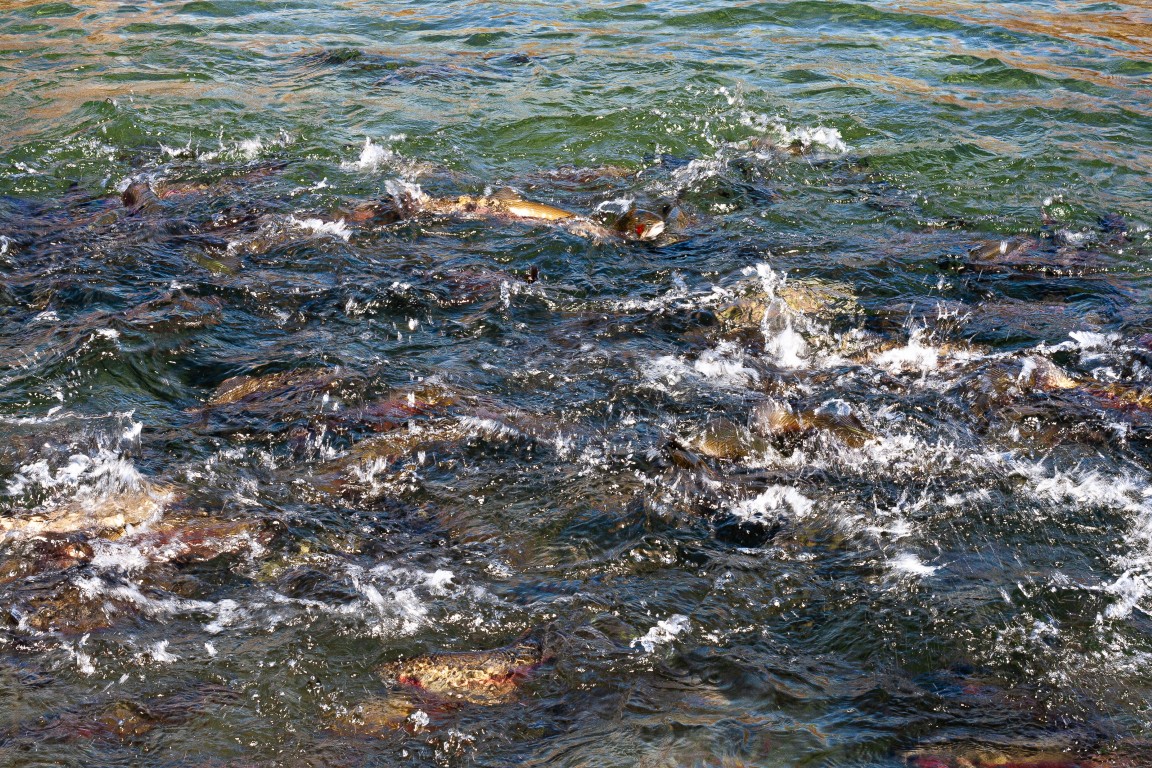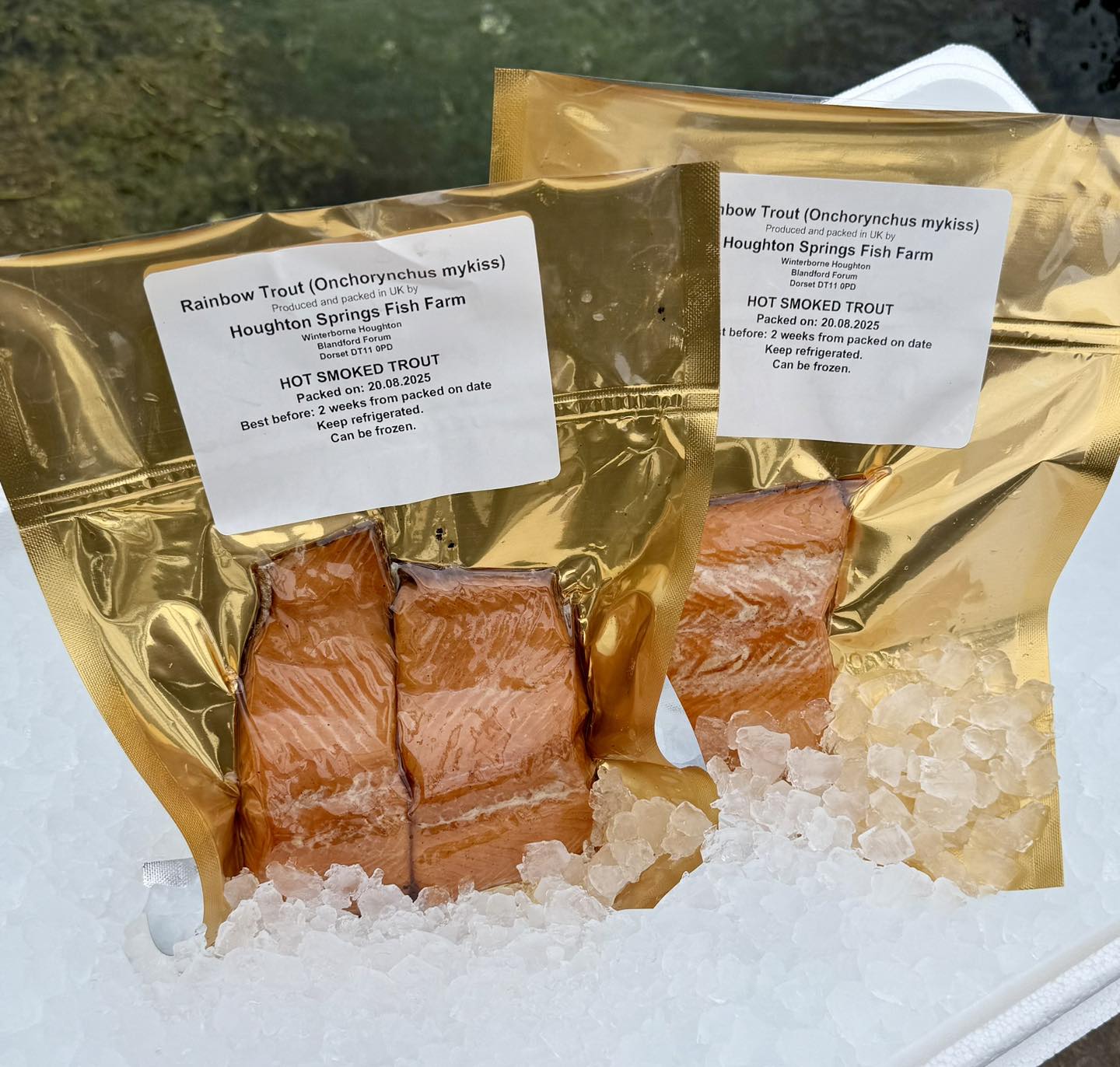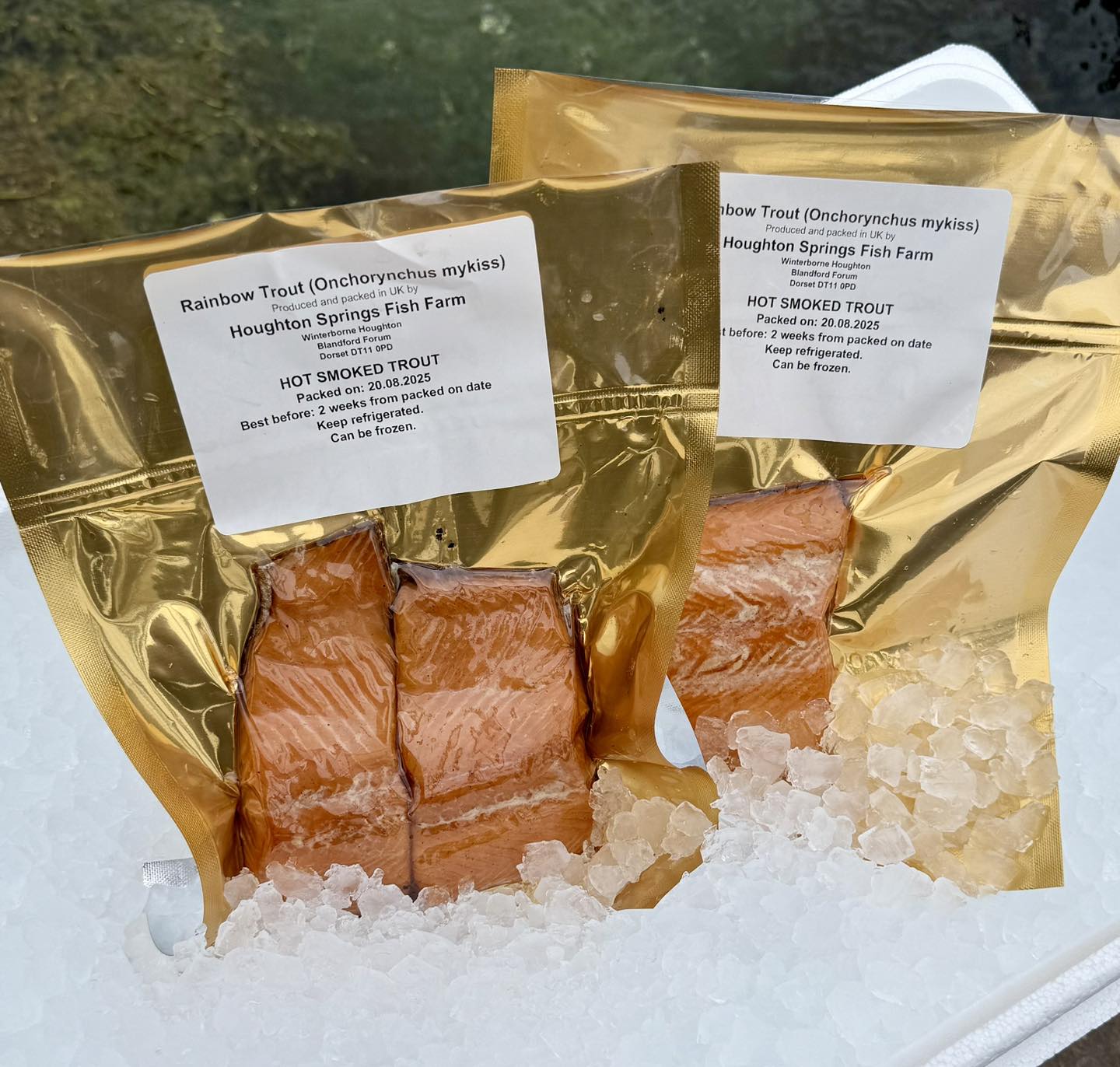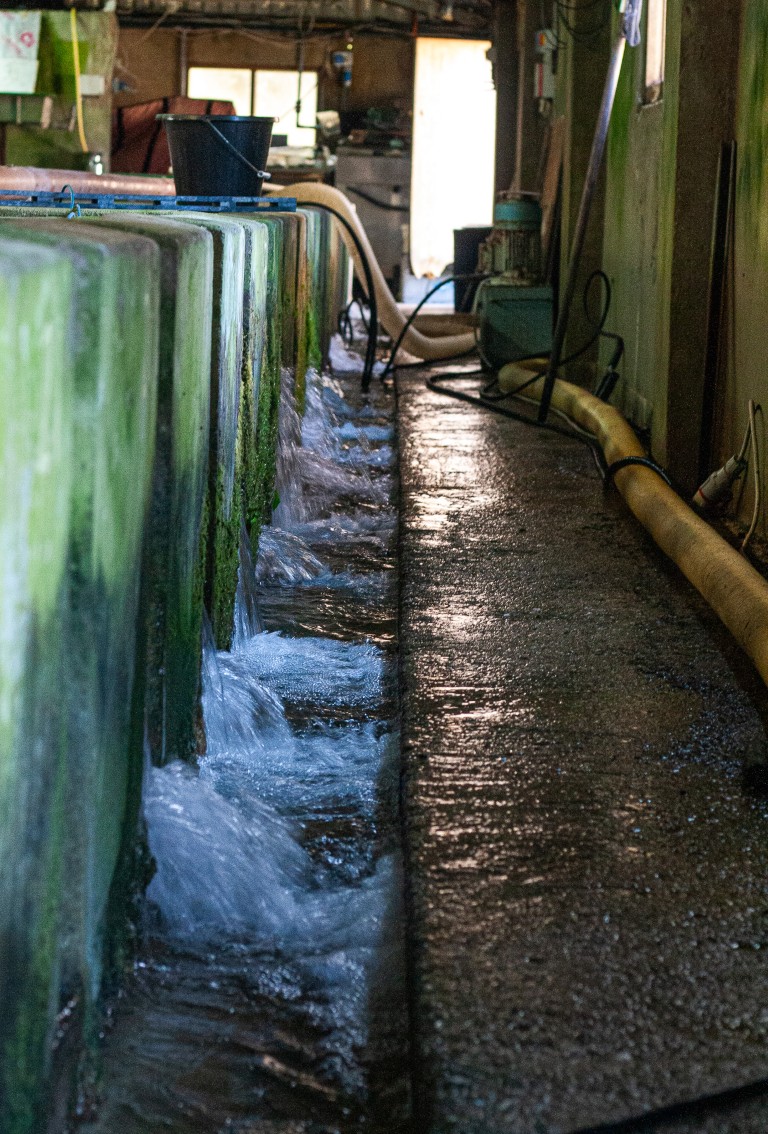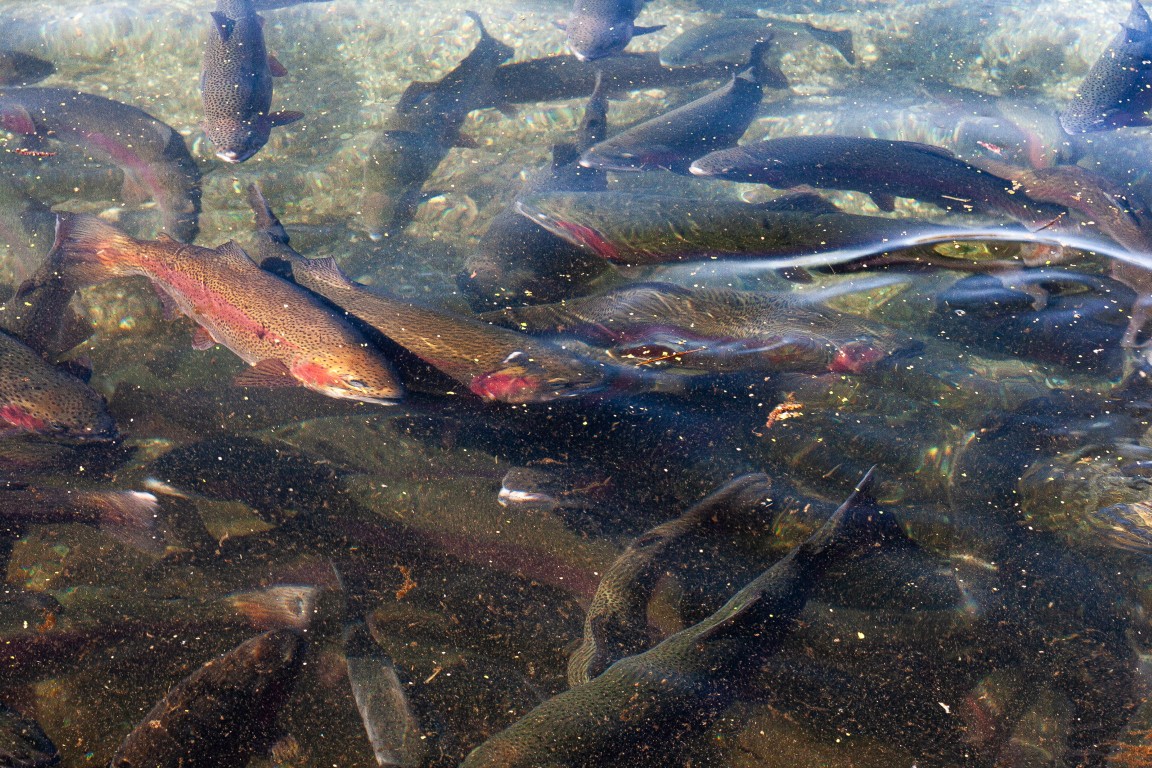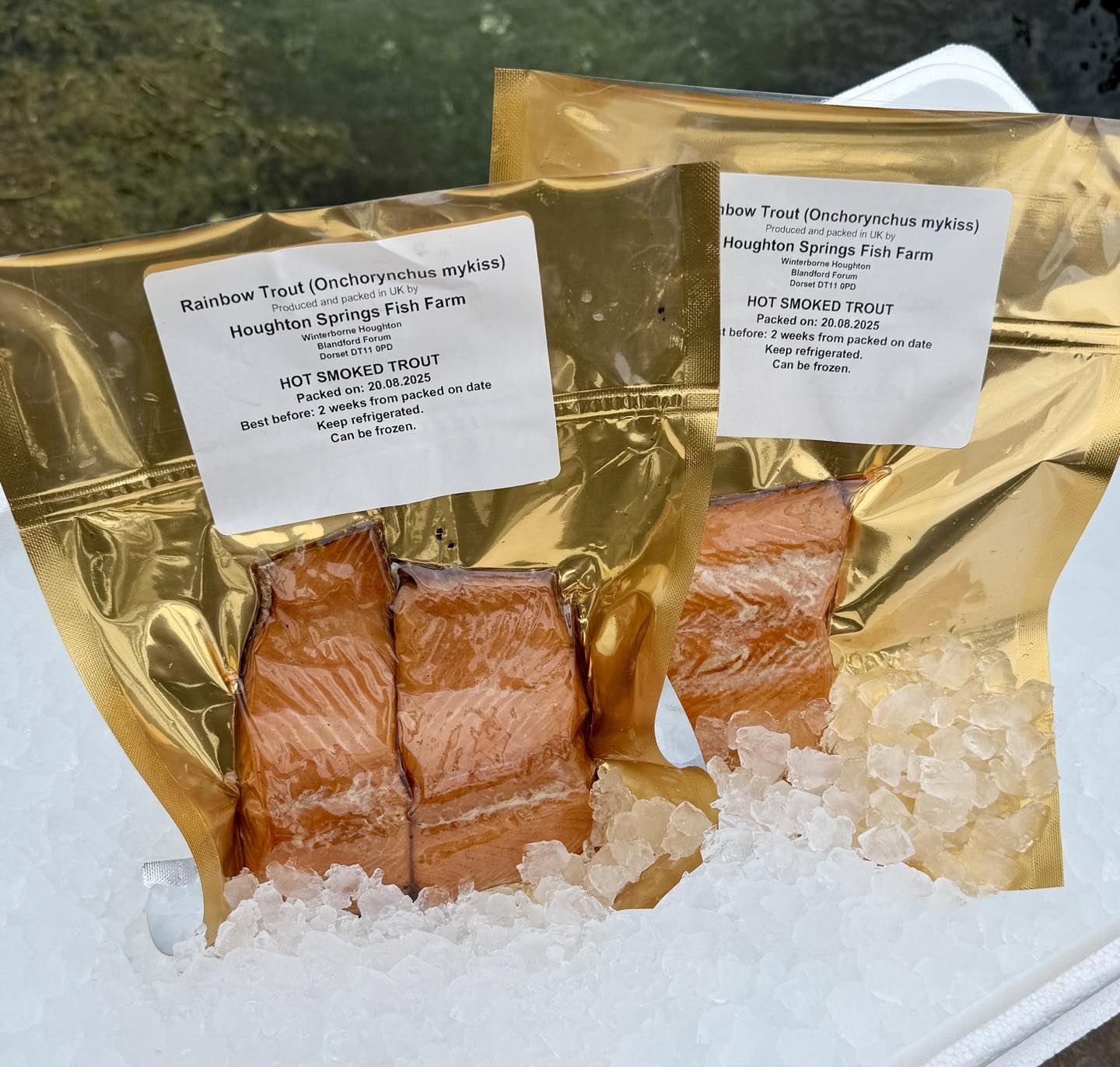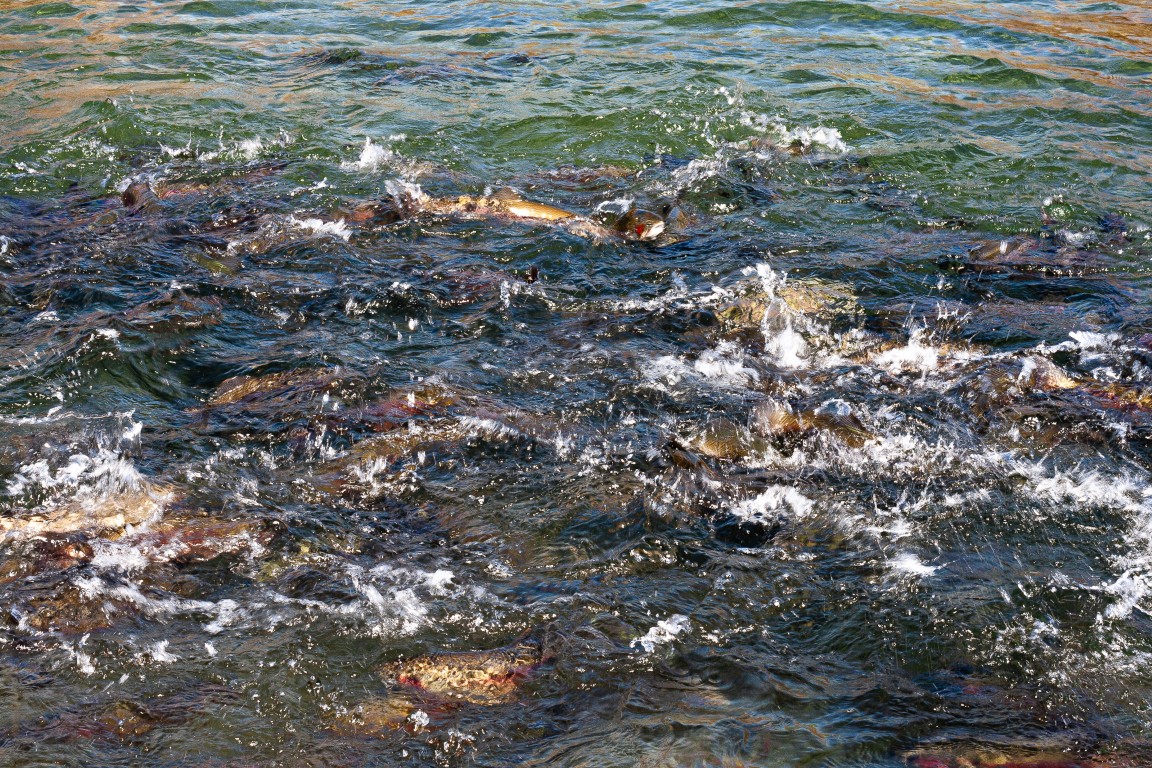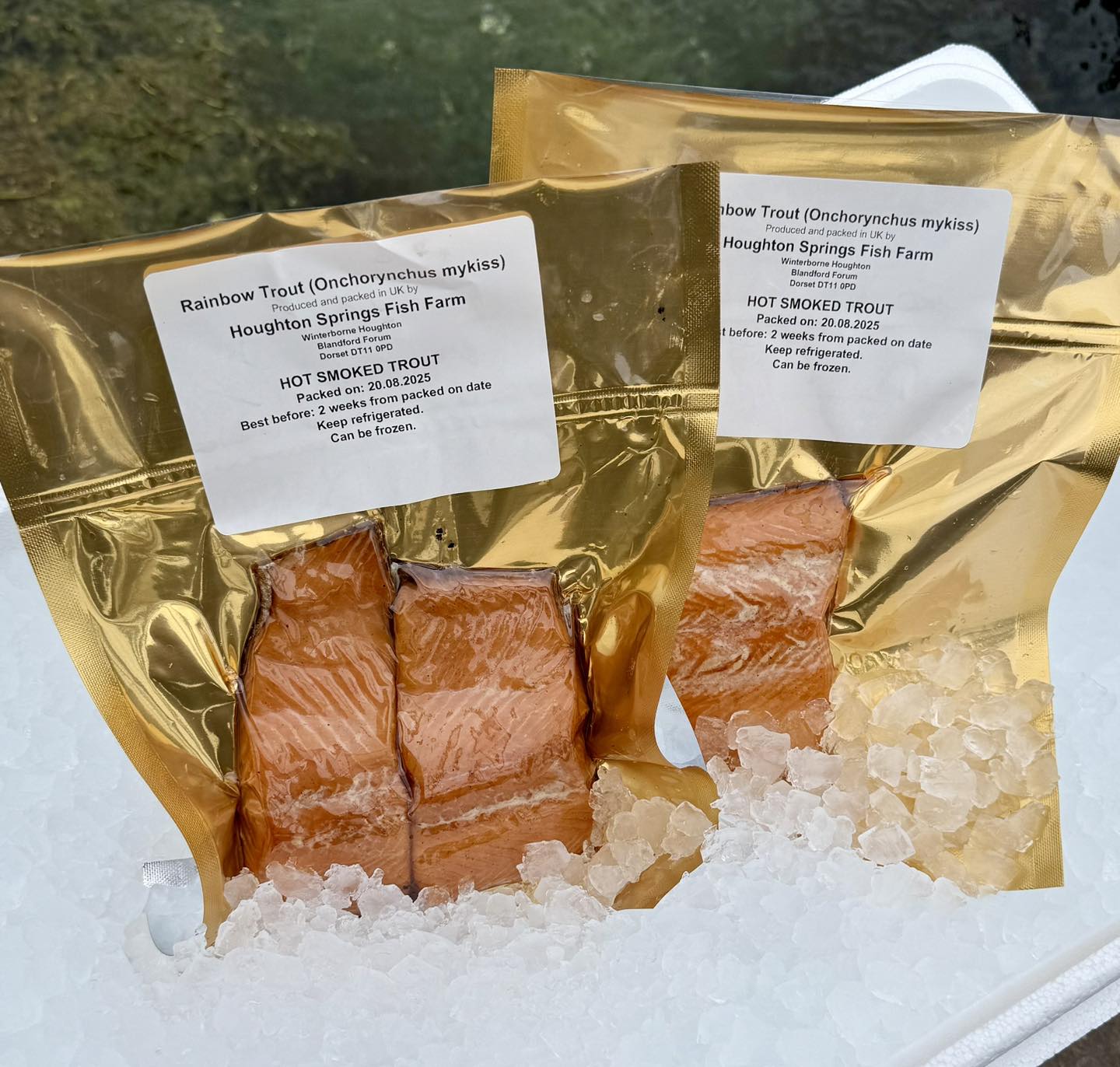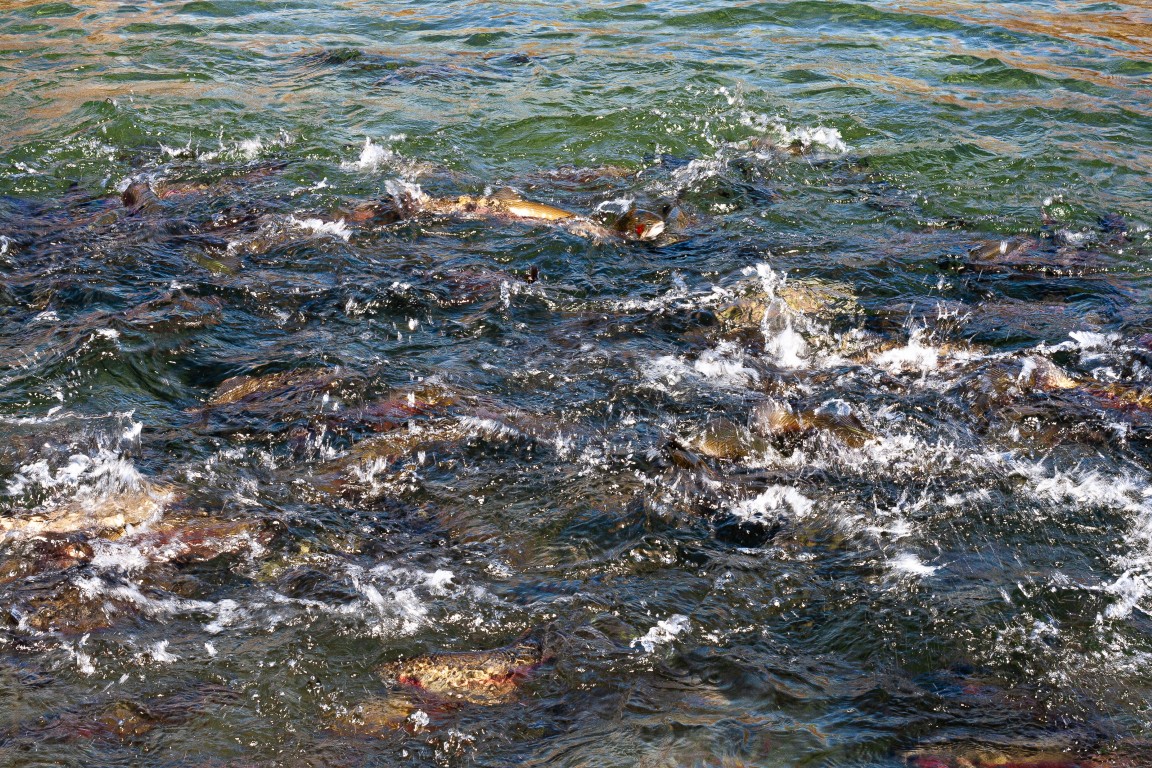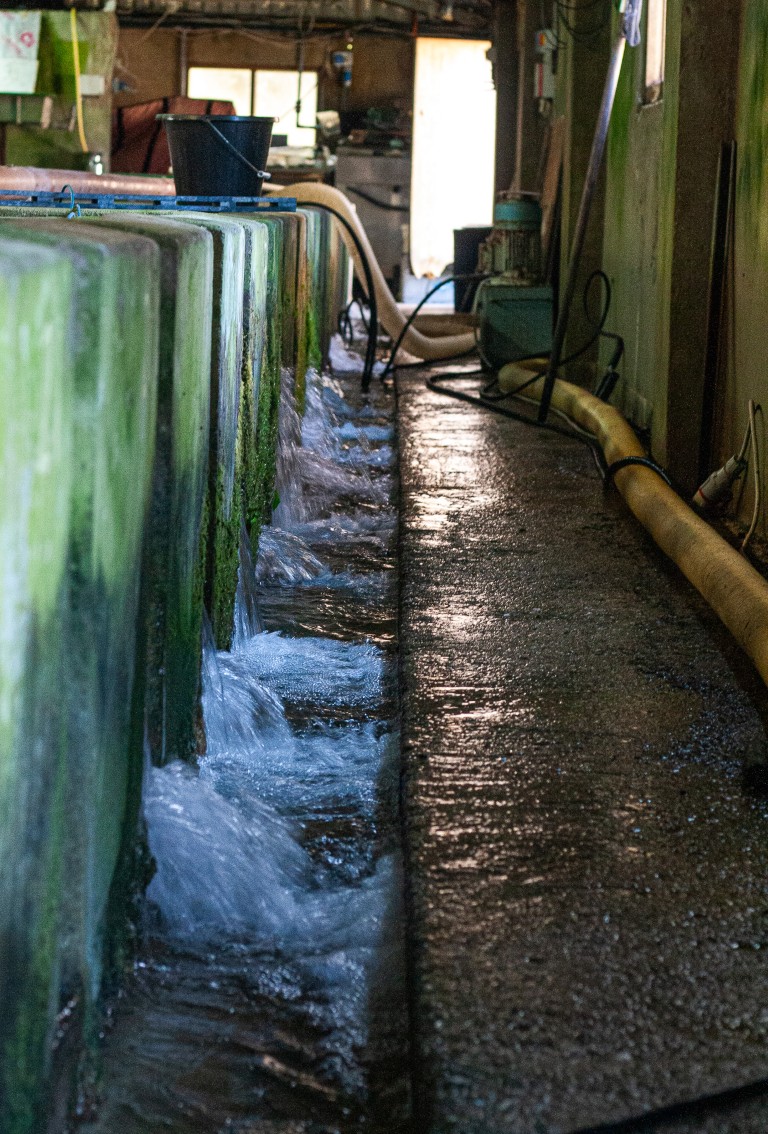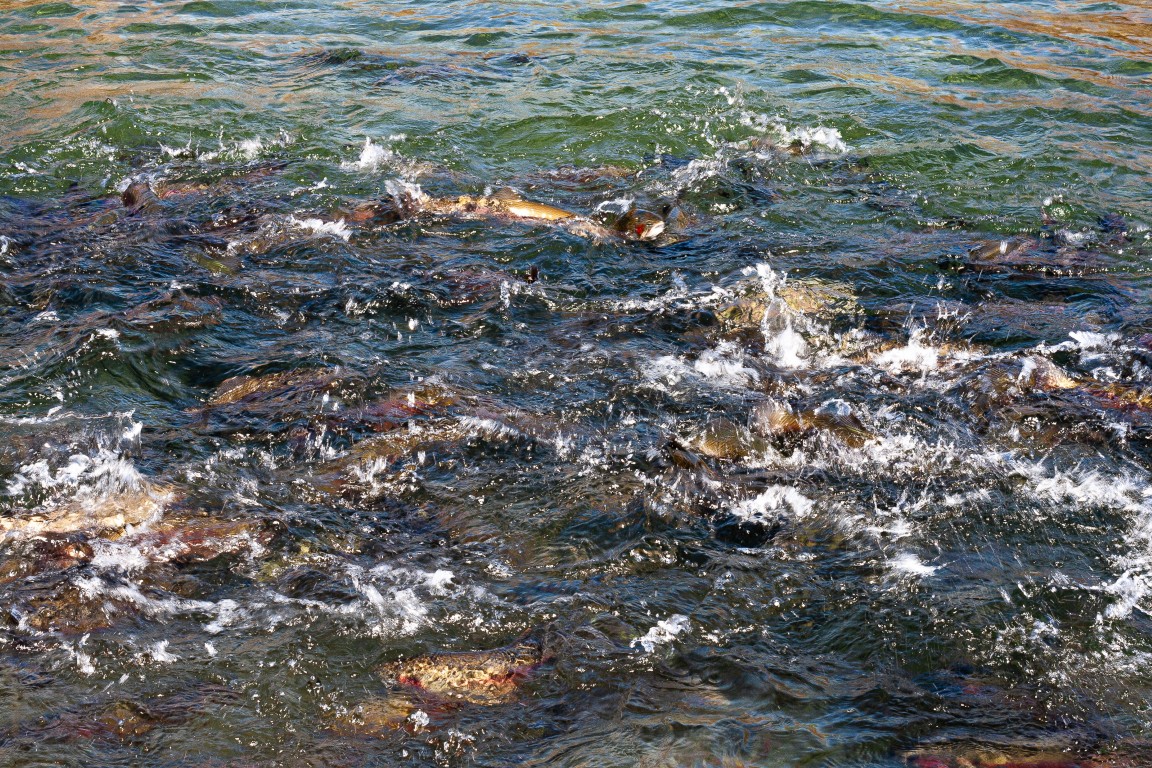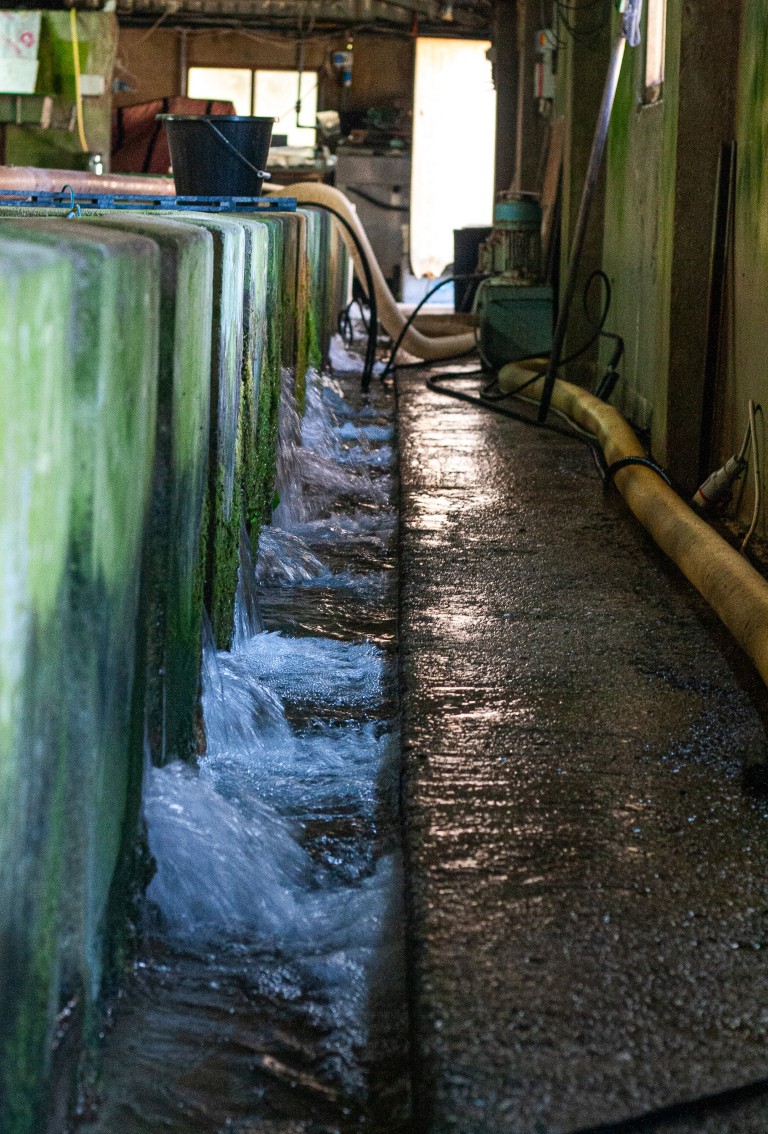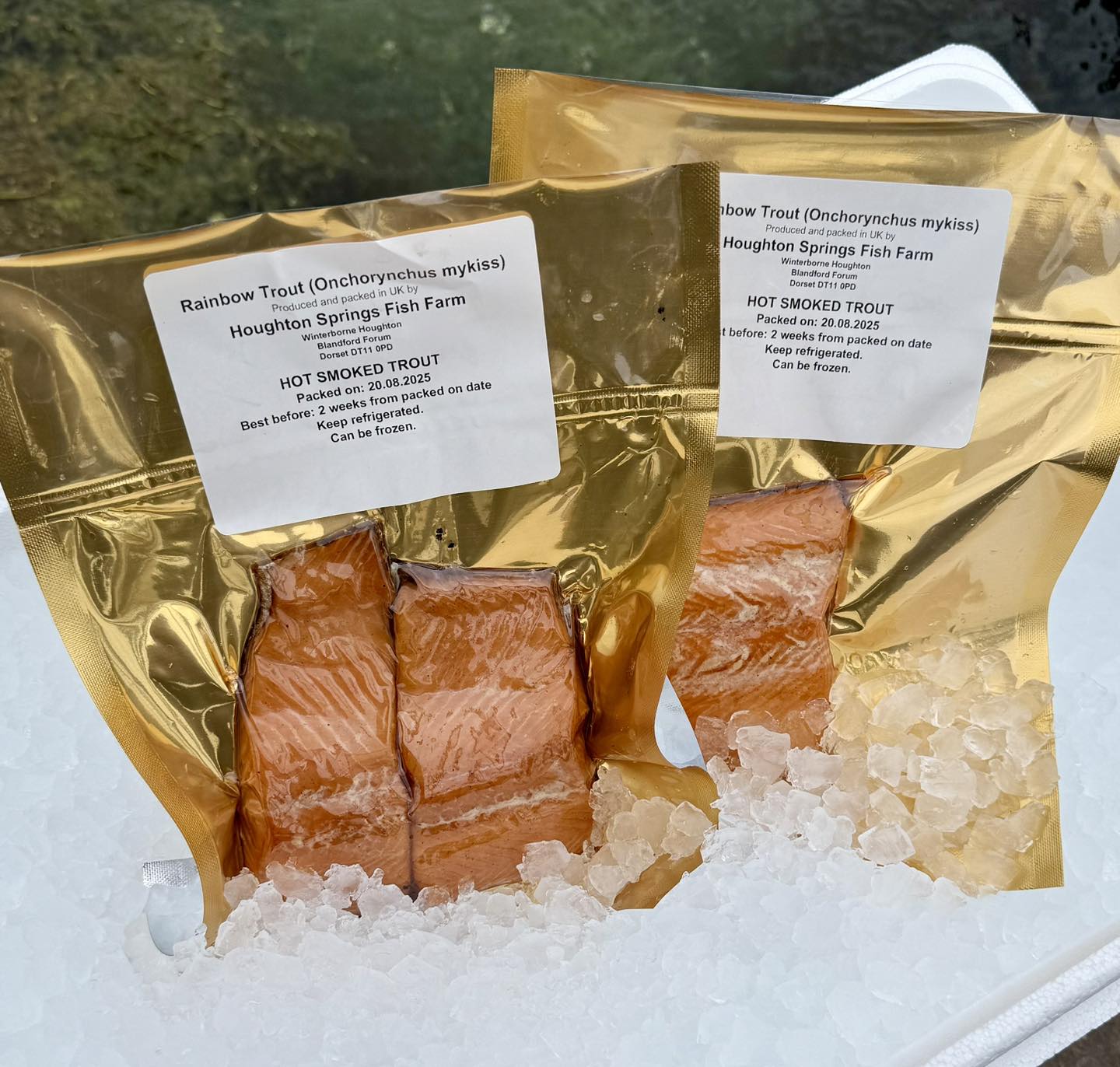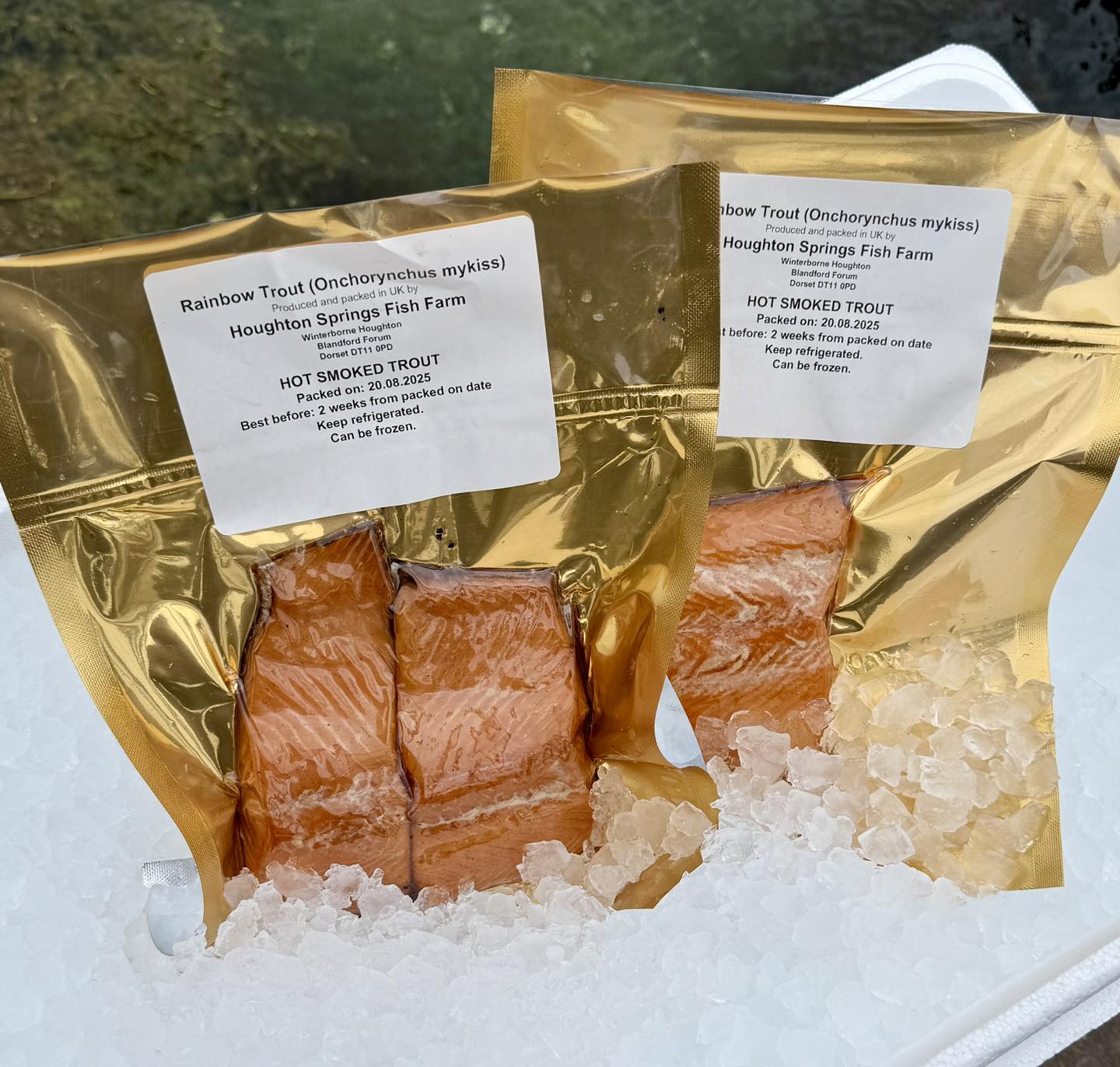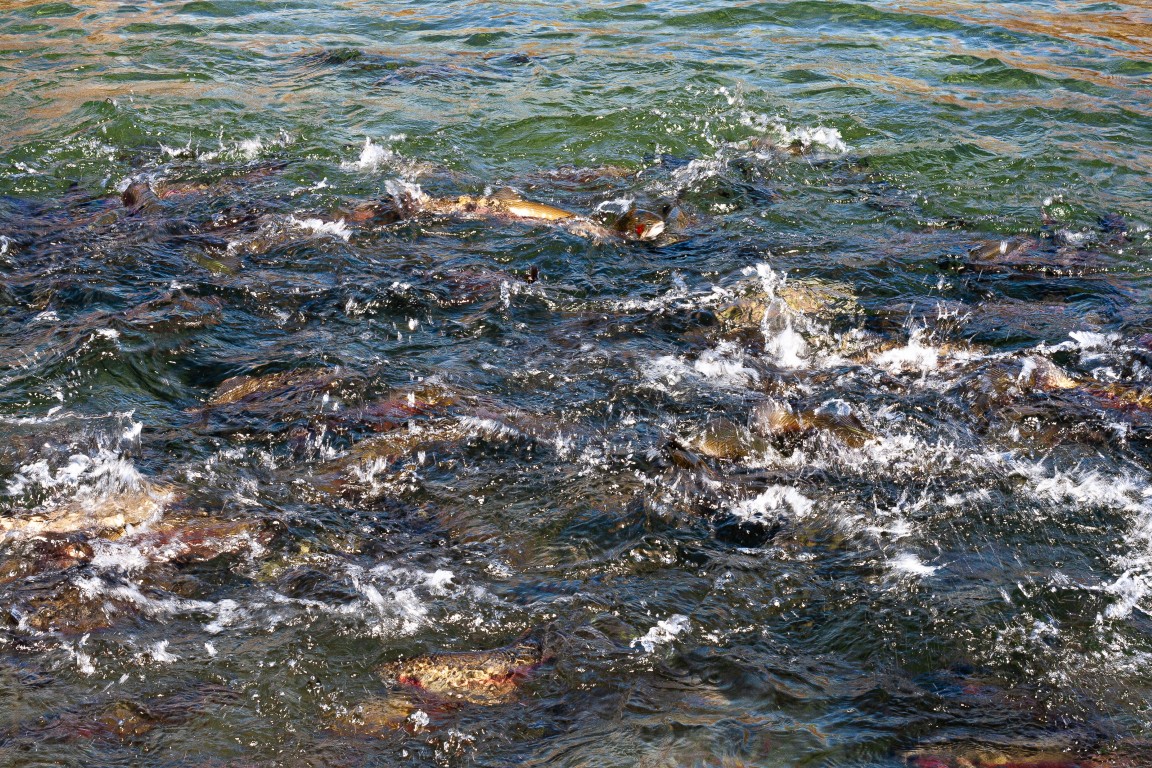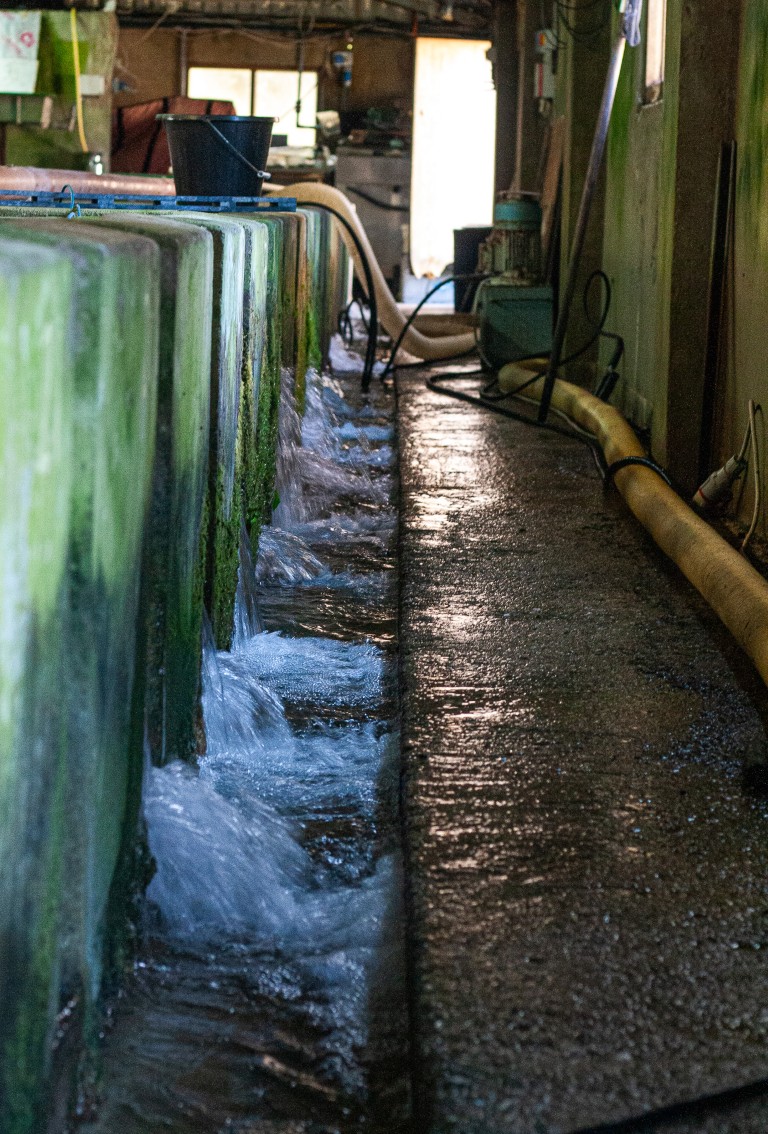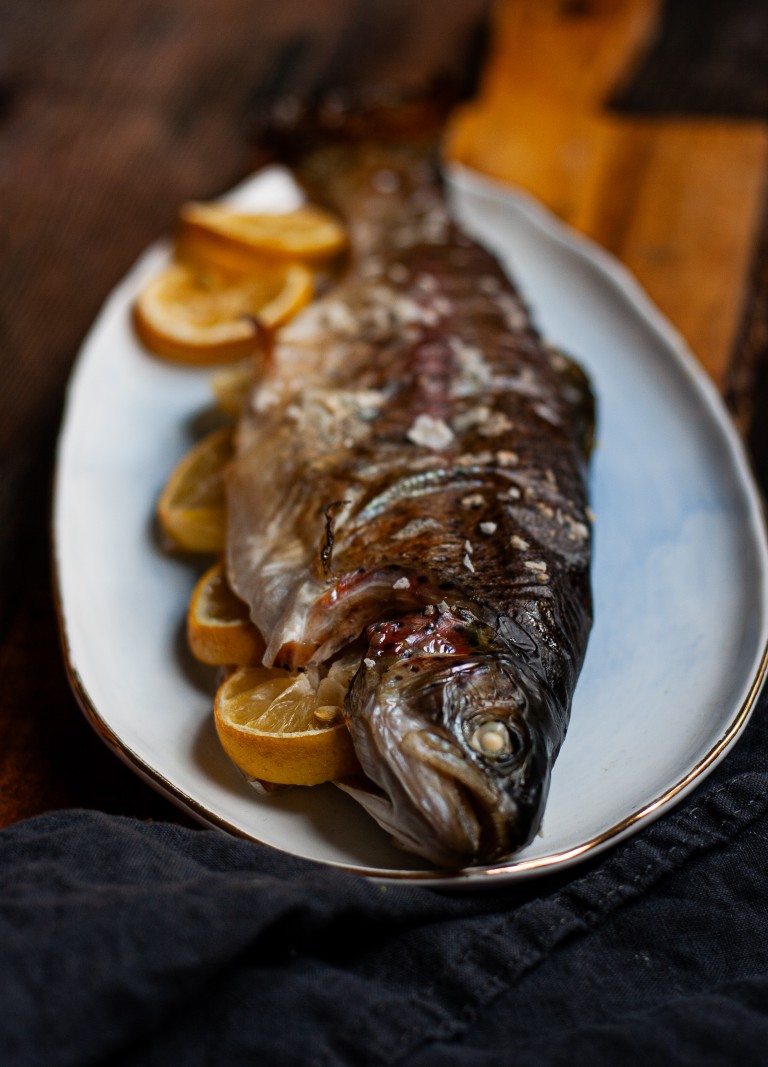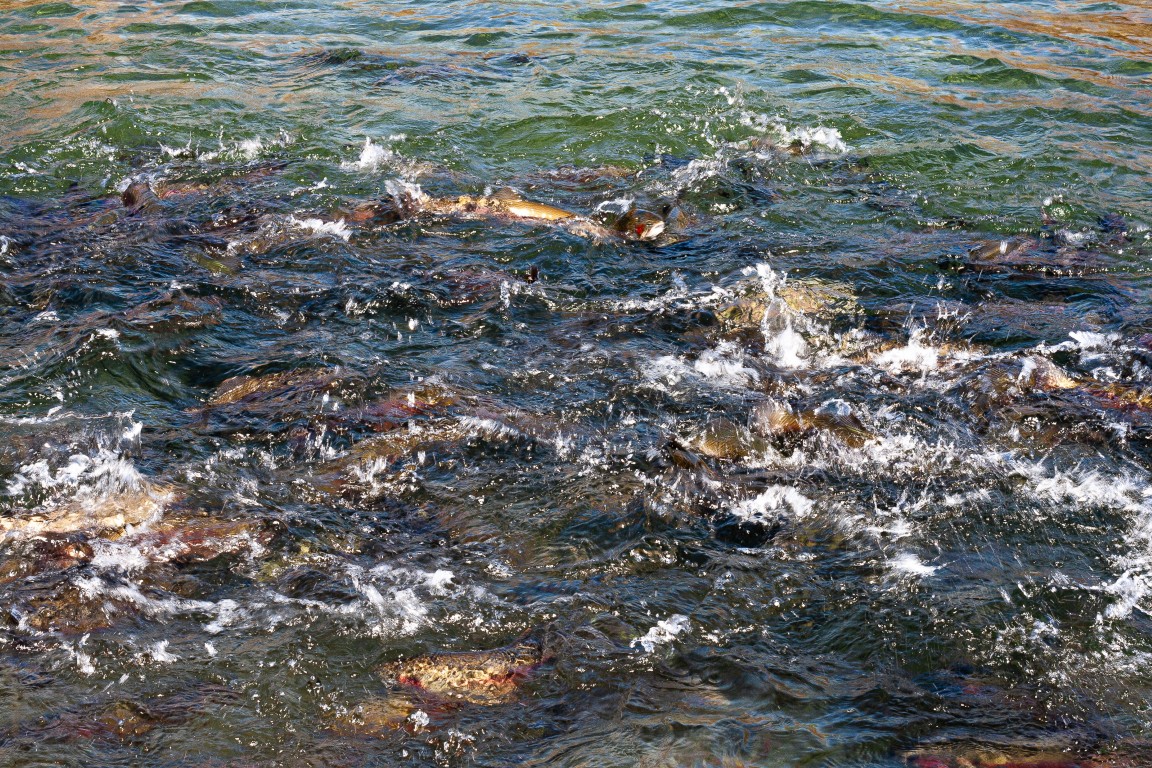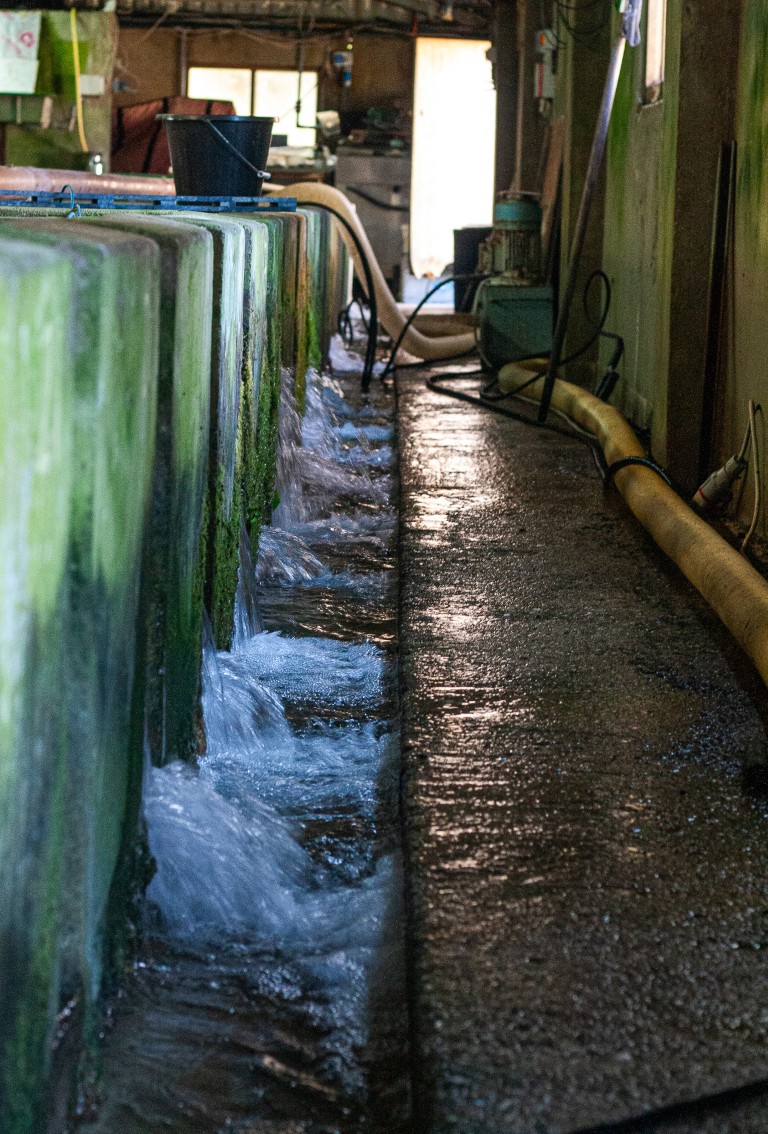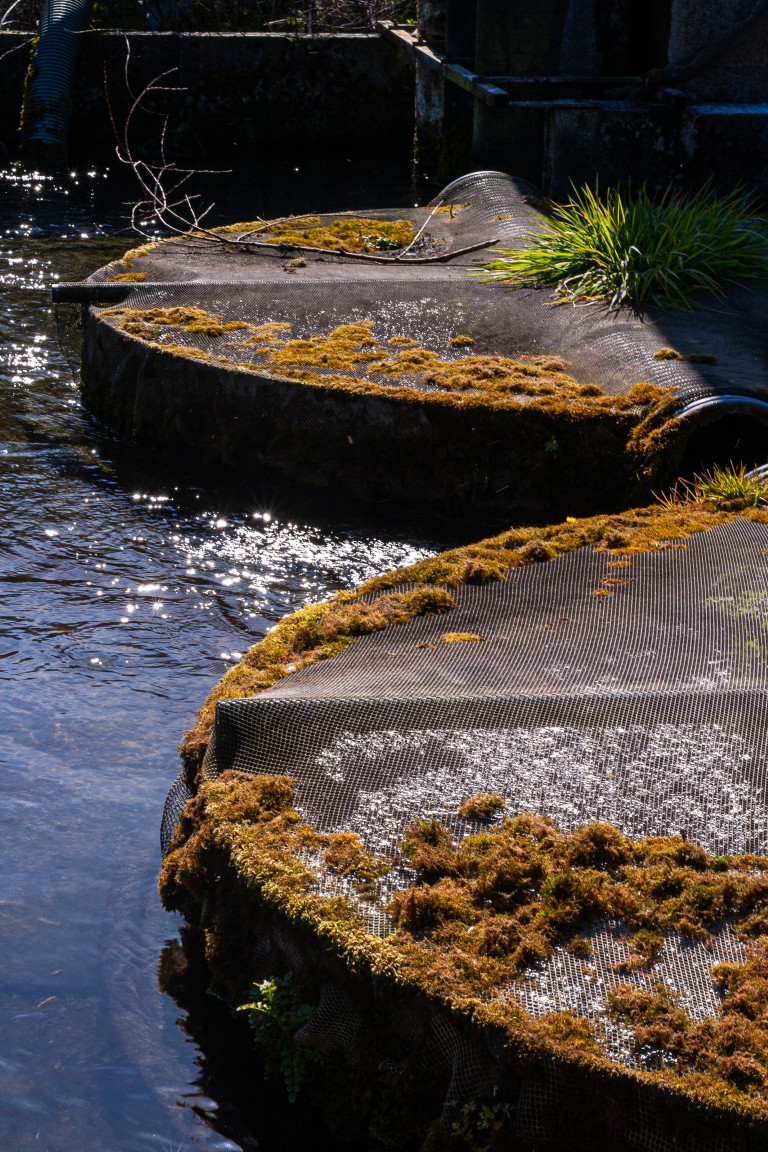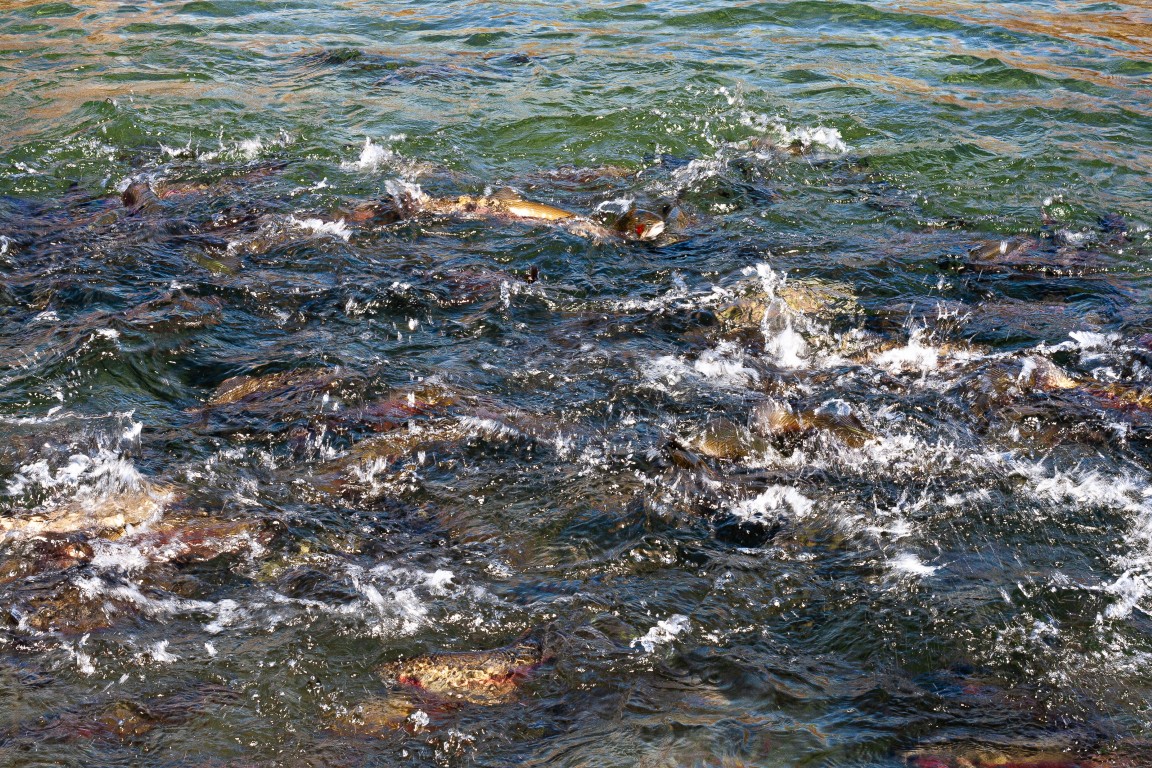
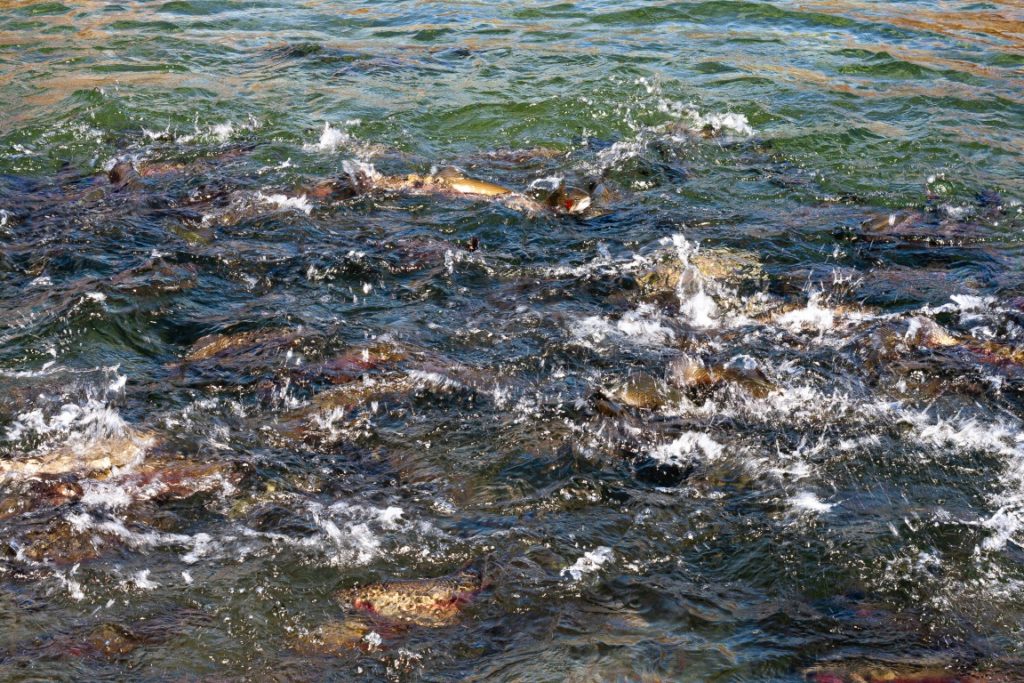
Trout farming is an increasingly popular venture for both small businesses and individuals looking to enter the aquaculture industry. However, it can be daunting to navigate the various aspects of this field, from understanding the life cycle of trout to optimising water quality. In this blog post, we aim to address some of the most common trout farming questions to help you make informed decisions and foster trust in our family-run trout farm.
What is Trout Farming?
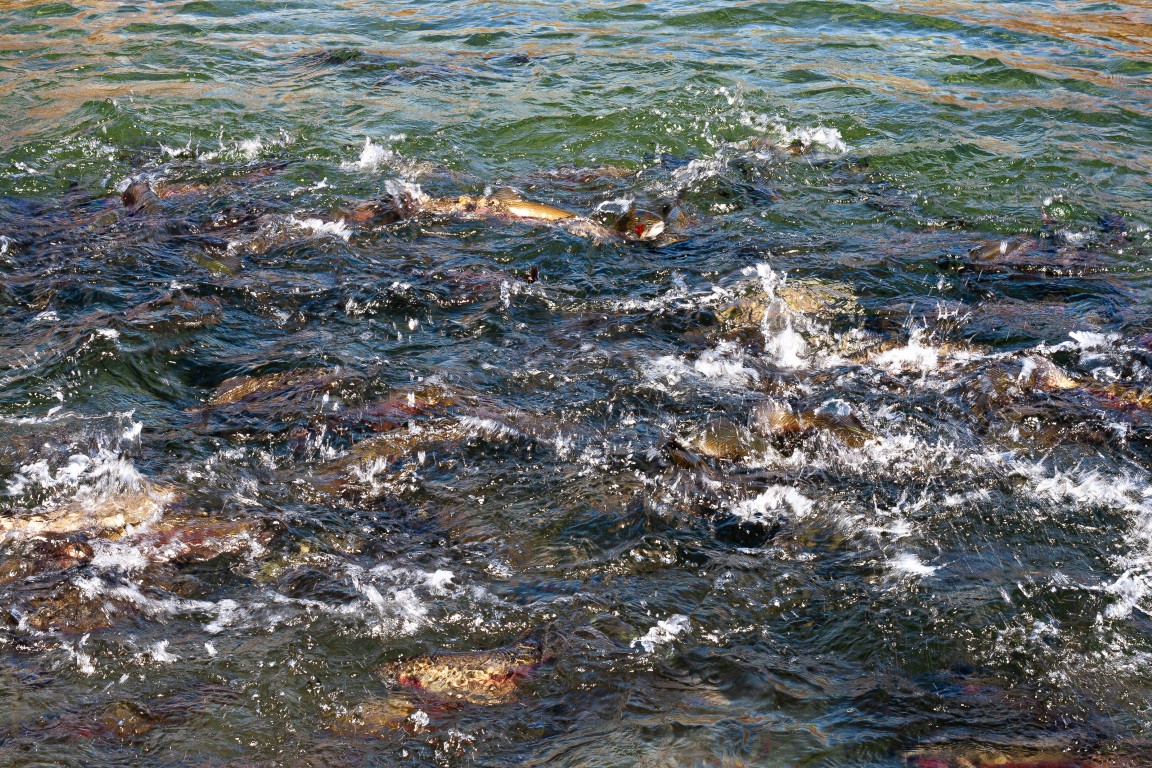
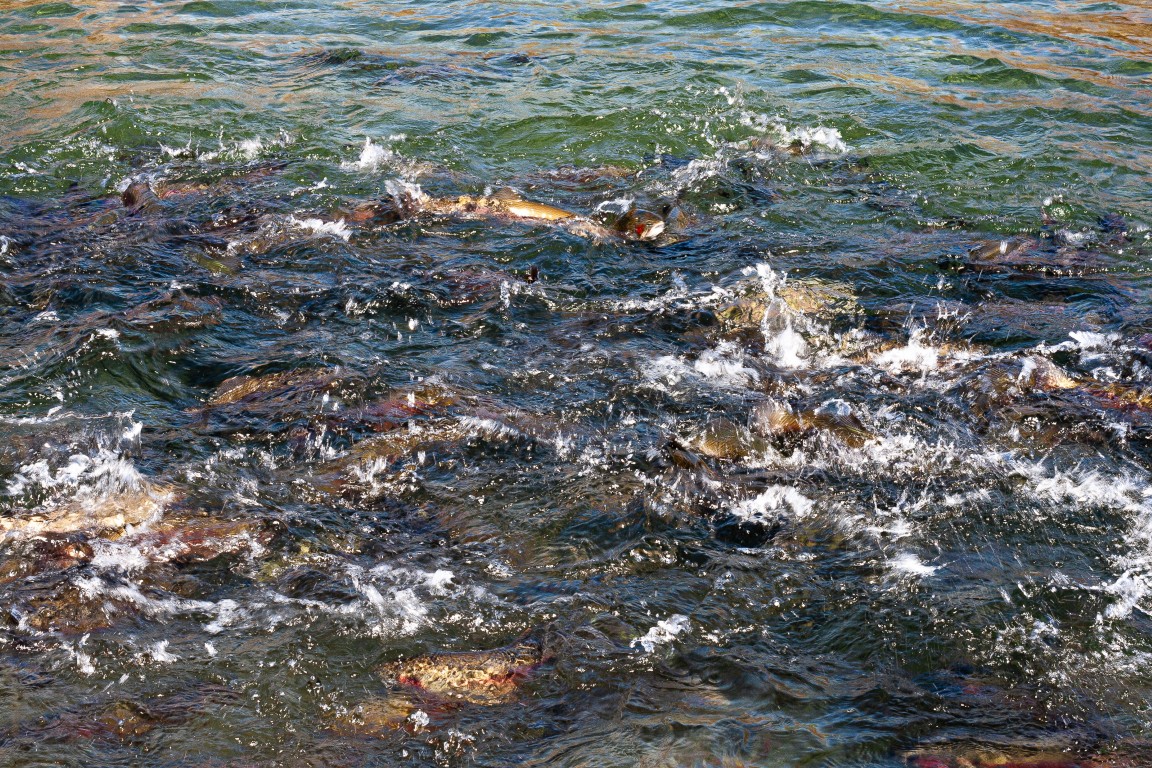
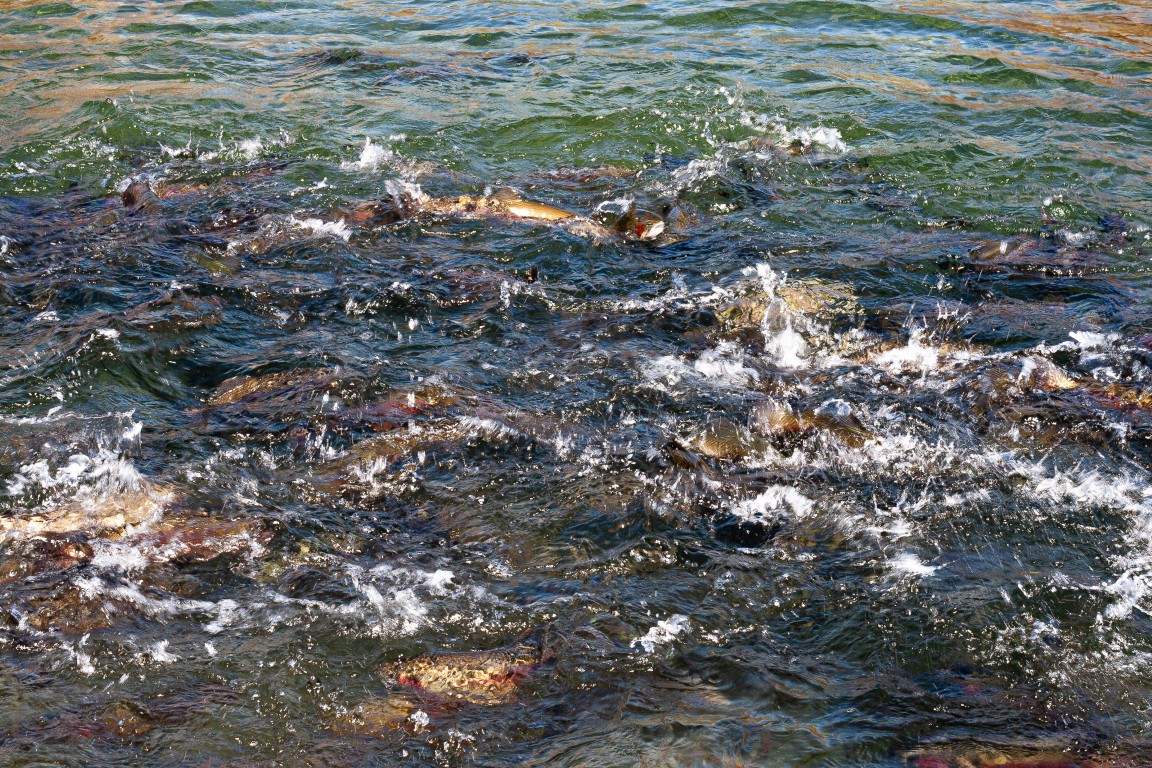
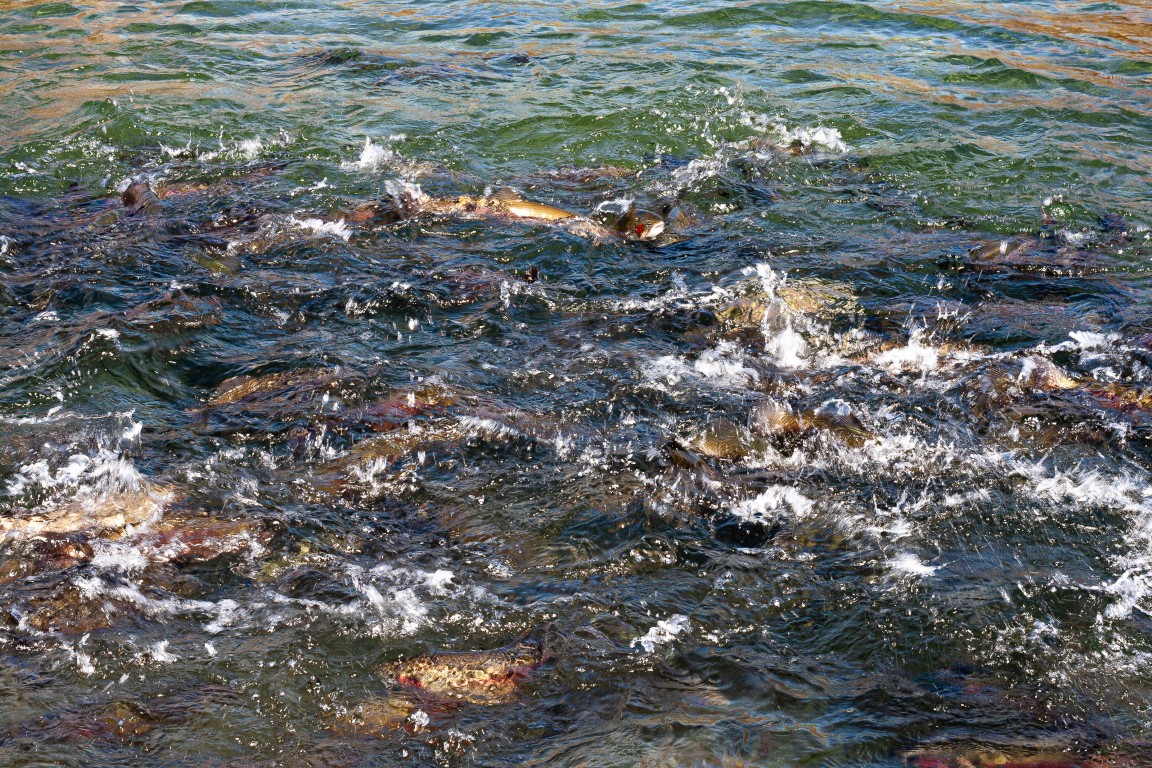
Trout farming, also known as trout aquaculture, involves the breeding and raising of trout in controlled environments. This practice ensures a steady supply of fish for consumption while also contributing positively to local ecosystems when managed responsibly.
Why Choose Houghton Springs Trout Farm?
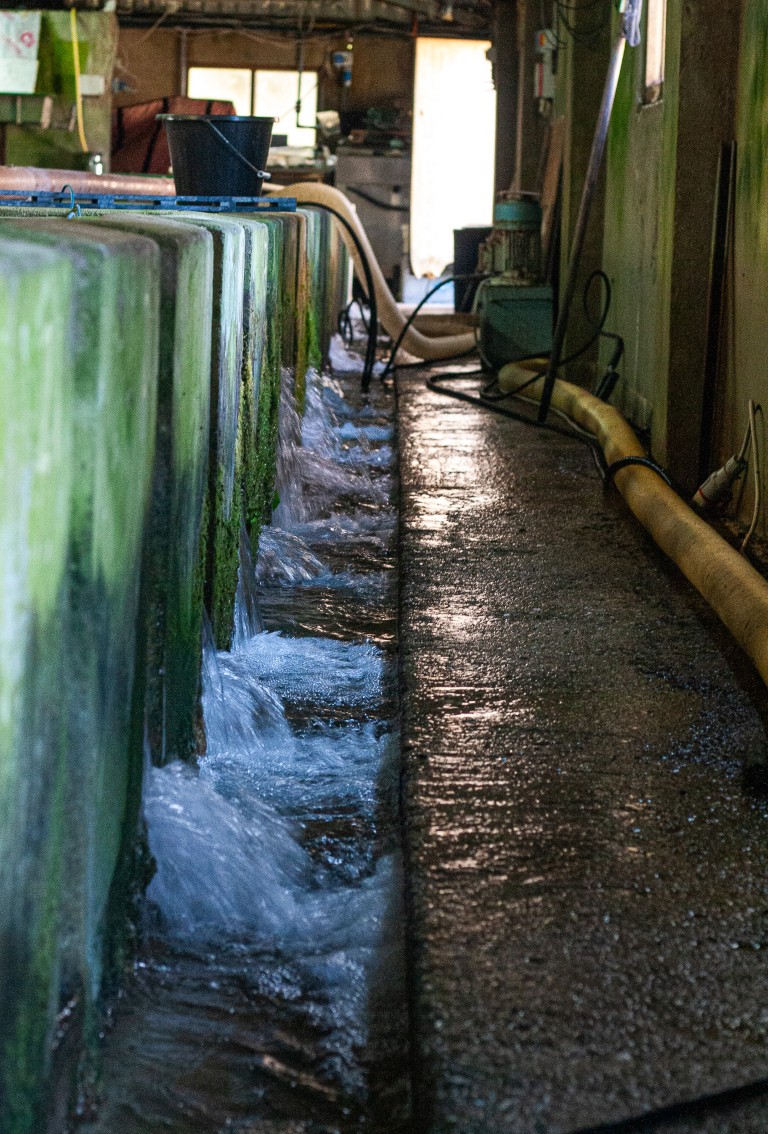
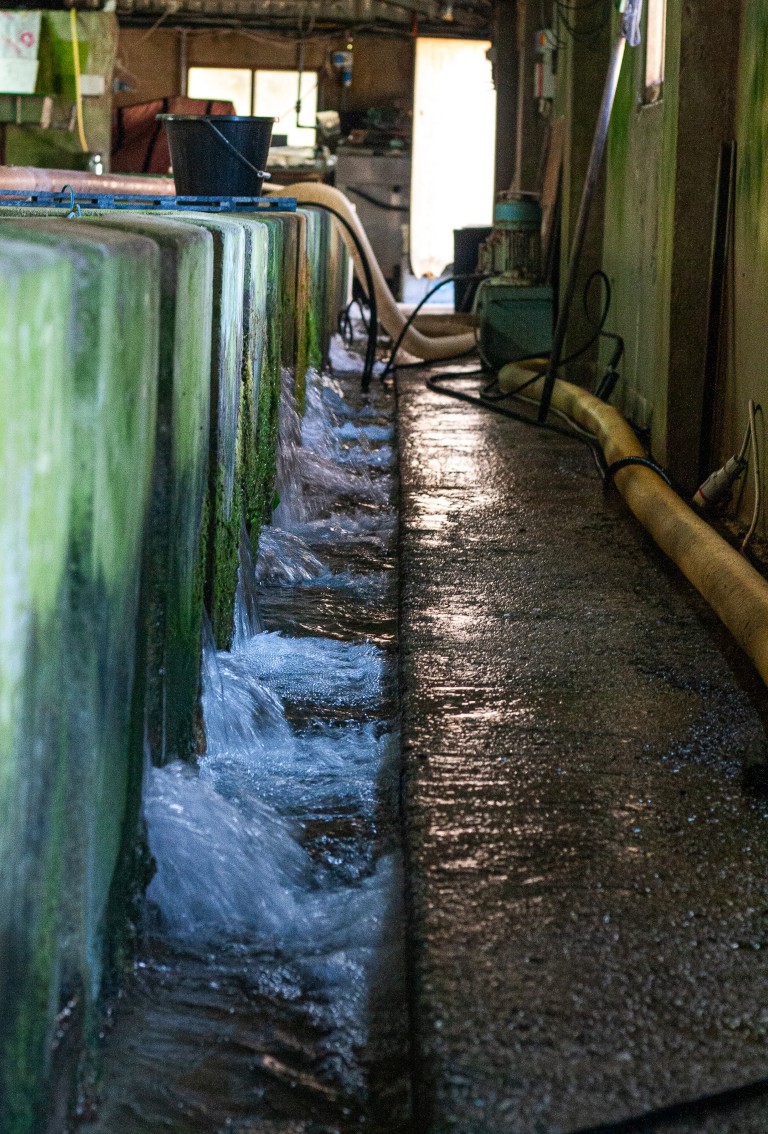
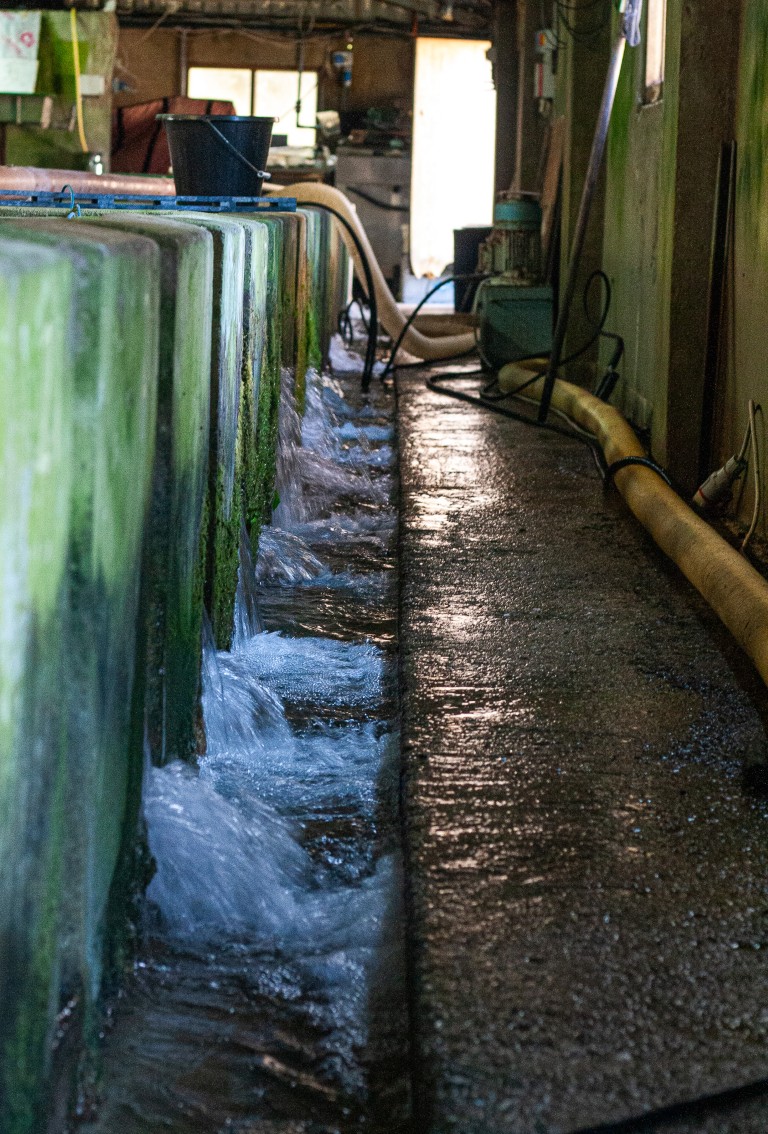
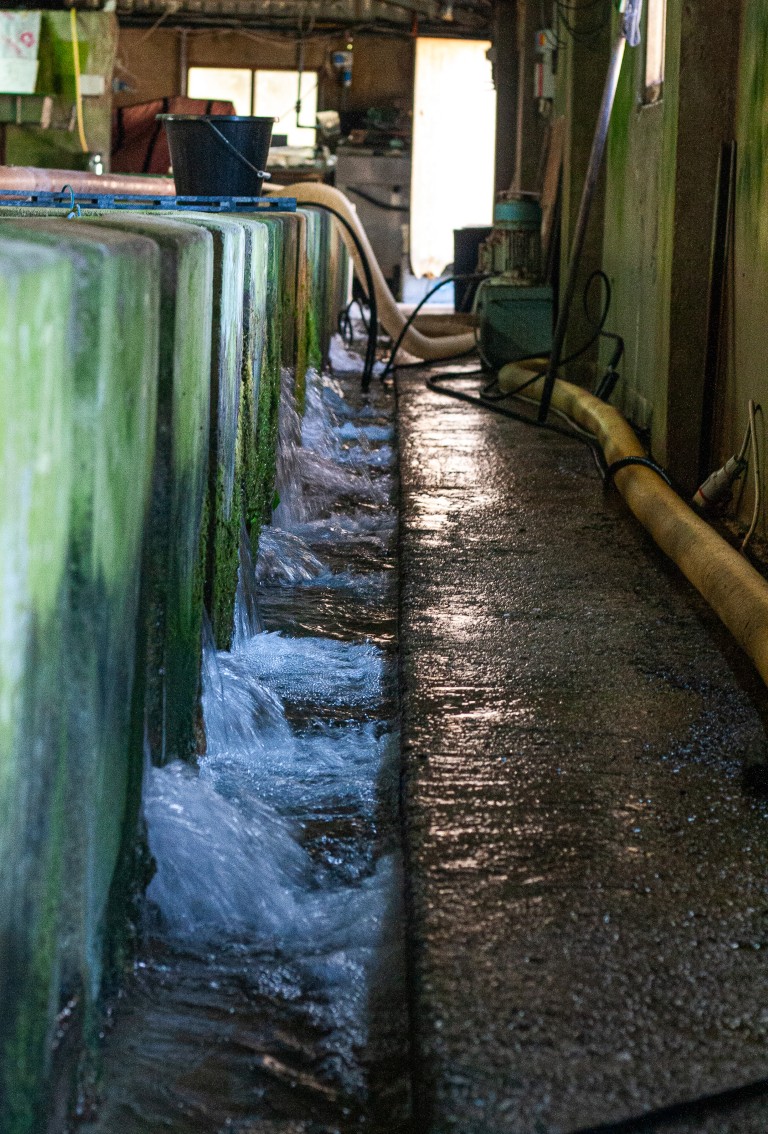
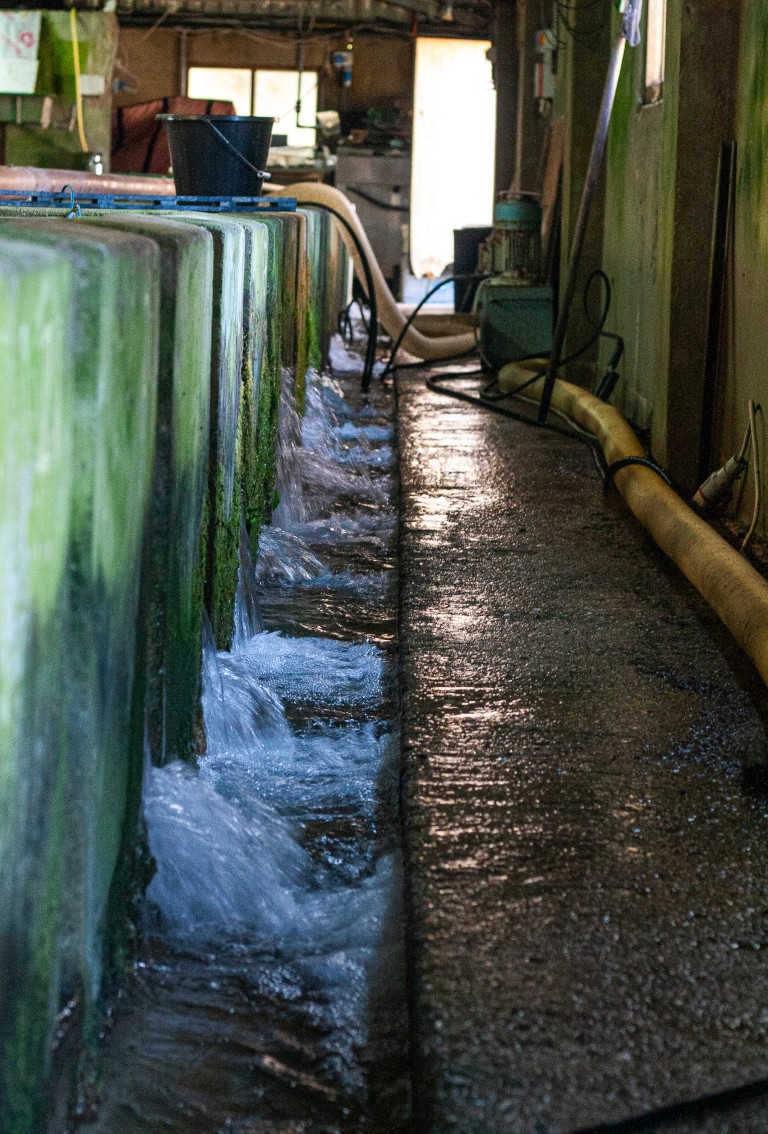
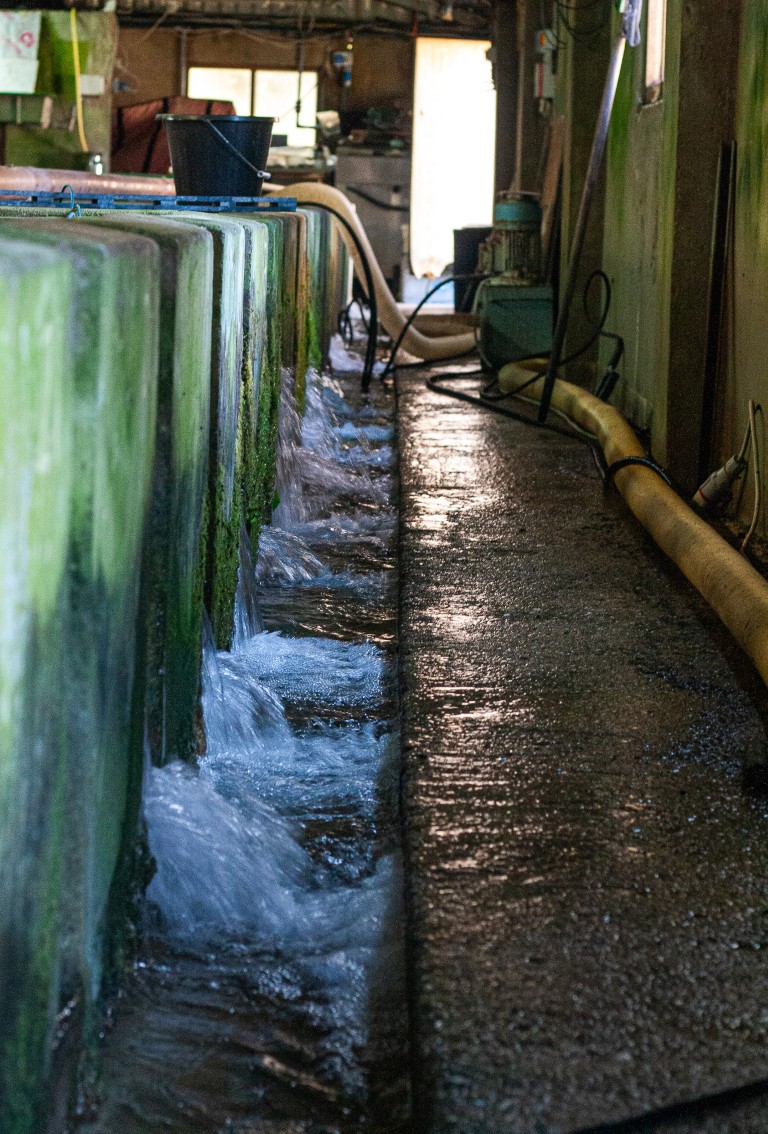
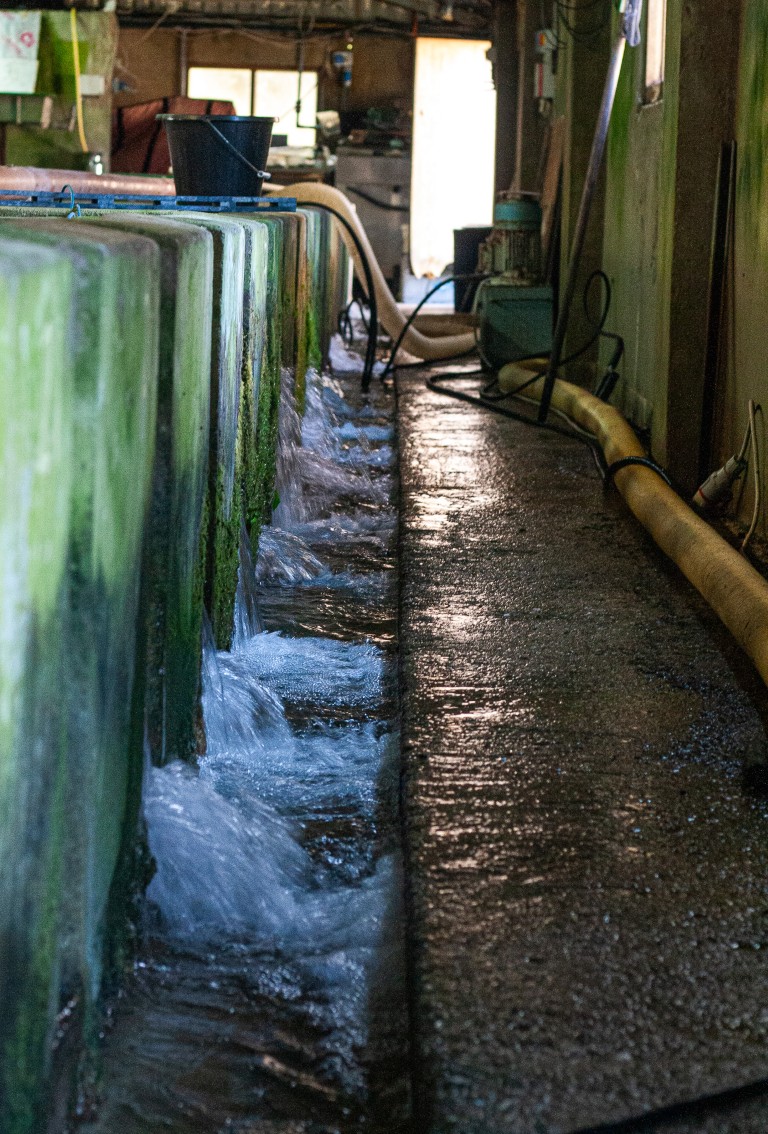
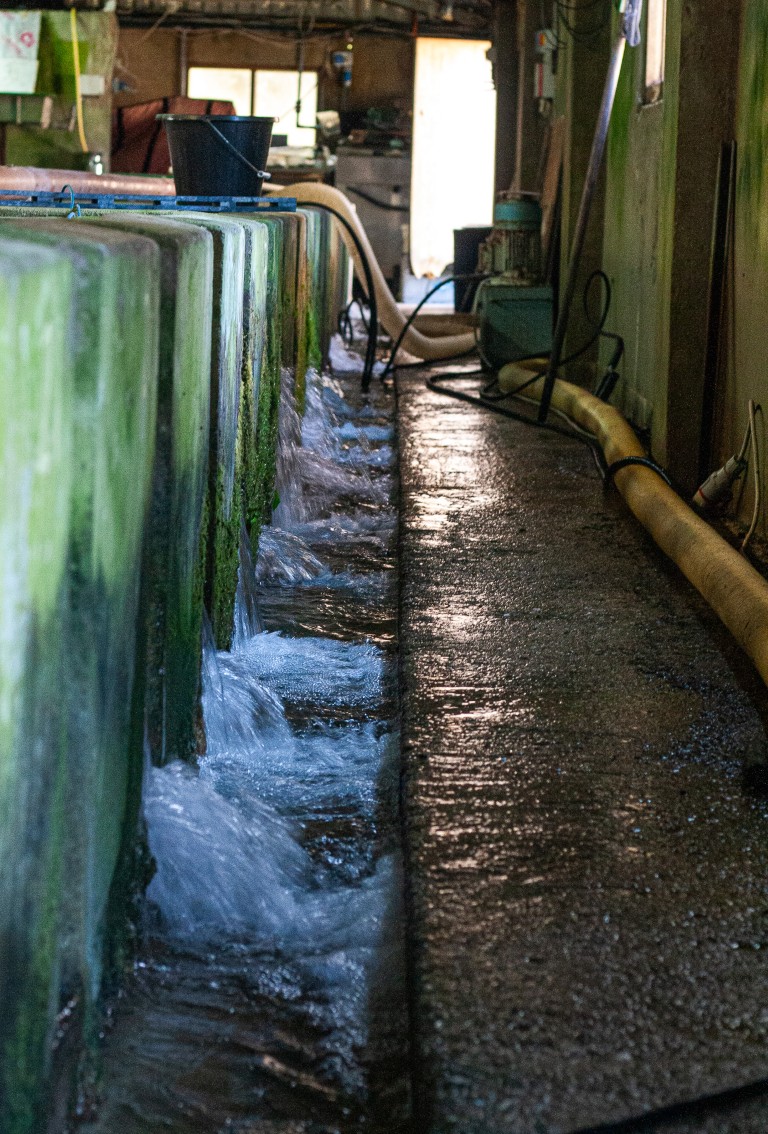
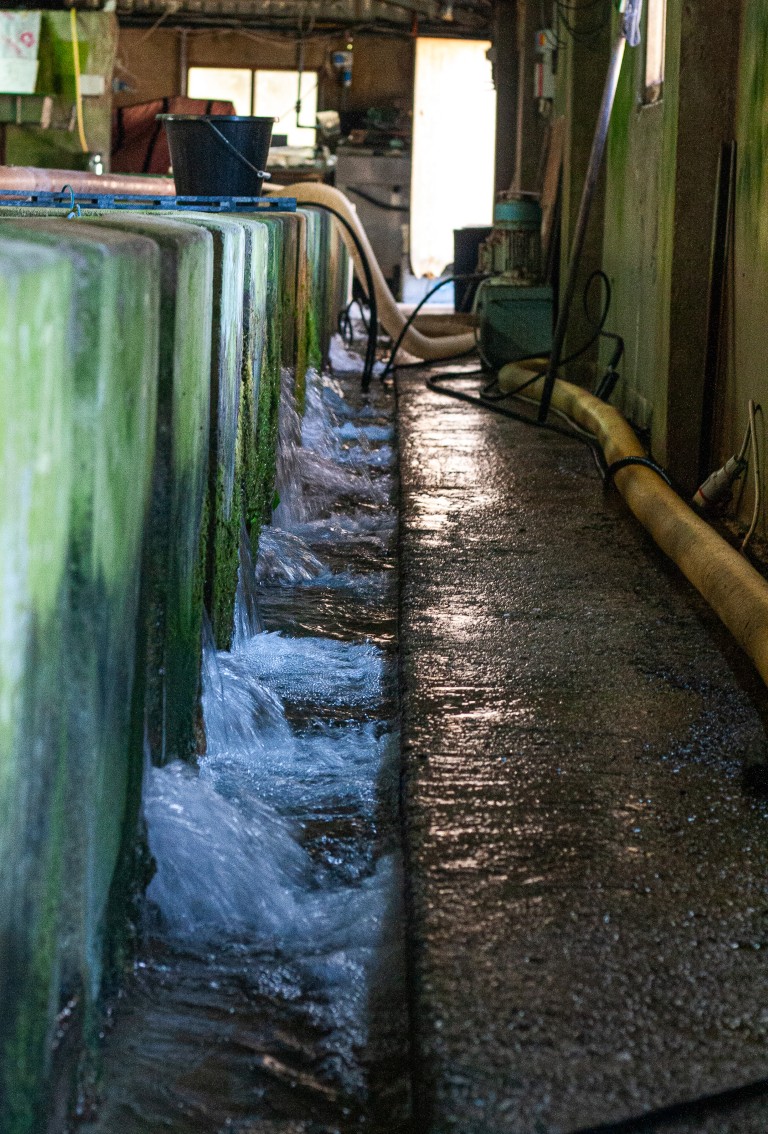
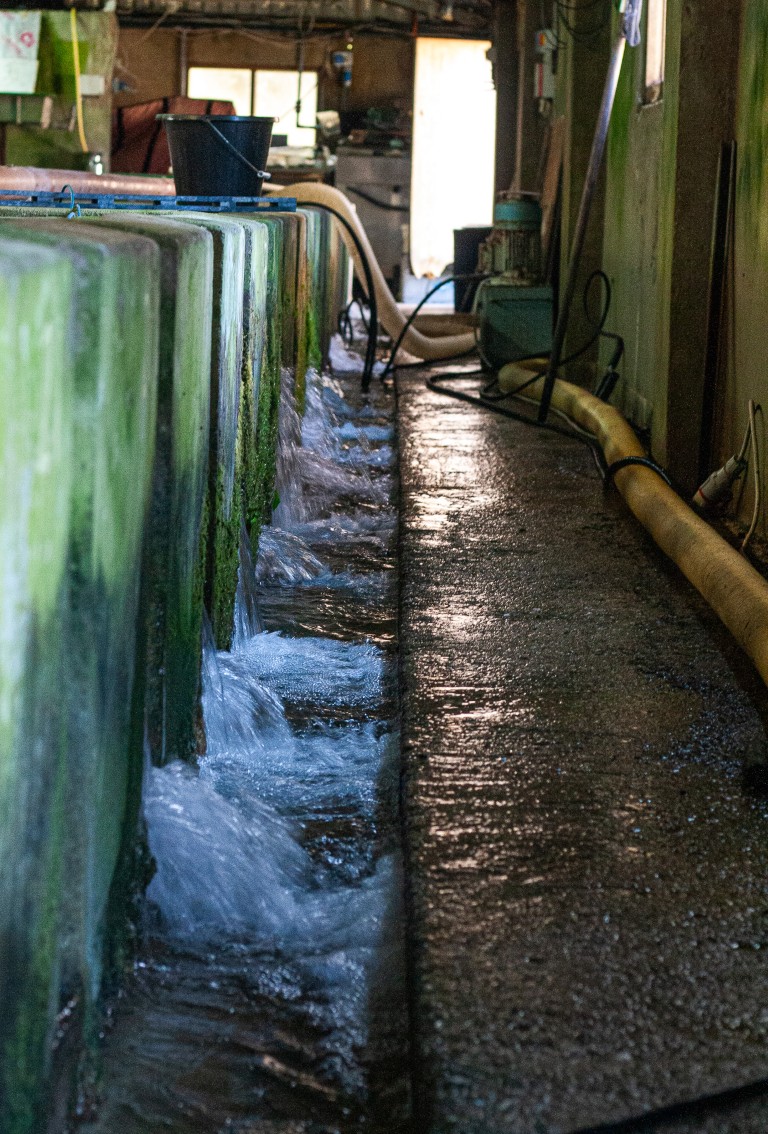
Houghton Springs Trout Farm, located in the heart of rural Dorset, prides itself on sustainable practices and the quality of our fish. Our farm utilises fresh spring water, which is essential for the health and growth of our trout. If you have more specific queries about our operations, feel free to reach out through our contact page.
Common Trout Farming Questions
1. What Types of Trout Can I Farm?
The most commonly farmed trout species include:
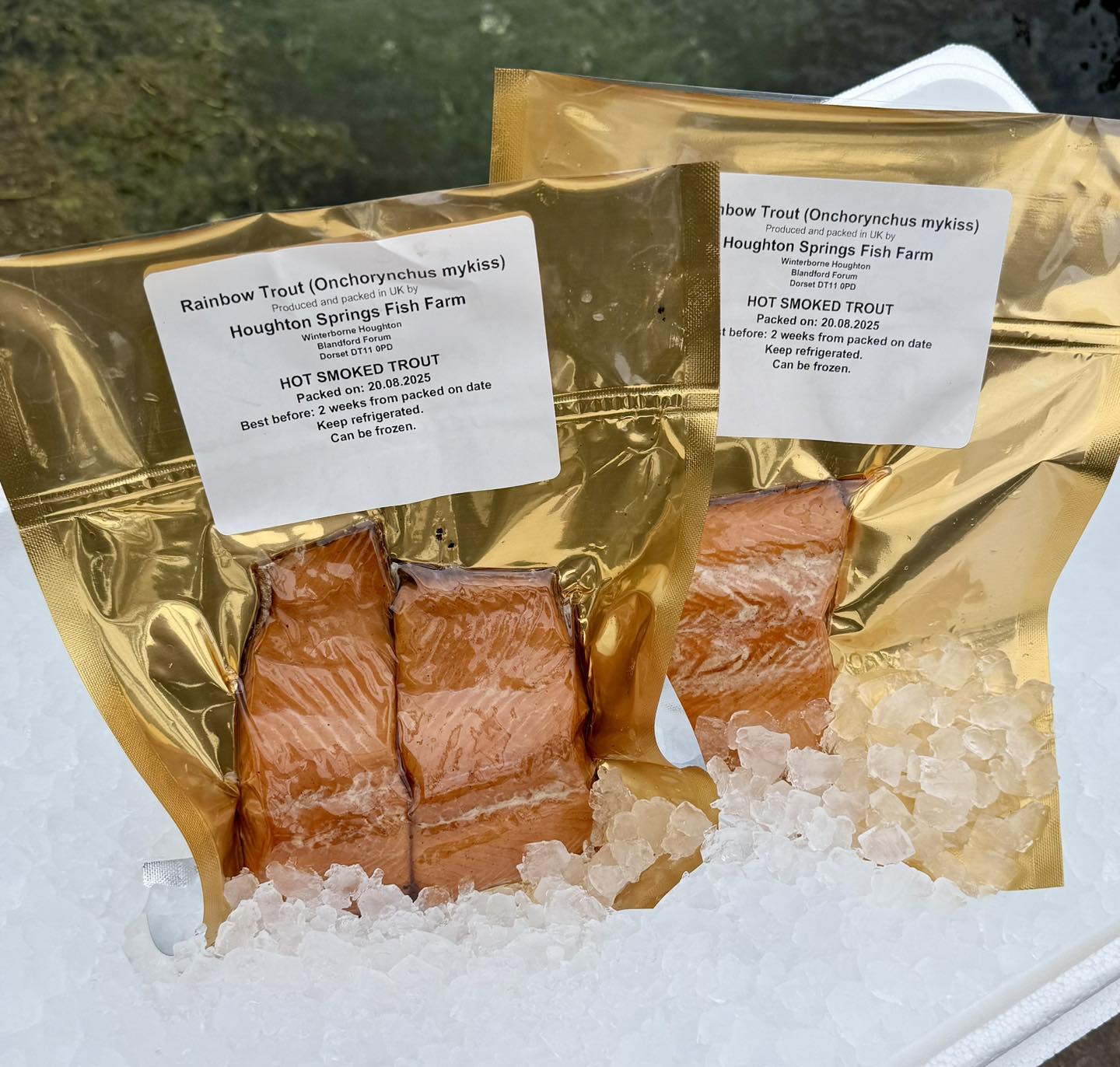
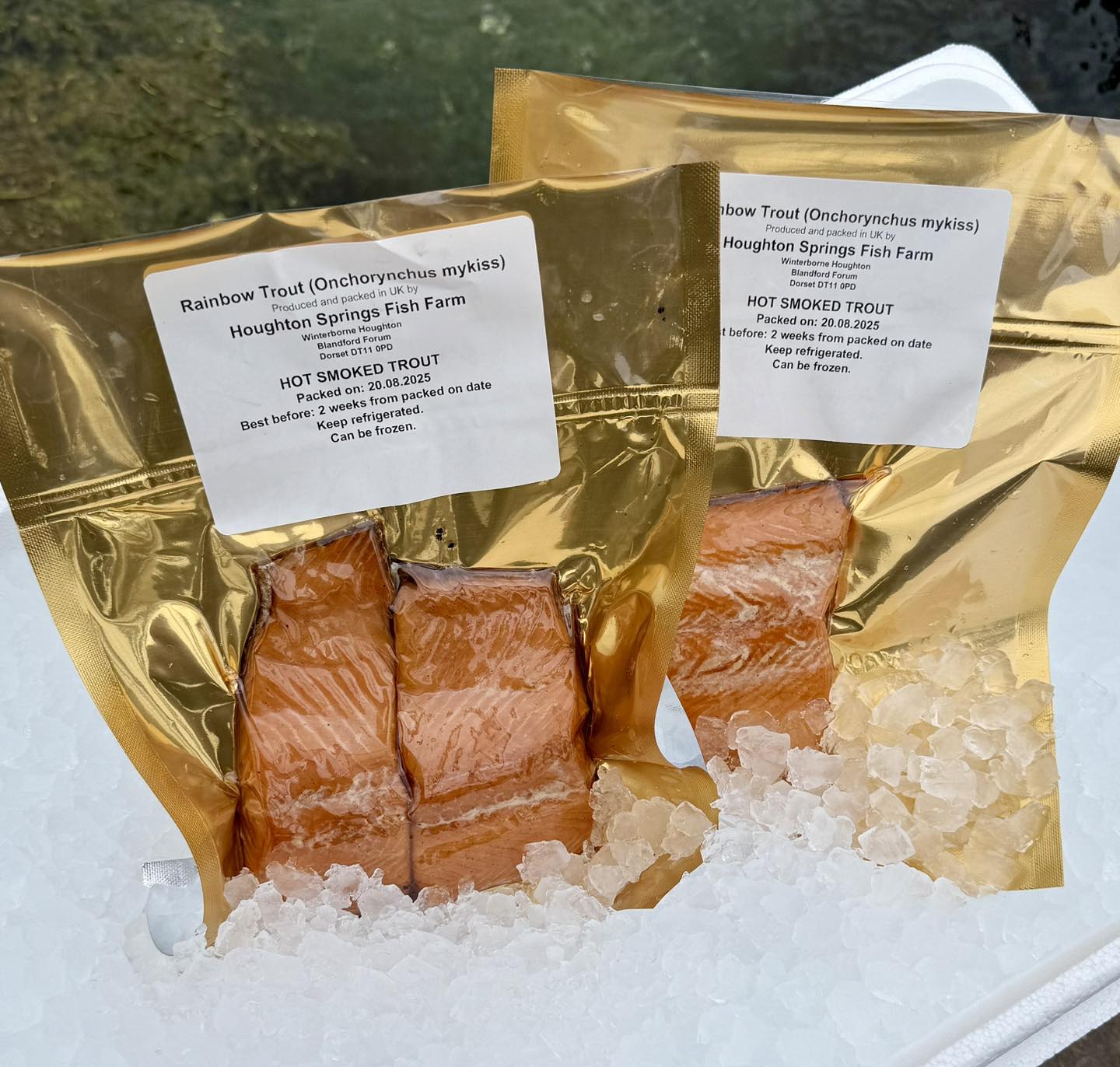
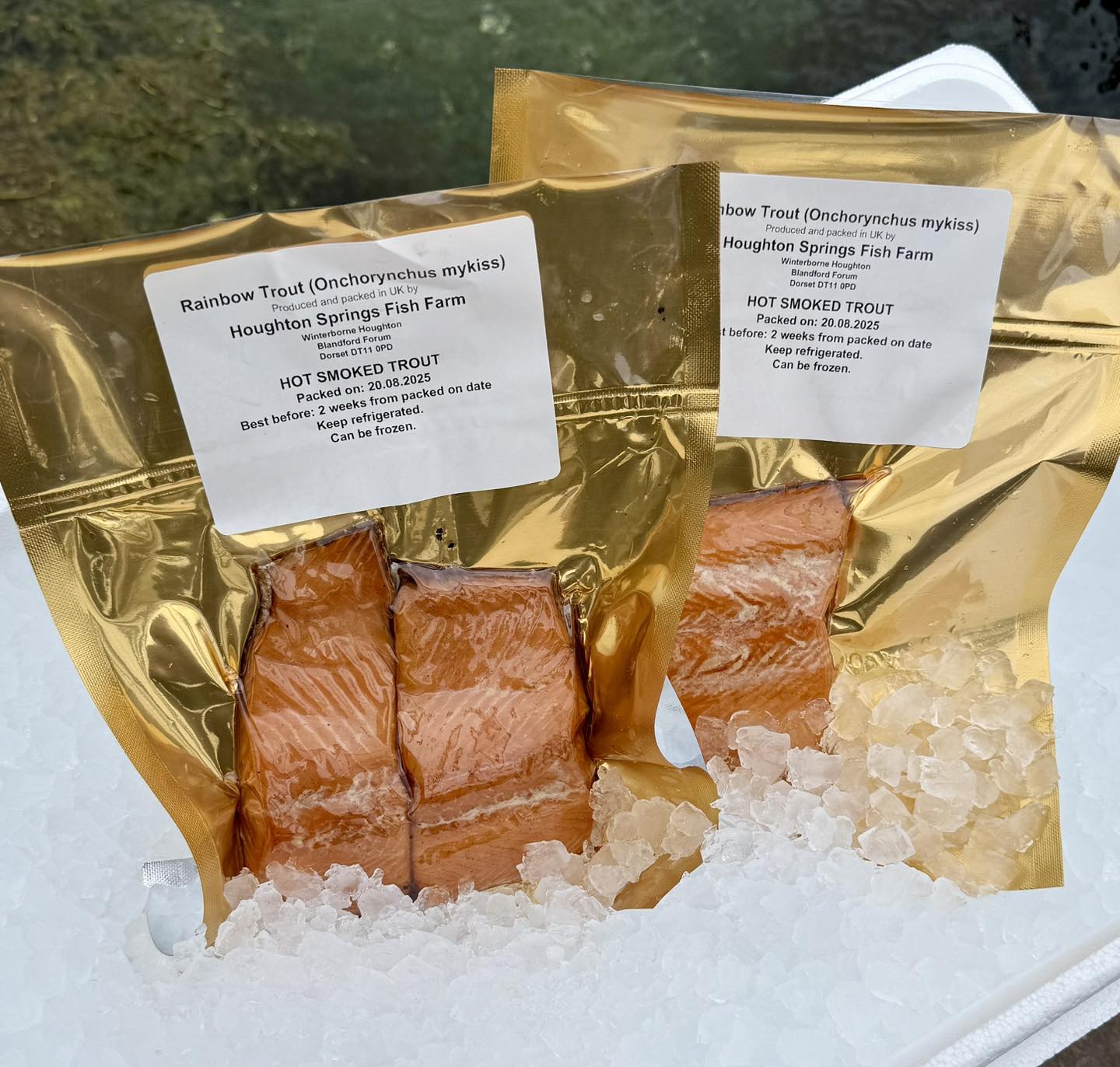
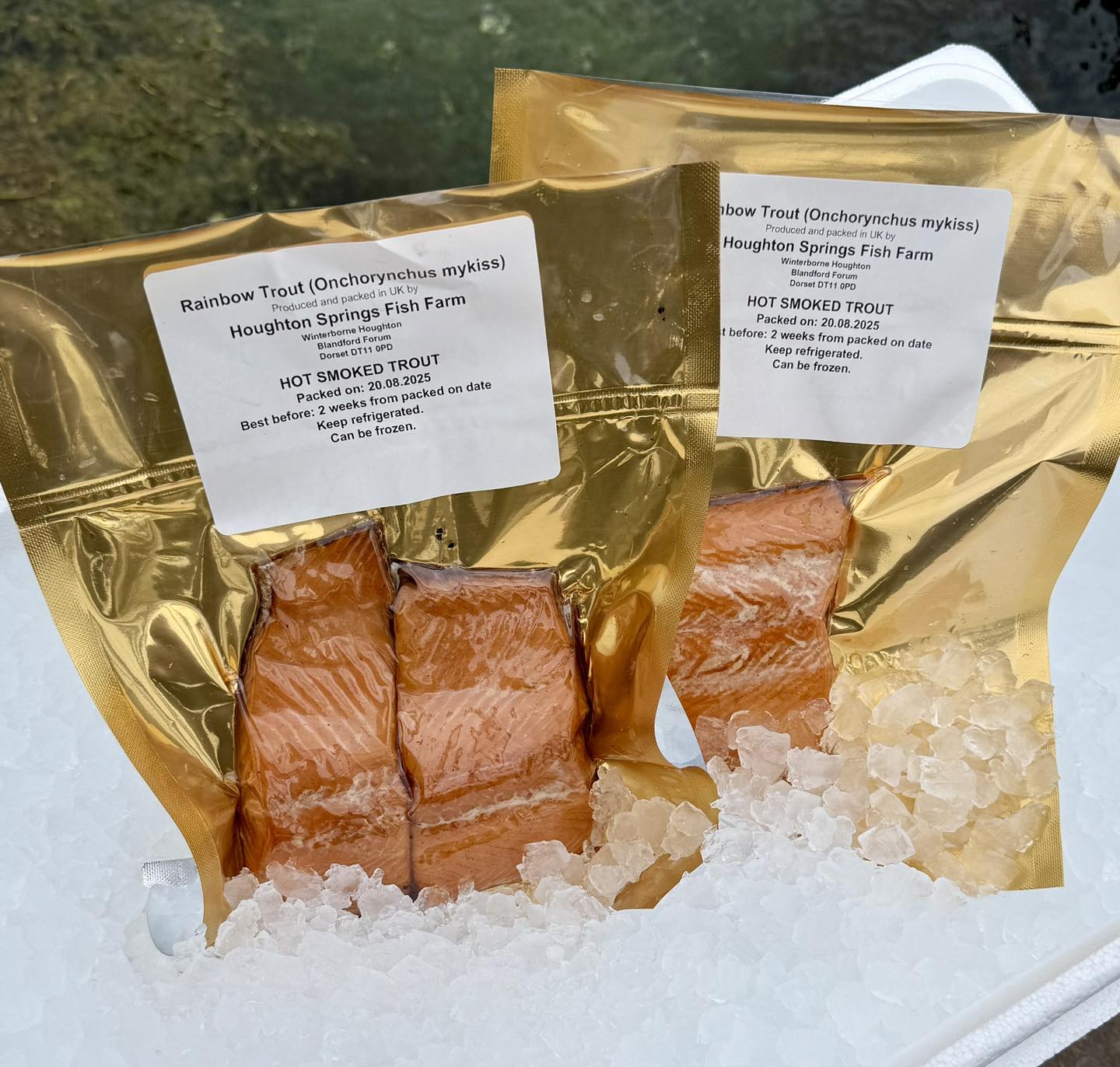
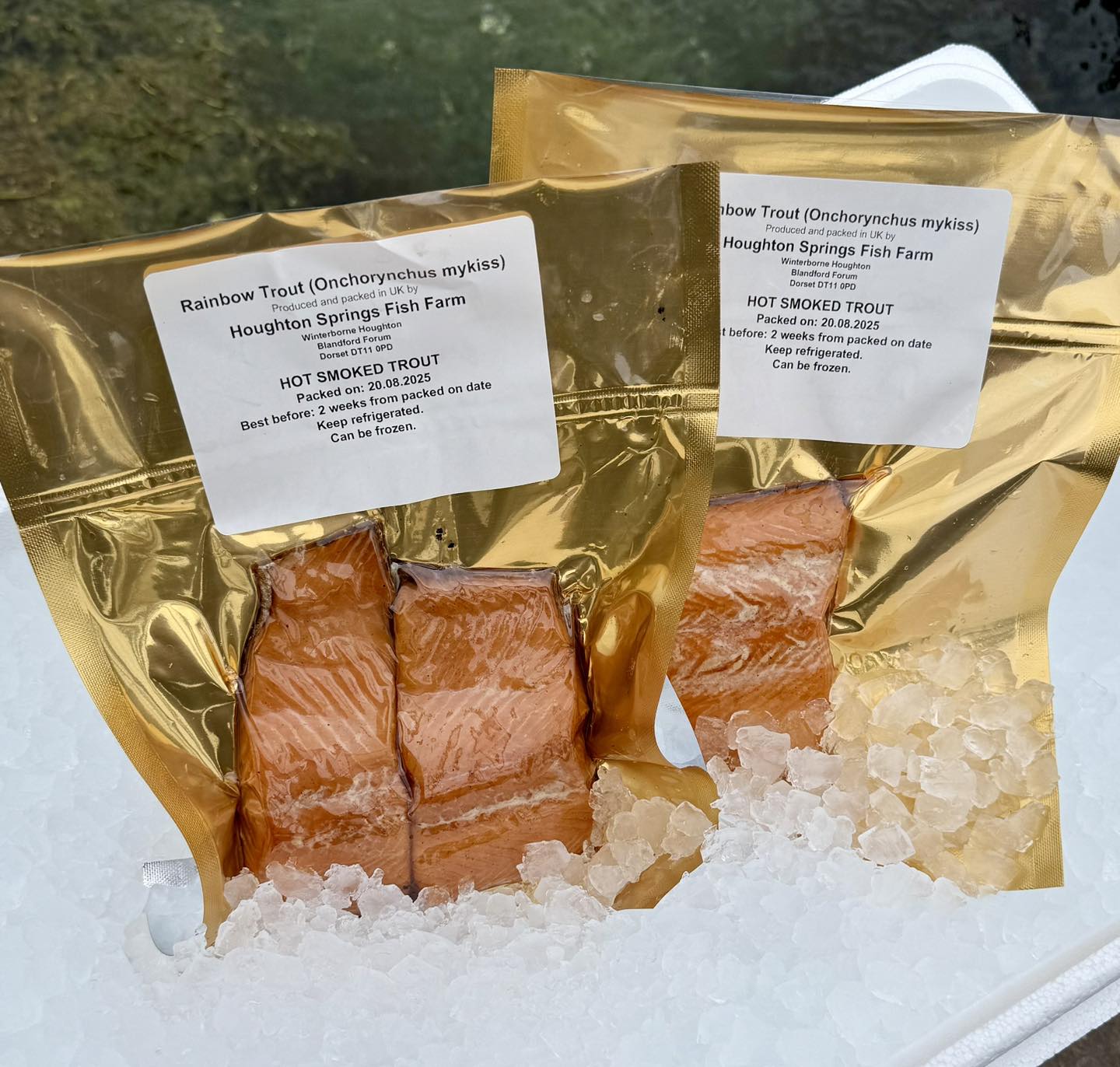
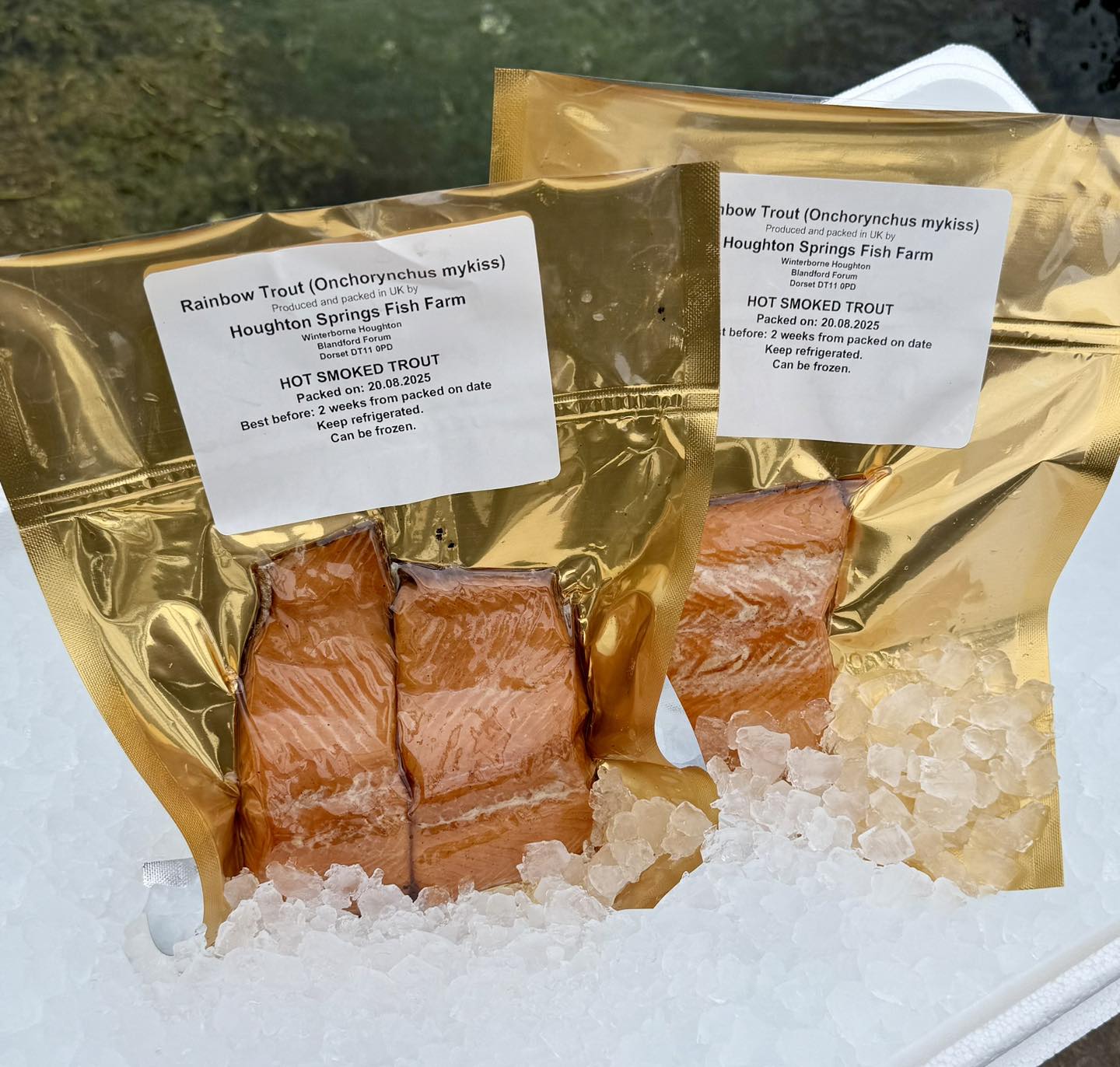
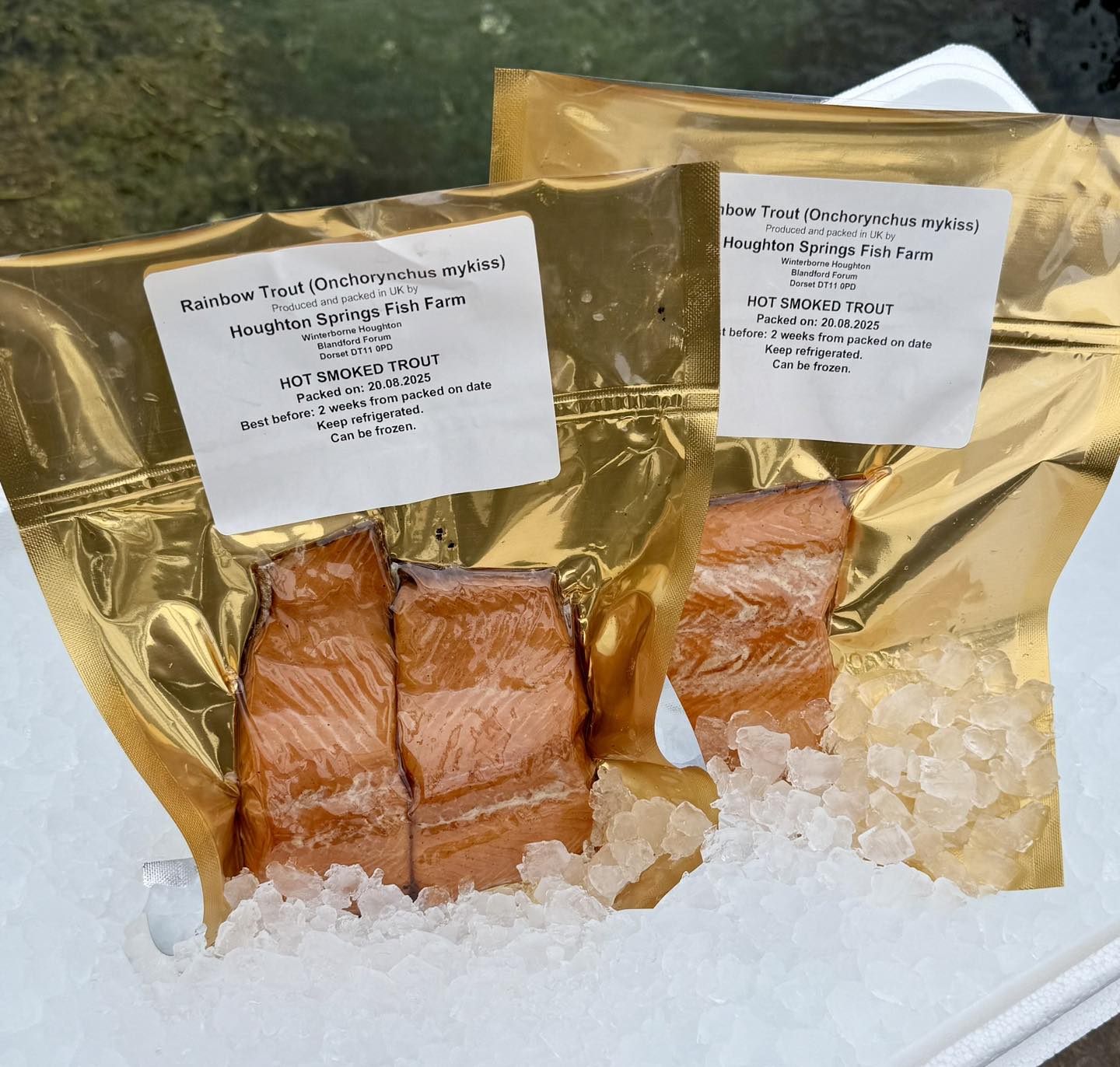
- Rainbow Trout: Known for their vibrant colours and adaptability.
- Brown Trout: Valued for their flavour and versatility in culinary applications.
- Brook Trout: Smaller and often sought after for their delicate taste.
Choosing the right species depends on your local environment and market demand. For comprehensive guidance, consider visiting our farm to see our trout varieties in action.
2. What are the Key Factors for Successful Trout Farming?
Several critical factors influence the success of a trout farm:
- Water Quality: Clean, oxygen-rich water is vital. Regular testing for pH, ammonia, and temperature is essential.
- Feeding: Quality feed tailored to the specific needs of trout will ensure healthy growth.
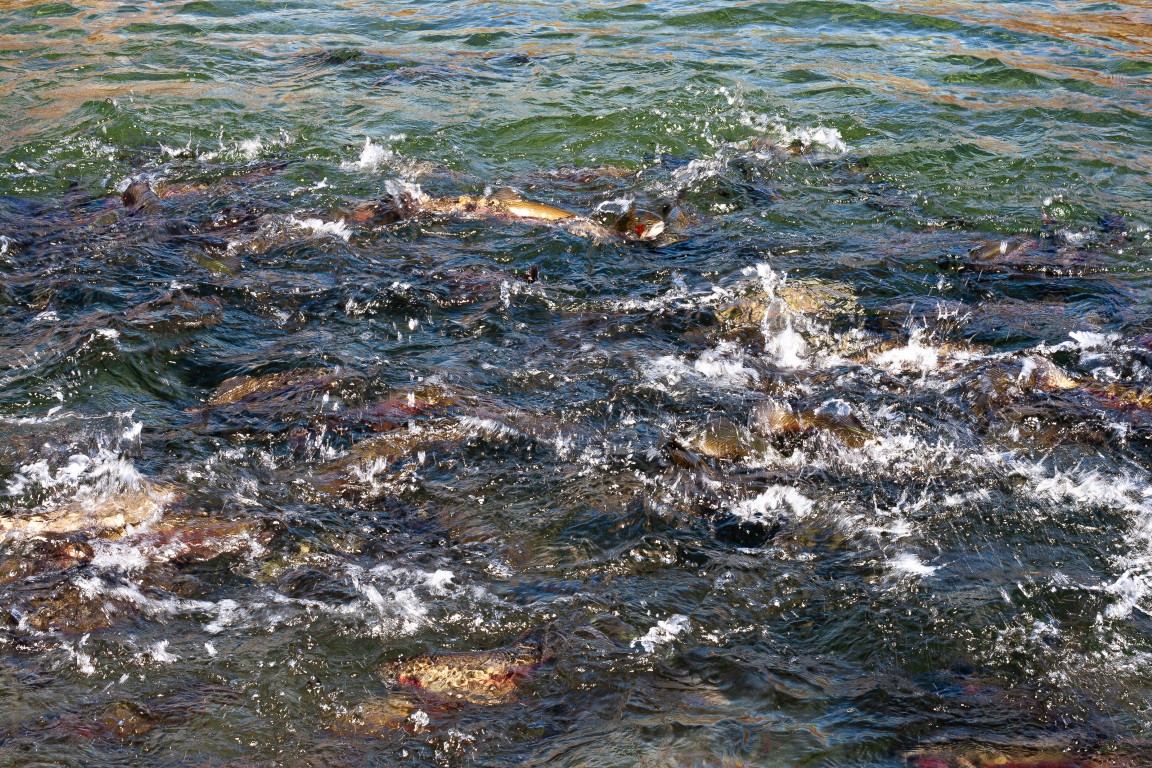
- Stocking Density: Avoid overcrowding to prevent stress and disease among the fish.
- Health Management: Regular monitoring for diseases and parasites is crucial.
If you want to dive deeper into the importance of water quality, check out our article on the role of fresh spring water in fish farming.
3. How Do I Start a Trout Farm?
Starting a trout farm involves several steps:
- Research and Planning: Understand local regulations, market demand, and suitable locations.
- Site Selection: Choose a site with access to clean water and adequate space.
- Set Up Infrastructure: This includes tanks, filtration systems, and feeding equipment.
- Source Stock: Purchase fingerlings from a reputable supplier, such as Houghton Springs Trout Farm.
- Implement Management Practices: Focus on water quality, feeding, and health monitoring.
For more personalised advice, don’t hesitate to reach out via our contact page.
4. What are the Environmental Impacts of Trout Farming?
While trout farming can be environmentally friendly, it is essential to follow sustainable practices. Proper management can help prevent issues such as:
- Water Pollution: Ensuring waste is managed effectively to prevent contamination.
- Ecosystem Disruption: Avoiding the introduction of non-native species into local water systems.
- Resource Depletion: Using sustainable feed sources to minimise the impact on wild fish populations.
How to Choose a Supplier for Trout Fingerlings
Selecting the right supplier is crucial for the success of your trout farming venture. Here are some points to consider:
- Reputation: Look for suppliers with positive reviews and a track record of healthy stock.
- Variety: Ensure they offer a range of trout species to suit your needs.
- Support: A good supplier should provide guidance on care and management practices.
- Sustainability: Choose suppliers committed to environmentally responsible practices.
Houghton Springs Trout Farm is dedicated to responsible aquaculture. We offer high-quality fingerlings and are always ready to share our expertise with our customers.
Common Mistakes in Trout Farming
Avoid these common pitfalls when starting your trout farm:
- Neglecting Water Quality: Regular testing and monitoring are essential.
- Overfeeding: This can lead to waste buildup and poor water quality.
- Ignoring Health Signs: Be vigilant about observing your fish for any signs of illness.
- Inadequate Record Keeping: Keep detailed records of growth, feeding, and health to track progress and make informed decisions.
Conclusion
Trout farming can be a rewarding endeavour, but it requires careful planning and management. By addressing these common trout farming questions, we hope to empower you with the knowledge needed to embark on this journey. If you have further inquiries or wish to learn more about our trout farming practices, please reach out to us through our contact page.
We look forward to helping you get started in the world of trout farming!