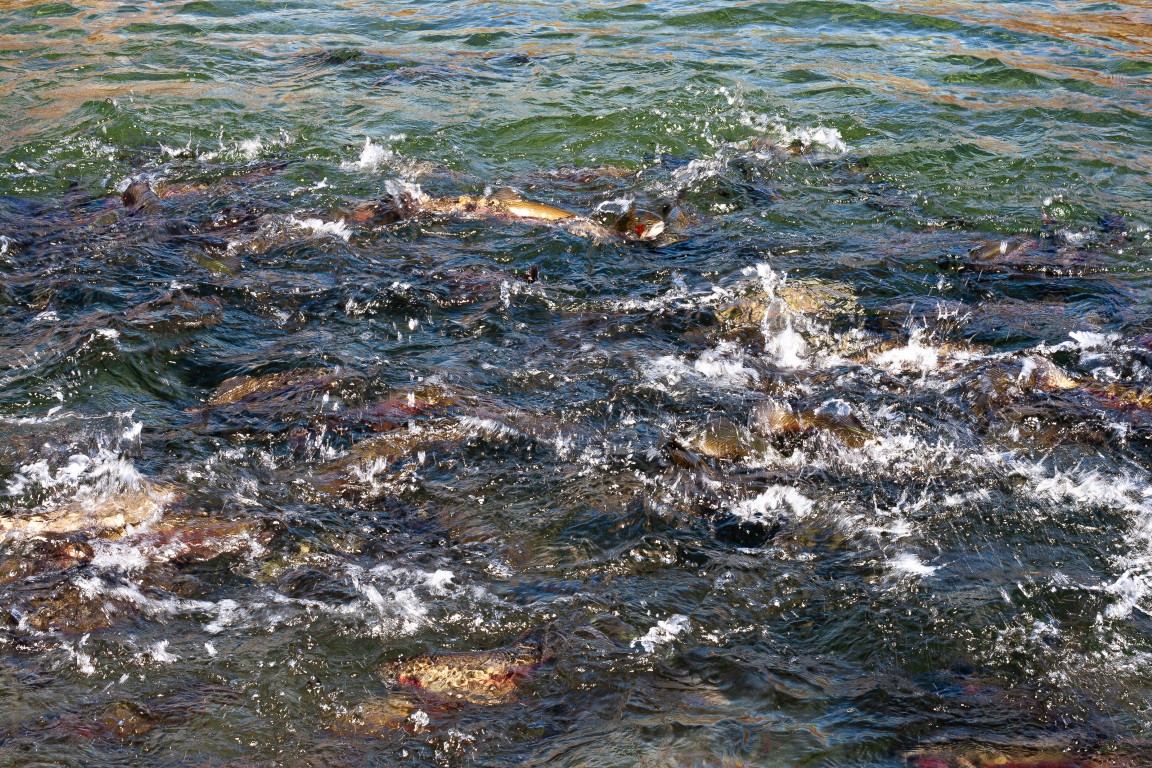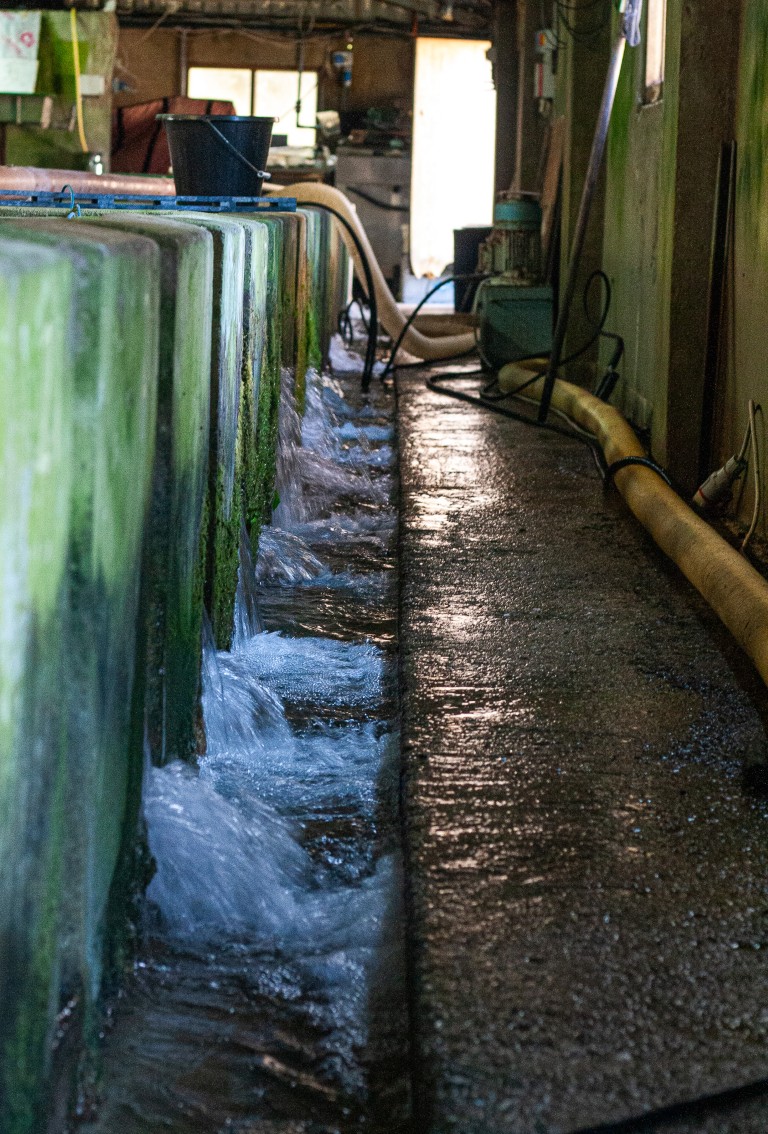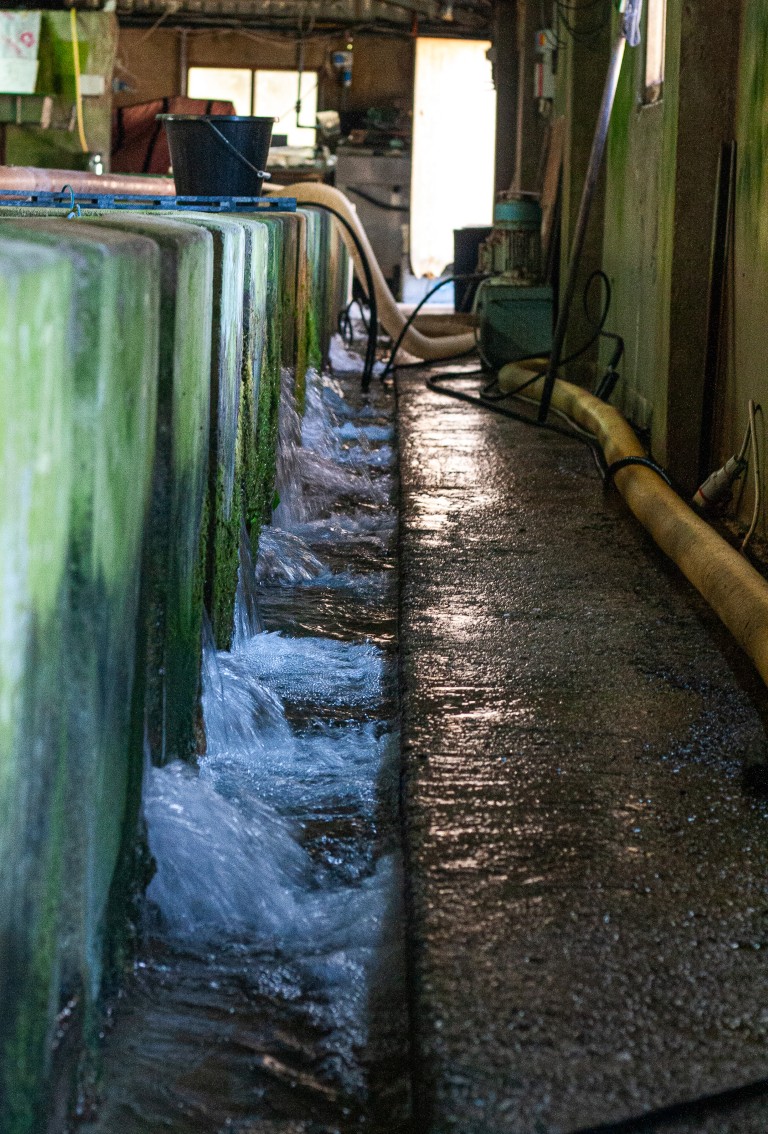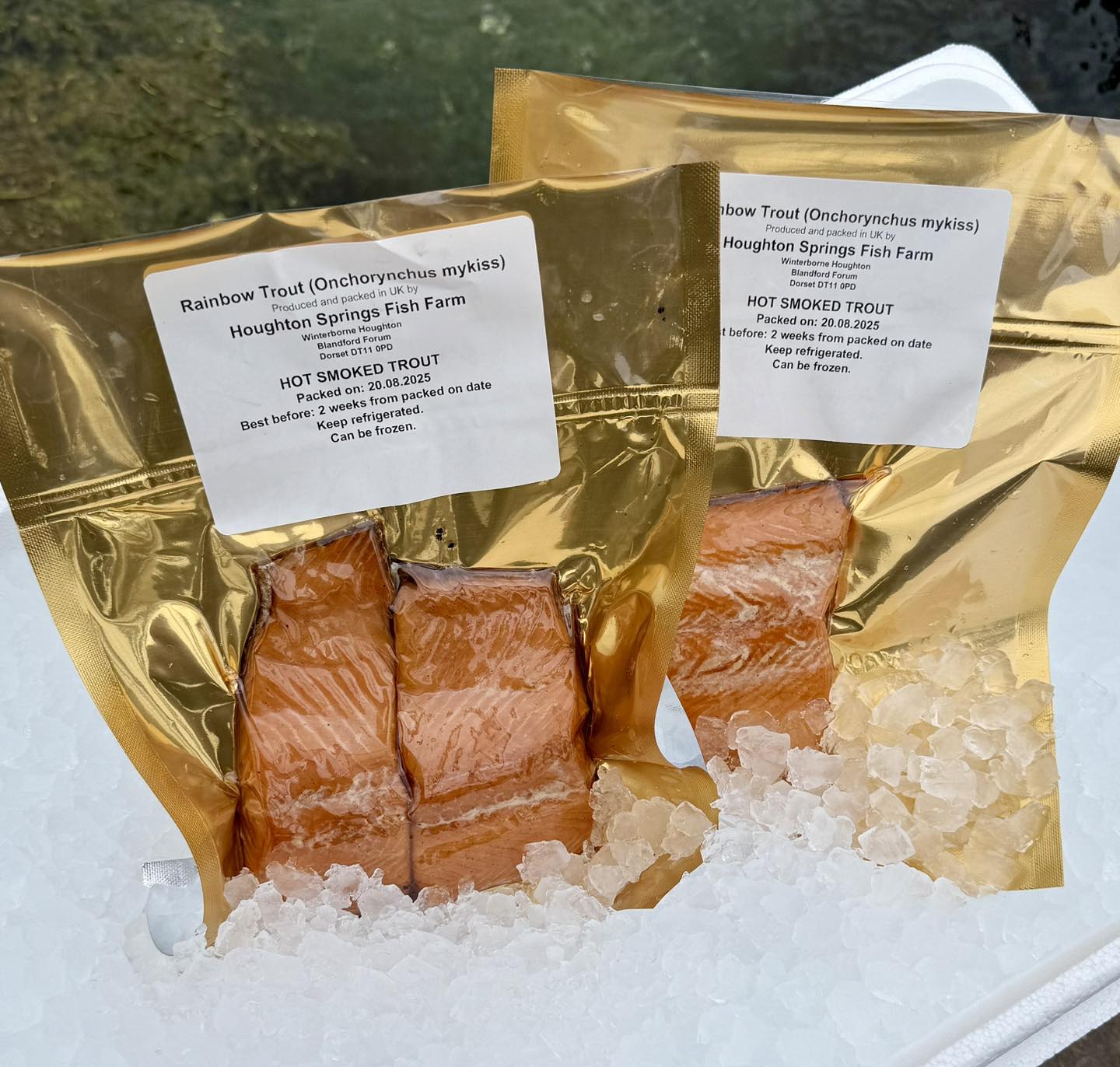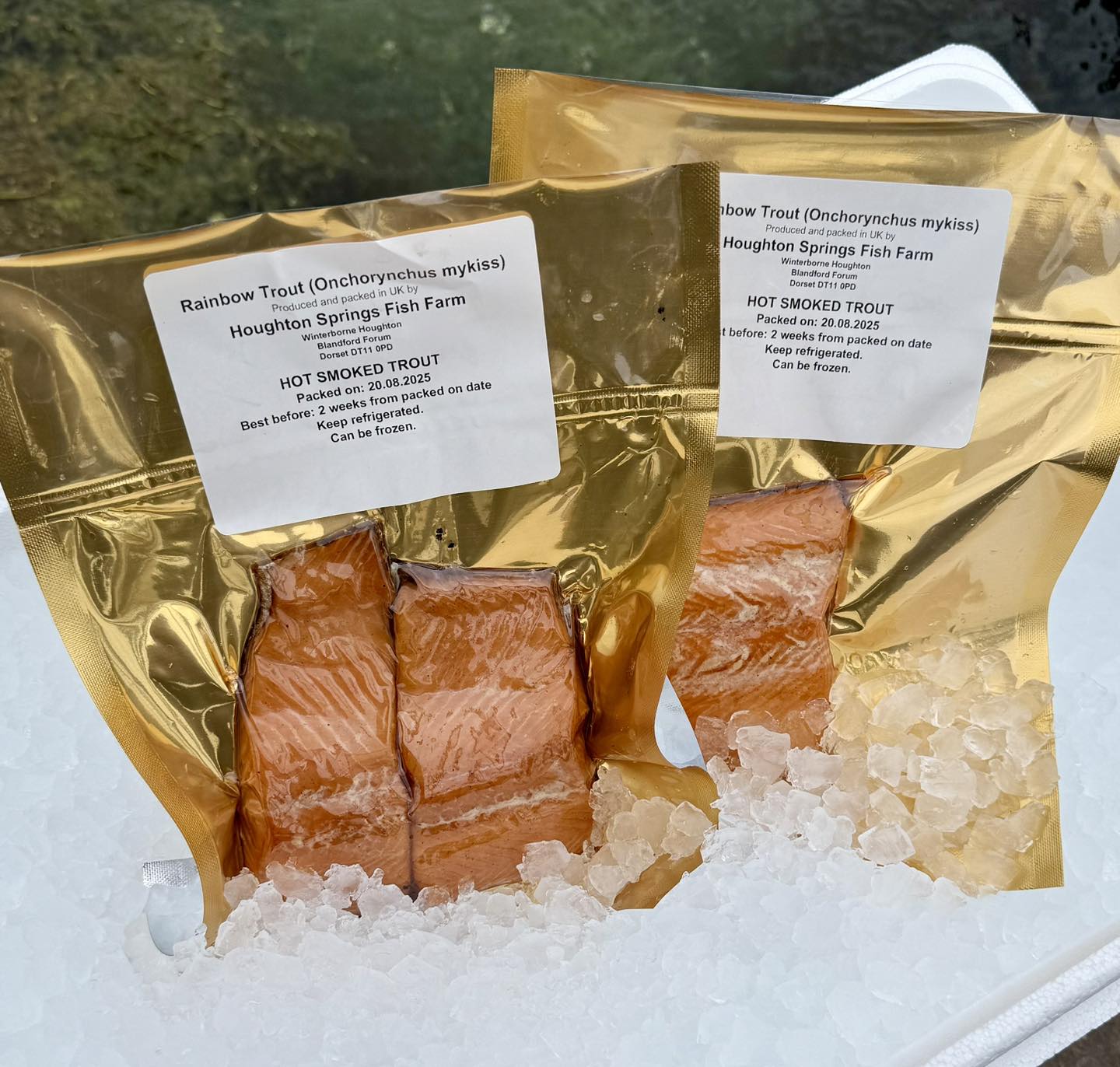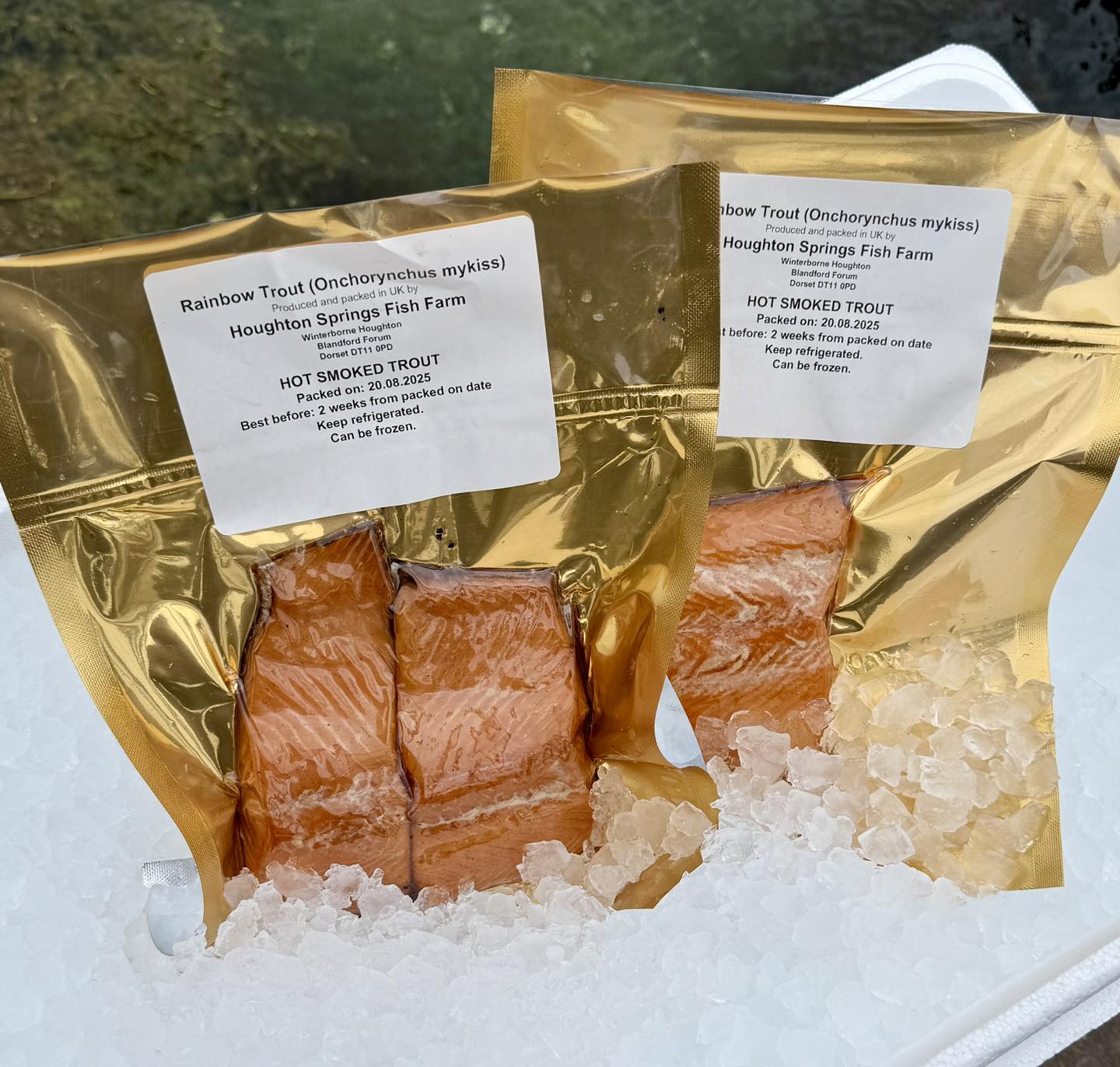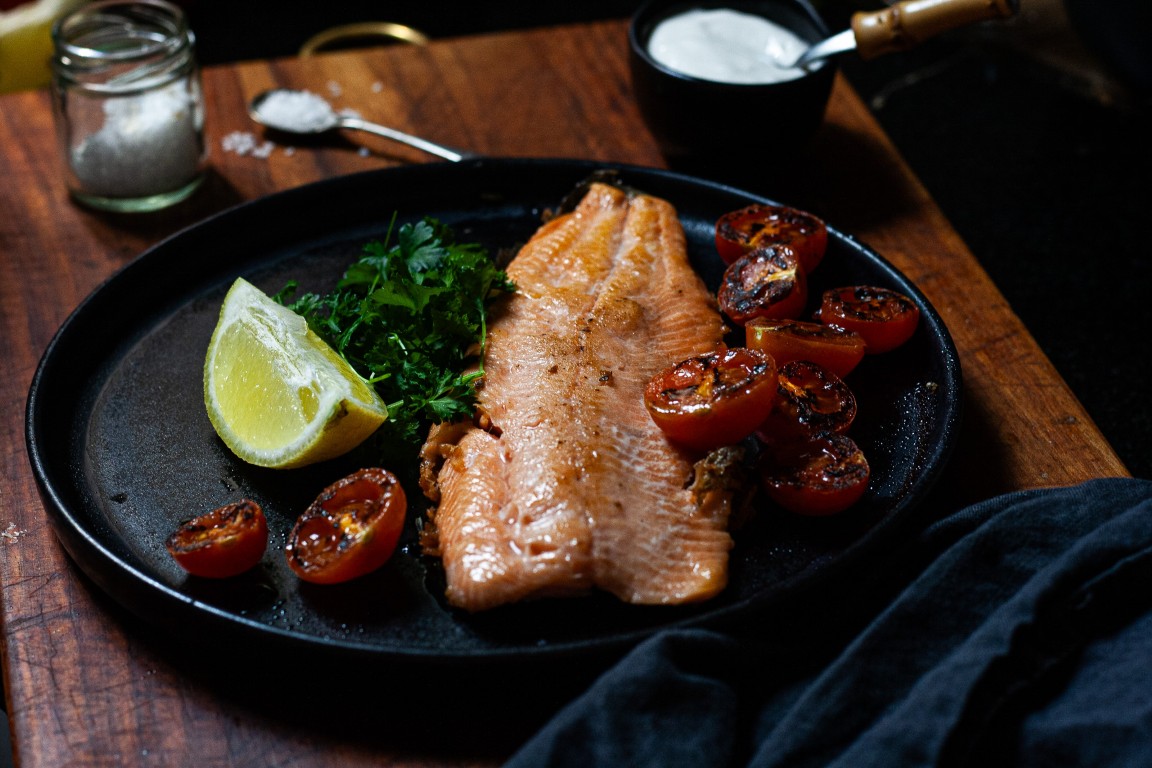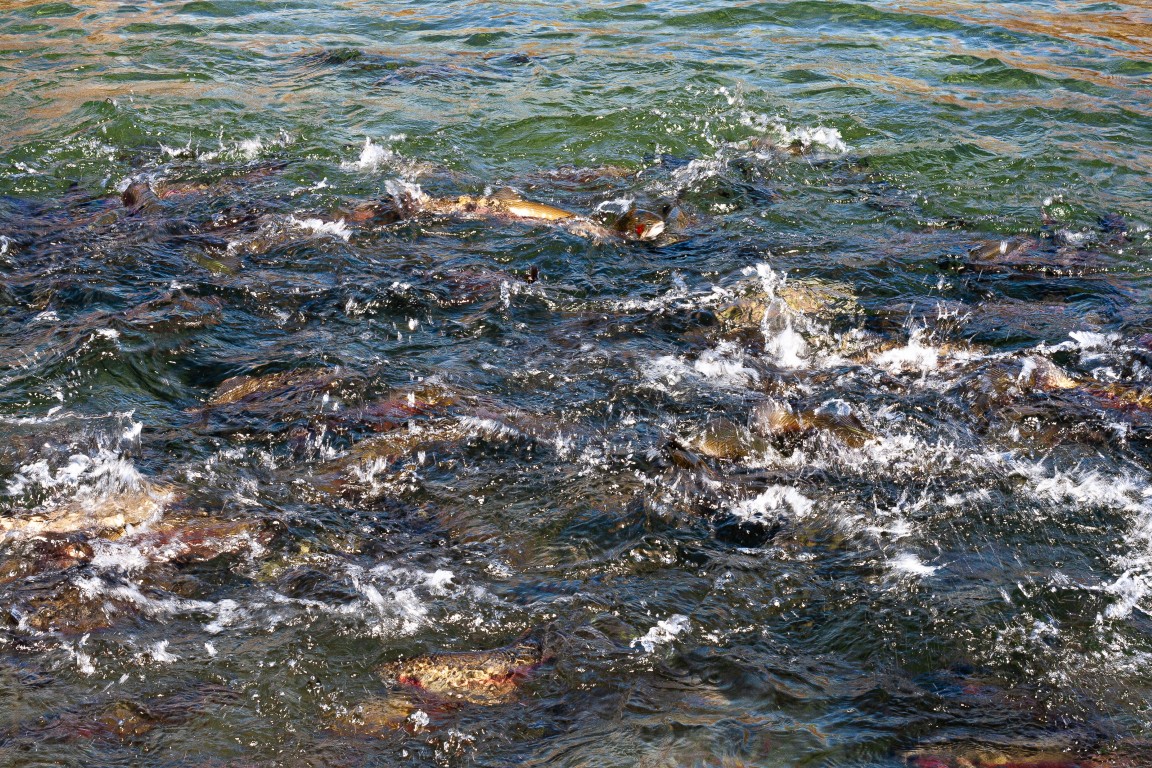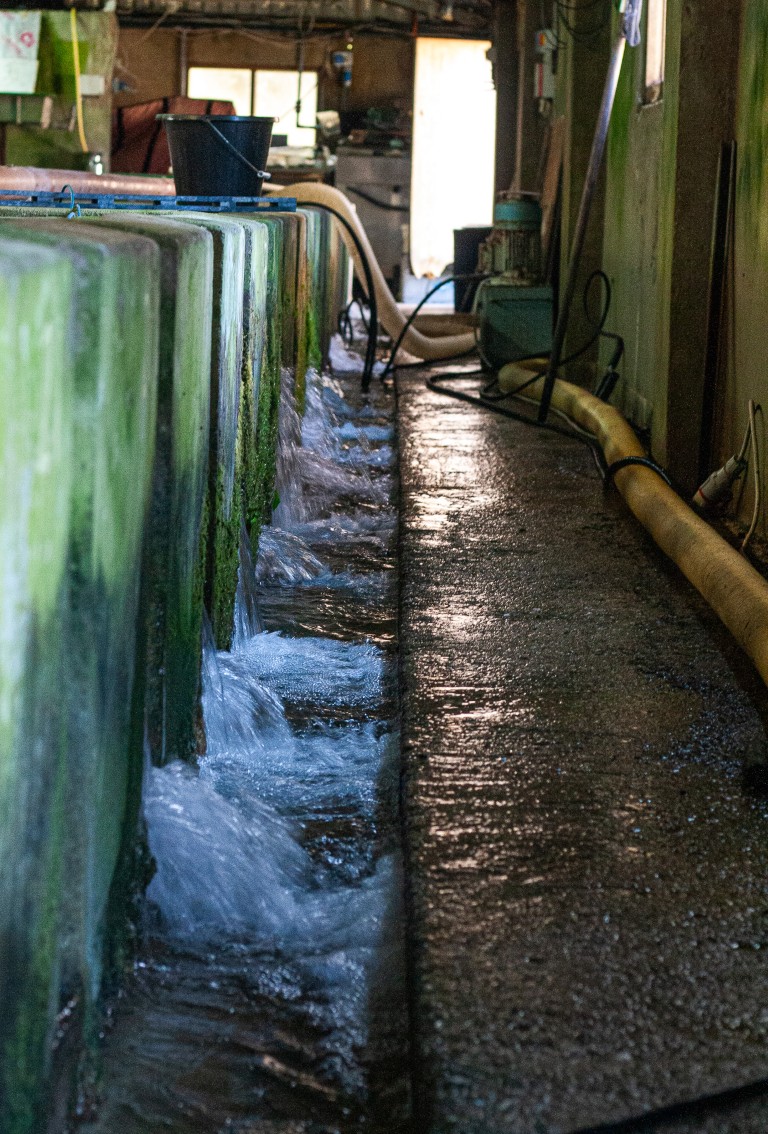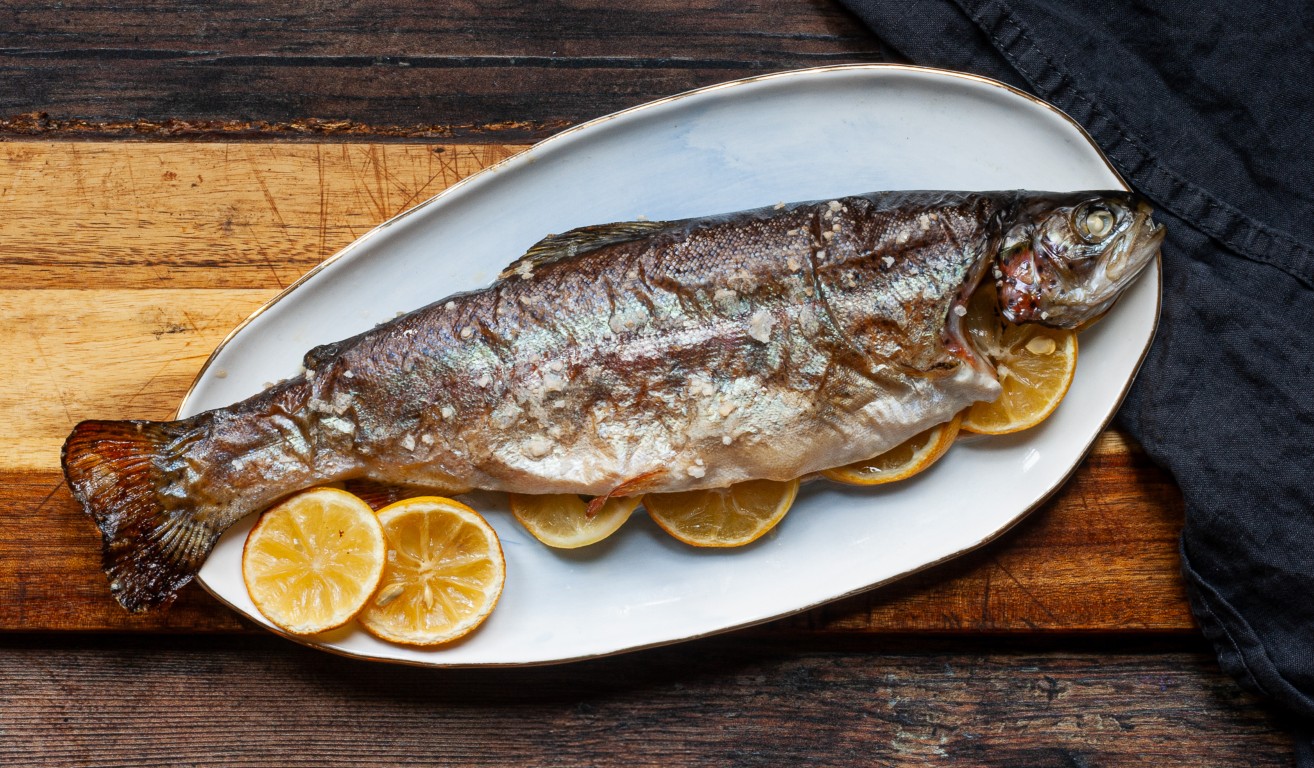
As the popularity of fish farming continues to grow, many aspiring farmers are considering entering the market, particularly with rainbow trout. However, one of the first questions that arises is the cost of raising rainbow trout. Understanding the financial aspects of trout farming is crucial for anyone looking to establish a successful venture. In this guide, we will explore the various costs associated with raising rainbow trout, enabling you to make informed decisions as you embark on your fish farming journey.
Understanding the Initial Investment
Starting a trout farm requires a significant initial investment. Below are some of the key components that contribute to the startup costs:
1. Infrastructure Costs
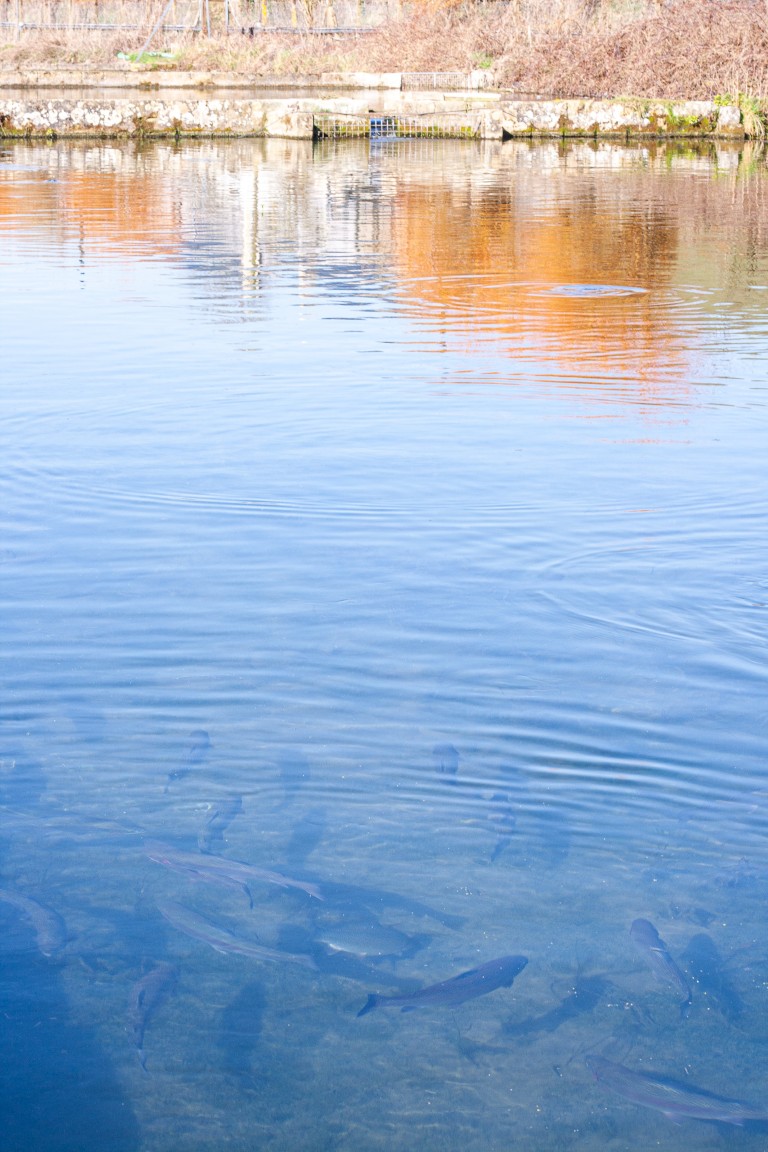
- Pond Construction: The cost of building ponds or tanks for breeding and raising trout can vary significantly based on size and materials. On average, expect to spend between £1,000 to £5,000 for small to medium-sized setups.
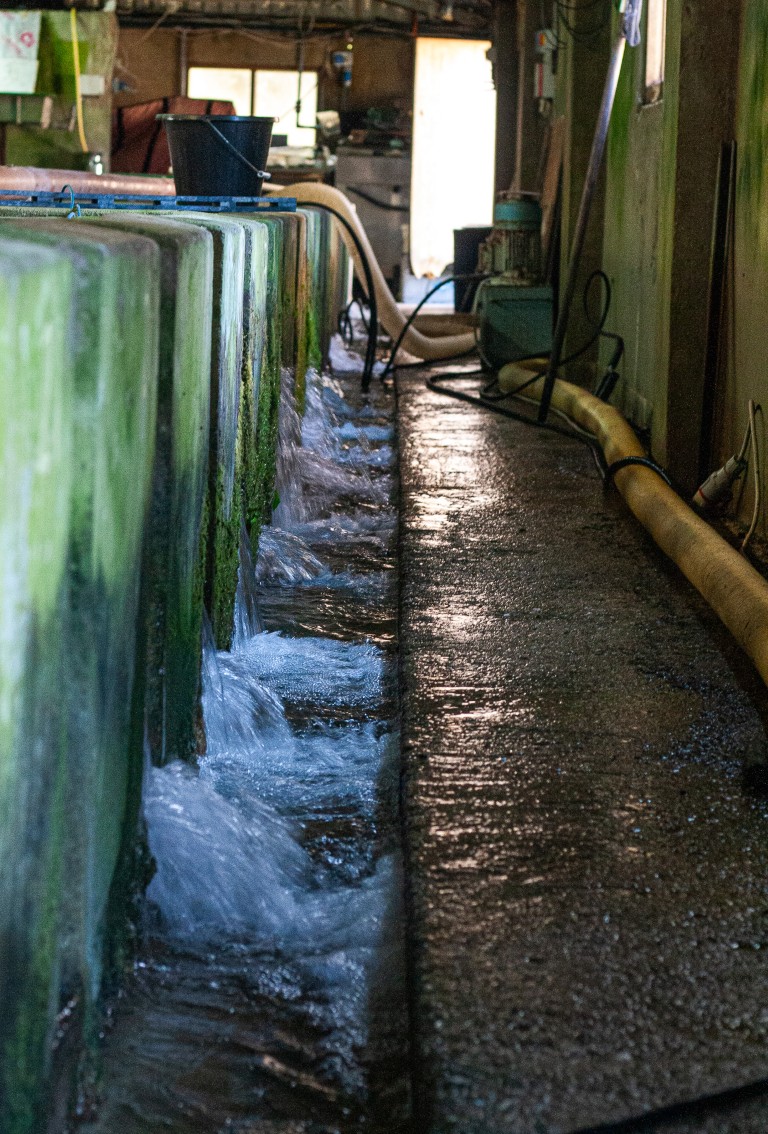
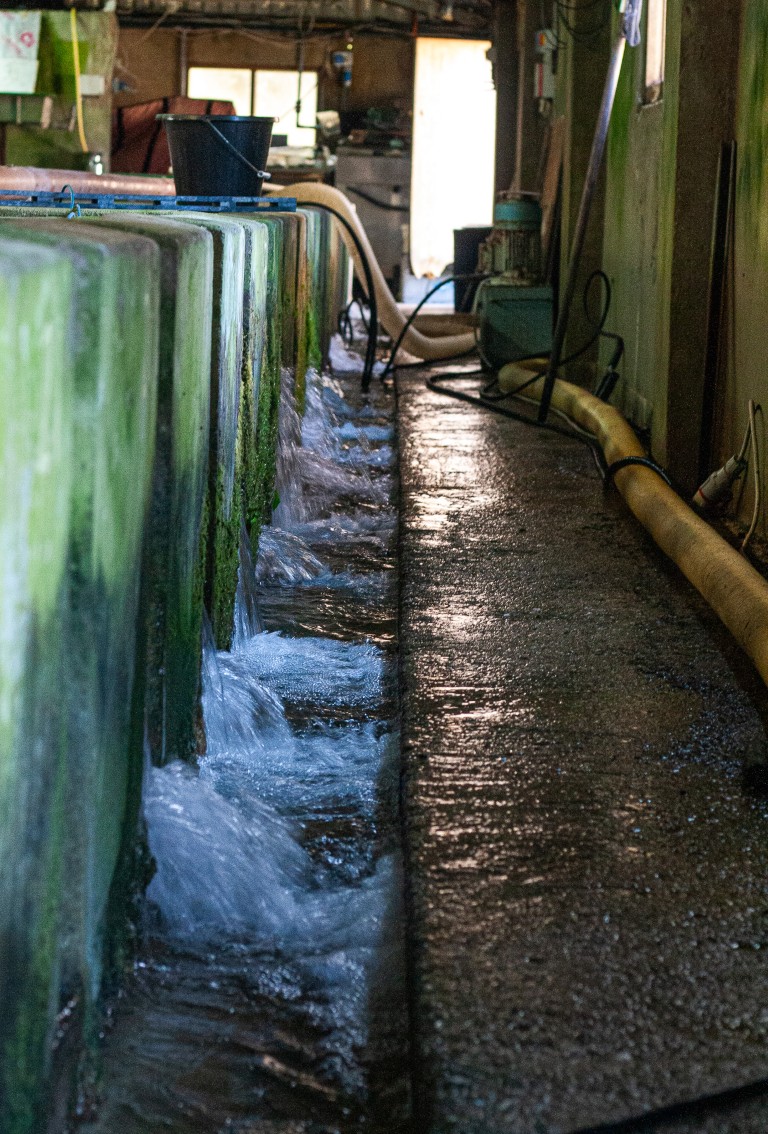
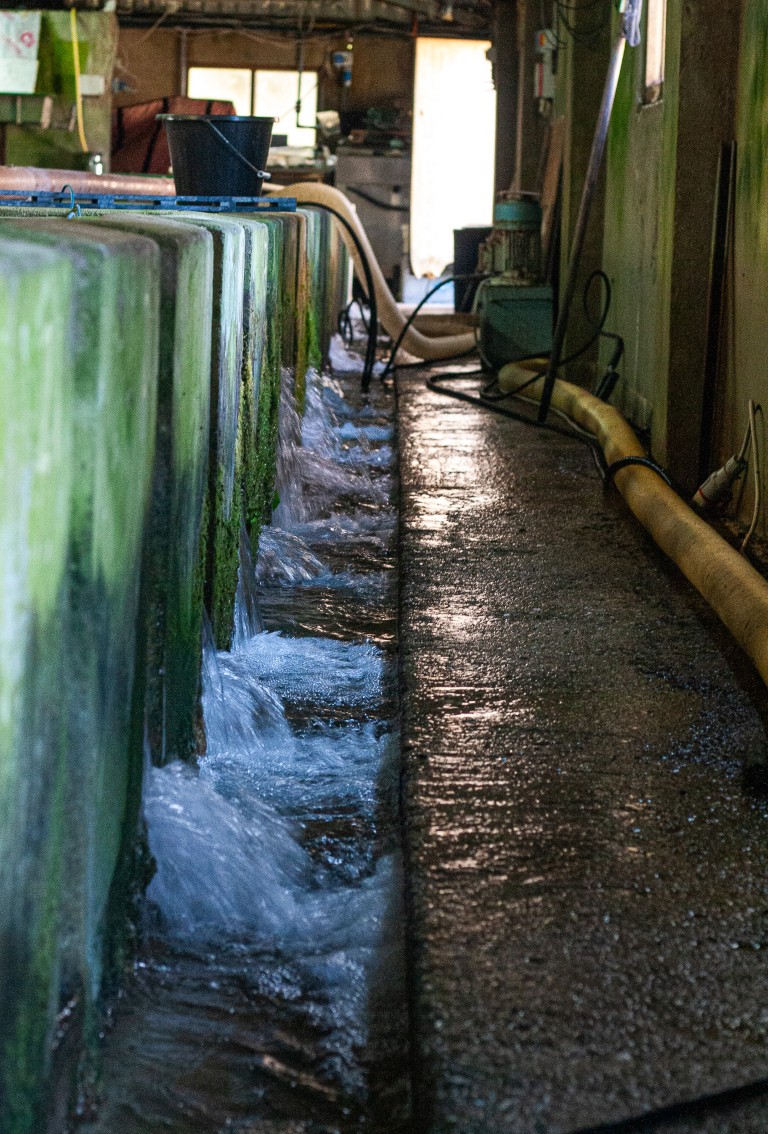
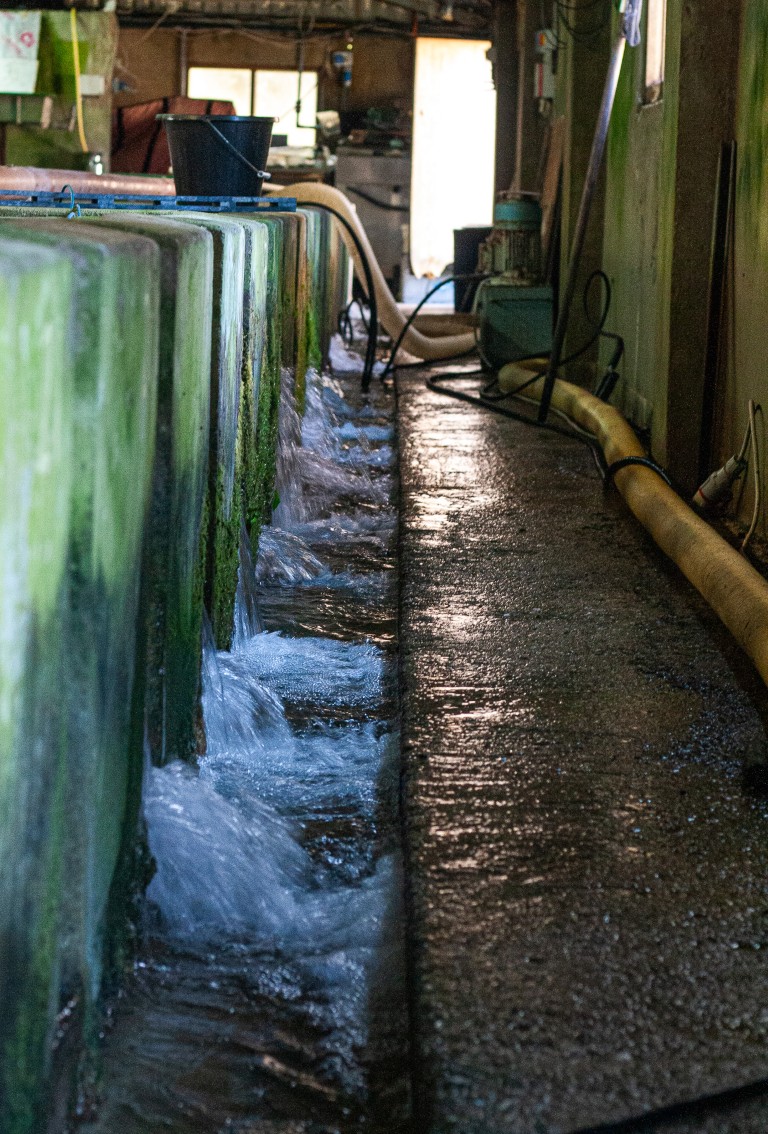
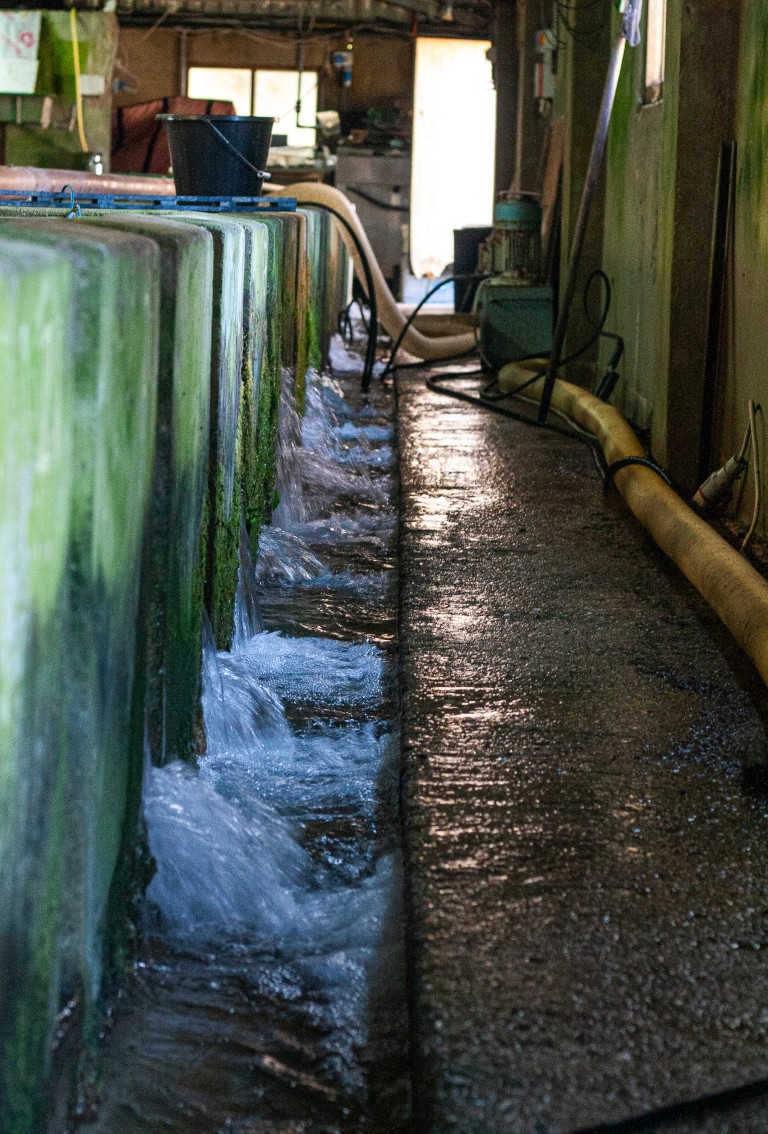
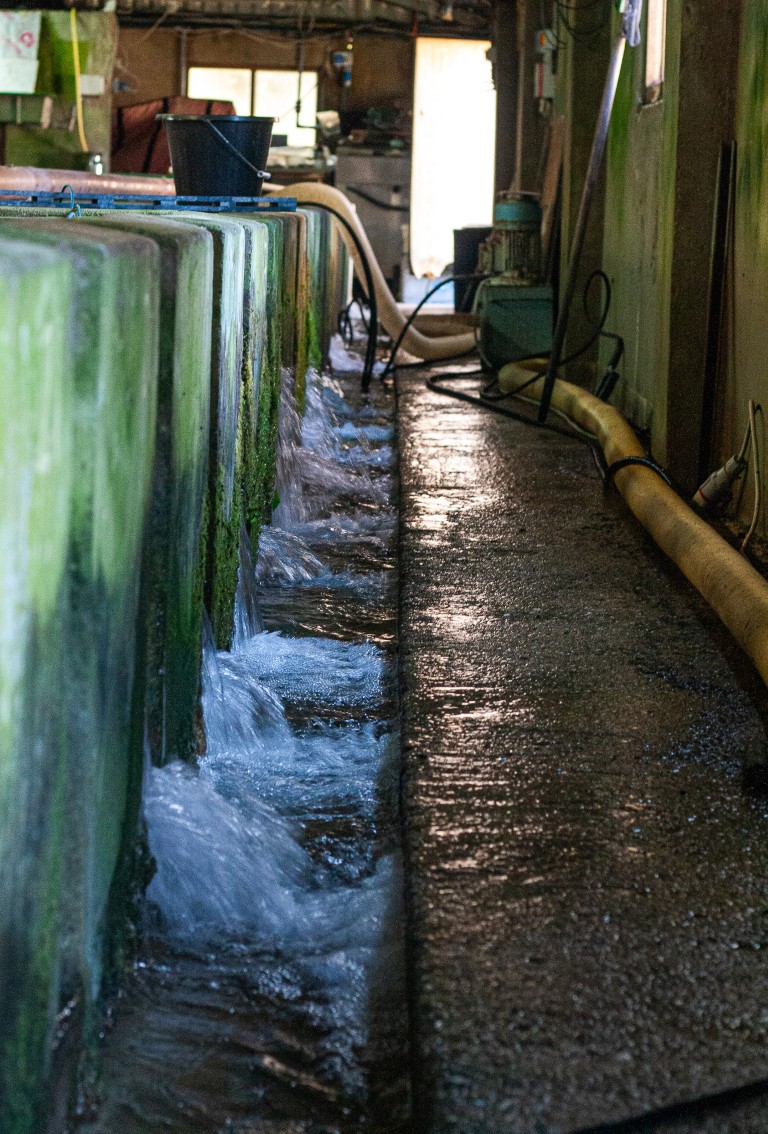
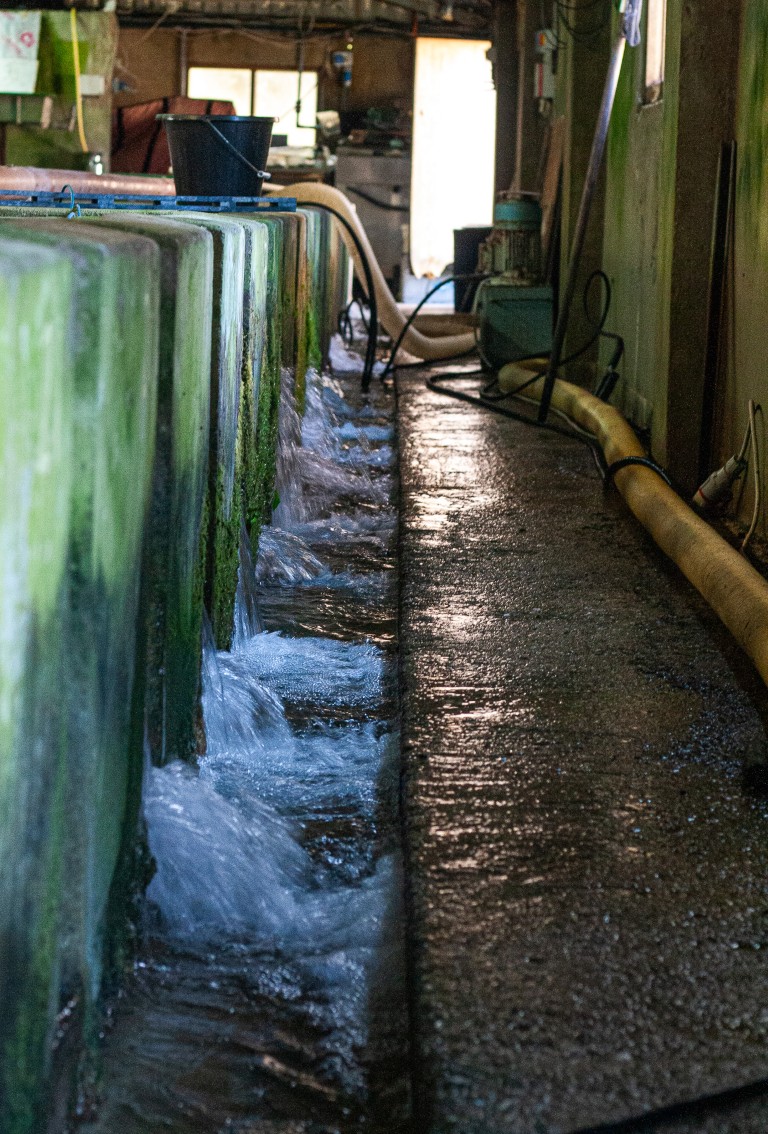
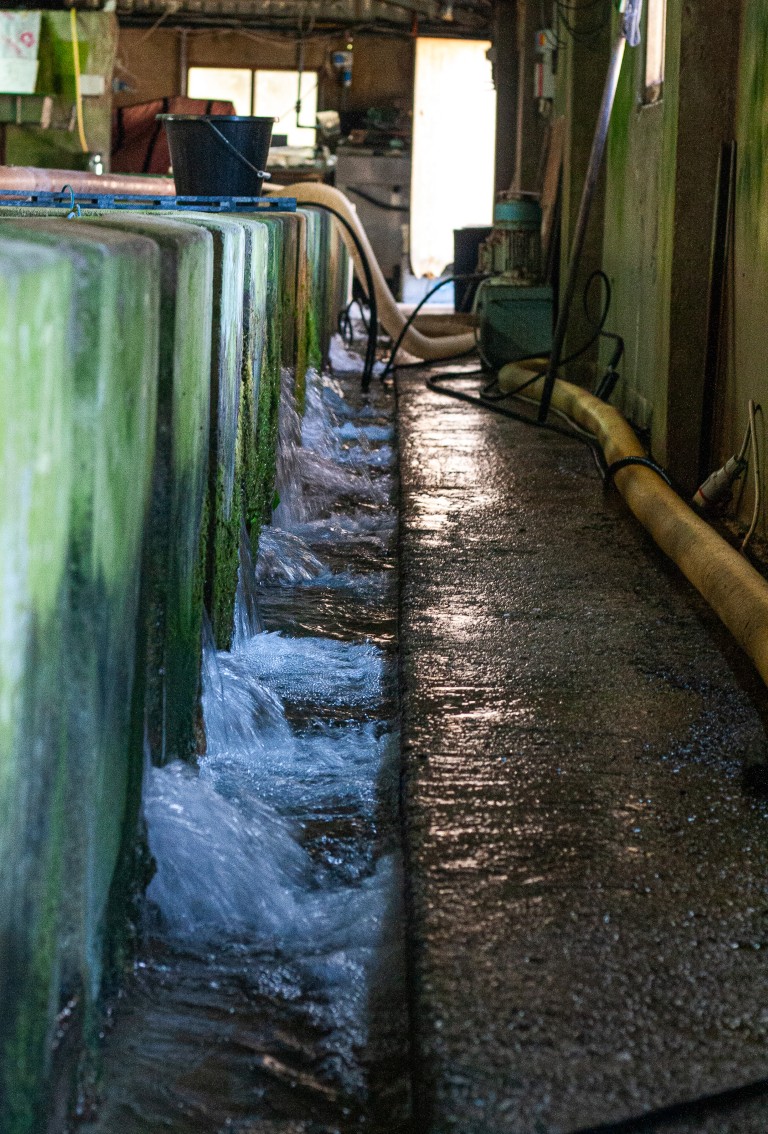
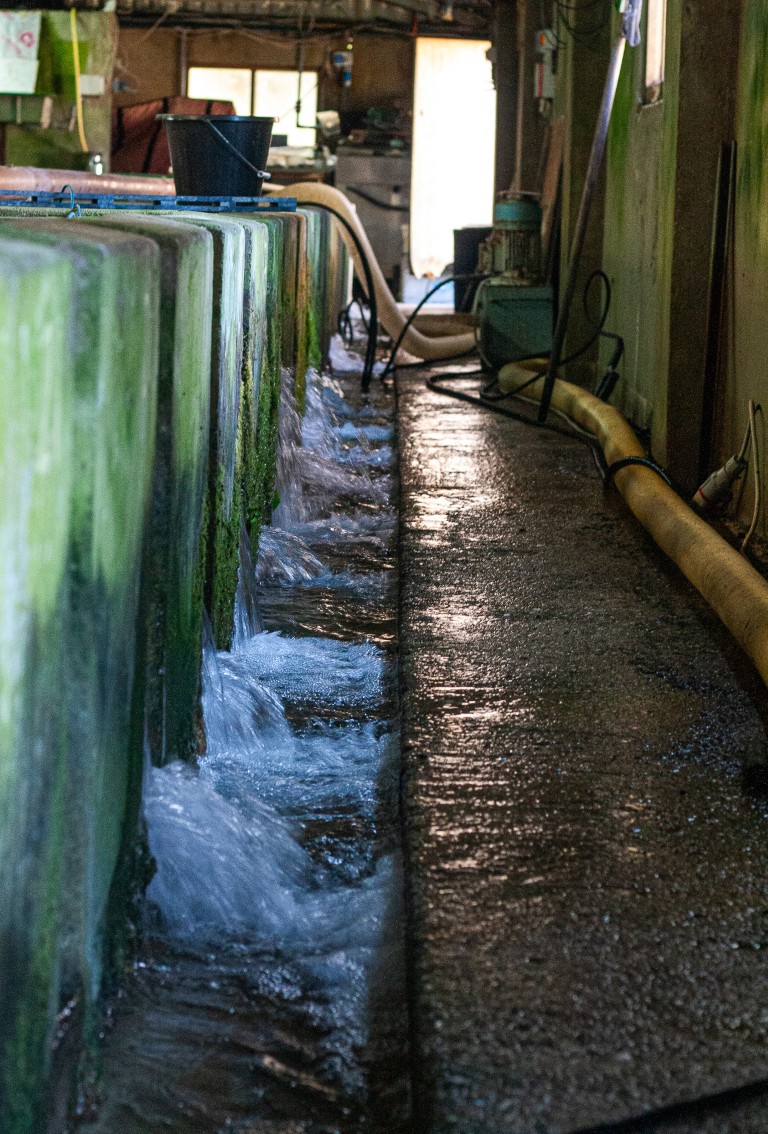
- Water Supply System: Trout require a consistent and clean water supply. The installation of a quality water system, including pumps and filtration, can add another £500 to £2,000 to your budget.
- Shelter and Storage: Buildings for equipment storage and processing fish will also be necessary, which can range from £2,000 to £10,000 depending on the complexity and scale of your operation.
2. Equipment and Supplies
- Feeding Equipment: Automatic feeders can streamline the feeding process, costing around £200 to £1,500.
- Water Quality Testing Kits: These are essential for monitoring pH, ammonia, nitrites, and nitrates. A complete kit may cost between £100 to £500.
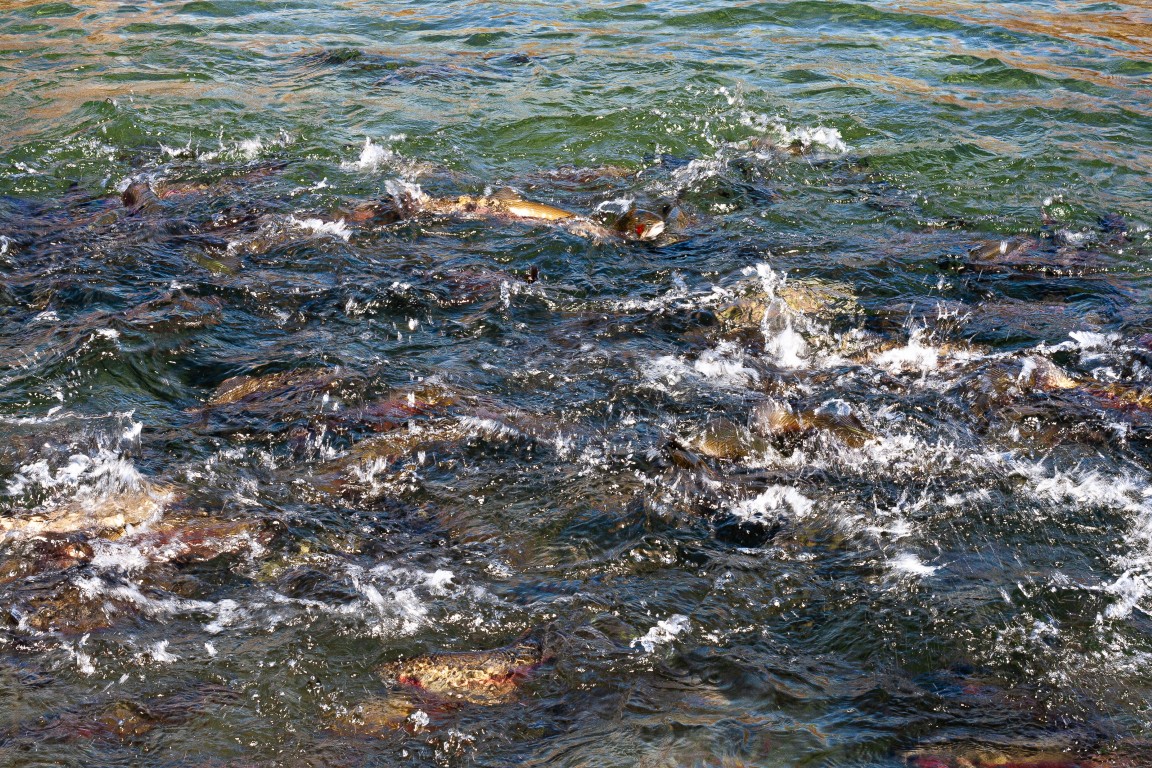
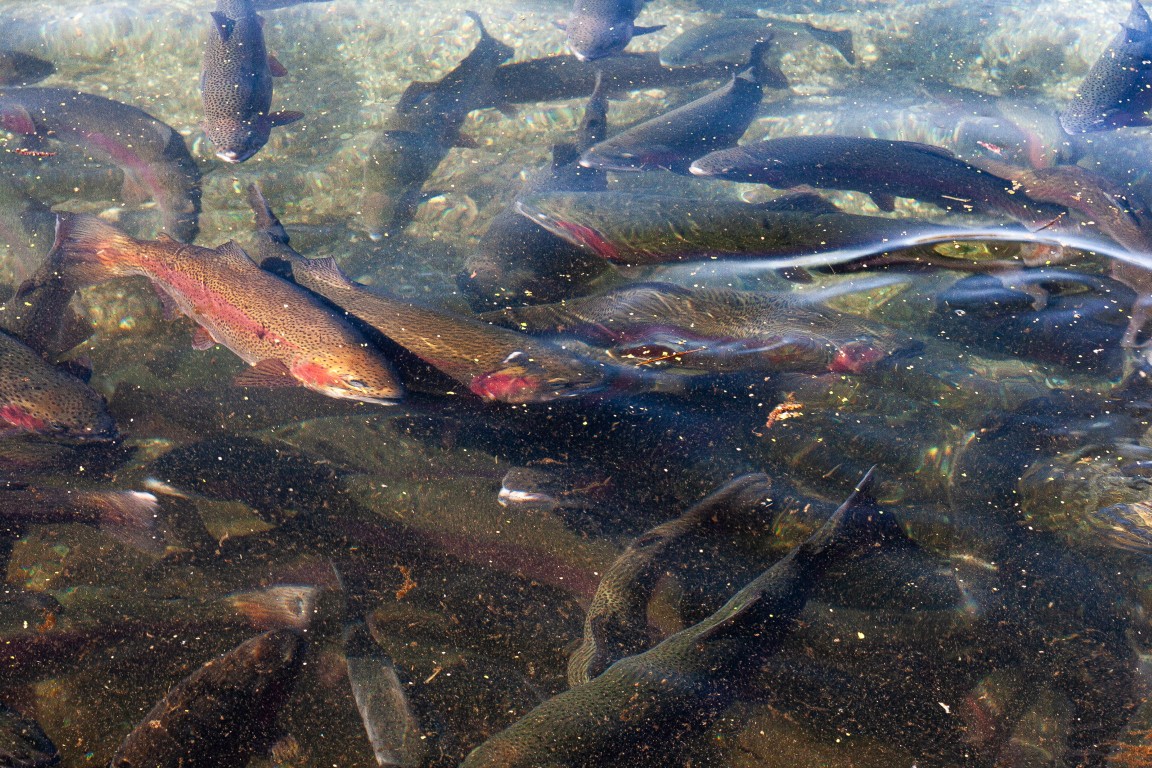
- Breeding Stock: Acquiring healthy juvenile trout (fingerlings) is crucial. Expect to pay approximately £1 to £3 per fingerling, depending on the source.
3. Operational Costs
- Feed: One of the largest ongoing expenses in trout farming is feed. Costs can range from £1,000 to £3,000 annually, depending on the number of fish being raised and the quality of feed used.
- Labour: If you plan to employ staff, factor in wages, which can vary based on local rates. A small operation may need 1-2 part-time workers.
- Utilities: Regular water and electricity bills will be part of your ongoing costs and should be budgeted accordingly.
Recurring Costs of Raising Rainbow Trout
Once your trout farm is established, ongoing costs must be managed effectively to ensure profitability.
1. Feed Costs
Regularly assess feed quality and quantity, as this directly impacts growth rates. Consider bulk purchasing to save costs, and ensure that feed is appropriate for the developmental stage of the trout.
2. Health Management
- Veterinary Care: Regular health checks and possible treatments are essential. Budget for veterinary consultations and medications, which can amount to £500 annually.
- Biosecurity Measures: Implementing measures to prevent disease spread will save costs in the long run. This might involve additional infrastructure or cleaning supplies.
3. Maintenance Costs
Proper maintenance of equipment and facilities is necessary to avoid costly repairs. Set aside a maintenance budget, typically around 10% of your total operational costs annually.
Cost Management Strategies
To keep the costs of raising rainbow trout manageable, consider the following strategies:
1. Efficient Feeding Practices
Implement feeding schedules based on fish size and growth rates. Overfeeding can lead to waste and increased costs.
2. Regular Monitoring
Invest in water quality testing and monitoring systems to ensure optimal conditions for trout growth. This can prevent costly health issues.
3. Bulk Purchasing
Whenever possible, buy supplies in bulk to take advantage of discounts. This includes feed, equipment, and even fingerlings.
Common Mistakes to Avoid
When starting a trout farm, mistakes can be costly. Here are some common pitfalls to watch out for:
1. Underestimating Initial Costs
Many new farmers underestimate the total investment required. Conduct thorough research and prepare a detailed budget.
2. Ignoring Water Quality
Maintaining optimal water quality is critical for trout health. Neglecting this can lead to diseases and poor growth rates.
3. Inadequate Planning
Without a clear business plan, it can be challenging to manage costs effectively. Take the time to create a comprehensive plan outlining your goals and financial projections.
How to Choose the Right Fish Supplier
Selecting a reliable fish supplier is crucial for your trout farming success. Here are some tips:
1. Research Suppliers
Look for local suppliers with a good reputation. Check reviews and ask for references from other farmers.
2. Evaluate Quality
Always inspect the quality of the fish stock before purchasing. Healthy fingerlings should be active and free from deformities.
3. Consider Local Farms
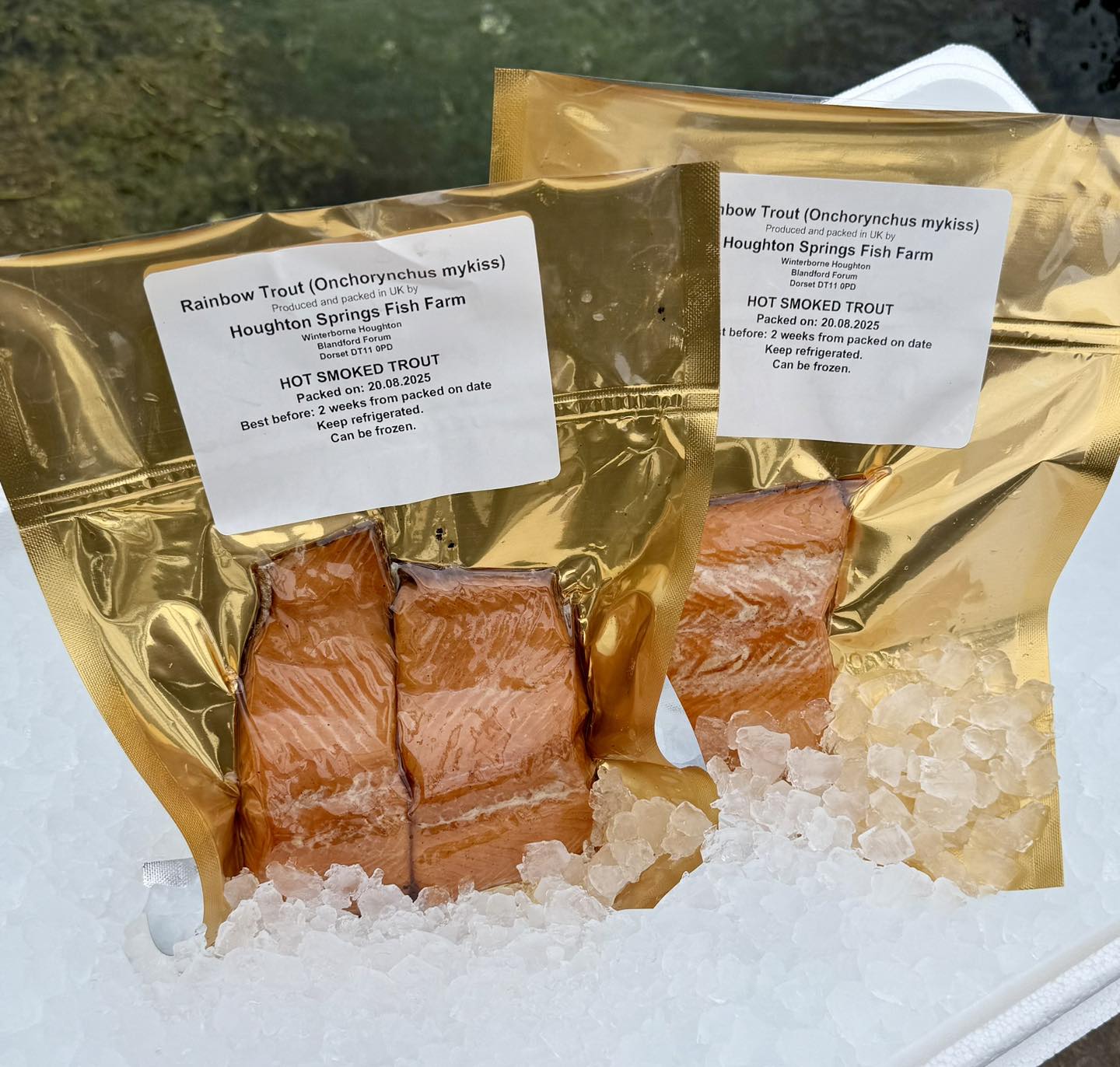
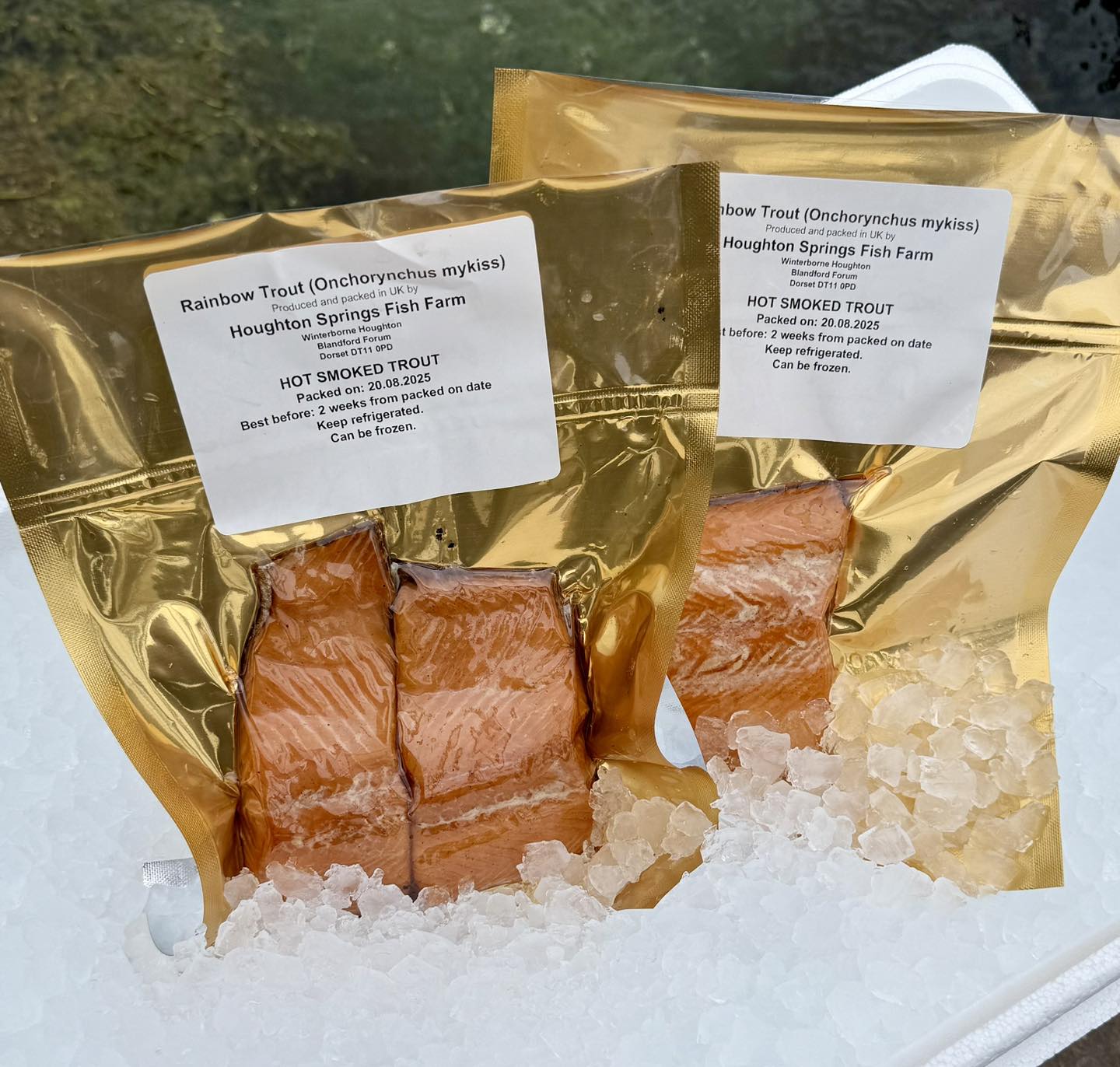
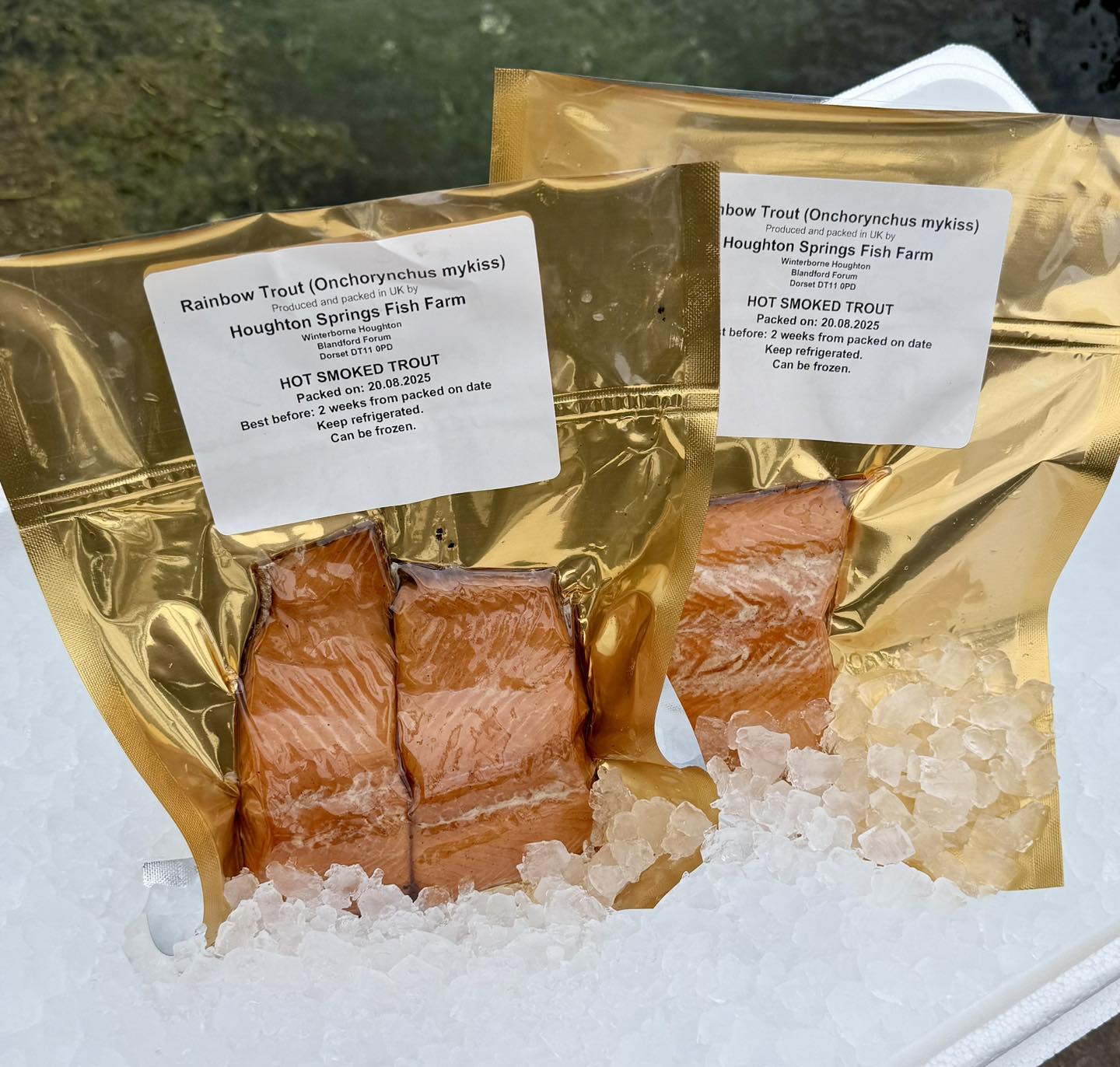
Purchasing from local farms, like ours at Houghton Springs Trout Farm, ensures that you receive fish adapted to the local environment, which can enhance growth rates and overall health.
For more information about our fish and how we can support your farming journey, you can explore our offerings here: Our Fish.
Conclusion
Understanding the cost of raising rainbow trout is essential for planning a successful fish farming operation. From initial infrastructure investments to ongoing operational costs, being well-informed can help you manage your resources effectively. By implementing cost management strategies and avoiding common mistakes, you can set your trout farm up for success.
If you are considering starting your own trout farm or are already in the business, remember that sourcing quality fish from a reputable supplier is a key component of your success. At Houghton Springs Trout Farm, we offer high-quality rainbow trout that can help you achieve your farming goals. Reach out to us today for more information.