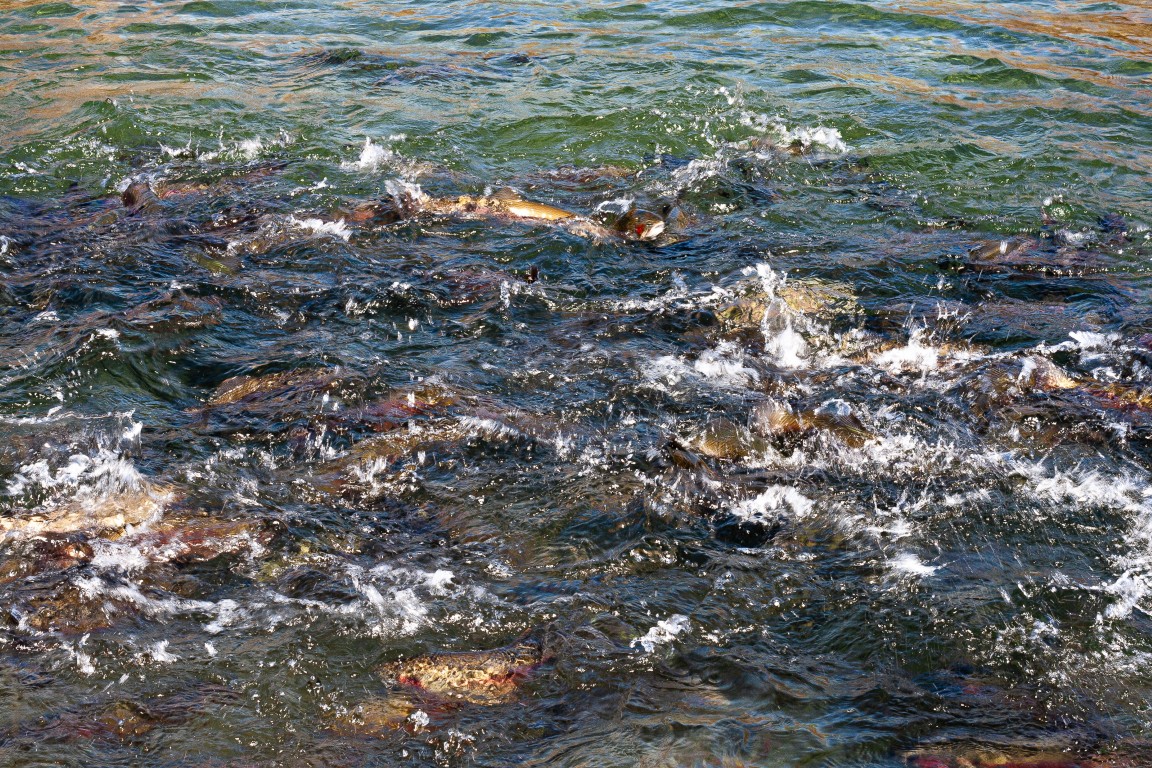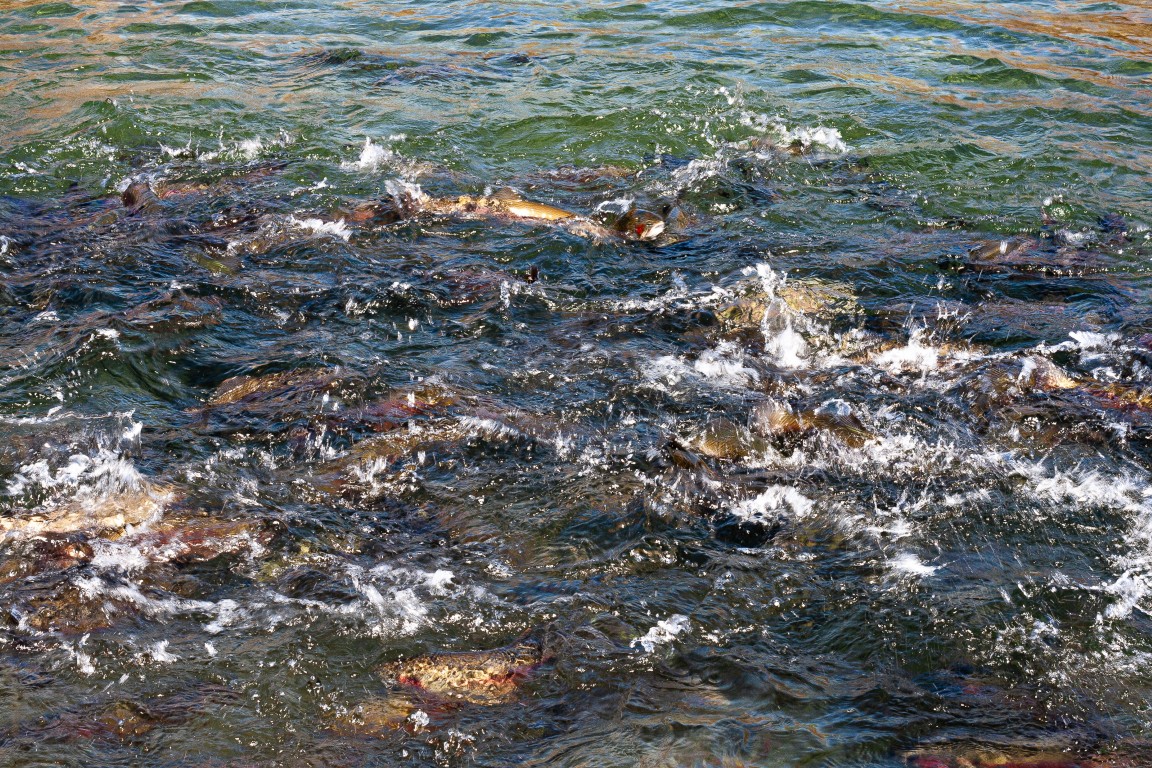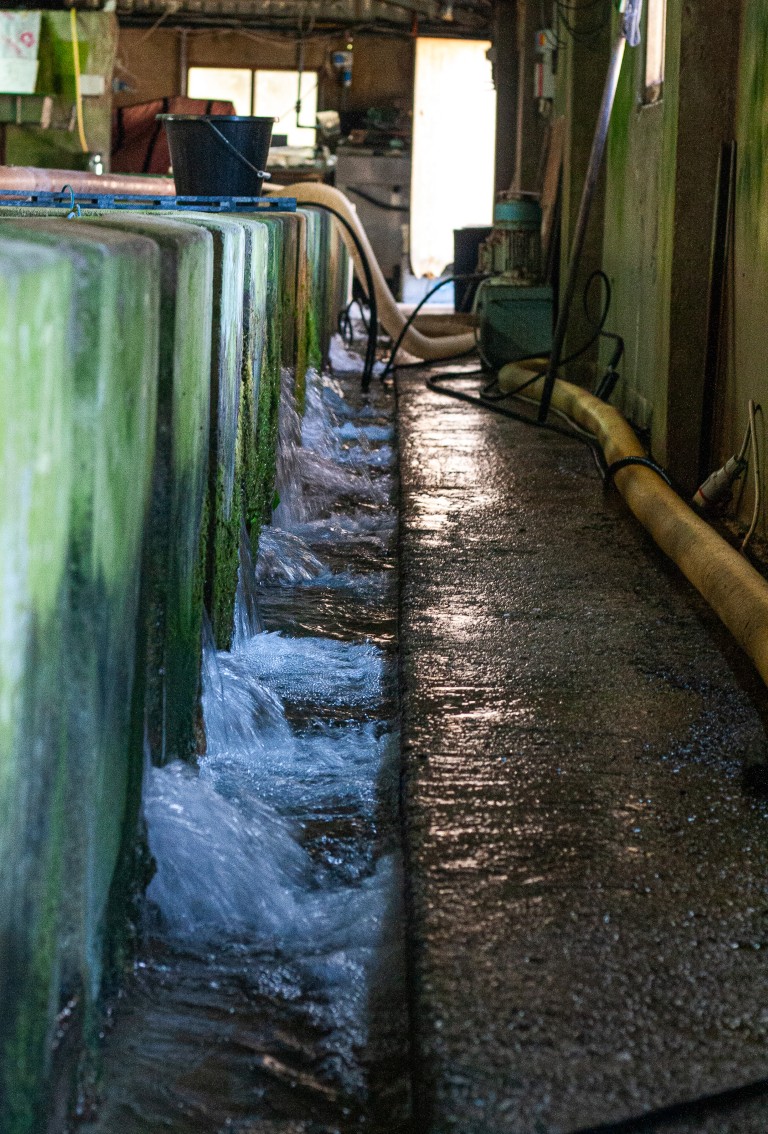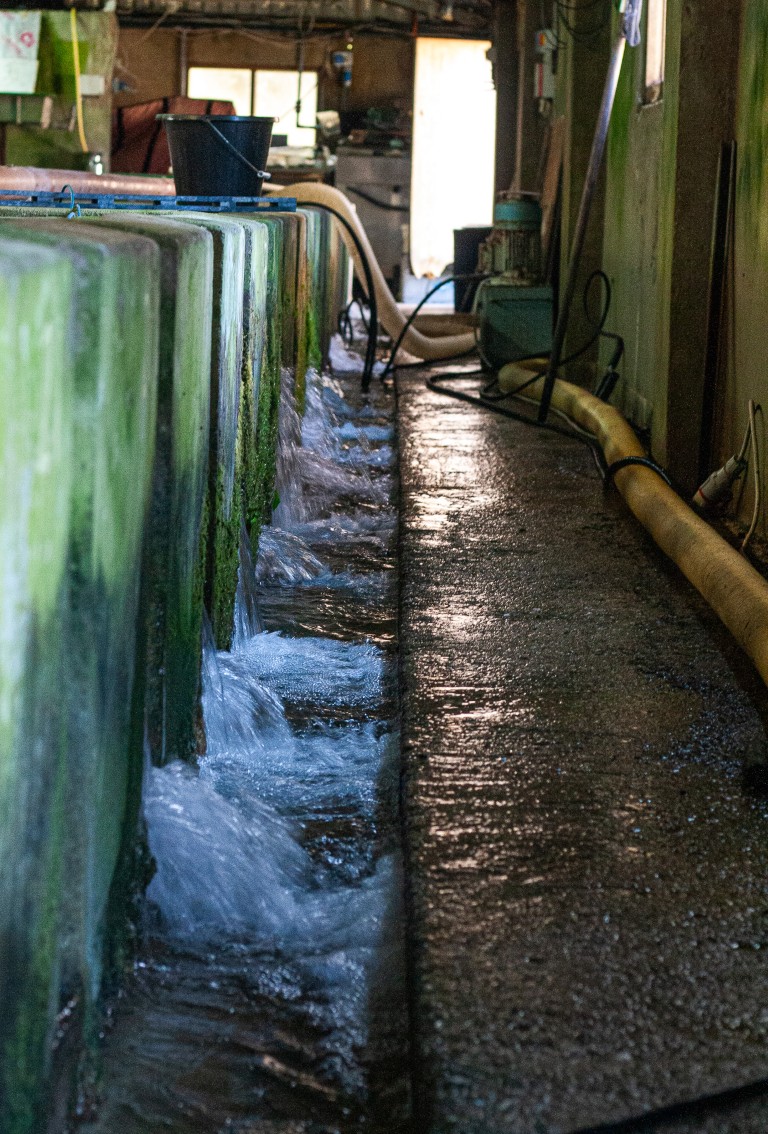
Selecting the appropriate feed for your trout can significantly impact the health, growth, and overall success of your farm. With numerous options available, many small businesses in the aquaculture industry face the challenge of making informed decisions about what to feed their fish. A poor choice can lead to slower growth rates, increased disease susceptibility, and higher feed costs, ultimately affecting profitability.
In this guide, we will explore the key factors to consider when selecting trout feed, the types of feed available, and the best practices to implement for optimal results.
Understanding Trout Nutritional Needs
Trout are carnivorous fish, which means their diet should primarily consist of protein sources. Proper nutrition is essential for growth, reproduction, and the overall health of your stock. Here are the primary nutrients necessary for trout:
- Proteins: Essential for growth and development; trout require a diet rich in high-quality protein sources.
- Lipids: Important for energy; essential fatty acids should be included in the feed.
- Vitamins and Minerals: Necessary for metabolic processes and general health.
Types of Trout Feed
When selecting feed for your trout, you will encounter several types, each with its own benefits and drawbacks:
1. Commercial Pellets
- Description: These are manufactured feeds that come in various sizes and formulations.
- Advantages:
- Convenient and consistent in quality.
- Available in floating or sinking varieties.
- Disadvantages:
- May contain fillers that do not contribute to fish health.
2. Natural Feeds
- Description: This includes live or frozen food such as insects, worms, and small fish.
- Advantages:
- Provides a more natural diet, which can enhance growth and health.
- Disadvantages:
- More labour-intensive to source and can be inconsistent in availability.
3. Homemade Feeds
- Description: Custom blends of various ingredients tailored specifically for your farm’s needs.
- Advantages:
- Can be formulated to meet specific nutritional requirements.
- Disadvantages:
- Requires knowledge and expertise to balance nutrients correctly.
Factors to Consider When Choosing Trout Feed
When selecting the right feed, consider the following key factors:
1. Life Stage of the Trout
Different life stages require different nutritional focuses. Fry, fingerlings, and adults all have unique dietary needs.
- Fry: High protein content (45-60%).
- Fingerlings: Balanced diet with both protein and lipids.
- Adults: Lower protein (around 30-40%) and higher energy content.
2. Water Temperature
Water temperature significantly affects fish metabolism and feed efficiency. When the water is warmer, trout will eat more and require more energy-dense feed.
3. Feed Conversion Ratio (FCR)
FCR is a critical metric that measures the efficiency of feed usage. A lower FCR indicates better feed efficiency, which should be a goal for your farm.
- Ideal FCR for Trout: Aim for an FCR of 1.2 to 1.6 for optimal growth.
4. Cost and Availability
Always consider the cost of feed in relation to your budget and ensure that the feed is readily available to avoid interruptions in your feeding regimen.
Common Mistakes to Avoid
- Overfeeding: This leads to waste and poor water quality.
- Ignoring Water Quality: Poor water quality can negate the benefits of high-quality feed.
- Neglecting to Adjust Feed Based on Growth: As trout grow, their dietary needs change, so adjust the feed accordingly.
Best Practices for Feeding Trout
- Regular Feeding Schedule: Establish a consistent feeding routine to maximise growth and health.
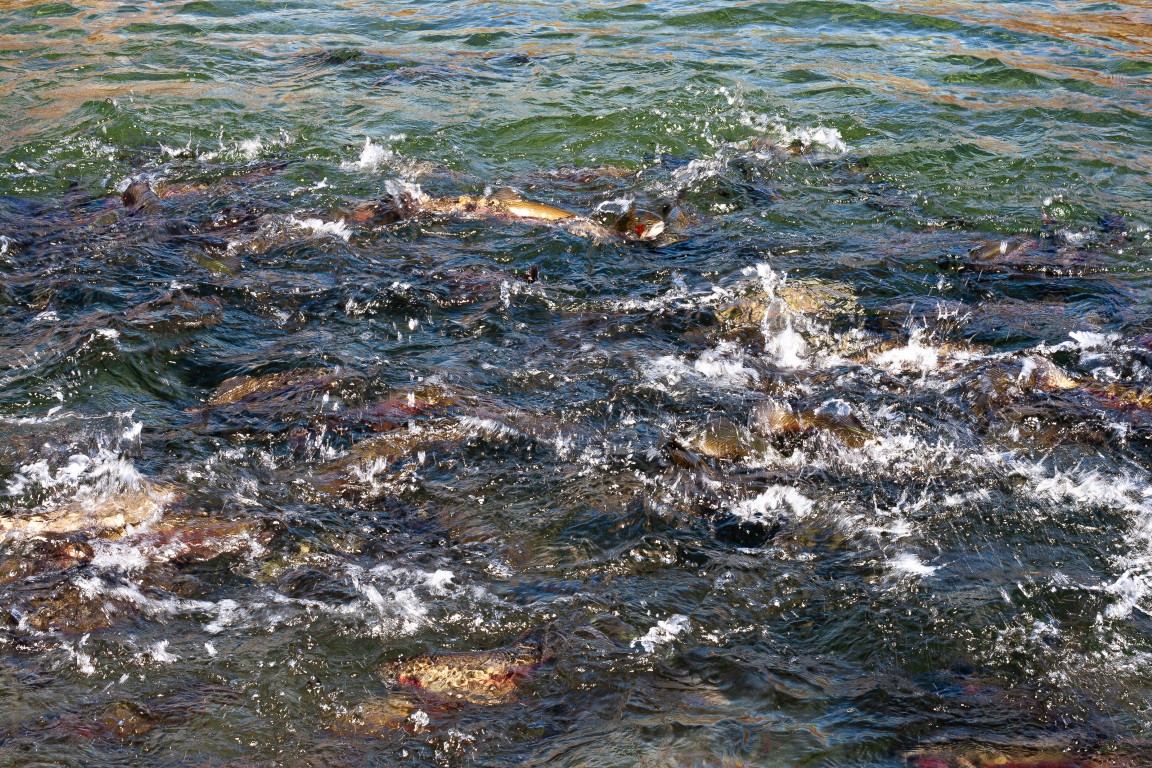
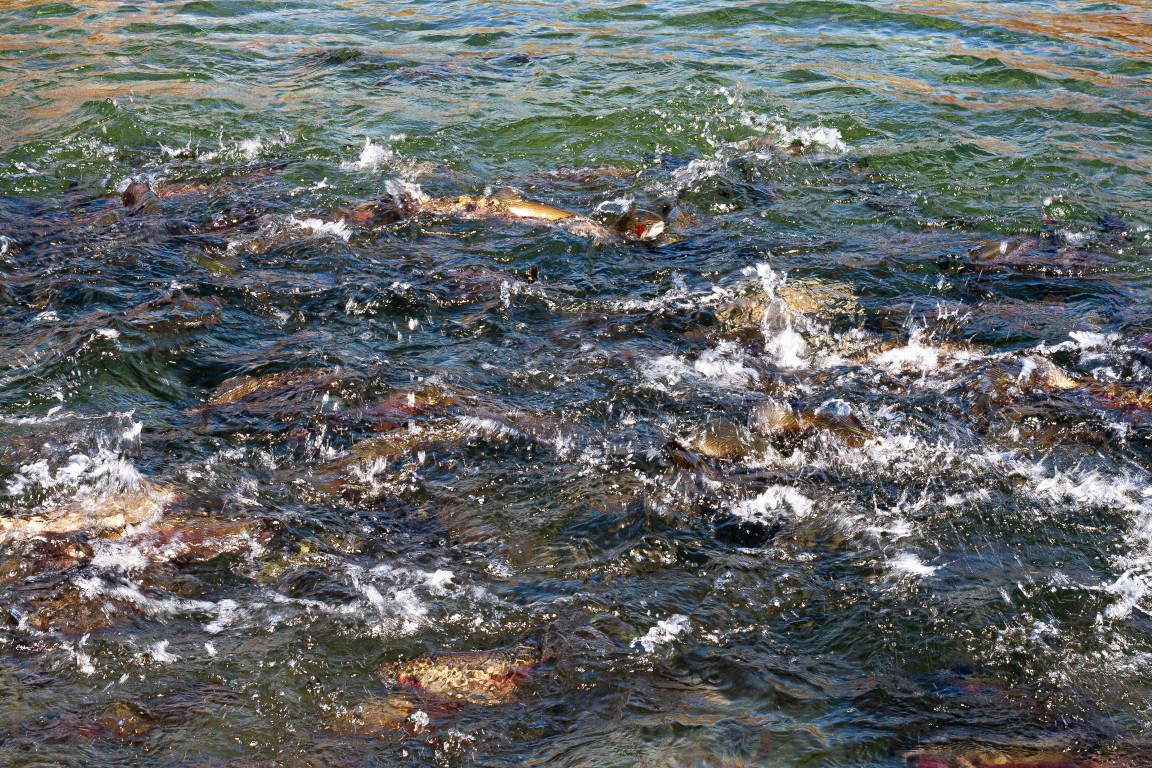
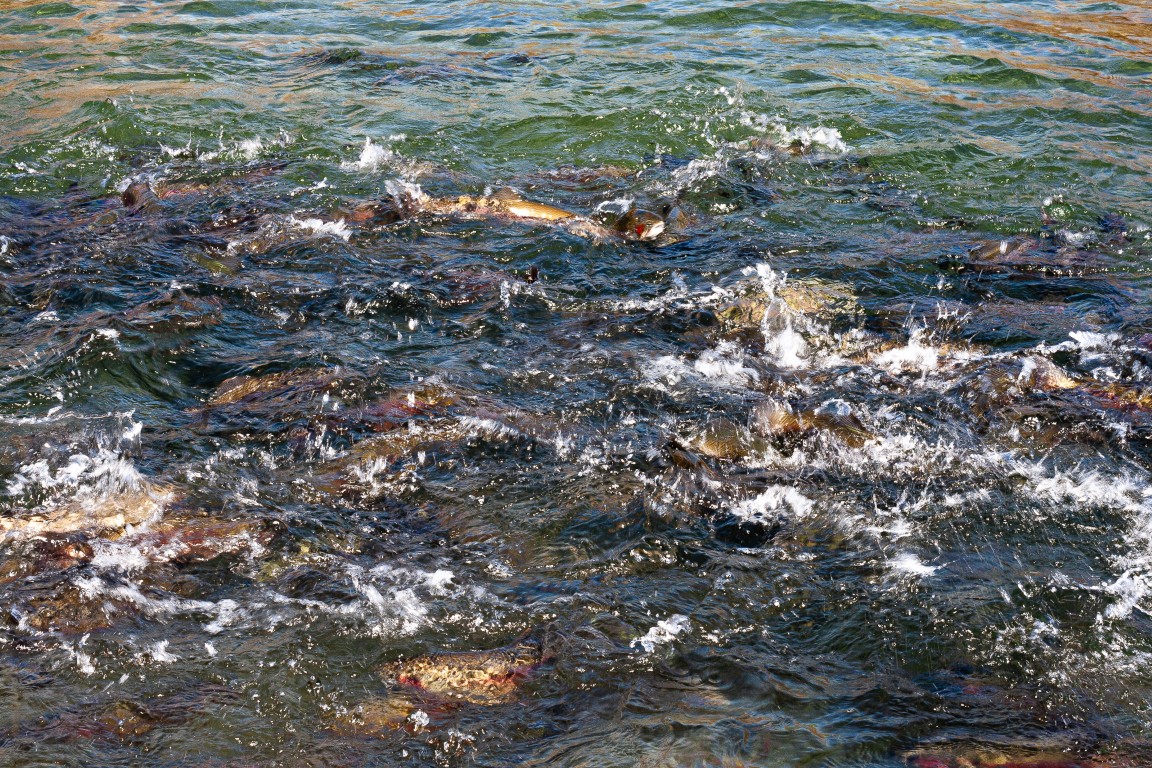
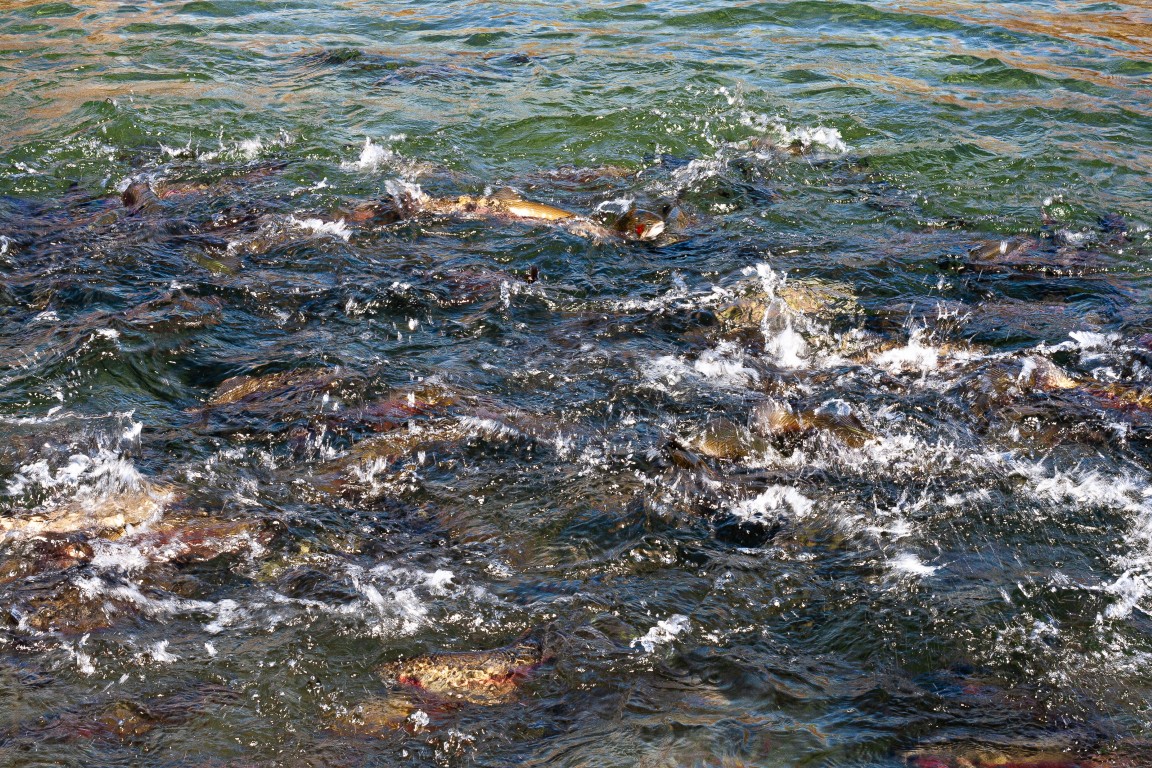
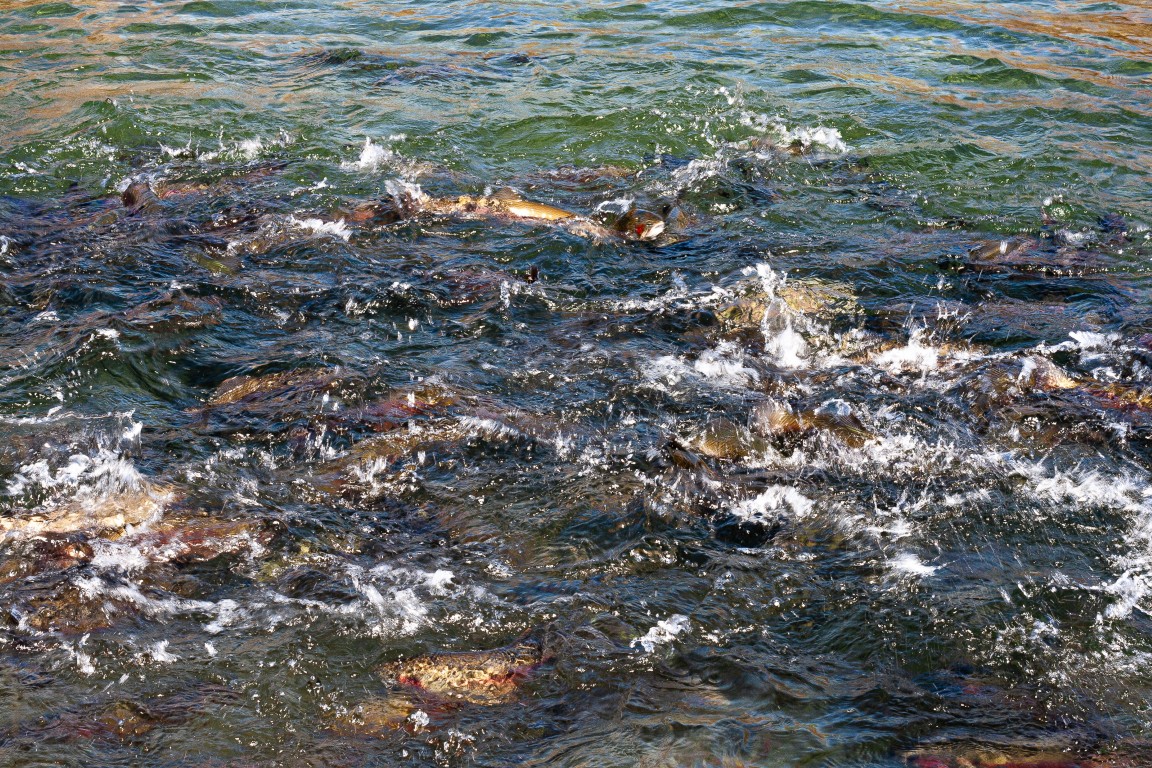
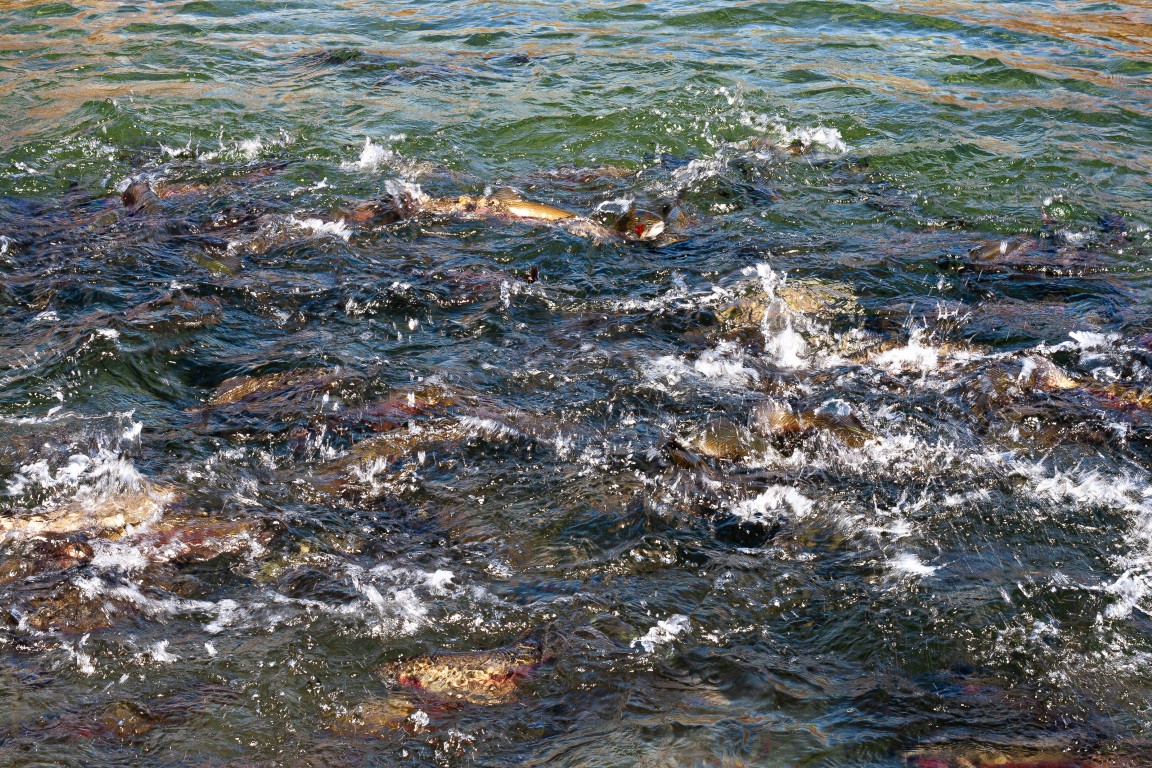
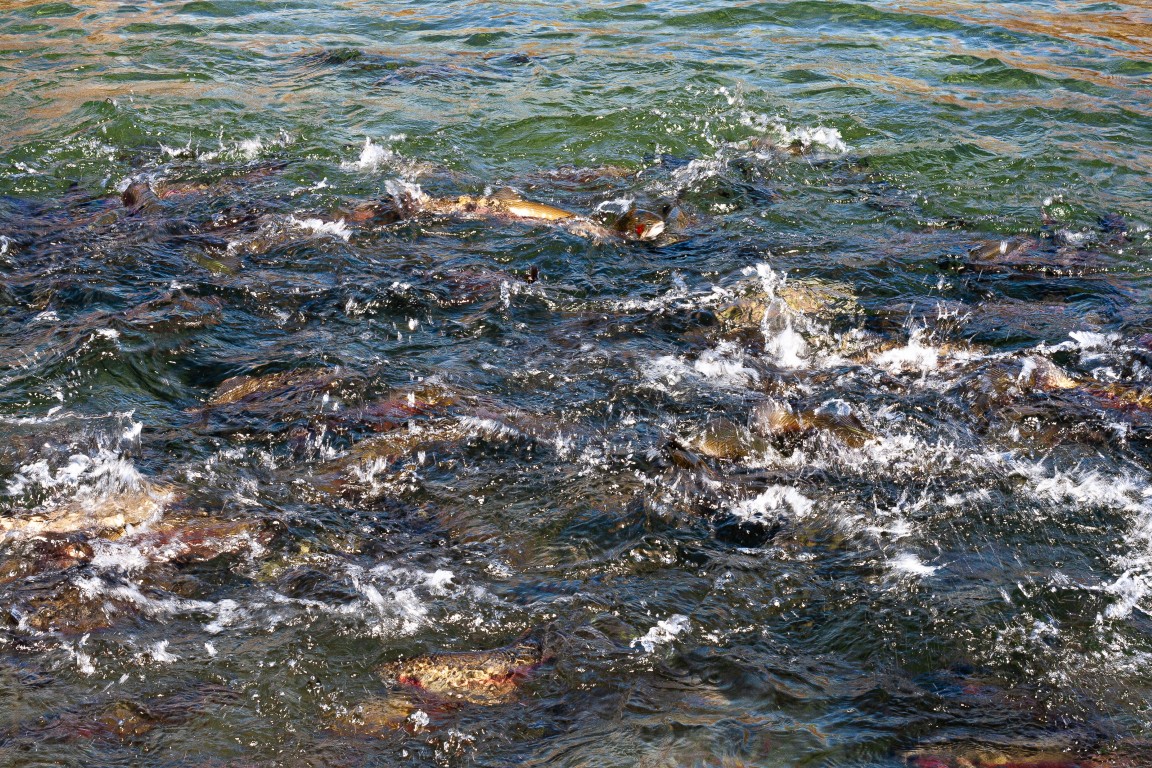
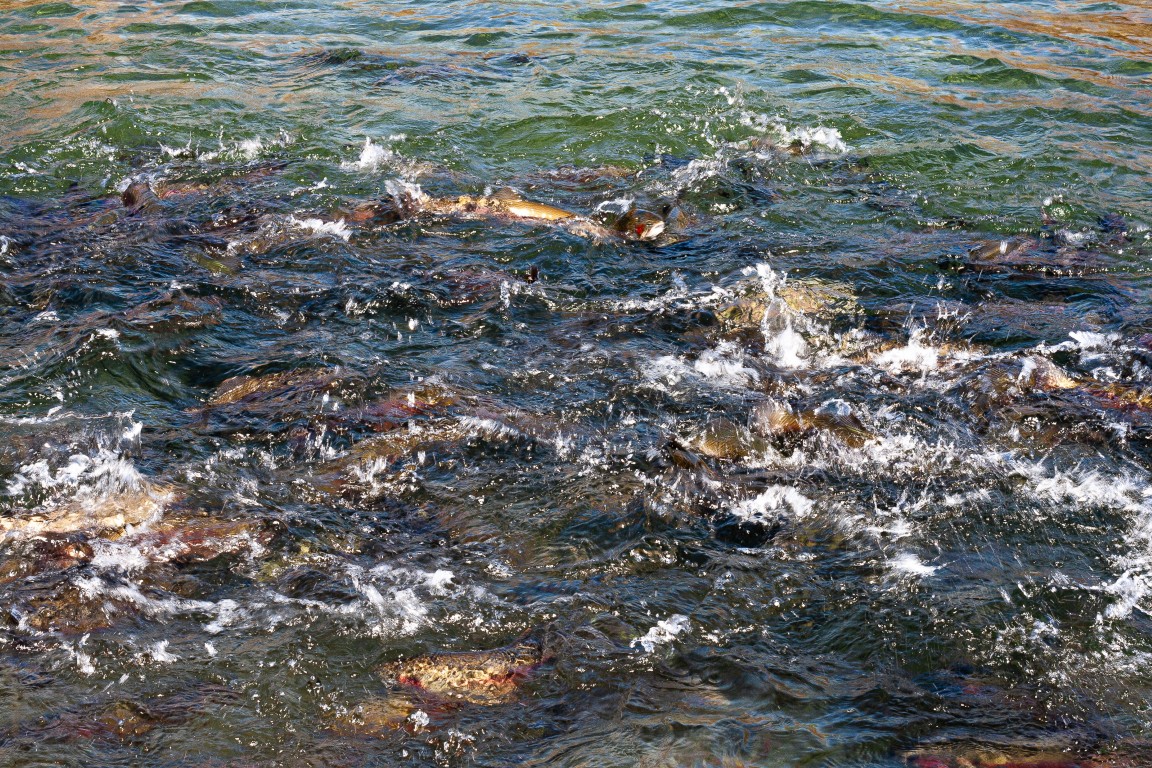
- Monitor Feed Behaviour: Observe how trout respond to feed. This can help you adjust quantities and types of feed effectively.
- Test Feed Quality: Regularly check the nutritional content and freshness of your feed.
How to Choose a Feed Supplier
Selecting the right supplier is just as crucial as choosing the right feed. Here are some tips:
- Check for Certifications: Ensure your supplier meets regulatory standards for fish feed production.
- Ask for Nutritional Information: Request detailed analysis reports of the feed.
- Inquire About Sourcing Practices: Understand where and how the feed ingredients are sourced.
Next Steps for Your Trout Farm
- Evaluate Your Current Feeding Practices: Take stock of how your current feed is performing.
- Research Feed Options: Look into various suppliers and types of feed that meet your farm’s needs.
- Consult with Experts: Reach out to aquaculture professionals for tailored advice.
By investing time and effort into choosing the right feed for your trout, you can enhance the health and productivity of your fish, ultimately leading to a more successful and sustainable business. For further insights into enhancing your trout farming operation, consider reading about water quality management and common problems in fish farming.