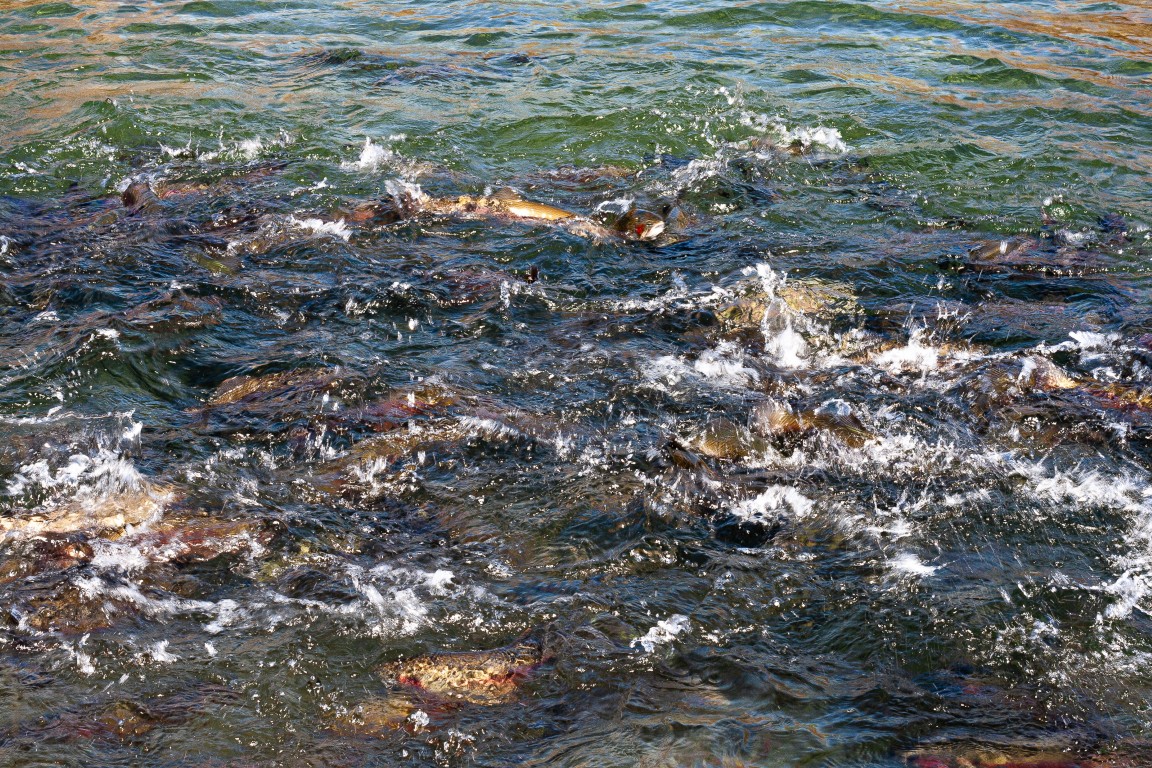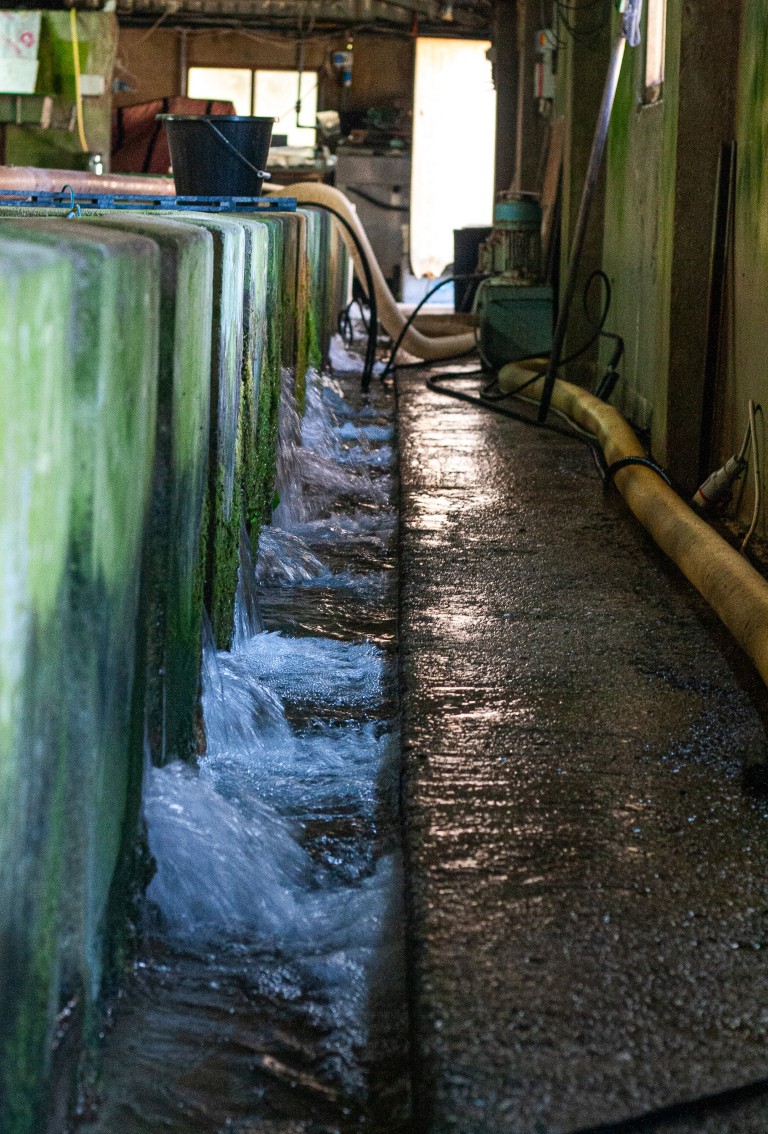
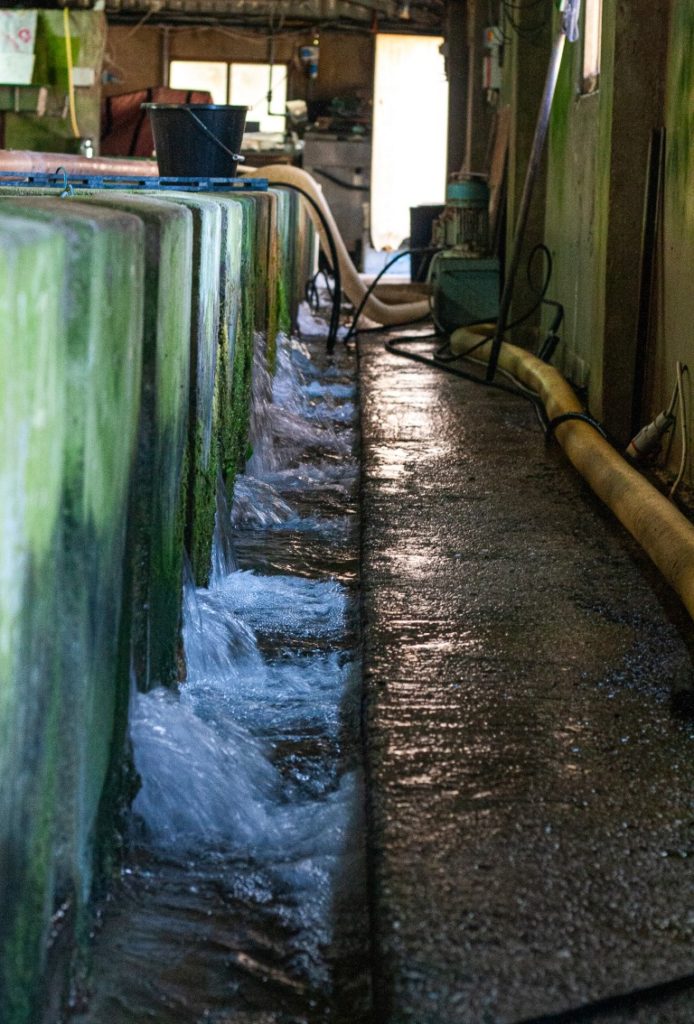
In the rural landscape of Dorset, small businesses like trout farms rely heavily on local suppliers for their day-to-day operations. Whether it’s sourcing feed, maintaining equipment, or ensuring biosecurity measures, the quality and reliability of suppliers can significantly impact your farm’s success. However, finding the right suppliers can be a tricky process, fraught with pitfalls that could jeopardise your operations. This guide aims to provide practical advice on how to build strong relationships with local suppliers, ensuring your trout farming business thrives.
Understanding the Importance of Local Suppliers
Local suppliers offer several advantages that can support the unique needs of a trout farm:
- Freshness and Quality: Local suppliers often provide fresher products, as they are closer to your operational base.
- Faster Response Times: Being nearby can mean quicker delivery times, essential for those unexpected emergencies.
- Community Support: Collaborating with local businesses fosters a sense of community and can enhance your reputation.
- Tailored Solutions: Local suppliers may better understand the specific challenges of trout farming in Dorset and can offer bespoke solutions.
How to Choose the Right Local Suppliers
Selecting the right suppliers is crucial for maintaining your farm’s operations and ensuring the quality of your trout. Here’s a step-by-step approach to choosing the right local suppliers:
Step 1: Identify Your Needs
Determine what products and services are essential for your trout farming operations. This could include:
- Feed: Types of trout feed, including organic options.
- Equipment: Aerators, tanks, and other necessary equipment.
- Health Supplies: Medications and treatments for fish health.
- Transport: Reliable transport for live fish or products.
Step 2: Research Potential Suppliers
Look for suppliers that cater specifically to the aquaculture industry. Resources to consider include:
- Local Directories: Websites or publications that list suppliers in your area.
- Industry Trade Shows: Attend aquaculture events to meet suppliers and ask about their products.
- Recommendations: Speak to other local farmers or business owners for recommendations.
Step 3: Assess Supplier Reliability
Once you have a list of potential suppliers, it’s time to evaluate their reliability. Consider the following criteria:
- Experience and Reputation: How long have they been in business? What do other customers say about them?
- Quality of Products: Request samples or references to assess product quality.
- Delivery Times: Can they meet your delivery expectations?
- Customer Service: Assess their responsiveness and willingness to assist.
Step 4: Build Relationships
Once you’ve selected suppliers, focus on building strong relationships. Here are some tips:
- Open Communication: Maintain regular contact to discuss needs and expectations.
- Feedback: Provide constructive feedback on their products and services.
- Mutual Benefits: Look for ways to create win-win situations, such as bulk purchasing discounts or long-term contracts.
Common Mistakes to Avoid
When working with local suppliers, there are several common pitfalls to avoid:
- Relying on One Supplier: Diversify your supplier base to mitigate risks associated with supply chain disruptions.
- Neglecting Contracts: Always have a written agreement outlining terms, conditions, and expectations.
- Ignoring Quality Checks: Regularly assess the quality of supplied products to ensure they meet your standards.
- Lack of Communication: Keep the lines of communication open to address issues promptly.
Checklist for Choosing Local Suppliers
When evaluating potential suppliers, use this checklist to ensure you cover all bases:
- [ ] Have you identified your specific needs?
- [ ] Have you conducted thorough research on potential suppliers?
- [ ] Do you know their experience and reputation within the fish farming community?
- [ ] Are you satisfied with the quality of their products?
- [ ] Can they meet your delivery and service expectations?
- [ ] Have you established a clear line of communication?
Conclusion
Building strong relationships with local suppliers is vital for the success of your trout farming business. By taking the time to choose the right suppliers and fostering open communication, you can enhance your farm’s efficiency and ensure the quality of your products. Remember, your suppliers are not just vendors; they are partners in your success.
For more insights on improving your trout farming operations, consider exploring our article on common problems in fish farming and how to tackle them effectively.