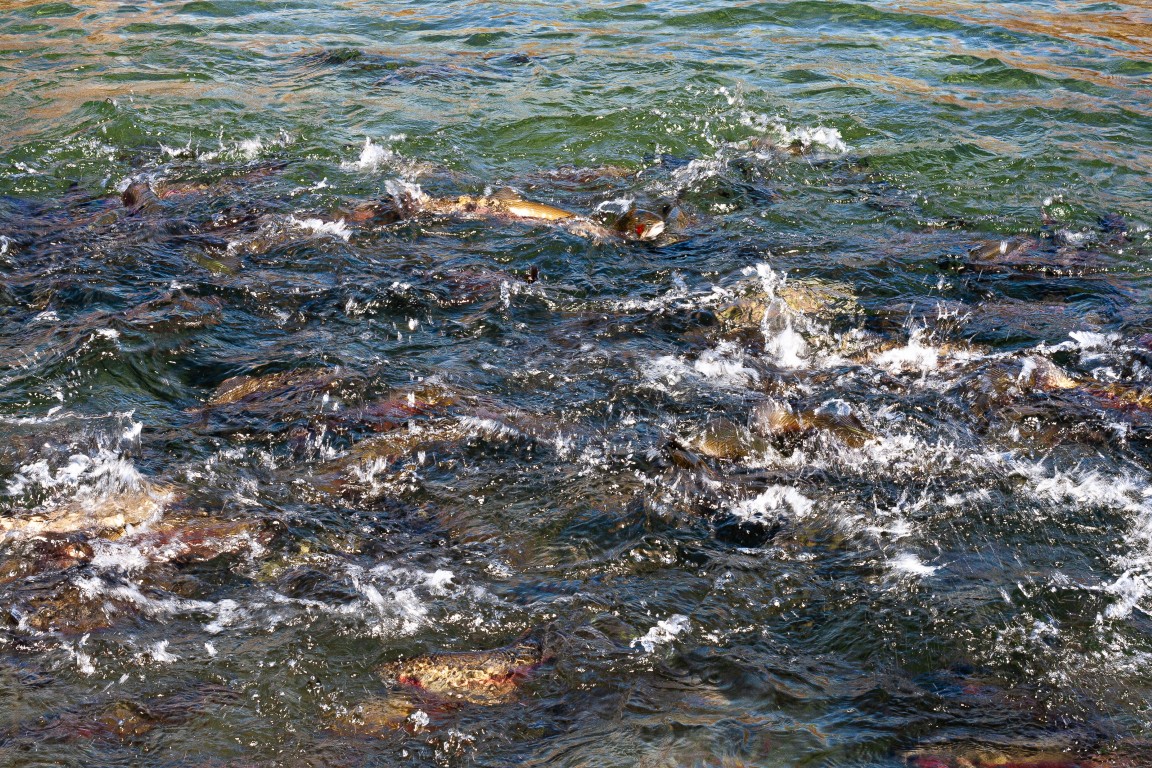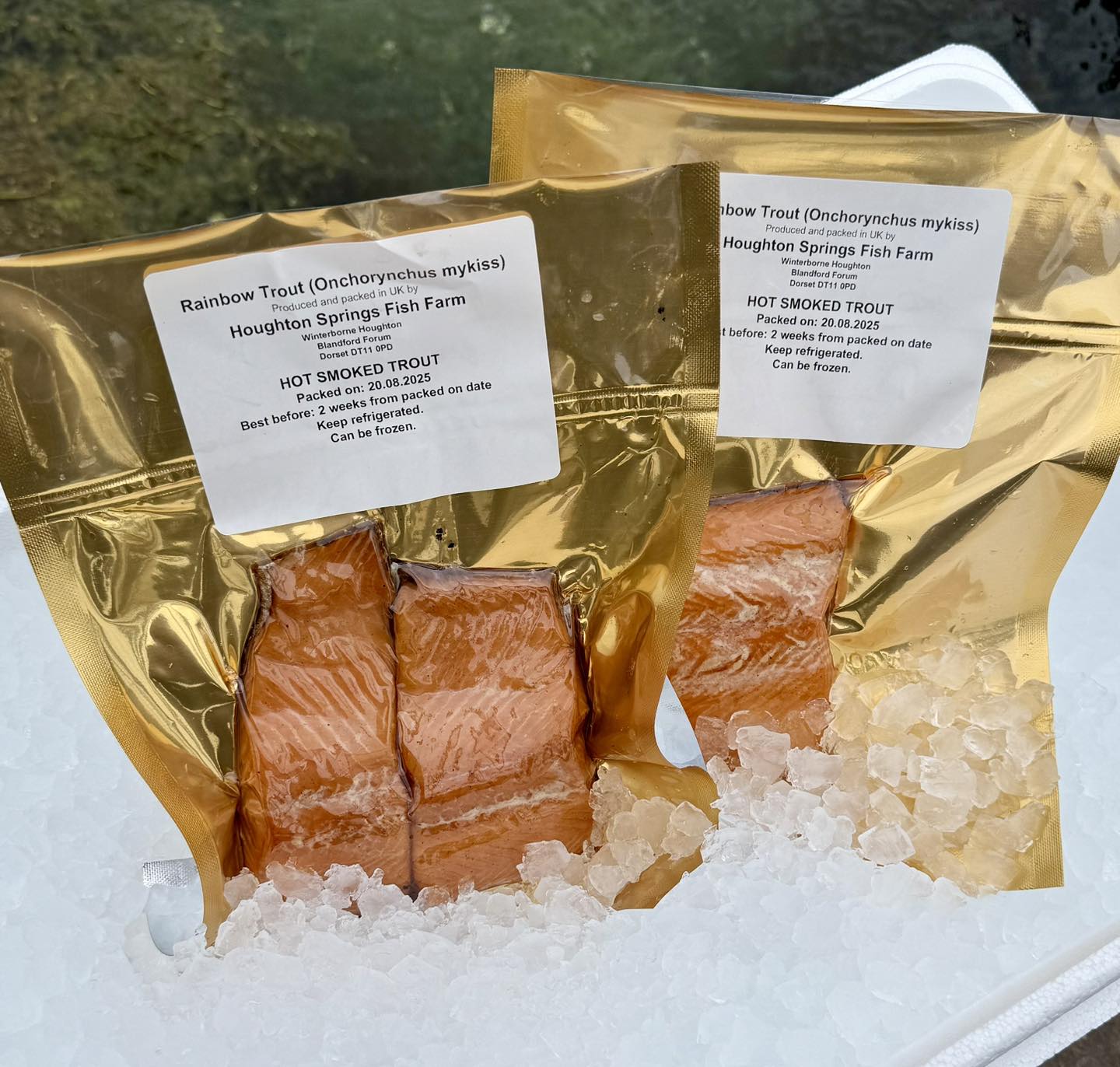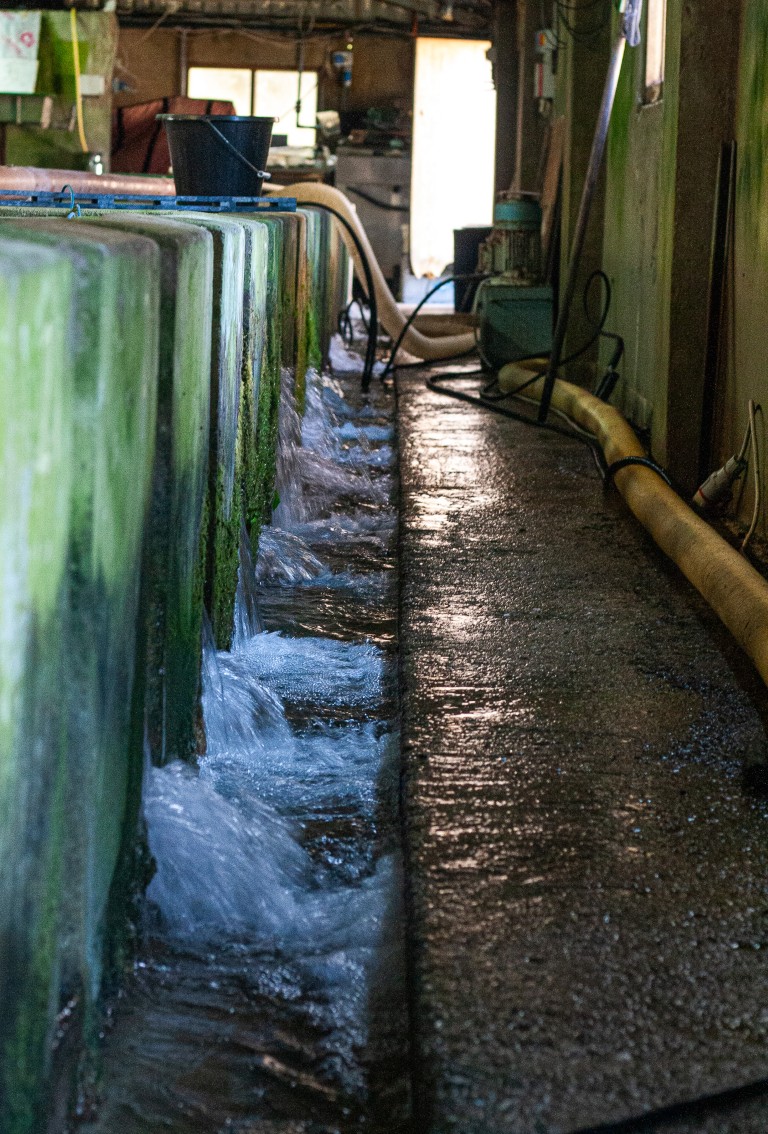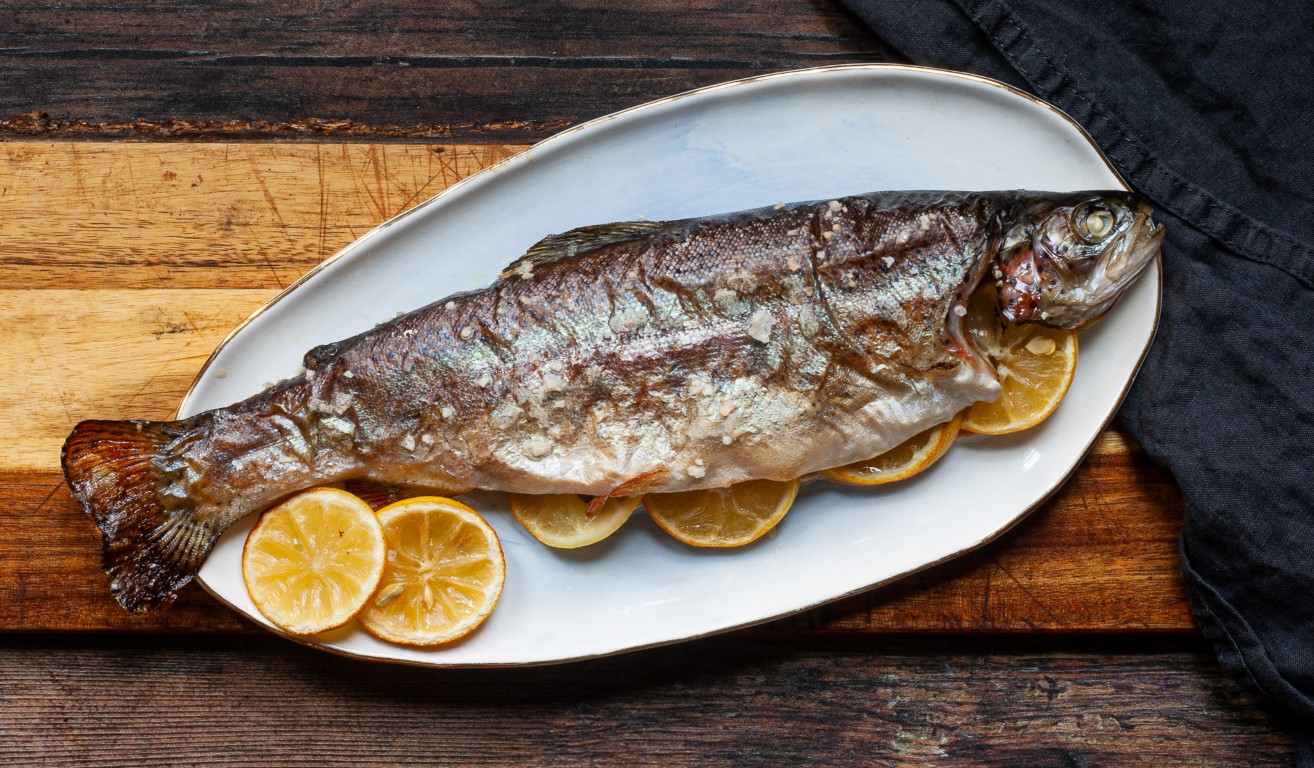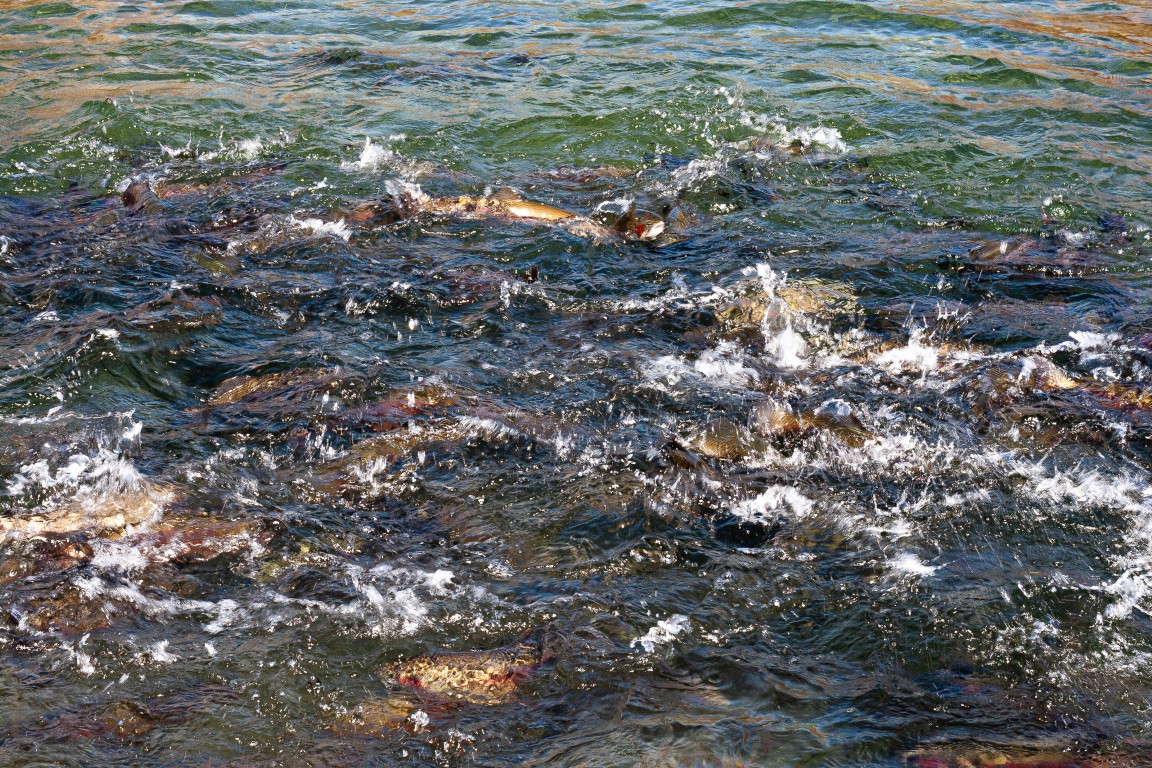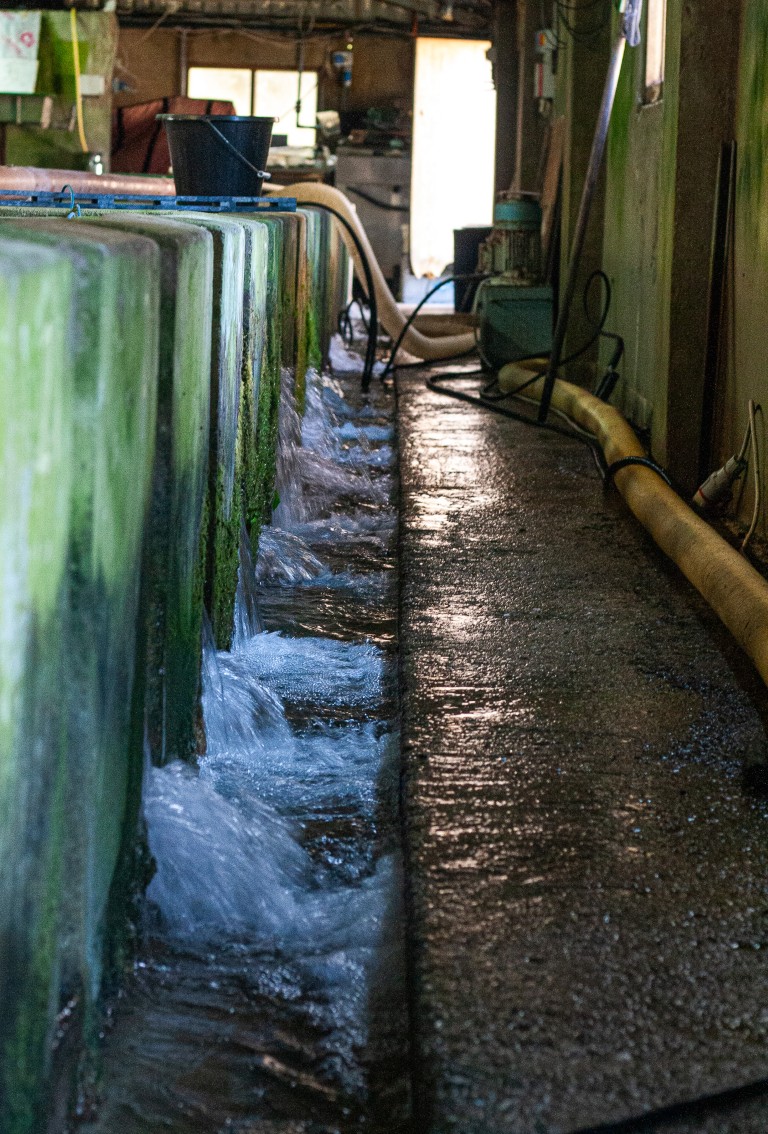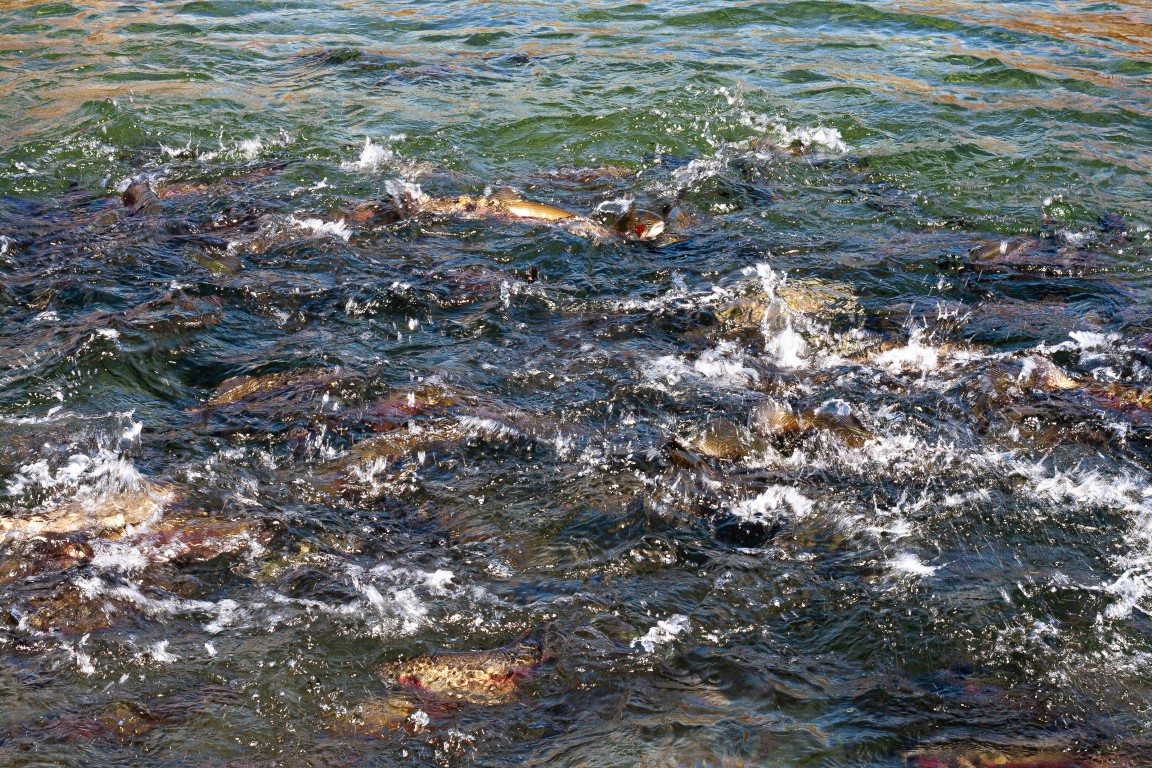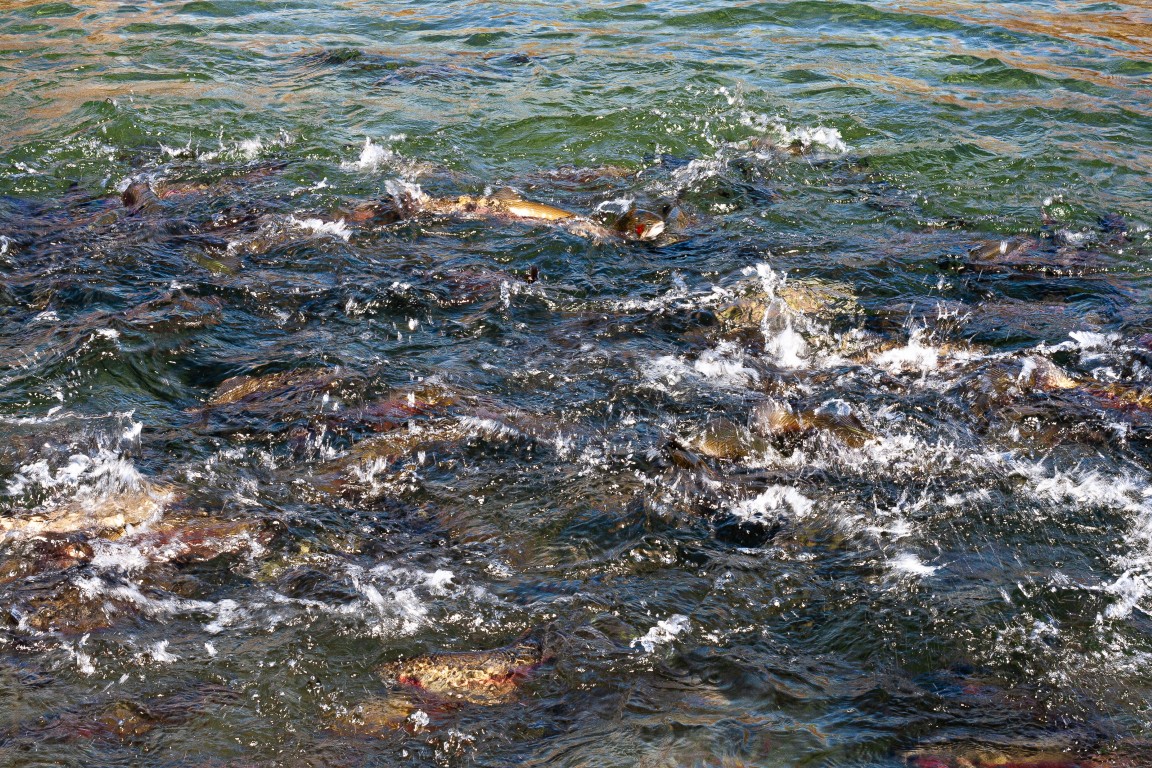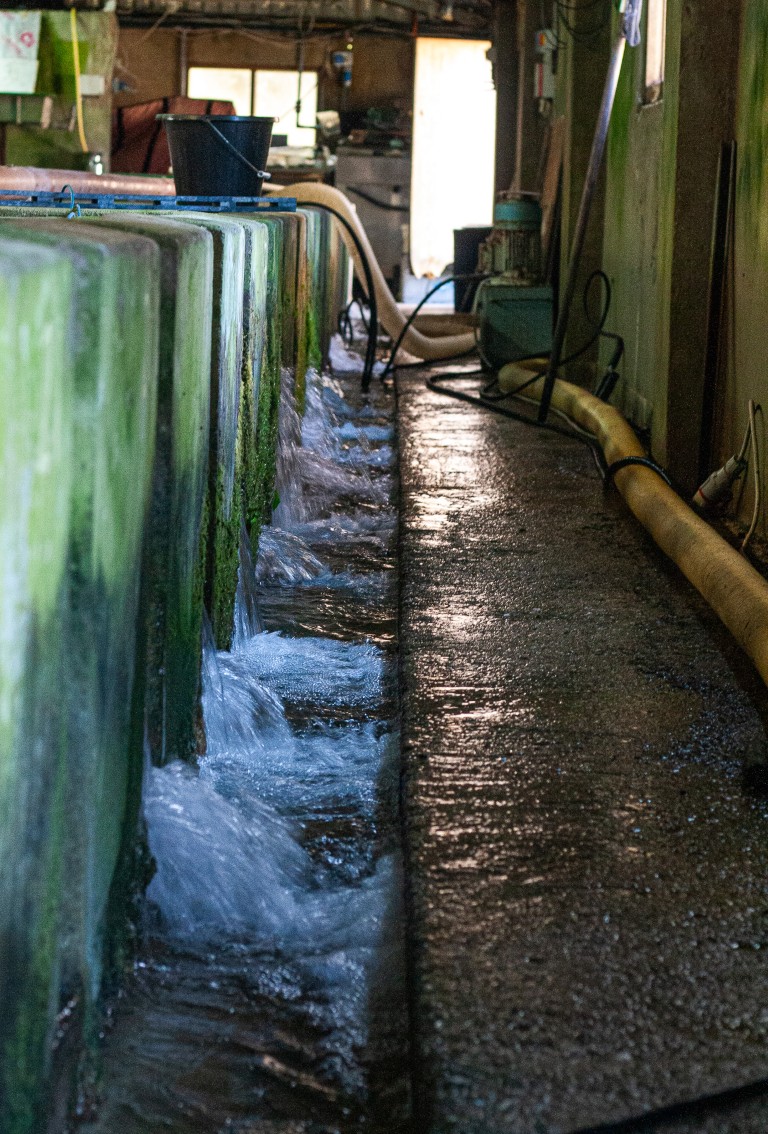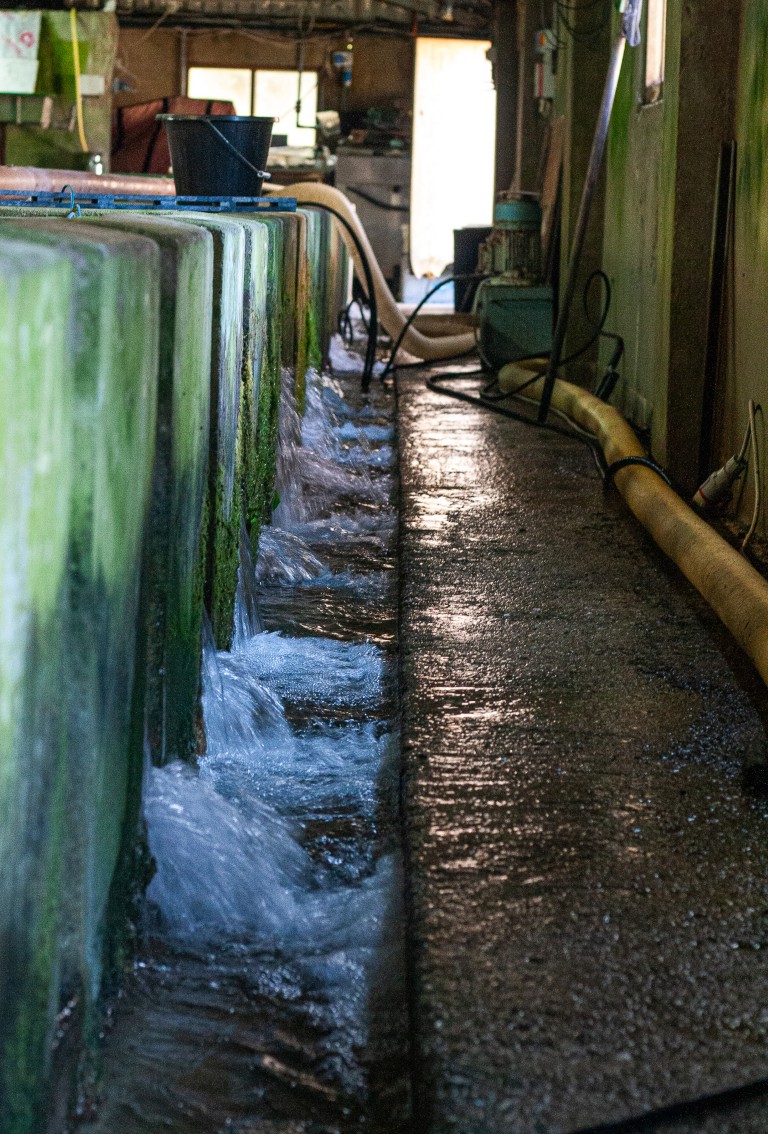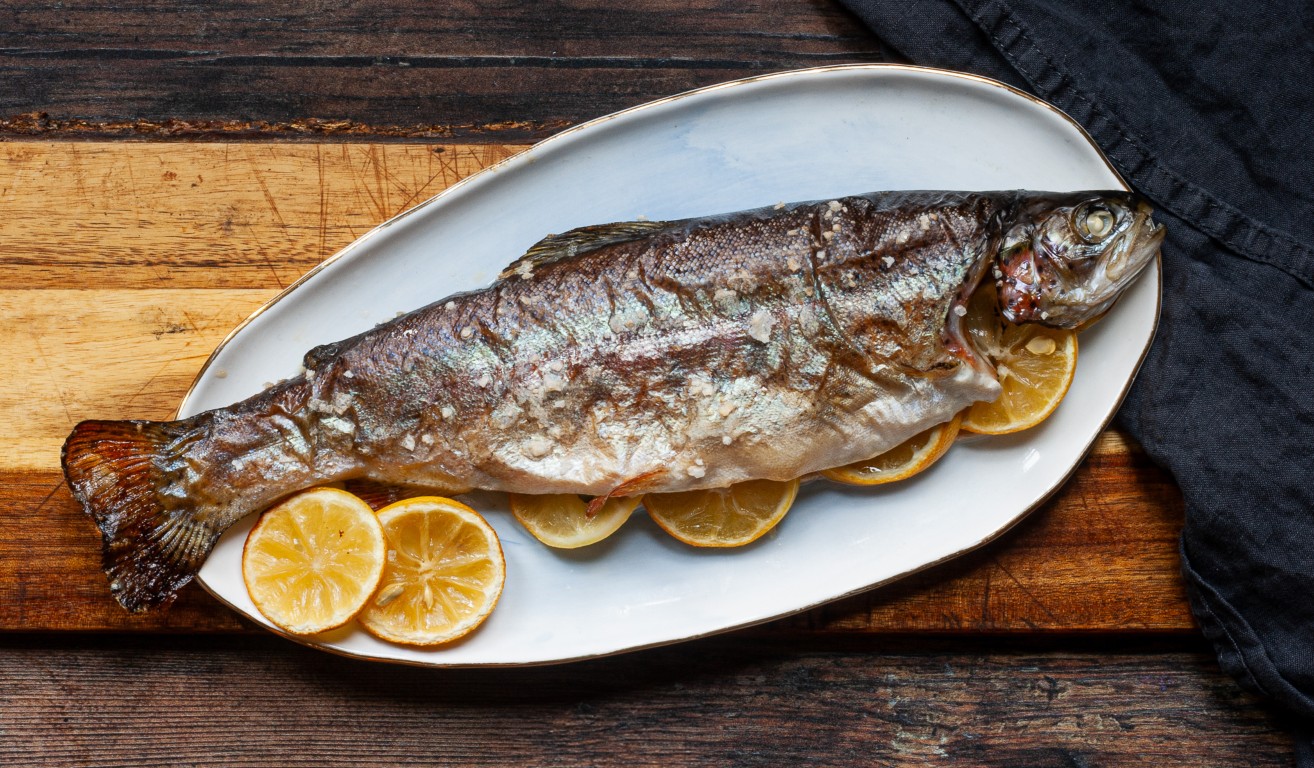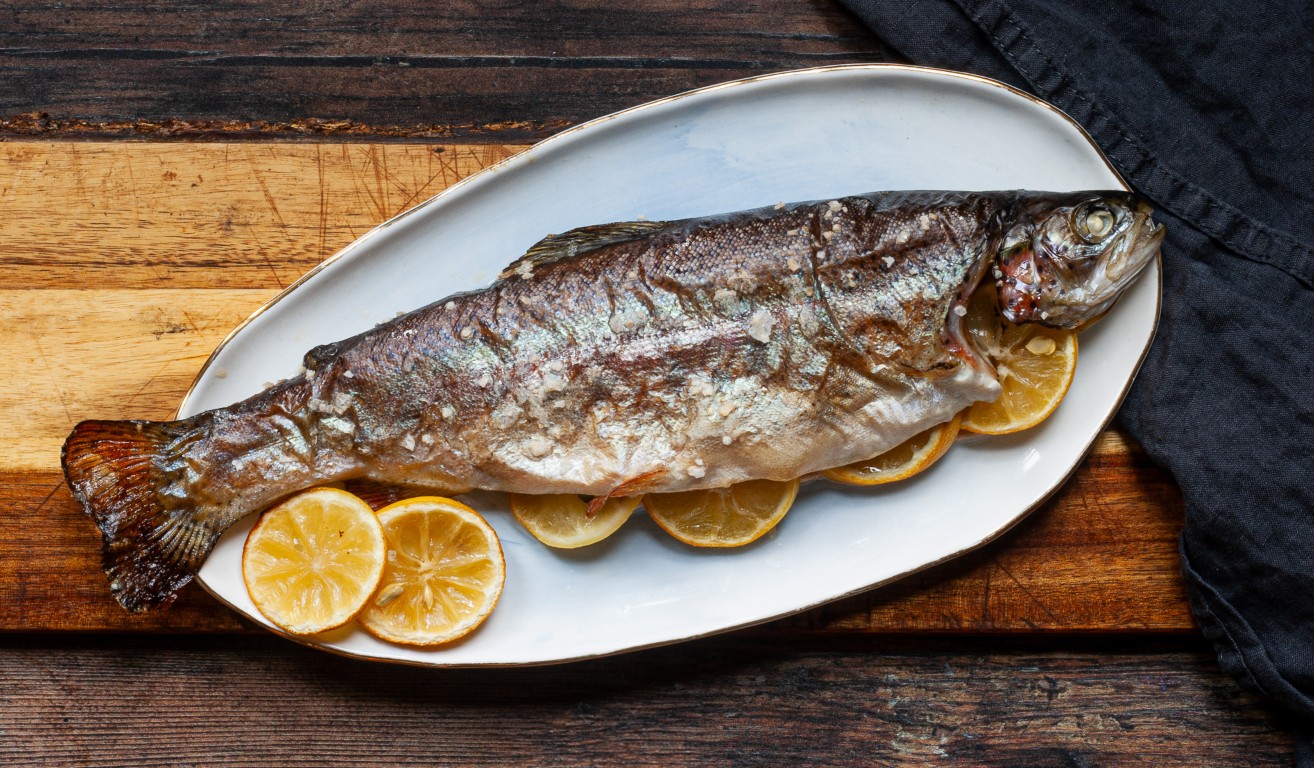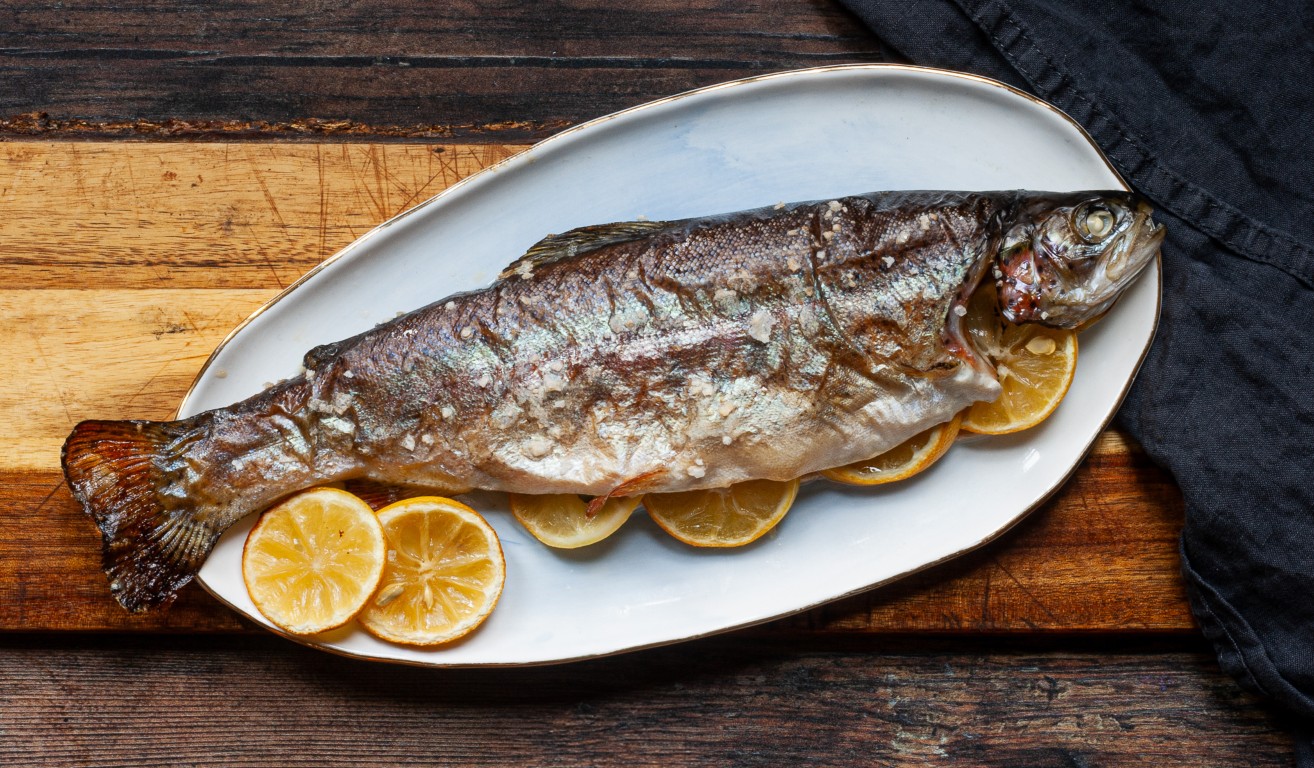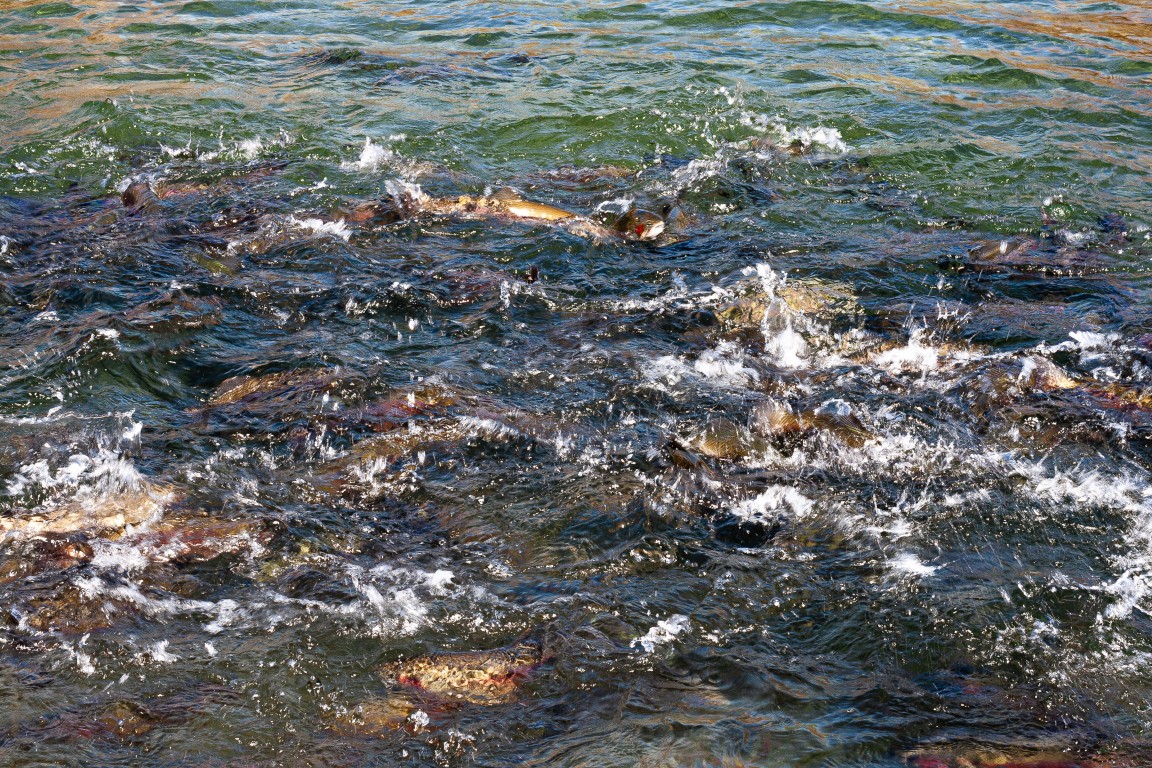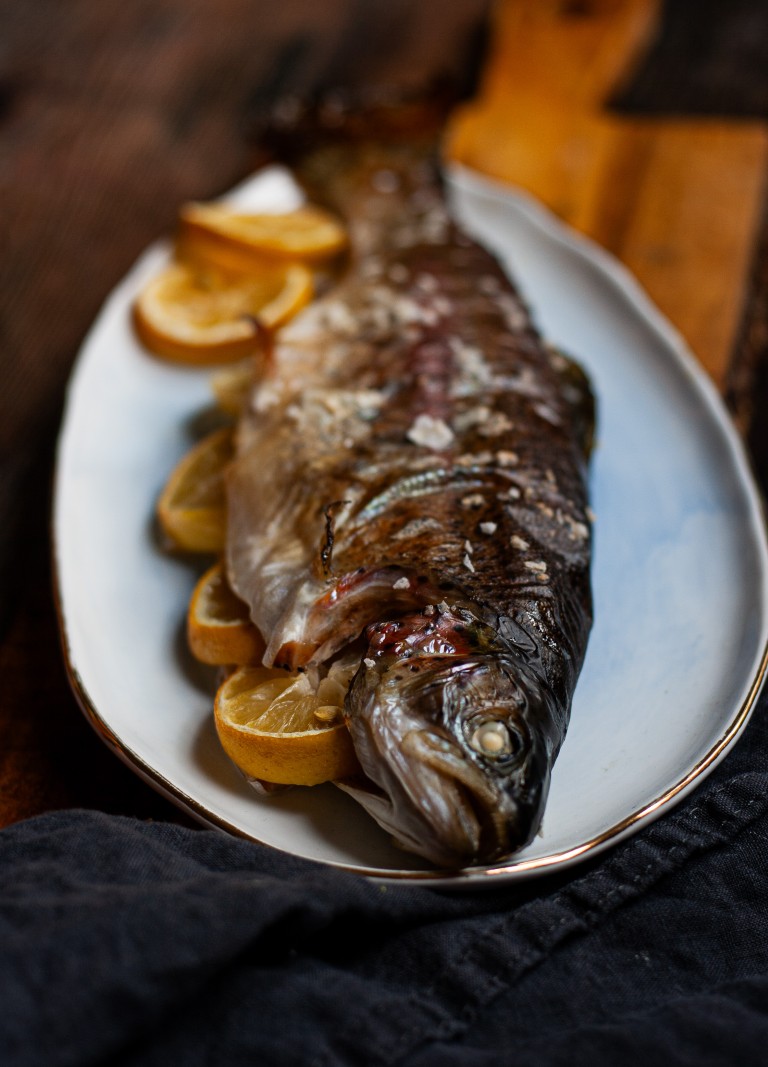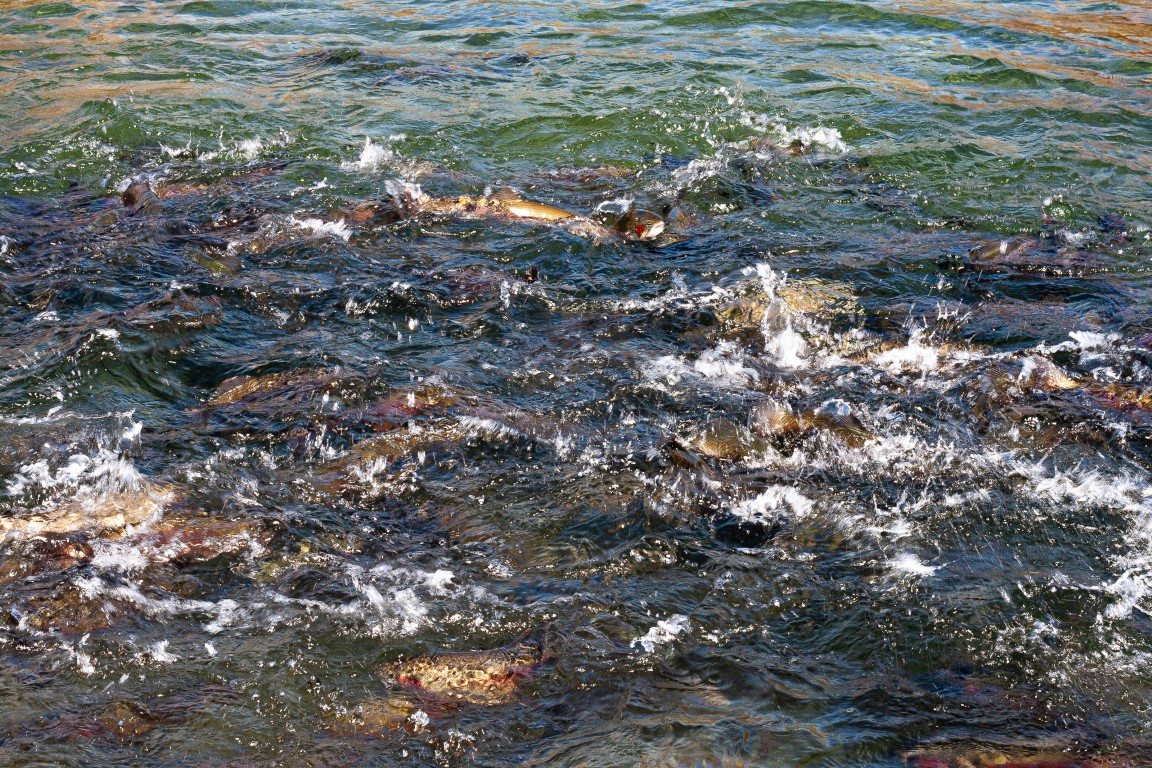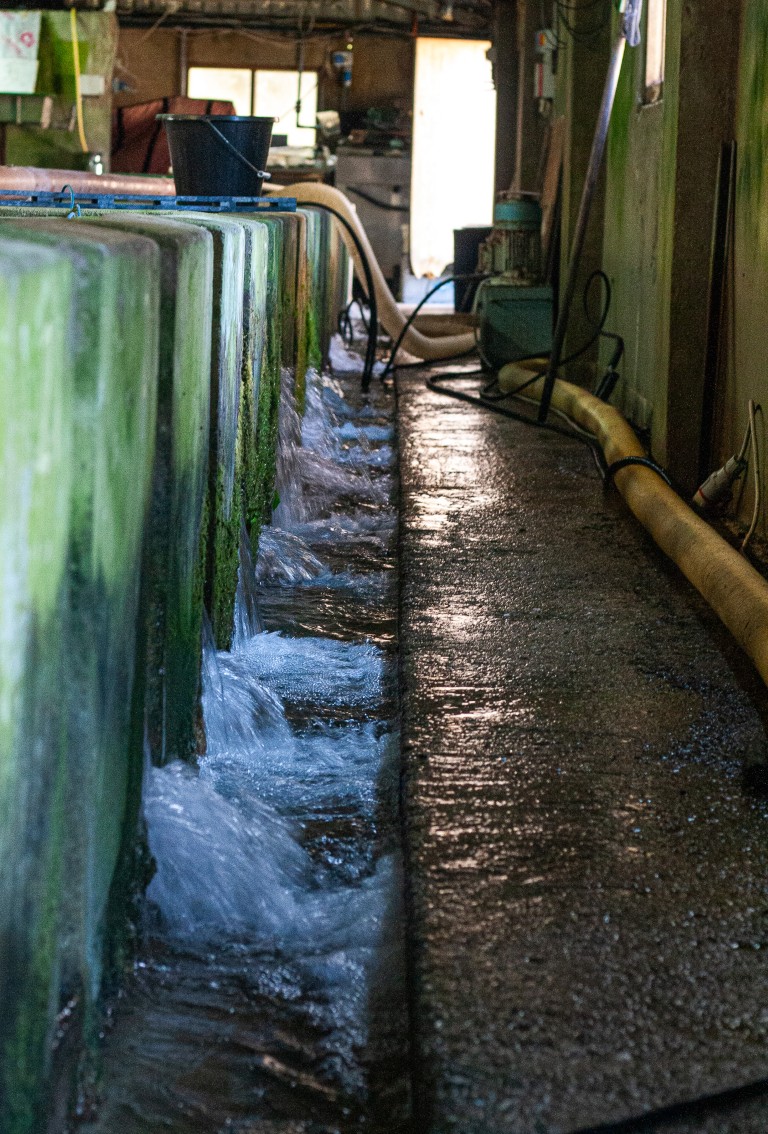
Selecting the right trout species for your farm is crucial for ensuring optimal growth, sustainability, and profitability. With a variety of species available, each with its own unique requirements and market demands, making the right choice can be a daunting task. This guide aims to simplify the decision-making process by providing insights into key factors to consider when choosing the right trout species for your farm.
Understanding Trout Species
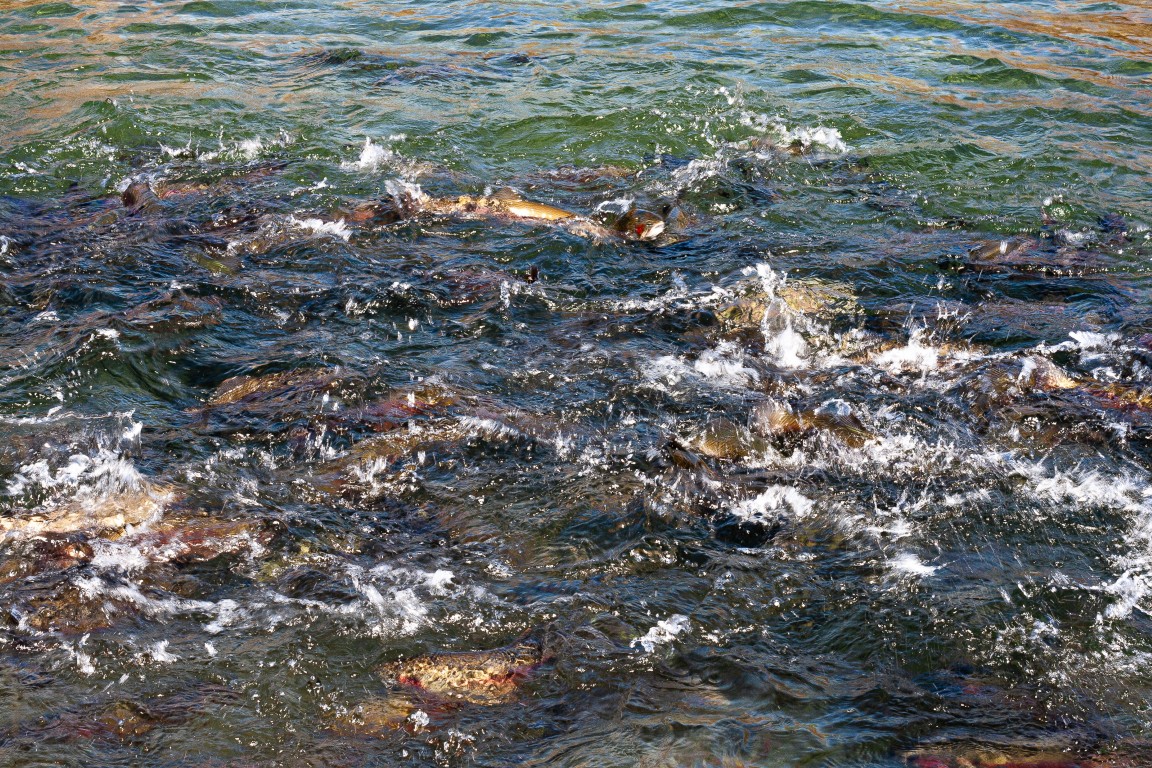
There are several trout species commonly farmed in the UK, including:
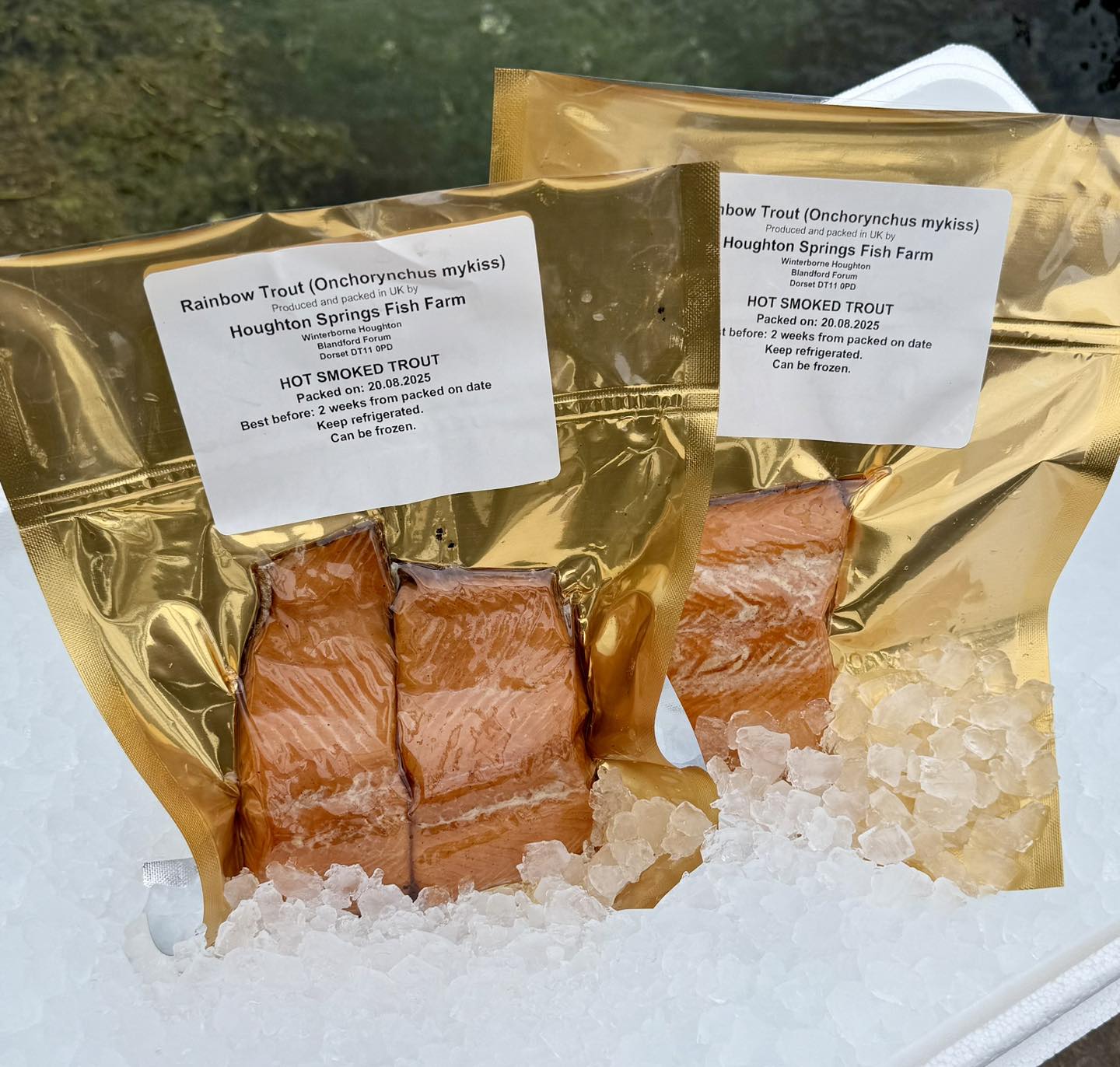
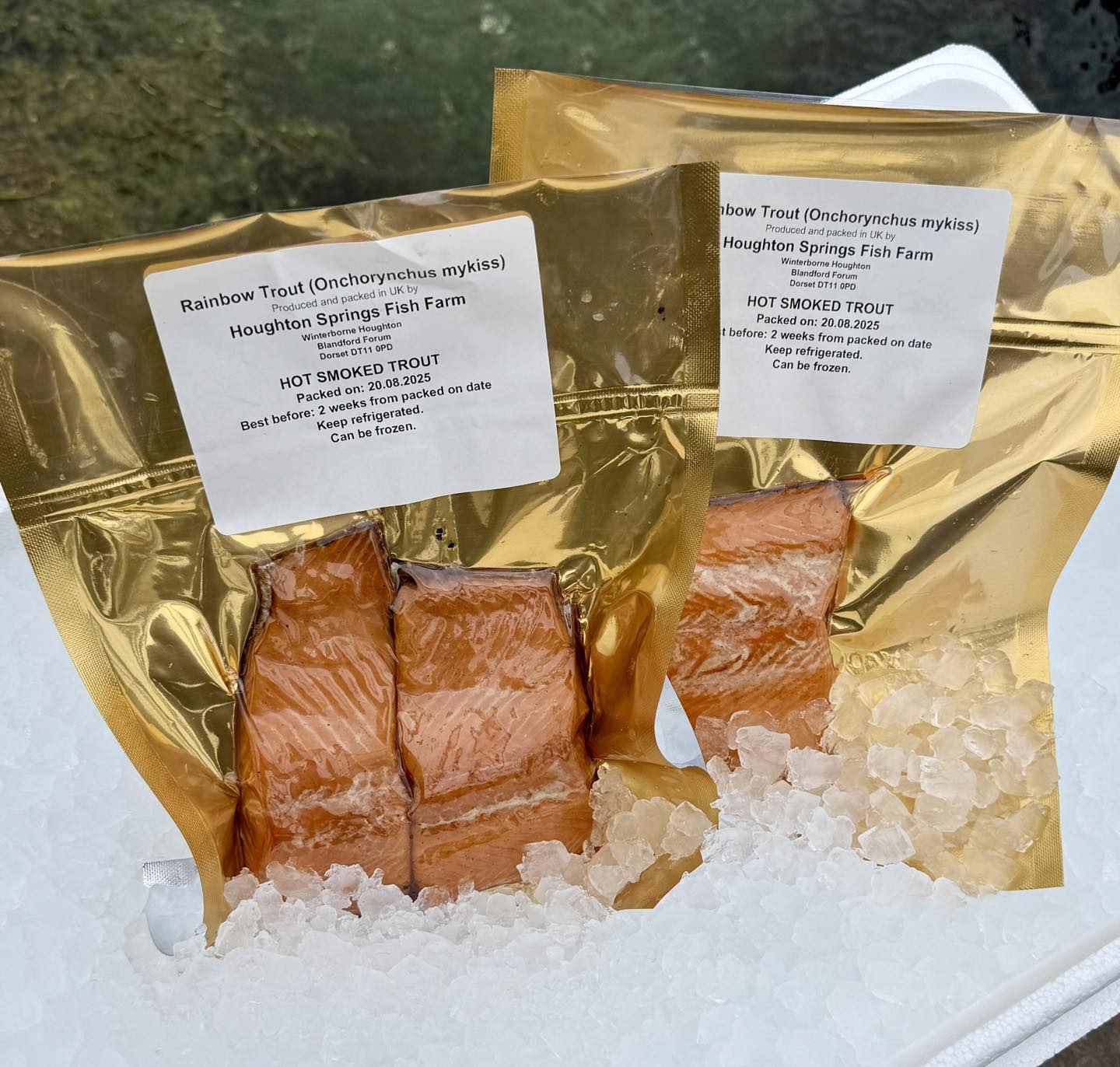
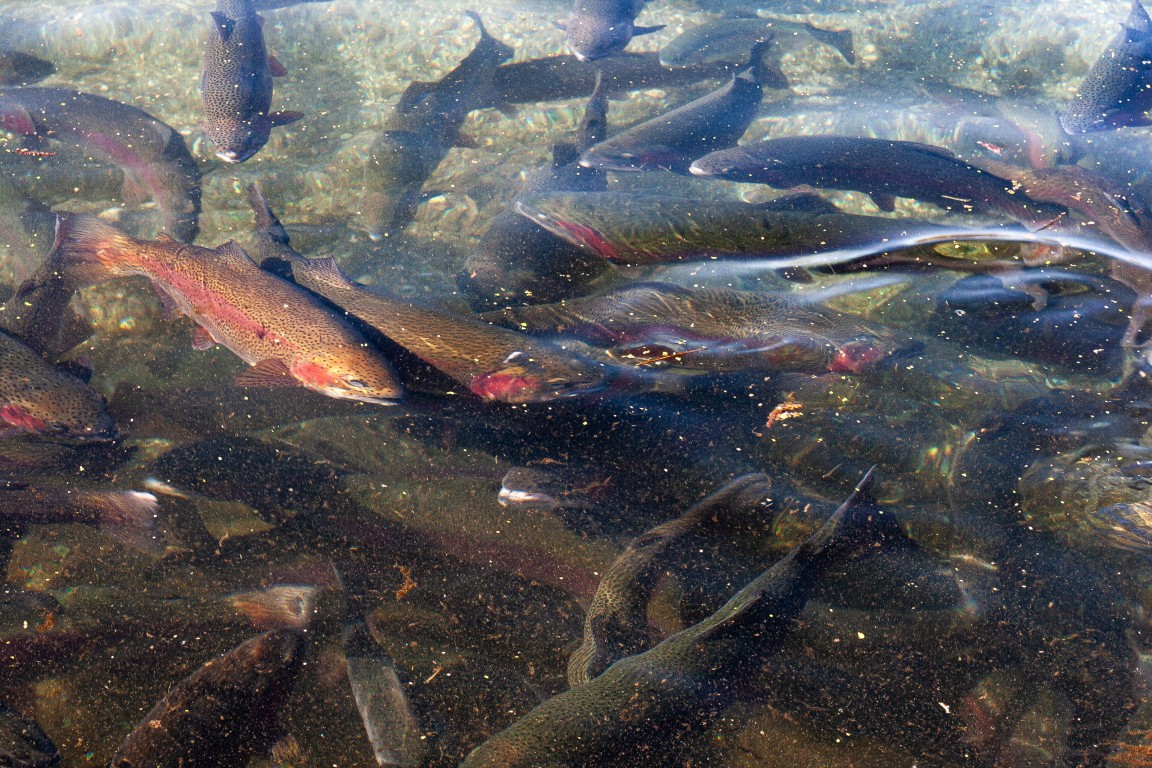
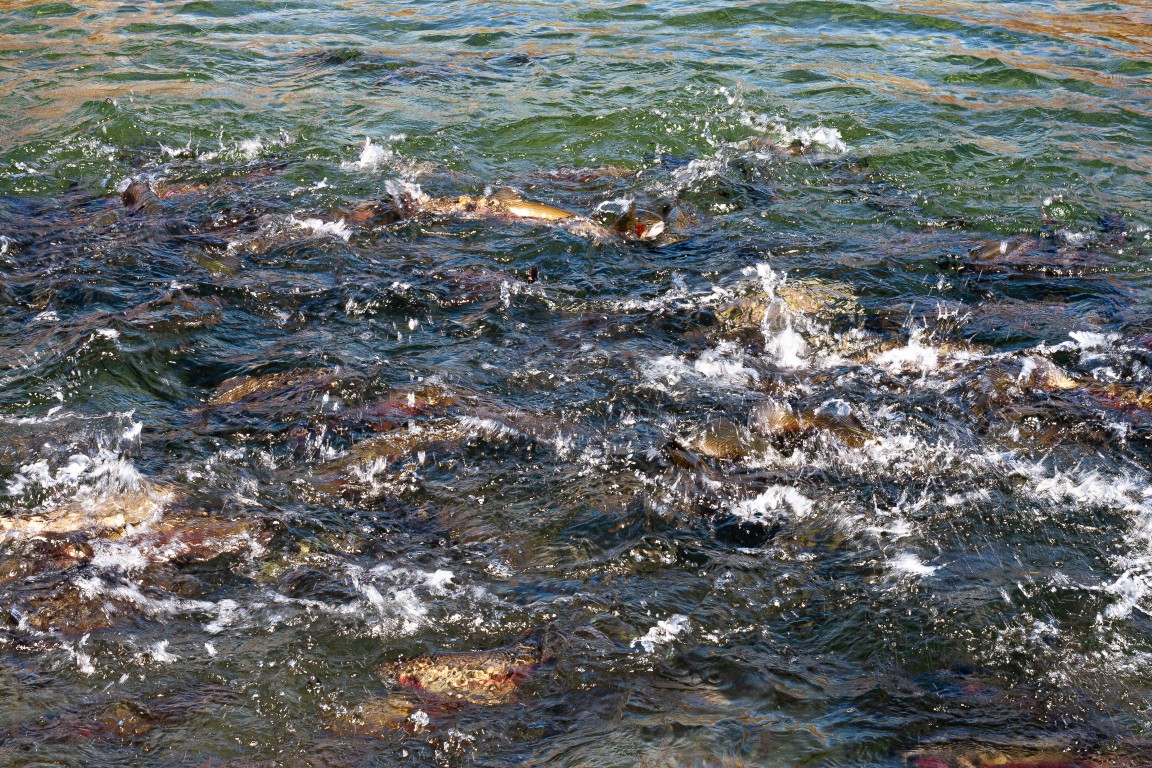
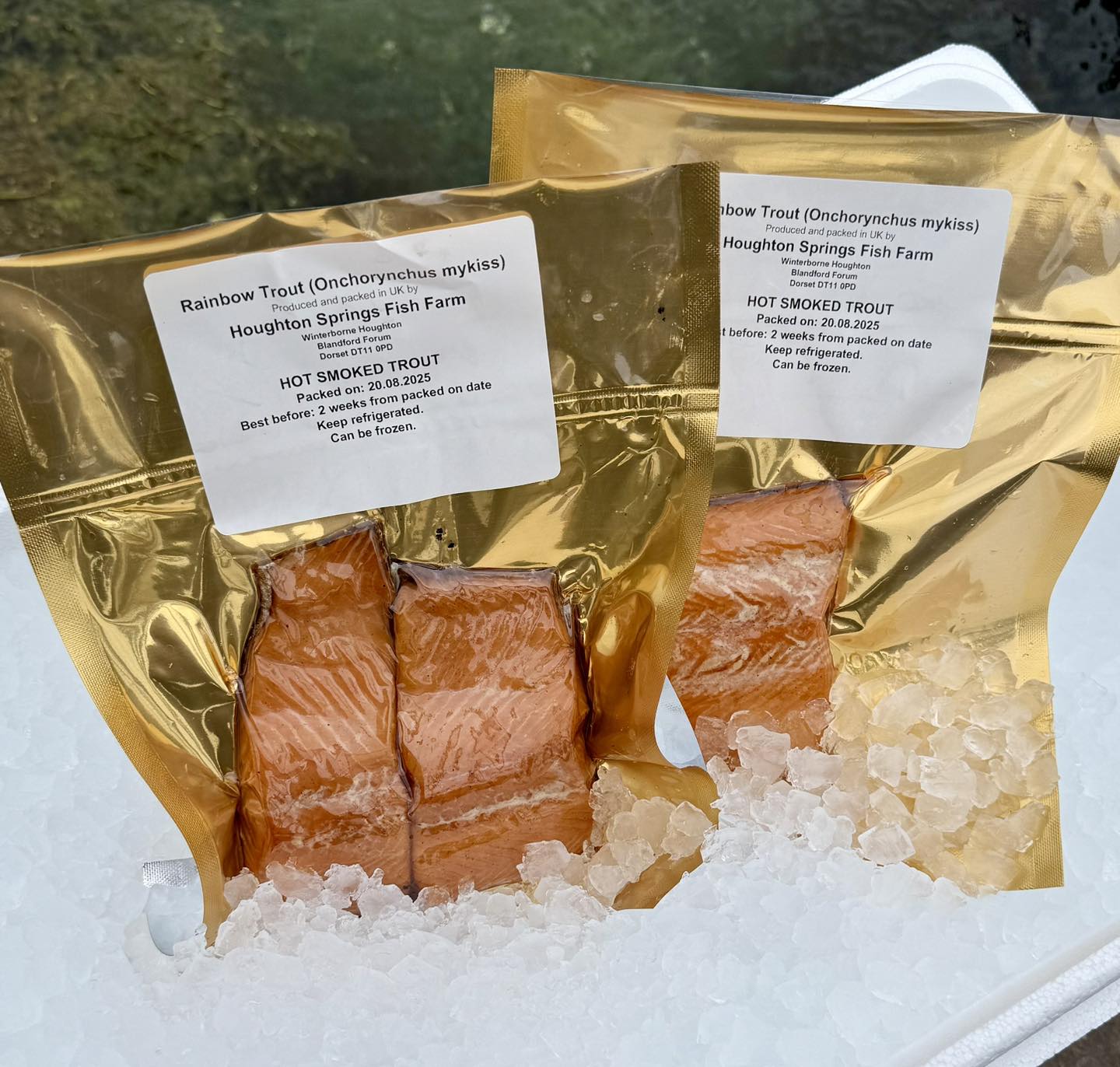
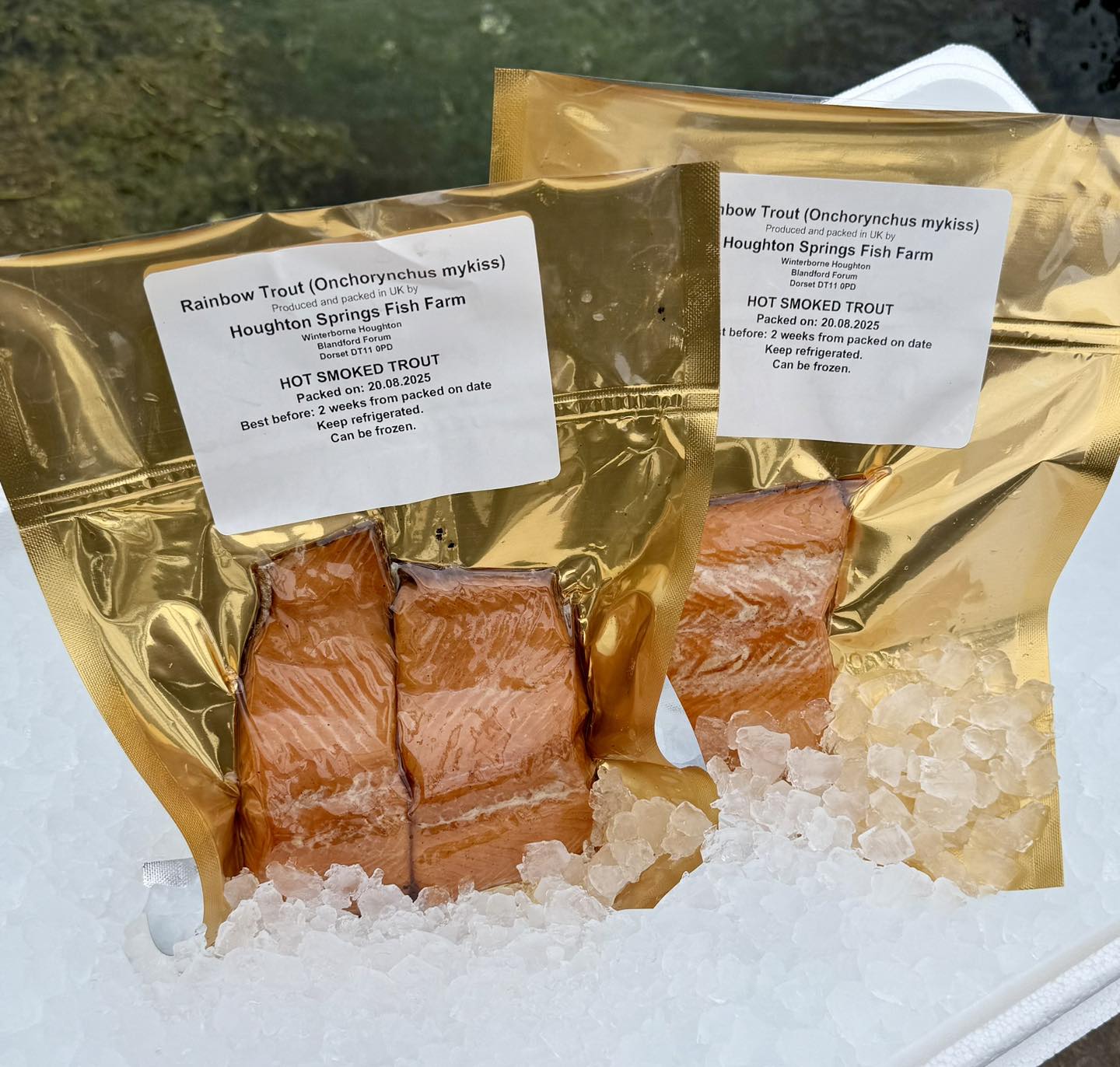
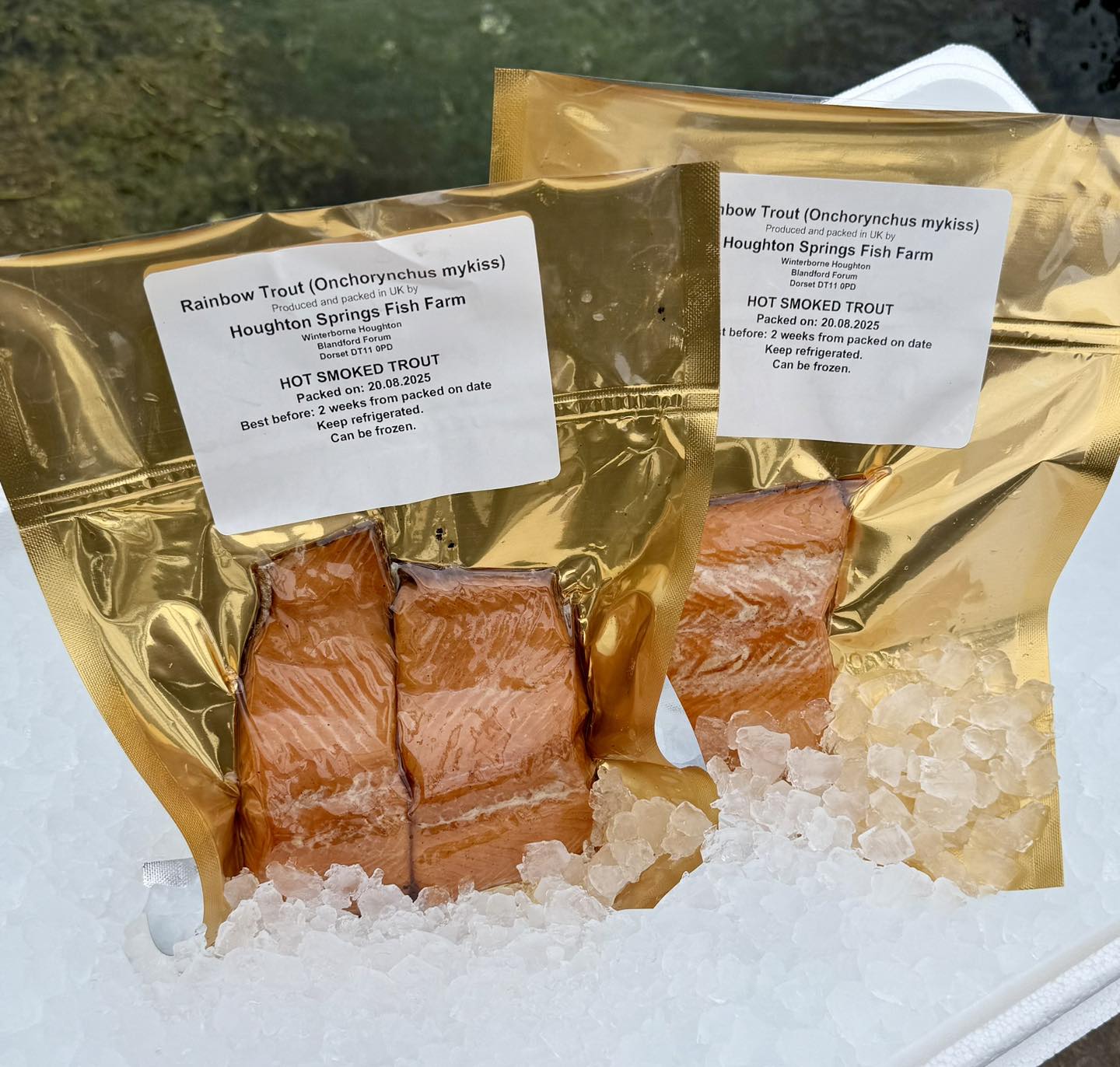
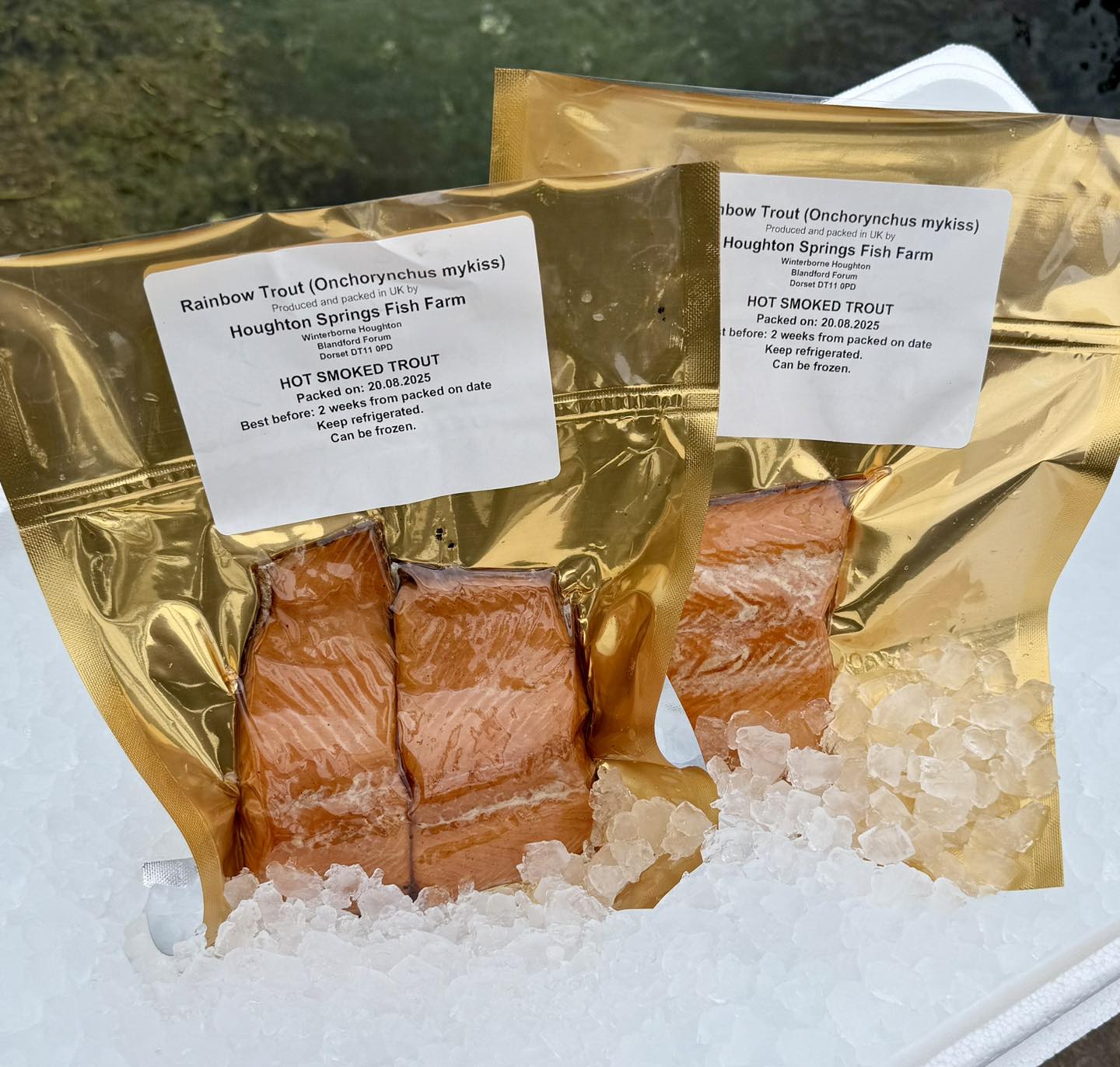
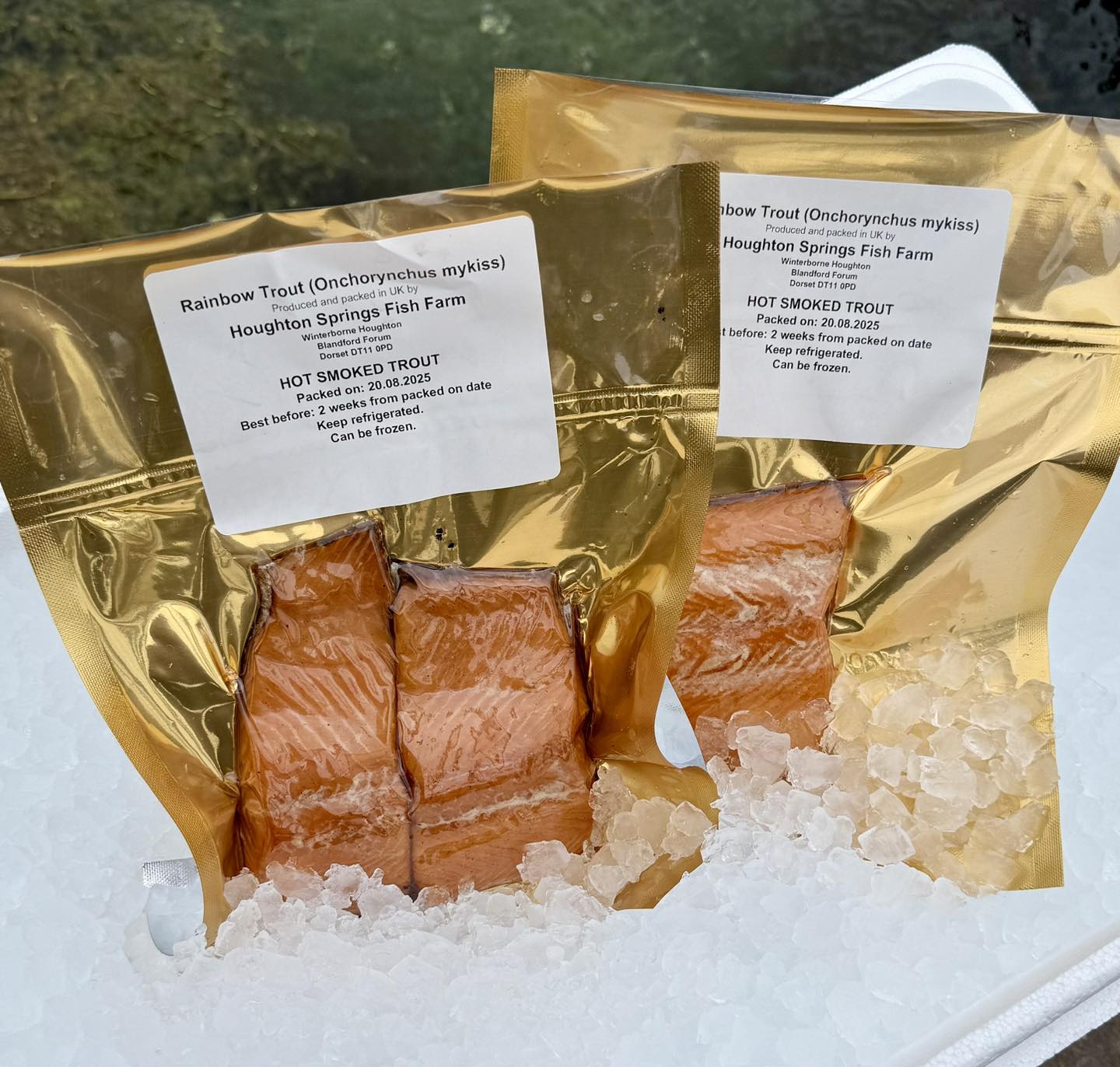
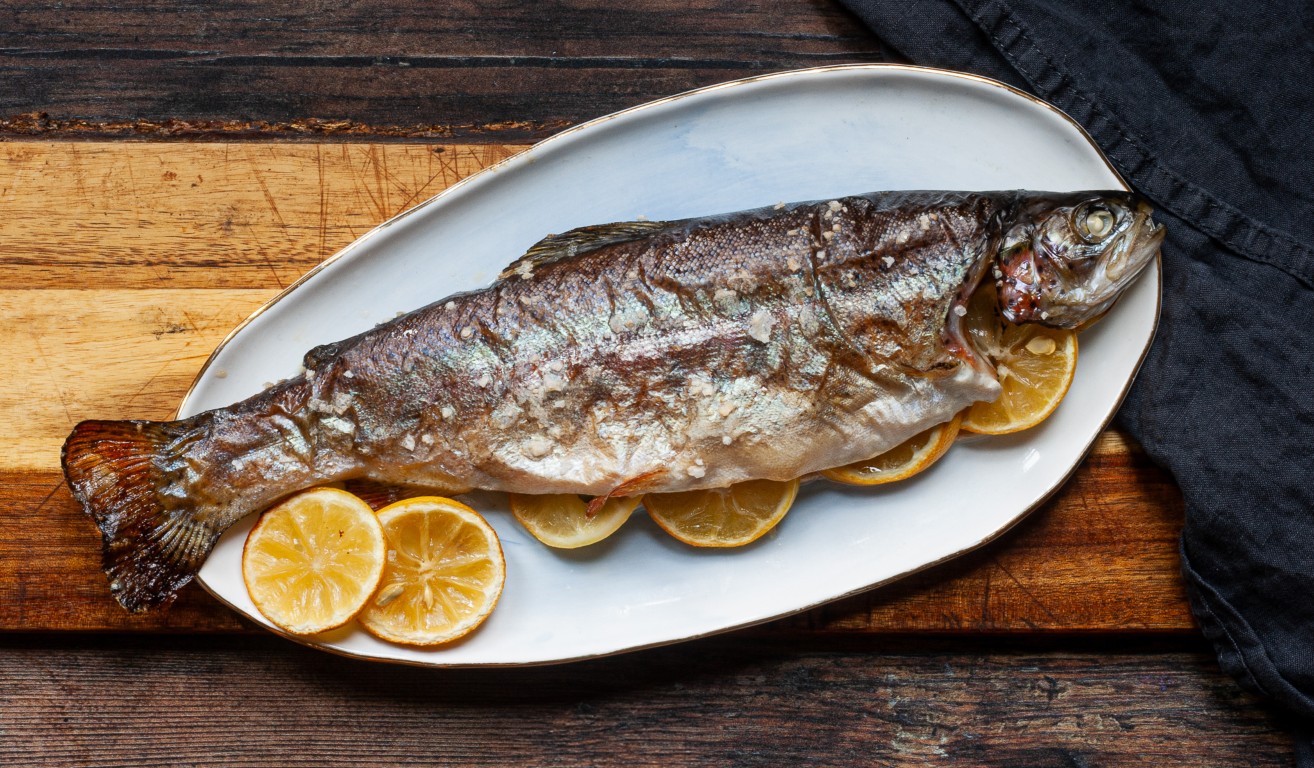
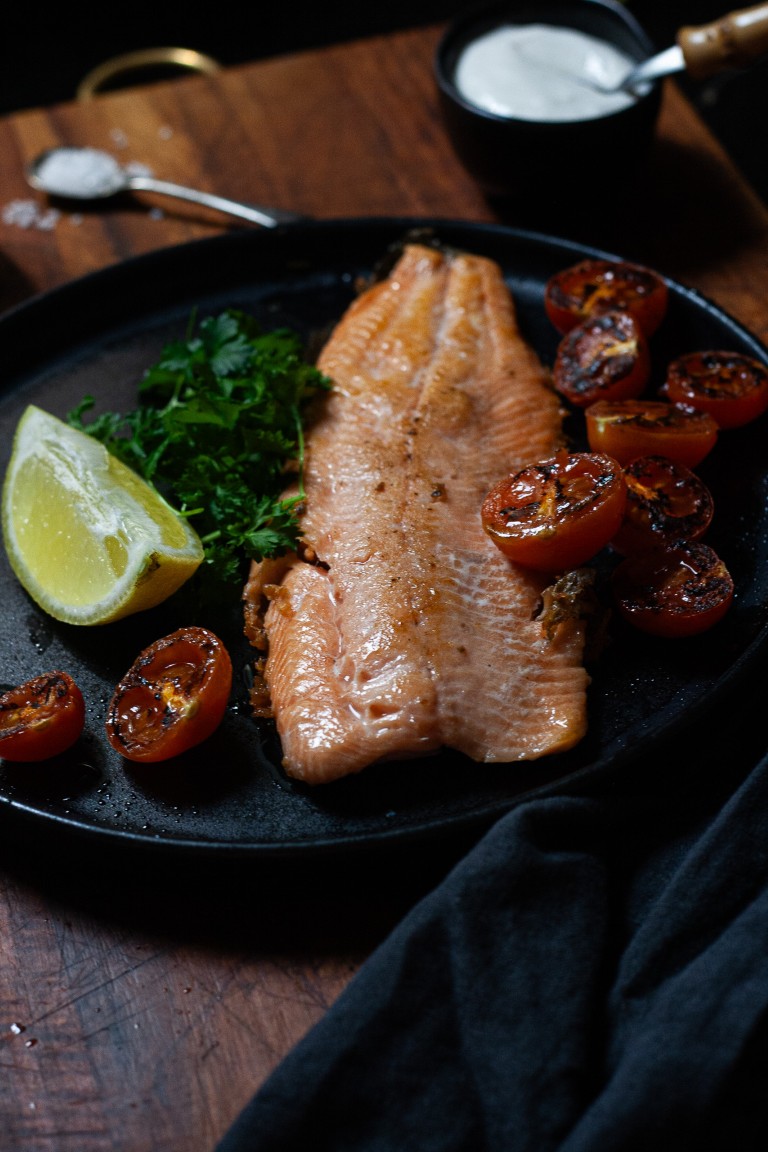
- Rainbow Trout: Popular for its fast growth and adaptability to various conditions.
- Brown Trout: Known for its superior taste and preference for cooler water temperatures.
- Brook Trout: Smaller in size, it thrives in highly oxygenated waters and is often sought for its culinary value.
- Golden Trout: A more ornamental species, valued for its beautiful appearance in ponds and aquaculture systems.
When determining which species to cultivate, consider the following aspects:
Key Factors to Consider
1. Market Demand
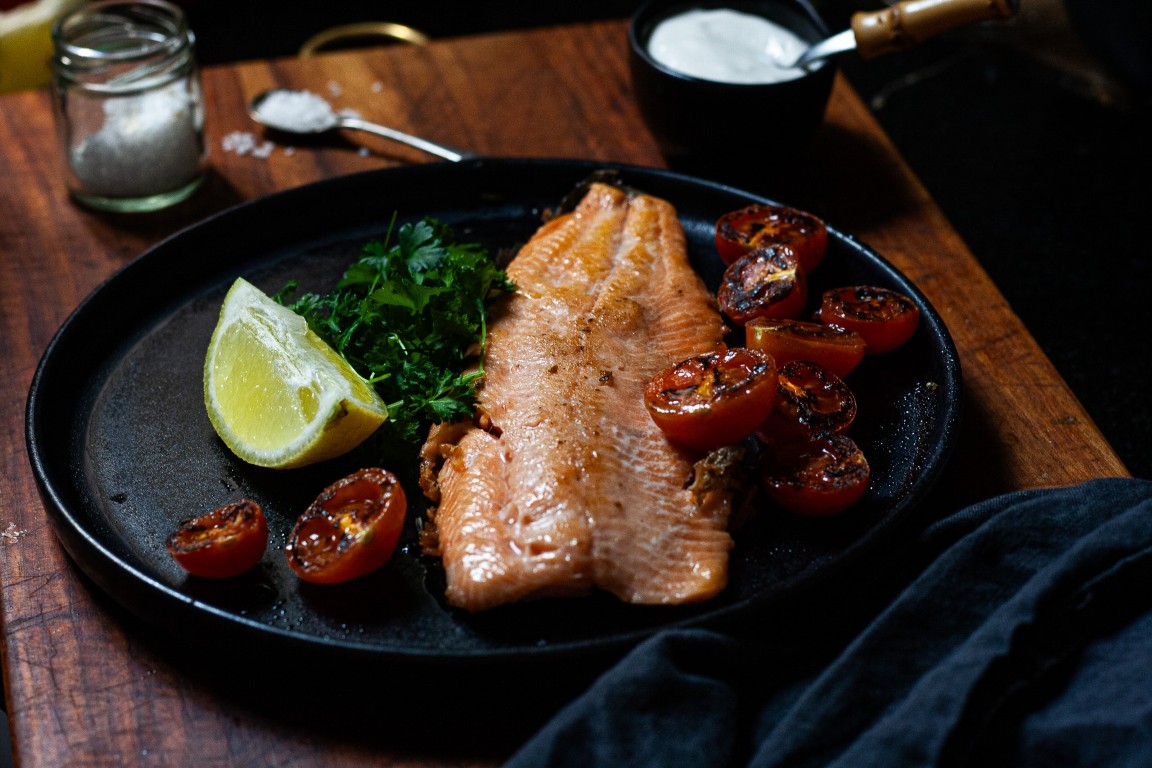
Understanding your local market is essential. Research which trout species are in demand among local restaurants, fishmongers, and consumers. Consider conducting surveys or engaging with local businesses to gauge their preferences.
2. Environmental Conditions
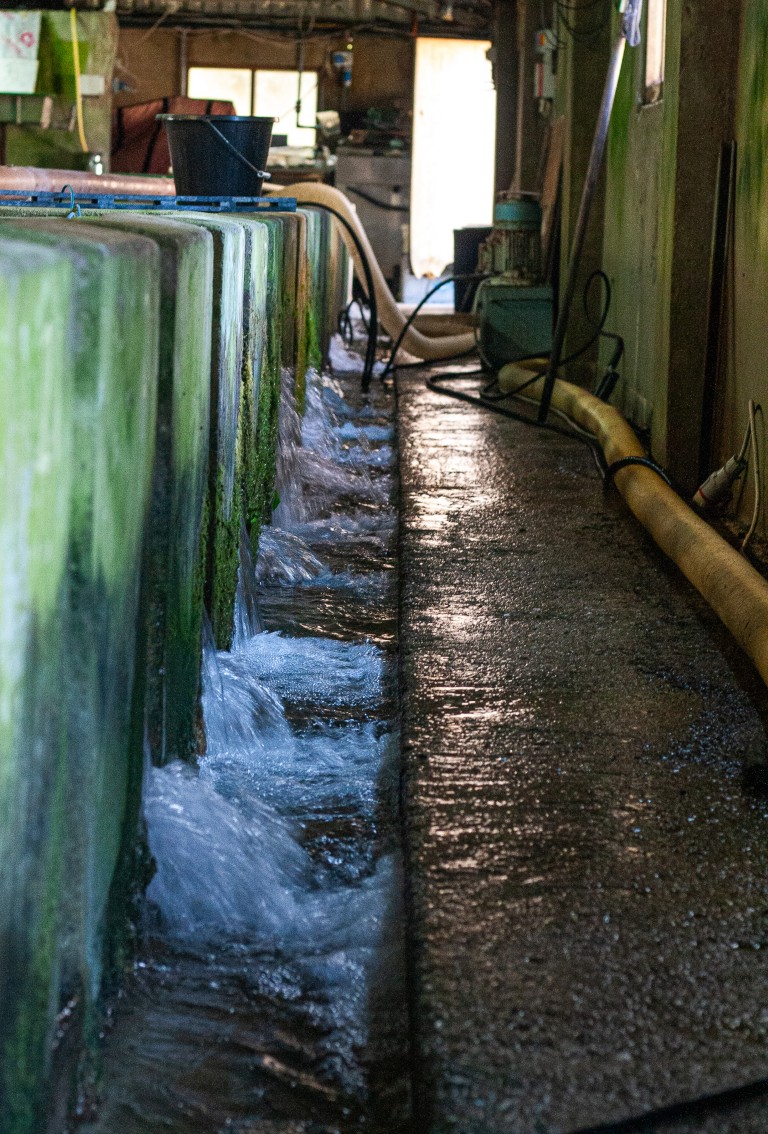
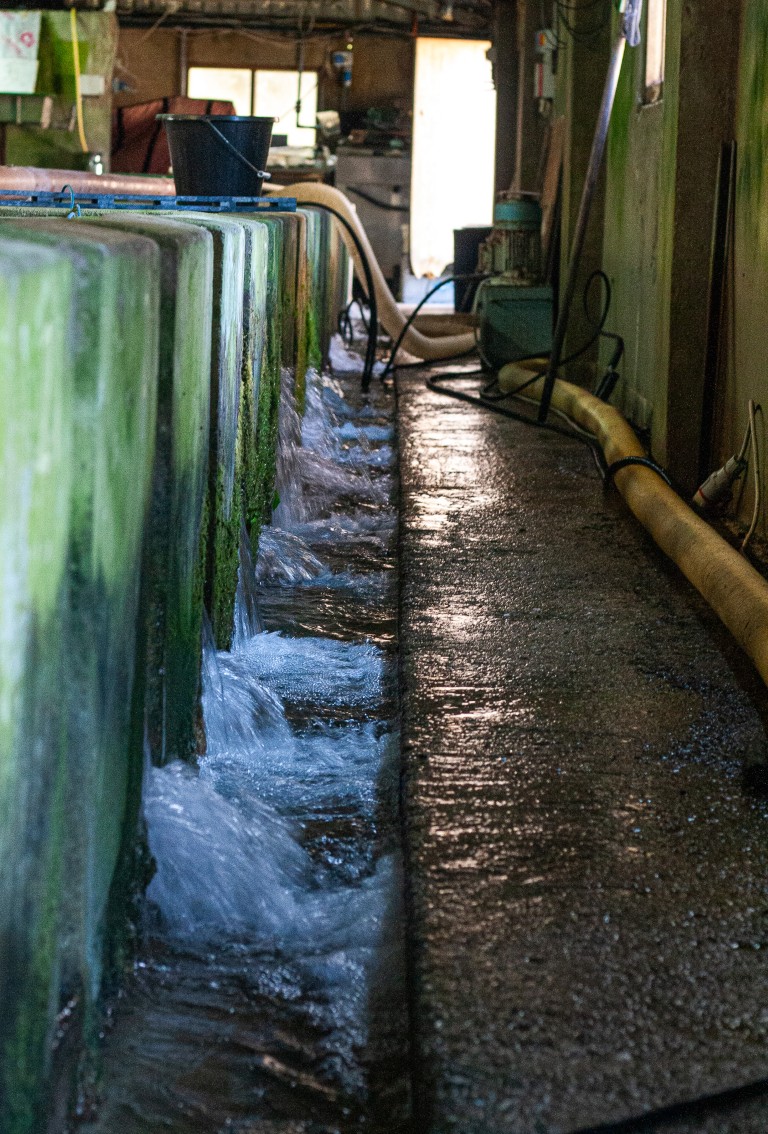
Different trout species have varying requirements for water temperature, oxygen levels, and pH. Assess your farm’s environmental conditions:
- Temperature: Rainbow trout thrive at temperatures between 10-20°C, while brown trout prefer cooler waters.
- Oxygen Levels: Ensure your water sources provide adequate oxygen, particularly for species like brook trout.
- pH Levels: Most trout species prefer a pH range of 6.5 to 8.5.
3. Growth Rates and Feed Conversion
Assess the growth rates and feed conversion efficiency of different trout species. Rainbow trout typically grow faster than brown trout, making them a popular choice for quicker returns on investment. Consider these factors:
- Growth Rate: Look for species that reach market size quickly to maximise profitability.
- Feed Conversion Ratio (FCR): Research the FCR for each species; a lower FCR indicates more efficient growth.
4. Farming Practices and Sustainability
Consider your farming practices and their impact on the environment. Sustainable fish farming practices are becoming increasingly important to consumers and regulators alike. Evaluate:
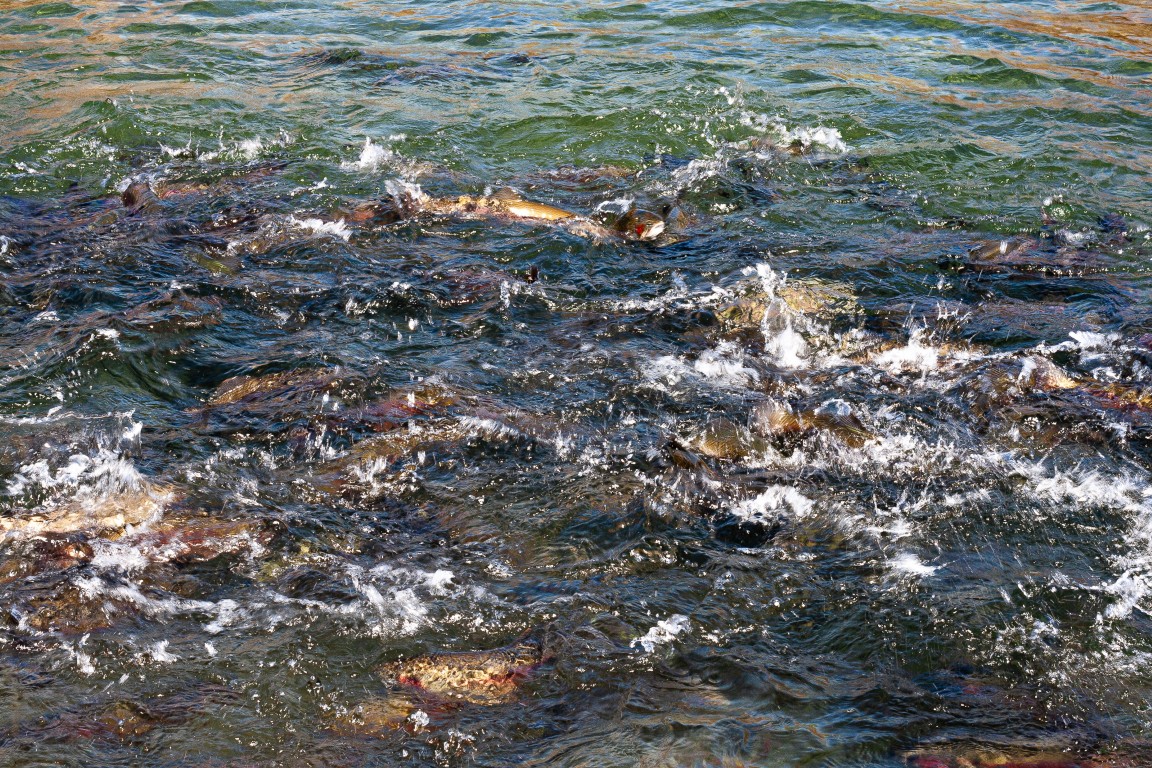
- Stocking Density: Ensure your chosen species can thrive without overcrowding.
- Feed Sources: Opt for species that can be fed sustainably produced feed.
- Waste Management: Assess how each species contributes to waste and what systems you need to manage it effectively.
How to Choose the Right Trout Species
To help streamline your decision-making process, follow this checklist:
Checklist for Selecting Trout Species
- Research local market demands: Understand which species are popular in your area.
- Evaluate environmental conditions: Measure temperature, oxygen levels, and pH on your farm.
- Compare growth rates: Assess which species grow faster and require less feed.
- Consider sustainability: Look for species that fit into environmentally friendly practices.
- Consult with experts: Engage with local fisheries, aquaculture experts, or organisations like the Dorset Wildlife Trust for insights.
Common Mistakes to Avoid
When choosing the right trout species, avoid these common pitfalls:
- Ignoring Local Market Trends: Failing to understand what the local market demands can result in unsold stock.
- Overlooking Environmental Factors: Selecting species that do not thrive in your specific conditions can lead to poor growth and increased mortality rates.
- Neglecting Sustainability: Choosing species that require unsustainable practices can harm your business’s reputation and viability in the long term.
Conclusion
Choosing the right trout species for your farm is a critical decision that can significantly impact your business’s success. By considering market demands, environmental conditions, growth rates, and sustainability practices, you can make an informed choice that aligns with your operational goals.
To further enhance your trout farming business, consider reading our article on Effective Trout Farming: Enhancing Your Business Through Local Community Engagement for insights on building relationships within your community. Engaging with local businesses can lead to fruitful partnerships and increased demand for your products.
By following these guidelines, you’ll be well on your way to selecting a trout species that meets both your farming capabilities and market needs, ensuring a prosperous venture in the Dorset countryside.