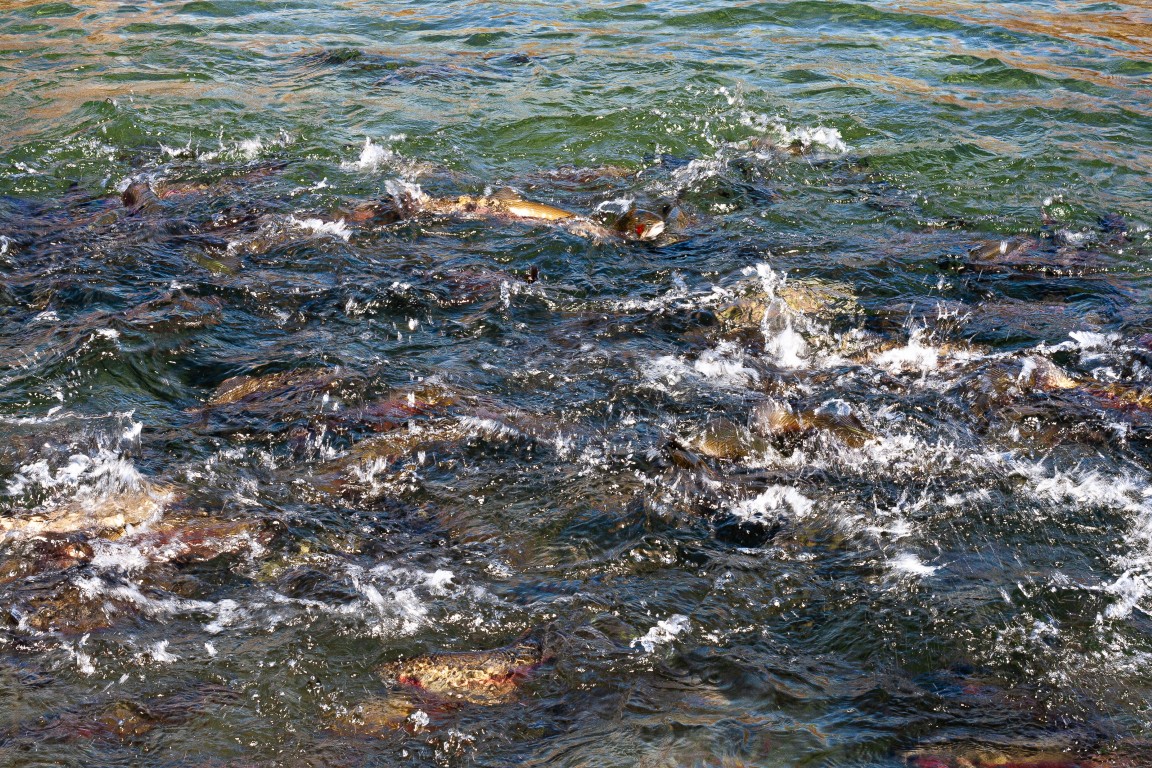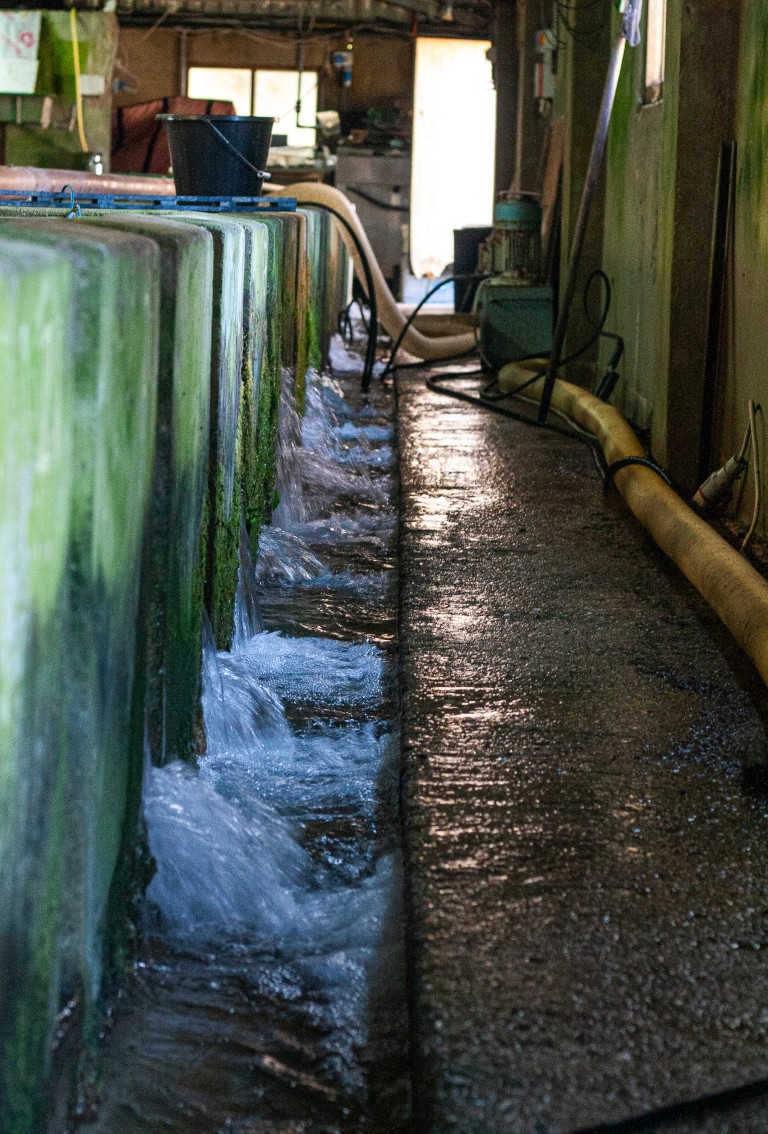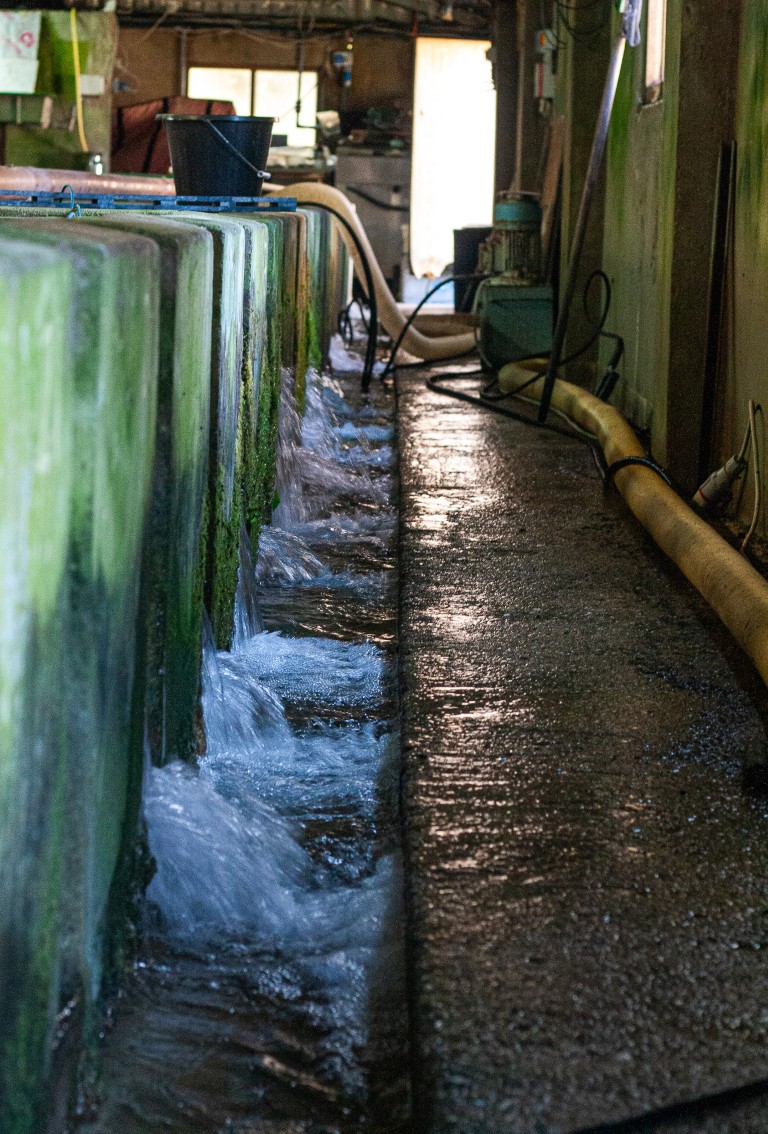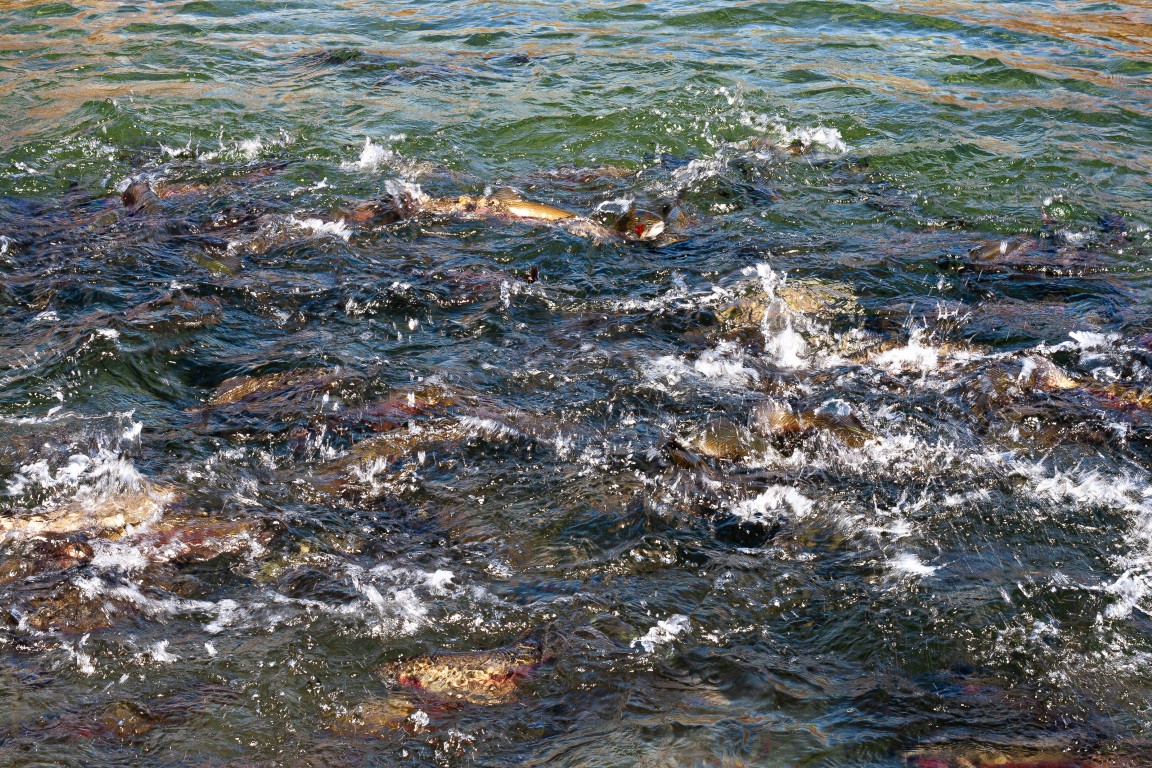
As a small business owner in the trout farming industry, maintaining the health of your fish is crucial to your success. Biosecurity measures play a vital role in preventing the introduction and spread of diseases that can devastate your stock and, ultimately, your profits. In this blog post, we’ll explore the importance of biosecurity in trout farming, practical steps to implement effective measures, and common pitfalls to avoid.
Why Biosecurity Matters
Biosecurity refers to the set of practices designed to prevent the introduction and spread of pathogens and pests in aquaculture. The implications of neglecting biosecurity can be severe:
- Disease Outbreaks: Pathogens can easily spread in aquatic environments, leading to significant fish mortality.
- Financial Losses: Treatment and control of diseases can be costly and may require culling infected stocks.
- Regulatory Compliance: Adhering to biosecurity regulations is not just good practice; it is often a legal requirement in the UK.
By prioritising biosecurity, you protect not only your investment but also contribute to the sustainability of the wider aquaculture industry.
Key Biosecurity Practices for Trout Farmers
Implementing robust biosecurity measures requires a proactive approach. Here are essential practices to consider:
1. Site Selection and Management
Choosing the right location for your trout farm can significantly influence biosecurity. Consider the following:
- Distance from Other Farms: Maintain a safe distance from other fish farms to reduce the risk of disease transmission.
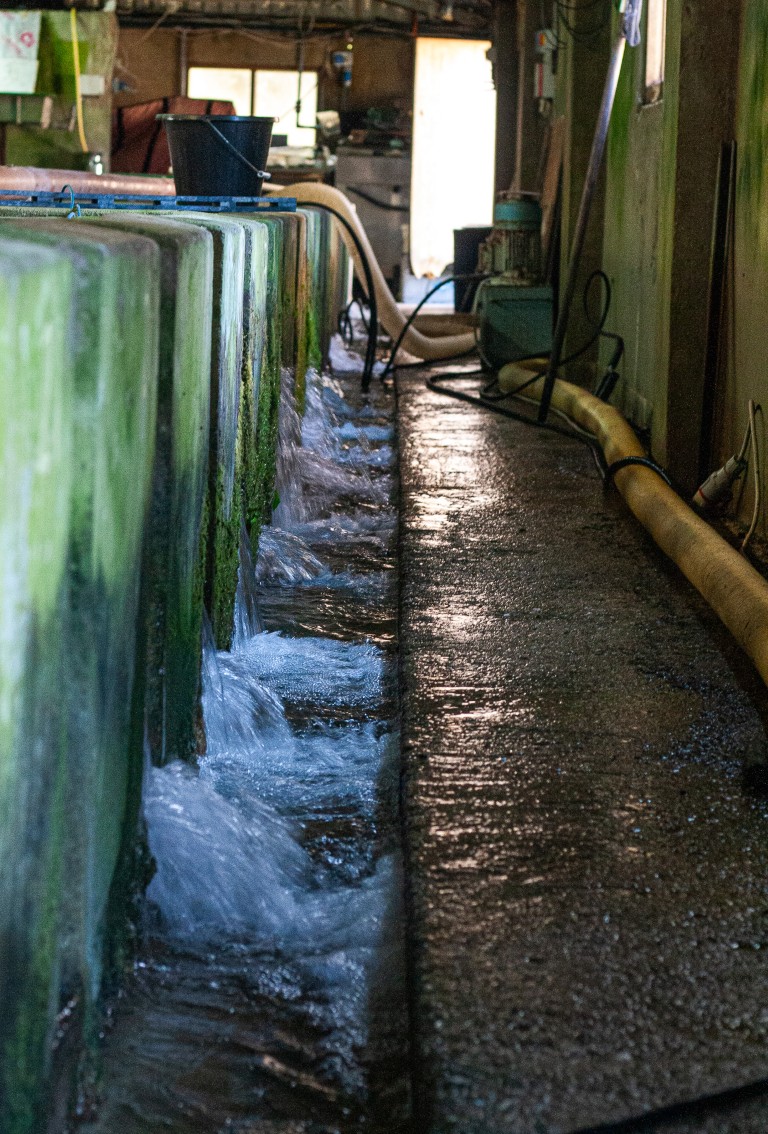
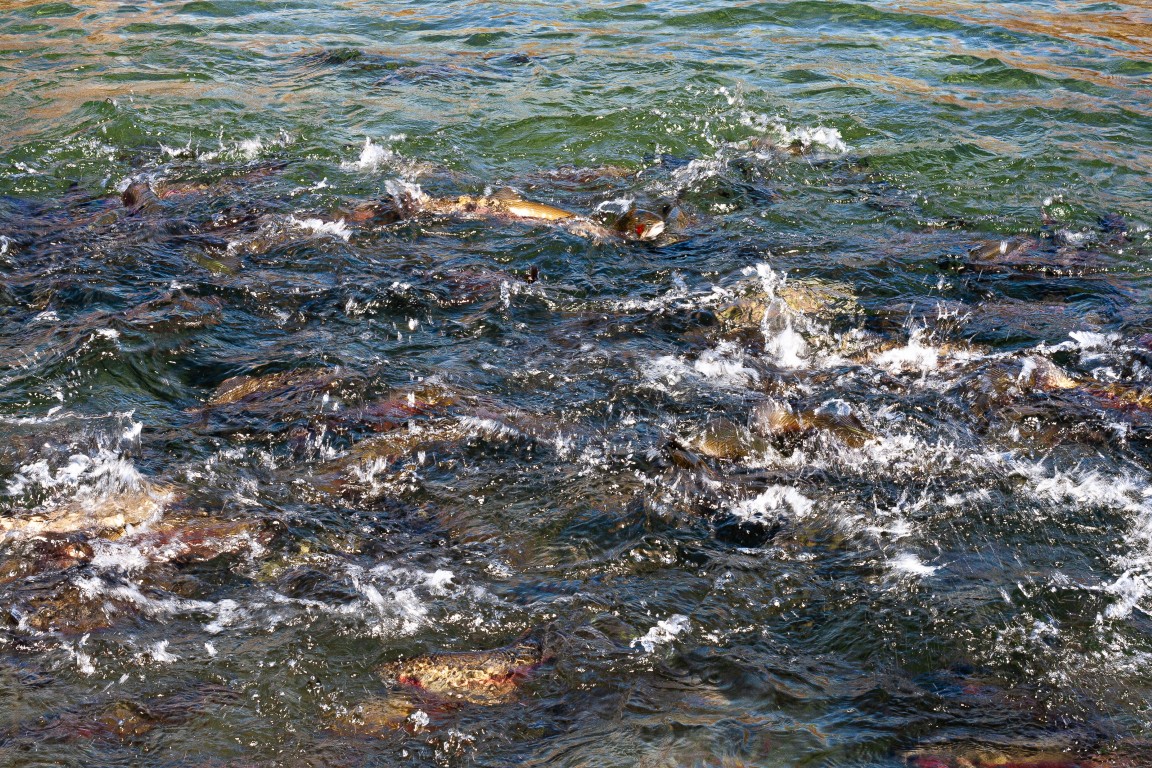
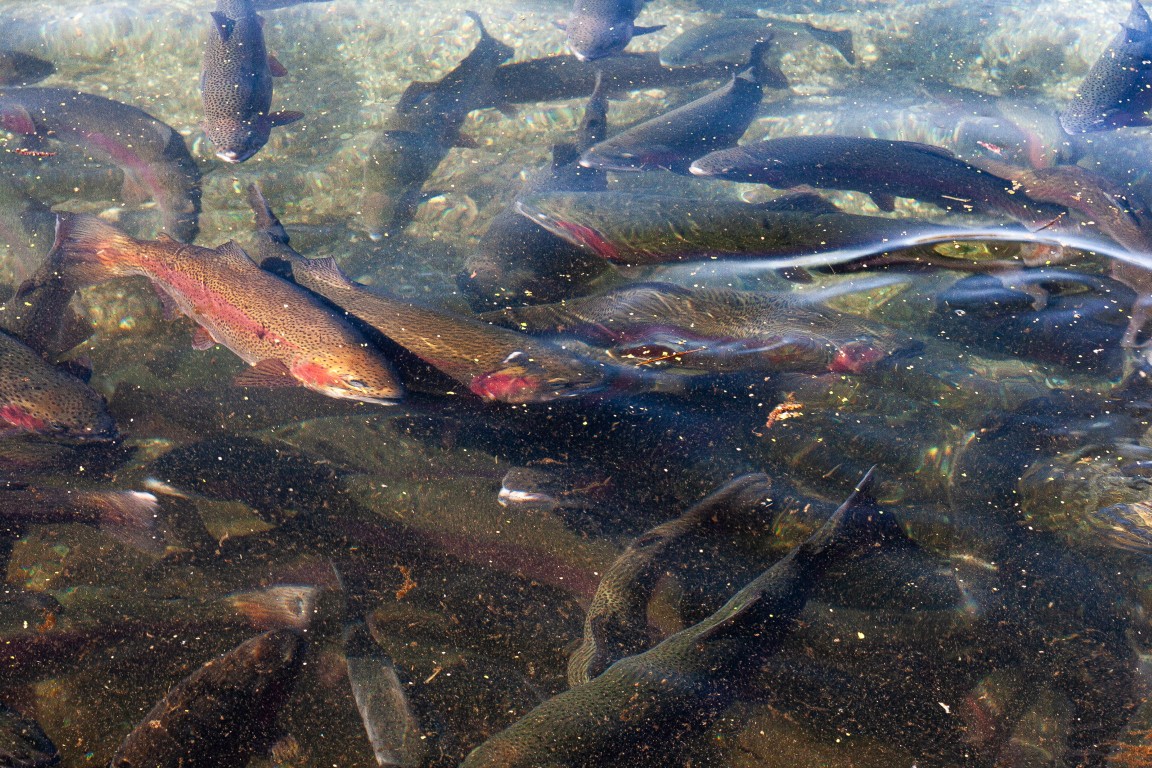
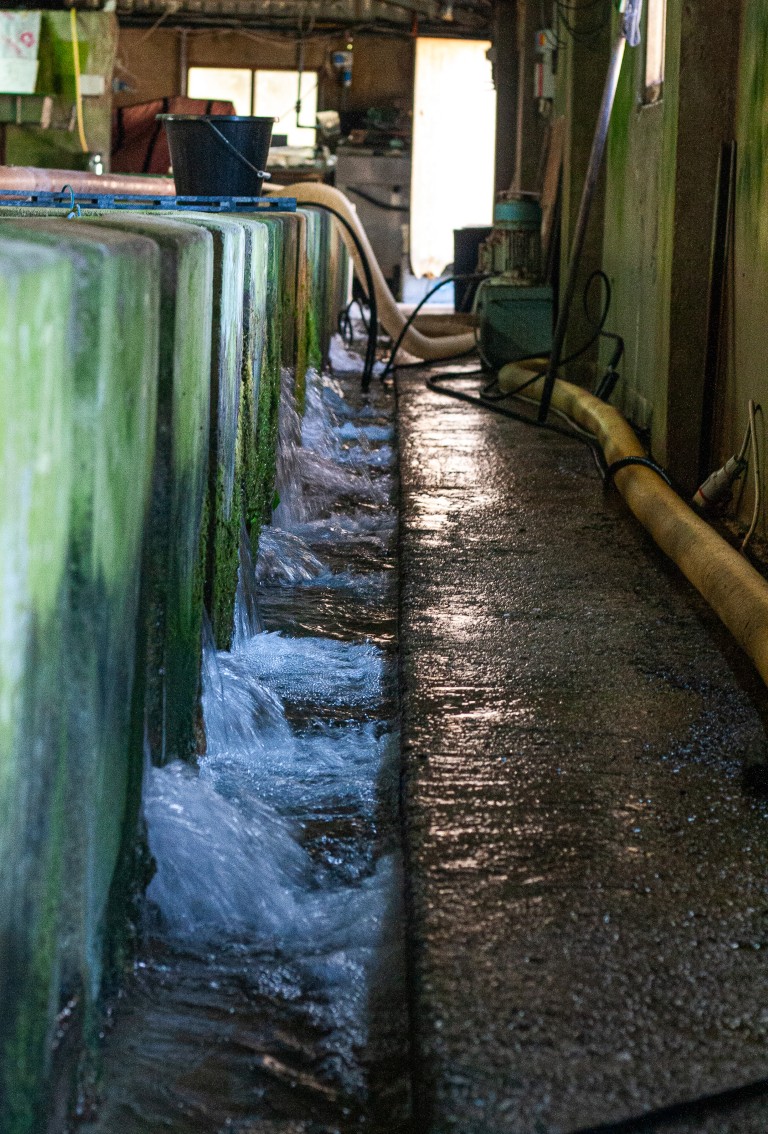
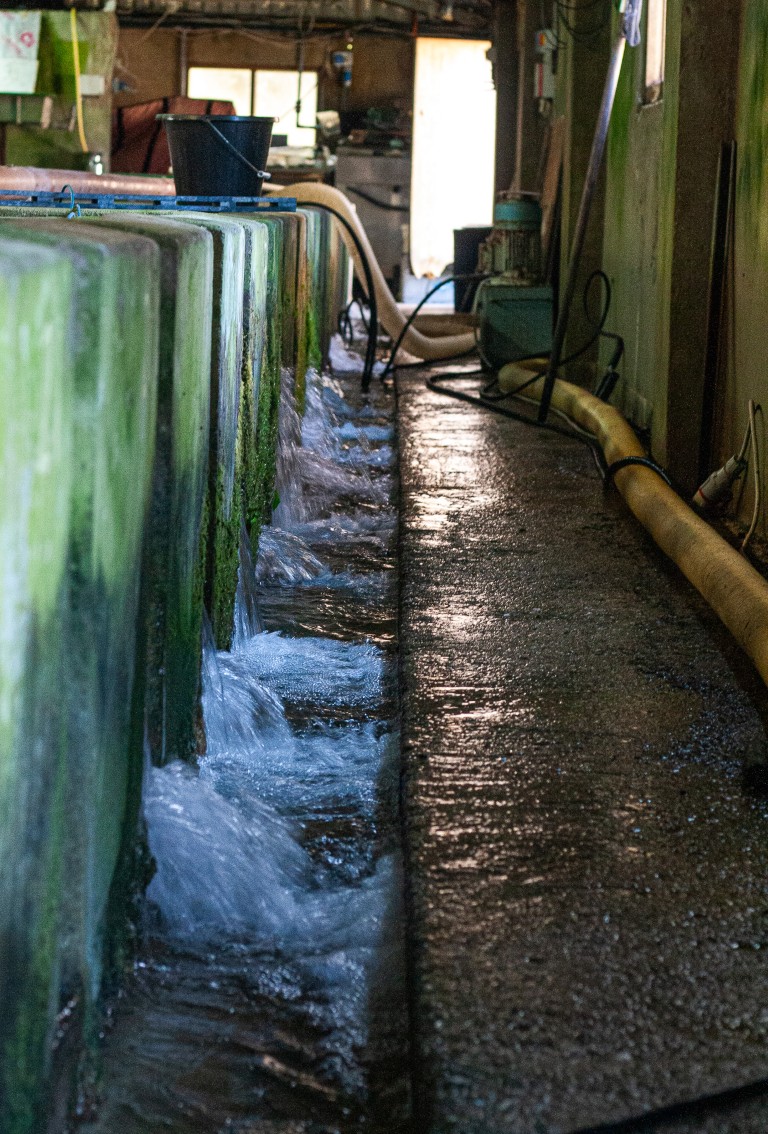
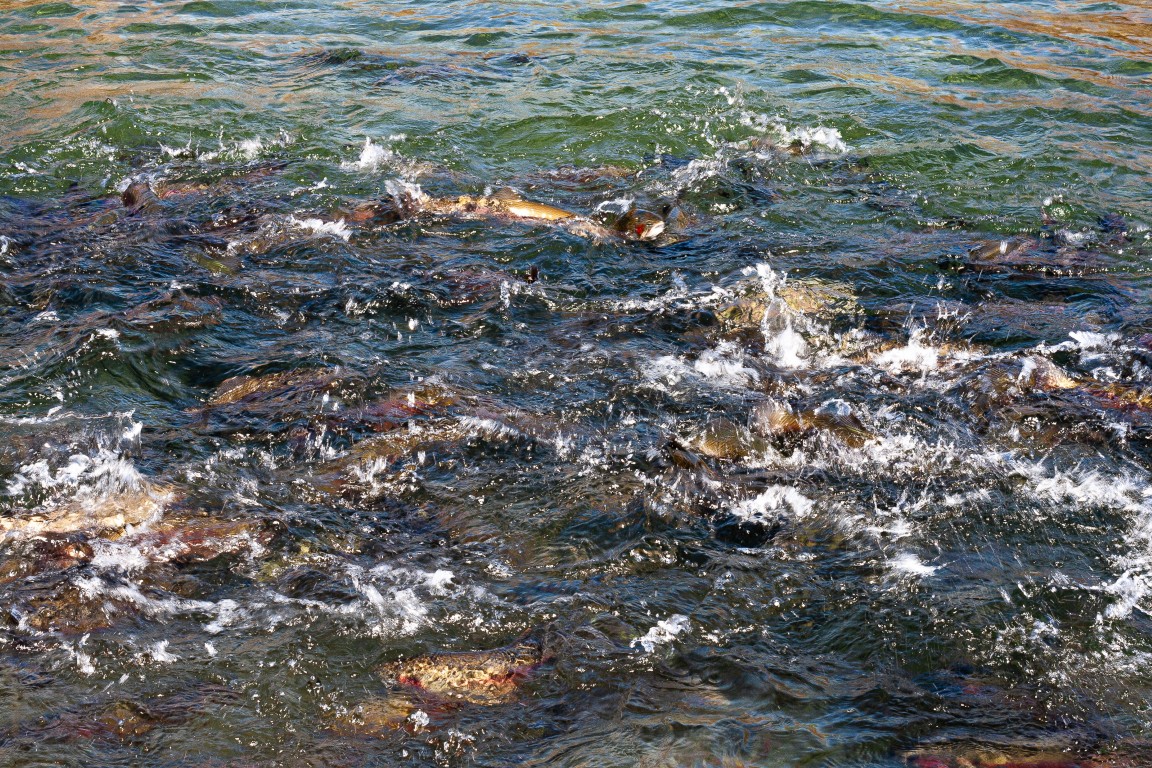
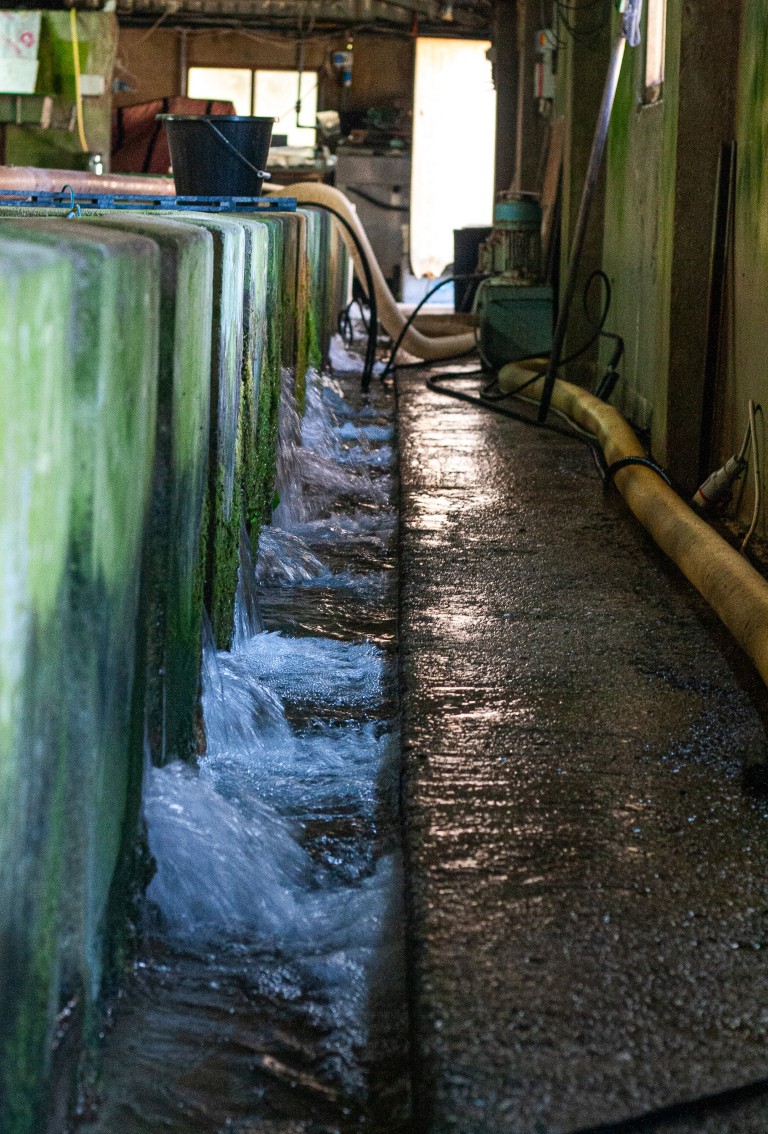
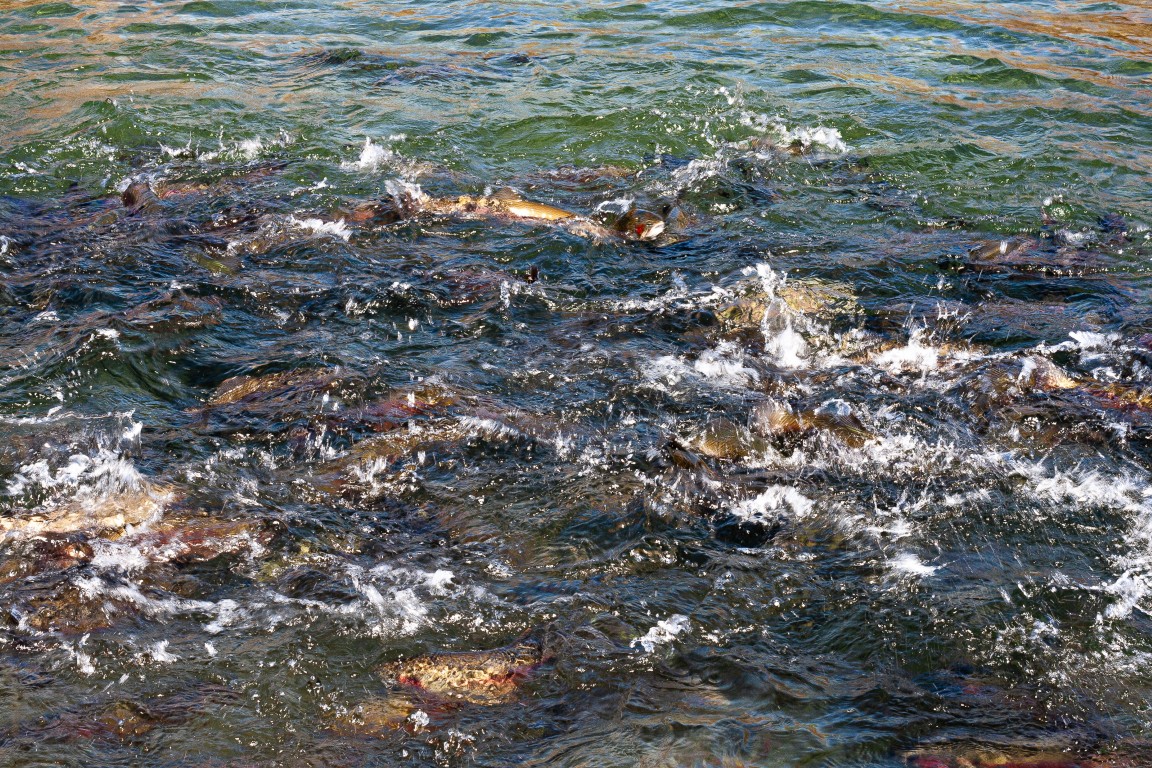
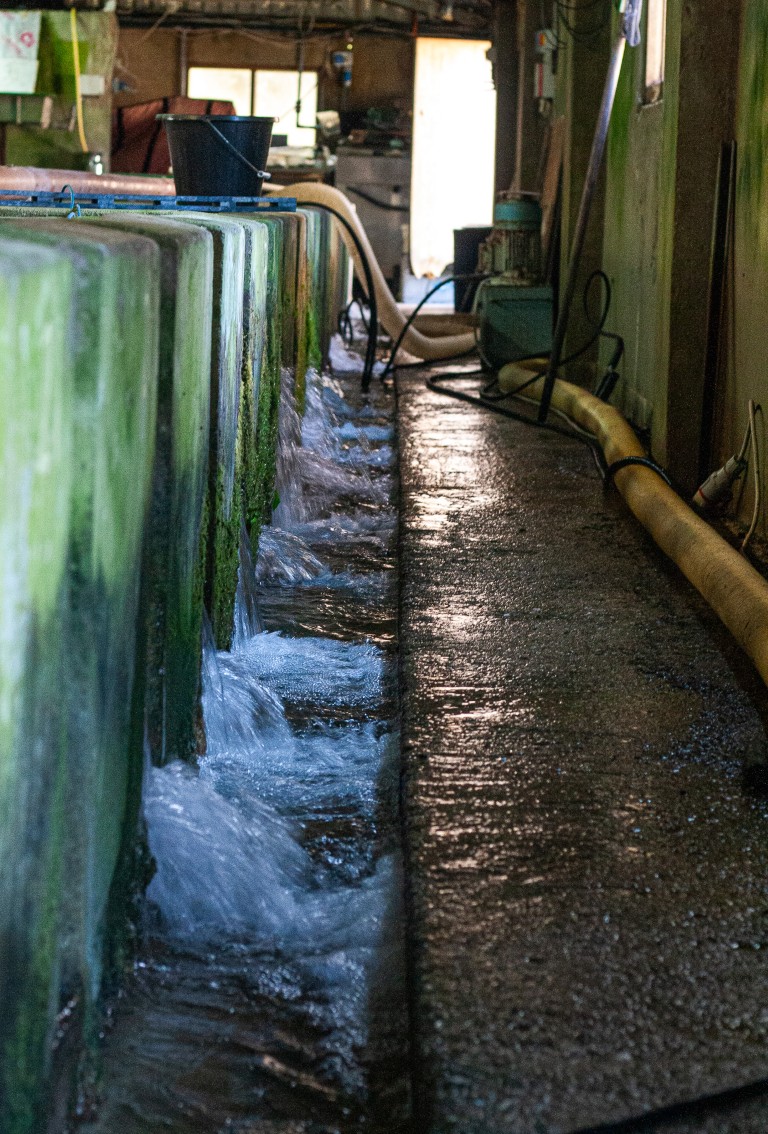
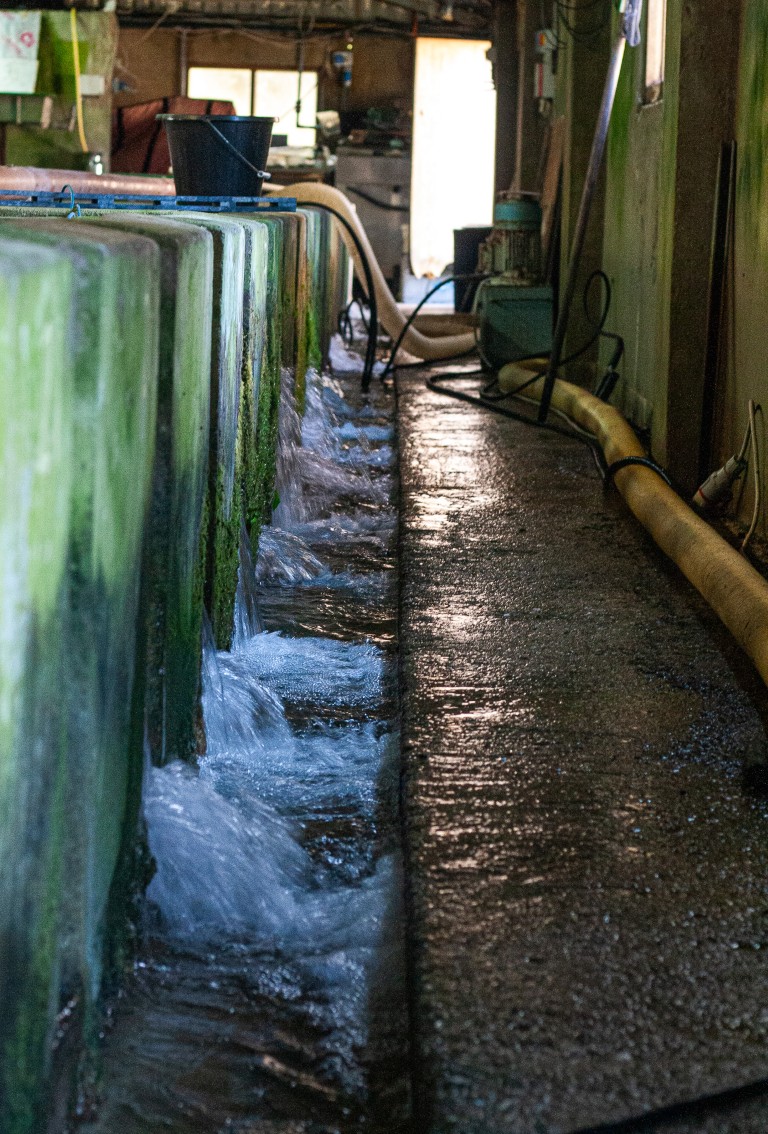
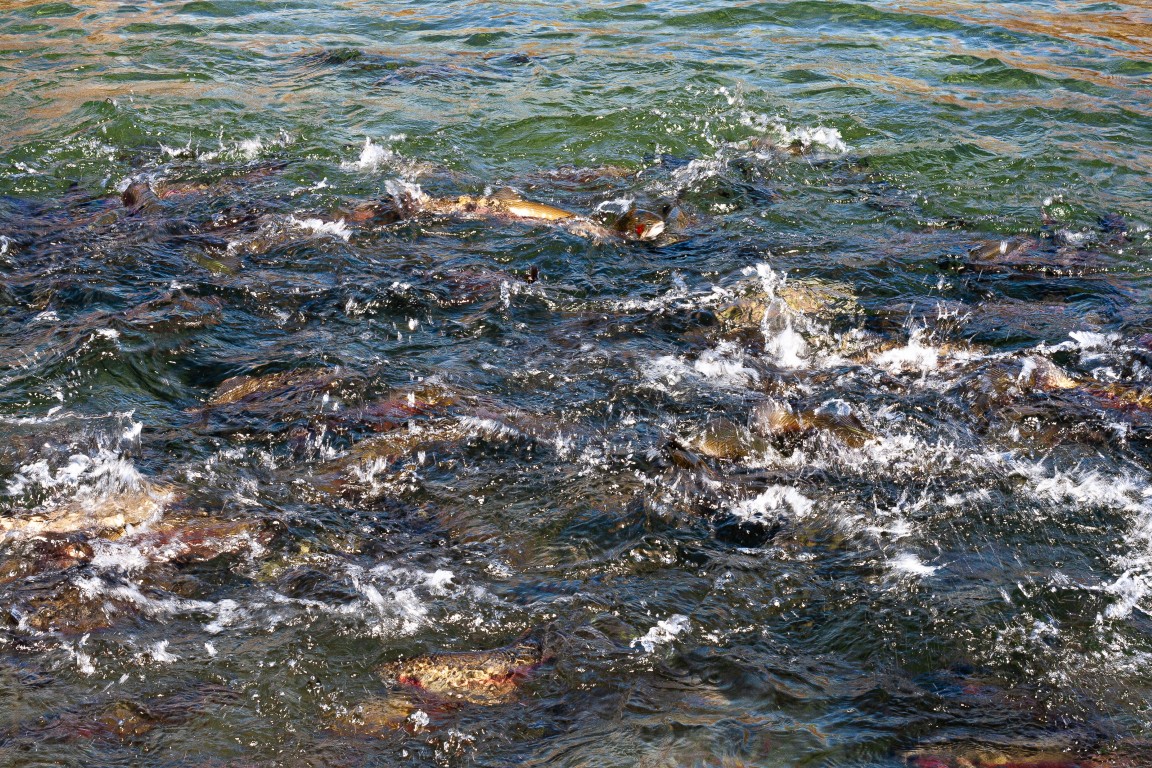
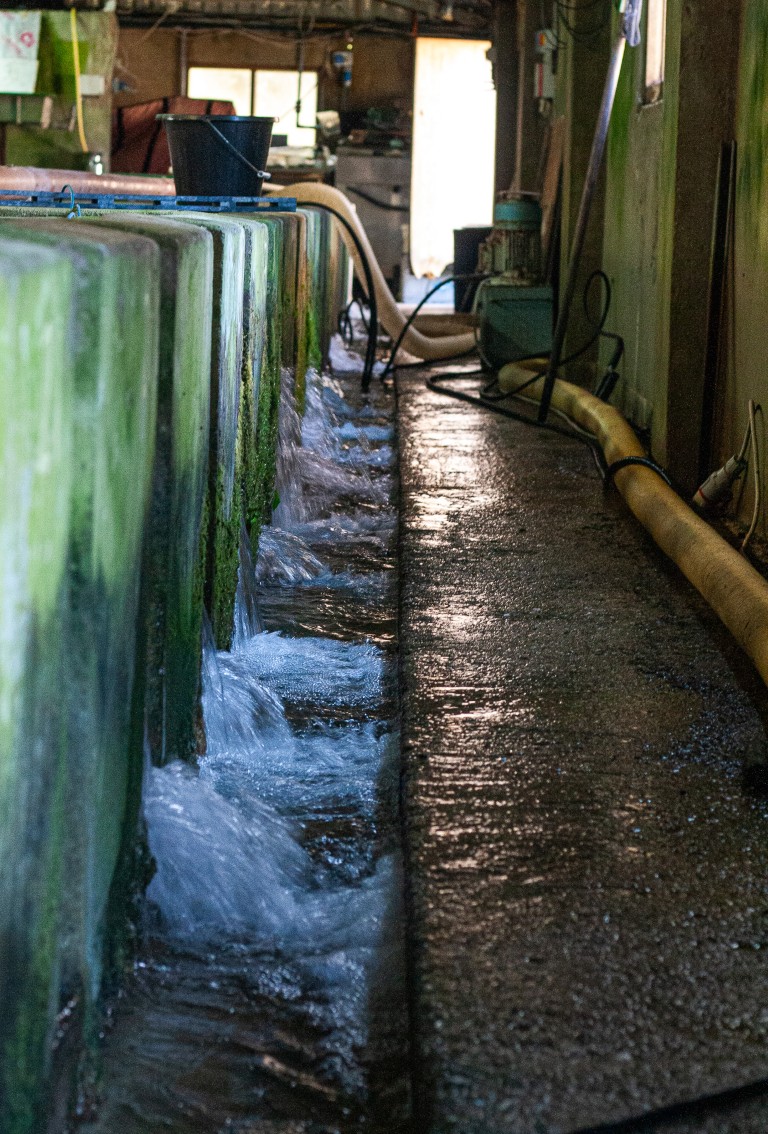
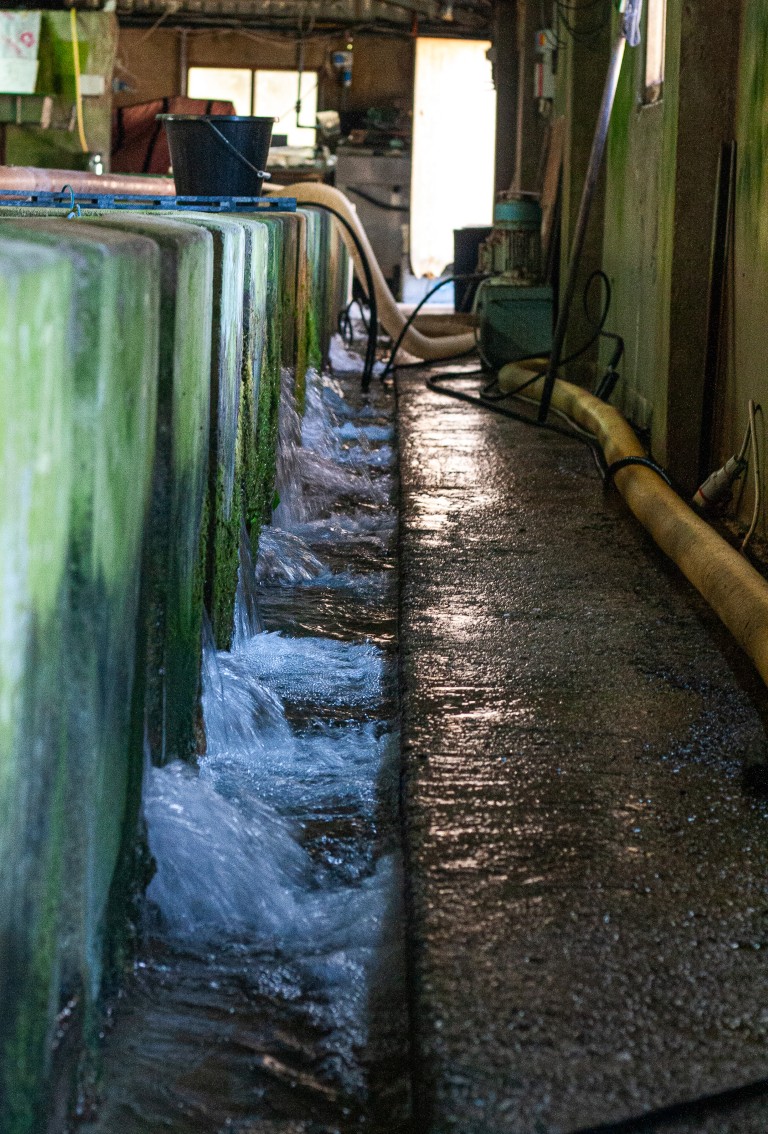
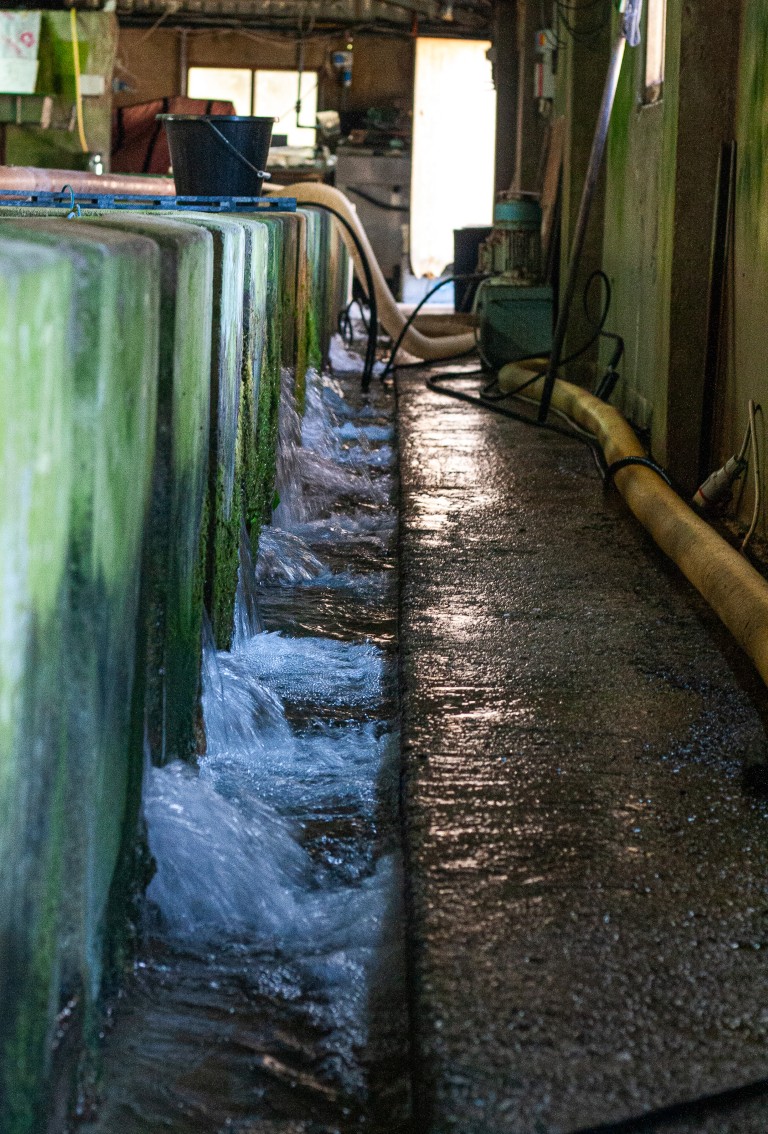
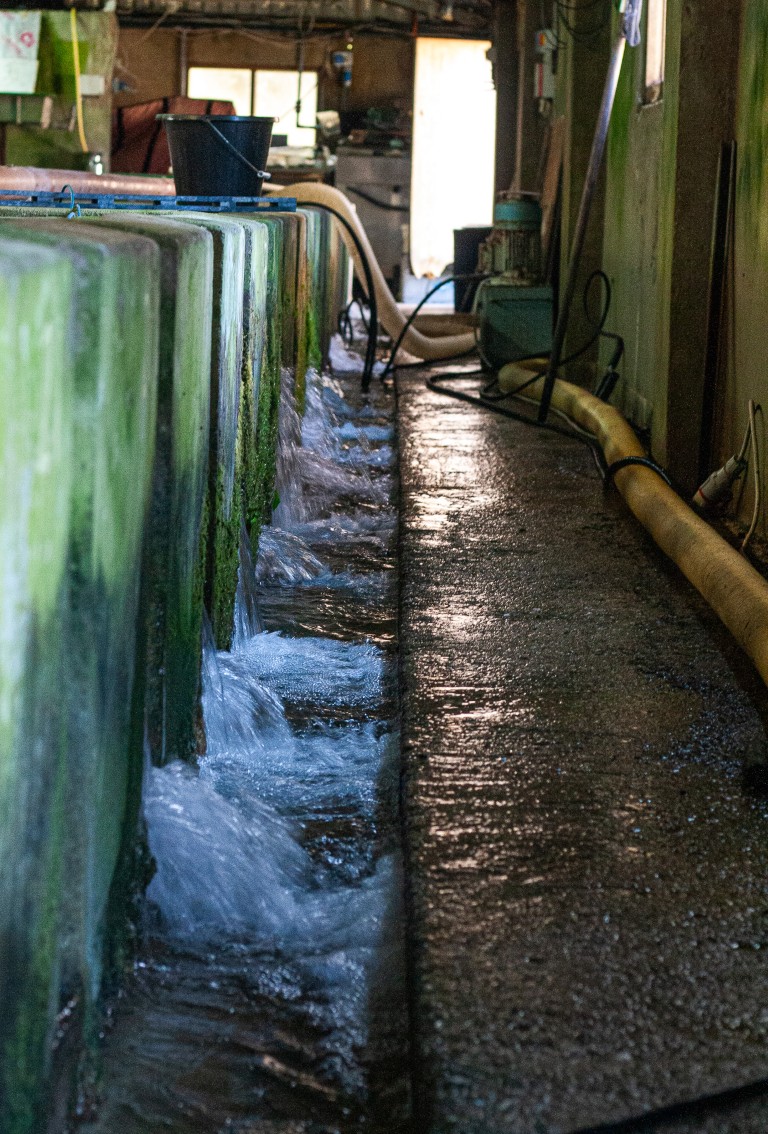
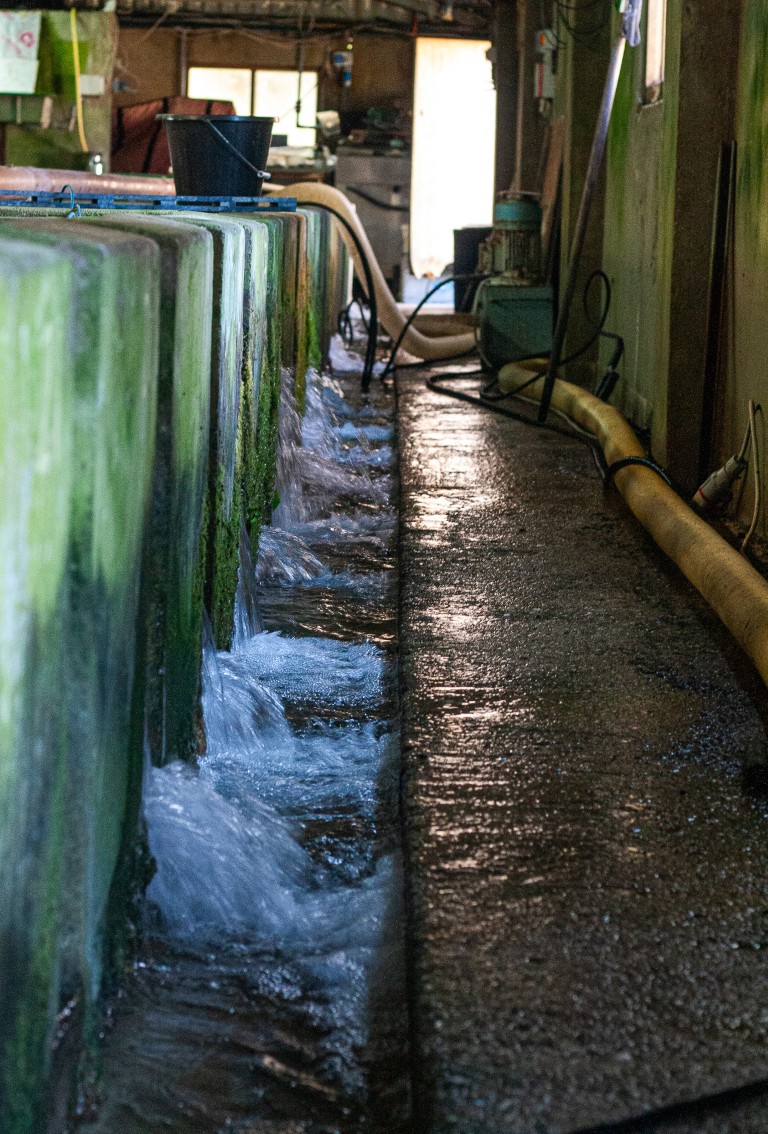
- Water Quality: Ensure your water source is clean and free from contaminants; fresh spring water is ideal for trout farming.
- Access Control: Limit access to your farm to essential personnel only, and establish visitor protocols to minimise contamination.
2. Health Screening and Stock Management
Regular health checks and proper stock management are critical. Implement these strategies:
- Pre-Purchase Screening: Before acquiring new fish, ensure they have been screened for diseases. Request health certificates from suppliers.
- Routine Health Checks: Conduct regular health assessments of your stock to identify any signs of illness early.
- Record Keeping: Maintain detailed records of fish stock, including their health status and any treatments administered.
3. Water Management
Water quality is paramount in preventing disease. Consider these water management practices:
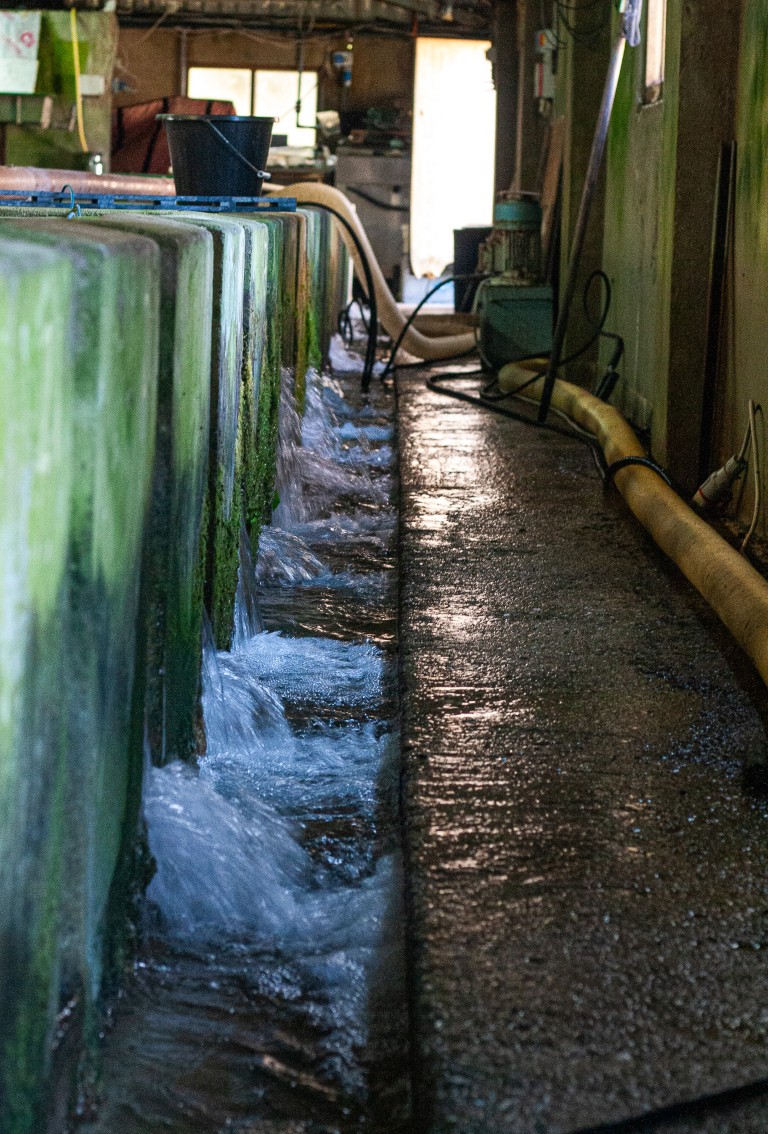
- Filtration Systems: Install effective filtration systems to remove pathogens from the water.
- Regular Testing: Conduct regular tests for pH, ammonia, nitrite, and nitrate levels to ensure optimal conditions for your fish.
- Water Treatment: Use treatments such as UV sterilisation or ozone treatment to reduce pathogen loads.
4. Biosecurity Training
Educating your staff on biosecurity protocols is essential. Ensure that:
- Staff Training: Regularly train staff on biosecurity practices and the importance of disease prevention.
- Clear Protocols: Develop clear protocols for reporting signs of illness and handling outbreaks.
5. Waste Management
Proper waste management is a key aspect of biosecurity:
- Disposal Protocols: Establish protocols for the disposal of dead fish and organic waste to prevent contamination.
- Sanitation: Regularly clean and disinfect all equipment, tanks, and surfaces to eliminate potential pathogens.
Mistakes to Avoid in Biosecurity
While implementing biosecurity measures, be aware of common pitfalls that can compromise your efforts:
- Neglecting Regular Audits: Failing to regularly audit your biosecurity measures can lead to oversights. Conduct routine evaluations to identify weaknesses.
- Inadequate Staff Training: Underestimating the importance of staff training can result in non-compliance with biosecurity protocols.
- Ignoring Local Regulations: Always stay informed about local regulations regarding biosecurity standards in fish farming.
What to Ask Your Suppliers
When sourcing fish or aquaculture equipment, asking the right questions can ensure you are partnering with reputable suppliers:
- Health Certification: Do you provide health certifications for your fish?
- Biosecurity Practices: What biosecurity measures do you have in place at your facility?
- Traceability: Can you confirm the traceability of your fish stock to ensure they come from healthy environments?
Next Steps for Implementing Biosecurity
To effectively implement biosecurity measures on your trout farm:
- Assess Current Protocols: Review your existing biosecurity practices and identify areas for improvement.
- Develop a Biosecurity Plan: Create a comprehensive biosecurity plan tailored to your farm’s specific needs.
- Engage with Experts: Consider consulting with aquaculture experts or local agricultural bodies for guidance on best practices.
- Monitor and Adapt: Regularly monitor the effectiveness of your biosecurity measures, adapting them as necessary based on new information or regulatory changes.
By prioritising biosecurity in your trout farming operation, you not only safeguard your investment but also contribute to the overall health of the aquaculture sector. For further insights on fish farming practices, explore our article on comparing different strains of rainbow trout.
In conclusion, effective biosecurity is not a one-time effort but an ongoing commitment to the health and success of your trout farming business. By implementing these practices and remaining vigilant, you can help ensure a thriving and sustainable operation.