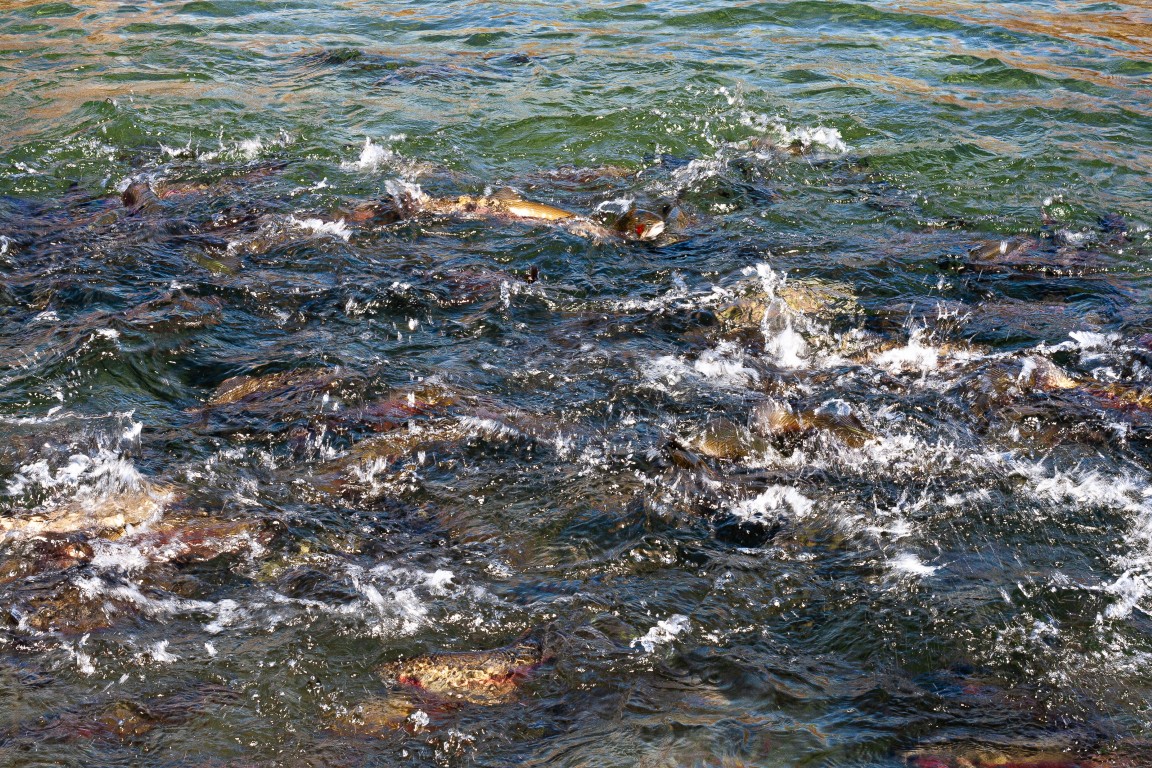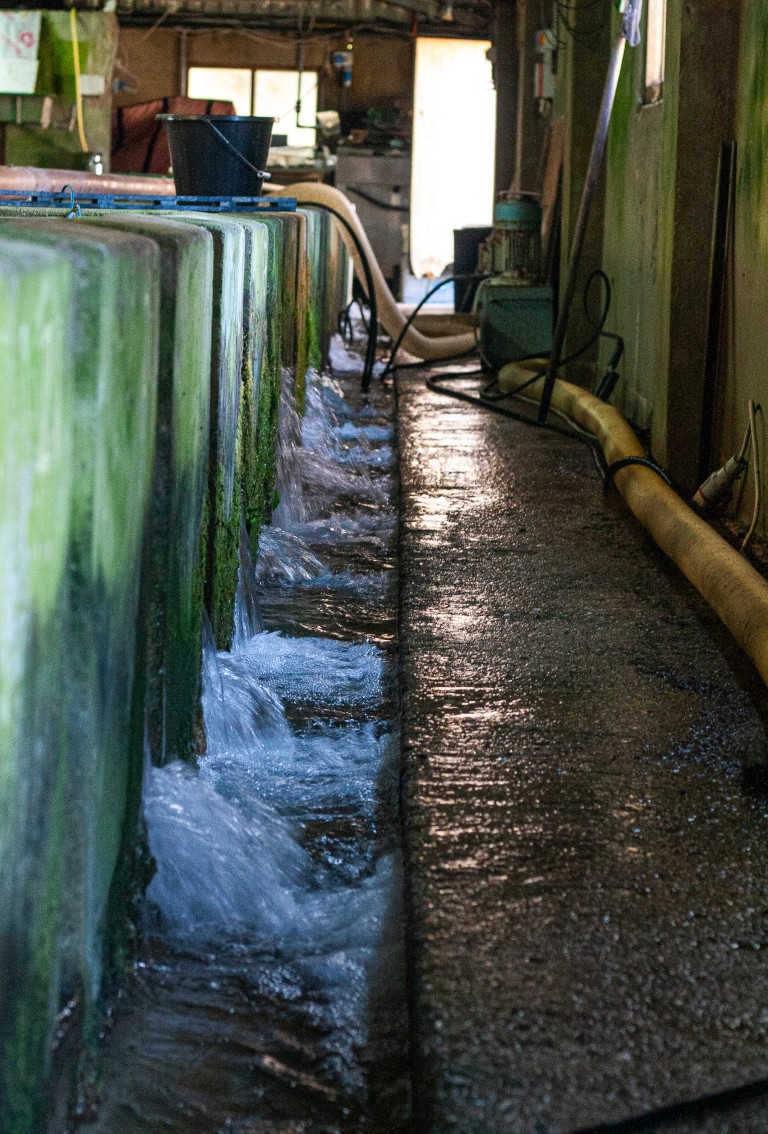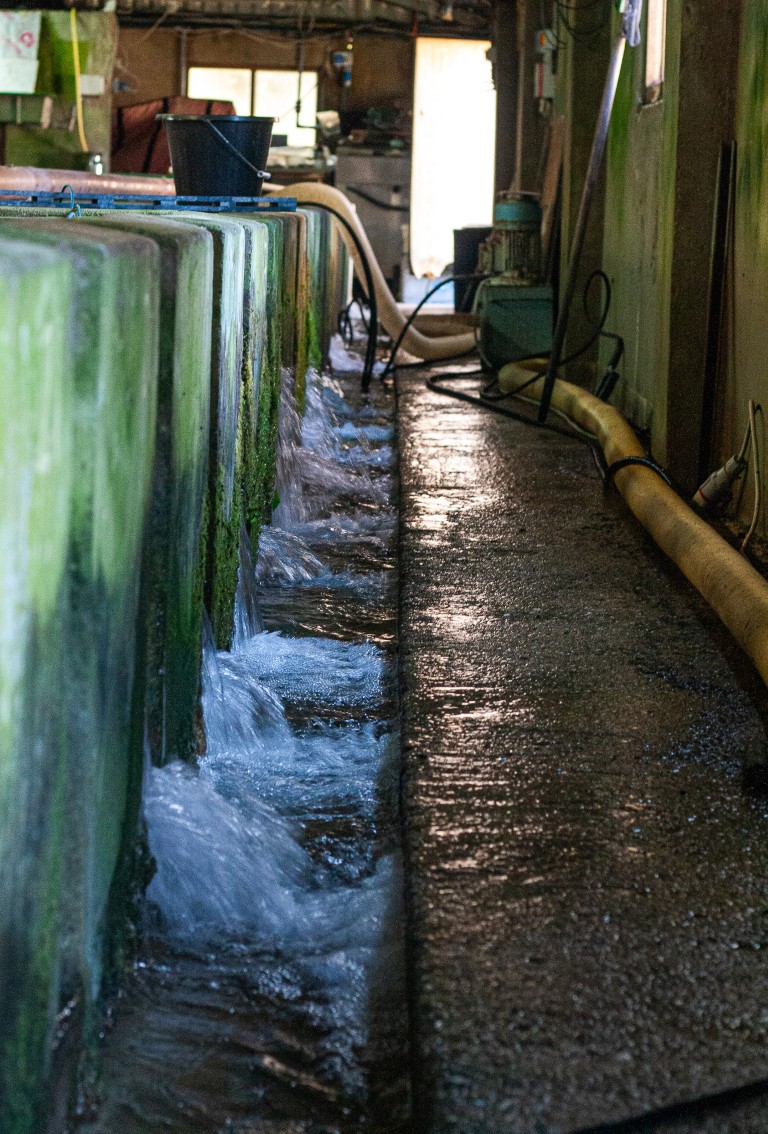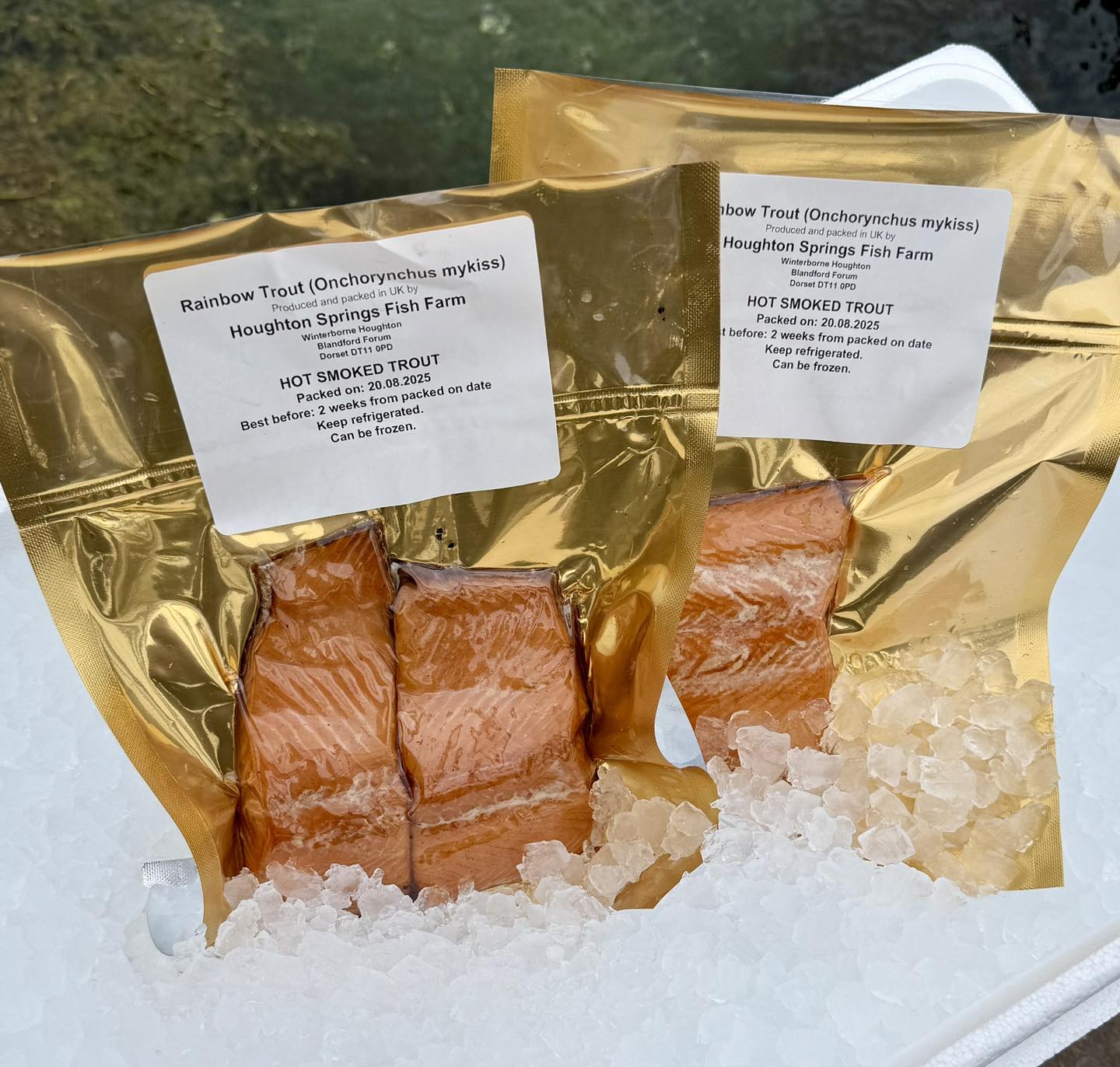
In the ever-evolving world of aquaculture, sustainability is not just a buzzword; it’s a necessity. As a small business owner in the trout farming sector, you may face the pressing challenge of ensuring your operations are both profitable and environmentally responsible. With increasing consumer demand for sustainable products, it’s essential to adapt your business model accordingly. This blog post will guide you through the critical components of building a sustainable trout farming business, focusing on practical strategies and actionable insights.
Understanding Sustainability in Trout Farming
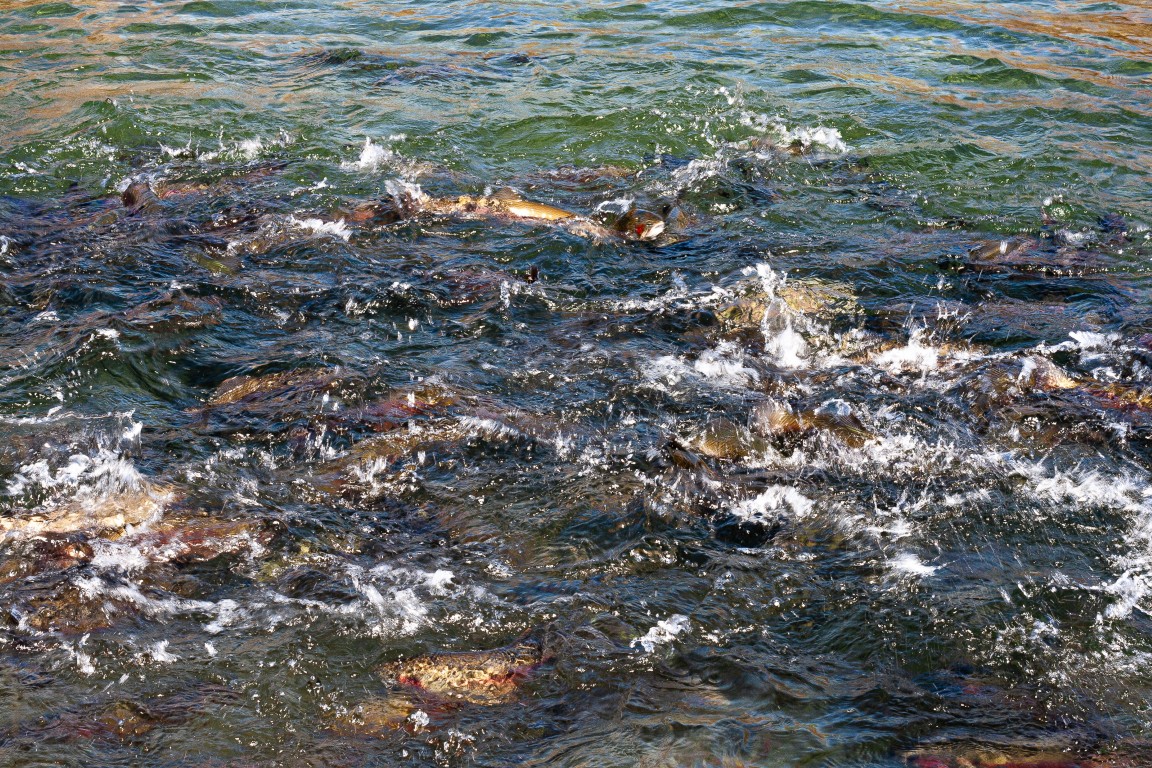
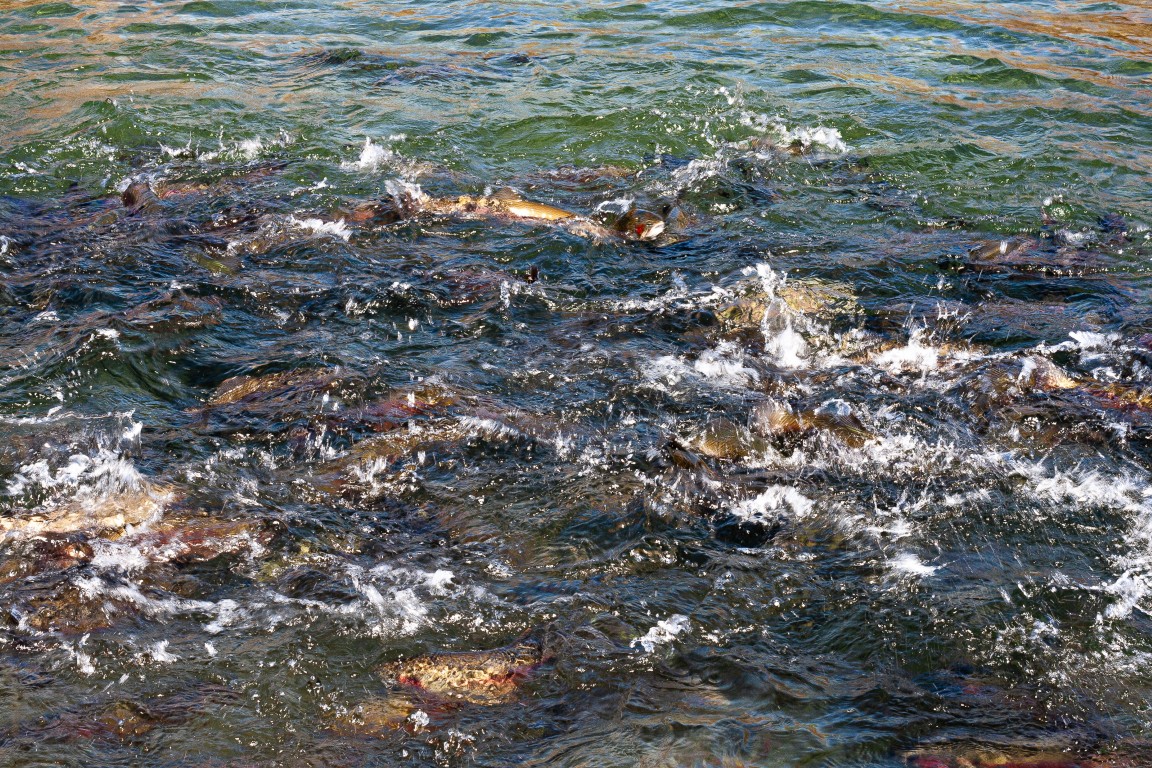
Sustainability in trout farming involves balancing economic viability with ecological integrity. This means not only aiming for profitability but also ensuring that your practices do not harm the environment or deplete natural resources. Here are the key elements to consider:
1. Resource Management
Efficient use of resources is fundamental to sustainability. Focus on:
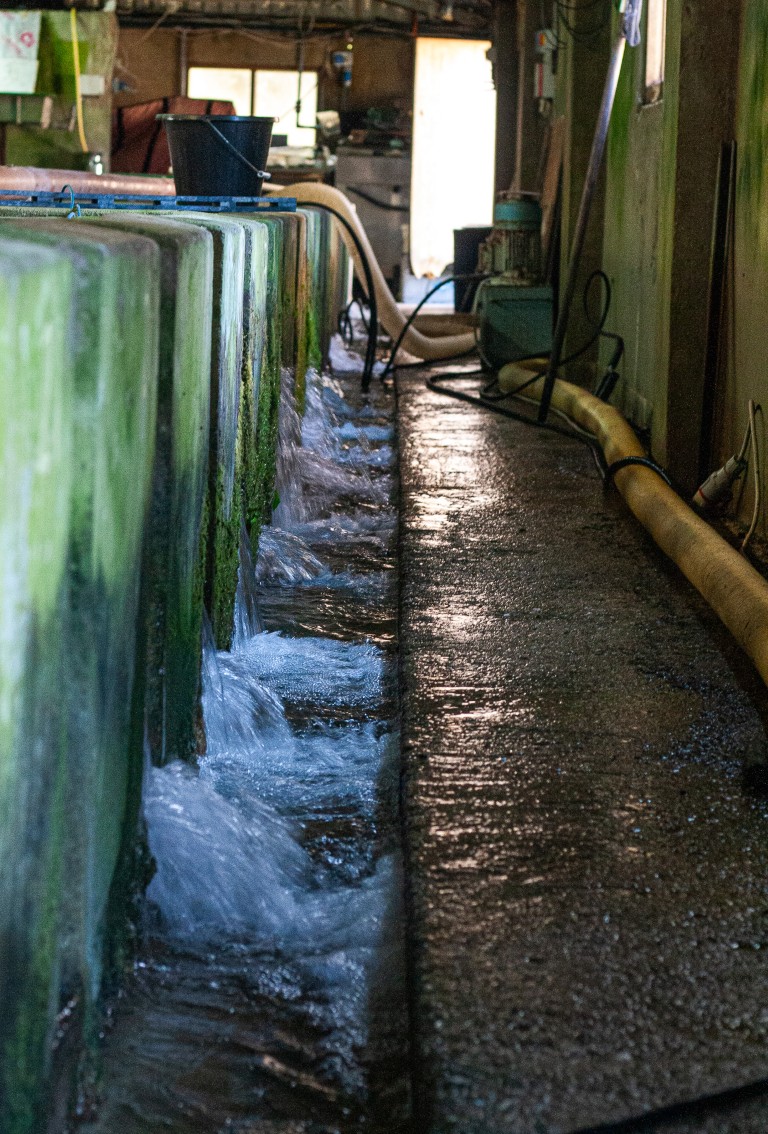
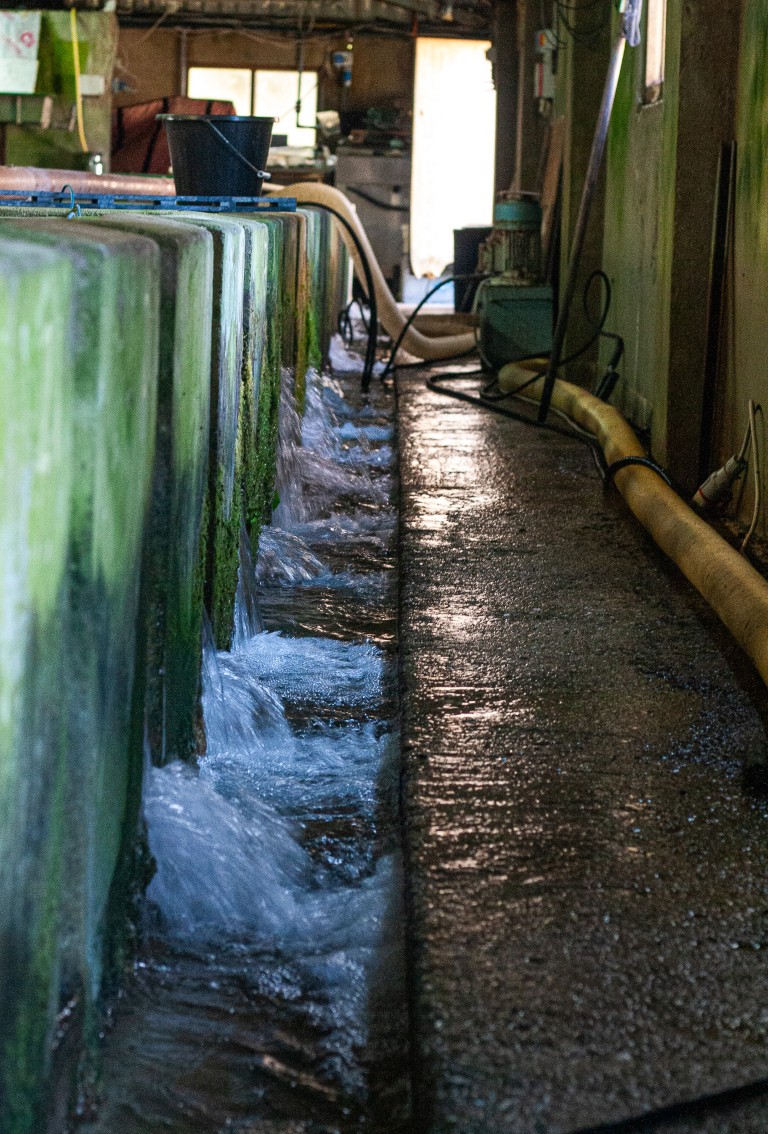
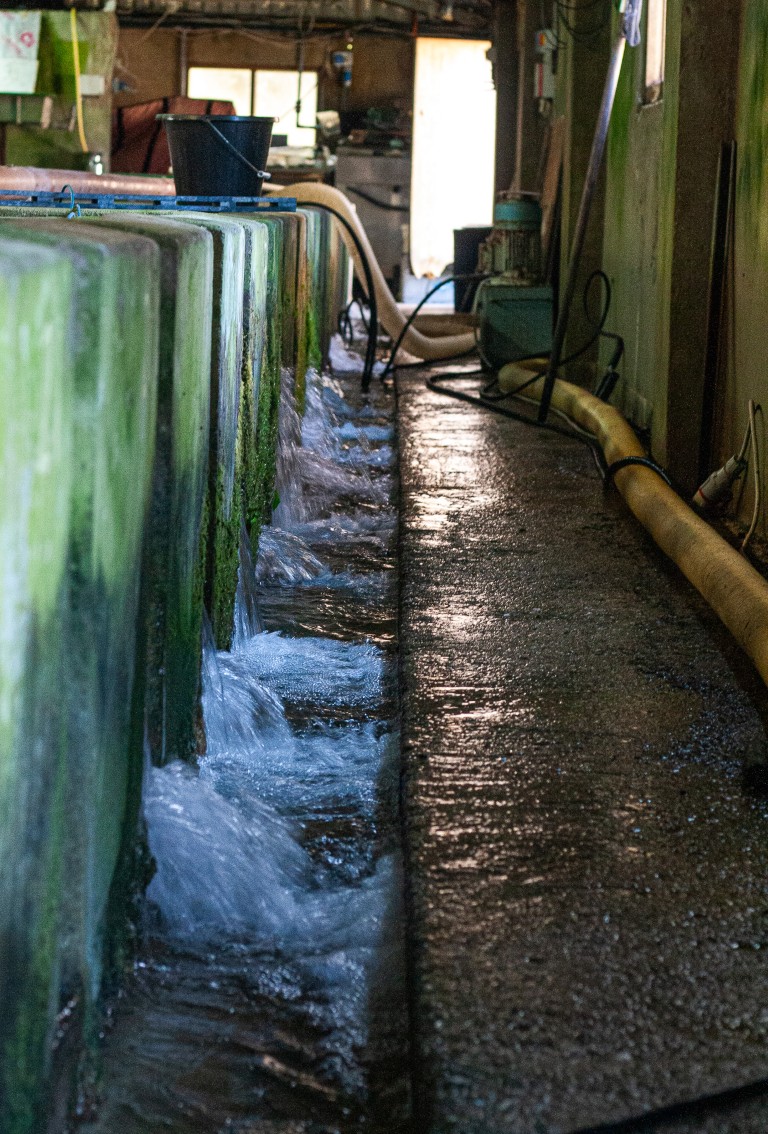
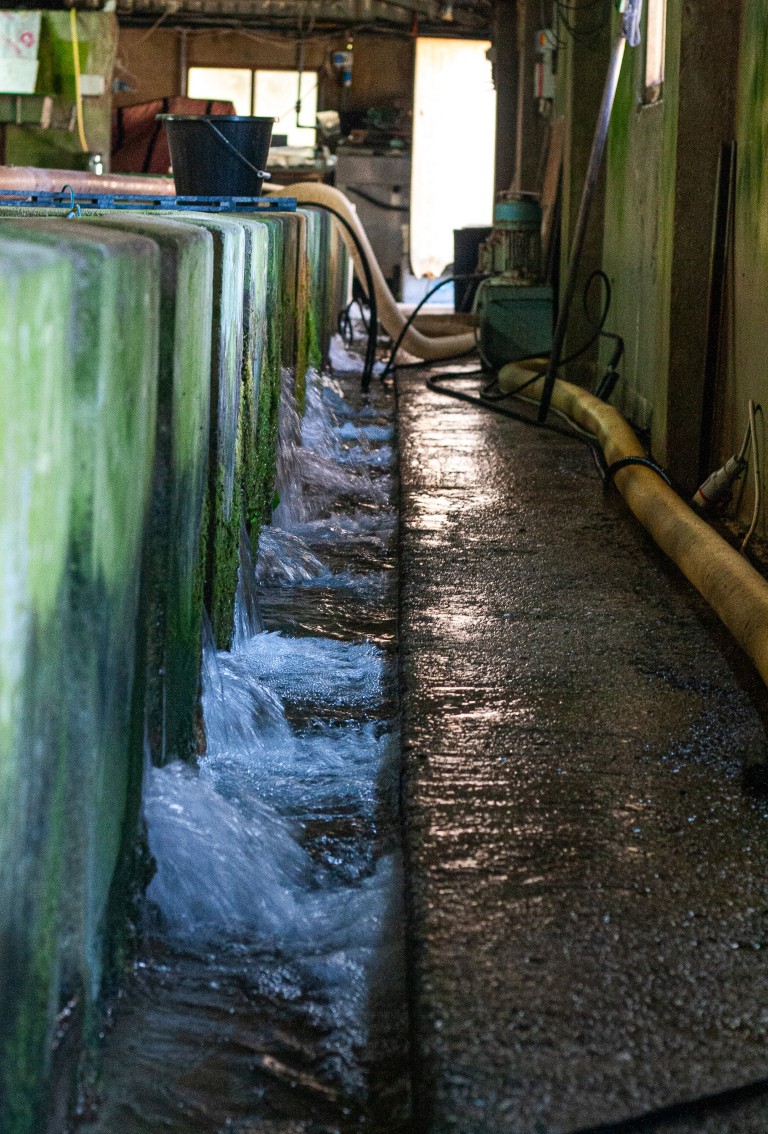
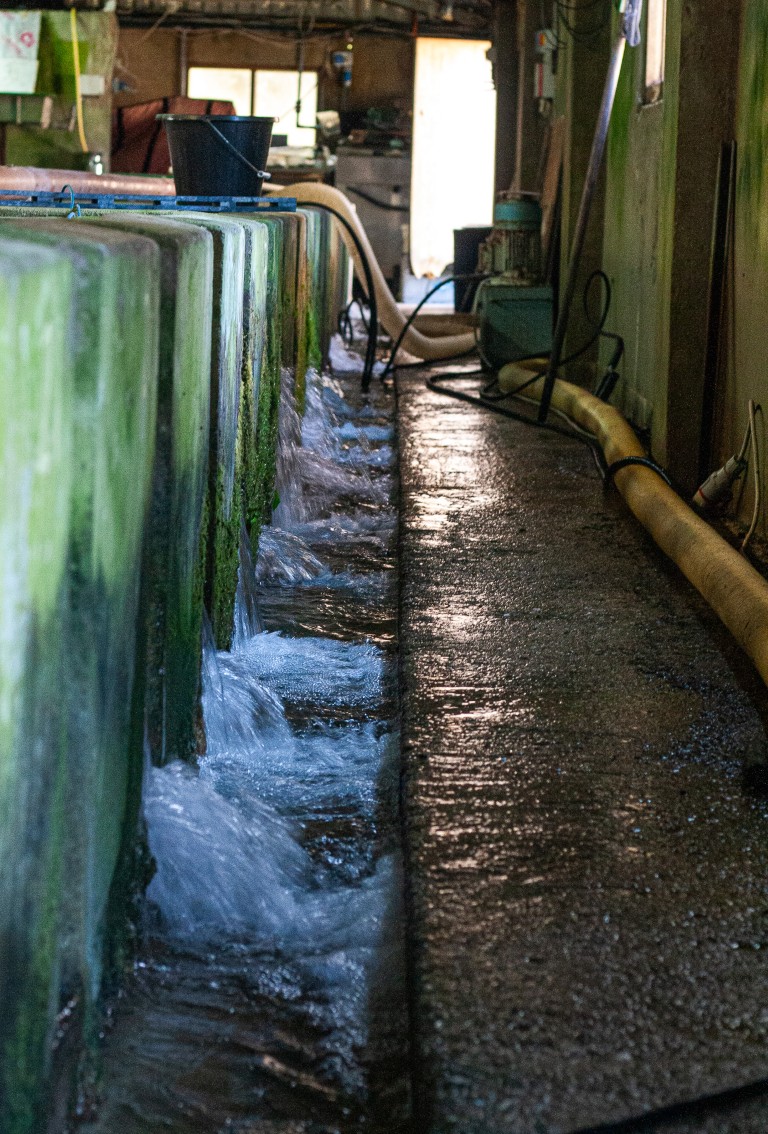
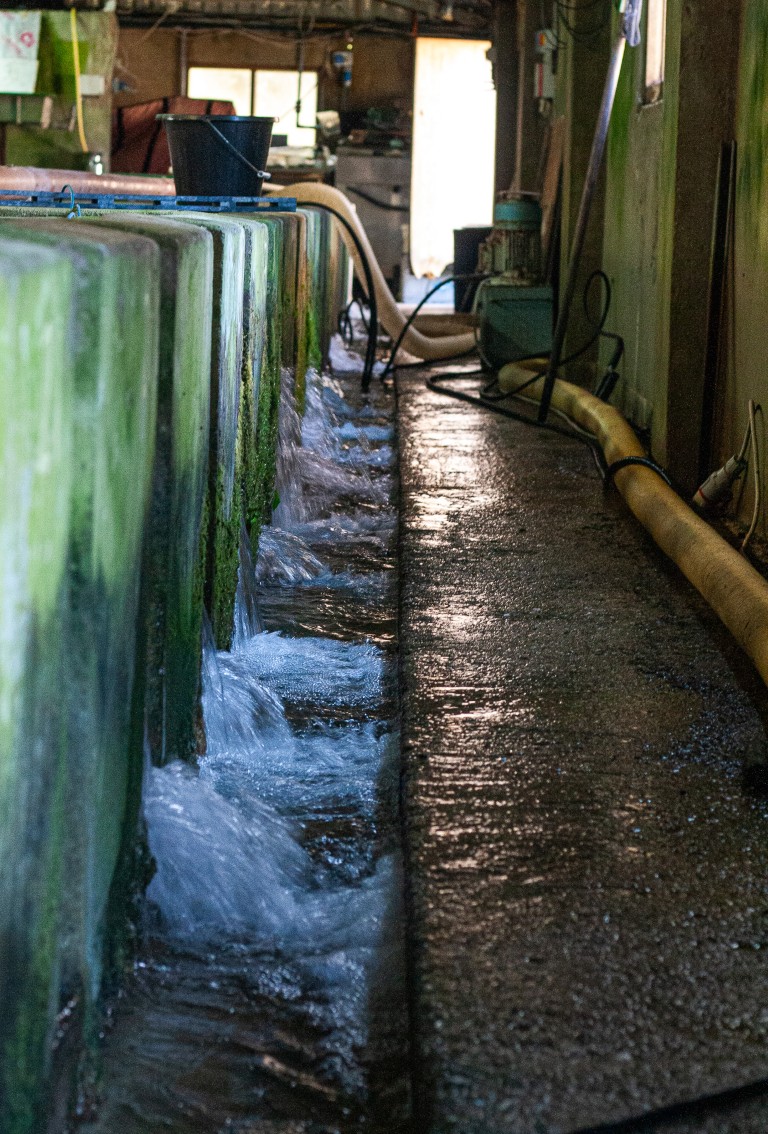
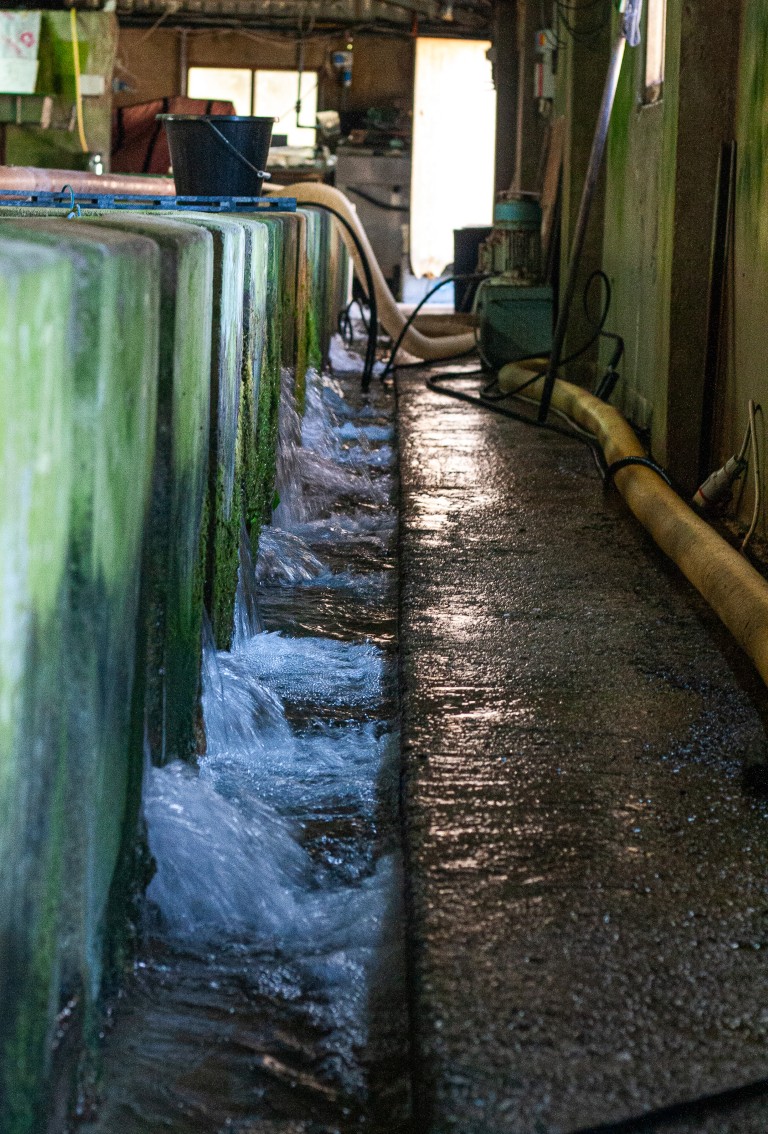
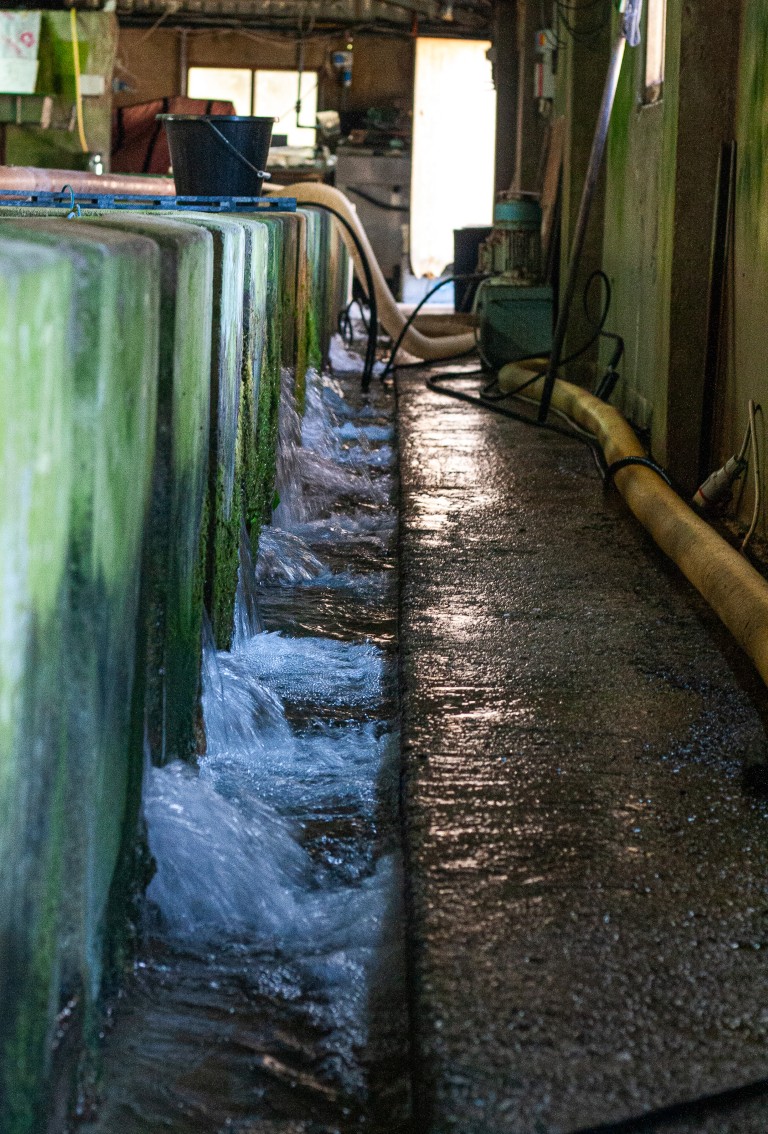
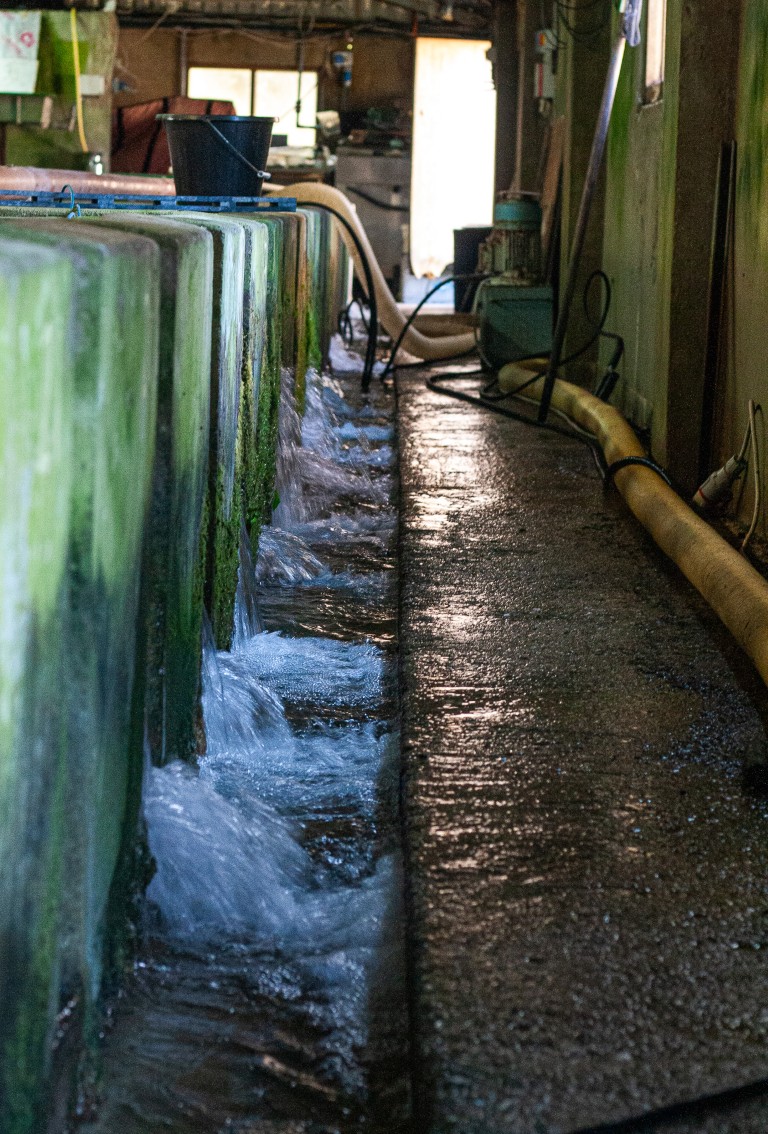
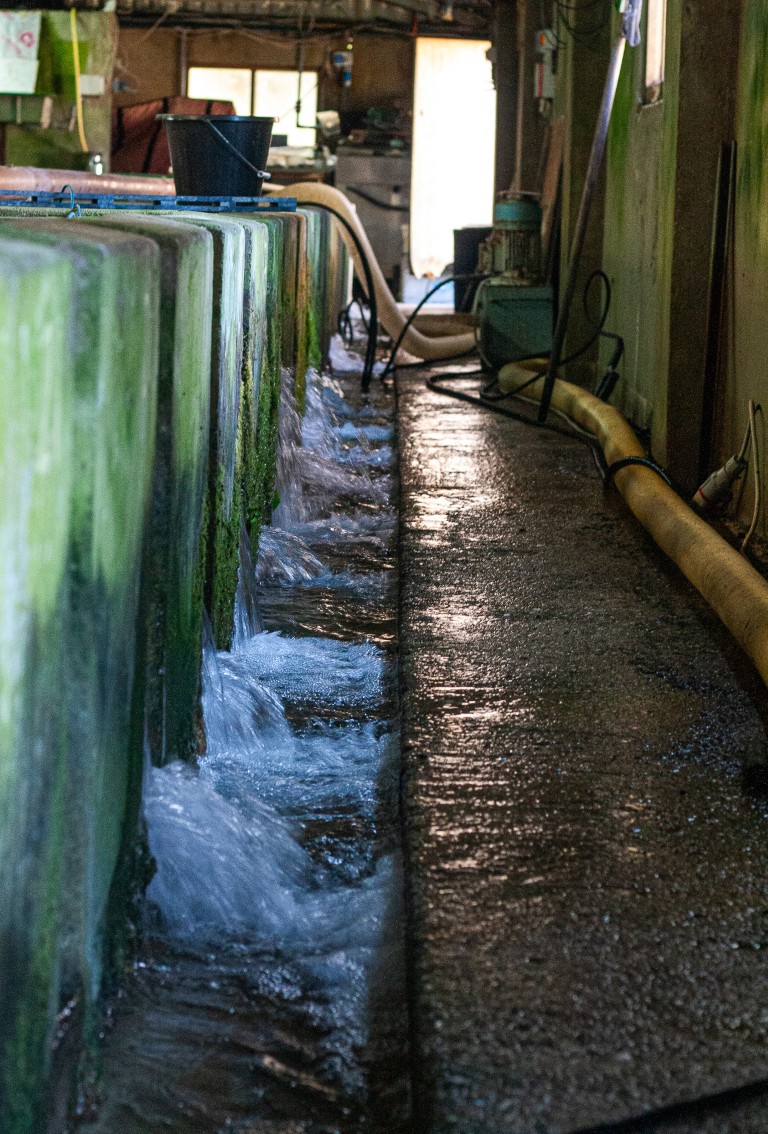
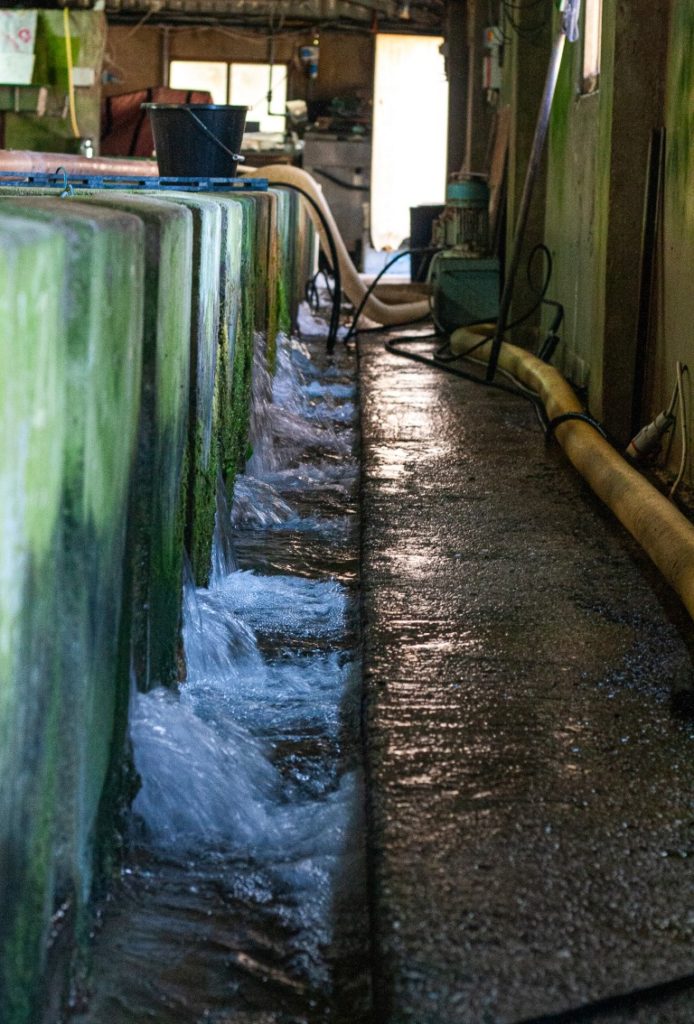
- Water Usage: Implement recirculating aquaculture systems (RAS) to minimise water waste. This system filters and reuses water, reducing the need for fresh water while maintaining optimal conditions for trout health.
- Feed Efficiency: Invest in high-quality feeds that maximise growth while minimising waste. Consider locally sourced or sustainable feed options to reduce your carbon footprint.
2. Environmental Impact
Your farming practices should aim to protect local ecosystems. To achieve this, consider:
- Waste Management: Develop a waste management plan that includes composting fish waste or using it as fertiliser for crops.
- Biodiversity: Avoid monocultures in your farming systems. Incorporating a variety of species can enhance ecosystem resilience.
3. Social Responsibility
Building a sustainable trout farm also means considering the social aspects of your operation:
- Community Engagement: Foster relationships with local communities. This can involve open days at your farm or collaborative projects with local schools to raise awareness about aquaculture.
- Fair Employment Practices: Ensure fair wages and working conditions for employees, promoting a positive workplace culture.
Practical Steps to Implement Sustainability
To put these principles into practice, here are some actionable steps you can take:
Conduct a Sustainability Audit
Assess your current operations to identify areas for improvement. This can include:
- Evaluating water usage and identifying leaks or inefficiencies.
- Assessing feed conversion ratios and investigating alternative feed sources.
Set Clear Sustainability Goals
Establish measurable targets for your business. For example:
- Reduce water consumption by 20% over the next two years.
- Source at least 50% of your feed from sustainable providers within five years.
Invest in Training and Development
Ensure that your team is well-informed about sustainable practices. This can involve:
- Regular training sessions on best practices in aquaculture.
- Encouraging staff to participate in workshops or conferences focused on sustainability.
Mistakes to Avoid in Sustainable Trout Farming
While striving for sustainability, there are common pitfalls to watch out for:
1. Ignoring Local Regulations
Ensure compliance with local regulations regarding fish farming and environmental protection. Regularly review these regulations to avoid costly fines.
2. Overlooking Market Demand
Understand the market demand for sustainable products. Engage with local businesses, restaurants, and consumers to gauge their interest in sustainably farmed trout. This can help you tailor your offerings to meet their needs.
3. Neglecting Maintenance
Regular maintenance of equipment and systems is crucial. A neglected system can lead to increased waste and resource use, undermining your sustainability efforts.
Building Strong Supplier Relationships
A sustainable trout farming business relies heavily on strong relationships with suppliers. Here’s how to cultivate these partnerships:
1. Choose Local Suppliers
Whenever possible, source materials and feed from local suppliers. This not only supports the local economy but also reduces transportation emissions.
2. Evaluate Supplier Practices
Before partnering with a supplier, assess their sustainability practices. Ask questions such as:
- What measures do they take to ensure their products are sustainably sourced?
- How do they manage their own waste and emissions?
3. Foster Open Communication
Maintain ongoing communication with your suppliers. Regularly discuss your sustainability goals and seek their input on how they can help you achieve these objectives.
Marketing Your Sustainable Approach
Once you have implemented sustainable practices, it’s vital to communicate this to your customers. Here are practical marketing strategies:
1. Highlight Your Sustainability Efforts
Use your website and marketing materials to showcase your commitment to sustainability. This can include:
- Case studies of successful sustainability initiatives on your farm.
- Information on how your practices benefit the local environment.
2. Engage with Customers
Consider hosting events or workshops that educate customers about sustainable aquaculture. This can help build a loyal customer base that values your commitment to responsible farming.
3. Leverage Social Media
Use social media platforms to share updates about your sustainability journey. Engaging posts about farm activities, sustainability milestones, or partnerships with local businesses can create a strong online presence.
Conclusion
Building a sustainable trout farming business is not only beneficial for the environment but also for your bottom line. By focusing on resource management, social responsibility, and effective supplier relationships, you can ensure that your farm not only survives but thrives in today’s market.
Start by conducting a sustainability audit, set clear goals, and engage with your community. As you implement these strategies, remember that sustainability is an ongoing journey that requires commitment and adaptability.
For more insights on effective trout farming practices, check out our blog on water quality management and building strong supplier relationships.