As a small business owner in the trout farming industry, one of your key challenges is ensuring a reliable and sustainable supply chain. The trout market is competitive, and the quality of your fish directly impacts your reputation and profitability. In rural Dorset, where local sourcing and sustainability are increasingly valued, establishing a robust supply chain can differentiate your farm from others. This blog post will guide you through the essential steps to create a sustainable supply chain for your trout farming business, ensuring you meet customer expectations while maintaining high standards.
Understanding Your Supply Chain
Before diving into the specifics, it’s crucial to have a clear understanding of what a supply chain entails in the context of trout farming. Your supply chain includes all the processes involved in producing and delivering your fish, from hatchery to customer. This encompasses:
- Sourcing: Obtaining hatchlings, feed, and other raw materials.
- Production: Rearing the fish in a controlled environment.
- Distribution: Transporting your fish to market or direct customers.
- Sales: Engaging with customers and fulfilling orders.
By understanding each component, you can identify areas for improvement and make informed decisions about your suppliers and processes.
Sourcing Quality Hatchlings
Choosing the right hatchery is crucial for the success of your trout farm. Here are some factors to consider when sourcing hatchlings:
Criteria for Selecting a Hatchery
- Reputation: Research the hatchery’s history and customer reviews. A reputable hatchery will have a track record of providing healthy, disease-free fish.
- Breeding Practices: Ensure the hatchery employs sustainable breeding practices that align with your business values.
- Location: Working with local suppliers can reduce transport time and costs, and enhance freshness.
- Variety: Consider the strains of trout the hatchery offers. Different strains may thrive better in your specific environment.
Questions to Ask Your Supplier
- What biosecurity measures do you have in place?
- Can you provide references from other trout farms?
- What is the average health status of your hatchlings?
Sustainable Feed Options
Feed represents a significant portion of your operational costs, and choosing sustainable options can enhance your brand’s reputation. Here are some tips for selecting the right feed:
- Local Ingredients: Whenever possible, source feed ingredients locally to reduce your carbon footprint and support the local economy.
- Sustainable Practices: Look for feeds made from sustainable sources, such as fishmeal derived from responsibly managed fisheries.
- Nutritional Value: Ensure the feed meets the nutritional needs of your trout, which is crucial for growth and health.
For more on the importance of sustainability in your operations, check out our post on The Future of Sustainable Fish Farming.
Managing Production Effectively
Once you have sourced your hatchlings and feed, managing the production phase efficiently is vital. This involves:
Best Practices for Trout Rearing
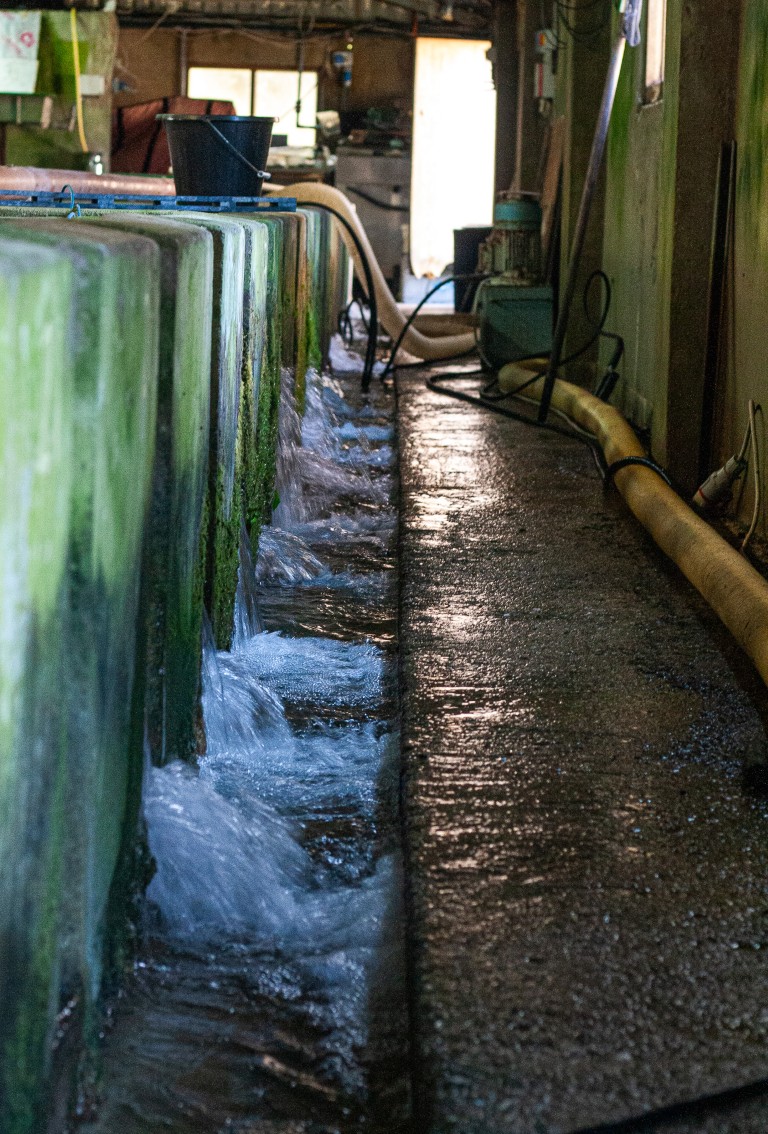
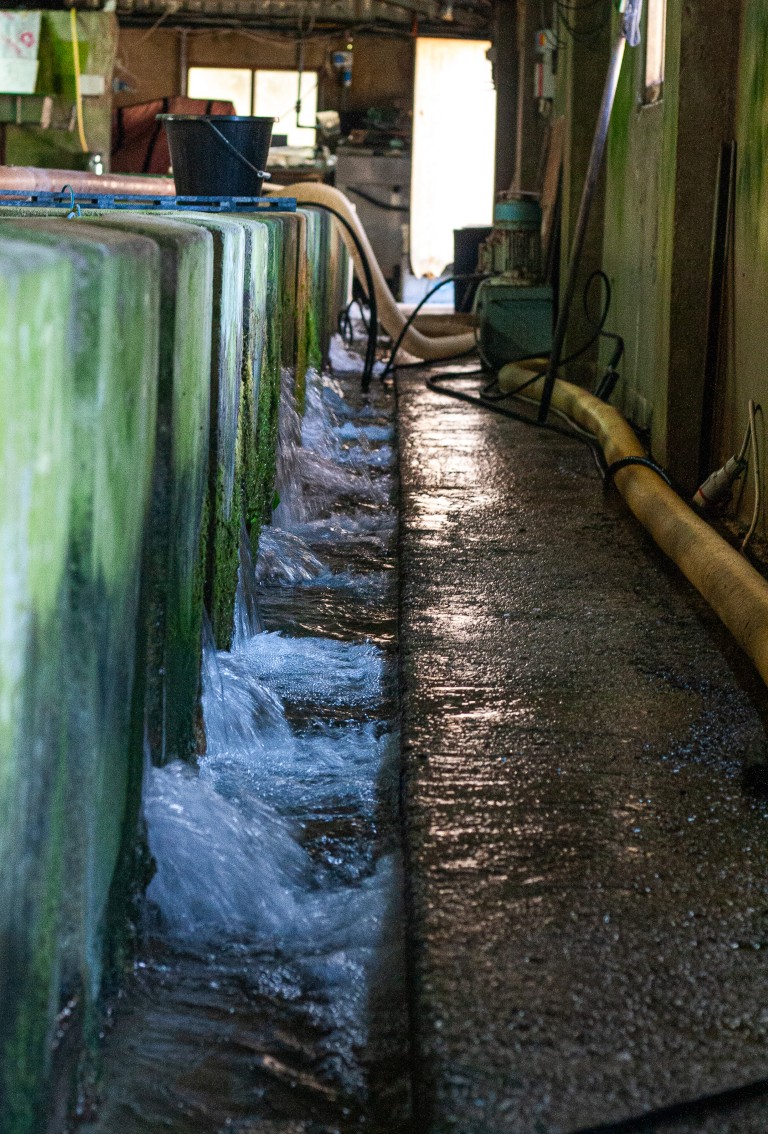
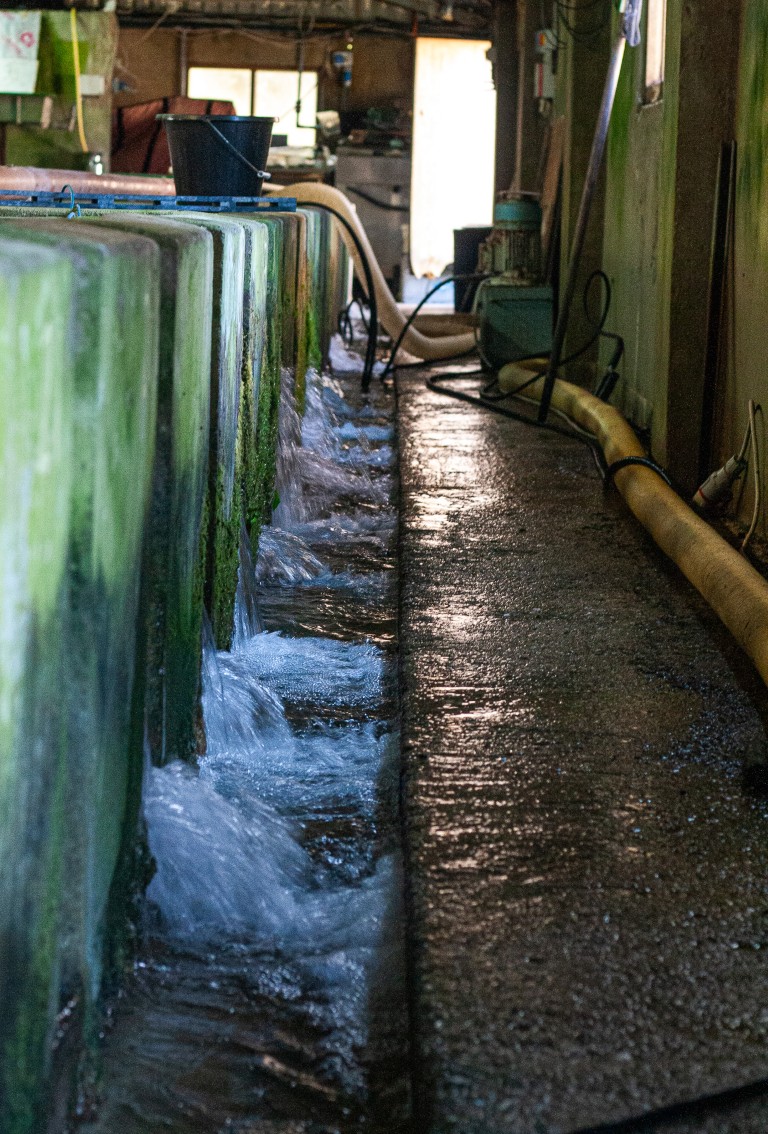
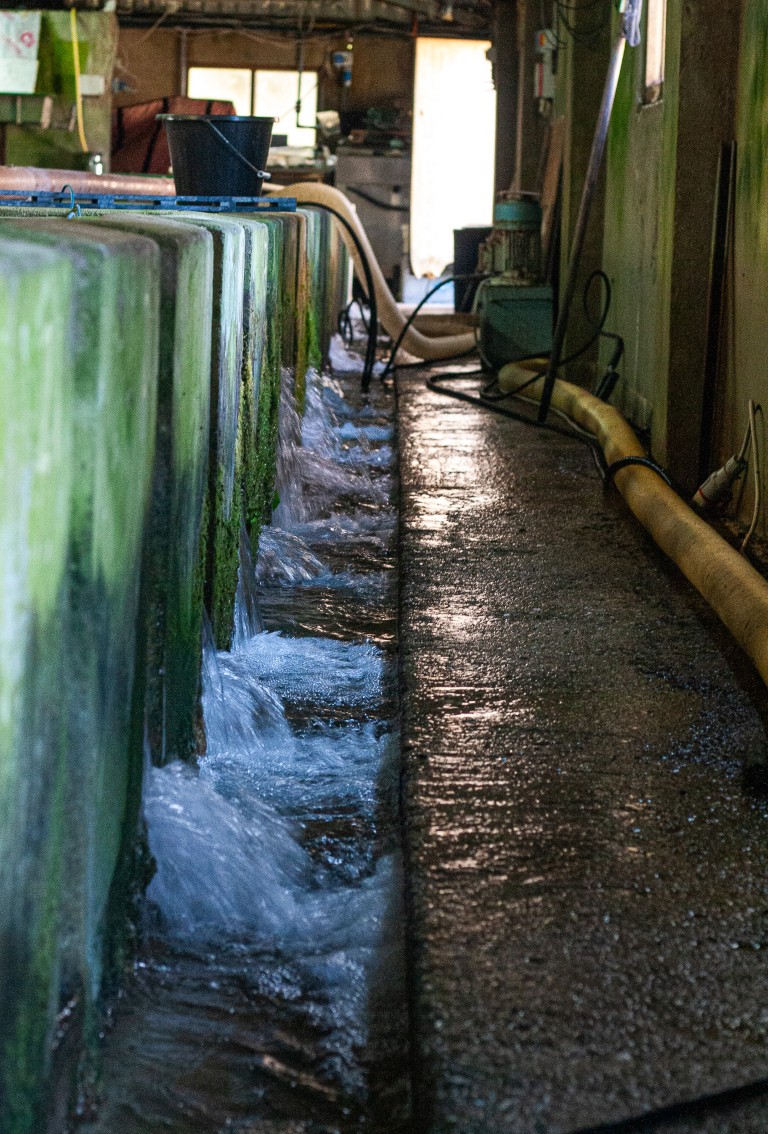
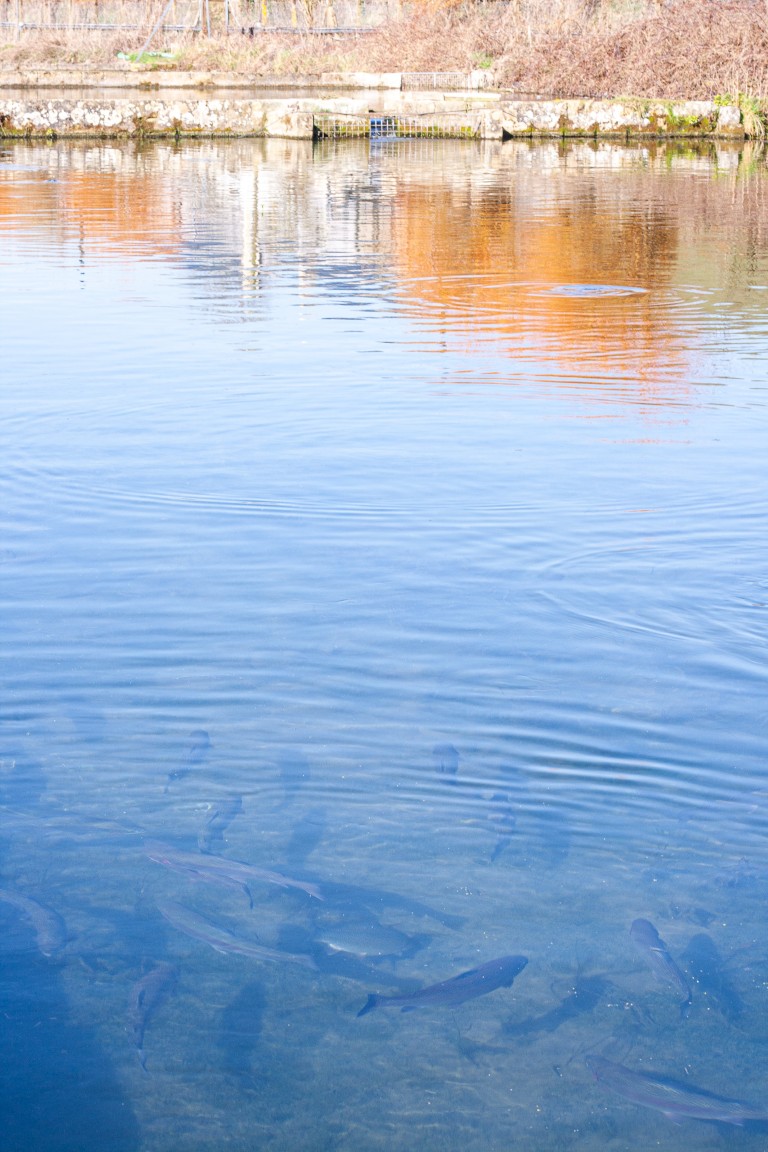
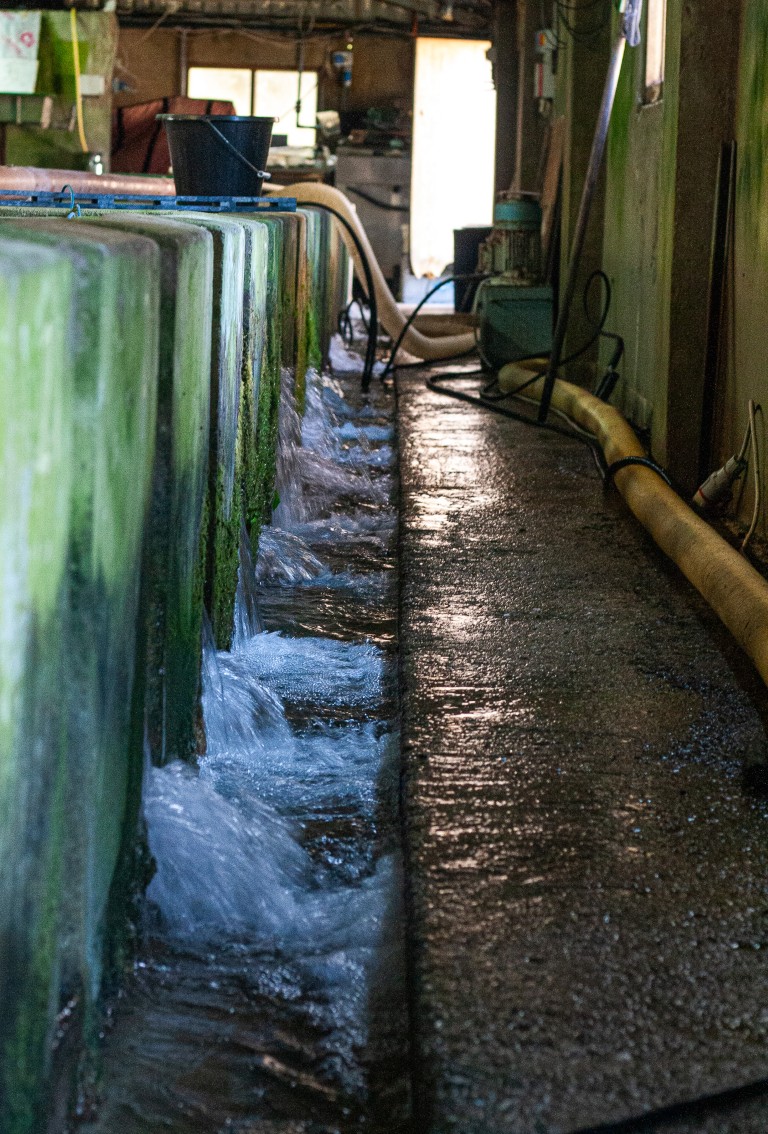
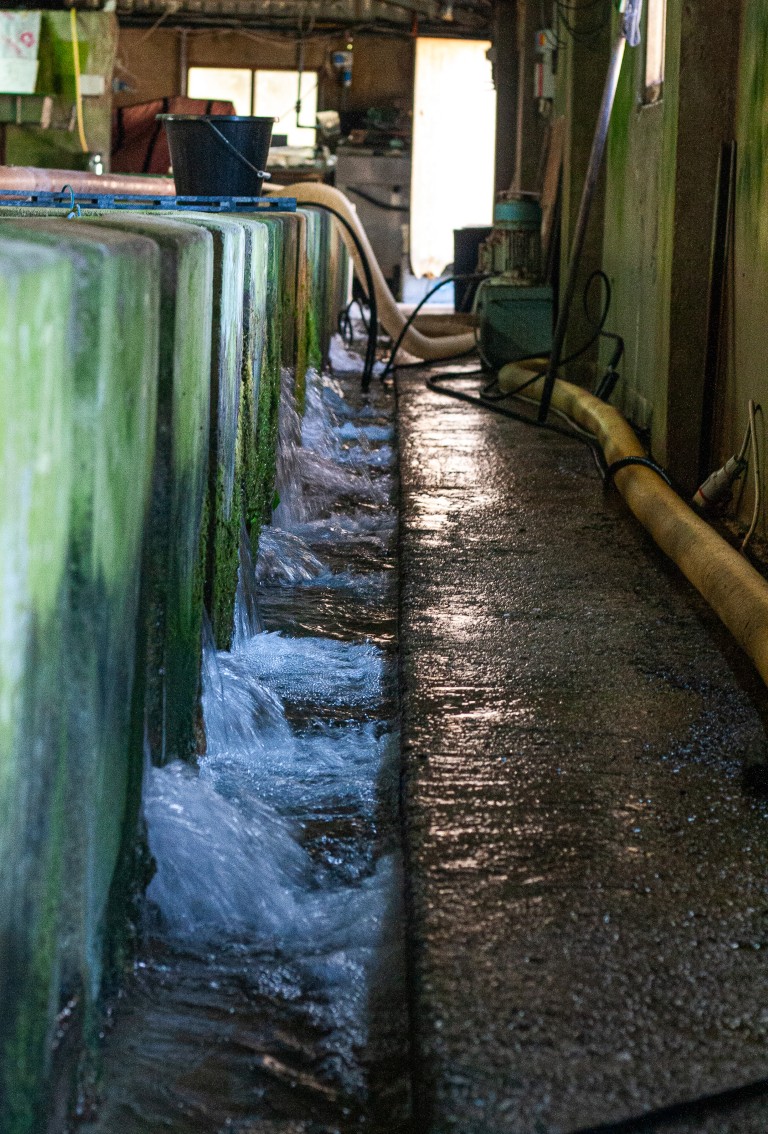
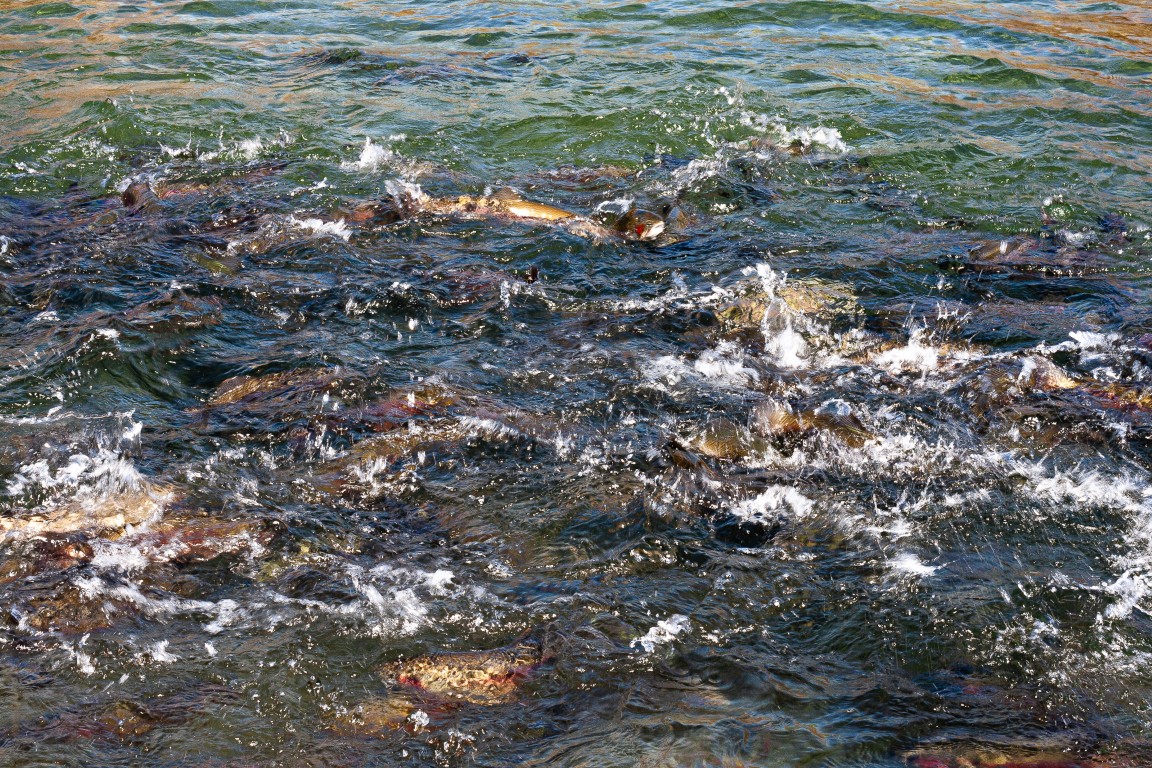
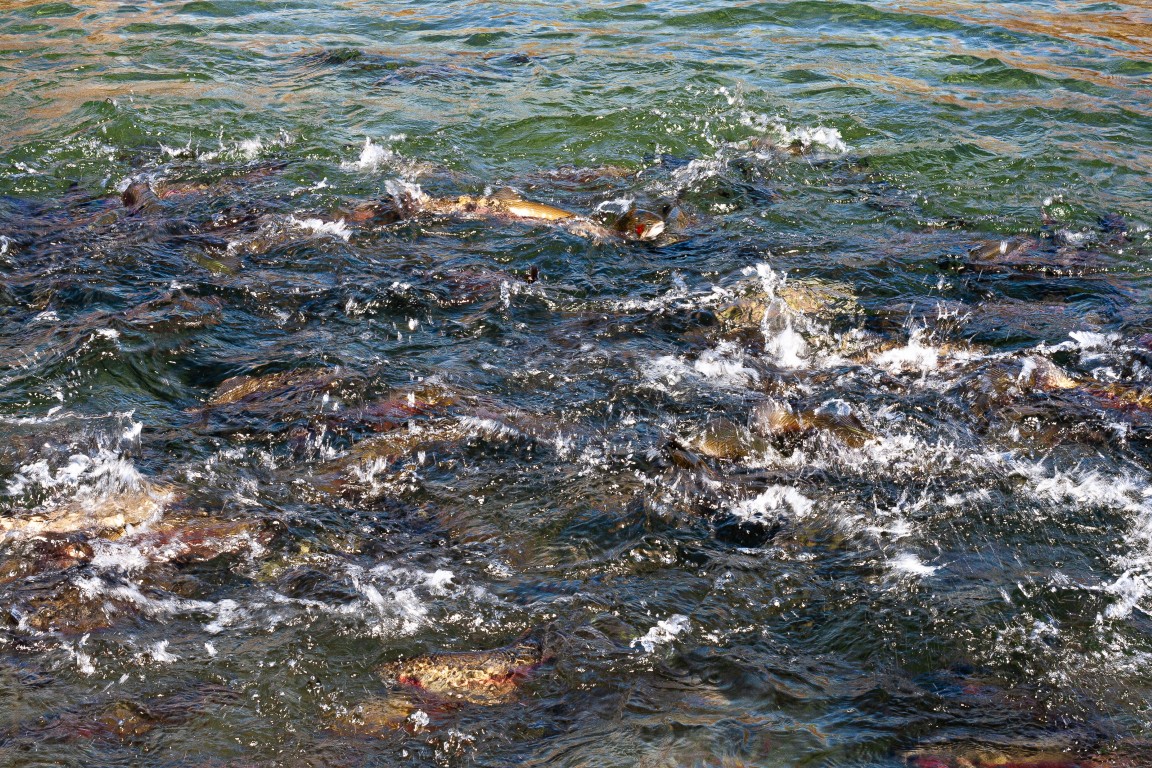
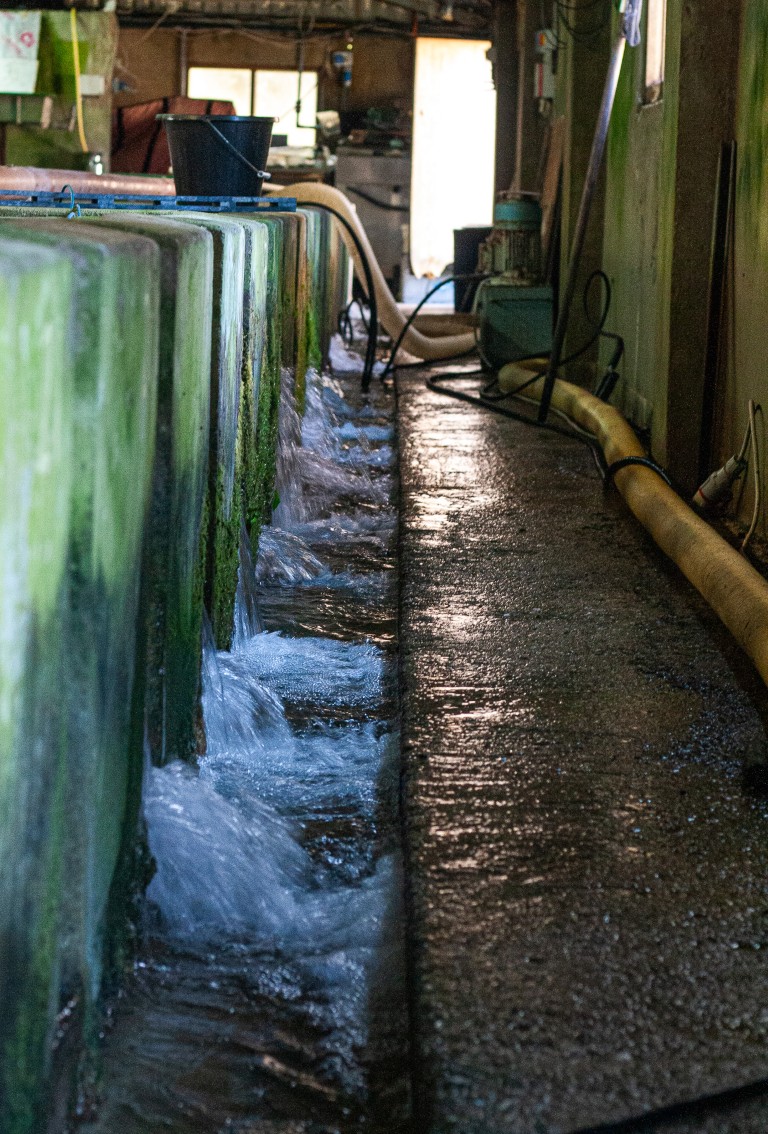
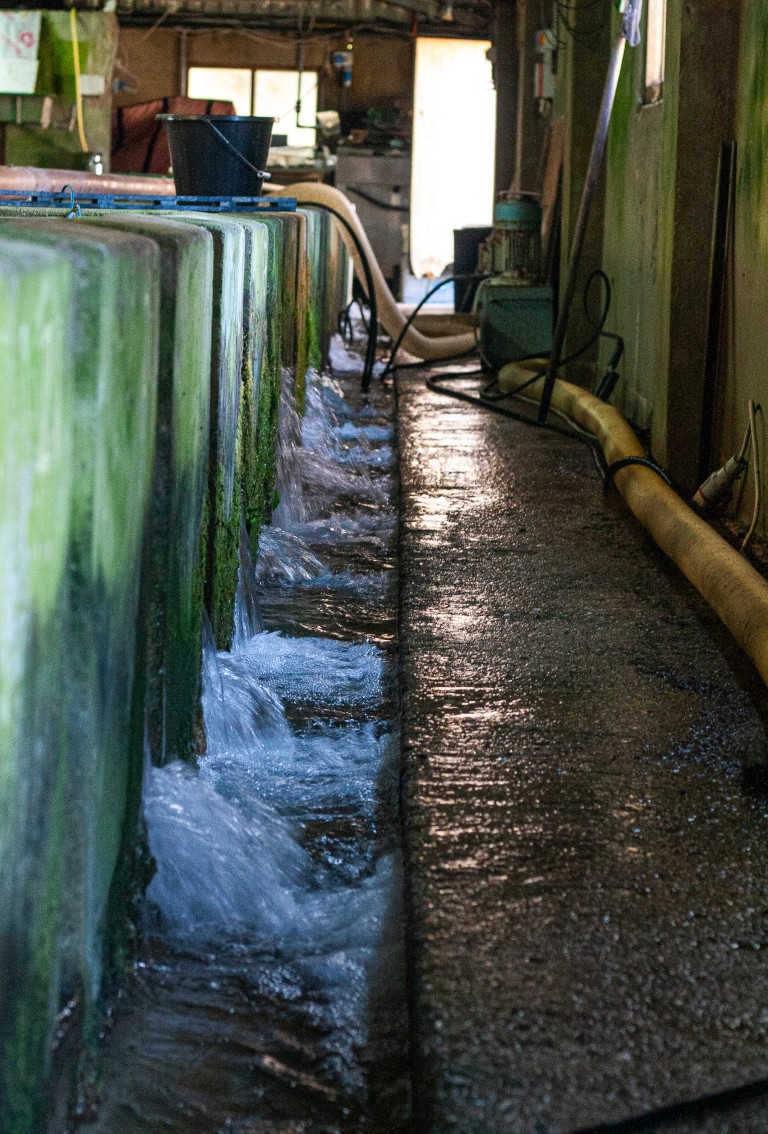
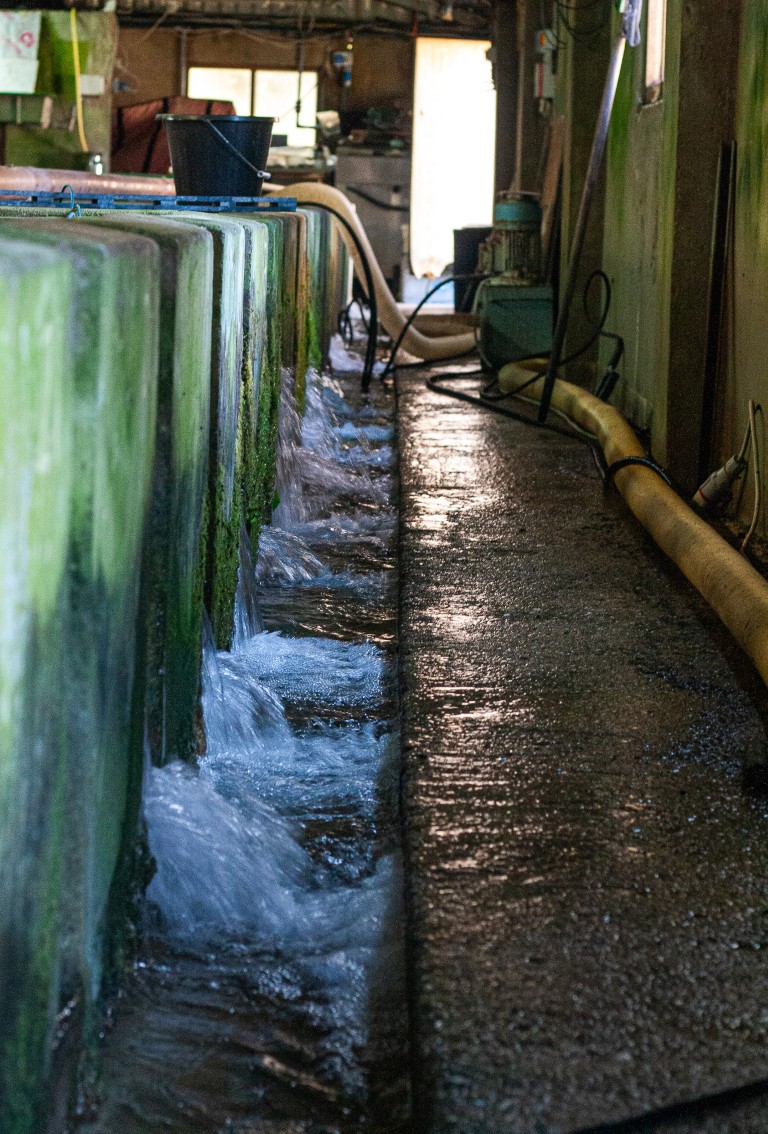
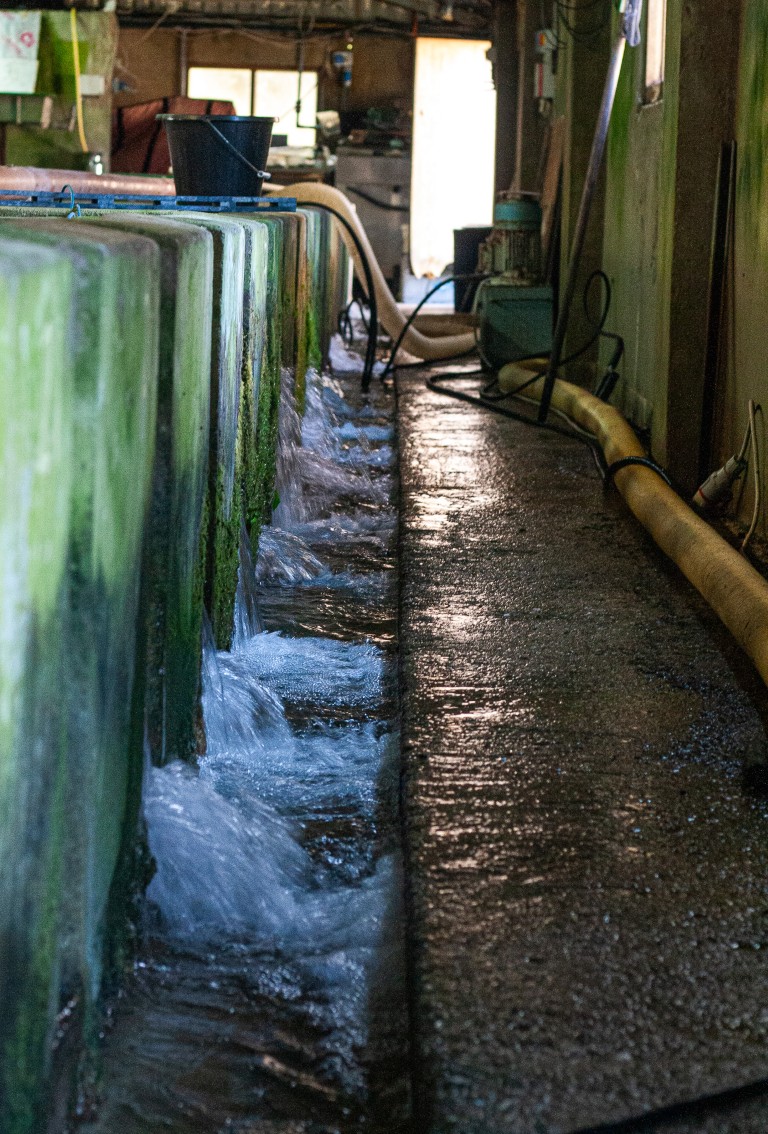
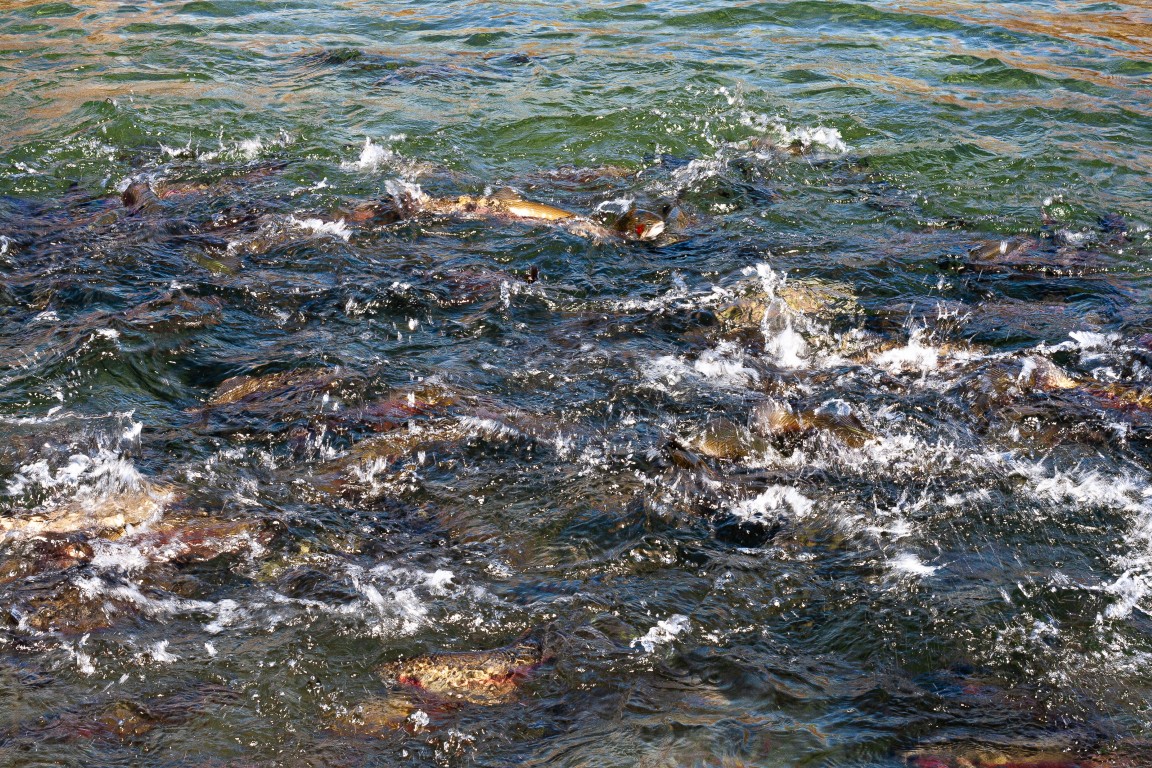
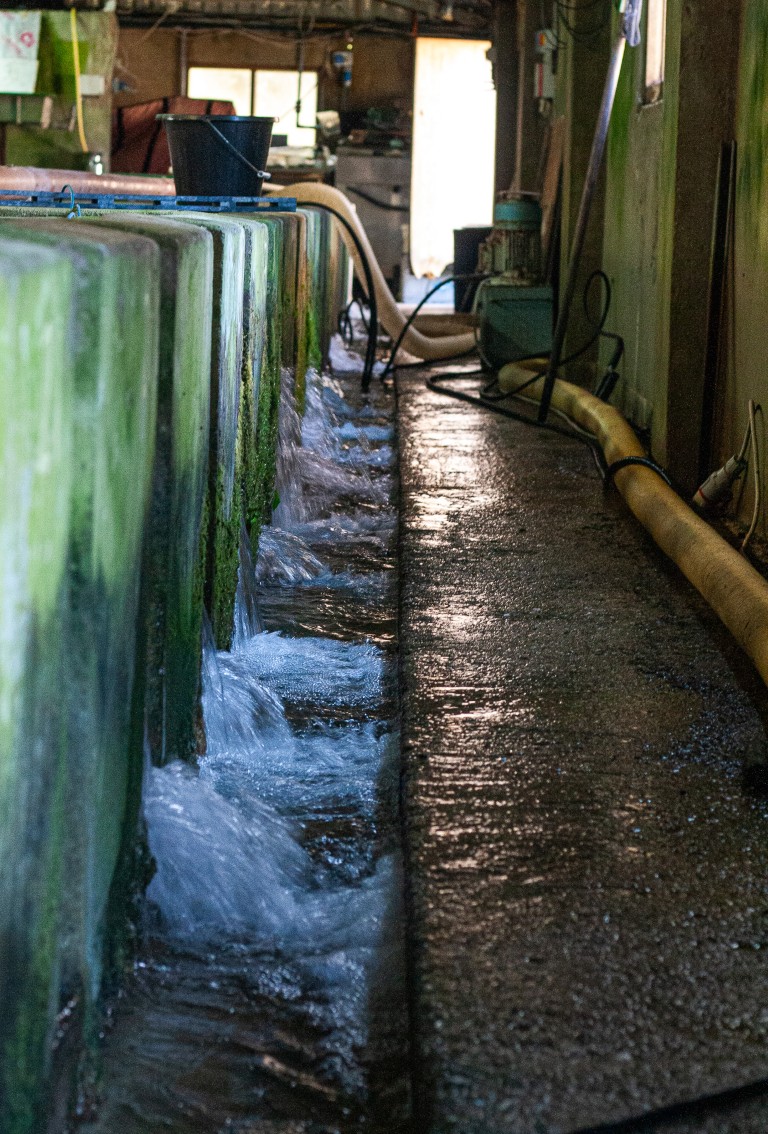
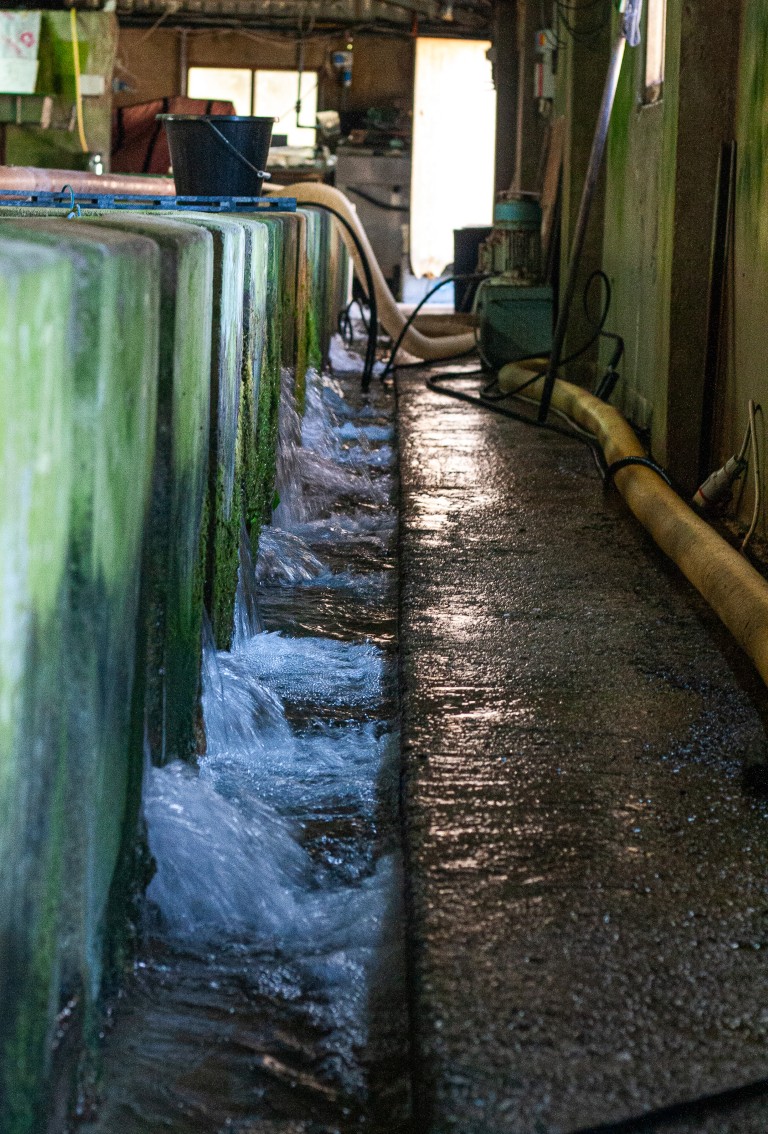
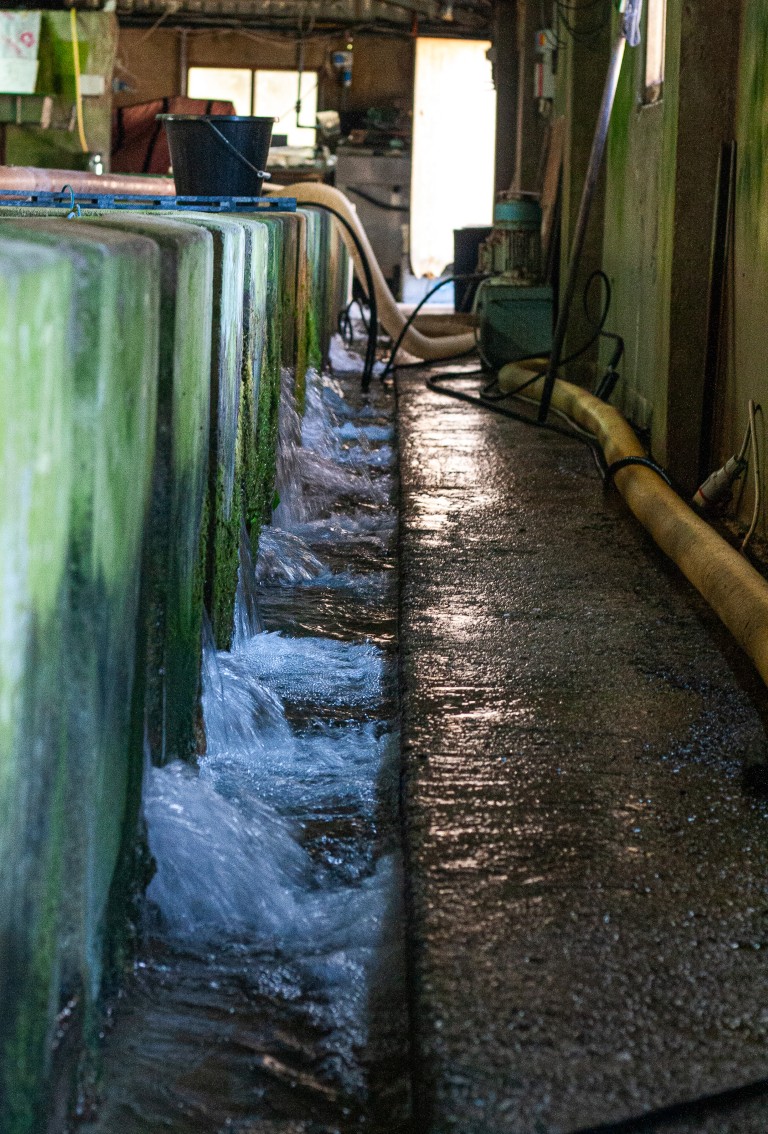
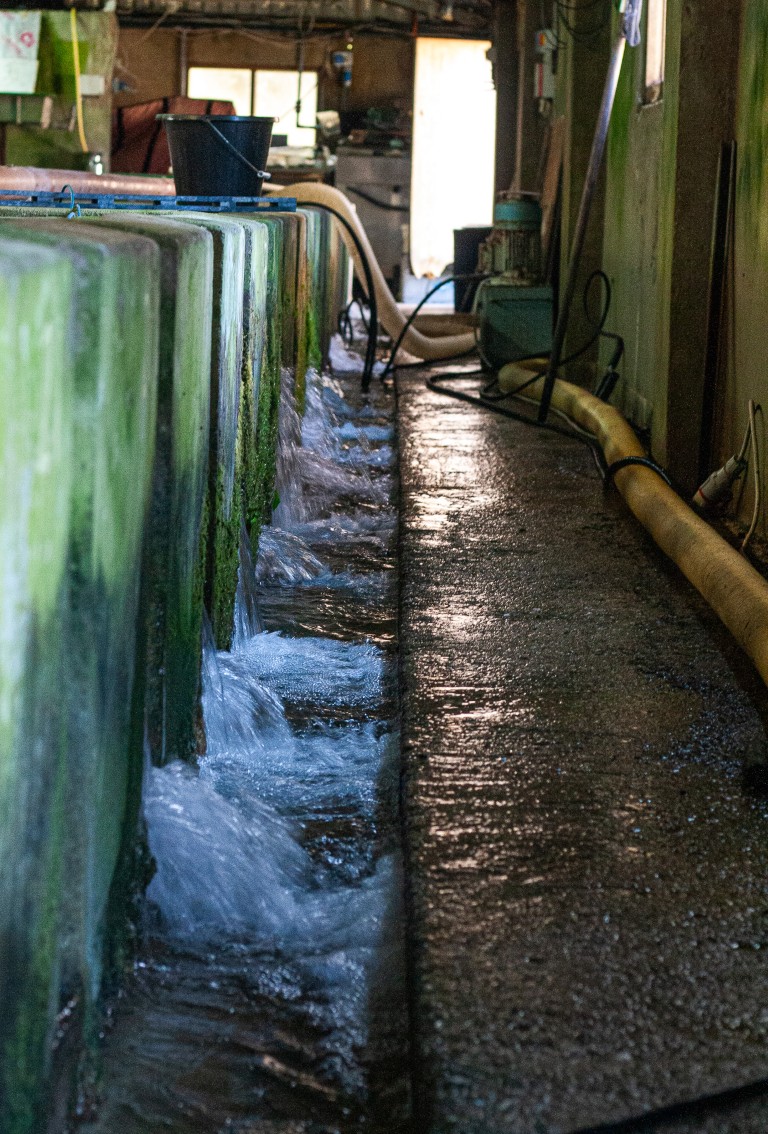
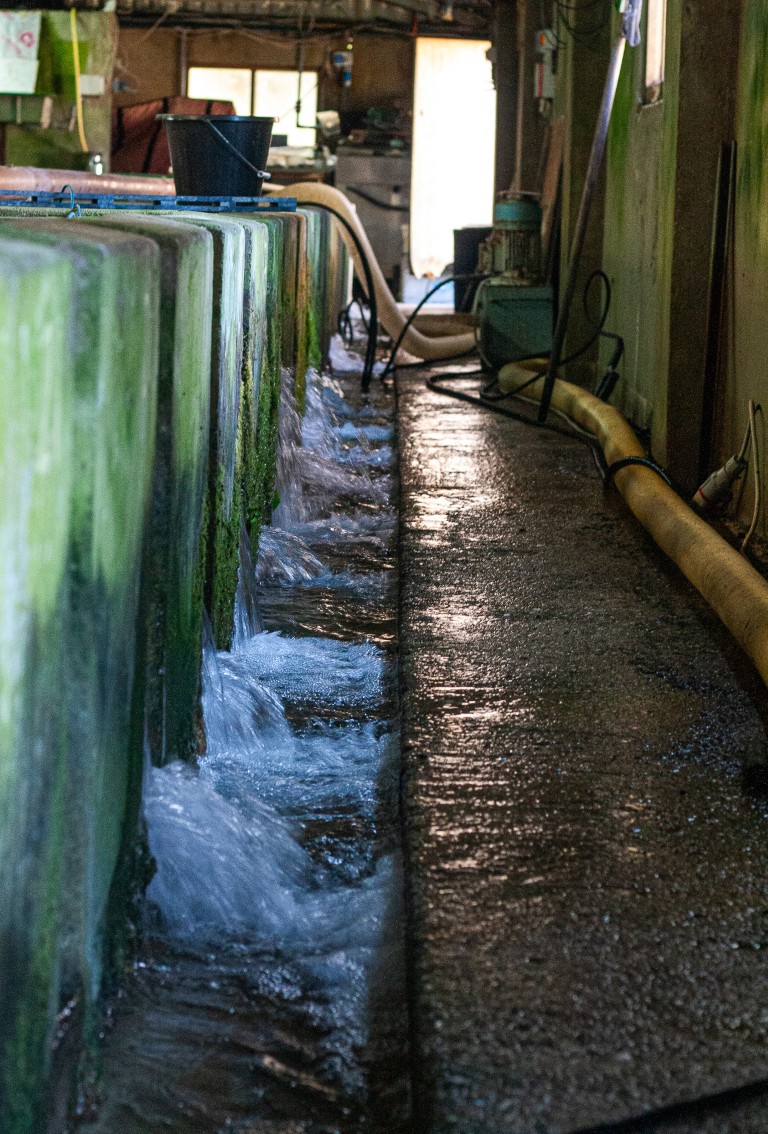
- Water Quality: Regularly monitor water quality parameters, including temperature, pH, and dissolved oxygen levels. Clean, fresh spring water is essential for the health of your fish.
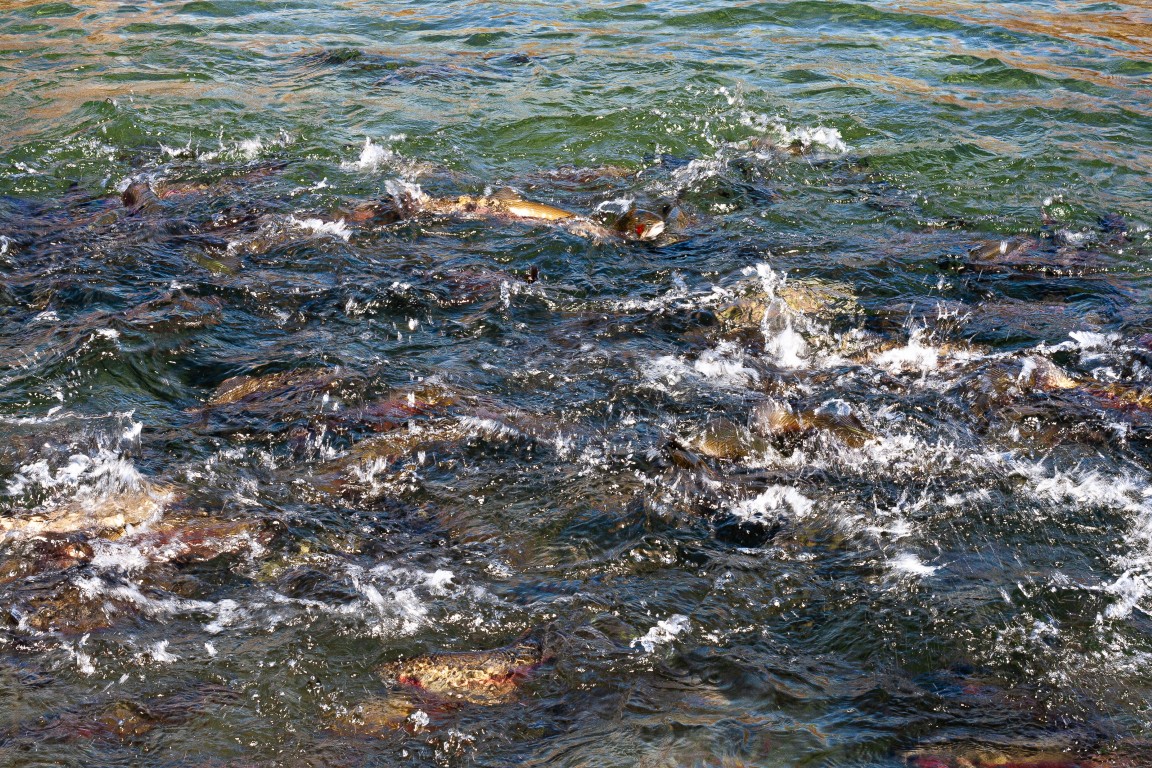
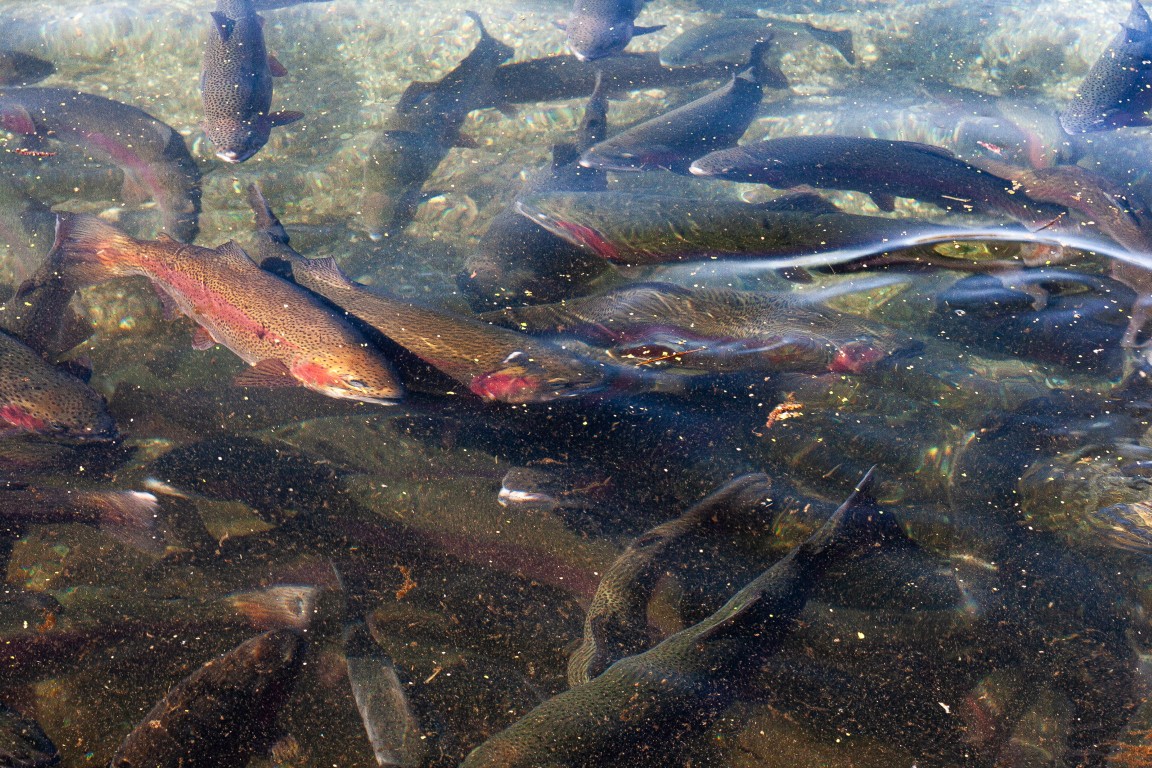
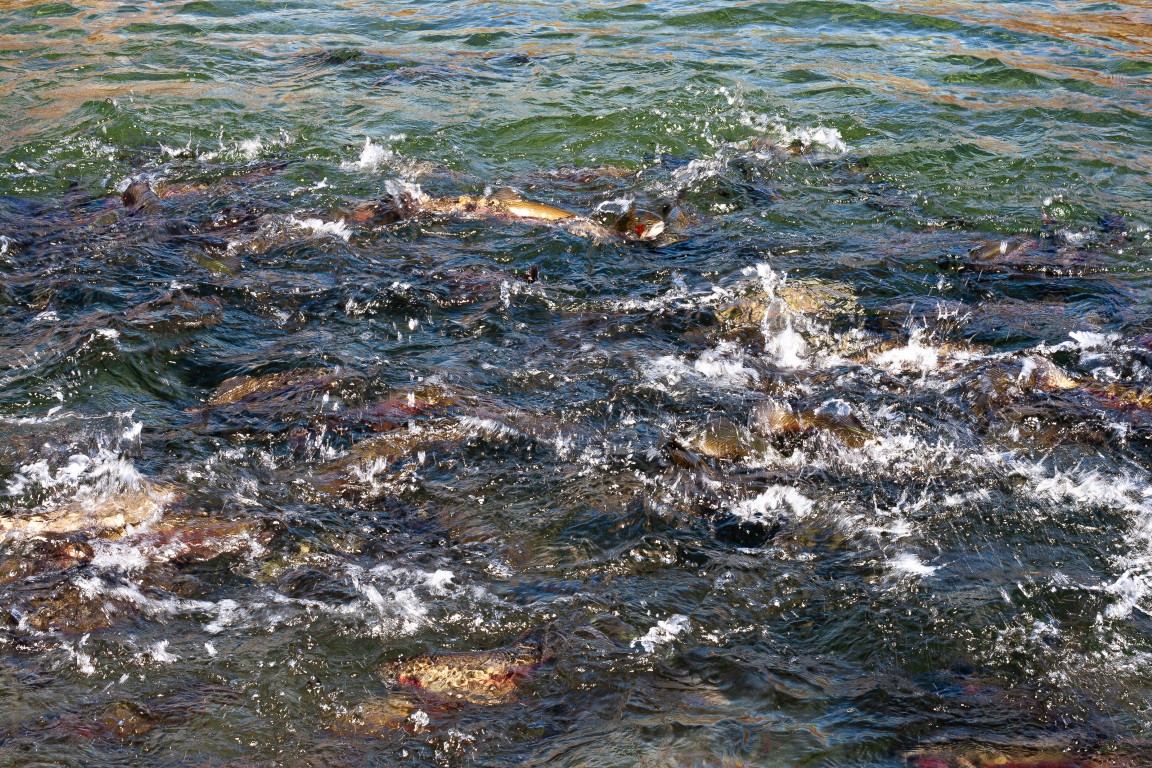
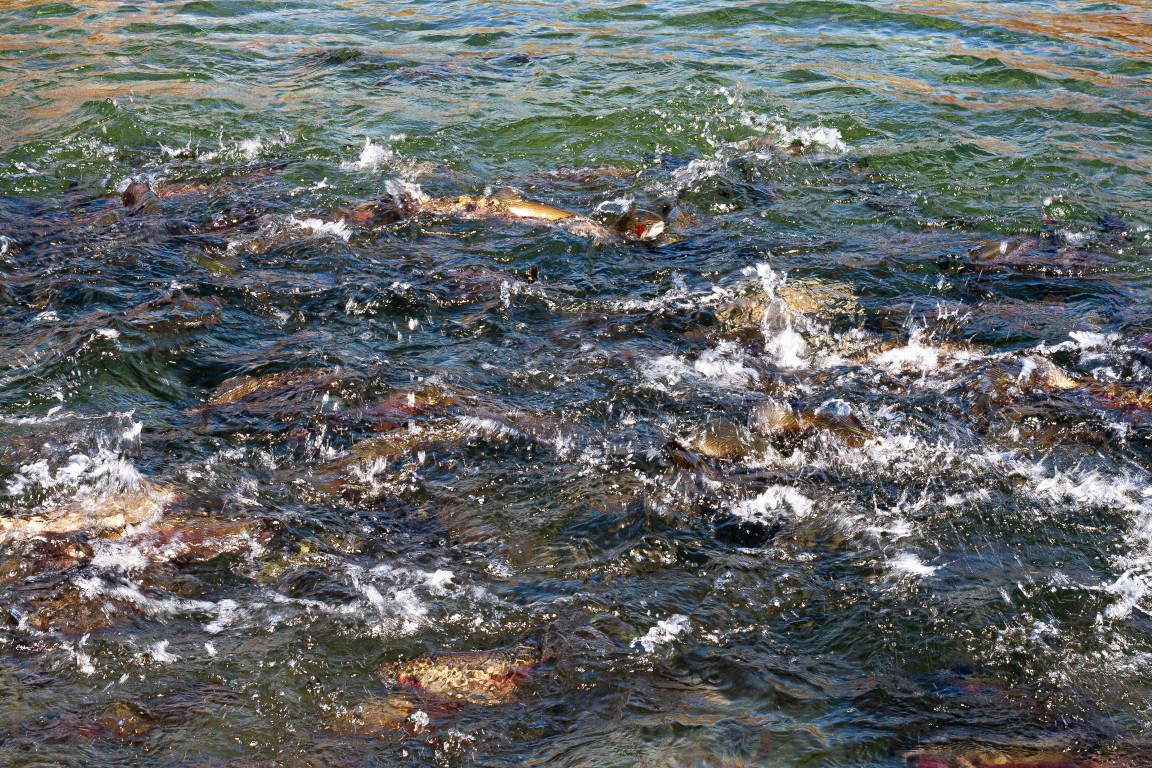
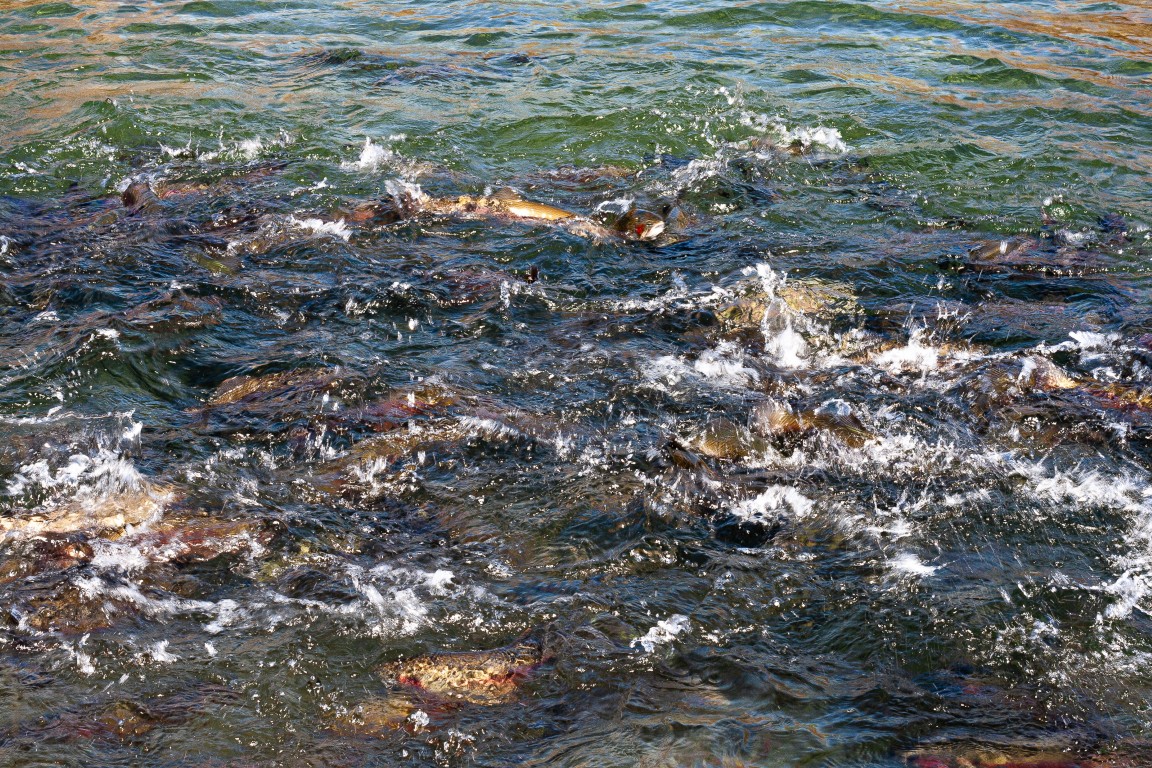
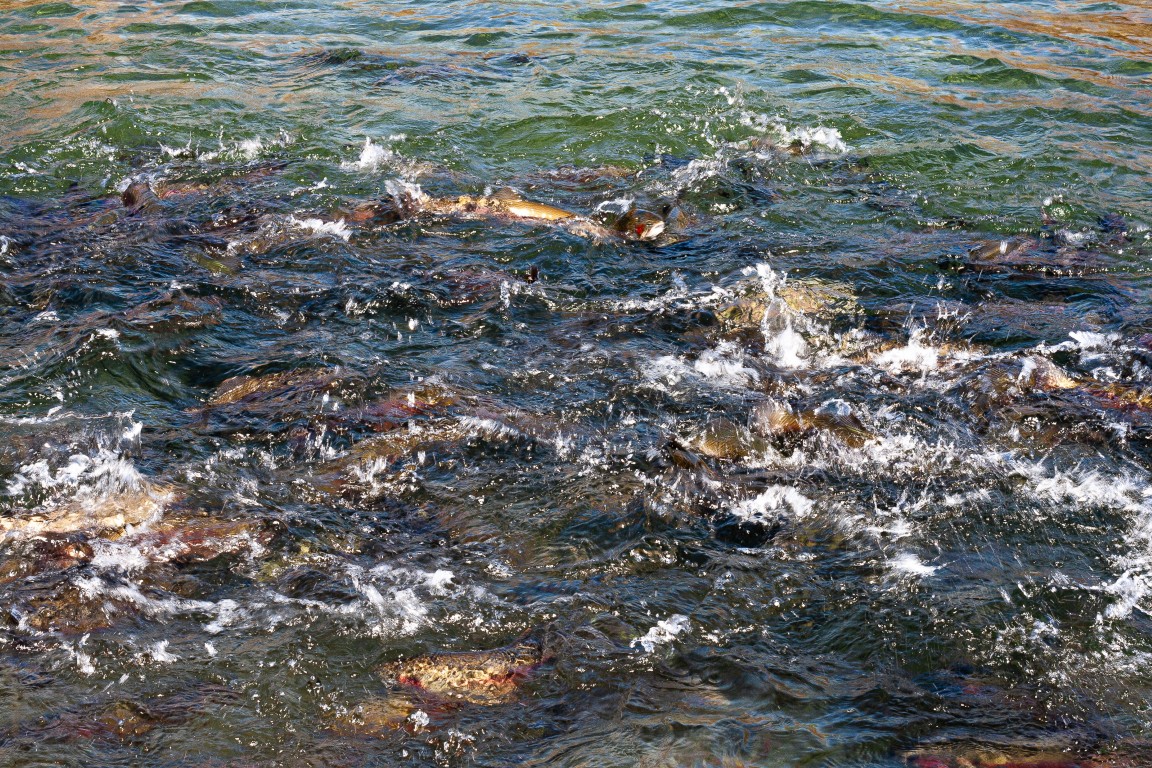
- Stocking Density: Avoid overcrowding to minimise stress and disease. Research the optimal stocking density for your specific trout strain.
- Health Monitoring: Implement routine health checks and maintain a record of any diseases or treatments.
Common Pitfalls to Avoid
- Neglecting Biosecurity: Failing to maintain strict biosecurity measures can lead to disease outbreaks. Regularly train your staff on protocols.
- Ignoring Regulations: Stay updated on local and national regulations regarding fish farming to avoid legal issues.
Streamlining Distribution
Having established a reliable production process, the next step is ensuring your trout reach customers in optimal condition:
Tips for Efficient Distribution
- Local Markets: Explore partnerships with local restaurants and fish markets. This not only supports your community but also reduces transportation time.
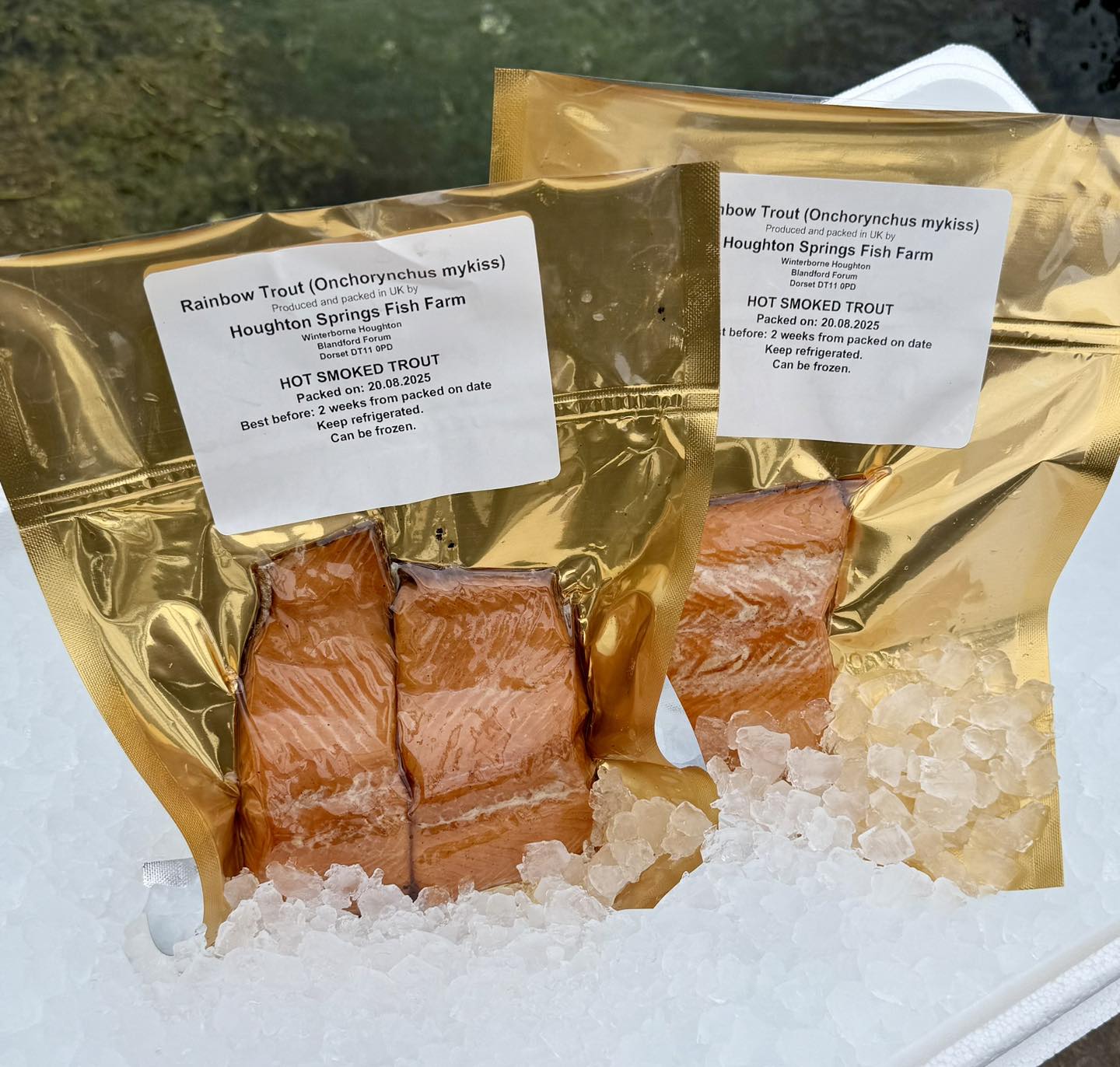
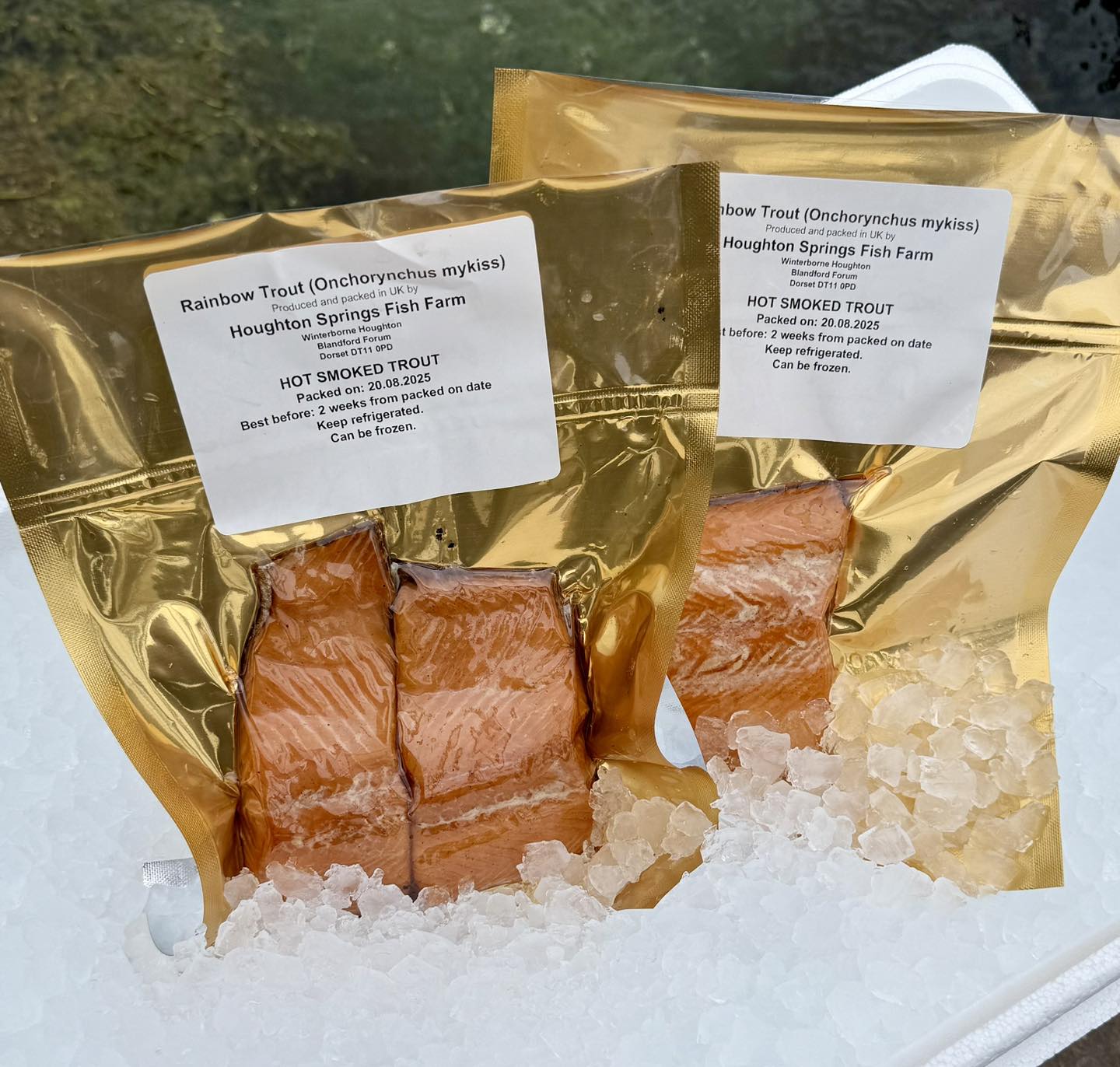
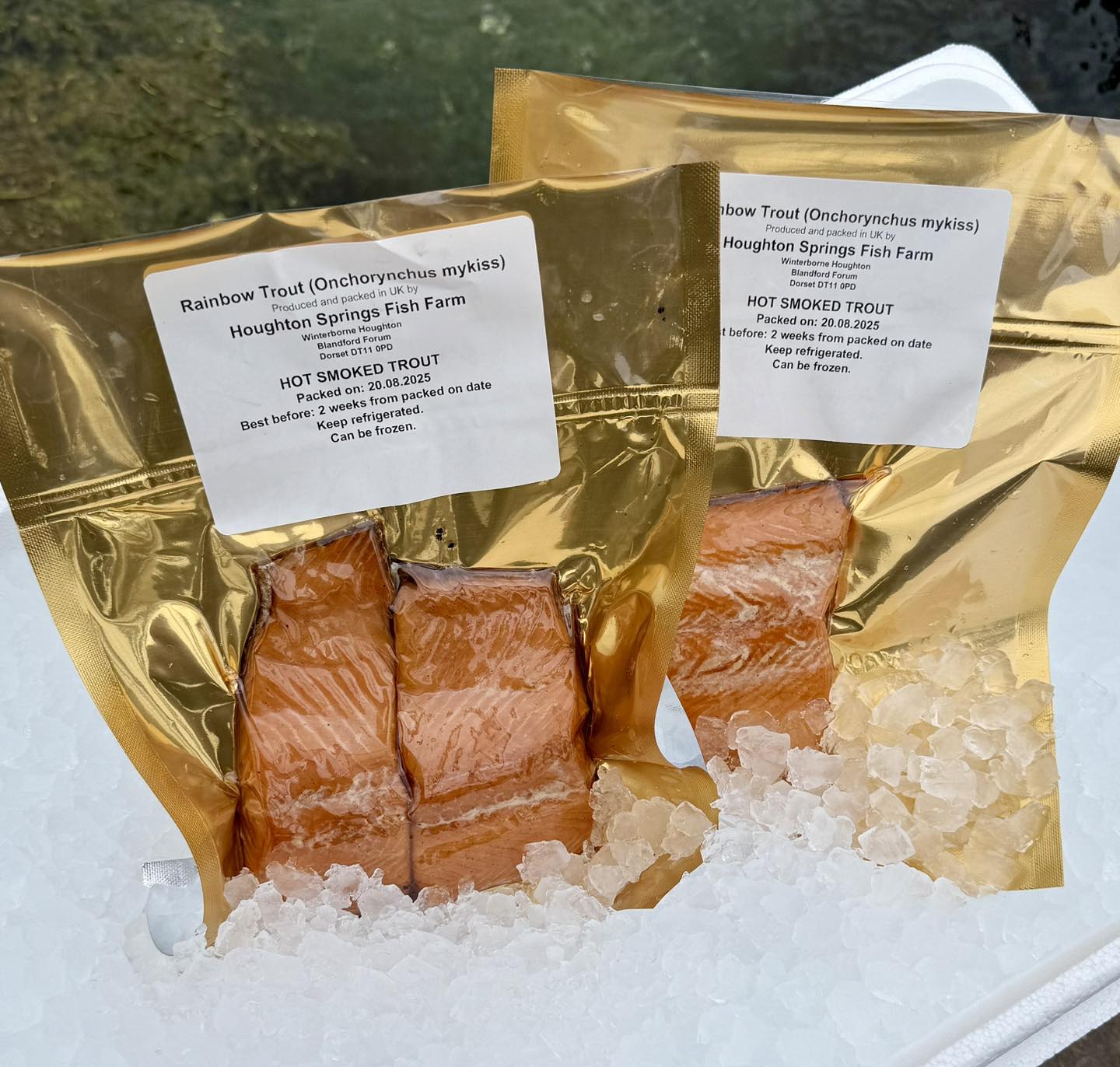
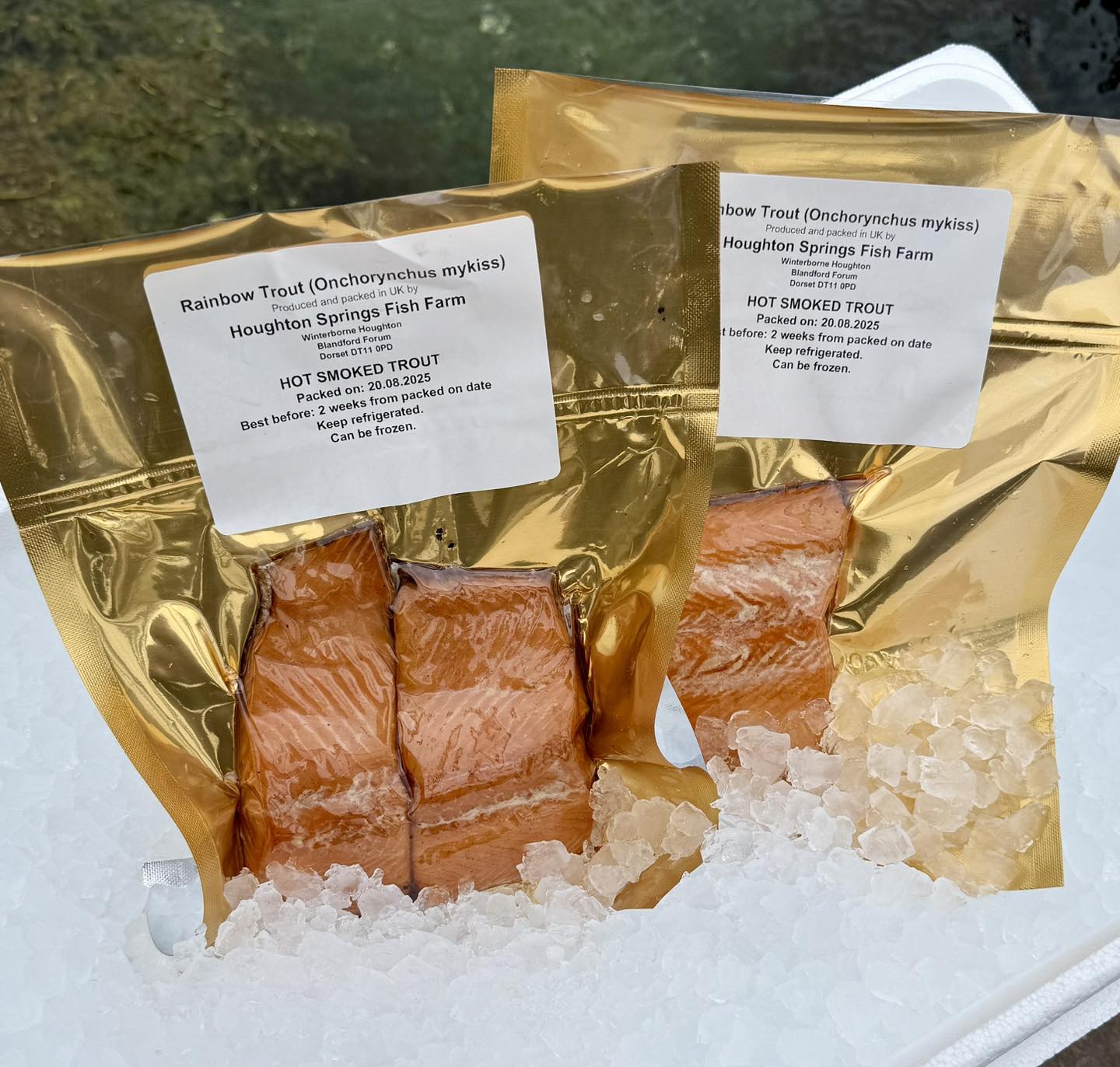
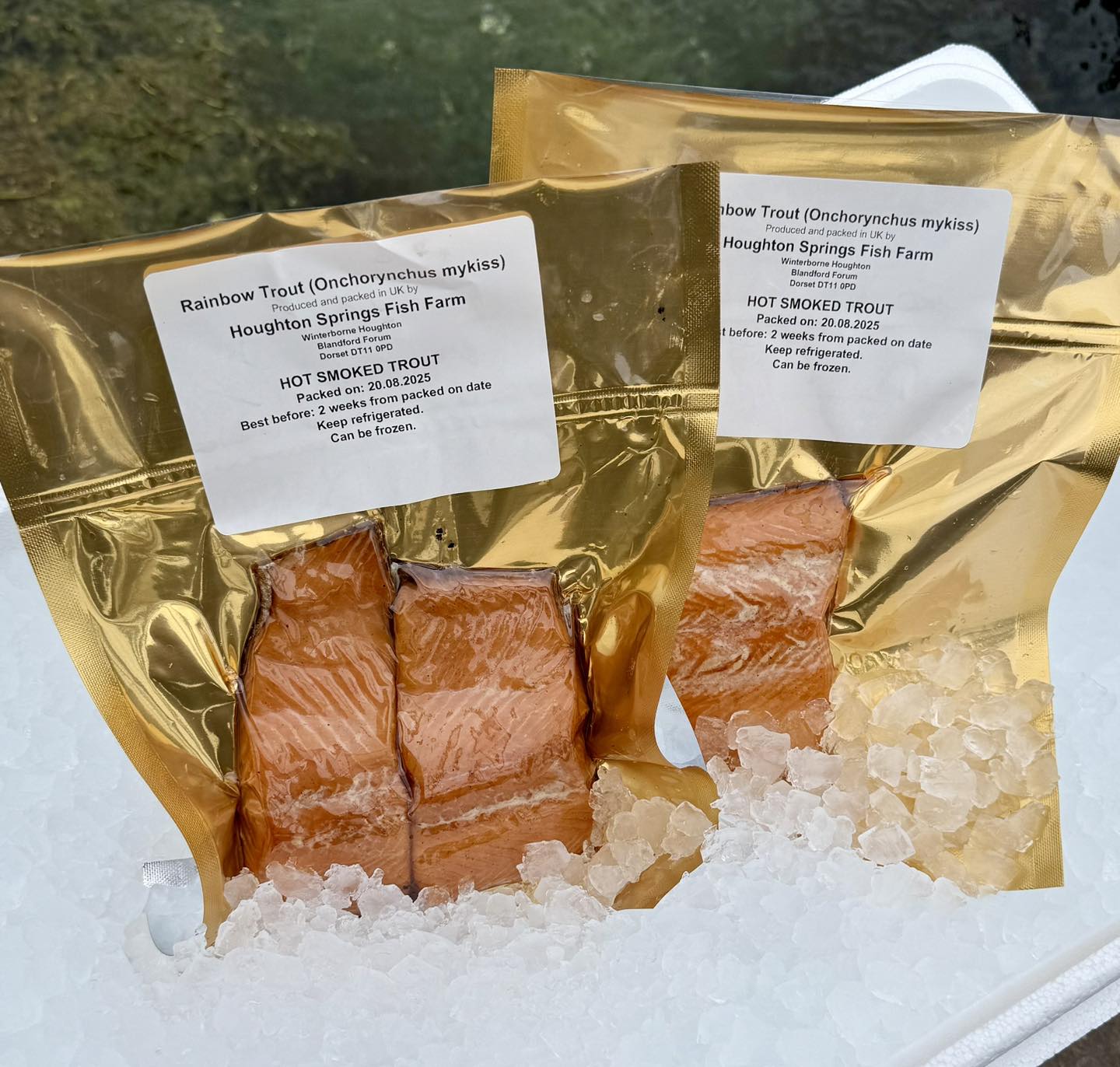
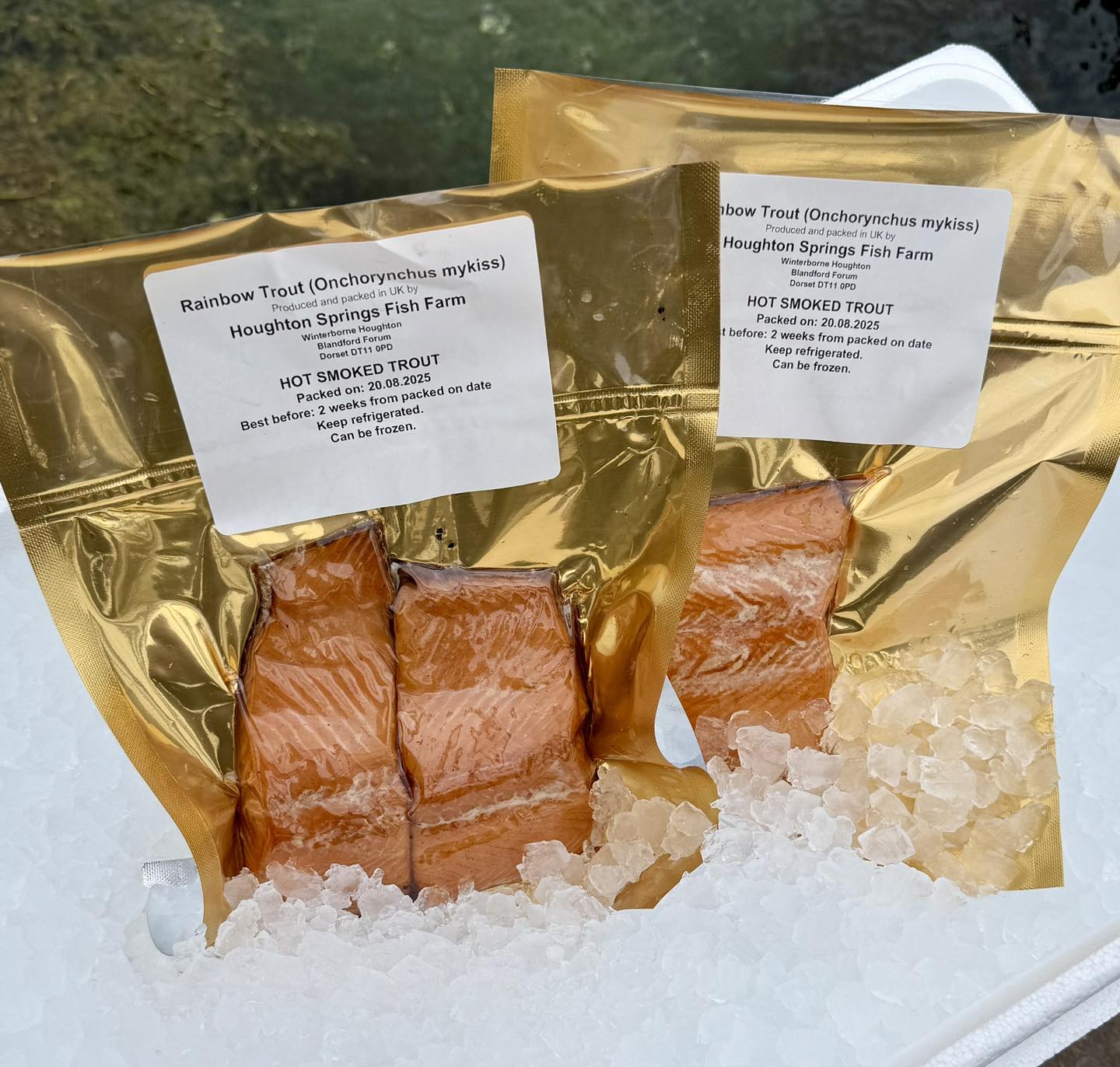
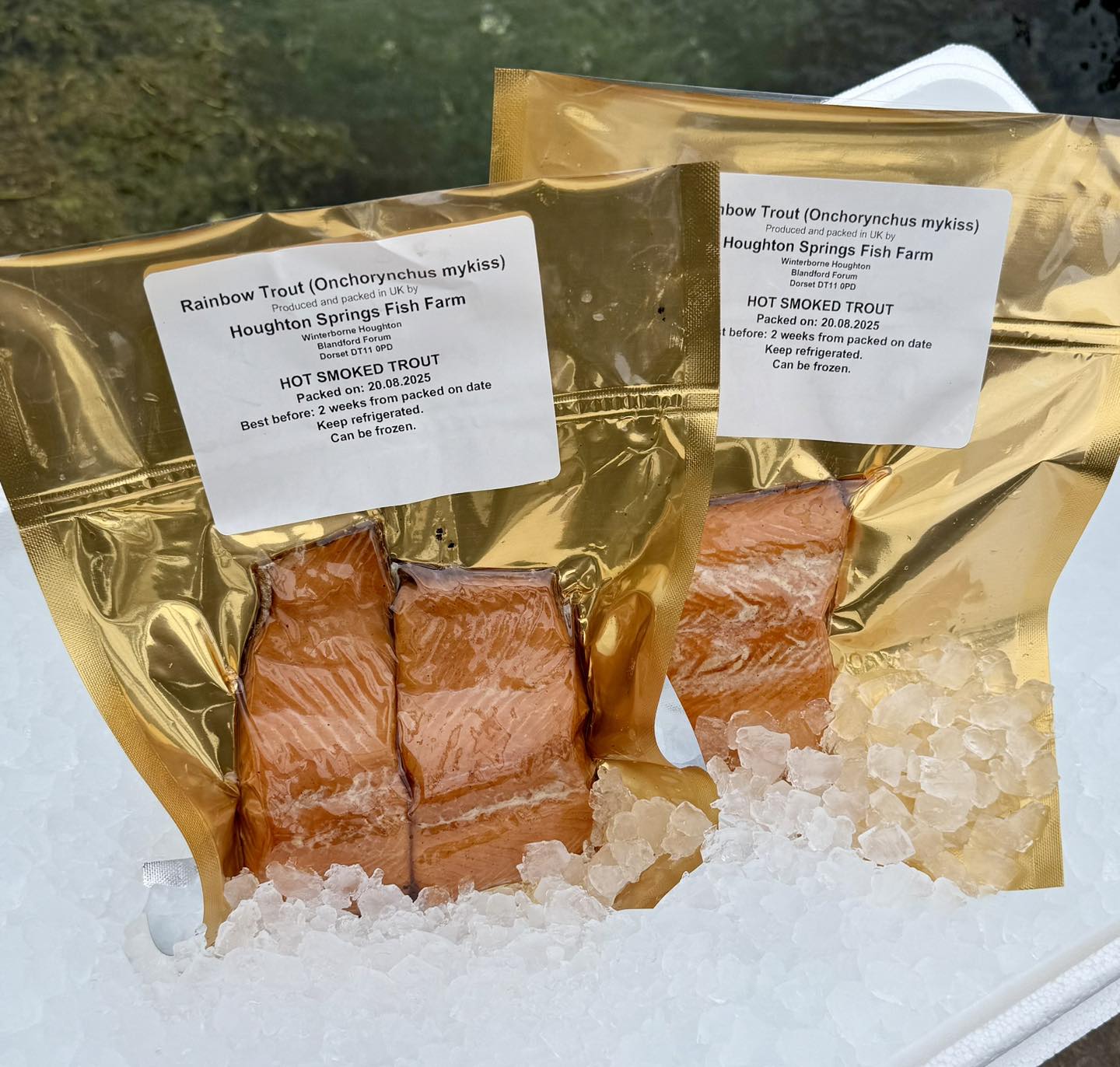
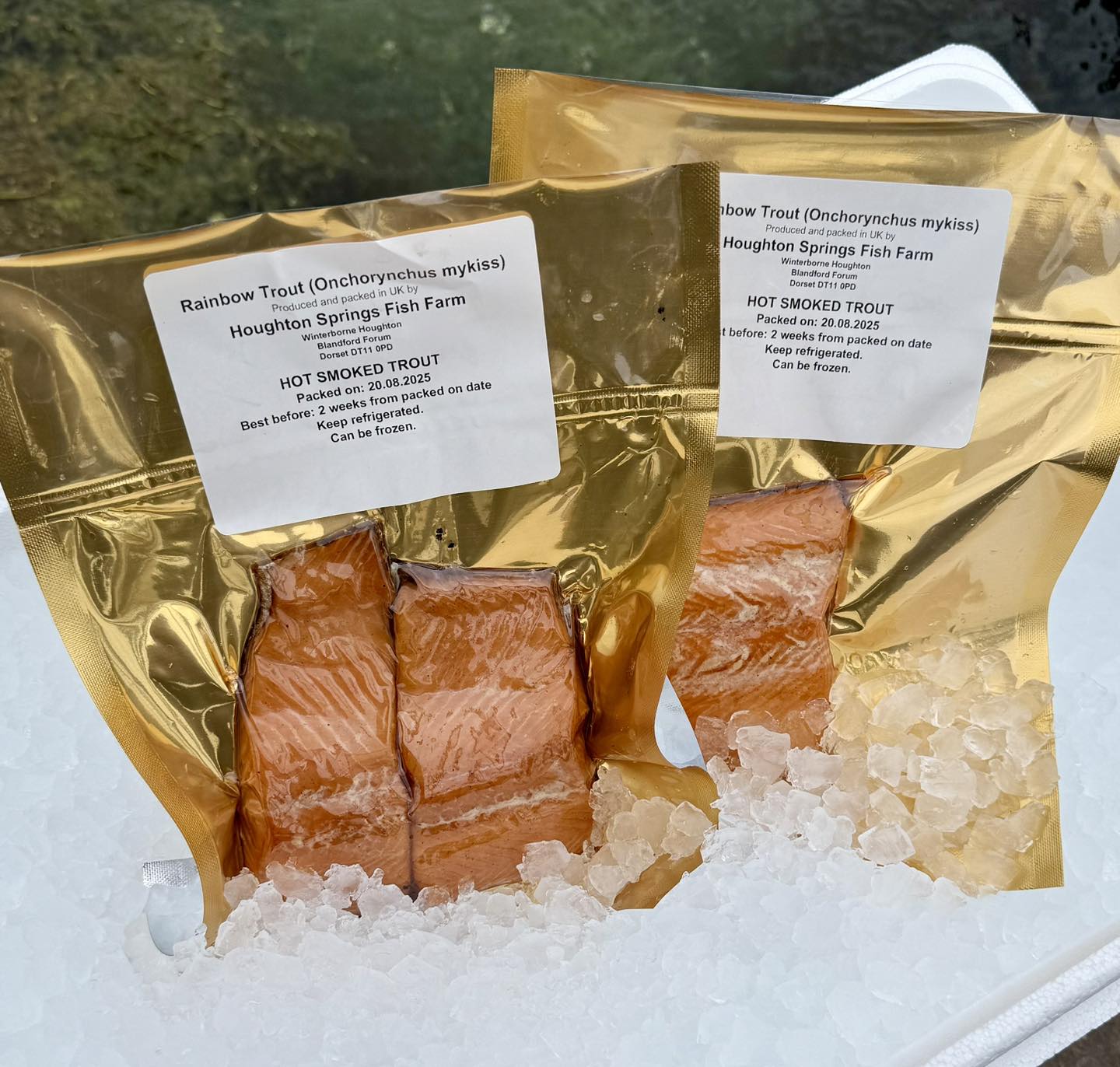
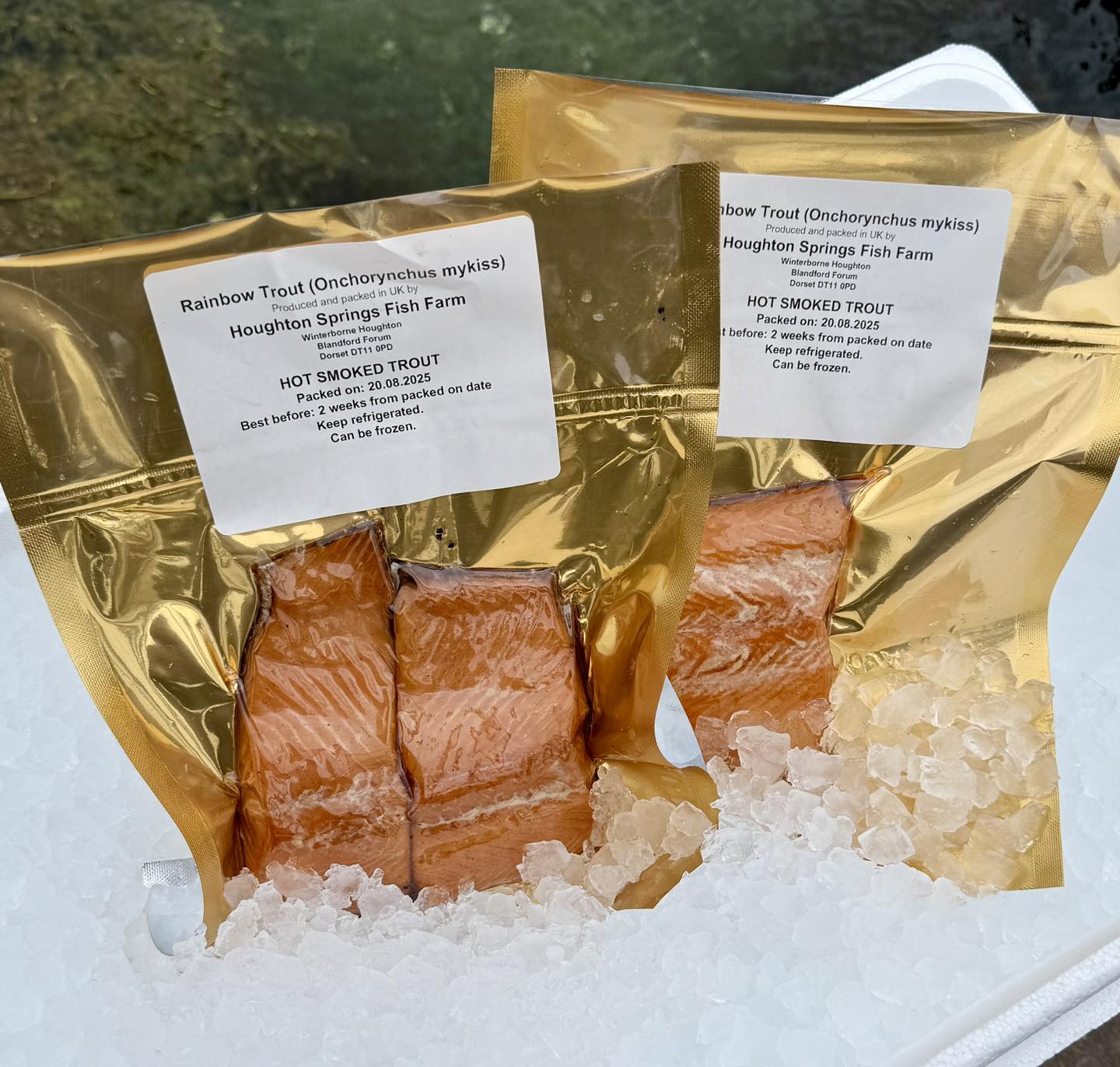
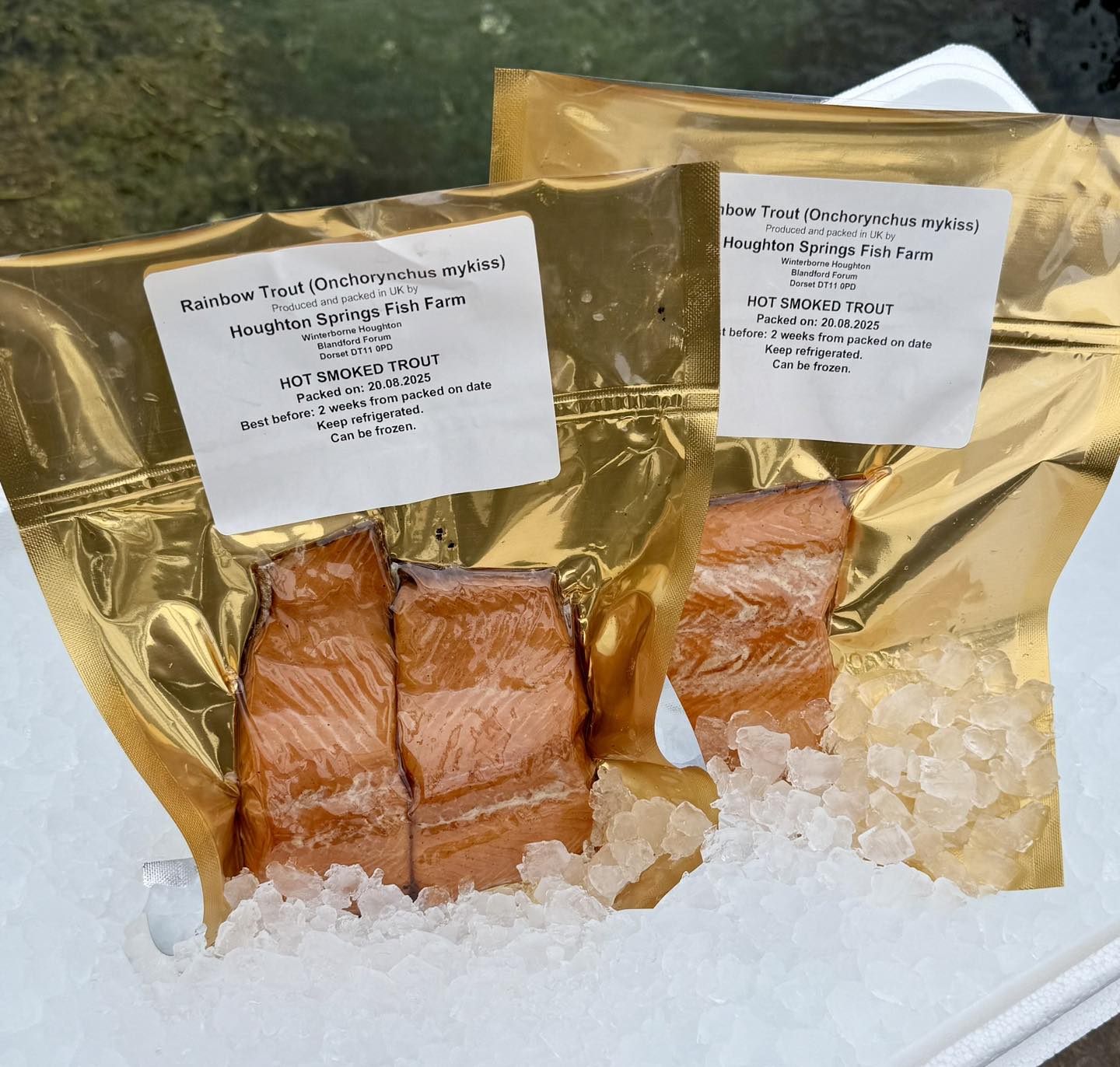
- Packaging: Invest in sustainable packaging that keeps your trout fresh while being environmentally friendly.
- Delivery Options: Consider offering flexible delivery options, including direct-to-consumer services, to meet diverse customer needs.
For insights on how to enhance your distribution strategy, refer to our guide on Cost of Raising Rainbow Trout.
Engaging with Customers
Building strong relationships with your customers can drive repeat business and referrals. Here’s how to enhance customer engagement:
Strategies for Customer Engagement
- Transparency: Share your farming practices and sustainability efforts through your website and social media. Customers appreciate knowing where their food comes from.
- Feedback: Encourage customer feedback to improve your products and services. Consider implementing surveys or direct communication channels.
- Community Involvement: Participate in local events and markets to connect with your community and promote your brand.
Conclusion
Creating a sustainable supply chain for your trout farming business is a multi-faceted process that requires careful planning and execution. By focusing on quality sourcing, sustainable practices, effective production management, streamlined distribution, and strong customer engagement, you can position your business for long-term success in the competitive trout market.
As you implement these strategies, remember that continuous improvement is key. Regularly assess your processes and seek out new opportunities for sustainability and efficiency to keep your business thriving.
For more insights into trout farming, visit our blog.