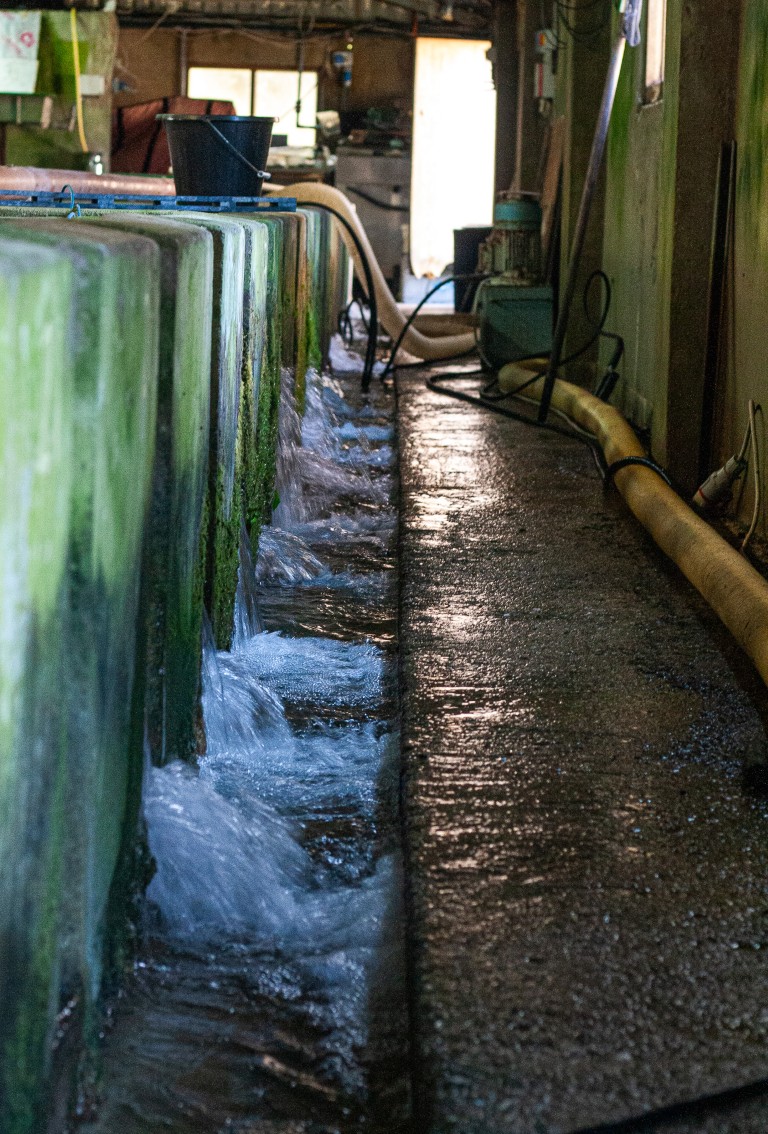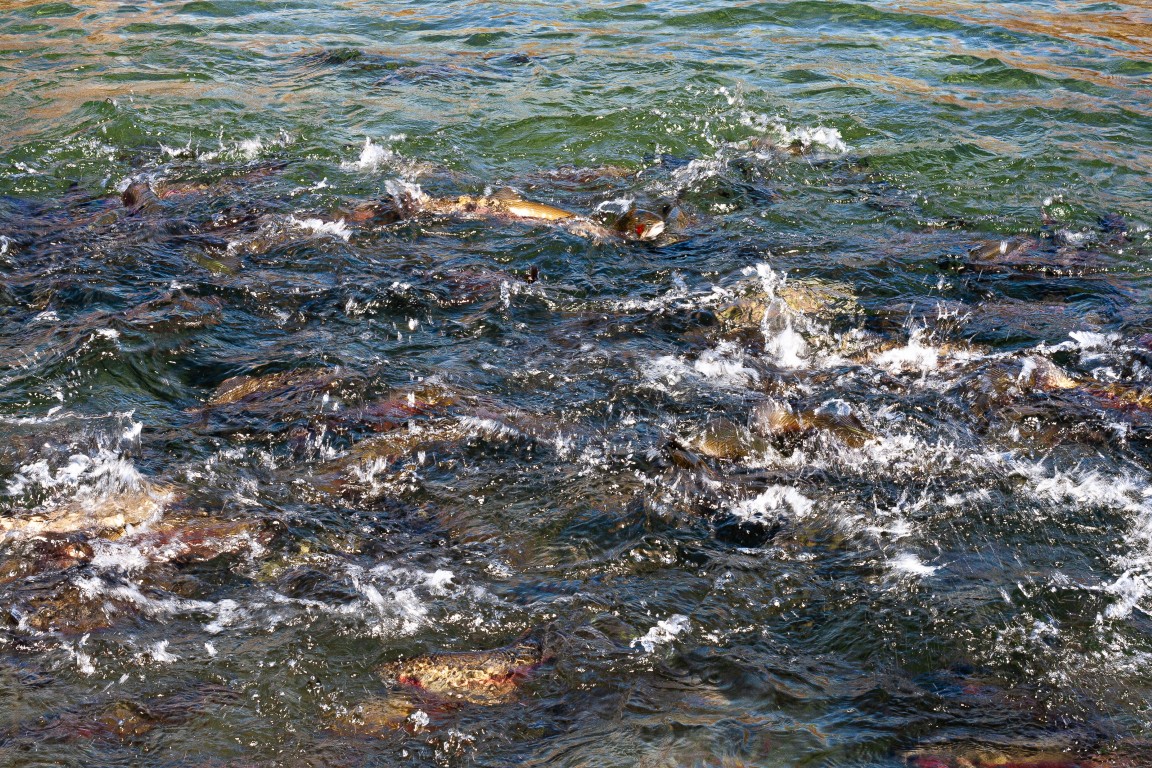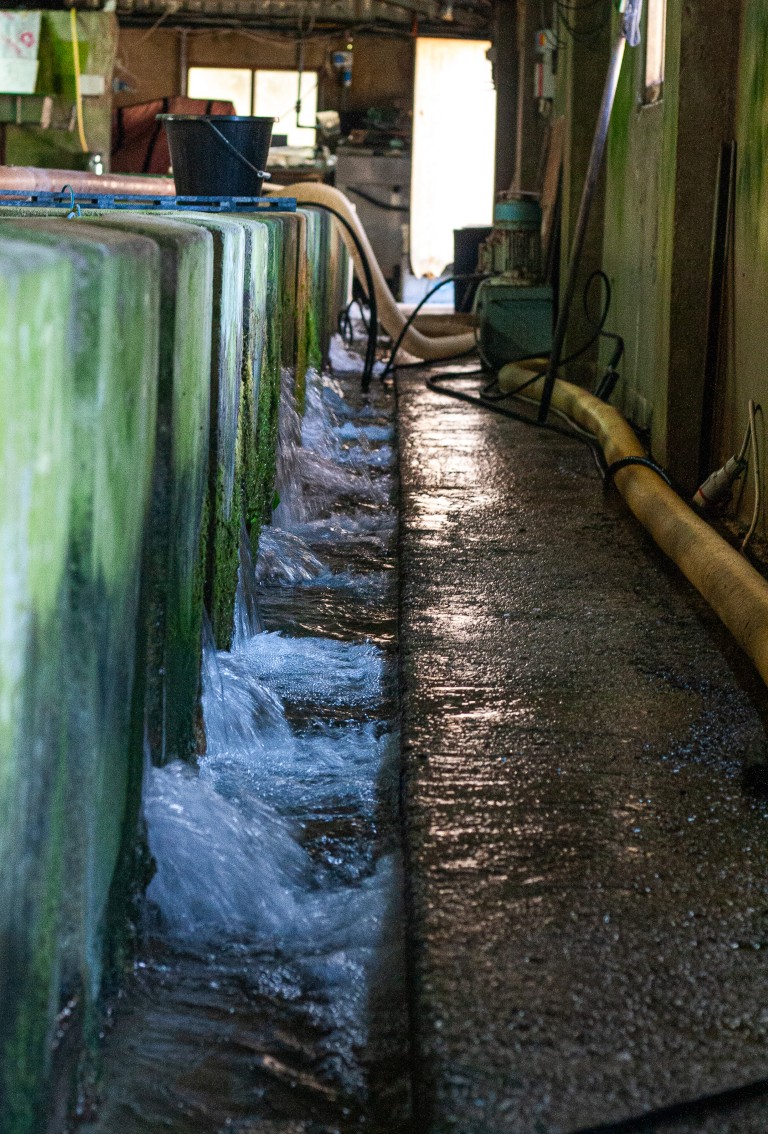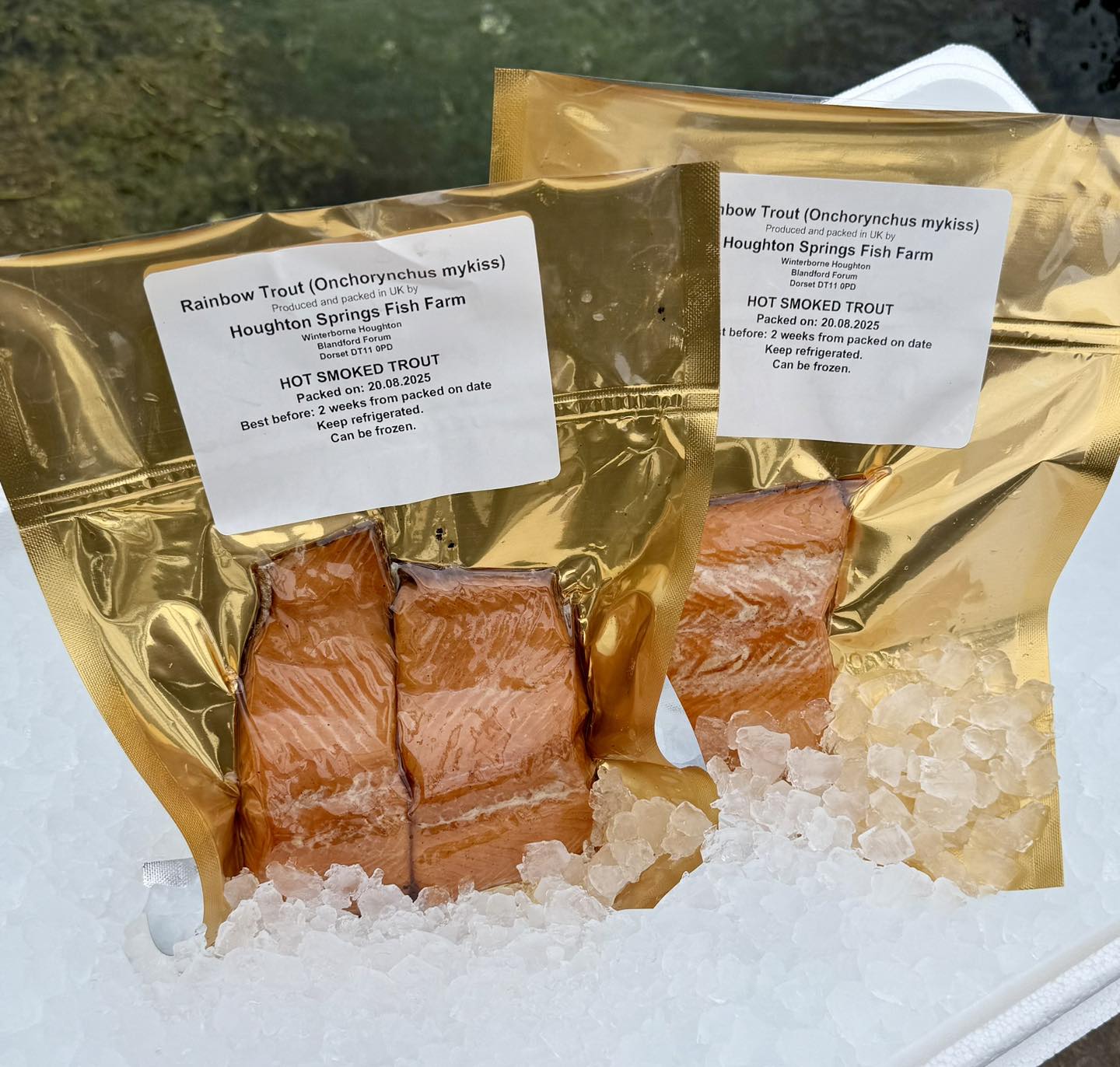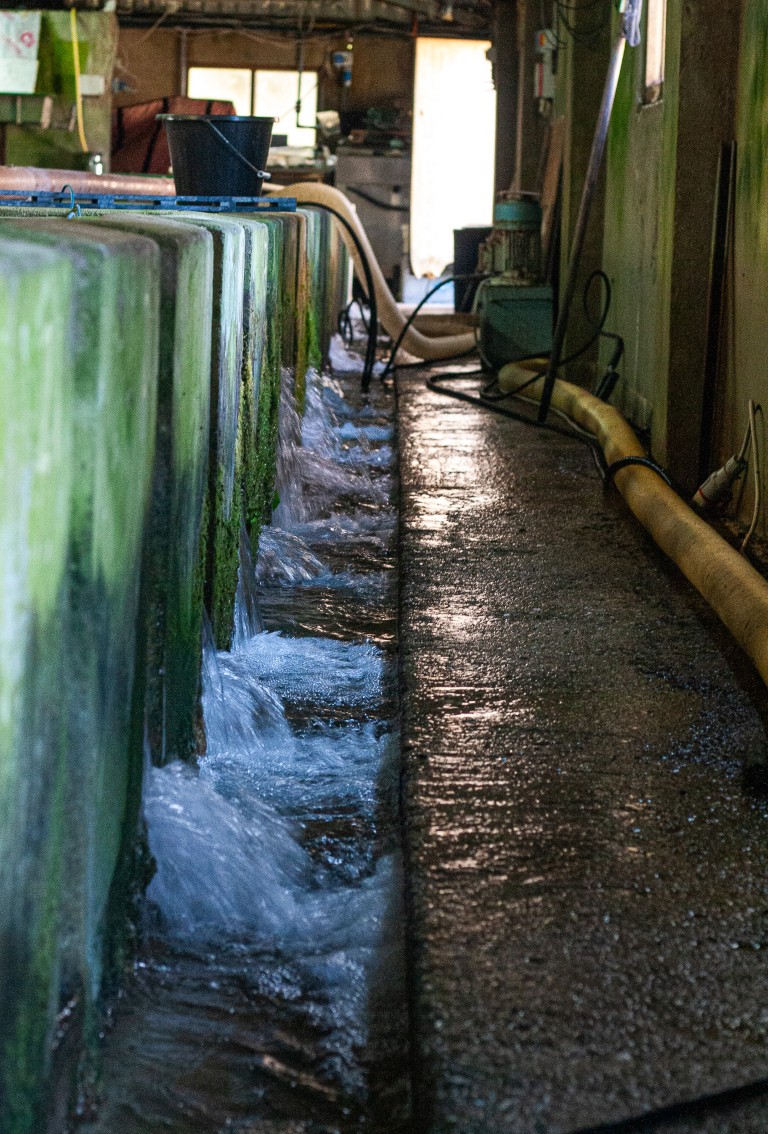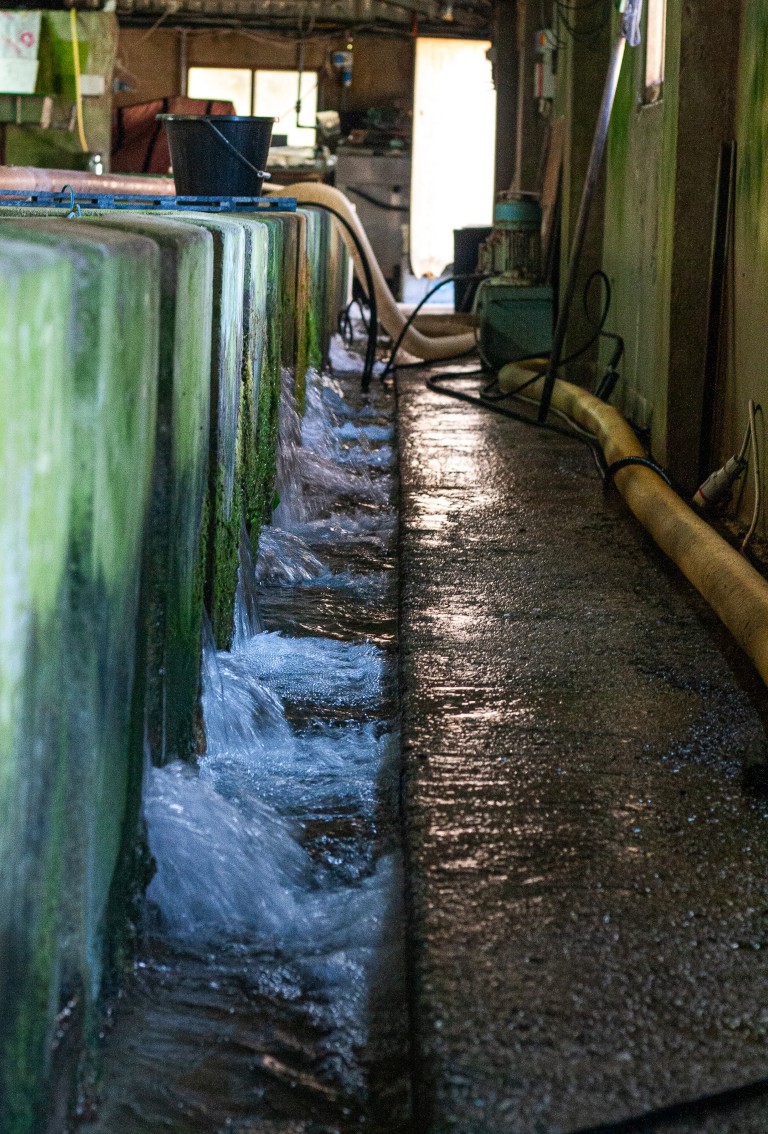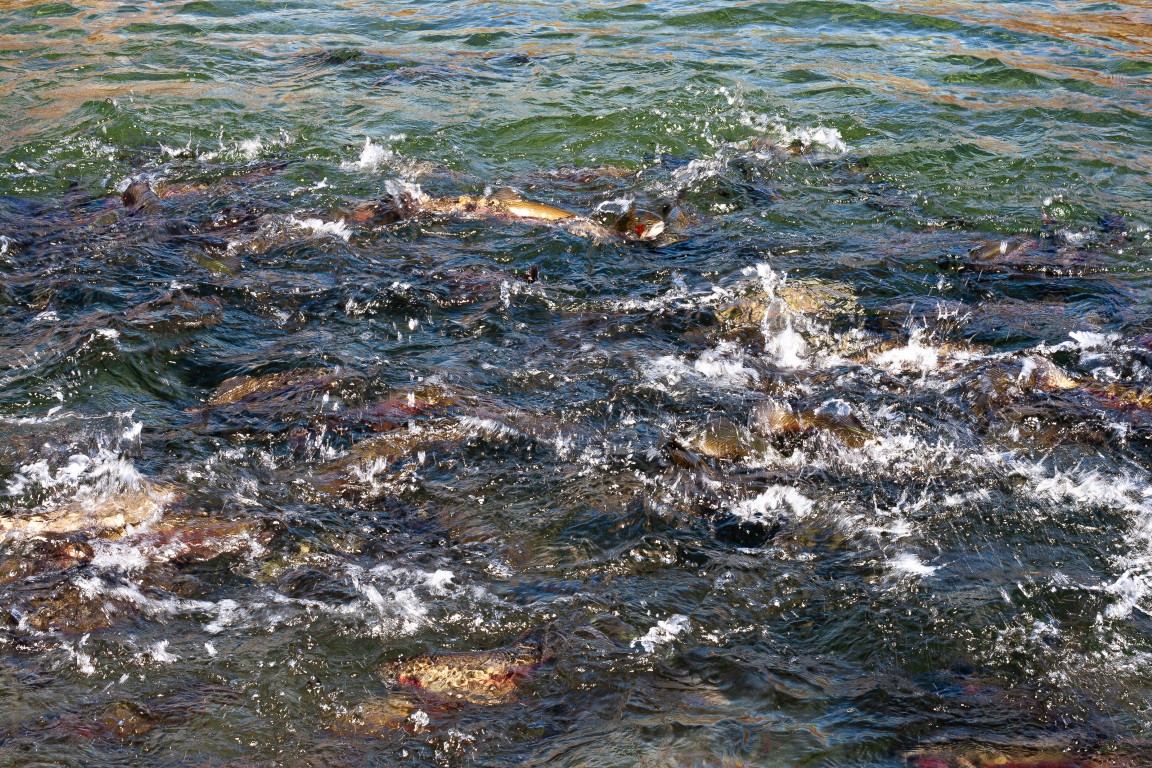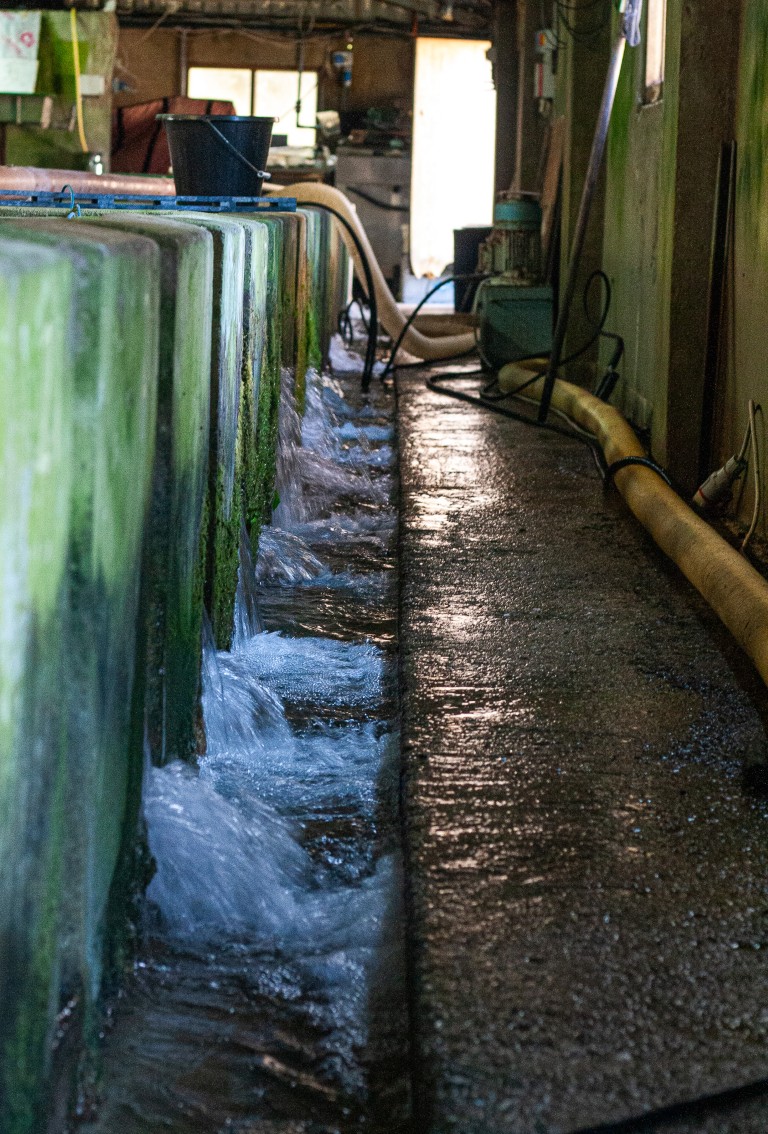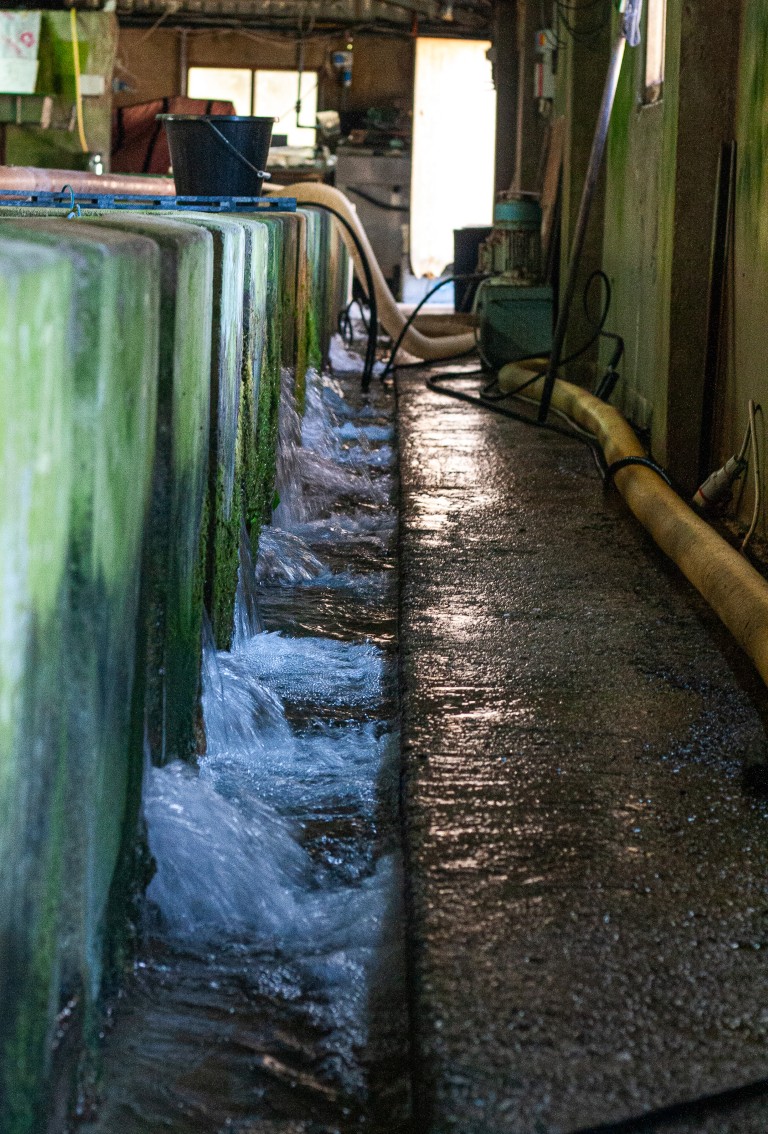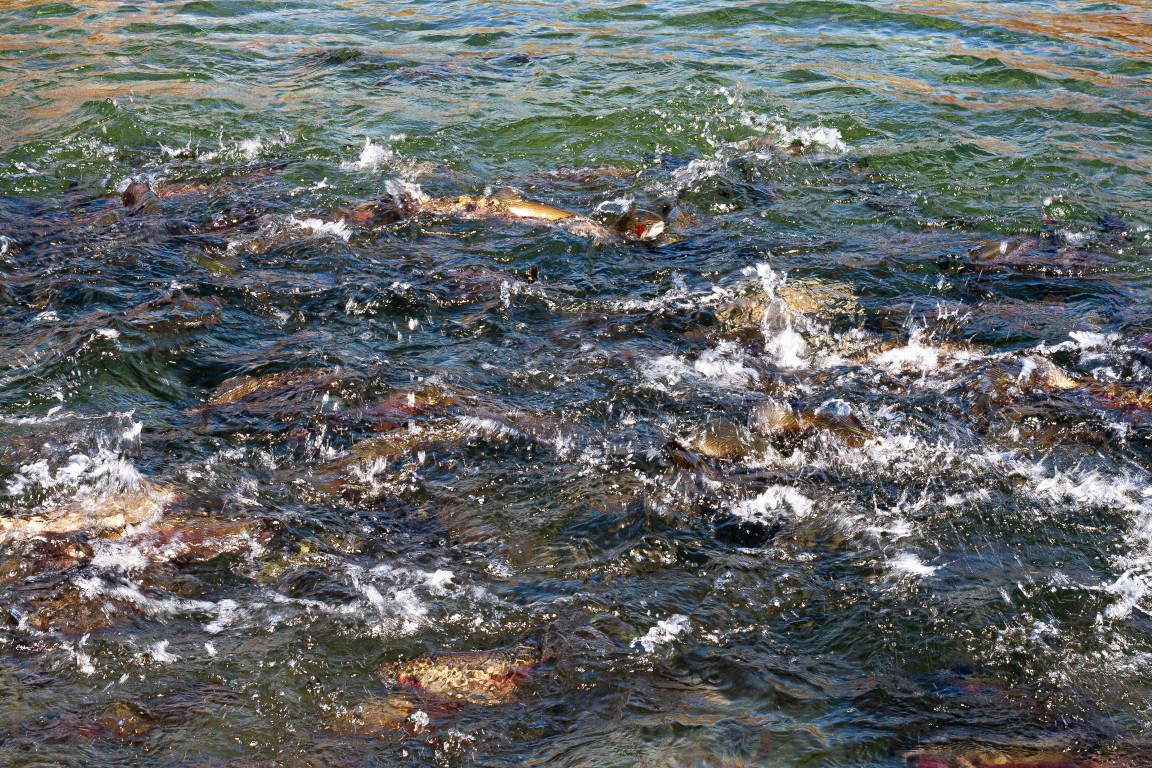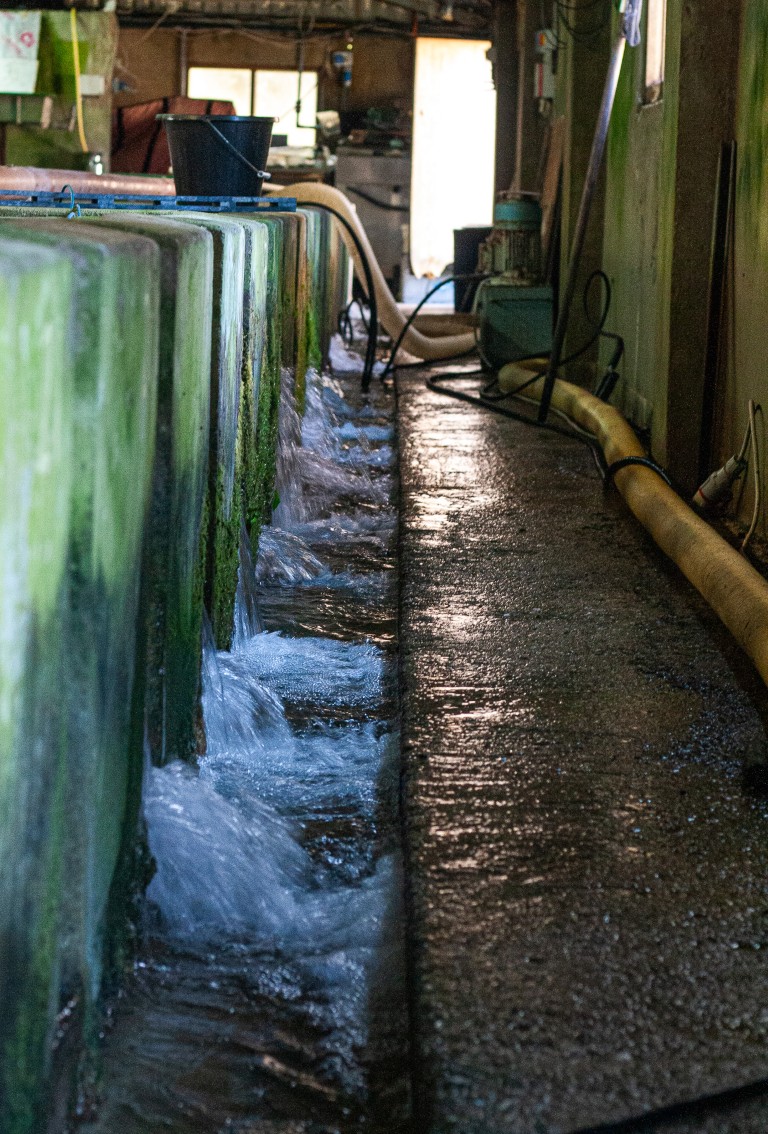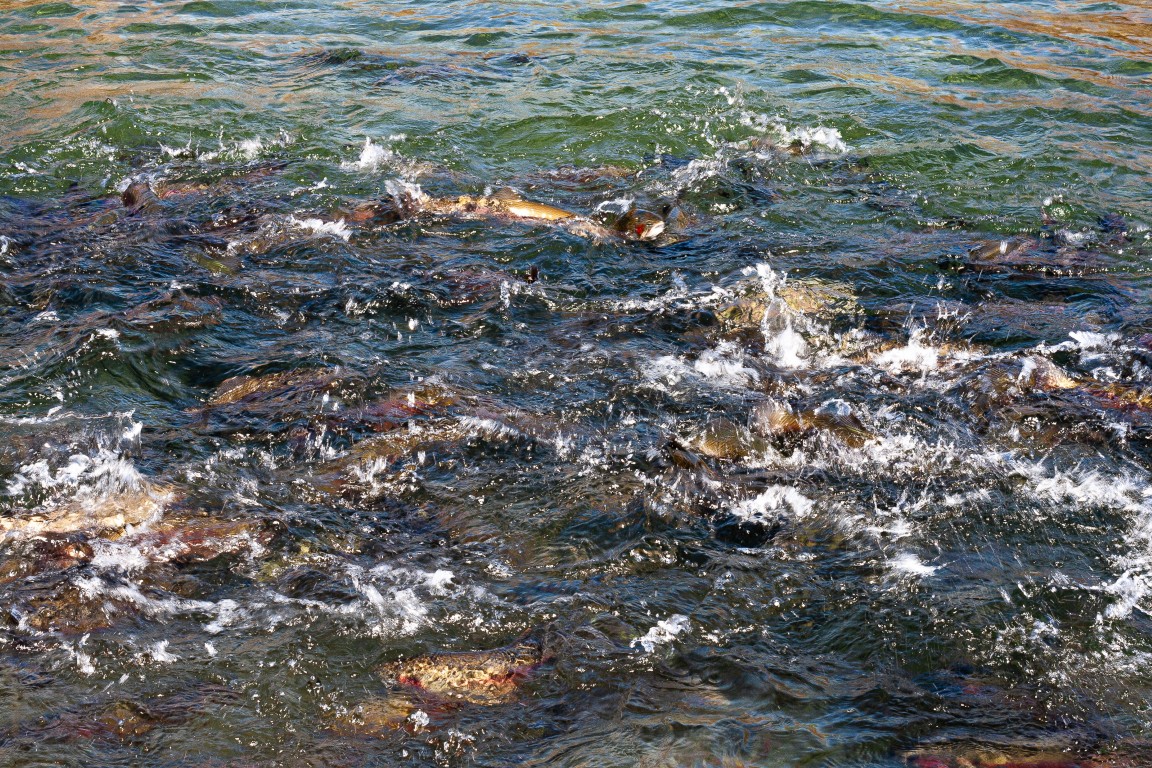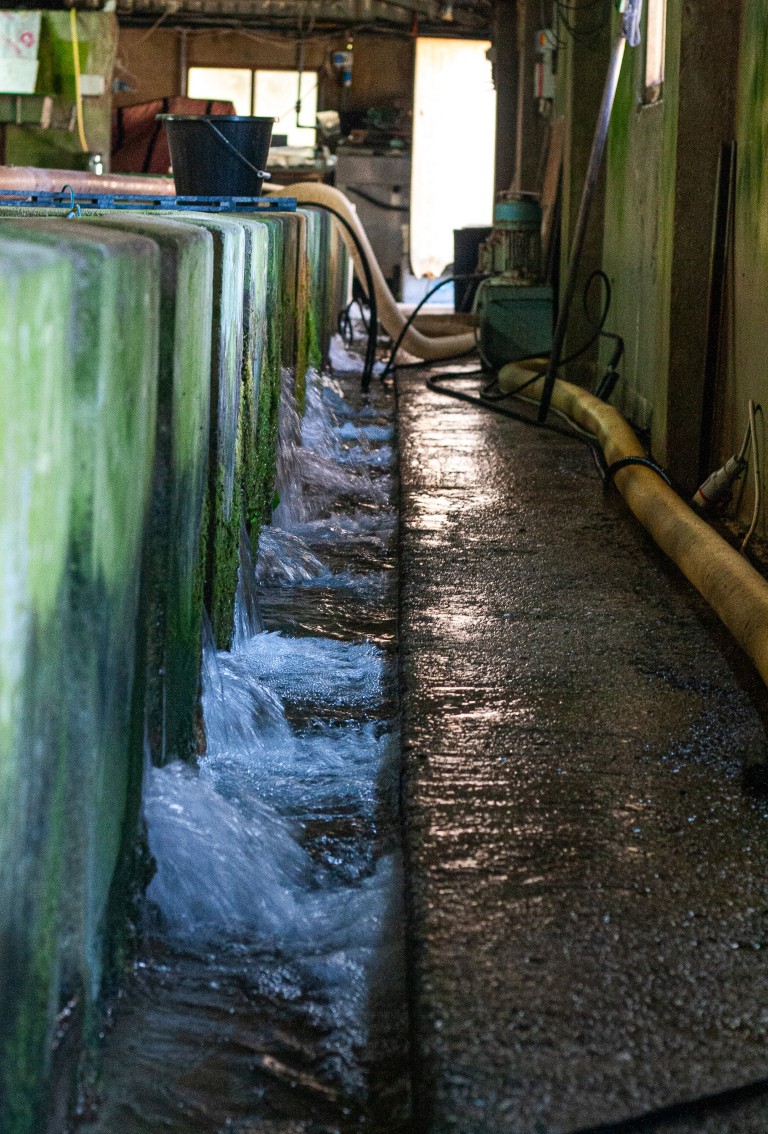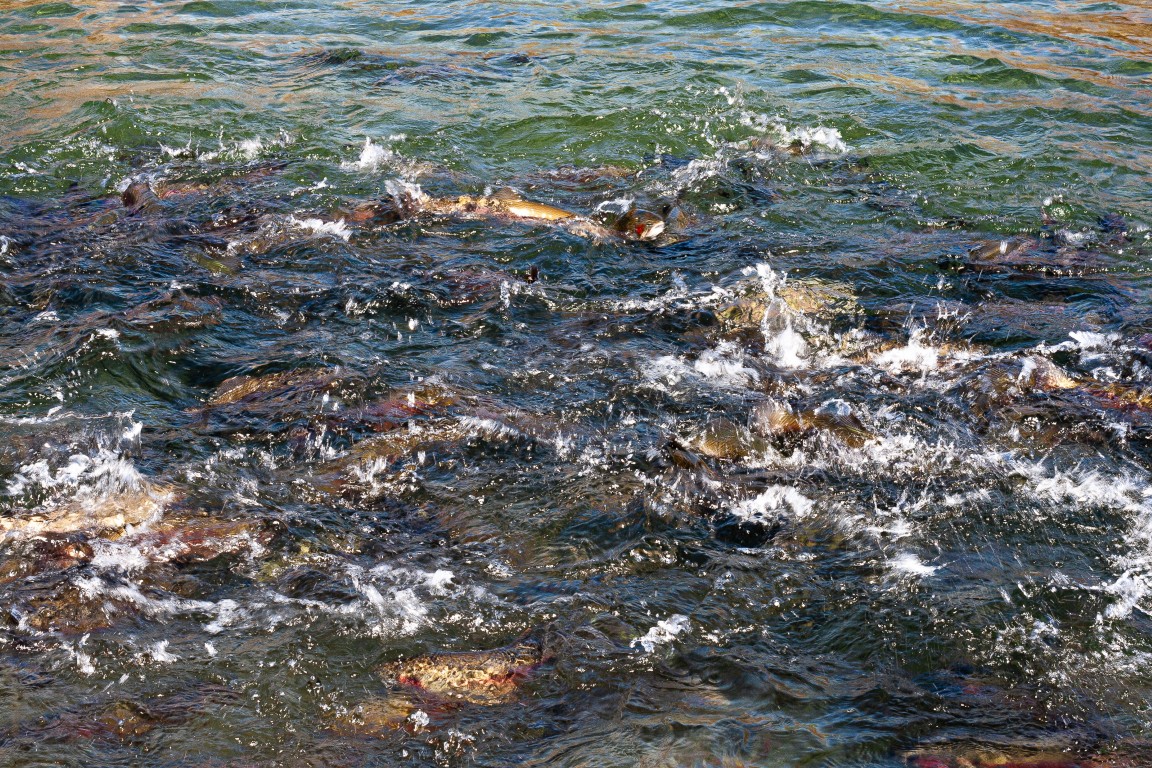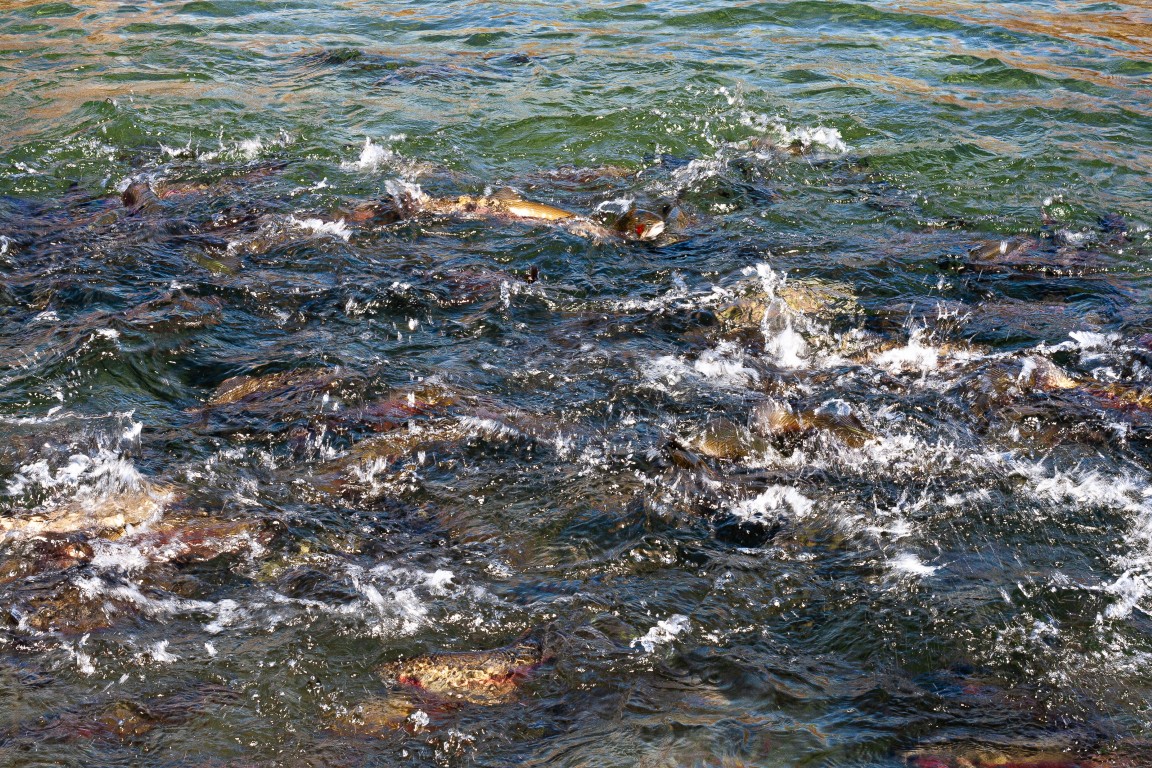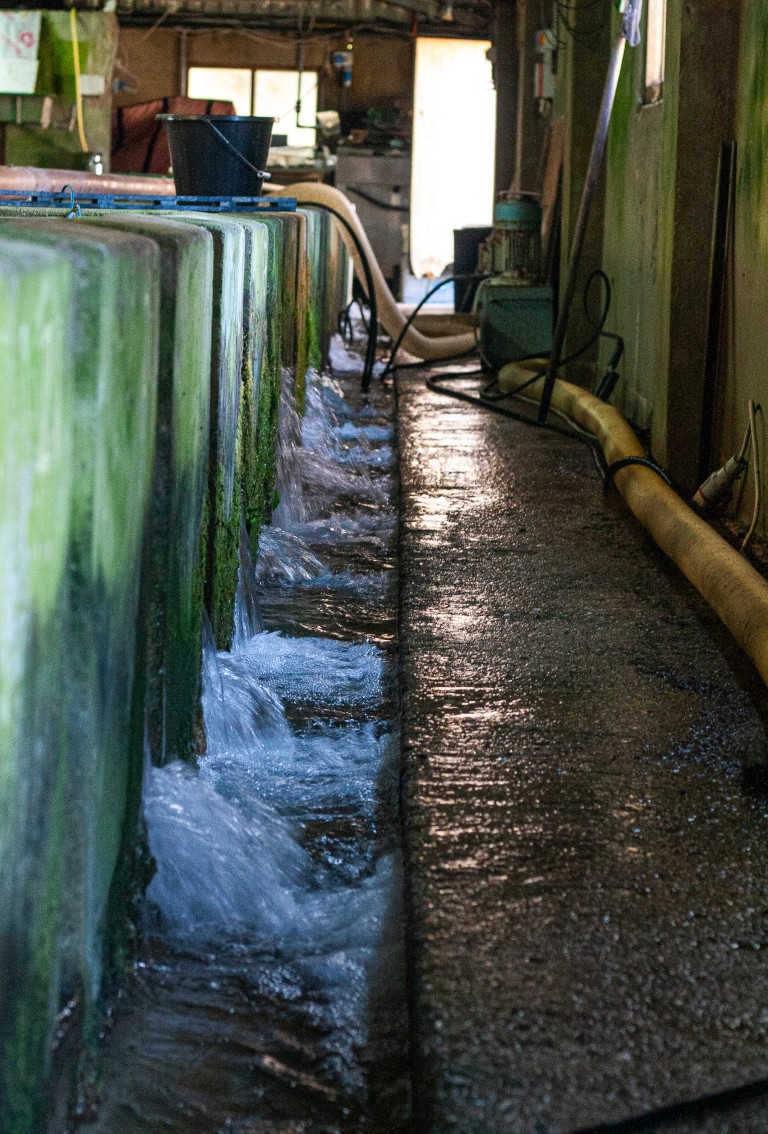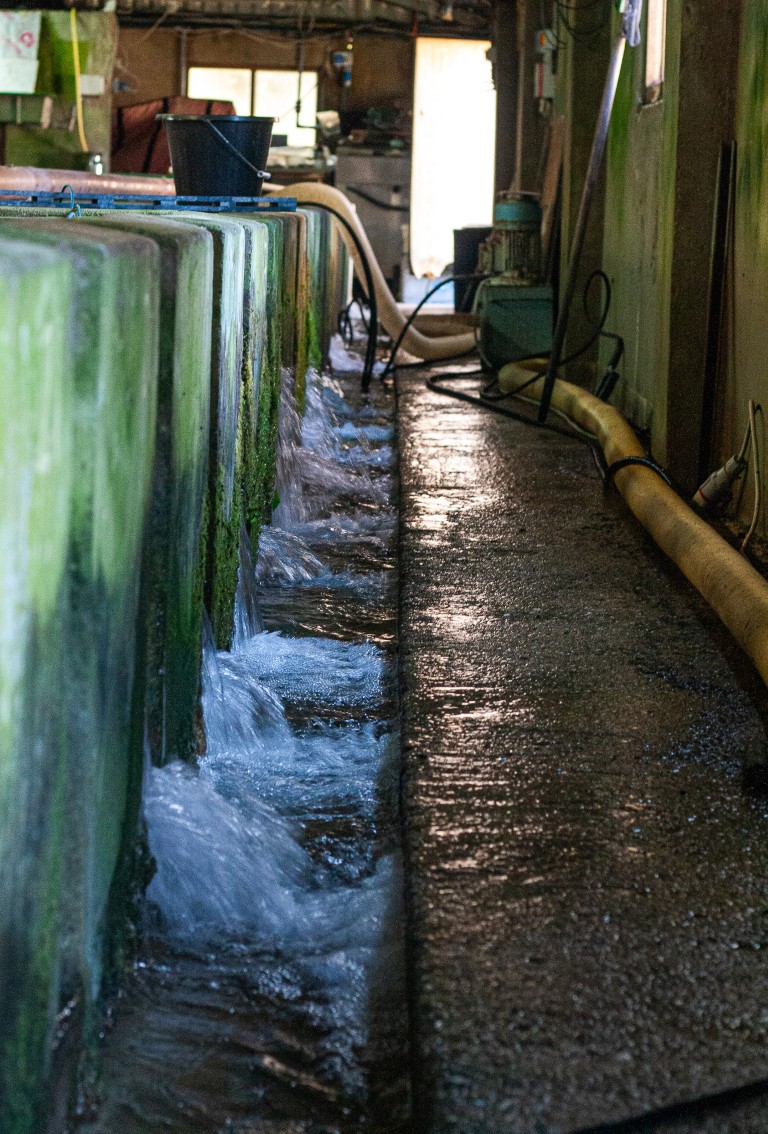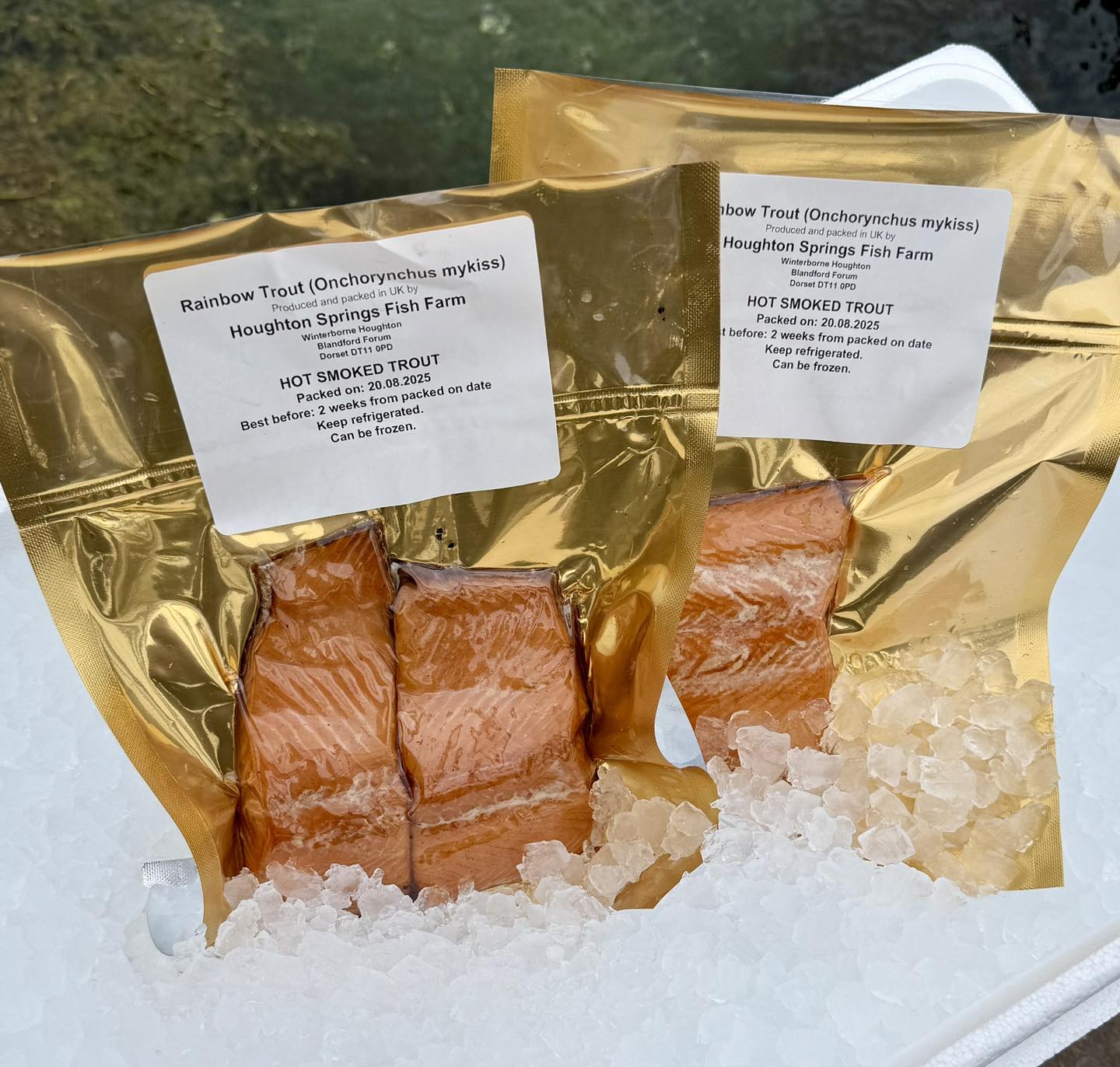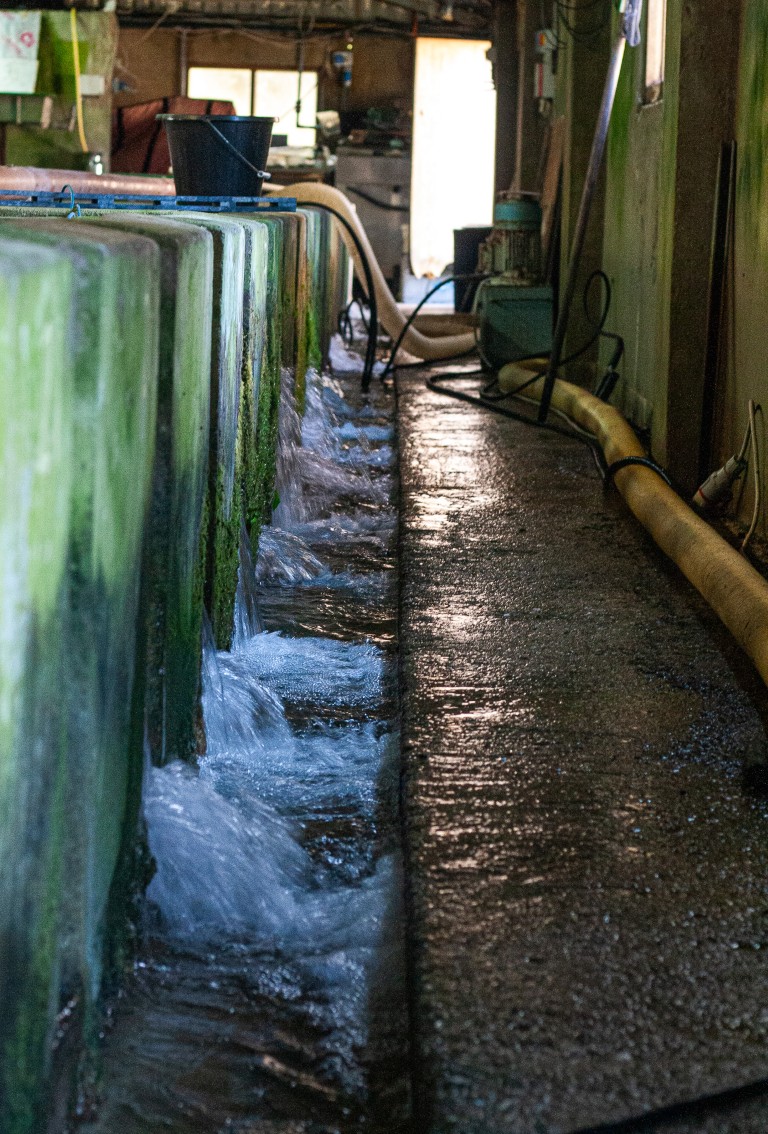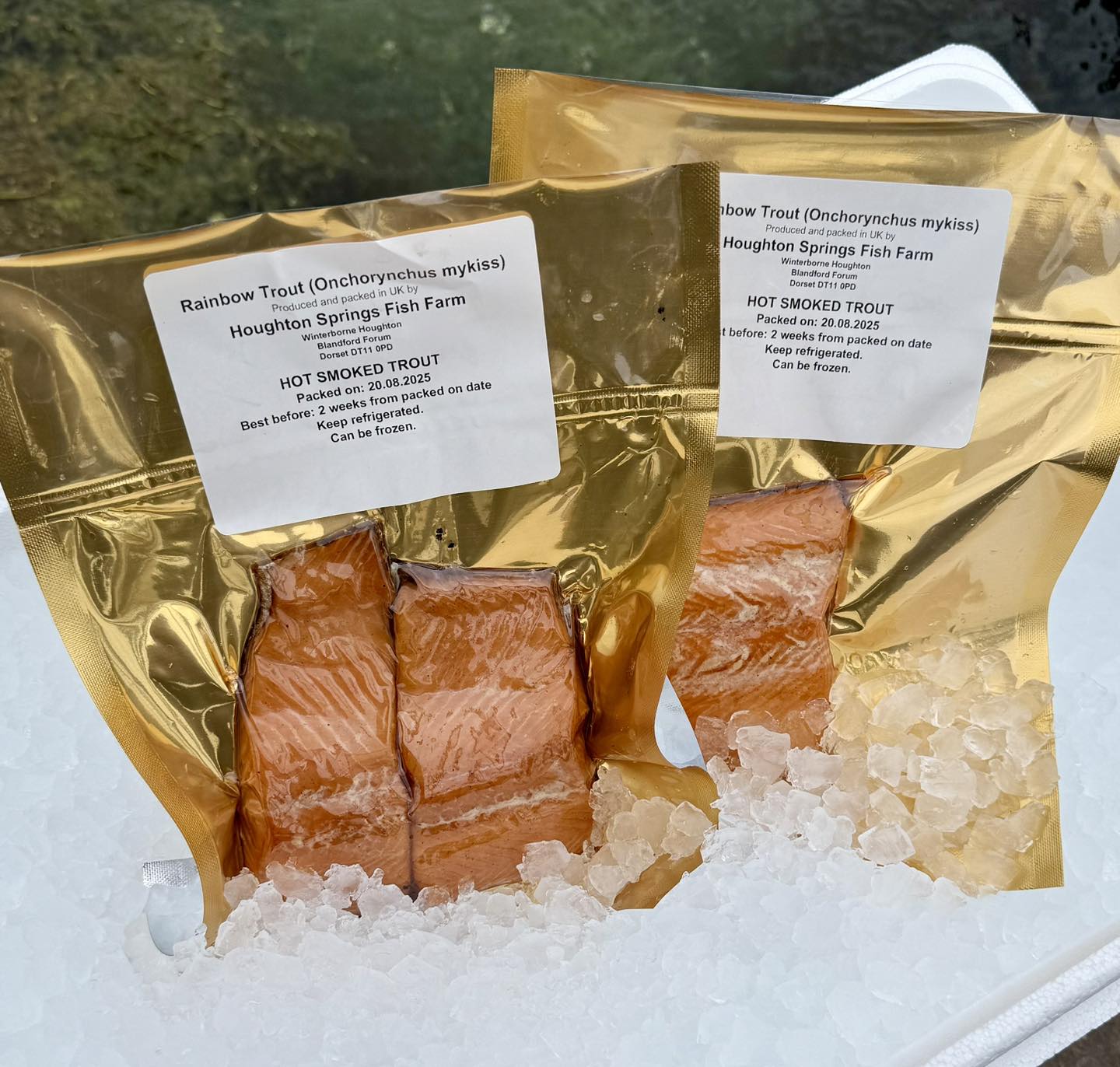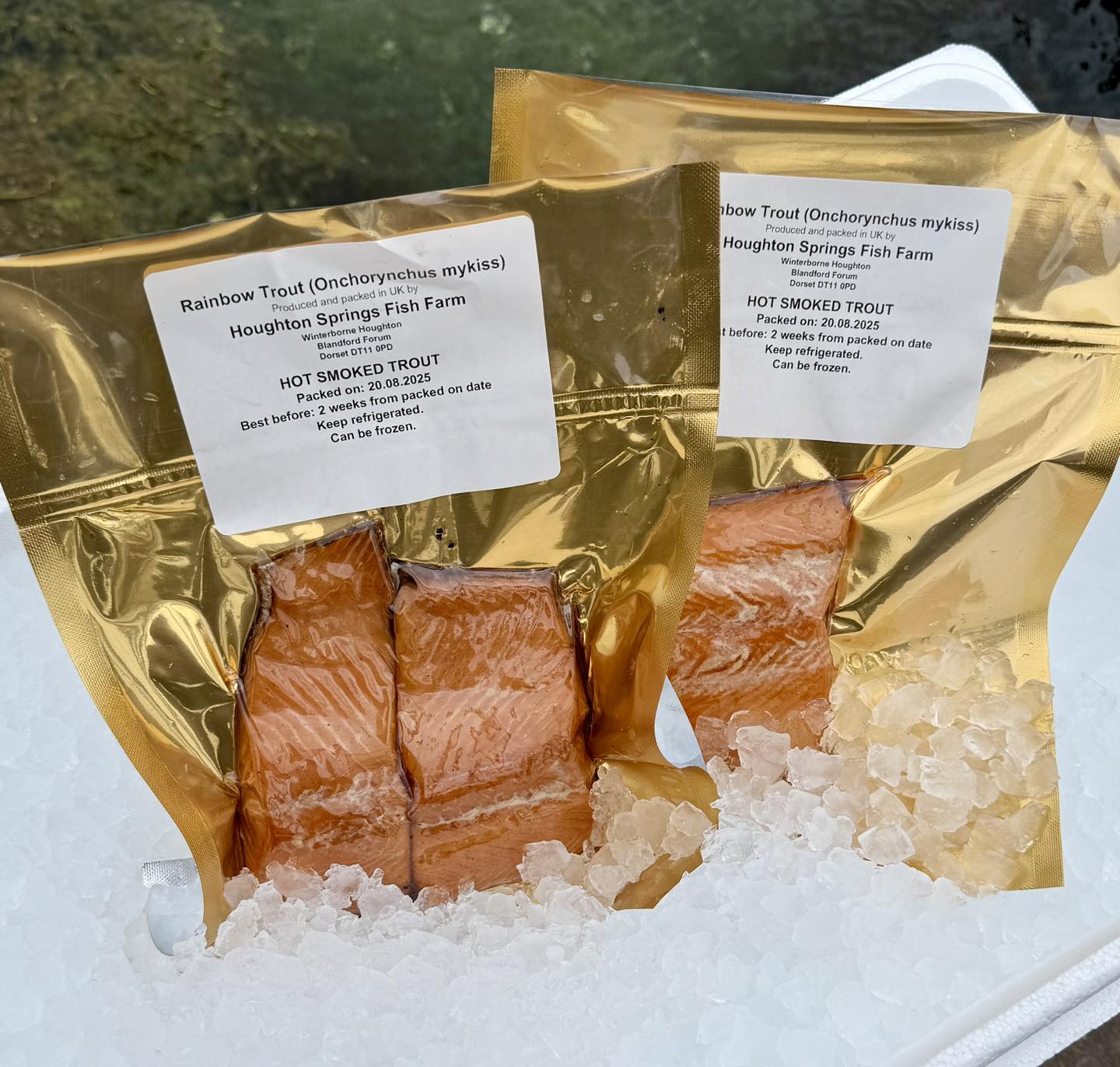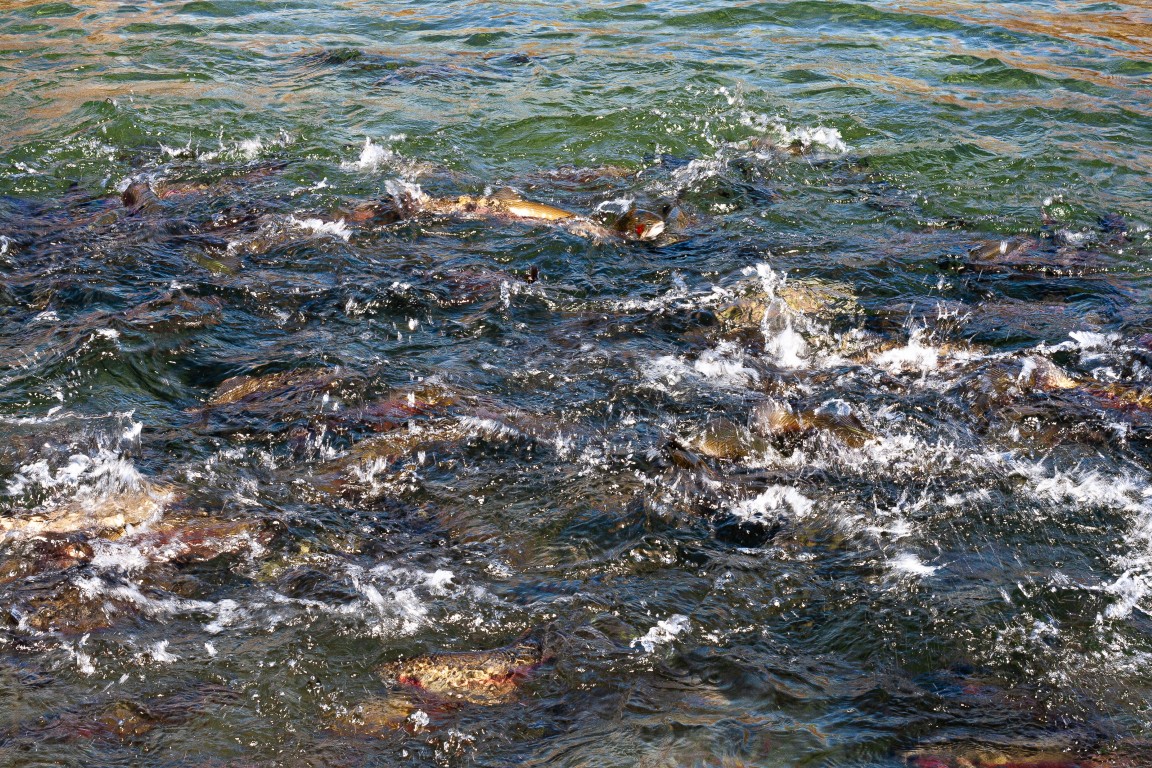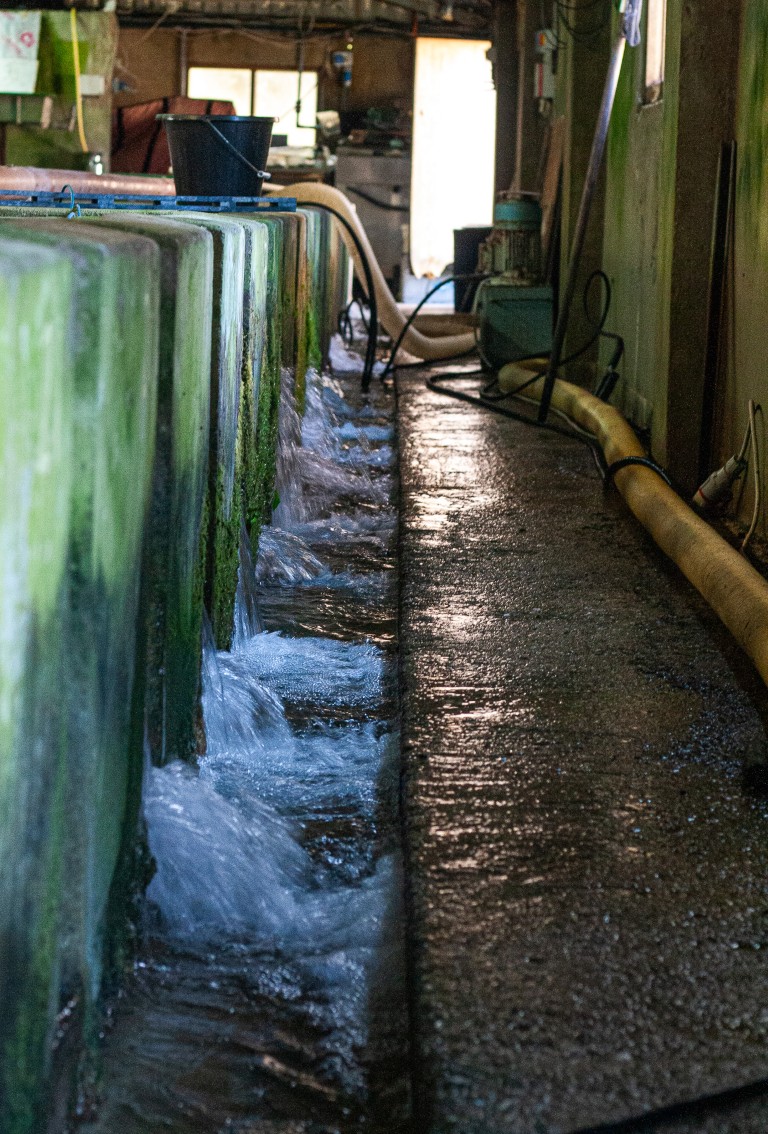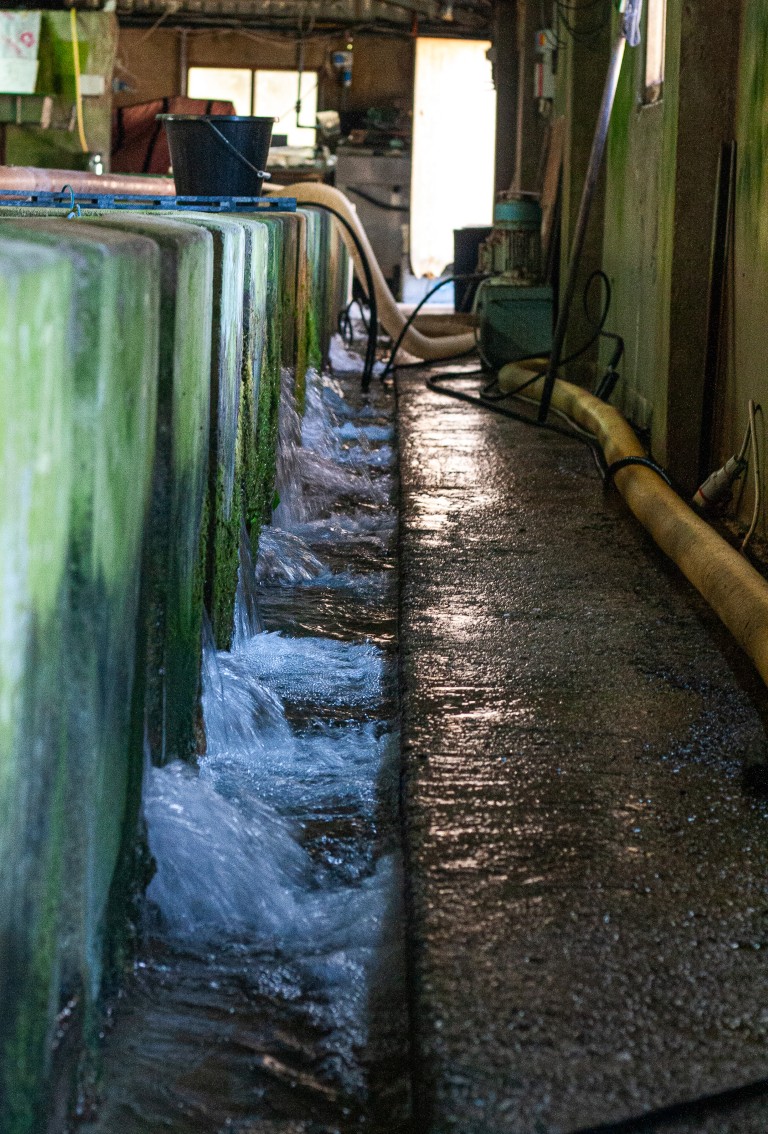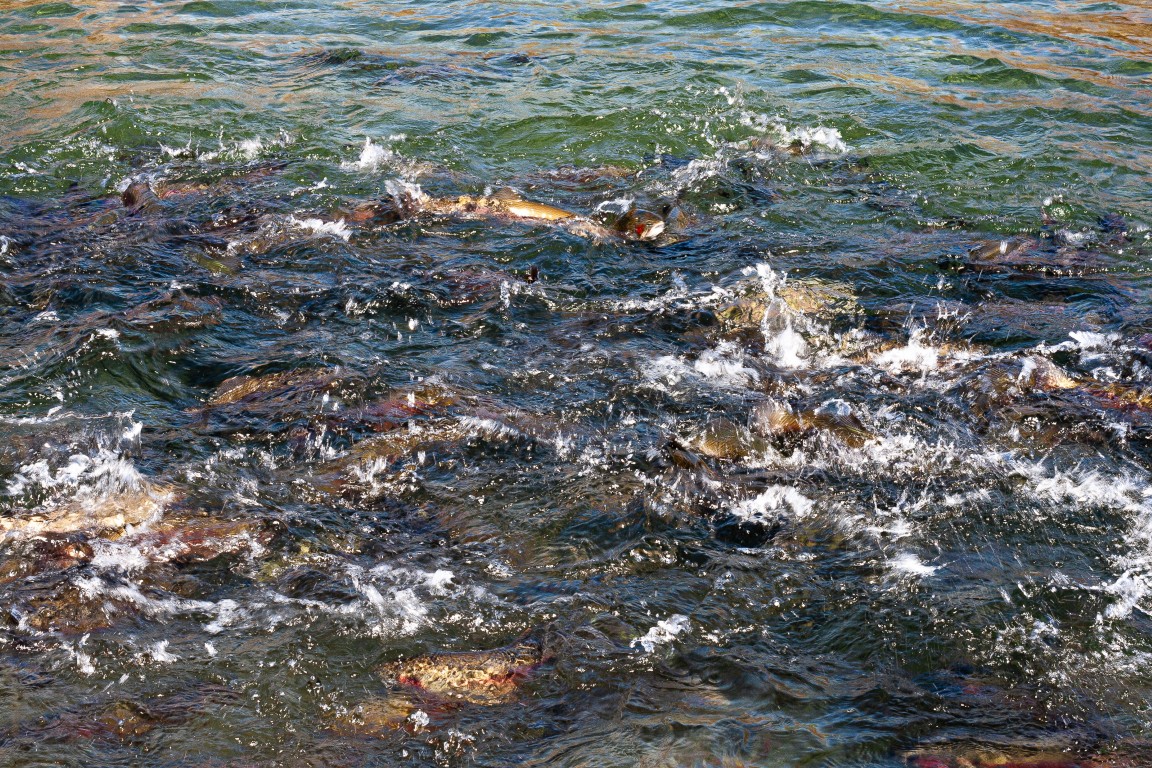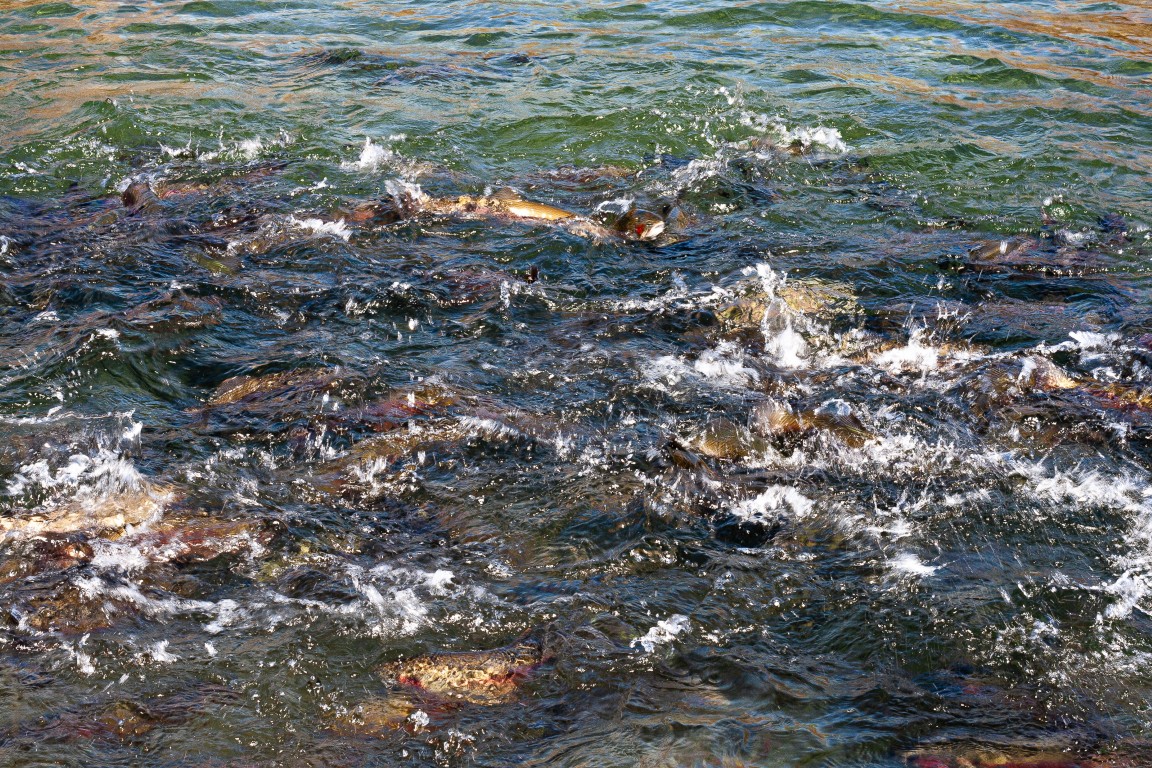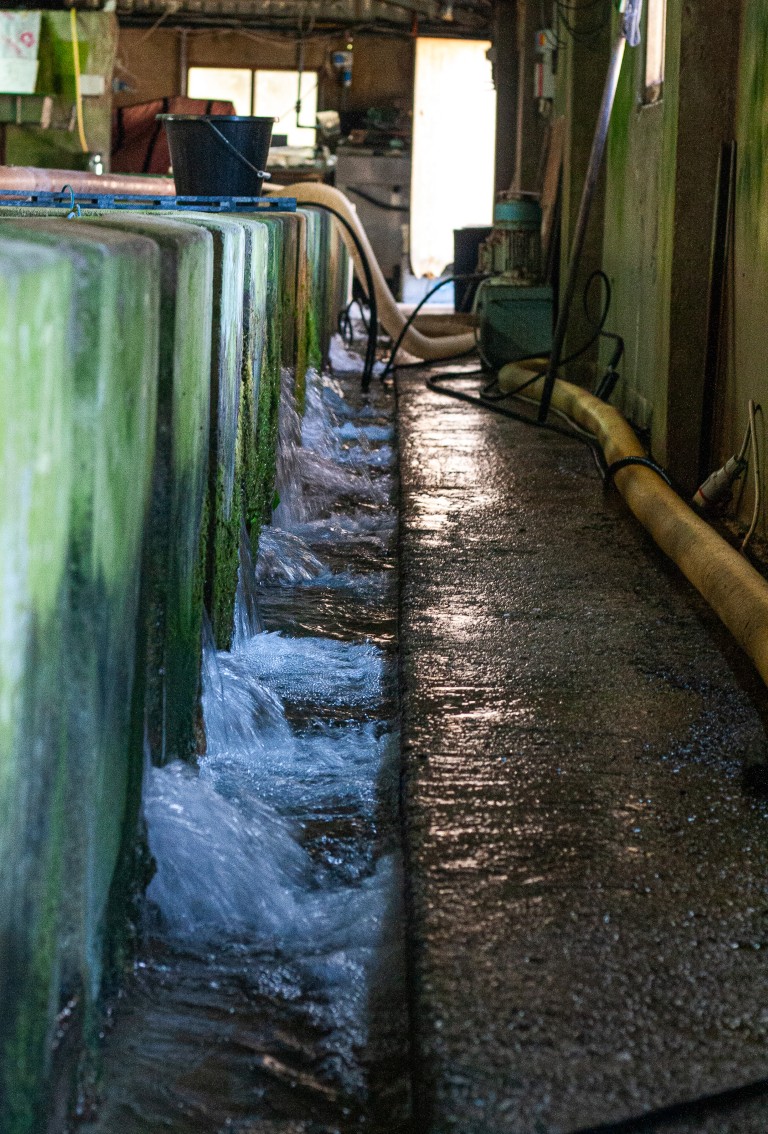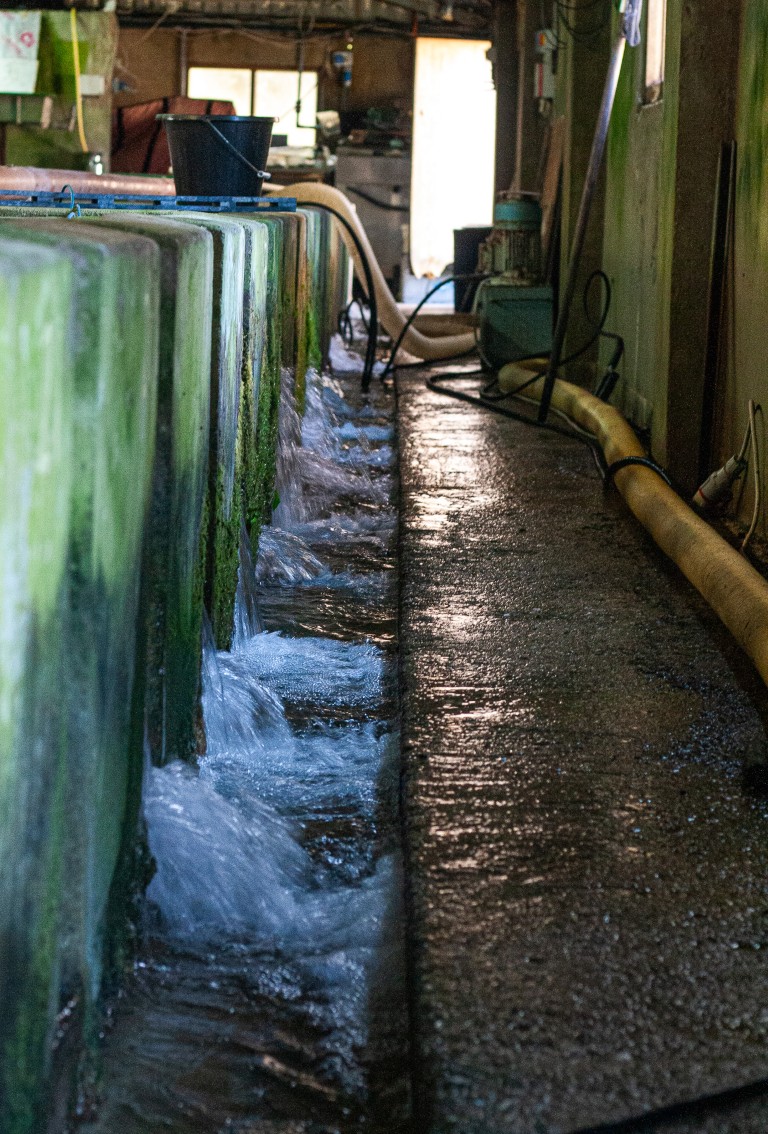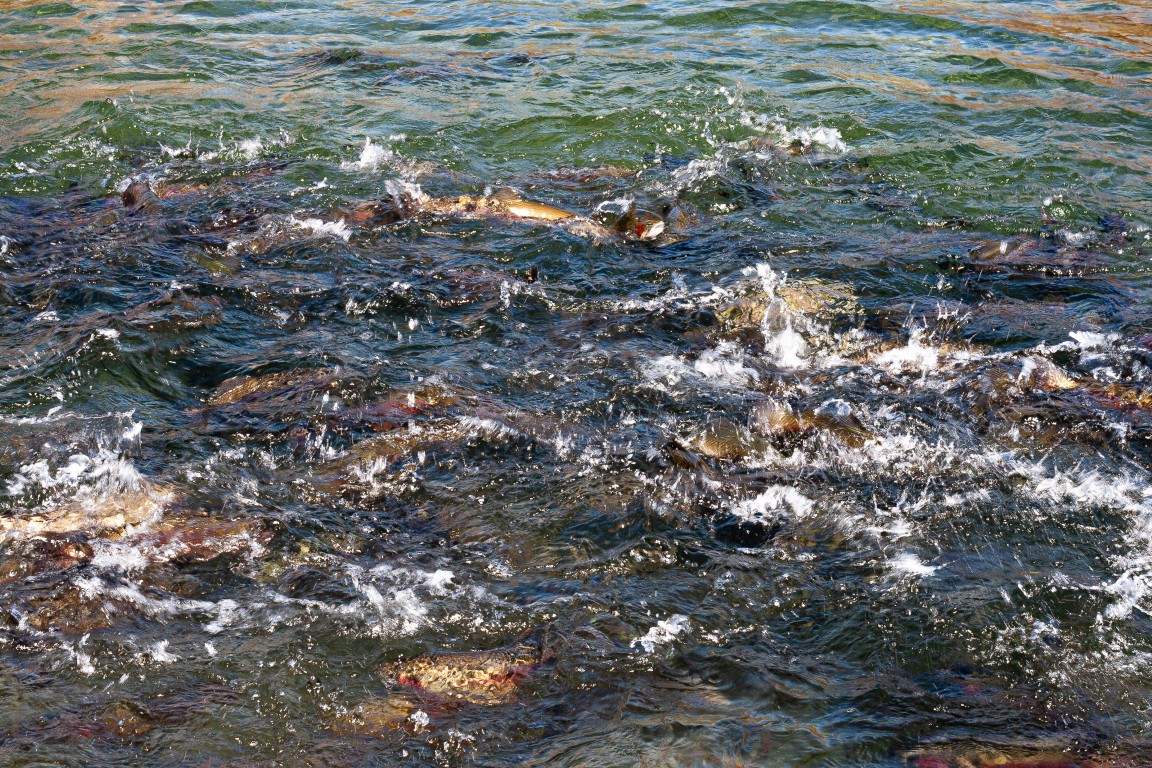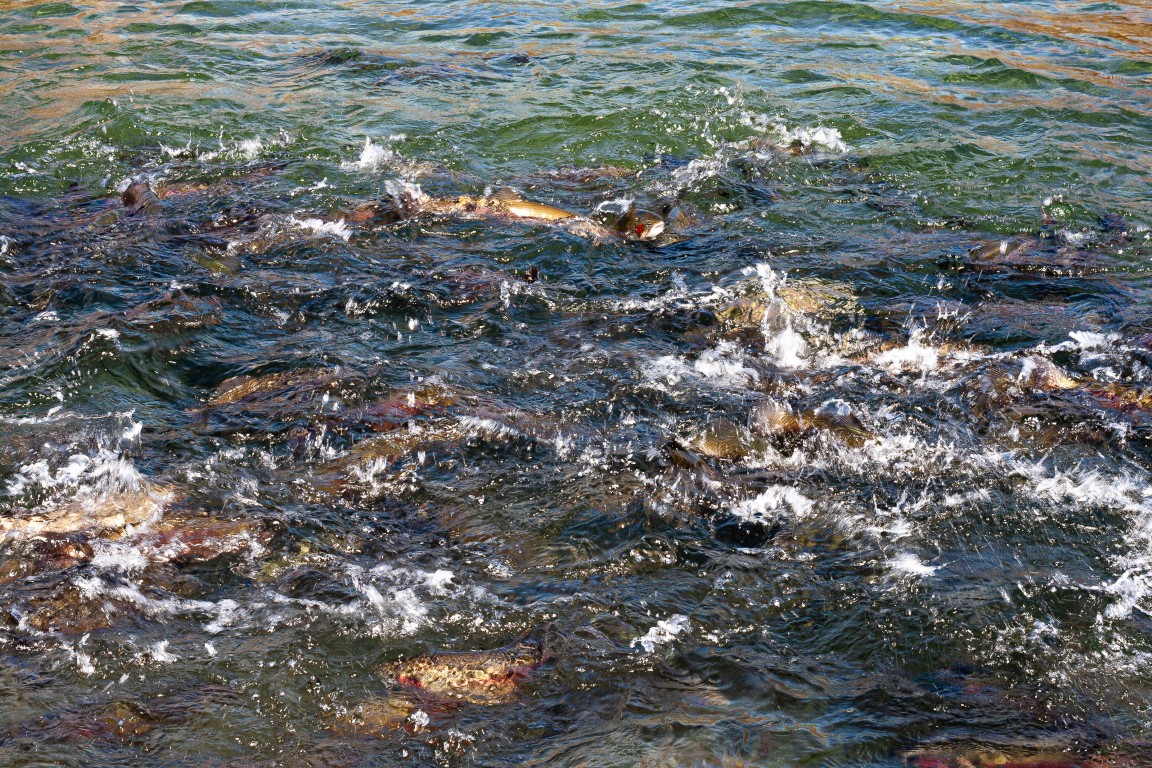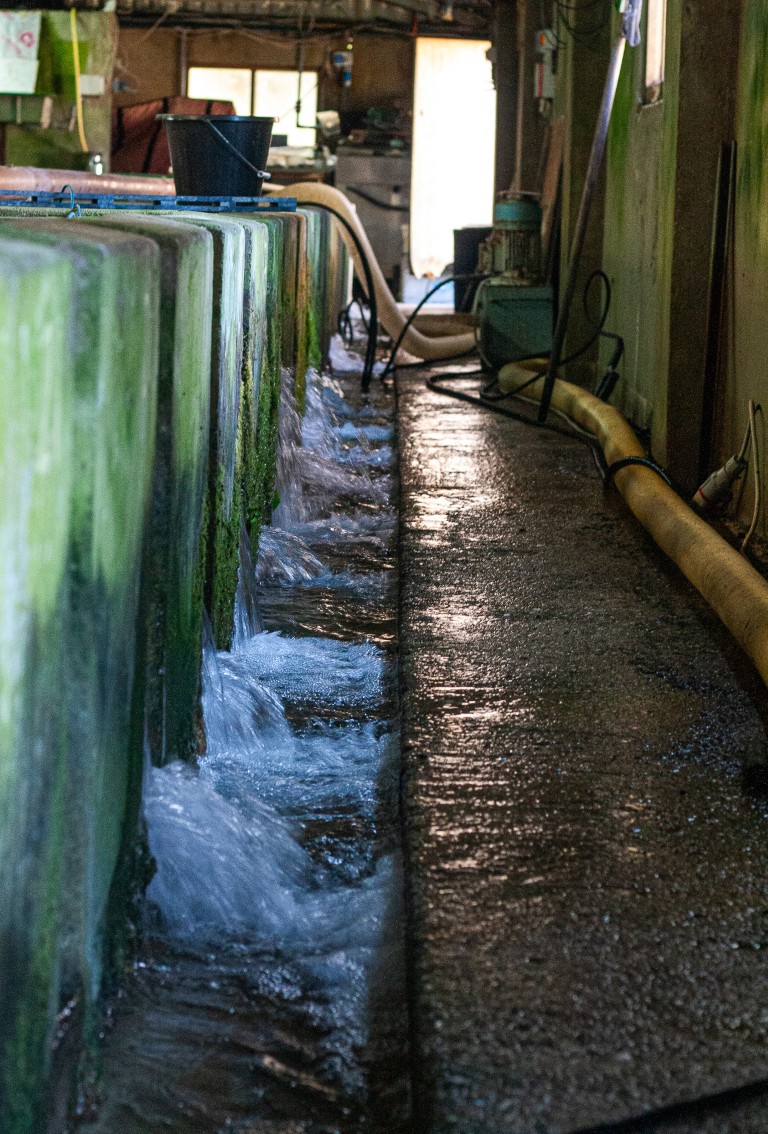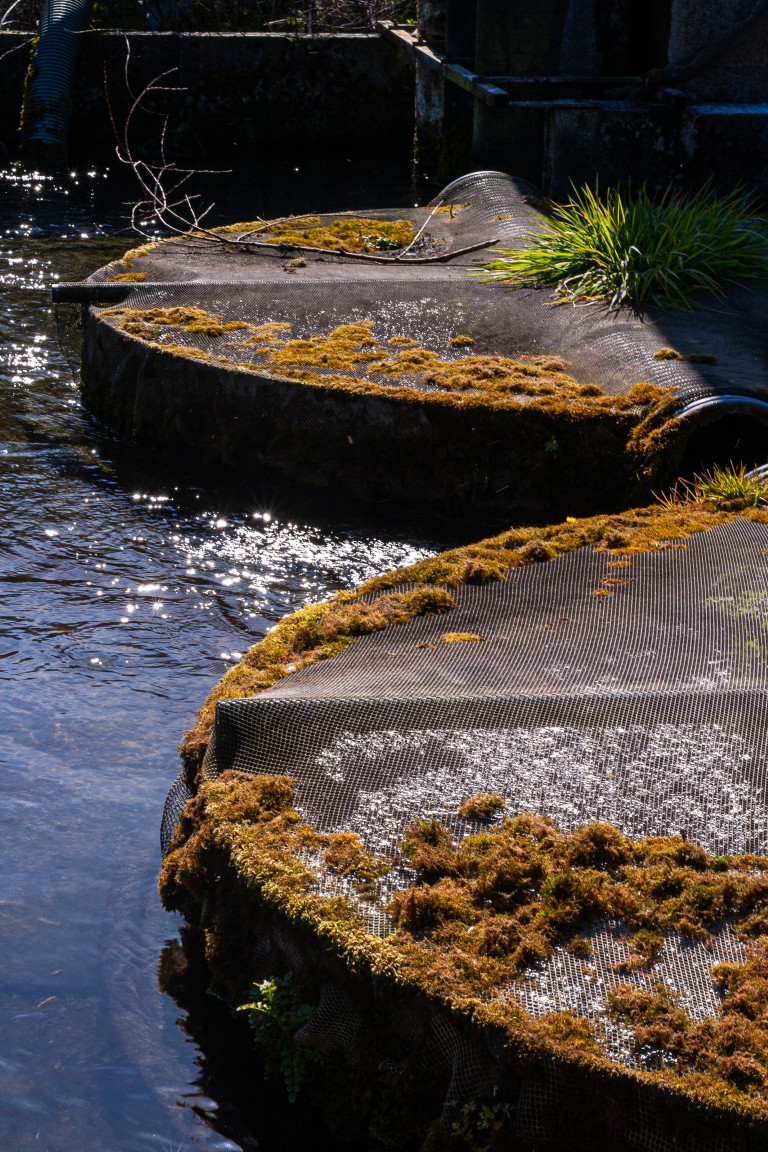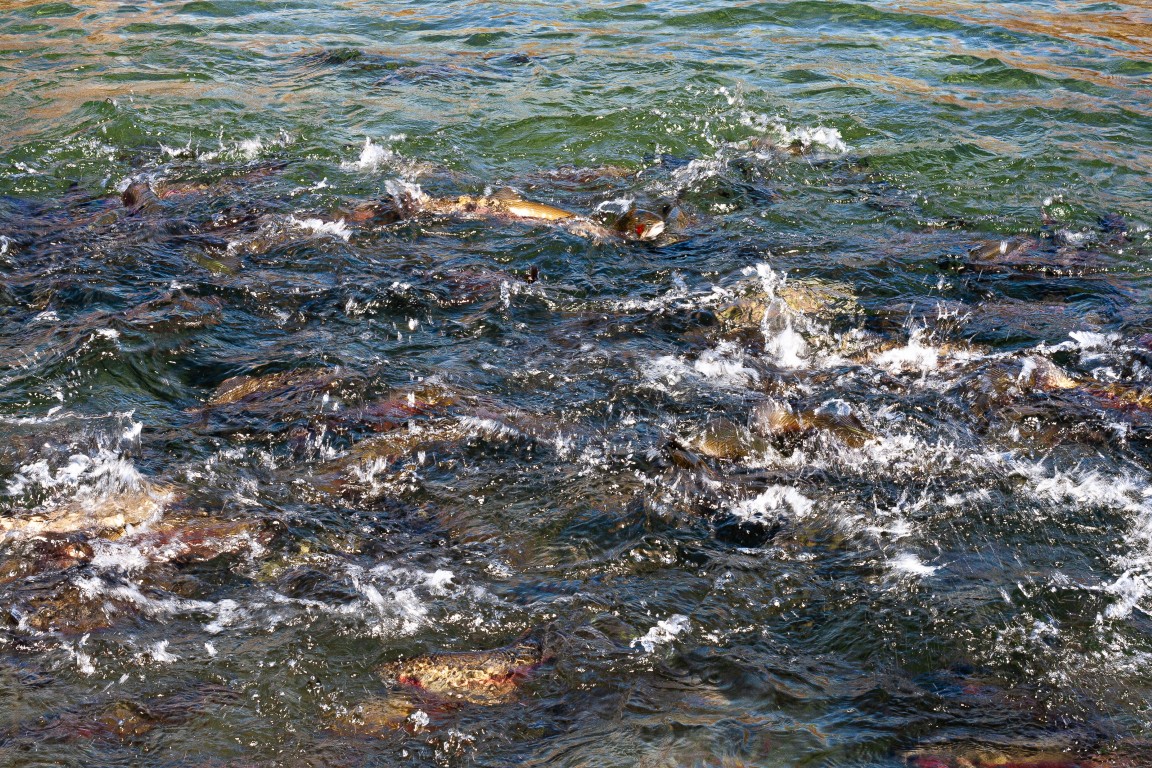

Maintaining high water quality is a crucial aspect of operating a successful trout farm. Poor water conditions can lead to fish stress, disease outbreaks, and ultimately, significant losses in production. For small businesses in the fish farming sector, ensuring optimal water quality is not just a matter of best practice; it’s essential for profitability and sustainability. In this blog post, we will explore the key factors affecting water quality, how to assess it, and practical steps to manage and improve it effectively.
Understanding Water Quality Parameters
Water quality in trout farming is determined by several physical, chemical, and biological parameters. The main factors to monitor include:
1. Temperature
- Ideal Range: Rainbow trout thrive in water temperatures between 10°C and 16°C.
- Impact of Temperature: Higher temperatures can reduce oxygen levels and increase fish metabolism, leading to stress.
2. Dissolved Oxygen (DO)
- Necessary Levels: Trout require a minimum of 6 mg/L of dissolved oxygen for optimal growth.
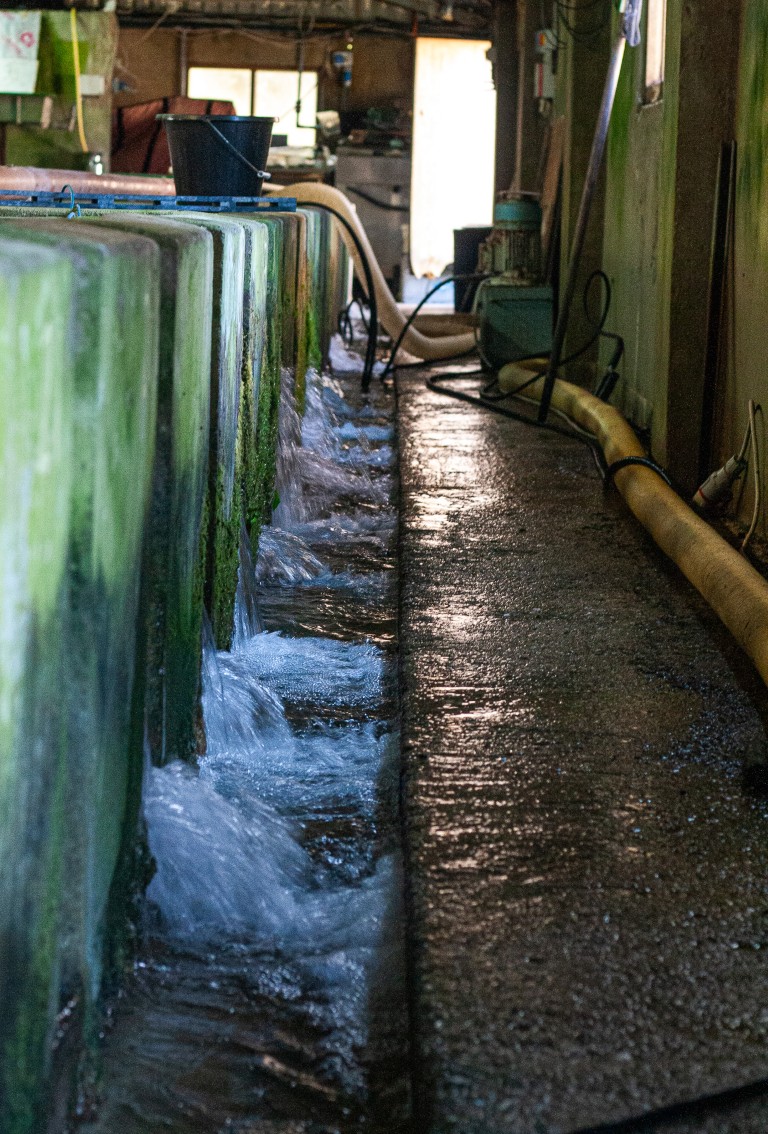
- Oxygen Sources: Aeration systems and natural inflow can help maintain adequate DO levels.
3. pH Levels
- Optimal Range: The ideal pH for trout farming is between 6.5 and 8.5.
- Consequences of Imbalance: A pH that is too low or too high can affect fish health and growth rates.
4. Ammonia and Nitrite Levels
- Toxicity Risks: Both ammonia and nitrite can be toxic to fish at elevated levels.
- Monitoring: Regular testing is crucial, as even small amounts can become harmful.
5. Turbidity
- Ideal Conditions: Clear water is essential, as turbidity can reduce light penetration and affect photosynthesis in aquatic plants.
- Sources of Turbidity: Excess sediment from runoff or overfeeding can increase turbidity levels.
6. Pathogen Presence
- Biosecurity Measures: Regular monitoring for pathogens and implementing biosecurity protocols is essential to prevent outbreaks of disease.
How to Assess Water Quality
Regular water quality assessments are vital for a successful trout farming operation. Here’s a simple checklist to guide you:
- Schedule Regular Testing: Conduct water tests at least monthly.
- Choose Reliable Testing Kits: Use kits that can accurately measure temperature, pH, DO, ammonia, nitrite, and turbidity.
- Keep Records: Maintain a log of water quality parameters over time to identify trends and potential issues.
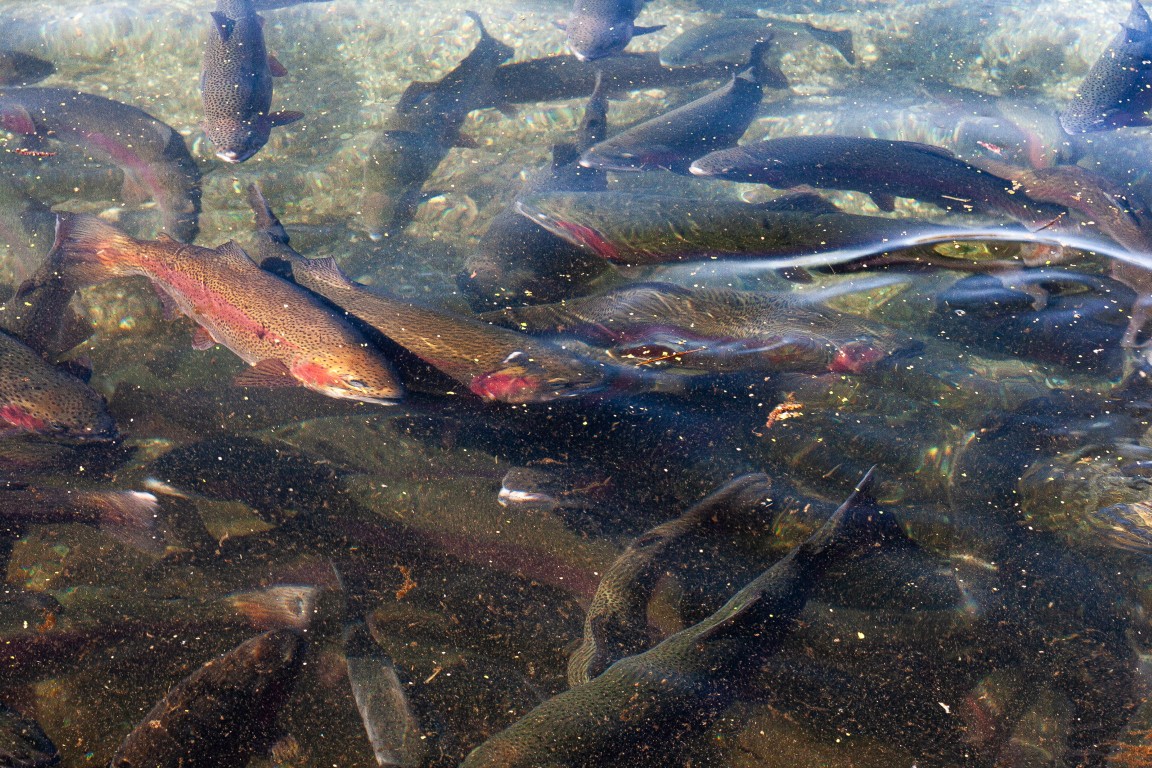
- Visual Inspections: Regularly observe your fish for signs of stress or disease, which may indicate water quality problems.
Practical Steps to Improve Water Quality
If your assessments indicate suboptimal water quality, here are practical steps you can take:
1. Aeration
- Methods: Invest in aeration systems such as air stones, diffusers, or paddle wheel aerators to boost DO levels.
- DIY Solutions: For smaller operations, consider simple DIY solutions like surface agitation.
2. Filtration Systems
- Types: Use mechanical and biological filters to remove solids and break down harmful substances.
- Maintenance: Regularly clean and replace filter media as needed to ensure effectiveness.
3. Water Changes
- Frequency: Depending on your system, consider partial water changes to dilute toxins and replenish nutrients.
- How to: Replace 10-20% of the water weekly, ensuring the new water is treated and at the appropriate temperature.
4. Feeding Practices
- Avoid Overfeeding: Ensure you only feed your fish what they can consume in a short period to prevent excess waste.
- Quality Feed: Choose high-quality feed that reduces waste products and promotes fish health.
5. Biosecurity Protocols
- Preventing Disease: Implement strict biosecurity measures to minimise pathogen introduction through water sources or equipment.
- Regular Health Checks: Conduct health checks on fish to catch and address issues early.
Mistakes to Avoid
When managing water quality in your trout farm, avoid these common pitfalls:
- Neglecting Regular Testing: Skipping tests can lead to undetected problems that can harm your stock.
- Ignoring Seasonal Changes: Remember that water quality parameters can fluctuate with the seasons; adjust your management practices accordingly.
- Overlooking Local Regulations: Stay informed about local environmental regulations regarding water discharge and quality standards.
Conclusion
Effective water quality management is a cornerstone of successful trout farming. By understanding the key parameters and taking proactive measures, you can ensure your fish thrive, thus enhancing your business’s reputation and profitability. For more insights on trout farming practices, explore our other resources available on our website, such as creating a sustainable supply chain or the importance of biosecurity in trout farming.
Investing time and resources into managing water quality will pay dividends in healthier fish and a more productive operation.