As a small business owner in the trout farming sector, you face the dual challenge of maintaining sustainable practices while also ensuring profitability. The aquaculture industry is competitive, and understanding how to maximise your yield and reduce costs is essential for long-term success. In this post, we will explore effective strategies that can enhance your trout farming operations, helping you achieve better profits while maintaining your commitment to sustainability.
Understanding Your Market
Before implementing any strategies, it is crucial to understand the market dynamics affecting your business. Conducting market research can provide insights into consumer preferences, pricing trends, and potential competition. Here are some key steps to take:
-
Identify Your Target Customers: Determine whether you are supplying local restaurants, retailers, or direct consumers. Each market may have different demands and price points.
-
Assess Local Competition: Understand who your competitors are, what they offer, and how you can differentiate your products.
-
Stay Informed on Trends: Keep abreast of trends in sustainable food sourcing and aquaculture, as these can affect demand for your trout.
Optimising Production Techniques
To improve profitability, it is vital to optimise your production methods. Below are some strategies that can lead to enhanced efficiency and yield:
1. Stocking Density
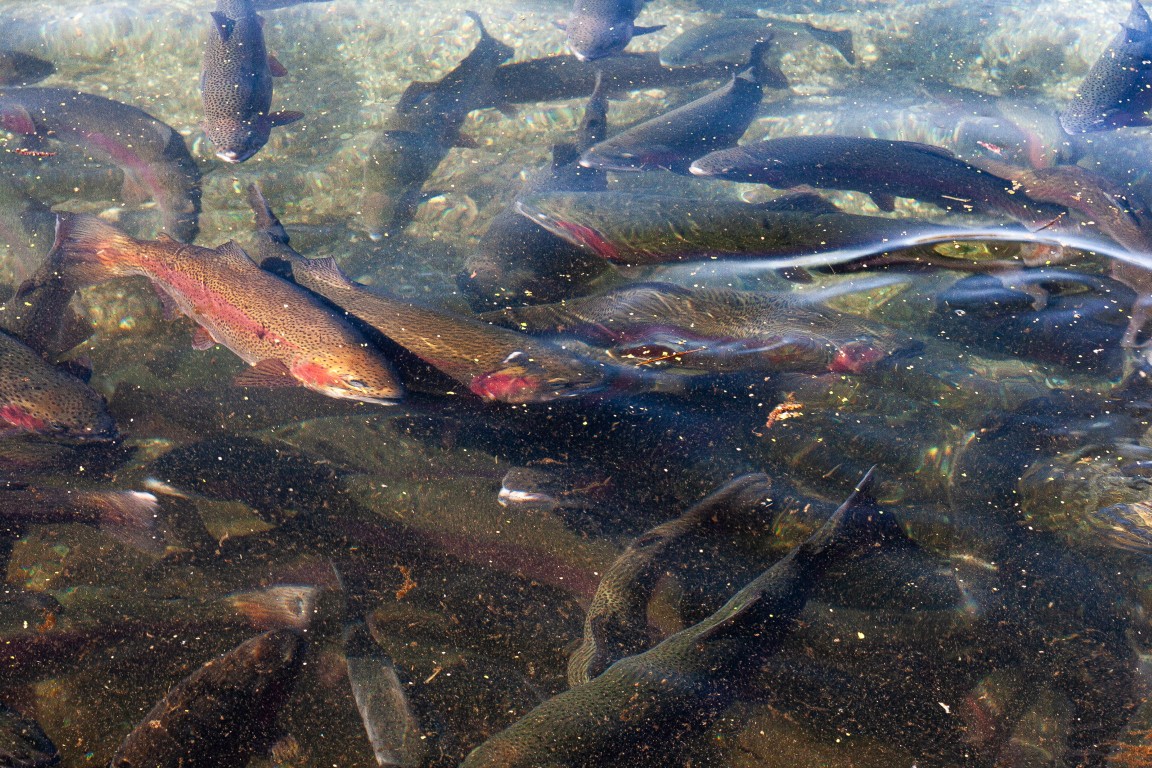
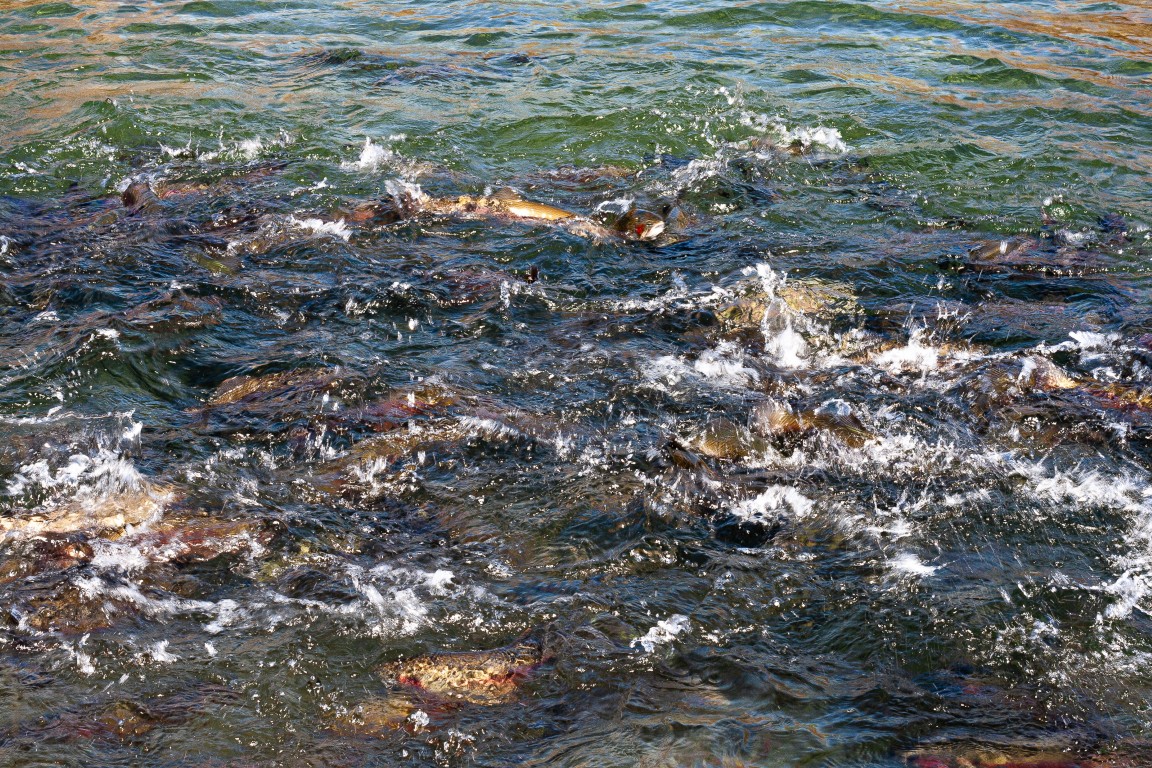
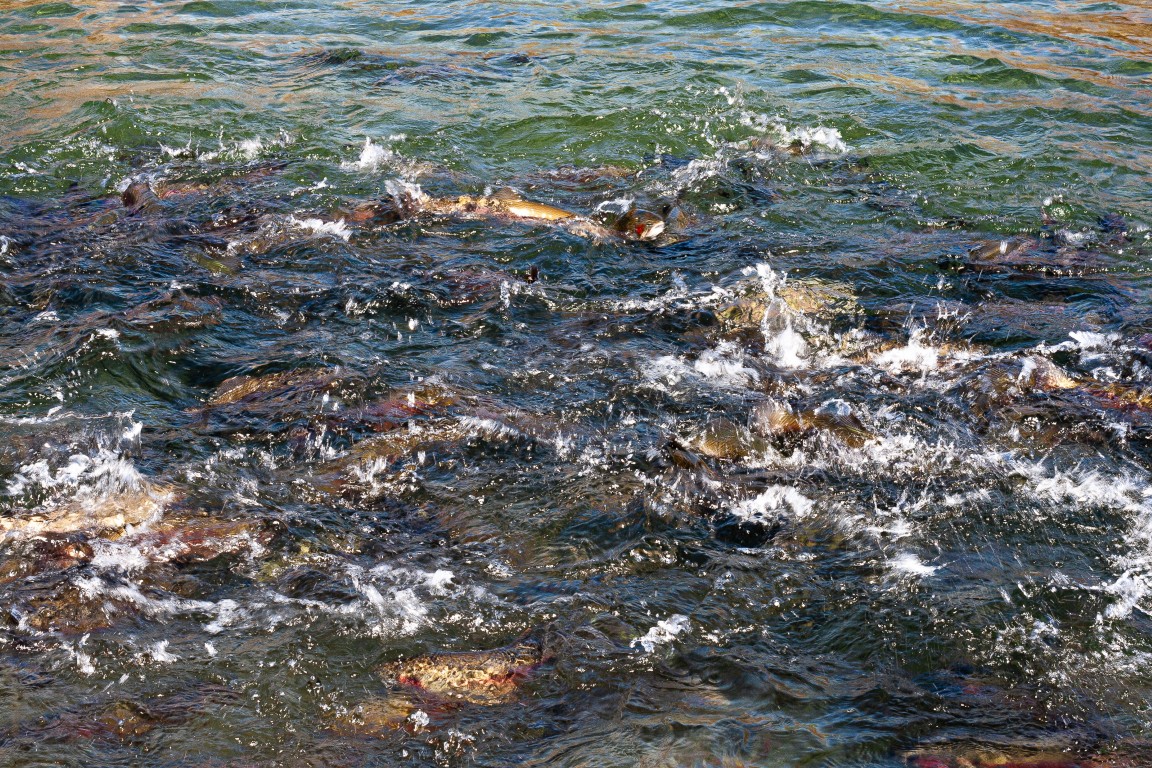
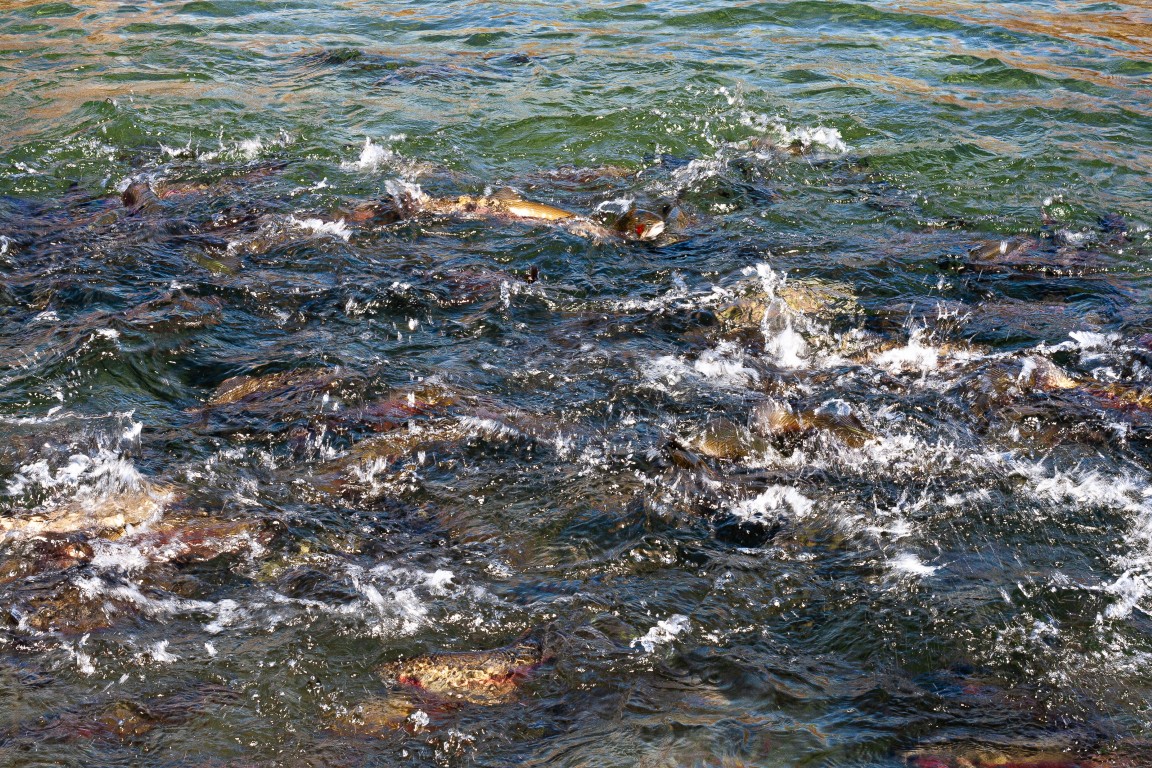
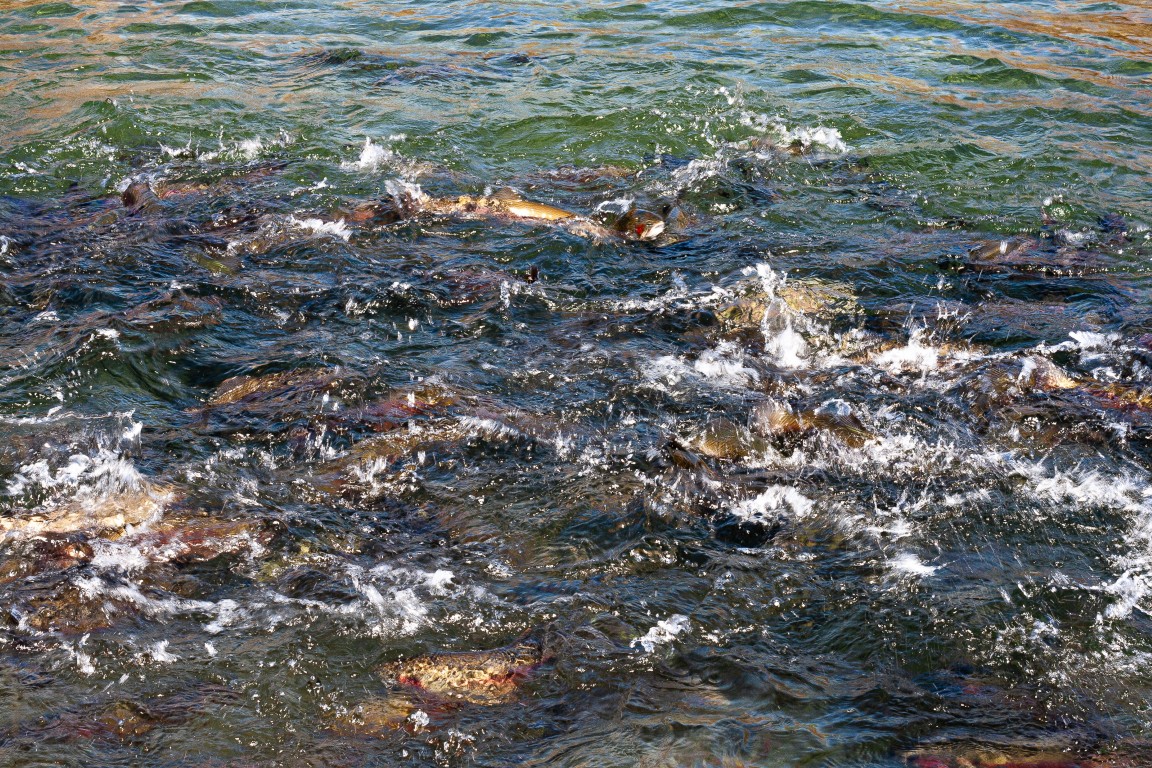
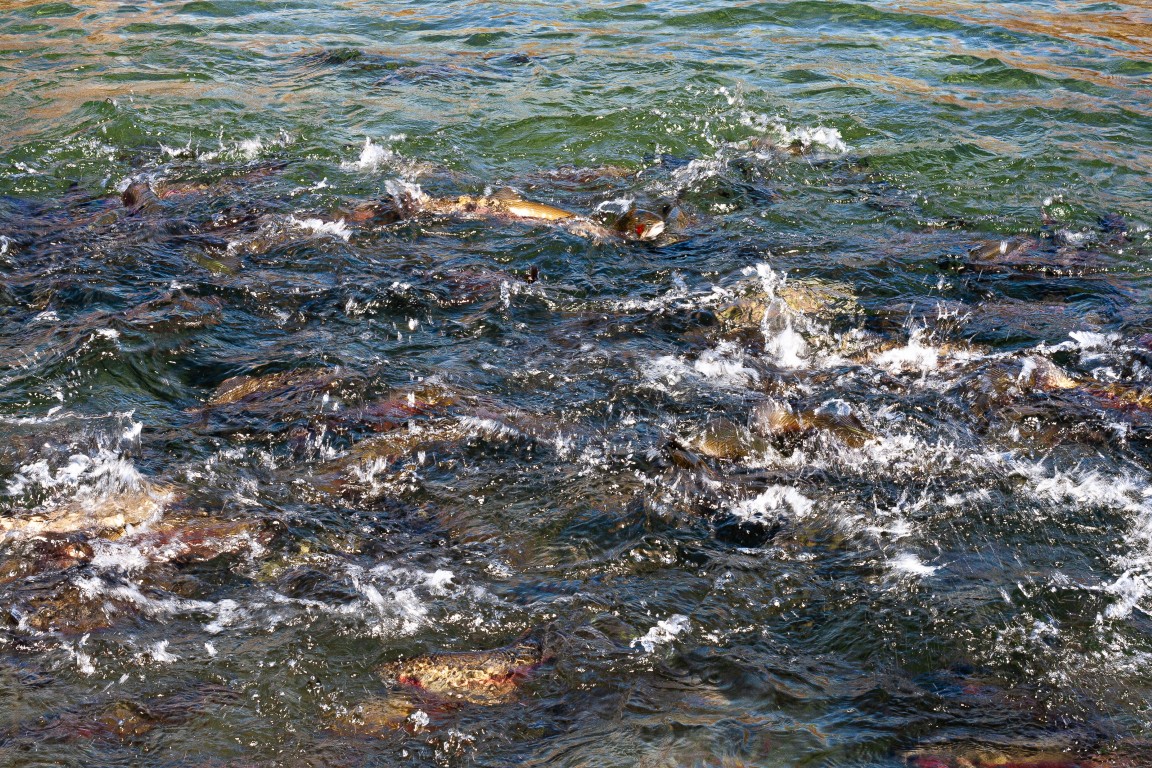
The right stocking density is crucial for healthy fish growth. Overcrowding can lead to stress and disease, while too few fish can result in wasted resources.
-
How to Choose the Right Density:
- Start with a density that allows for optimal growth and health. Consult with your local aquaculture expert or refer to guidelines specific to your trout species.
-
Monitoring Growth: Regularly assess fish growth rates and adjust stocking densities accordingly.
2. Feeding Practices
Optimising your feeding practices can also yield significant cost savings.
-
Invest in Quality Feed: High-quality feed can improve growth rates and reduce waste. Refer to our article on Choosing the Right Trout Feed for more detailed insights.
-
Monitor Feeding Rates: Regularly check feeding practices to avoid overfeeding, which can lead to water quality issues.
Maintaining Water Quality
Water quality is a critical factor in trout farming. Poor water conditions can lead to health problems and reduced yield, impacting your profitability.
Key Water Quality Parameters to Monitor:
- Dissolved Oxygen Levels: Ensure they remain above 6 mg/L for optimal growth.
- pH Levels: Maintain a pH between 6.5 and 8.5.
- Temperature: Keep water temperatures suitable for trout (generally between 10-20°C).
Investing in proper water management systems can drastically reduce losses due to poor water conditions. For more on this topic, see our post on The Importance of Water Quality Management in Trout Farming.
Implementing Biosecurity Measures
Biosecurity is essential for protecting your fish stock from diseases and parasites that can have devastating impacts on your farm’s productivity.
Biosecurity Best Practices:
- Regular Health Monitoring: Conduct health checks on your fish to catch any issues early.
- Limit Access: Restrict access to your farm to prevent the introduction of pathogens.
- Disinfection Protocols: Regularly clean and disinfect equipment and facilities.
For more detailed information on protecting your investment, refer to our guide on The Importance of Biosecurity in Trout Farming.
Building Strong Supplier Relationships
Developing strong relationships with suppliers can lead to better pricing, improved service, and access to higher quality products.
Tips for Strengthening Supplier Relationships:
- Communicate Regularly: Maintain open lines of communication to ensure that your suppliers understand your needs and challenges.
- Negotiate Terms: Don’t hesitate to negotiate pricing and payment terms that can benefit your cash flow.
- Explore Local Options: Supporting local suppliers can not only improve your supply chain but also strengthen community ties.
This aligns well with our previous post on Building Strong Relationships with Local Suppliers.
Exploring Diversification Opportunities
Consider diversifying your product offerings to capture different market segments.
Potential Diversification Strategies:
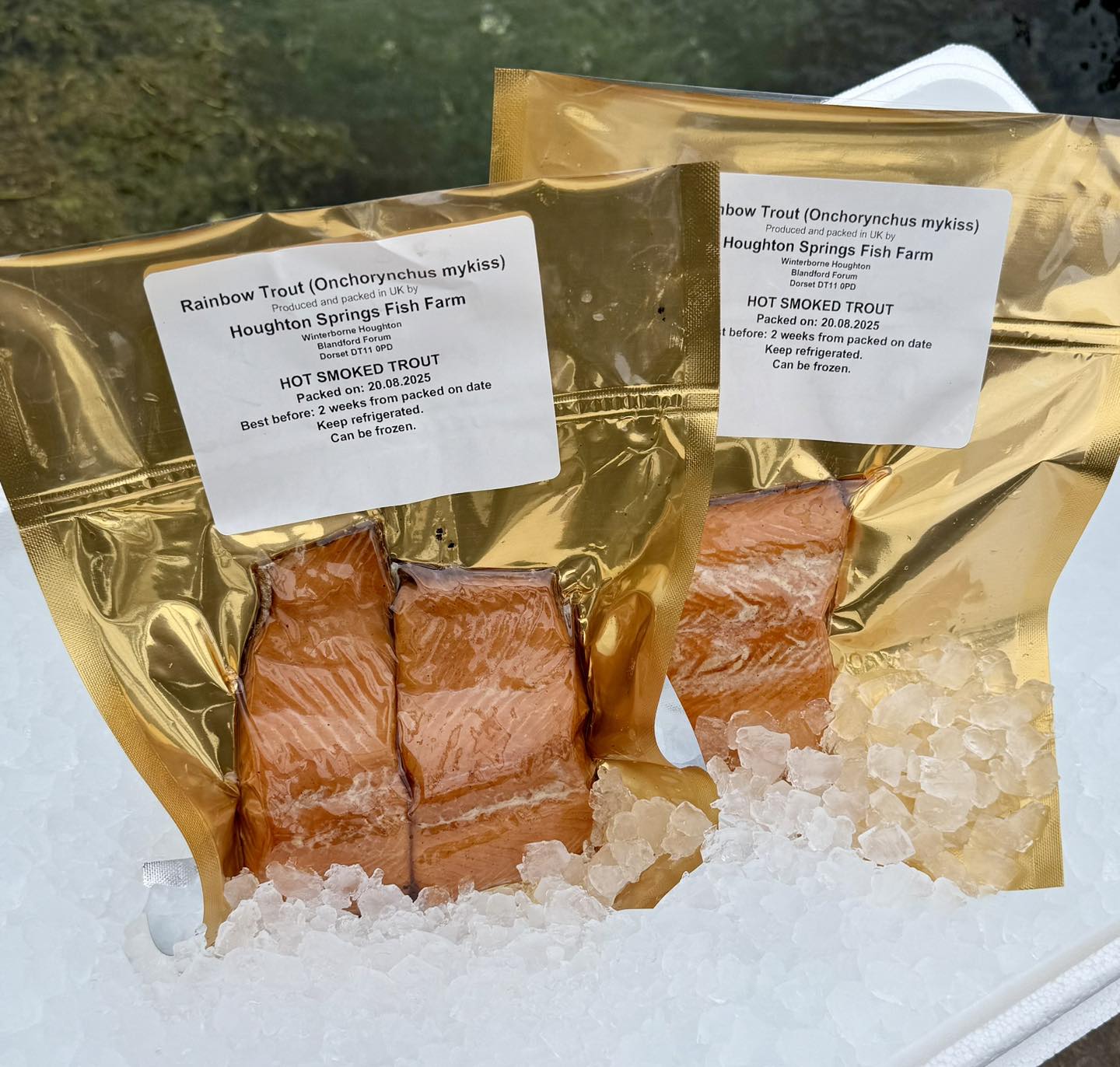
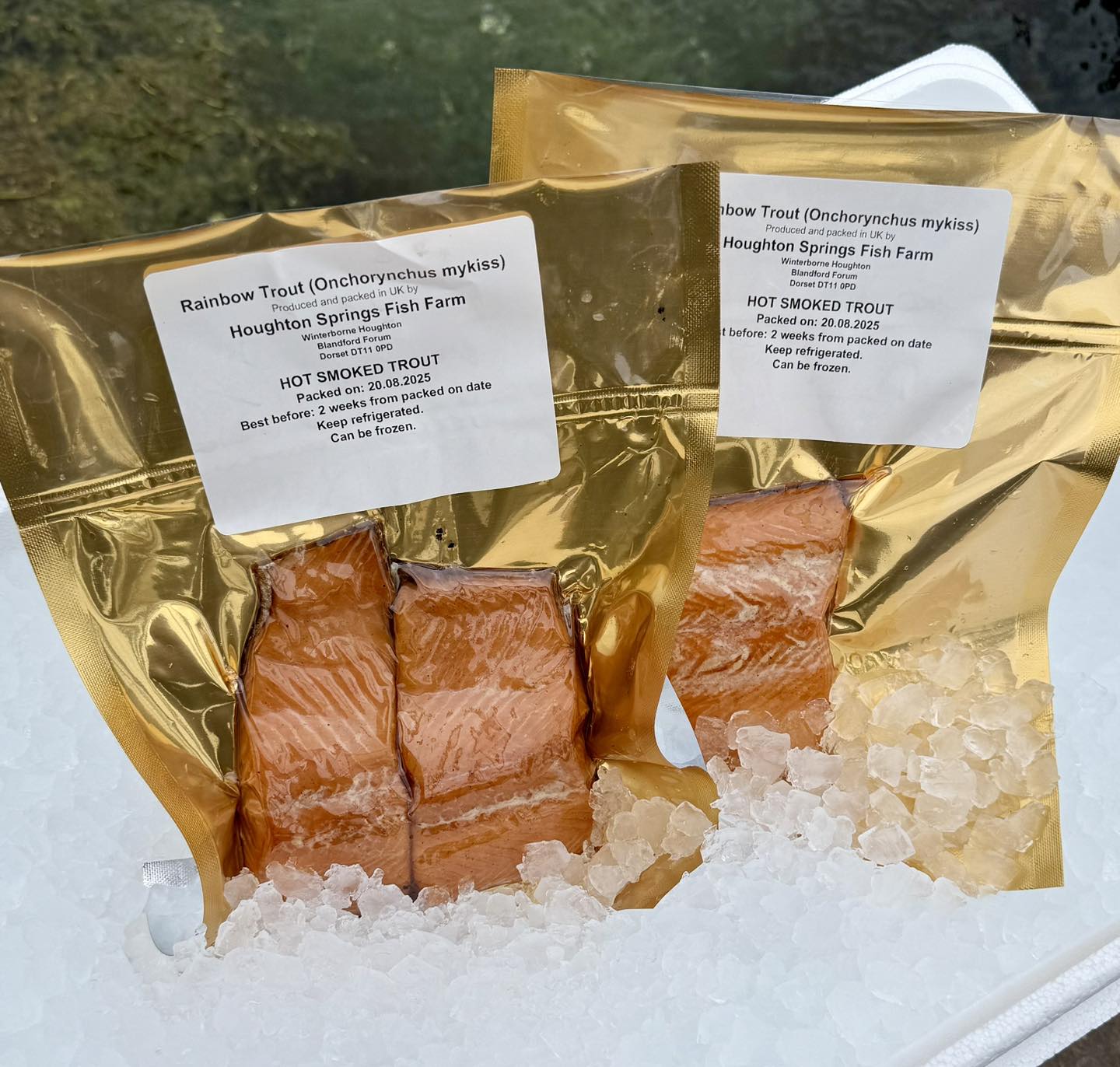
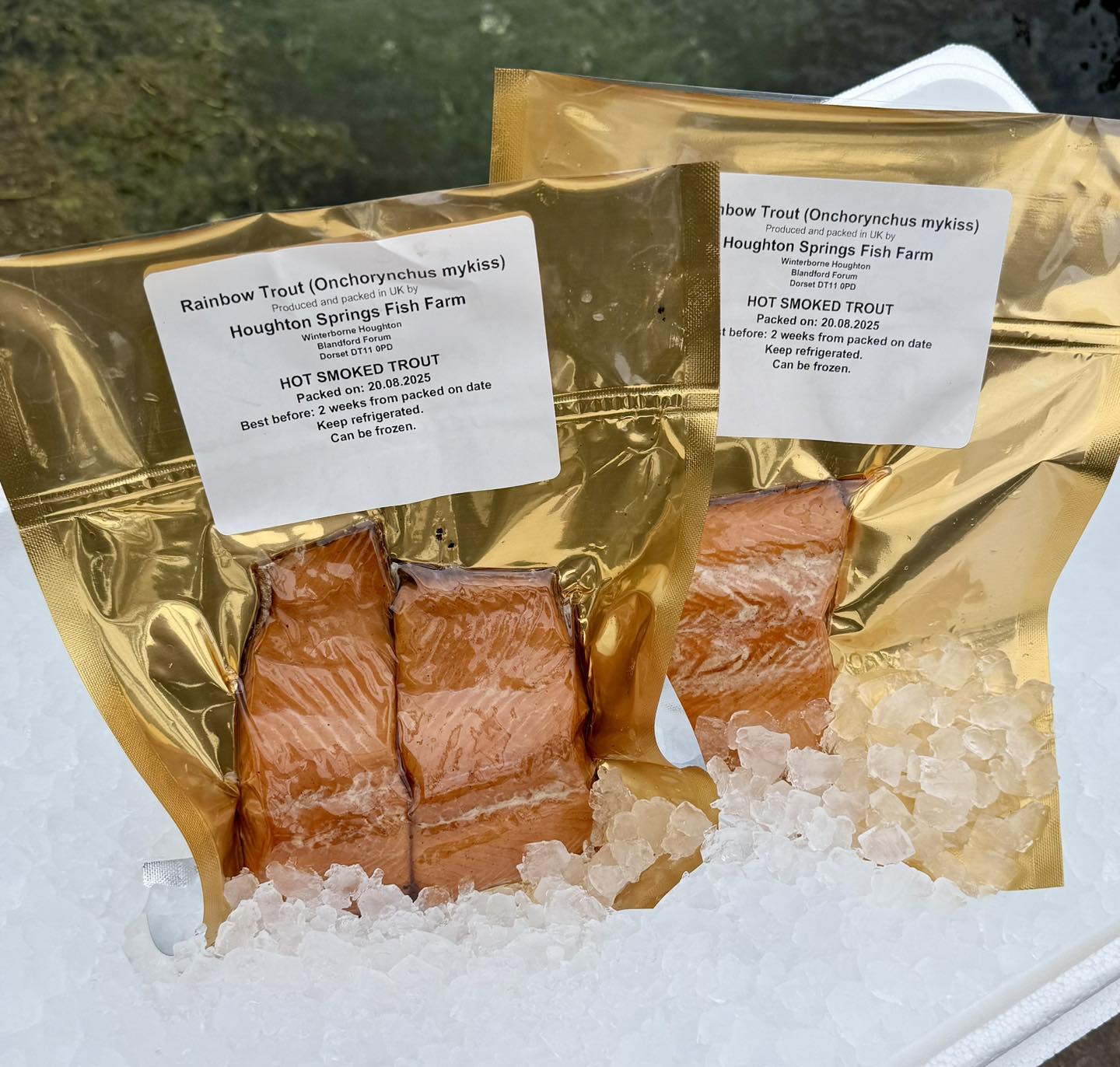
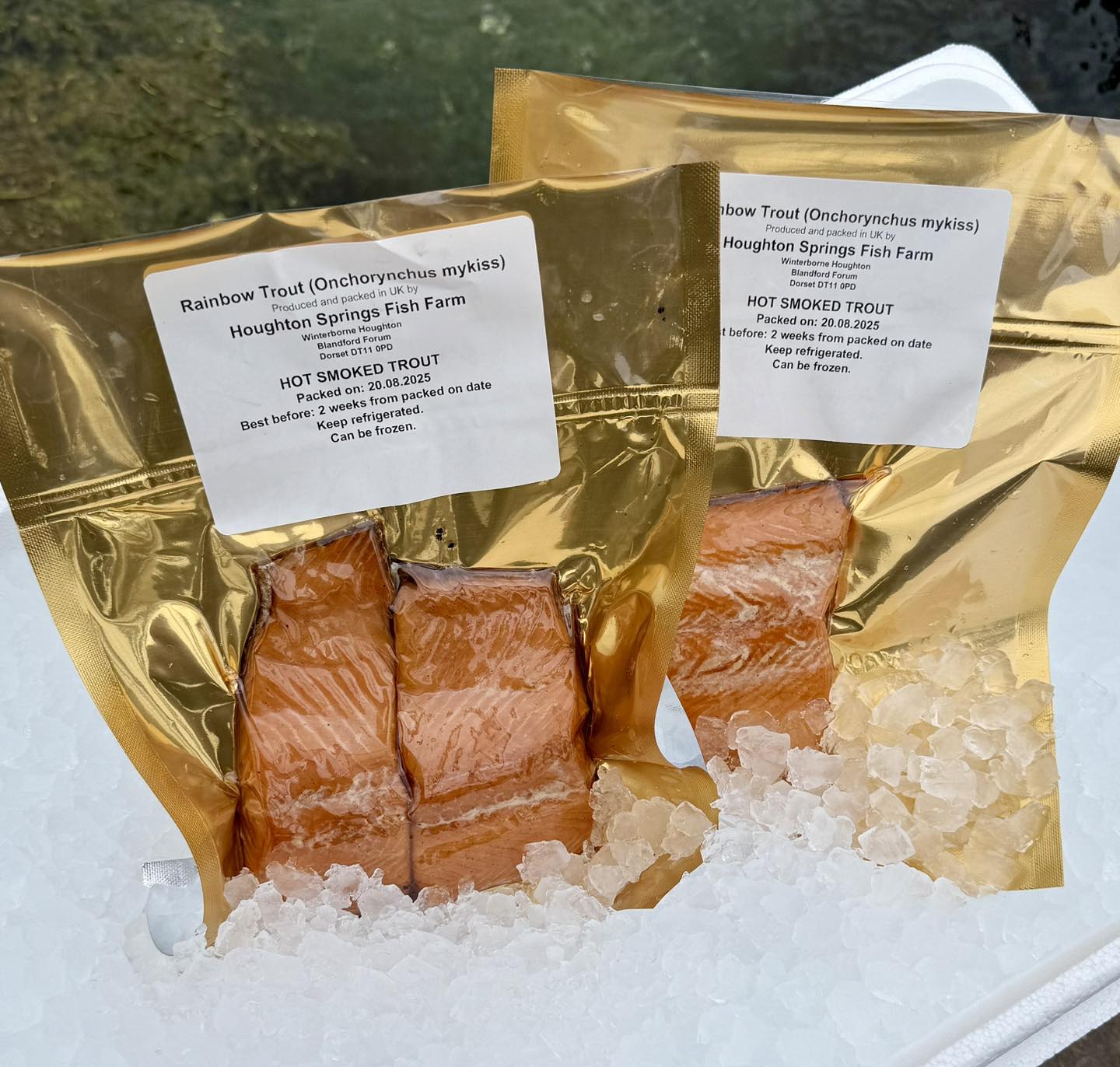
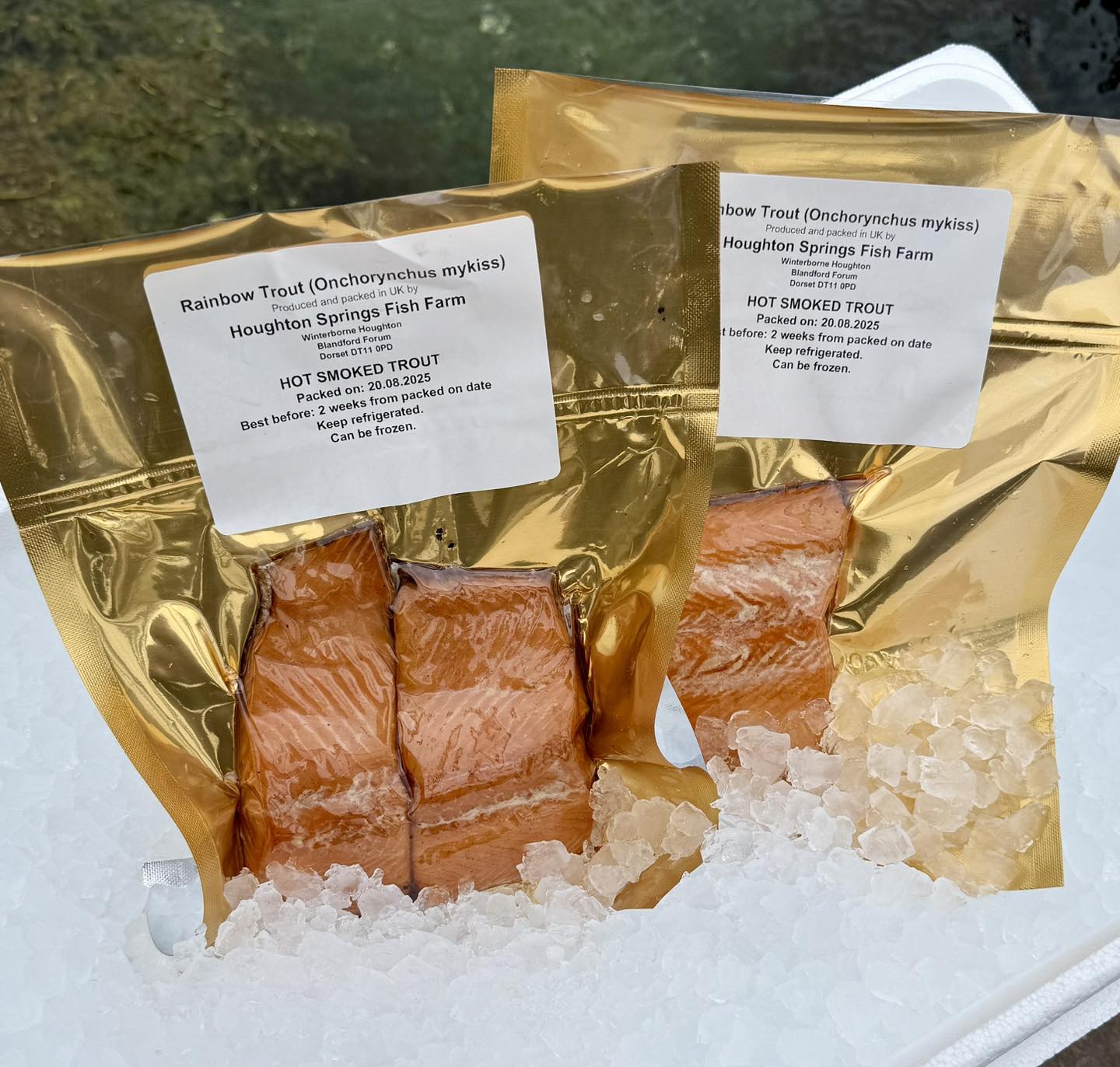
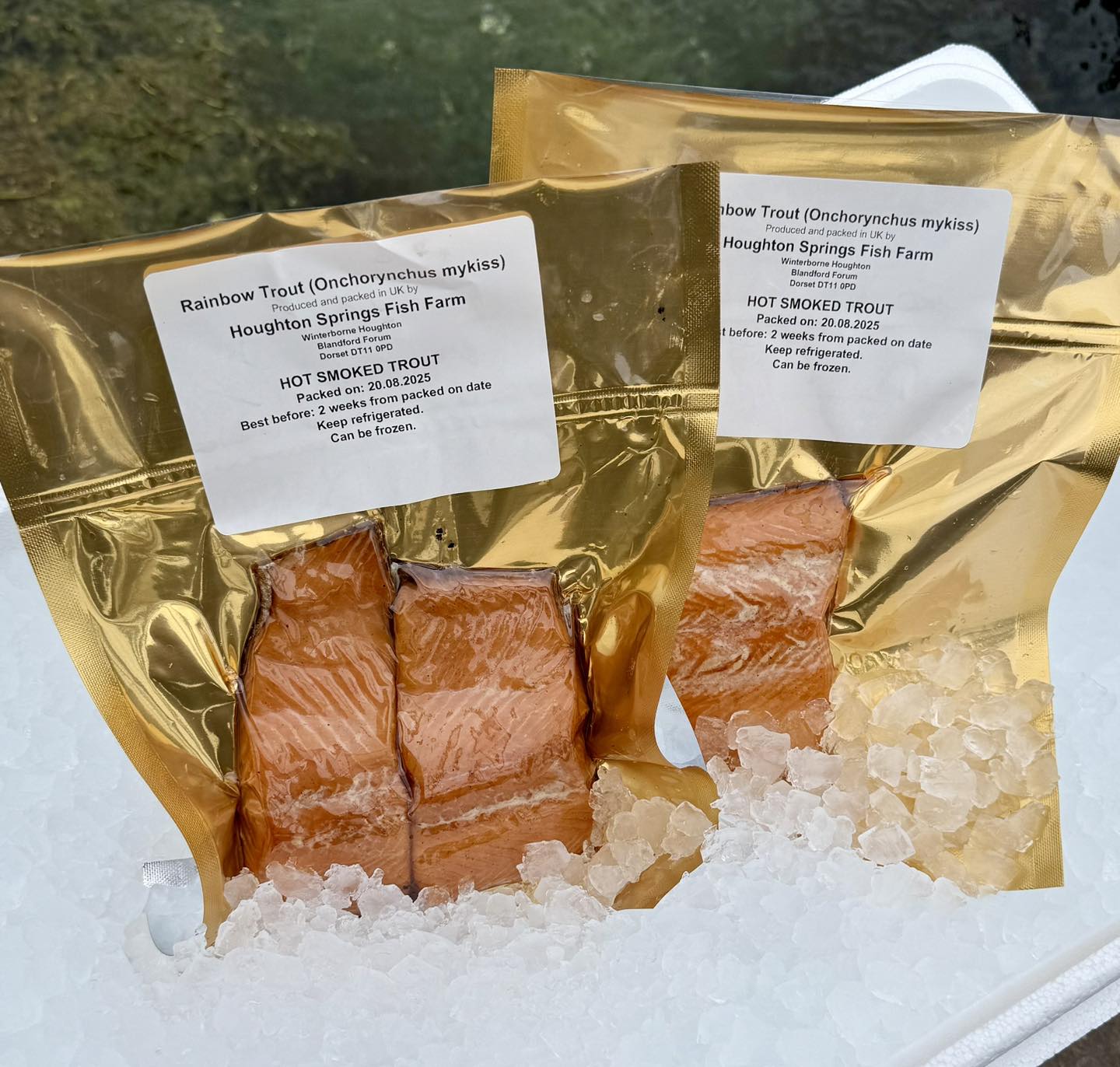
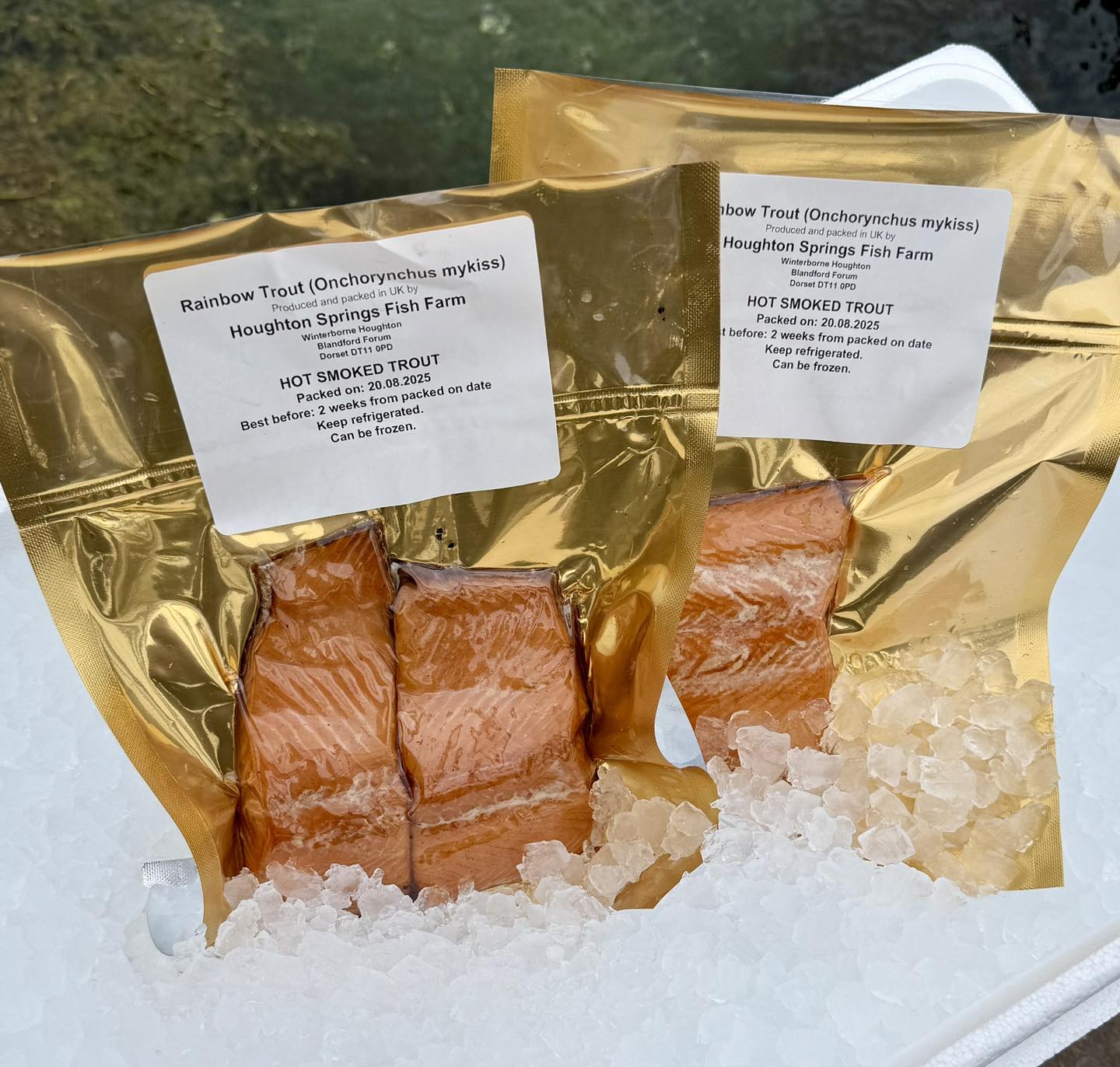
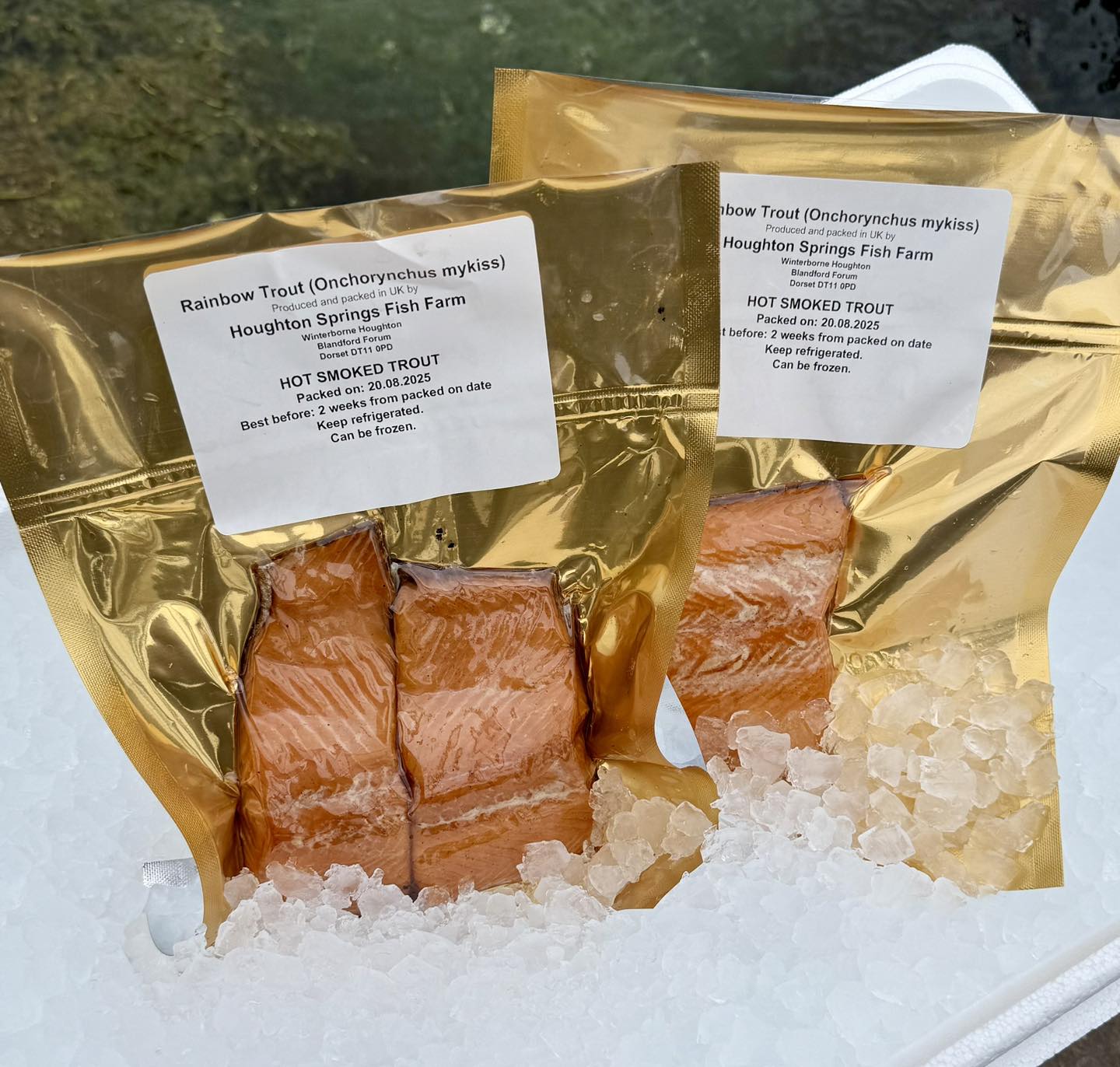
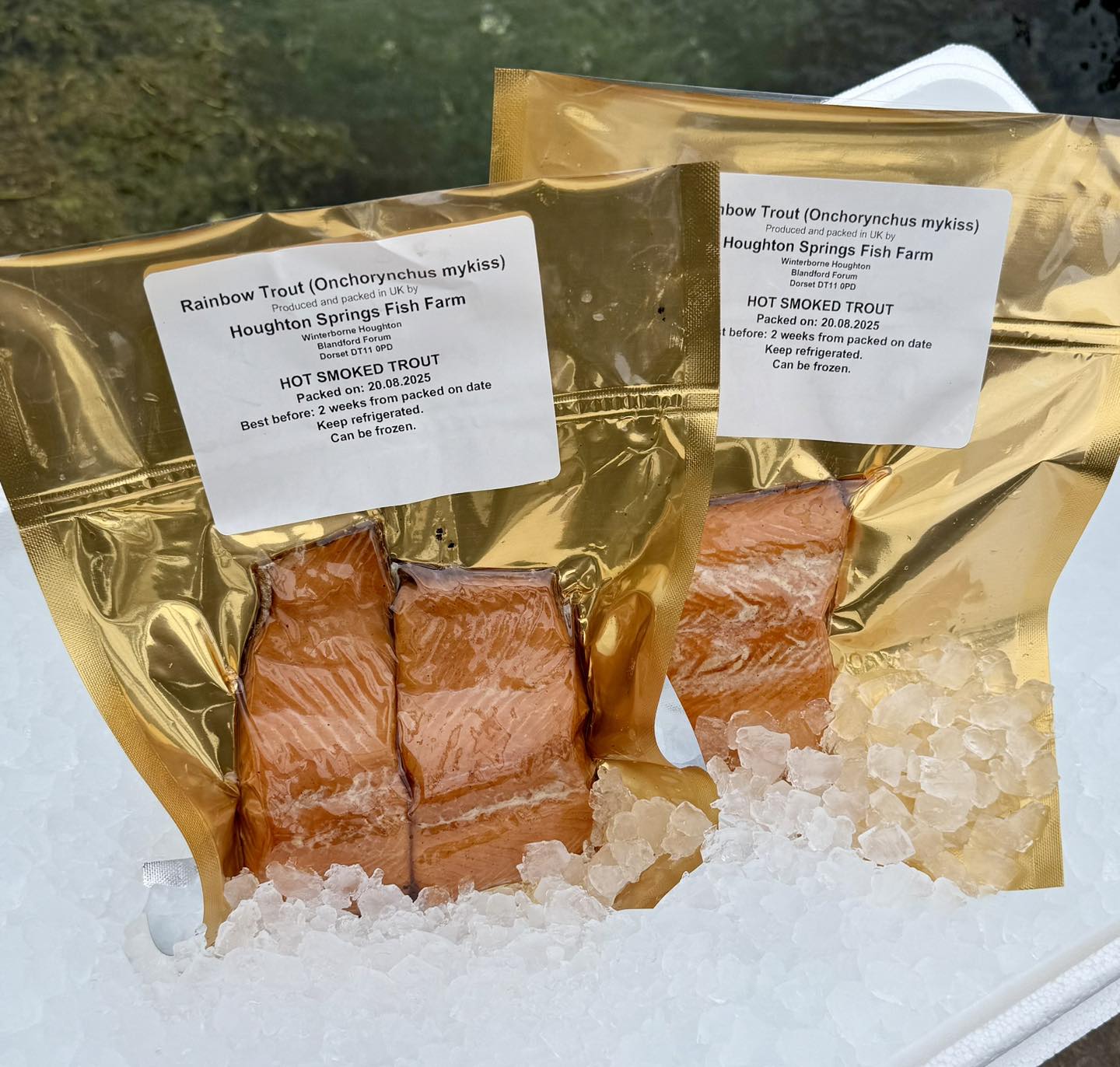
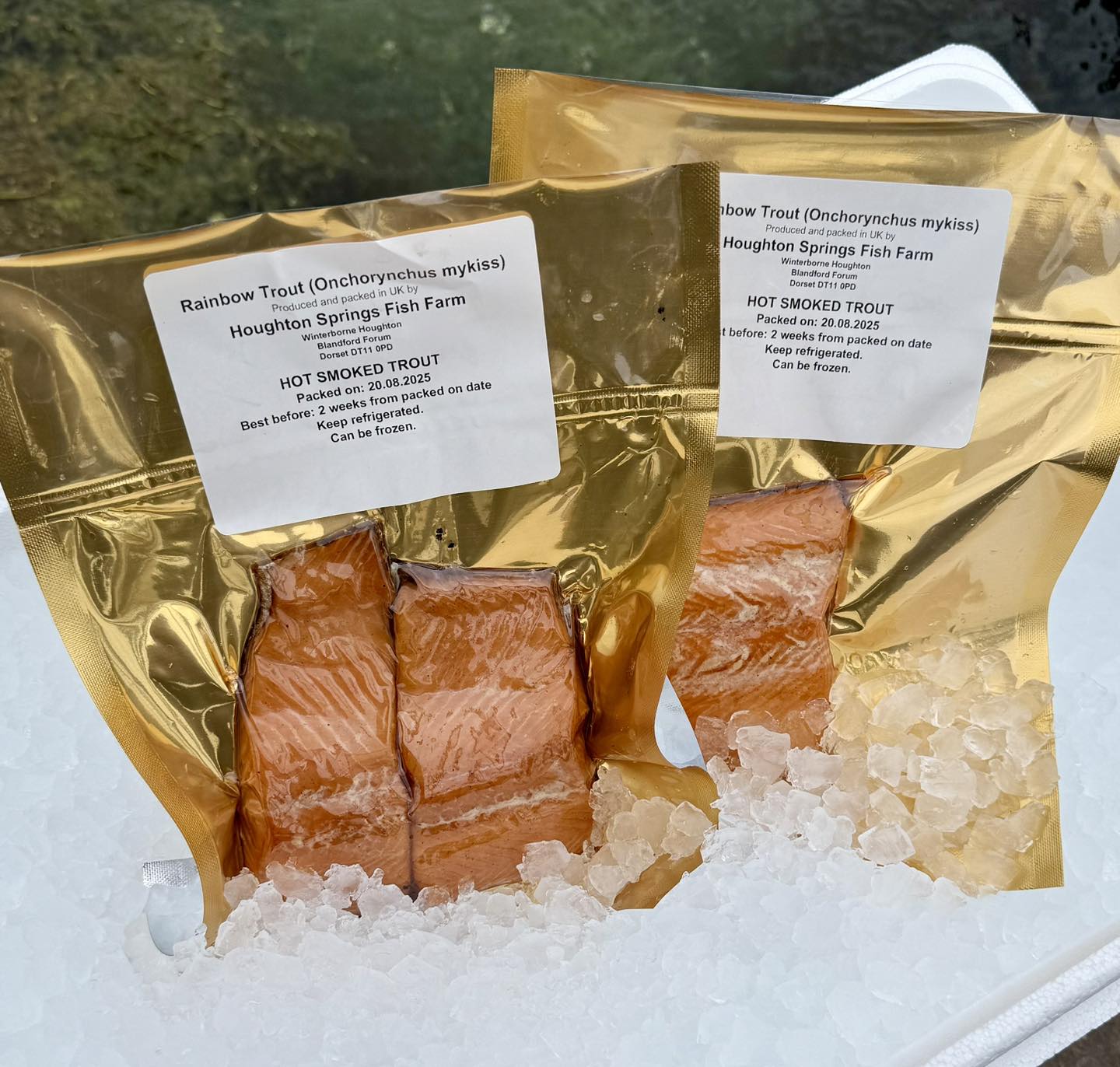
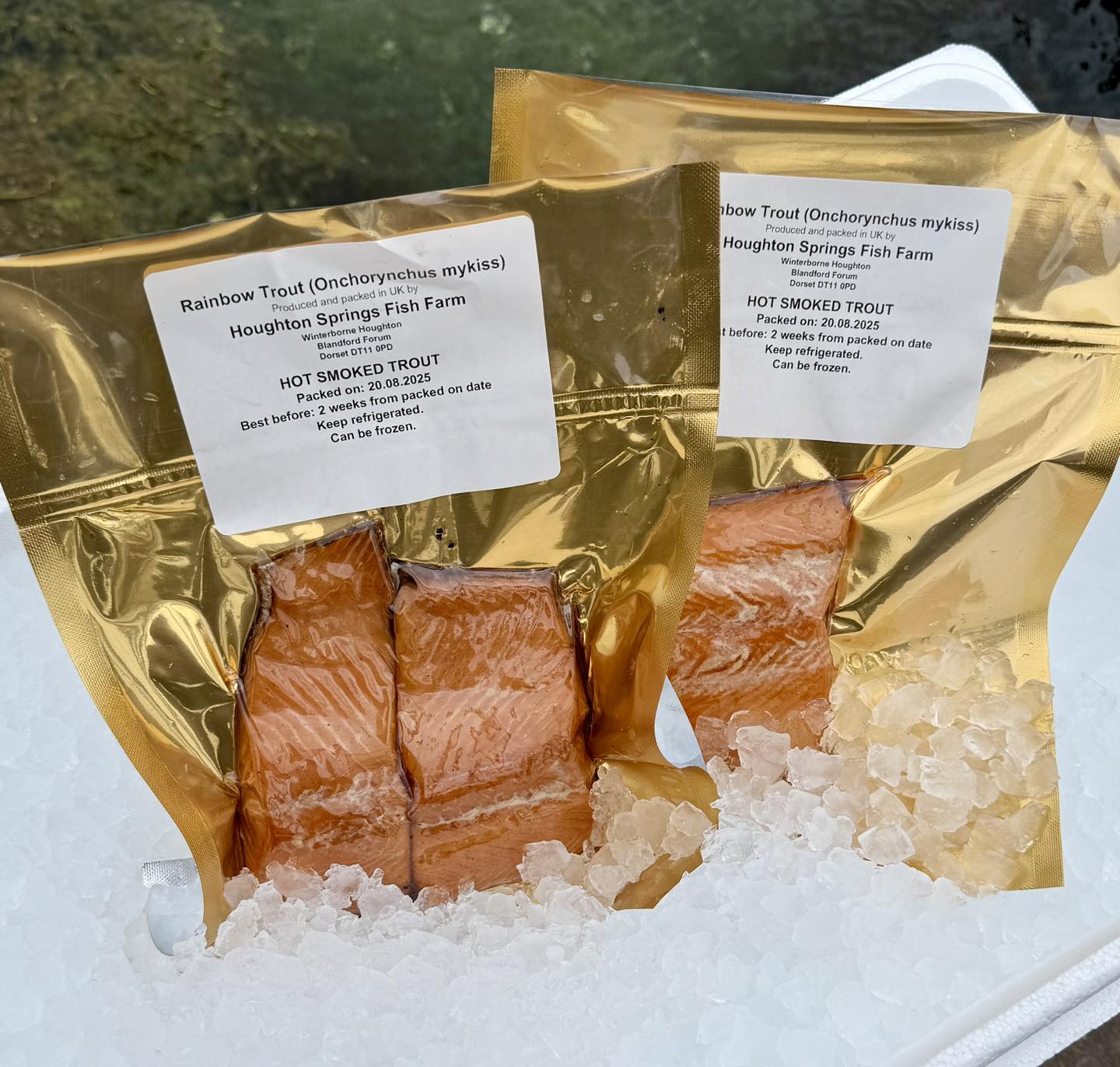
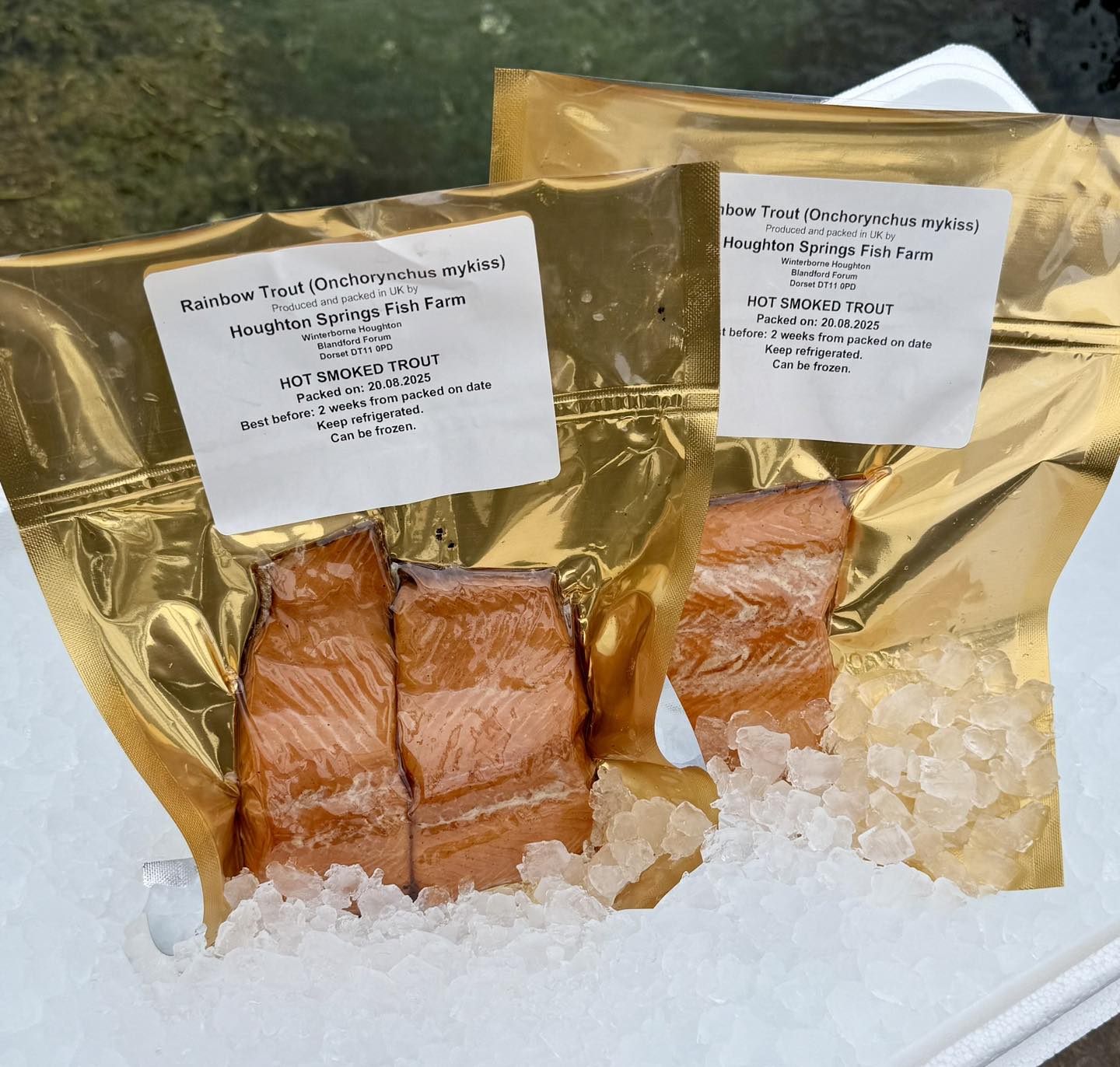
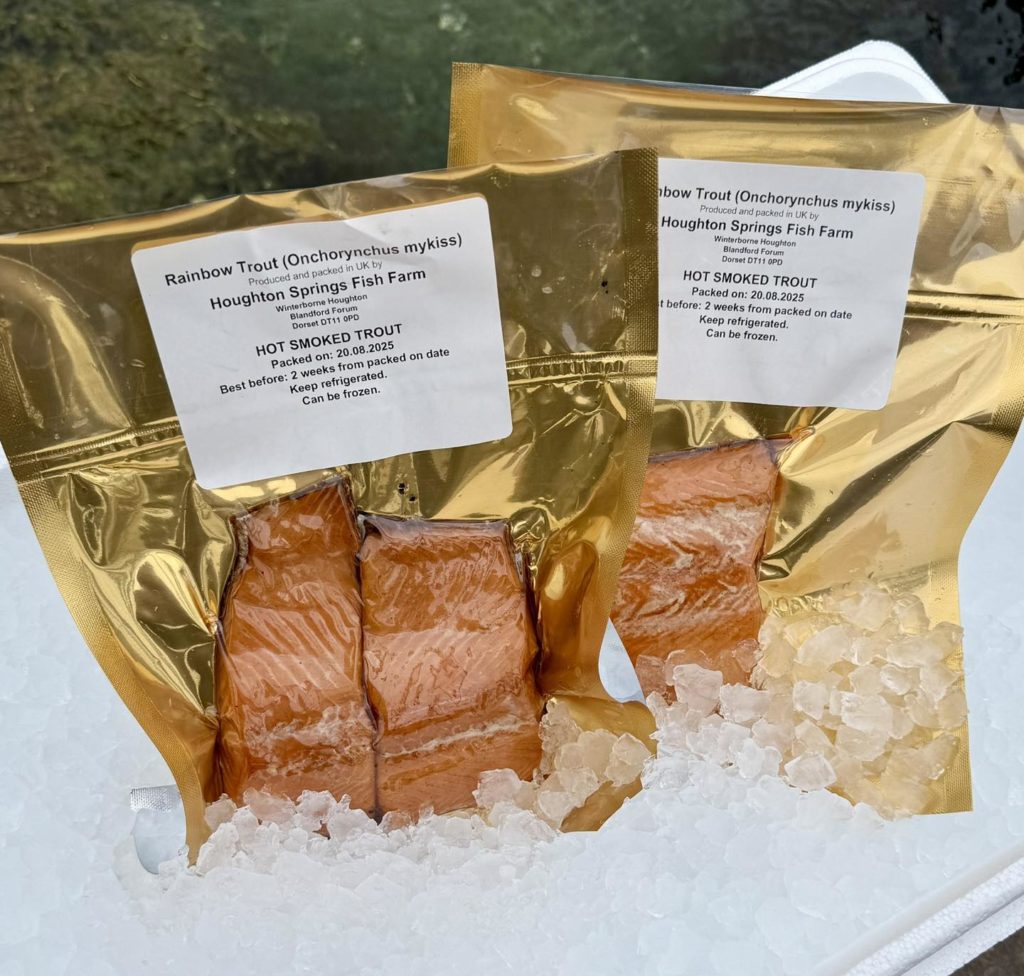
- Value-Added Products: Explore options like smoked trout or trout fillets which can command higher prices.
- Sustainable Practices: Consider eco-friendly certifications that can appeal to environmentally conscious consumers.
- Aquaponics: If feasible, integrating fish farming with plant cultivation can create additional revenue streams and improve overall sustainability.
Conclusion
Maximising profitability in your trout farming business requires a multifaceted approach, from understanding market dynamics to optimising production techniques and maintaining high standards of biosecurity. By implementing these strategies, you can enhance your operational efficiency, reduce costs, and ultimately increase your profits.
As you consider these strategies, remember that continuous learning and adaptation to market conditions are key to sustaining your business in the long term.
Next Steps: Review your current practices and identify areas for improvement based on the strategies discussed. Engage with local experts when necessary, and don’t hesitate to reach out to your suppliers to foster better relationships.