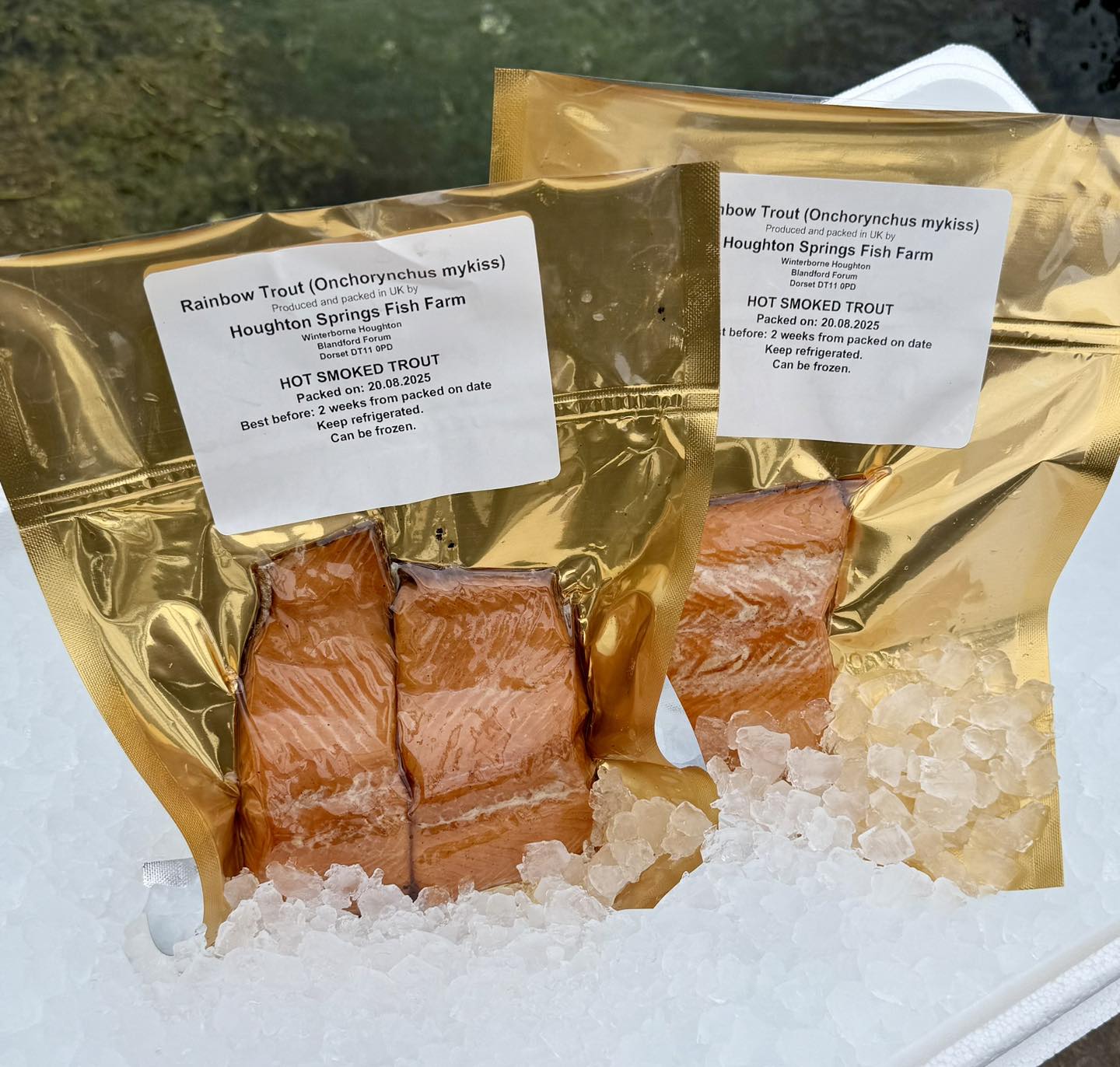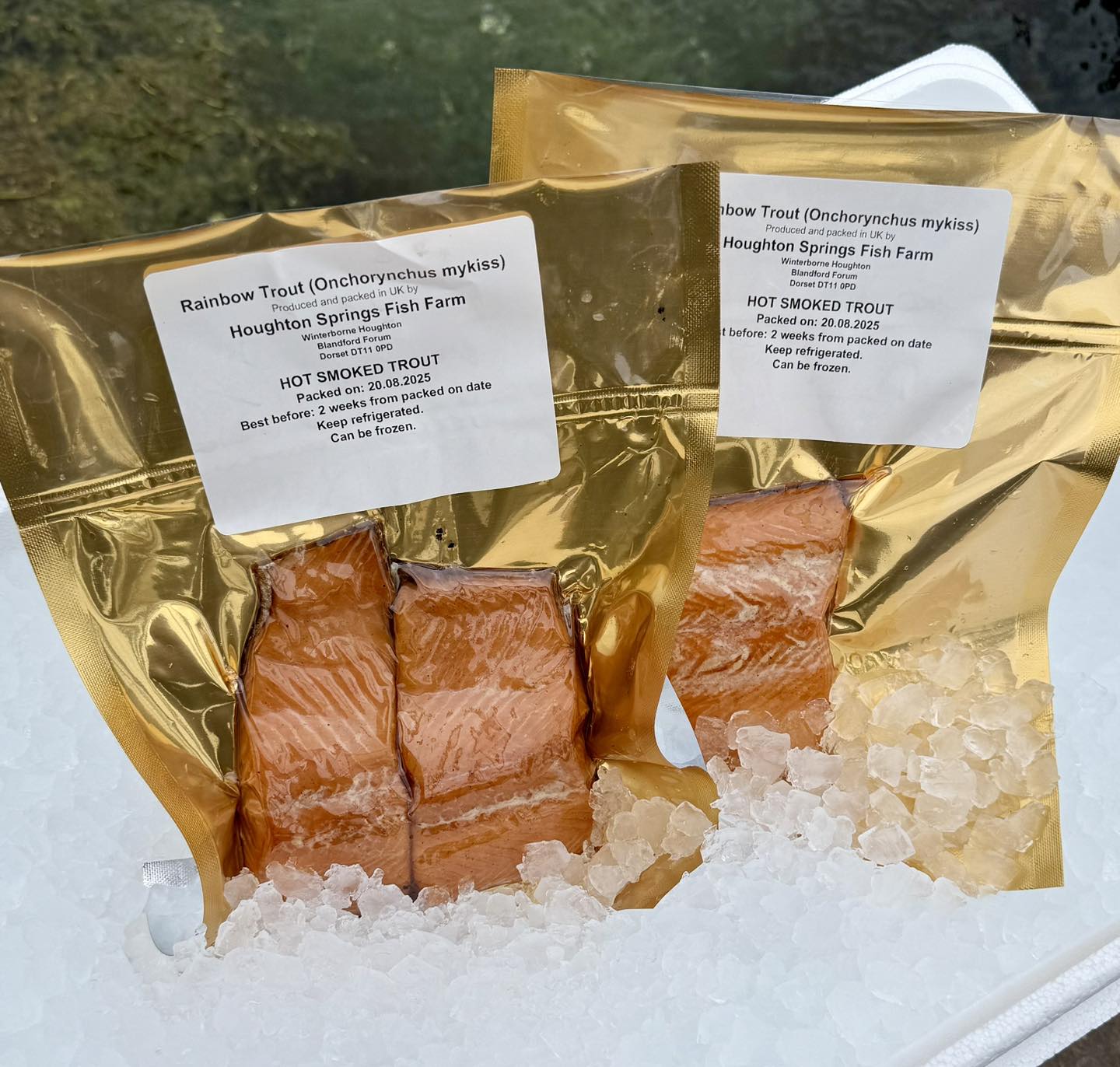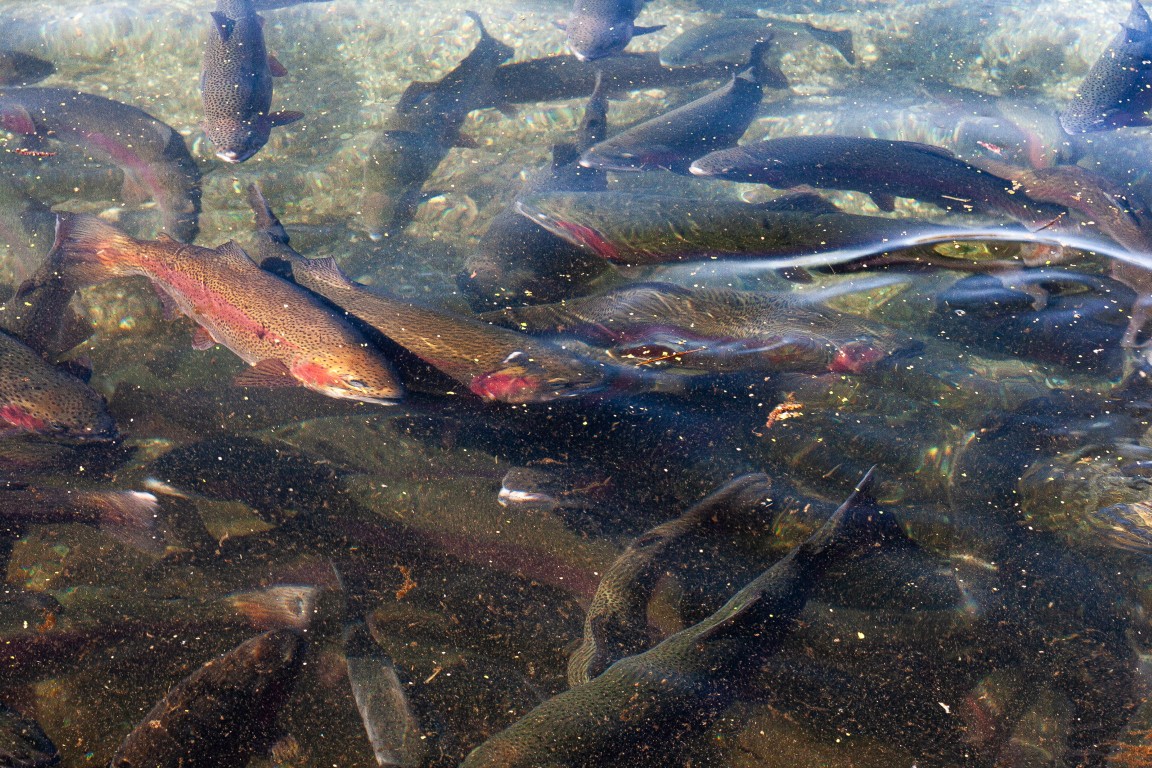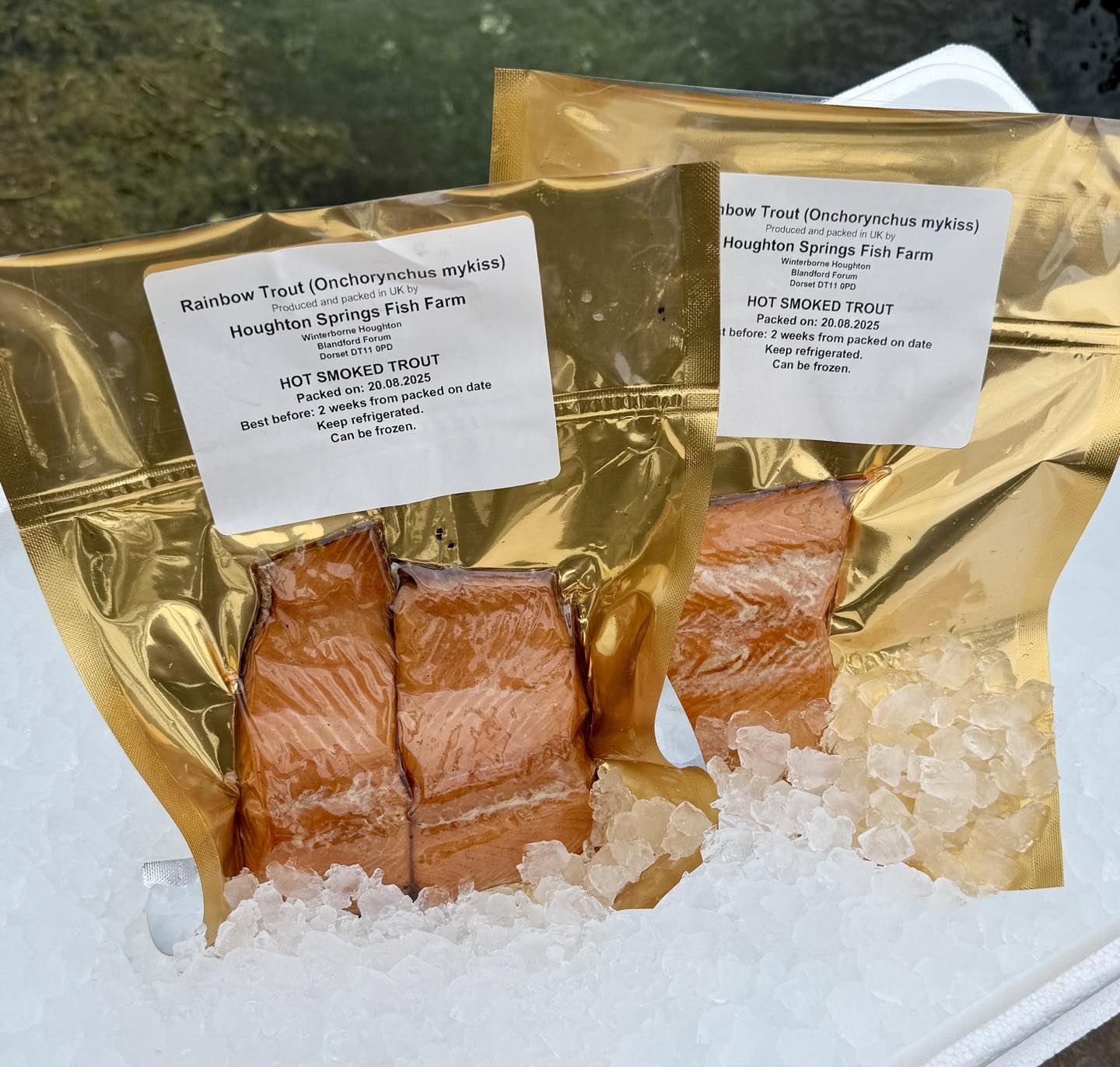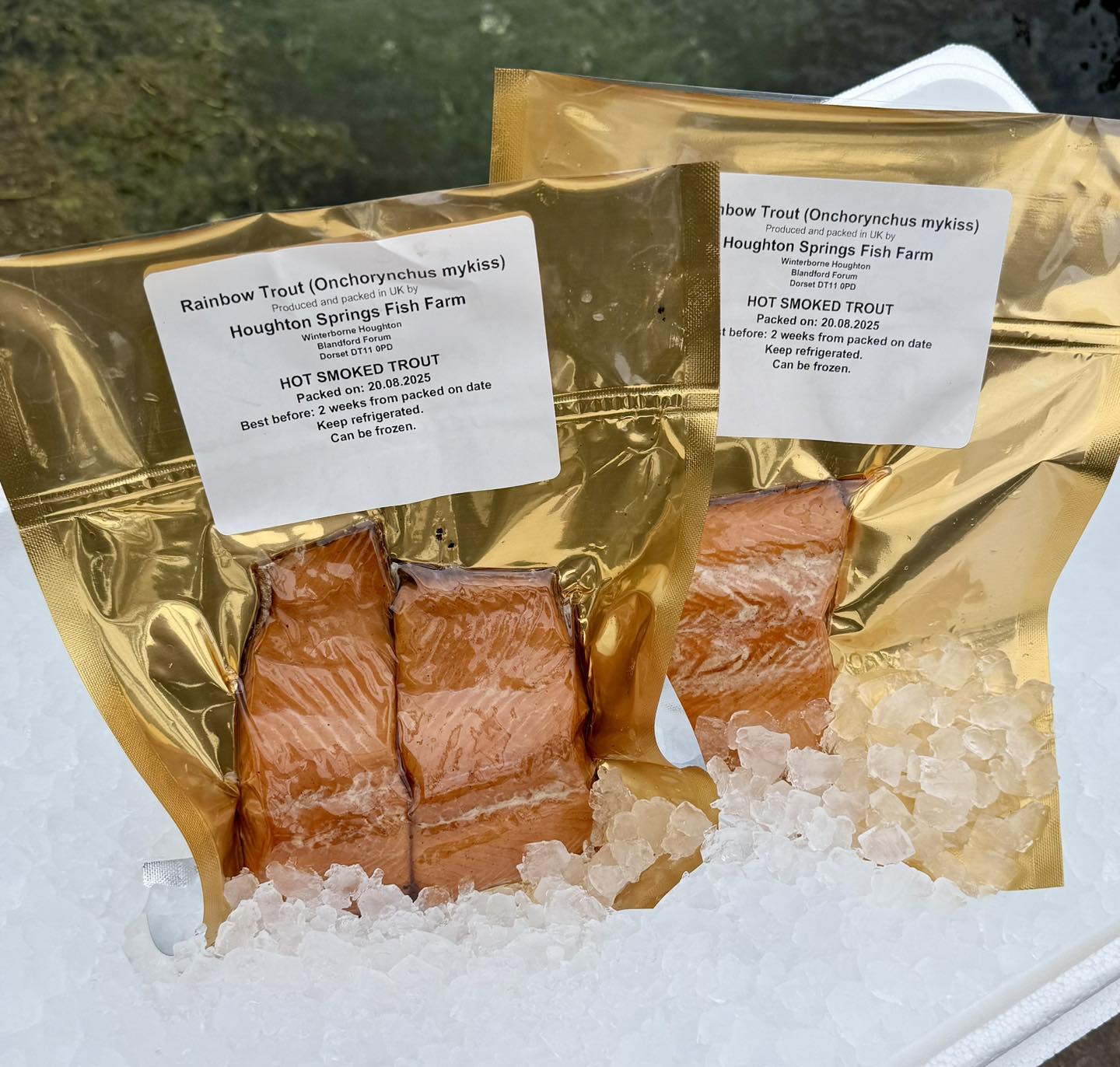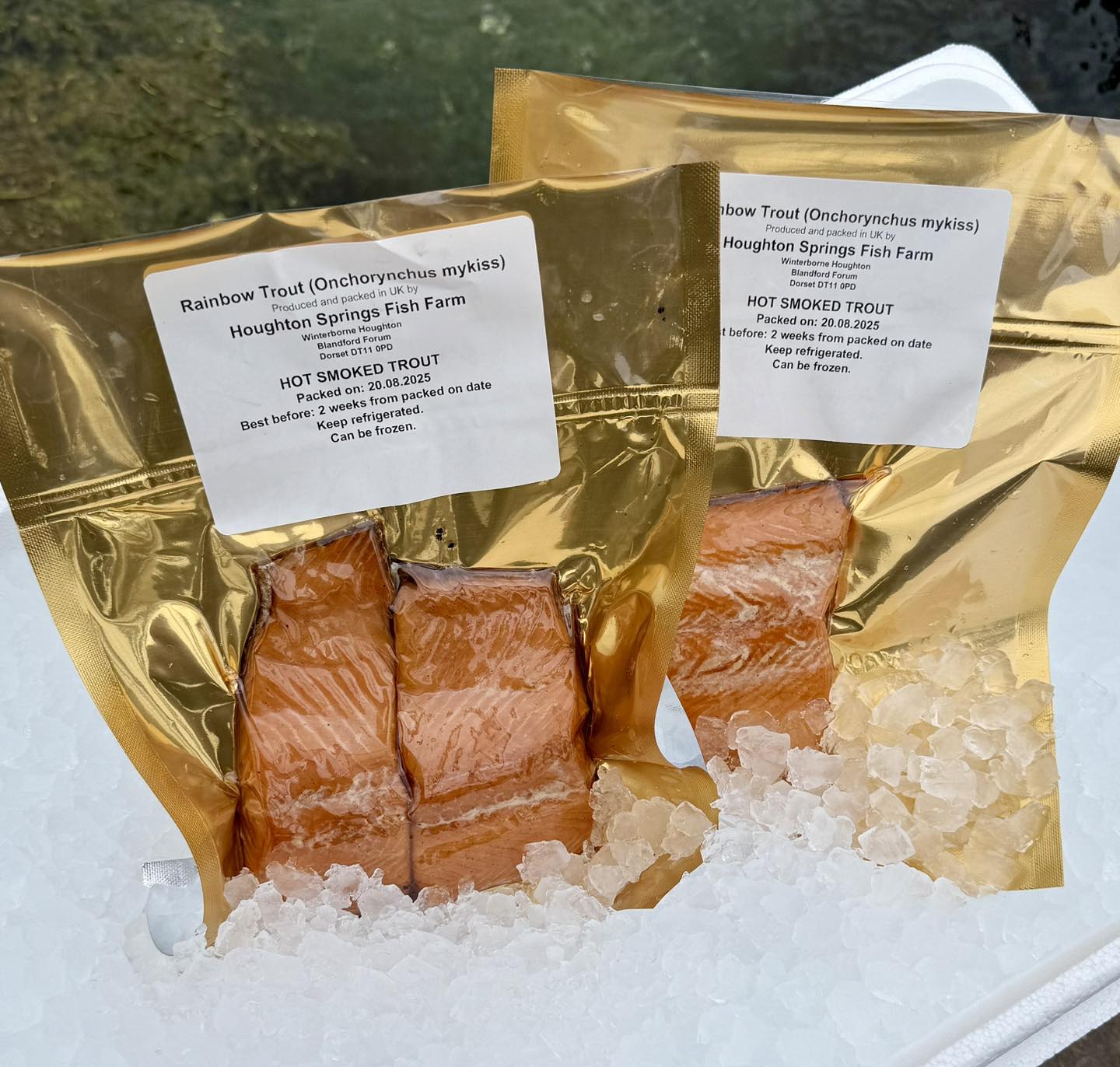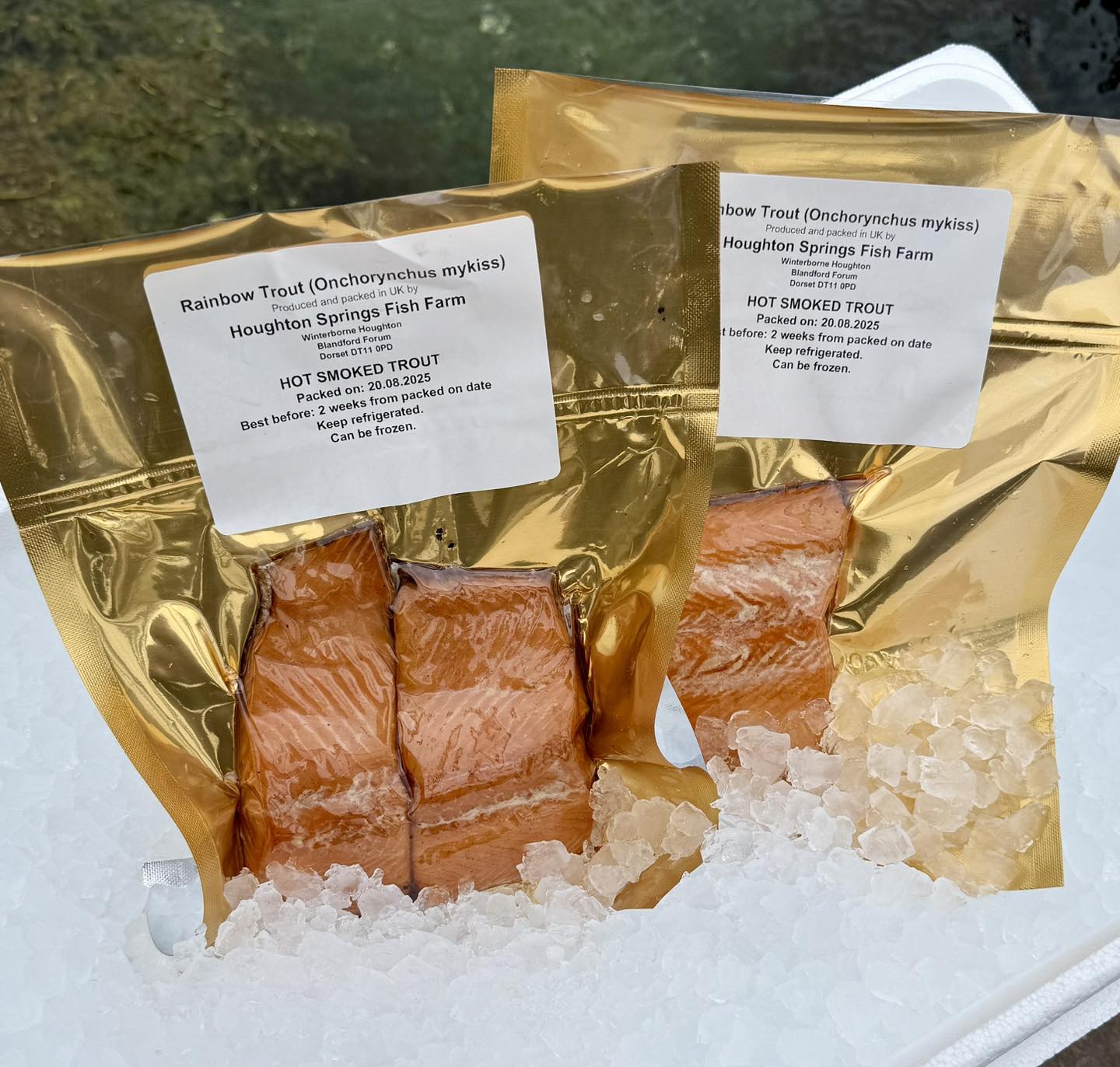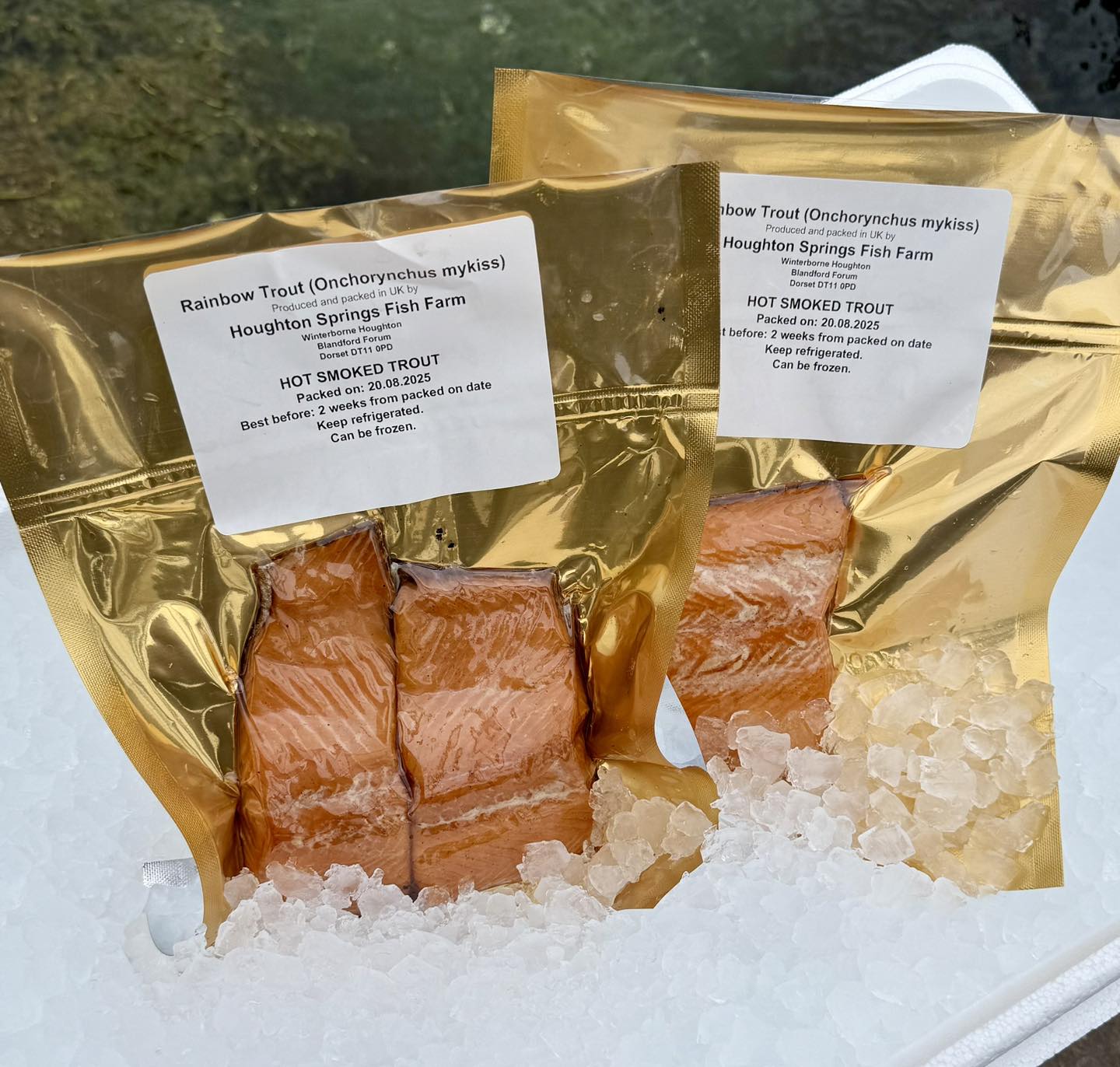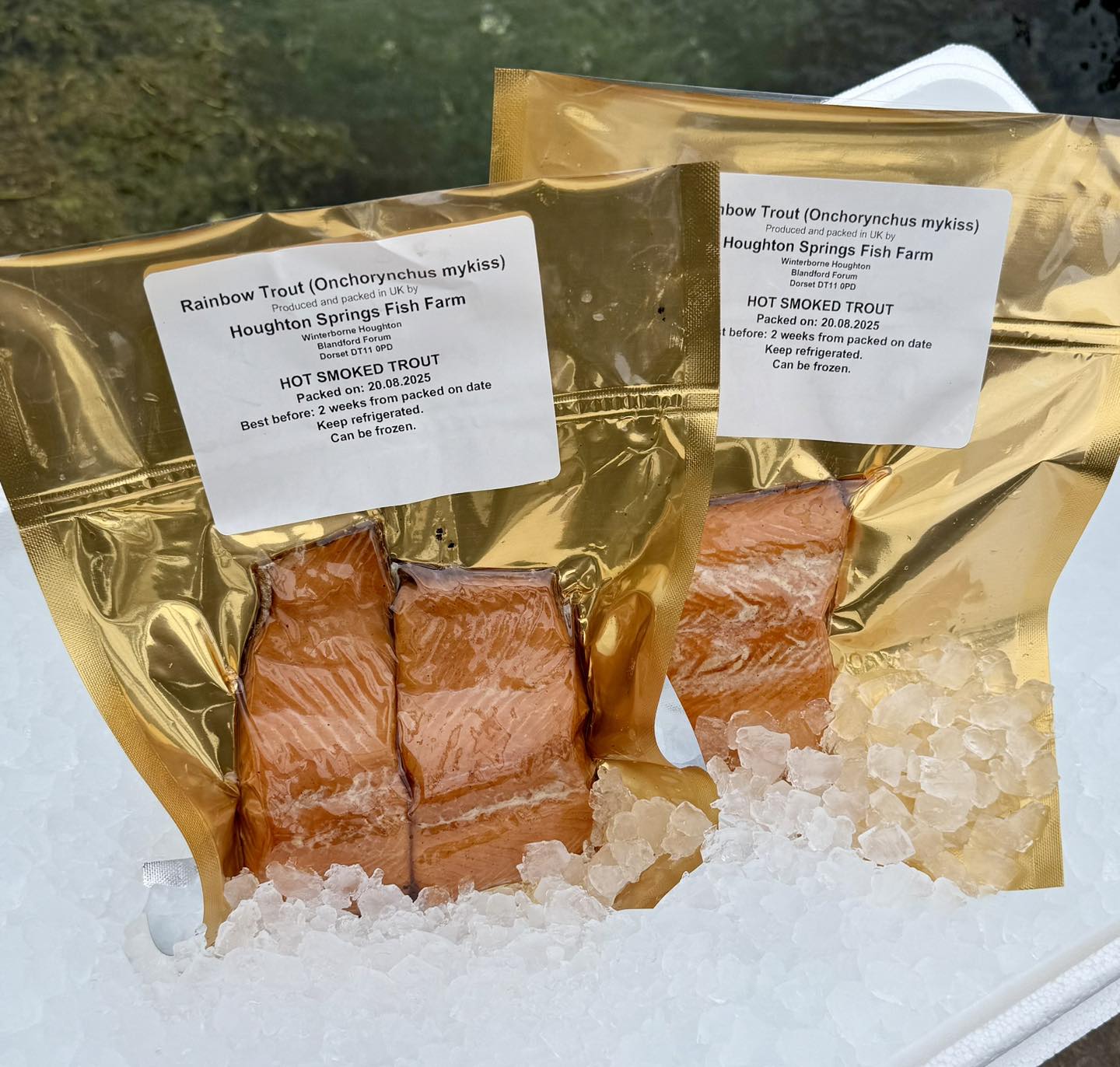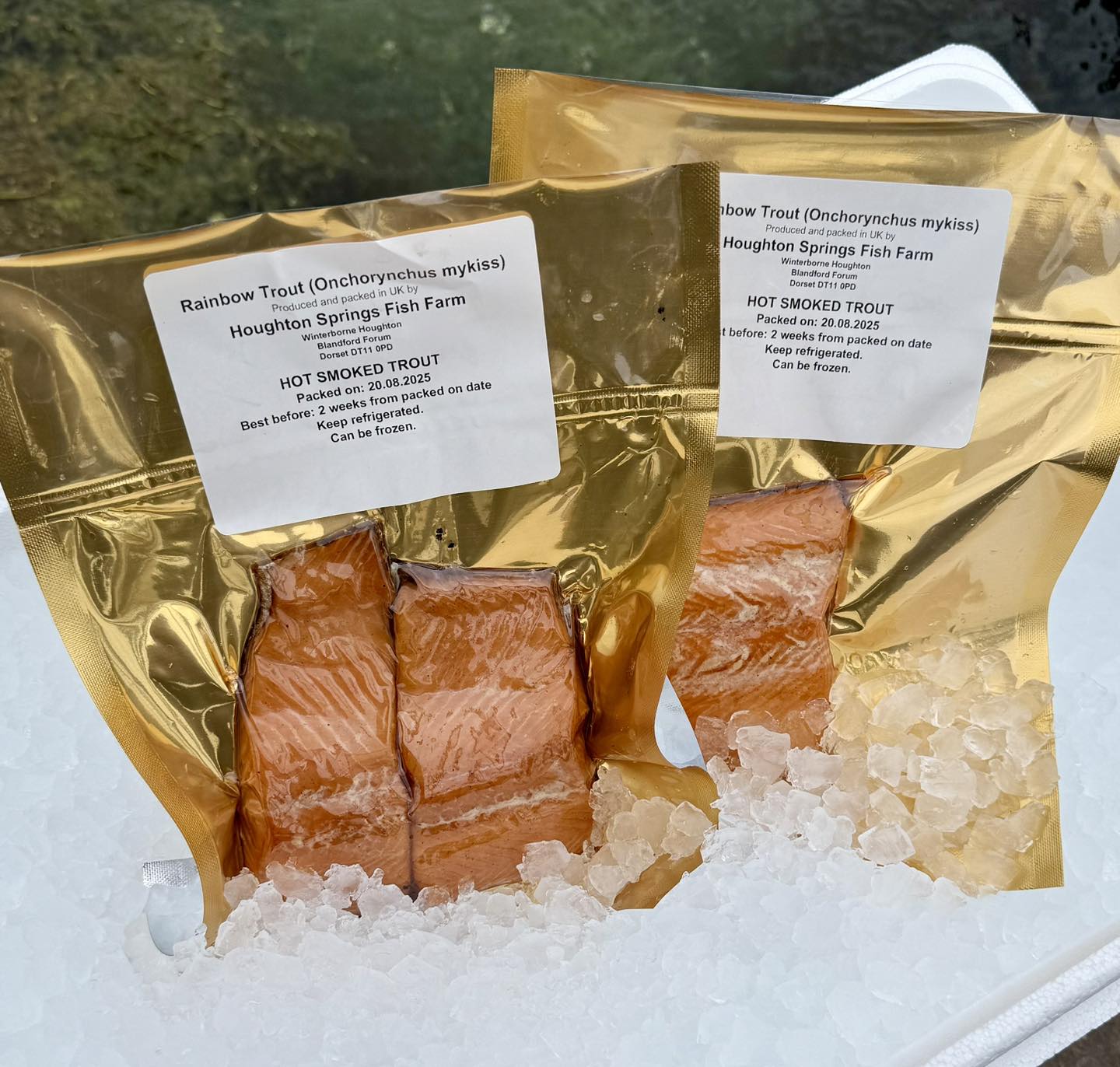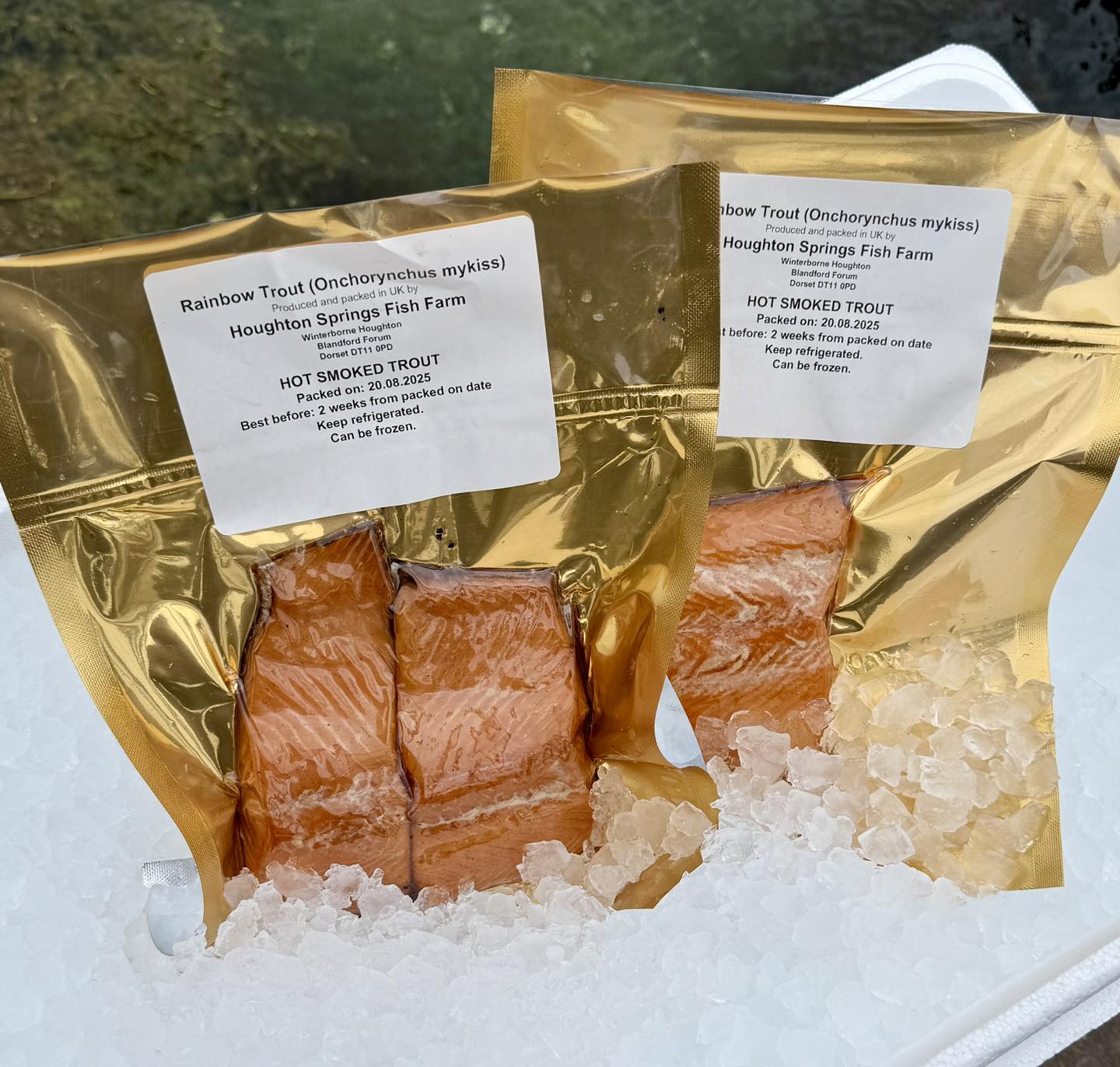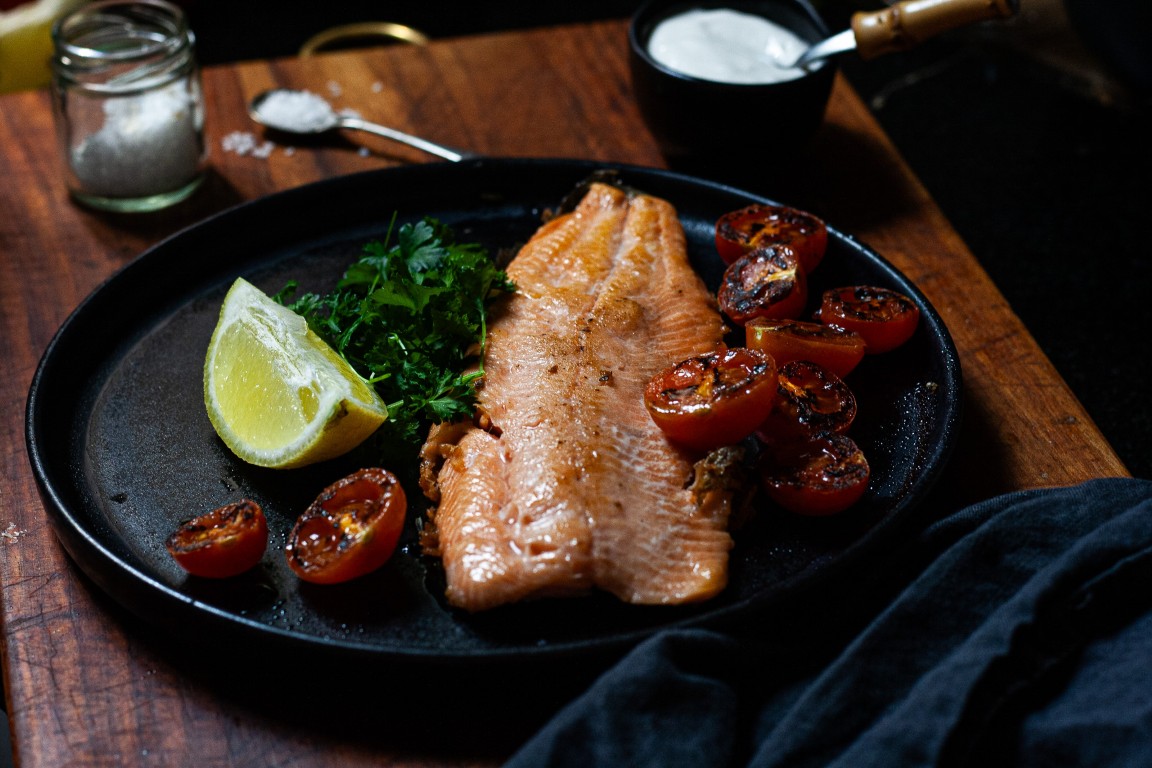
In the world of aquaculture, understanding the genetics of fish is crucial for both farmers and consumers. As a family-run trout farm in rural Dorset, we pride ourselves on the quality and provenance of our fish, particularly our renowned Winterborne strain of rainbow trout. By delving into the genetics of these fish, we can offer insights that not only enhance our farming practices but also inform our customers about the unique qualities of the fish they choose to purchase. This knowledge is essential for businesses looking to source high-quality ingredients and for consumers who want to understand more about the food they eat.
The Importance of Genetics in Rainbow Trout
Genetics plays a pivotal role in determining the growth rate, disease resistance, and overall health of rainbow trout. The Winterborne strain, which we cultivate at Houghton Springs, has been selectively bred for its desirable traits. Understanding these genetic components can help farmers improve their stock and provide consumers with better quality fish.
Key Genetic Factors
-
Growth Rate: The genetic makeup of rainbow trout directly influences how quickly they grow. Selective breeding can lead to strains that grow faster and reach market size more efficiently.
-
Disease Resistance: Certain genetic traits can enhance the fish’s immune system, making them less susceptible to diseases. This is particularly important in a farm environment where disease outbreaks can be detrimental.
-
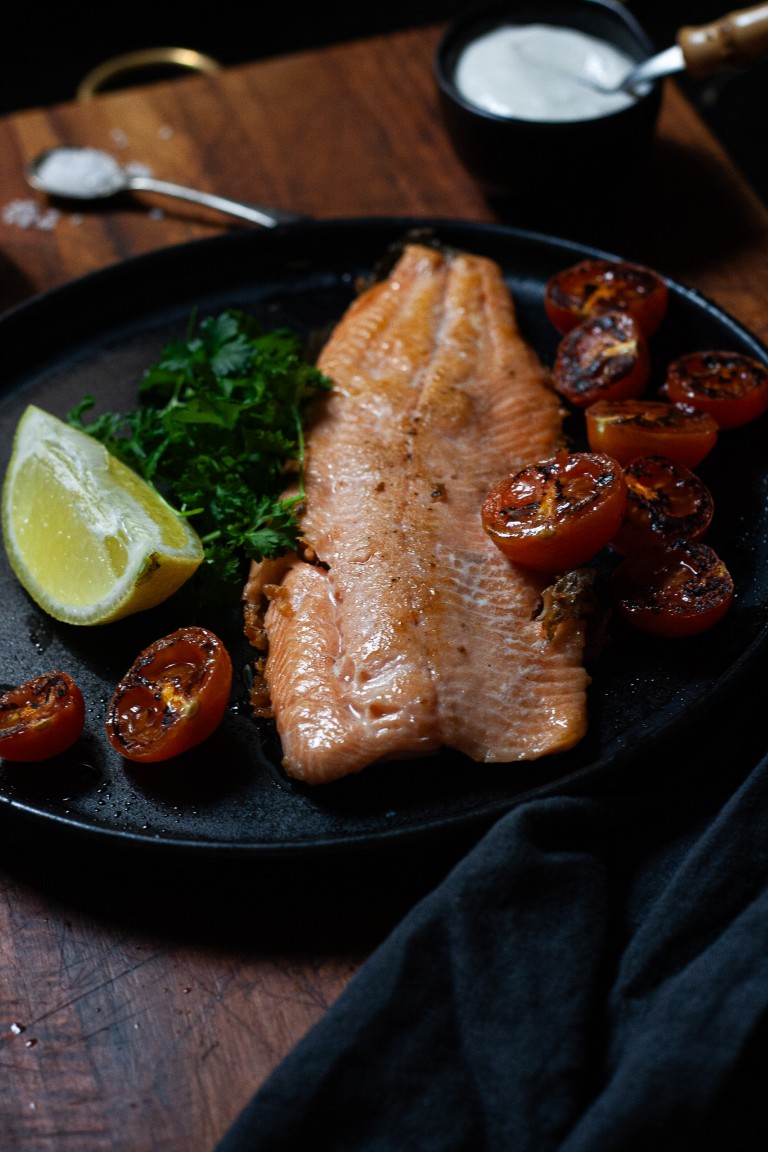
Flesh Quality: The genetics of rainbow trout also affect the texture and flavour of the flesh. Our Winterborne strain is known for its firm texture and rich flavour, making it a favourite among chefs and home cooks alike.
-
Adaptability: Some strains are more adaptable to varying environmental conditions, which is crucial for sustainable farming practices. The Winterborne strain has been bred to thrive in local conditions, ensuring a consistent supply of high-quality fish.
The Role of Selective Breeding
Selective breeding is the process where specific traits are chosen to be passed on to the next generation. This is particularly relevant in the cultivation of our rainbow trout. By selecting fish that exhibit the best growth rates and disease resistance, we can enhance the overall quality of our stock.
How Selective Breeding Works
-
Identifying Desired Traits: Farmers identify which traits are most desirable based on performance data and market needs.
-
Breeding Programmes: Through controlled breeding programmes, fish with these traits are paired to produce offspring that inherit these characteristics.
-
Monitoring and Evaluation: The performance of the offspring is then monitored to assess whether the desired traits have been successfully passed on.
This meticulous process not only improves the quality of the fish but also helps in maintaining a sustainable farming operation.
Understanding the Winterborne Strain
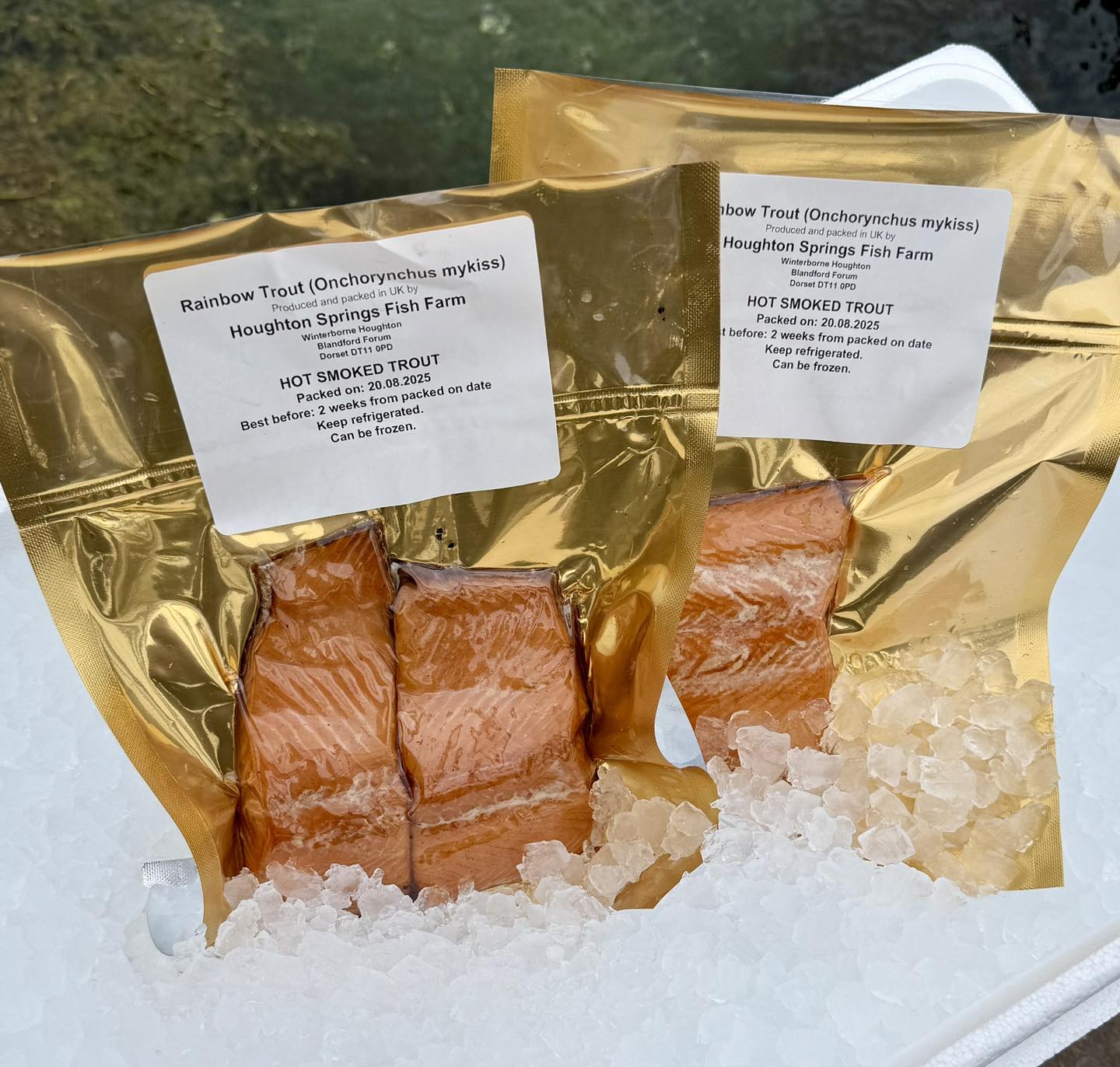
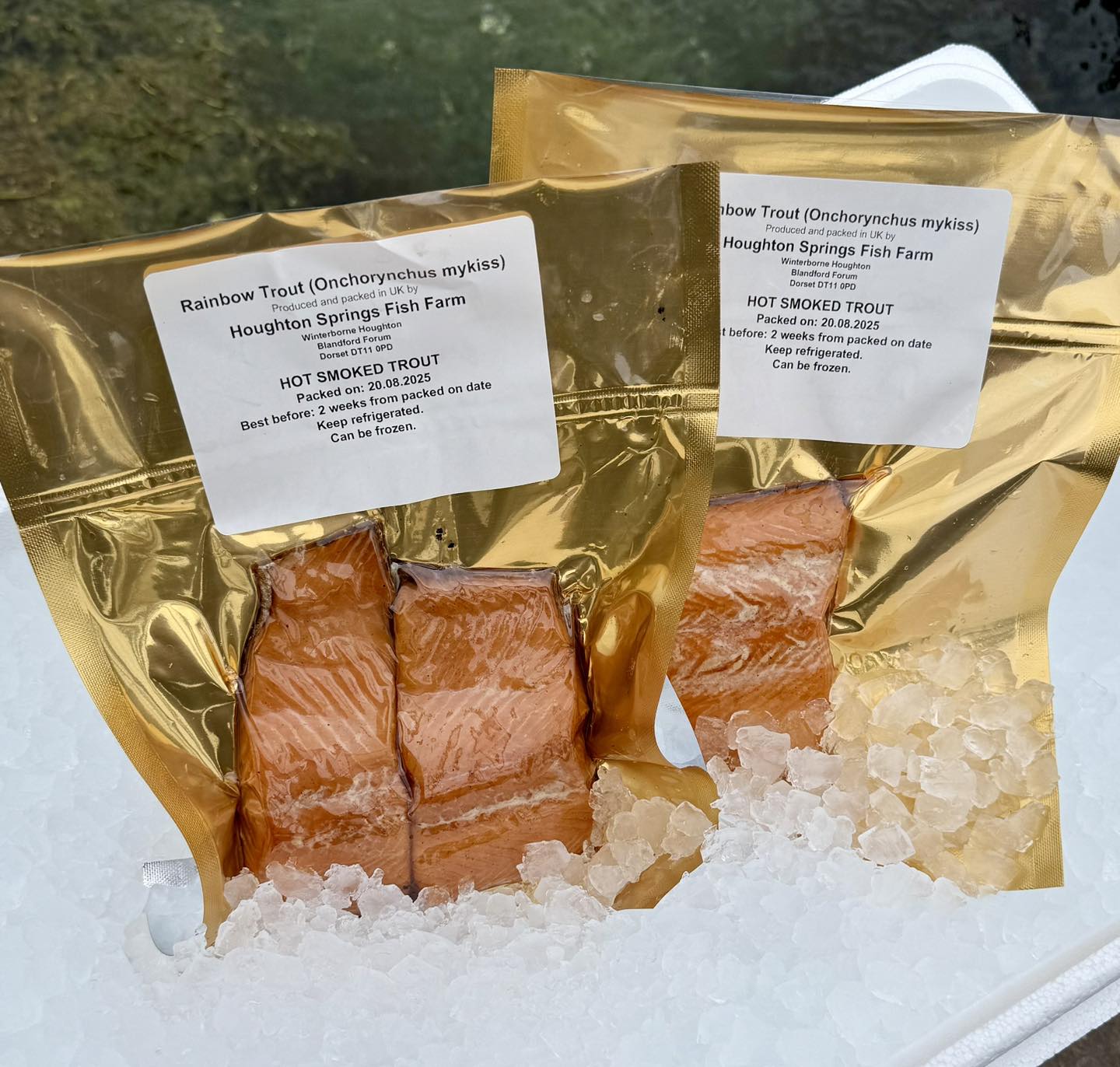
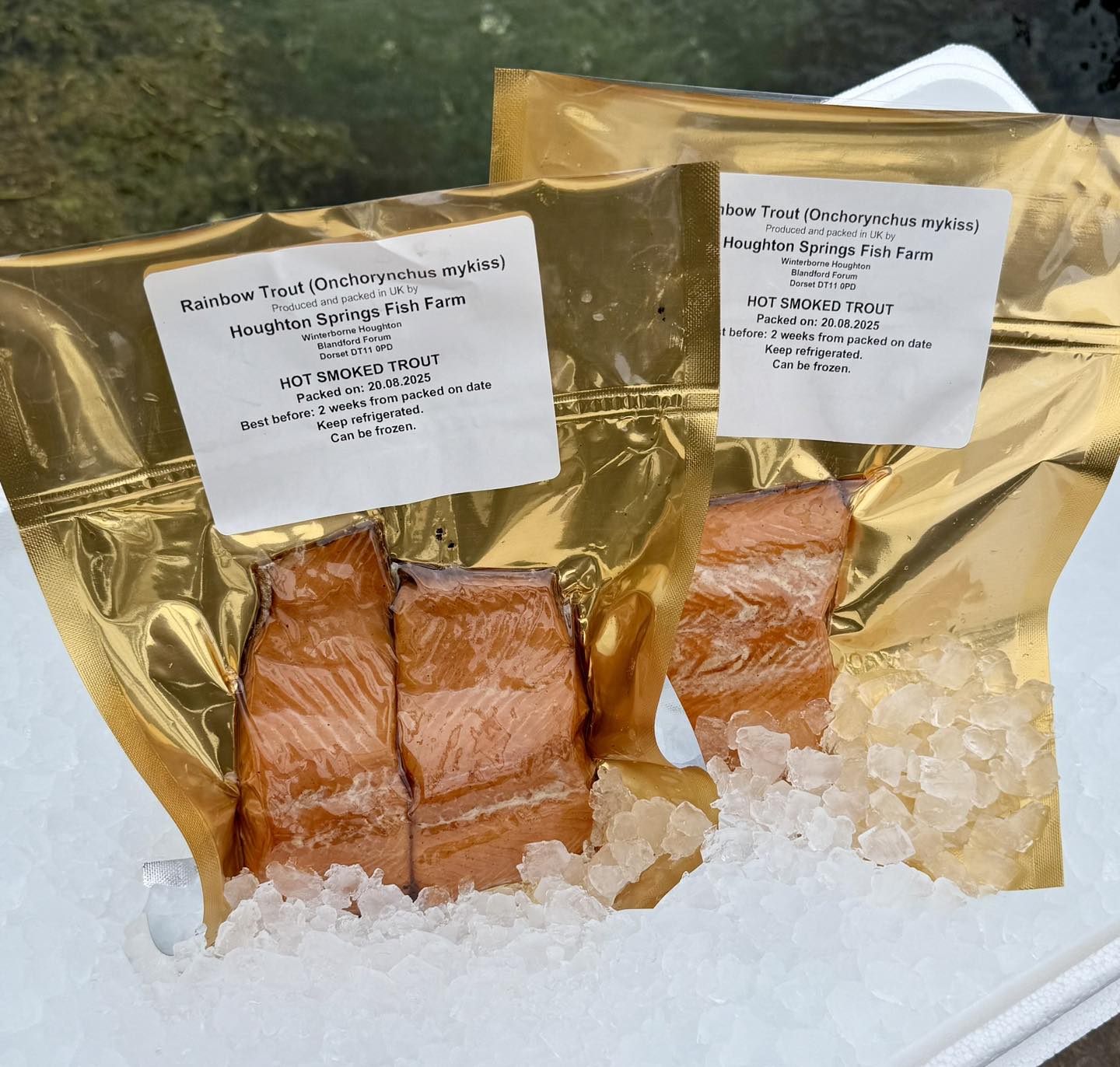
The Winterborne strain of rainbow trout is unique to our farm and has been developed over many years of careful breeding. This strain is particularly celebrated for its robust health and superior flavour, making it a standout choice for chefs and food enthusiasts.
Unique Characteristics of the Winterborne Strain
-
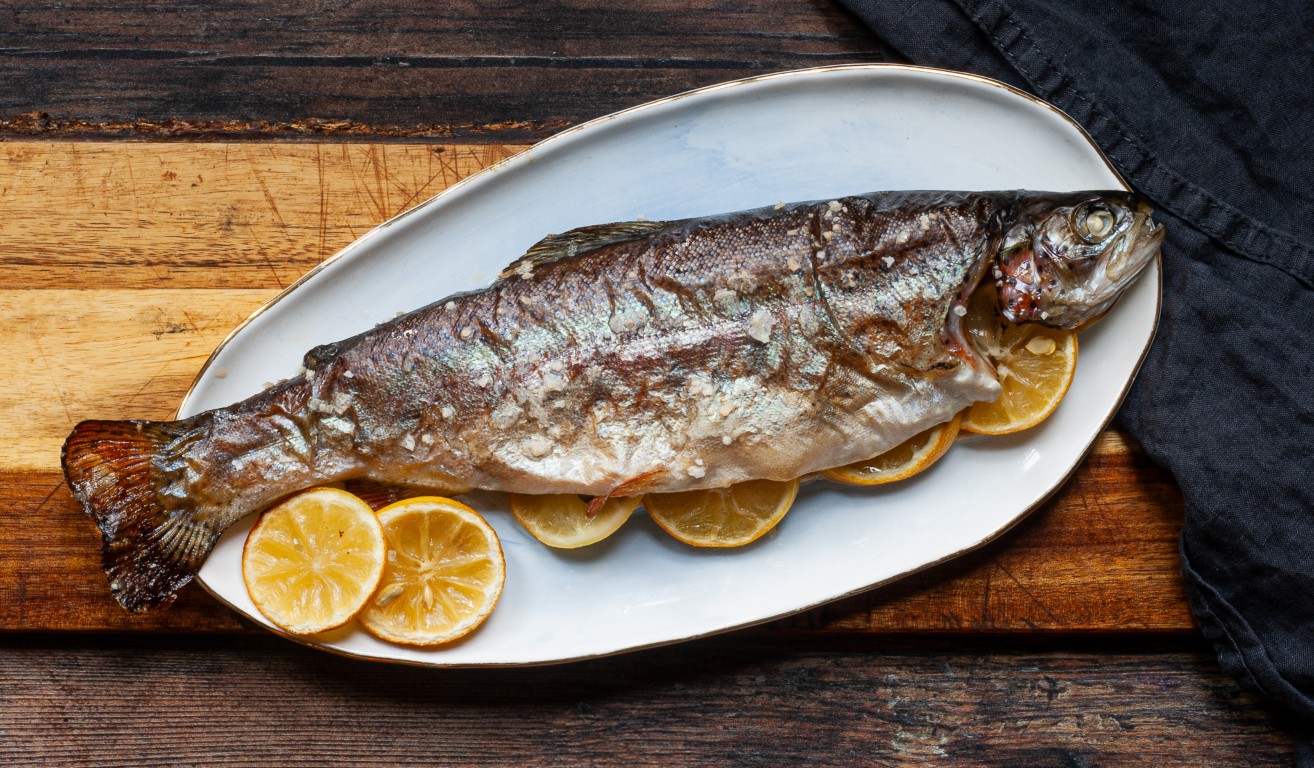
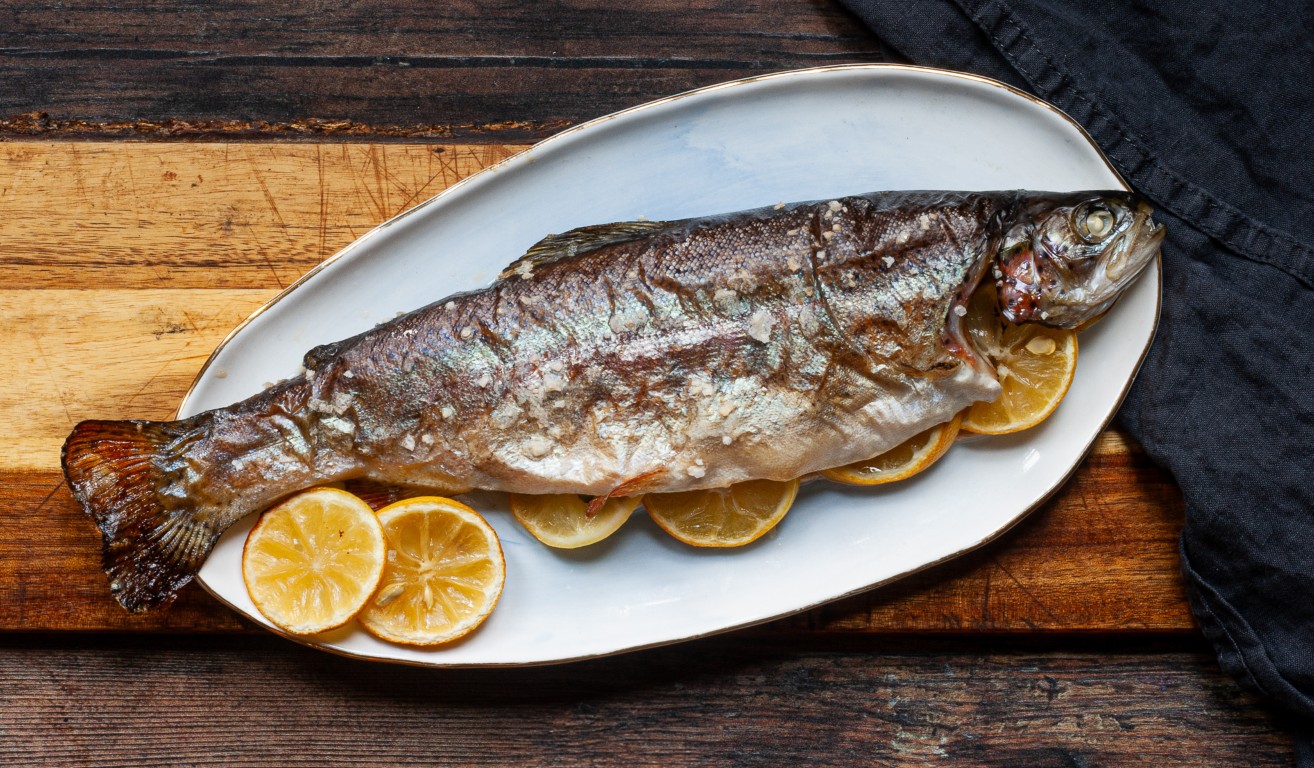
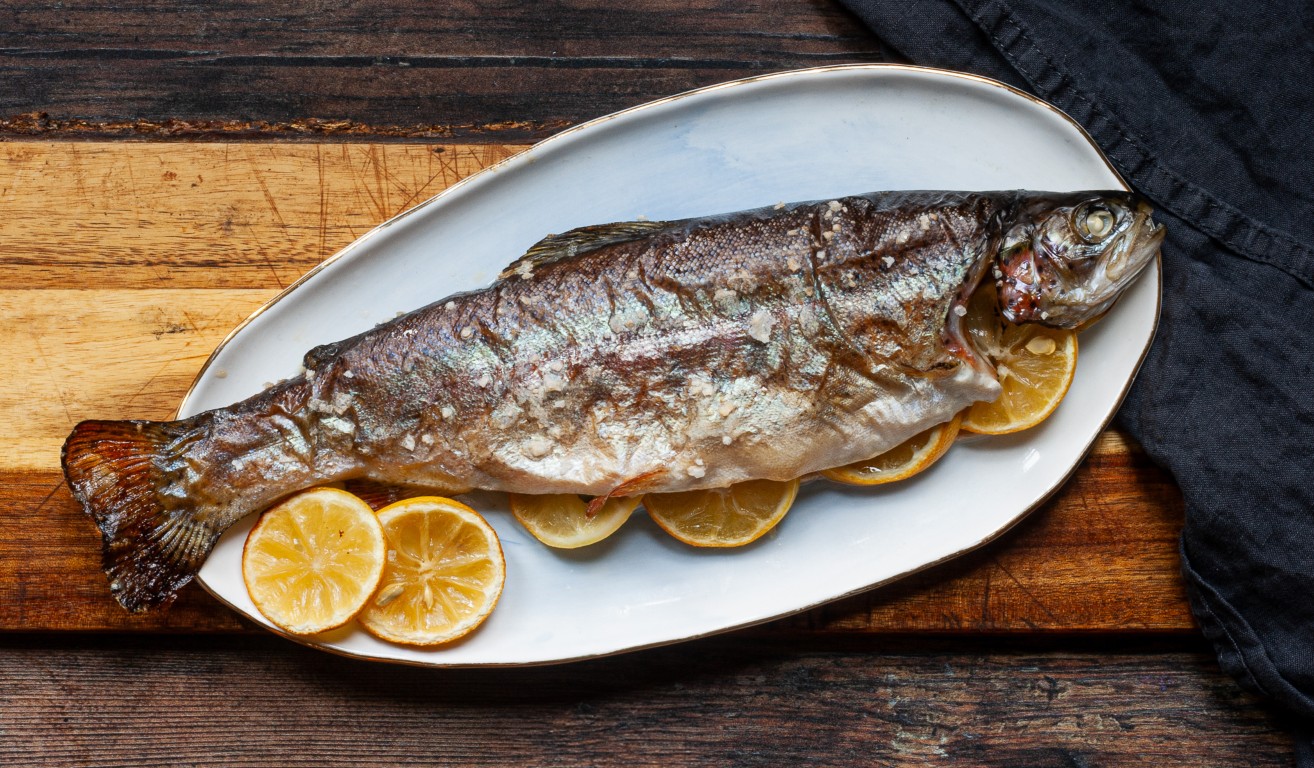
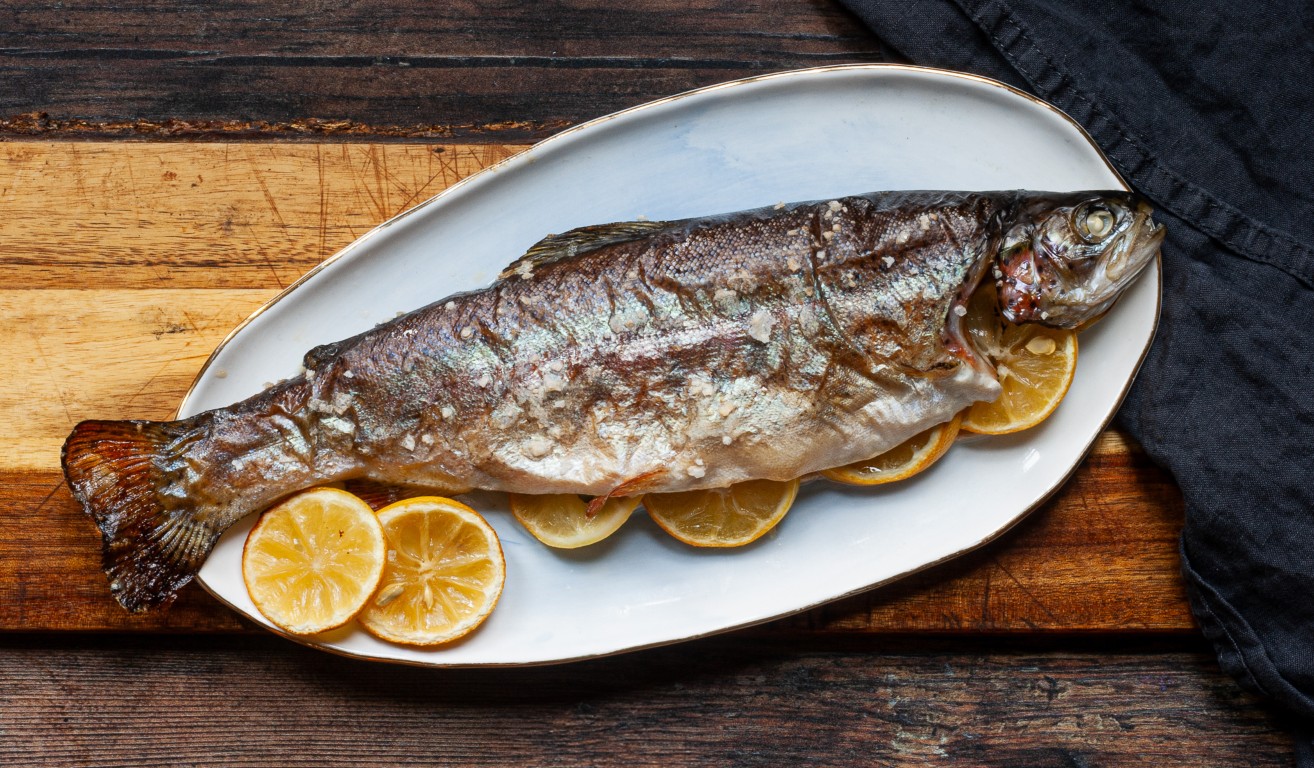
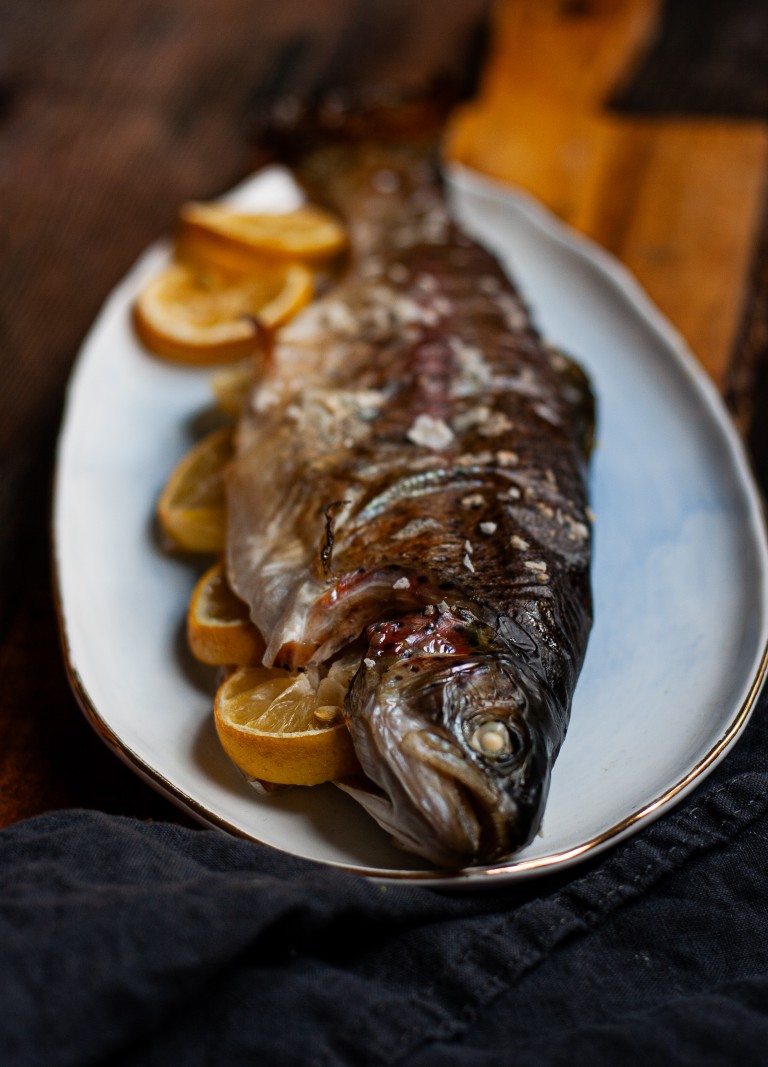
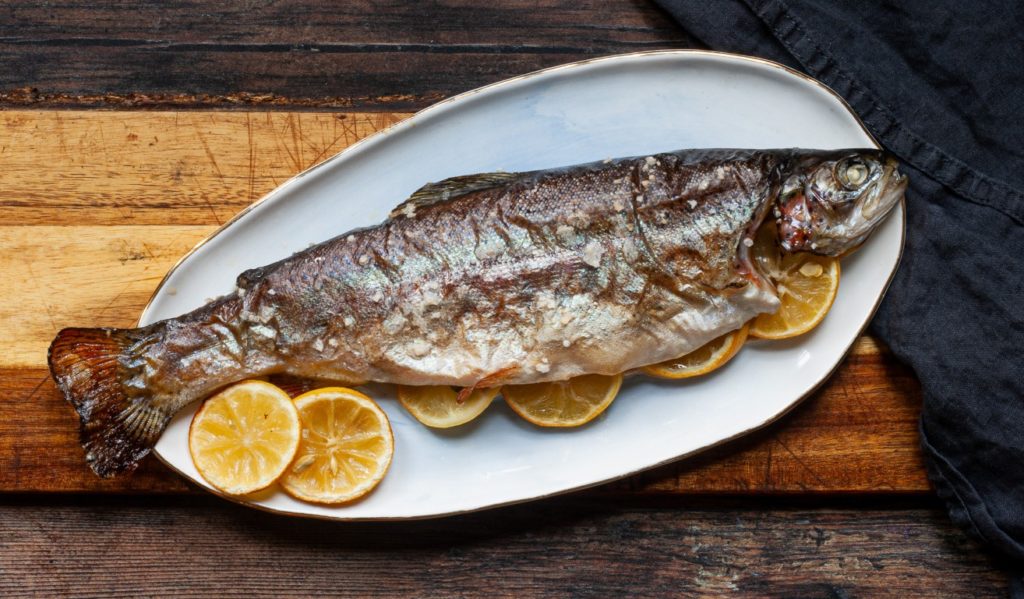
Vibrant Colouration: The Winterborne strain displays a striking coloration that is appealing to consumers, enhancing the visual presentation of dishes.
-
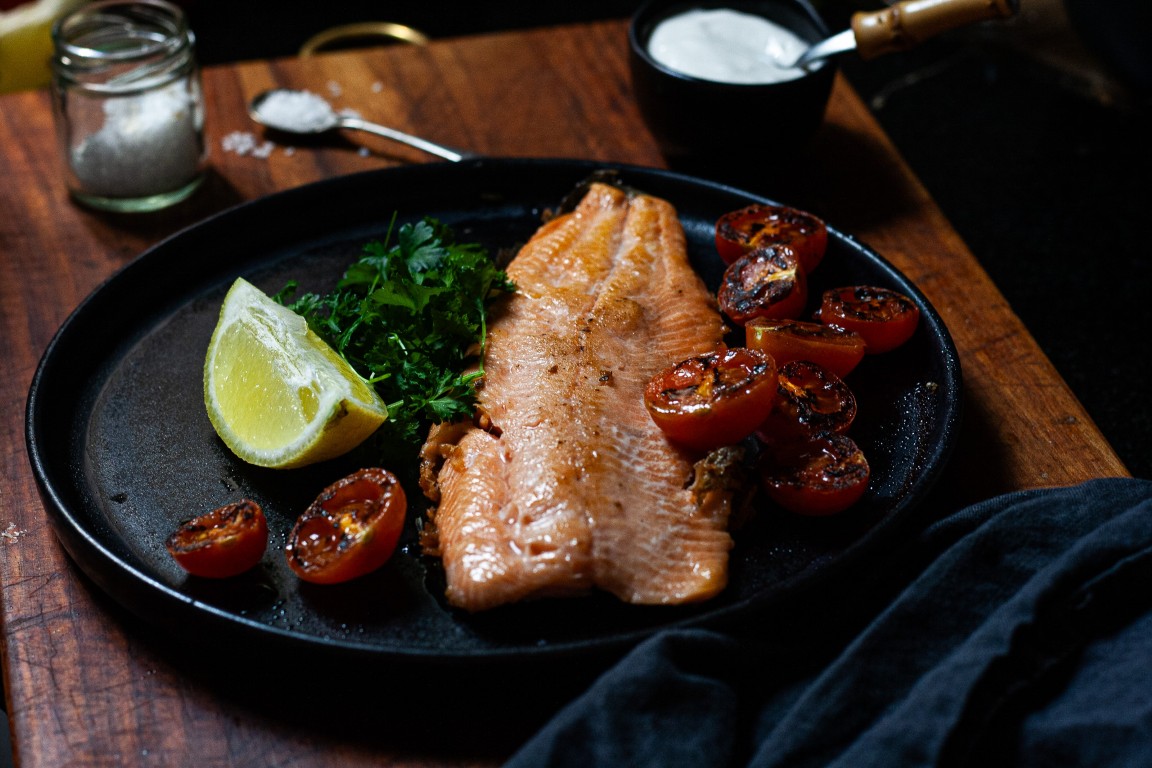
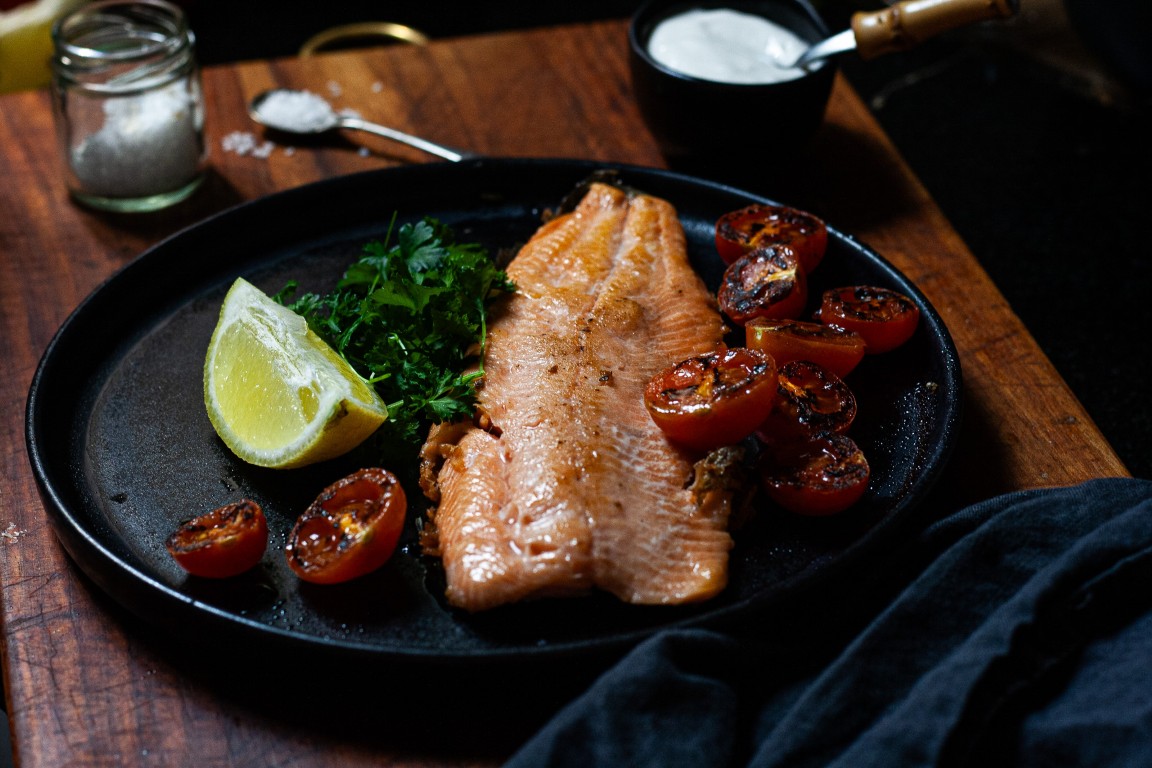
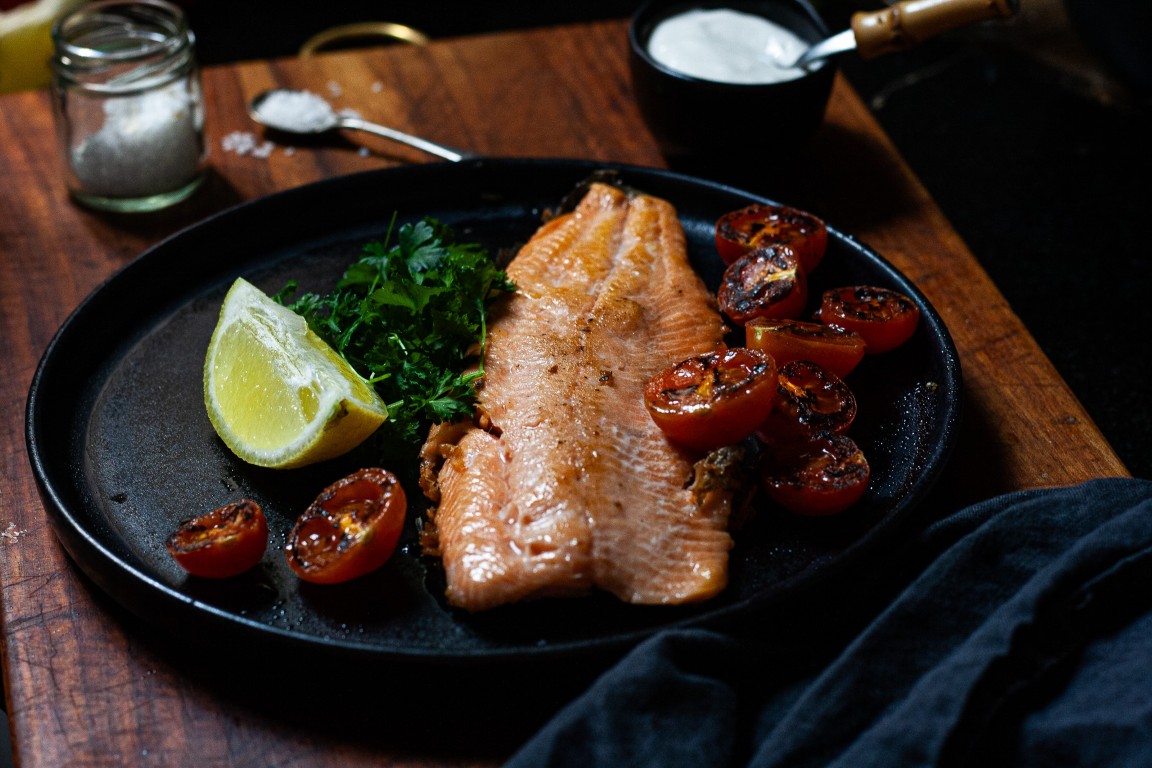
Firm Flesh: The texture of the flesh is firm yet tender, ideal for various cooking methods, from grilling to poaching.
-
Rich Flavour Profile: The flavour of Winterborne trout is rich and buttery, setting it apart from other strains and making it a sought-after ingredient in gourmet cooking.
How to Choose Quality Rainbow Trout
When sourcing rainbow trout, whether for a restaurant or personal use, understanding the genetics behind the fish can help you make informed decisions. Here are some tips to consider:
-
Research the Strain: Look for farms that offer specific strains, such as the Winterborne strain, known for its quality and flavour.
-
Ask About Farming Practices: Inquire about the breeding and farming methods used. Sustainable practices often lead to healthier fish.
-
Check for Certifications: Look for certifications that indicate quality and sustainability. These can provide assurance that the fish has been responsibly sourced.
-
Taste Test: Whenever possible, sample the fish before purchasing. The flavour and texture should meet your expectations.
-
Educate Your Customers: If you’re a business owner, educate your customers about the benefits of sourcing fish from reputable farms. Knowledge about the genetics and farming practices can enhance their dining experience.
Mistakes to Avoid When Sourcing Rainbow Trout
To ensure you choose the best quality fish, be mindful of these common pitfalls:
-
Ignoring Provenance: Always check where the fish comes from. Understanding the farm and its practices can prevent issues down the line.
-
Overlooking Genetics: Not all rainbow trout are created equal. Ignoring the genetic background can lead to disappointing results in taste and quality.
-
Skipping Quality Checks: Never assume that all fish on the market are healthy and fresh. Always inspect the fish for signs of quality.
Conclusion
Understanding the genetics of rainbow trout, particularly the Winterborne strain, provides valuable insights for both consumers and businesses. By appreciating the unique attributes of this strain, you can make informed choices that enhance your culinary offerings or dining experiences. At Houghton Springs, we are committed to providing the highest quality fish, ensuring that our customers benefit from the best traits that selective breeding has to offer.
For more information about our fish, including the exceptional Winterborne strain, visit our fish offerings page to explore what we have available.