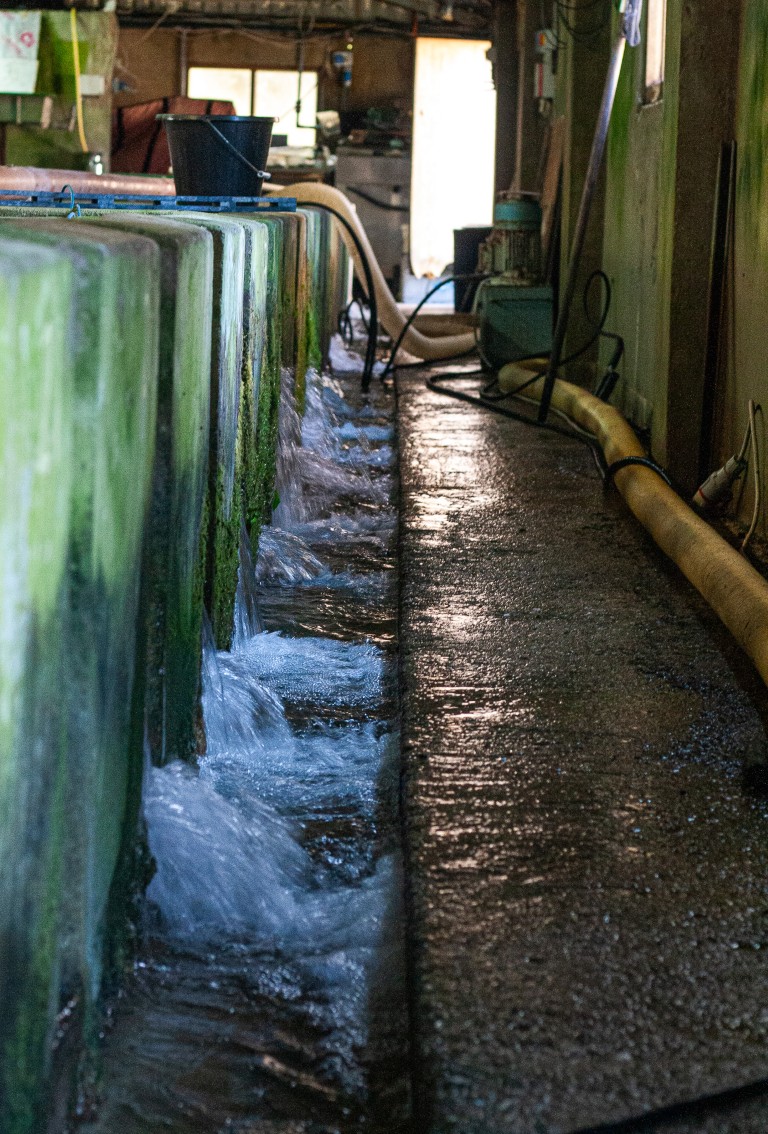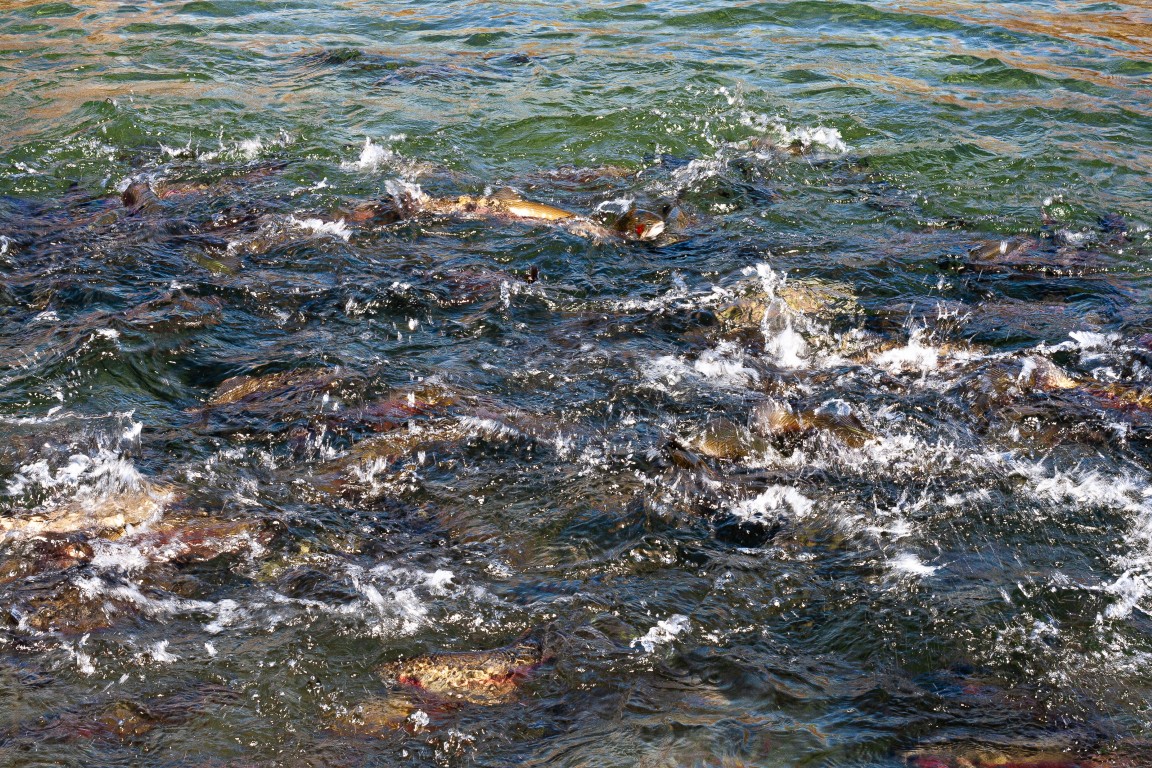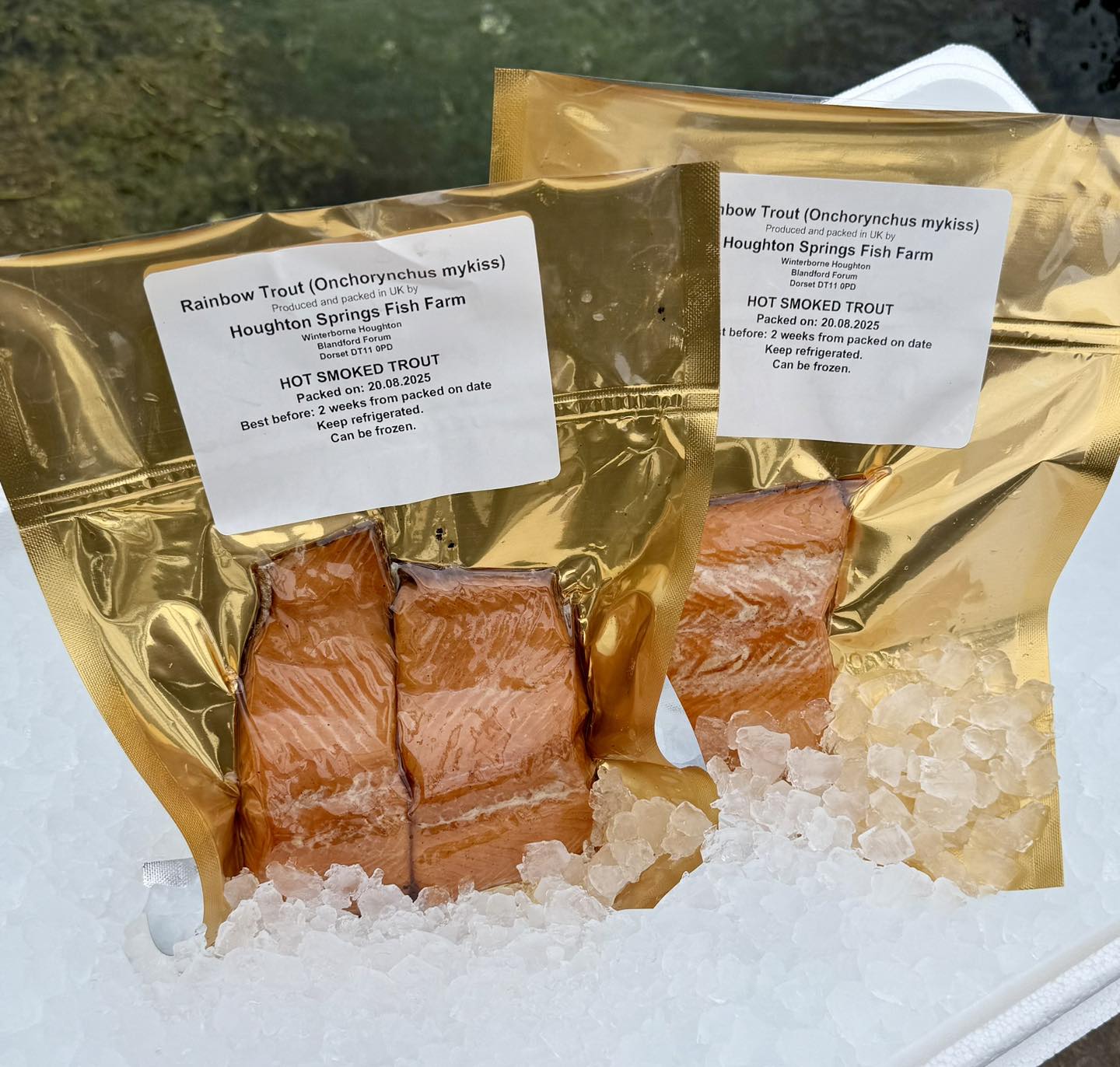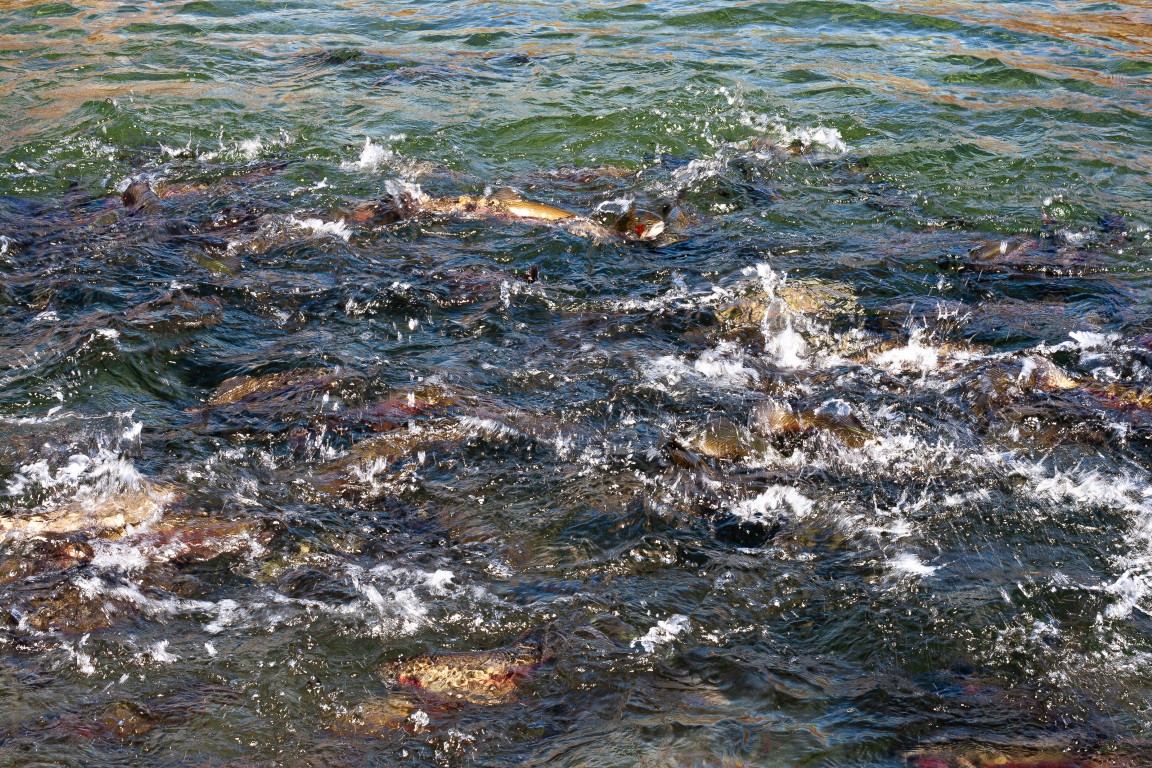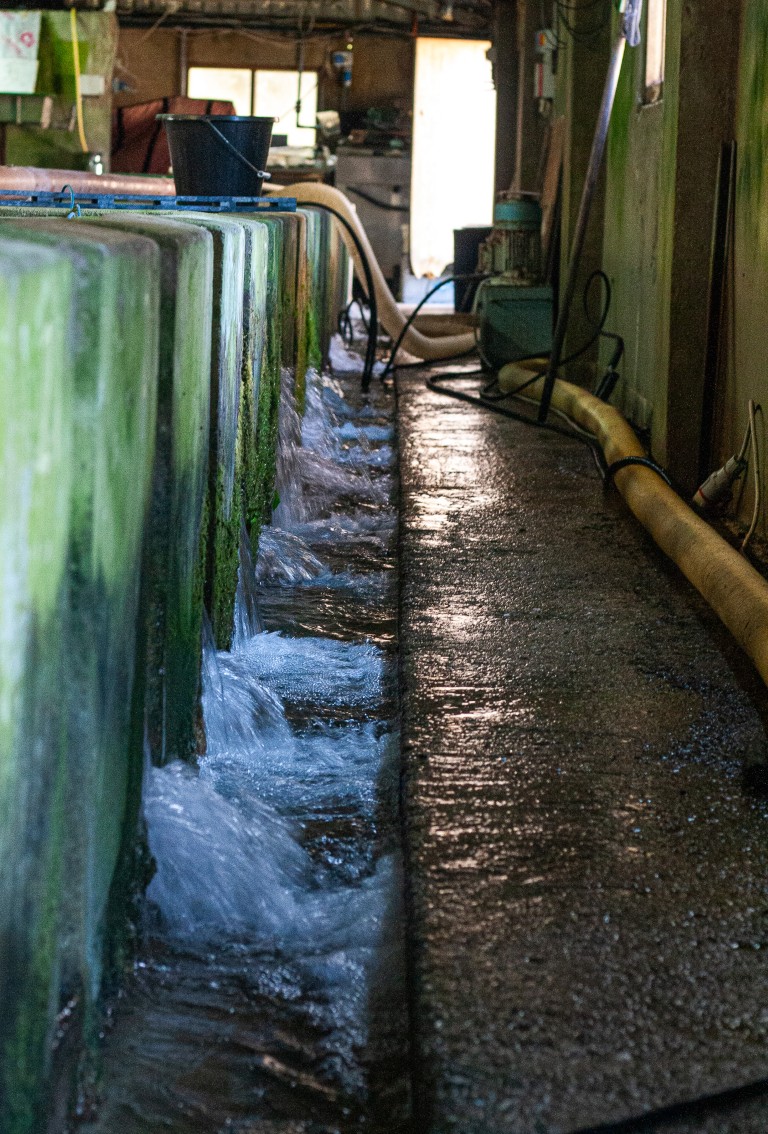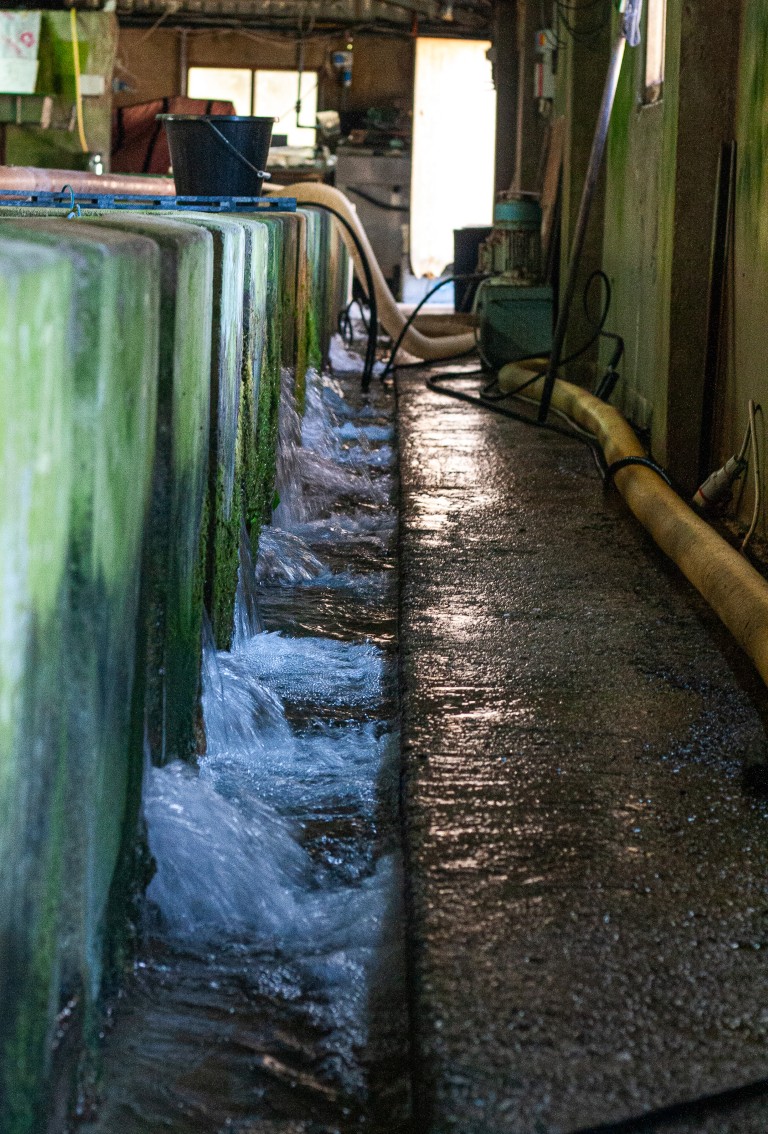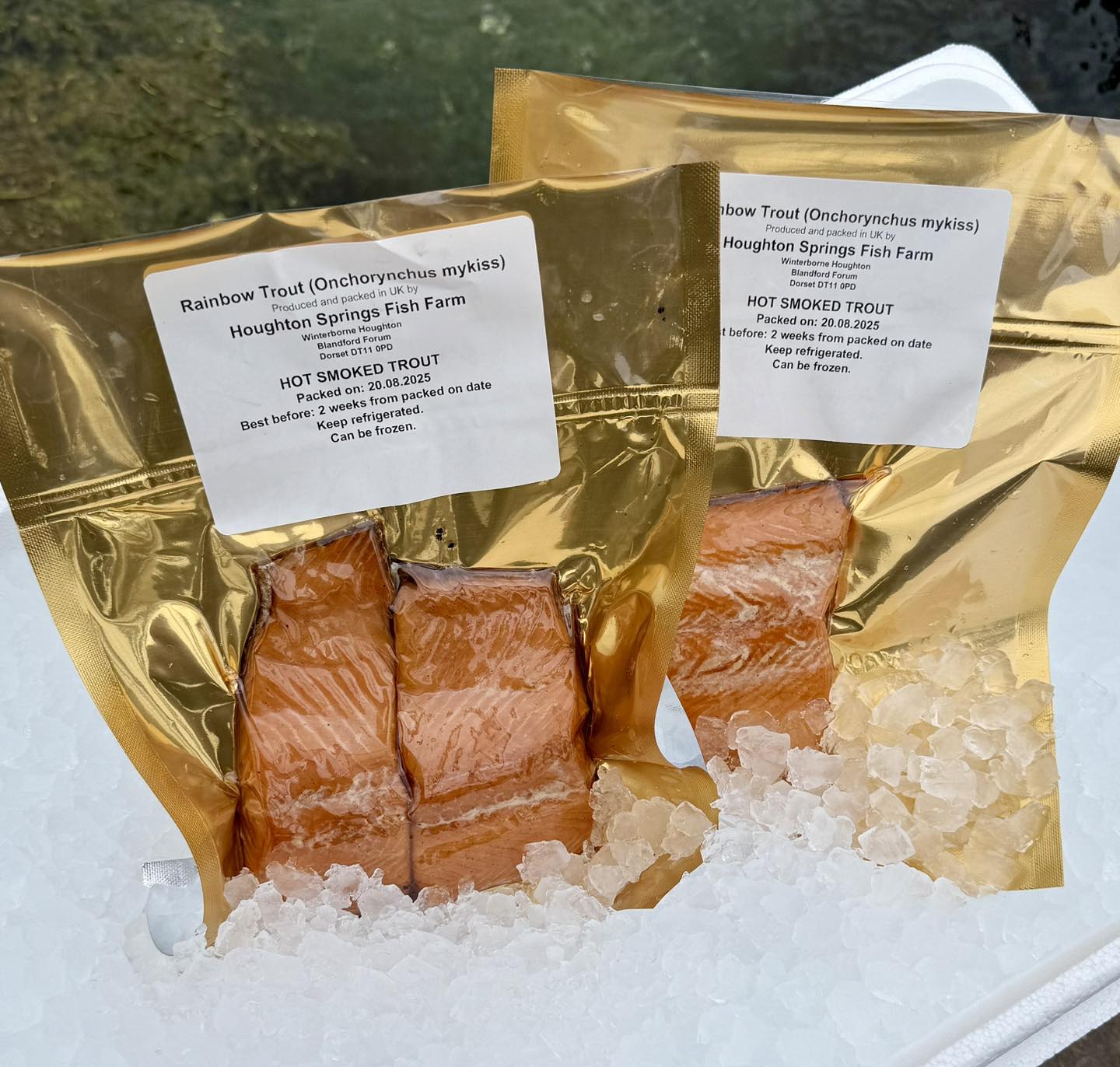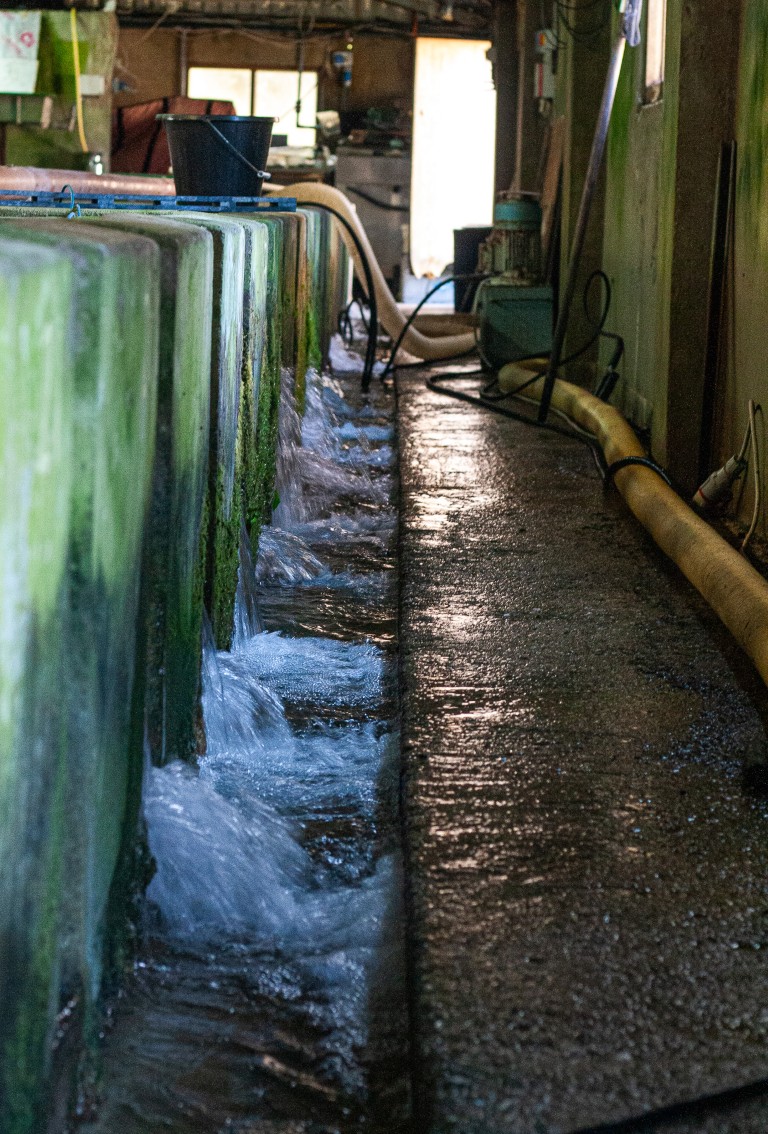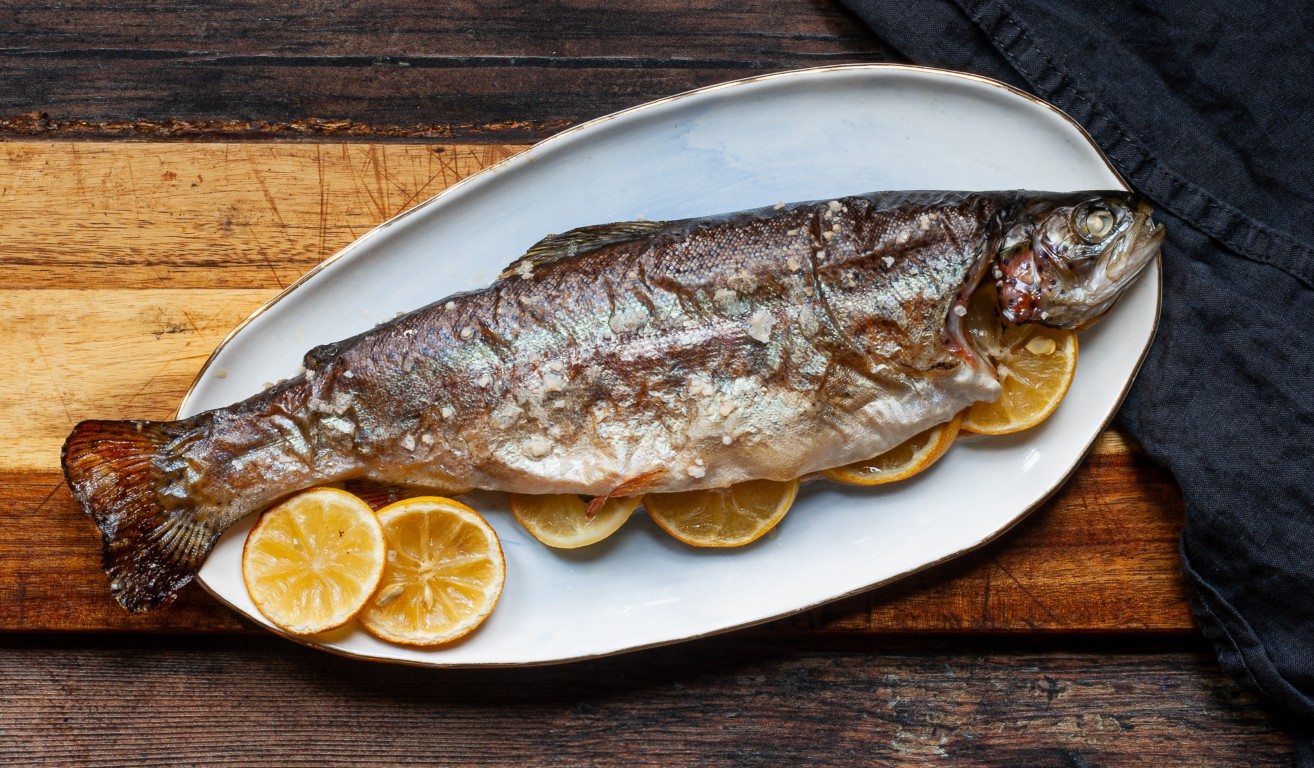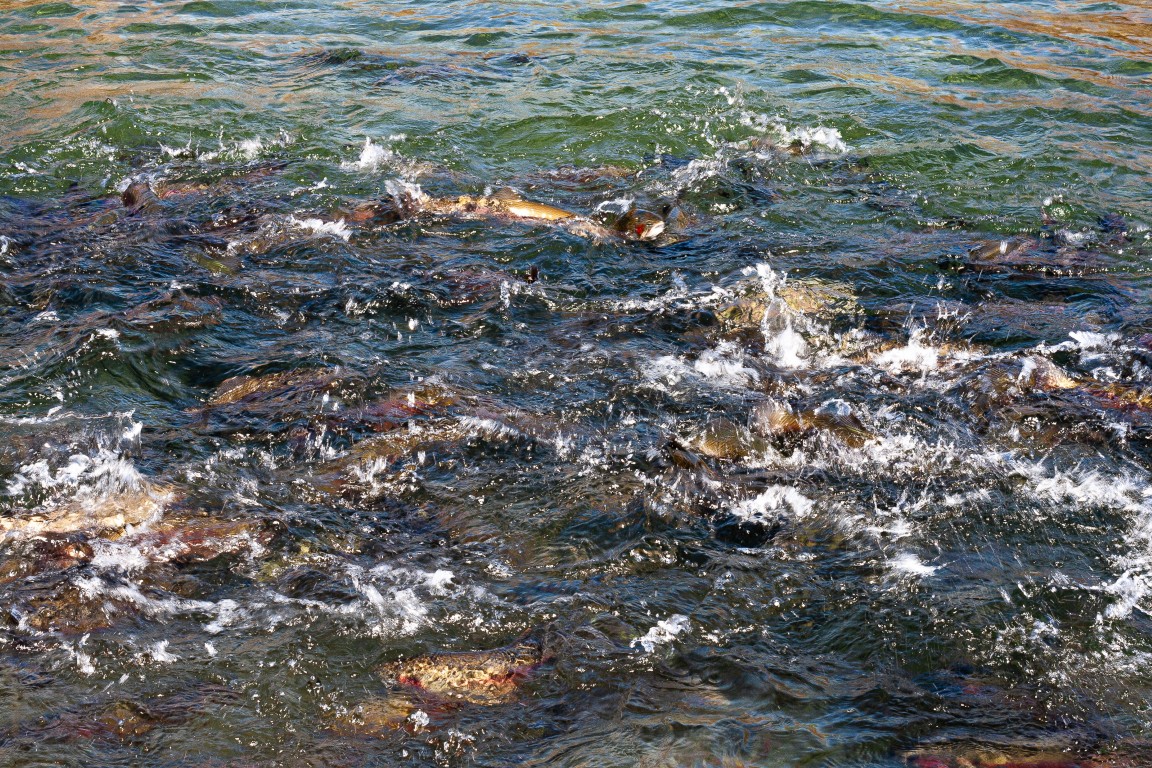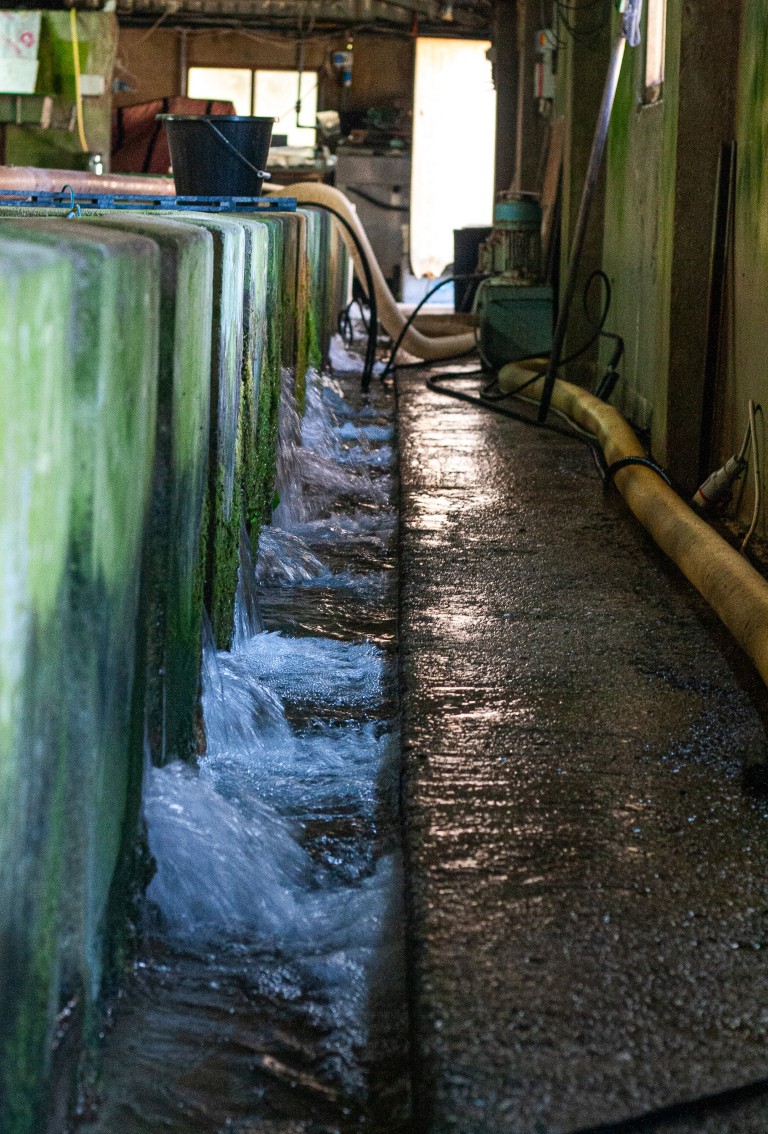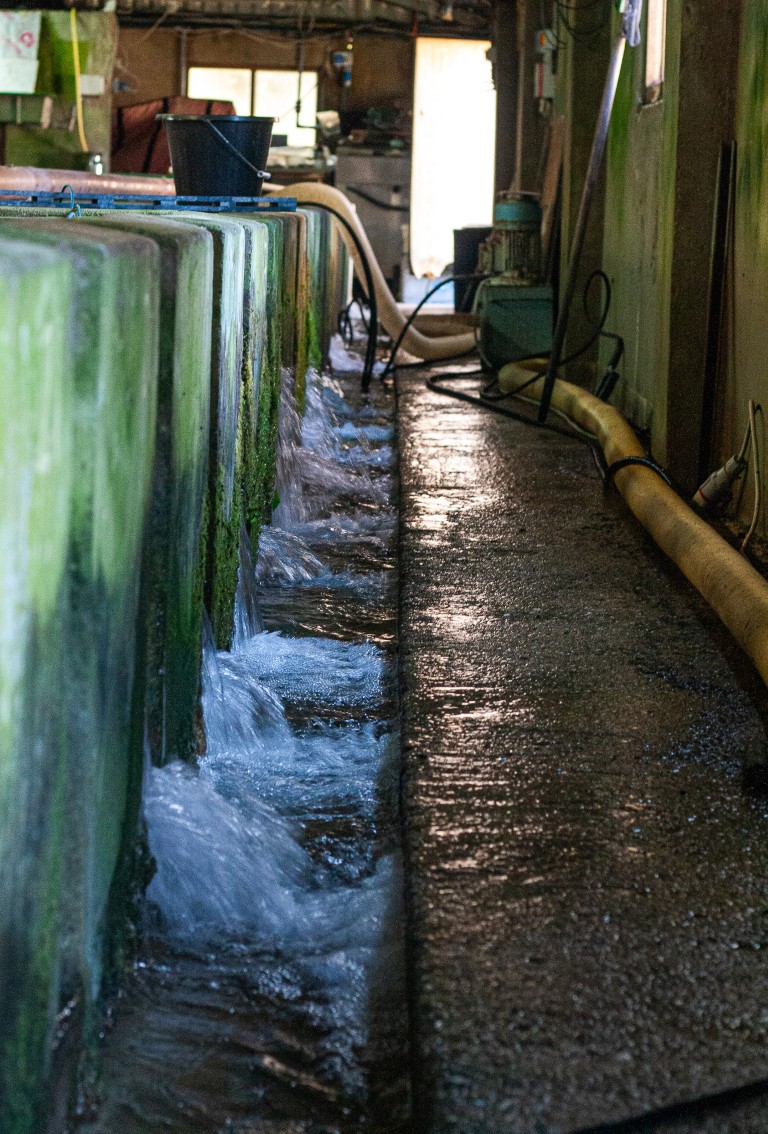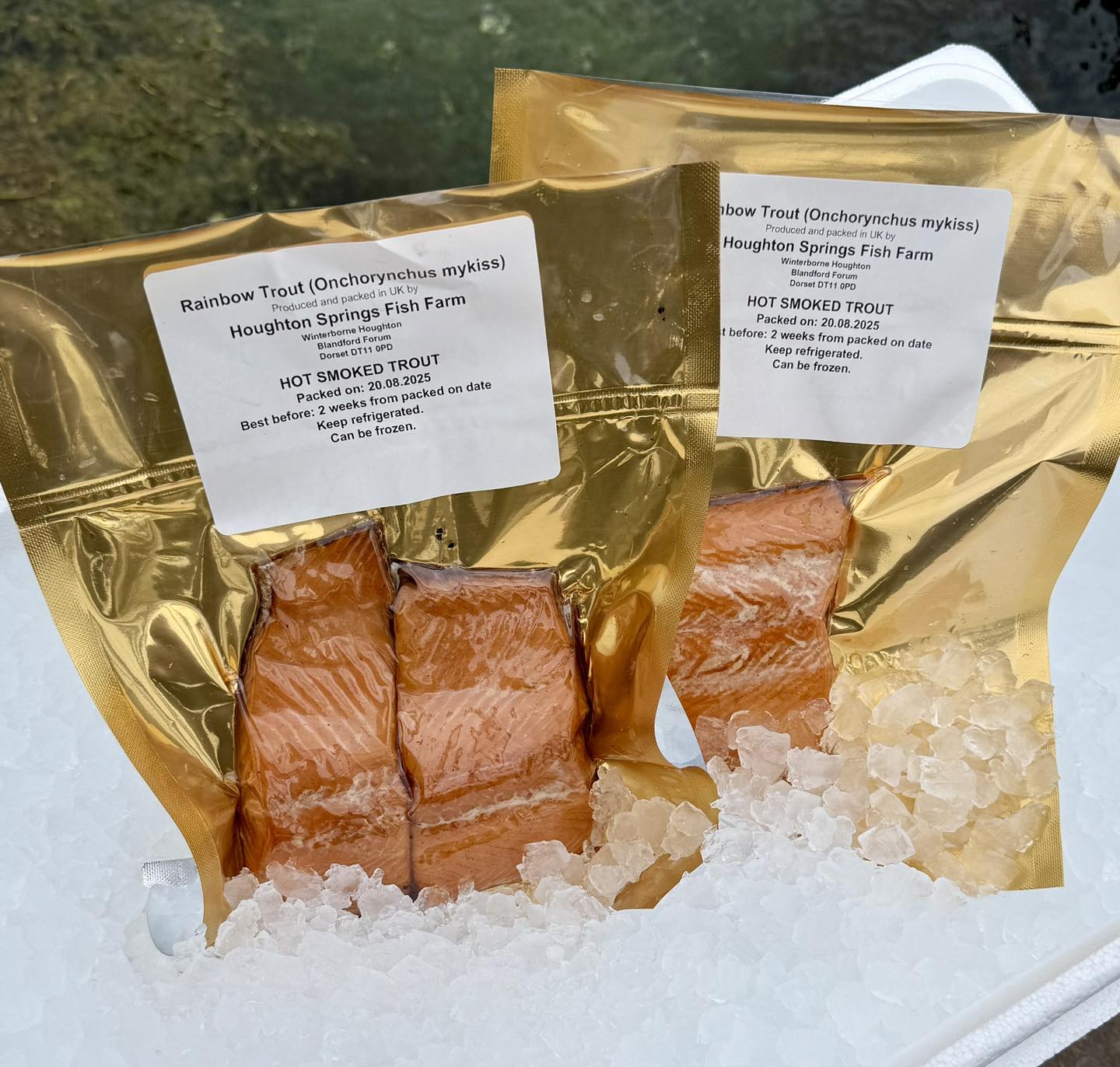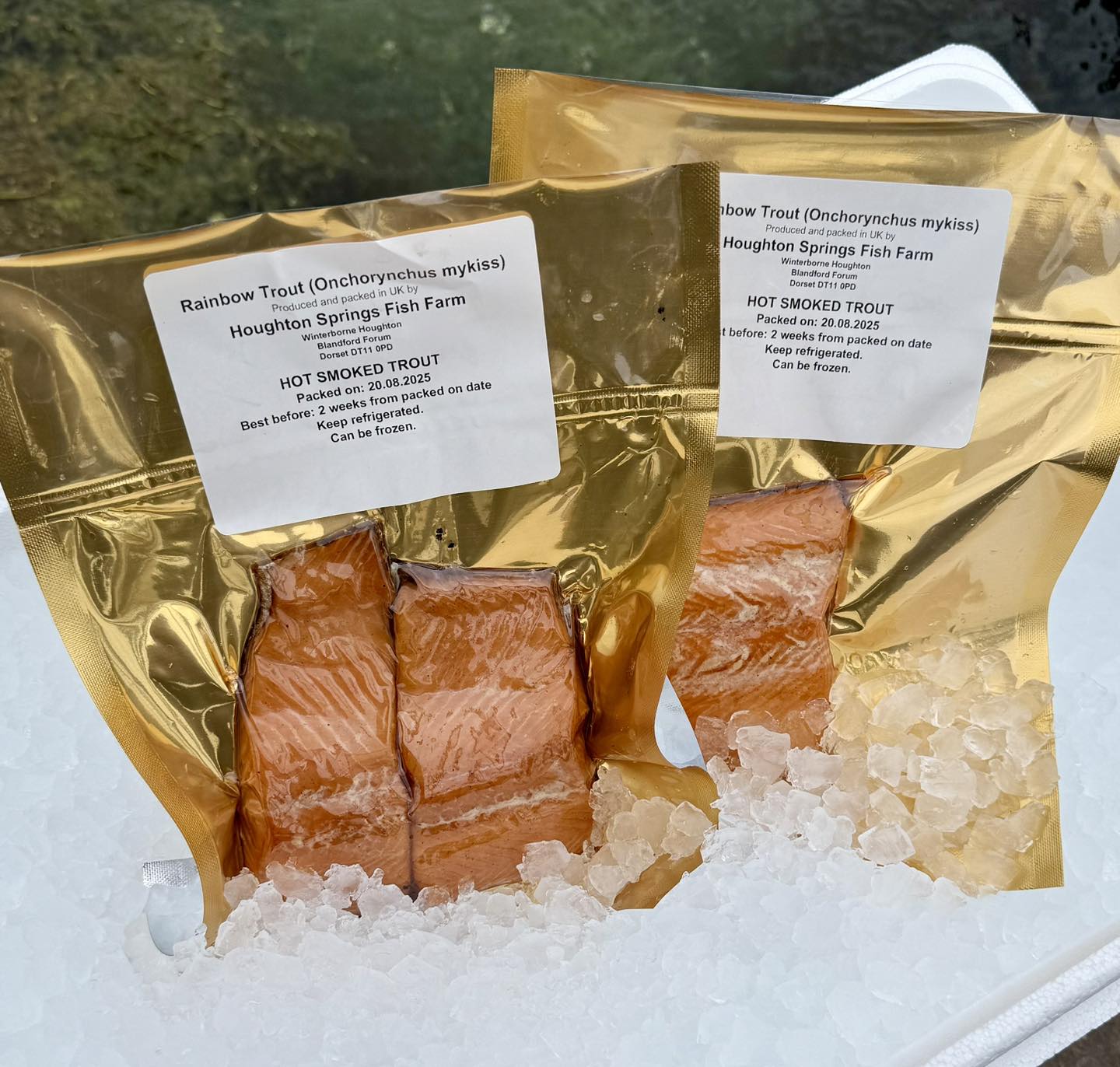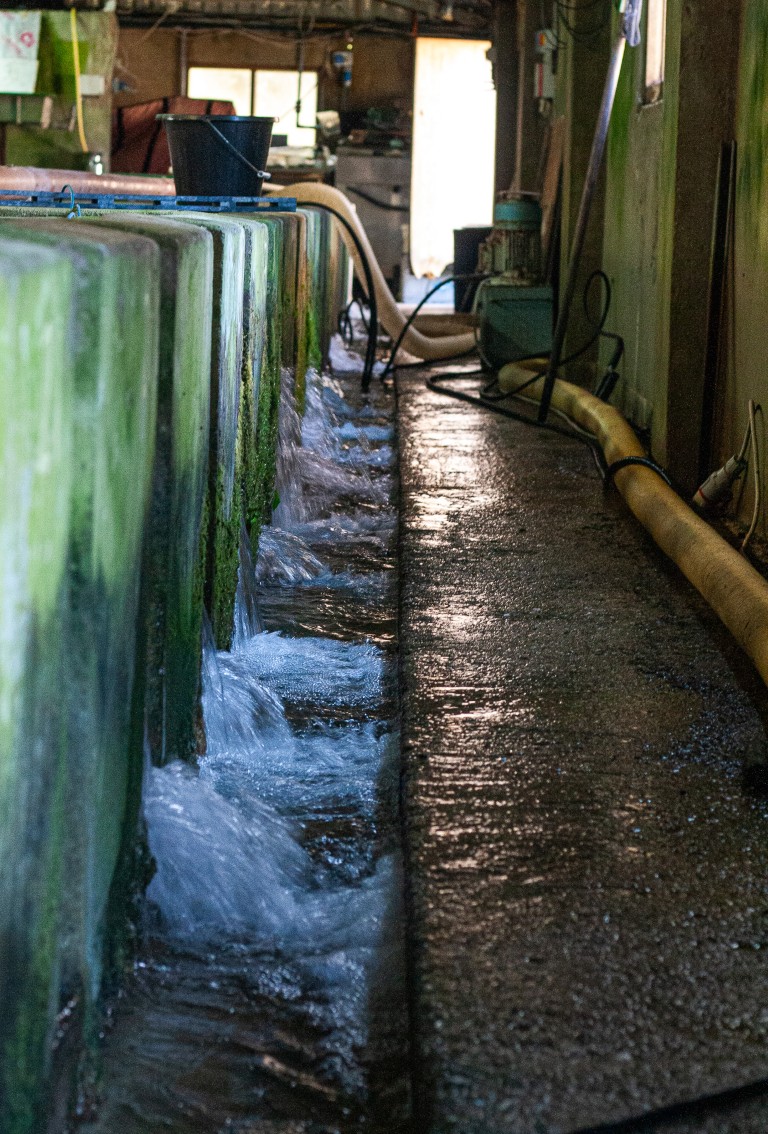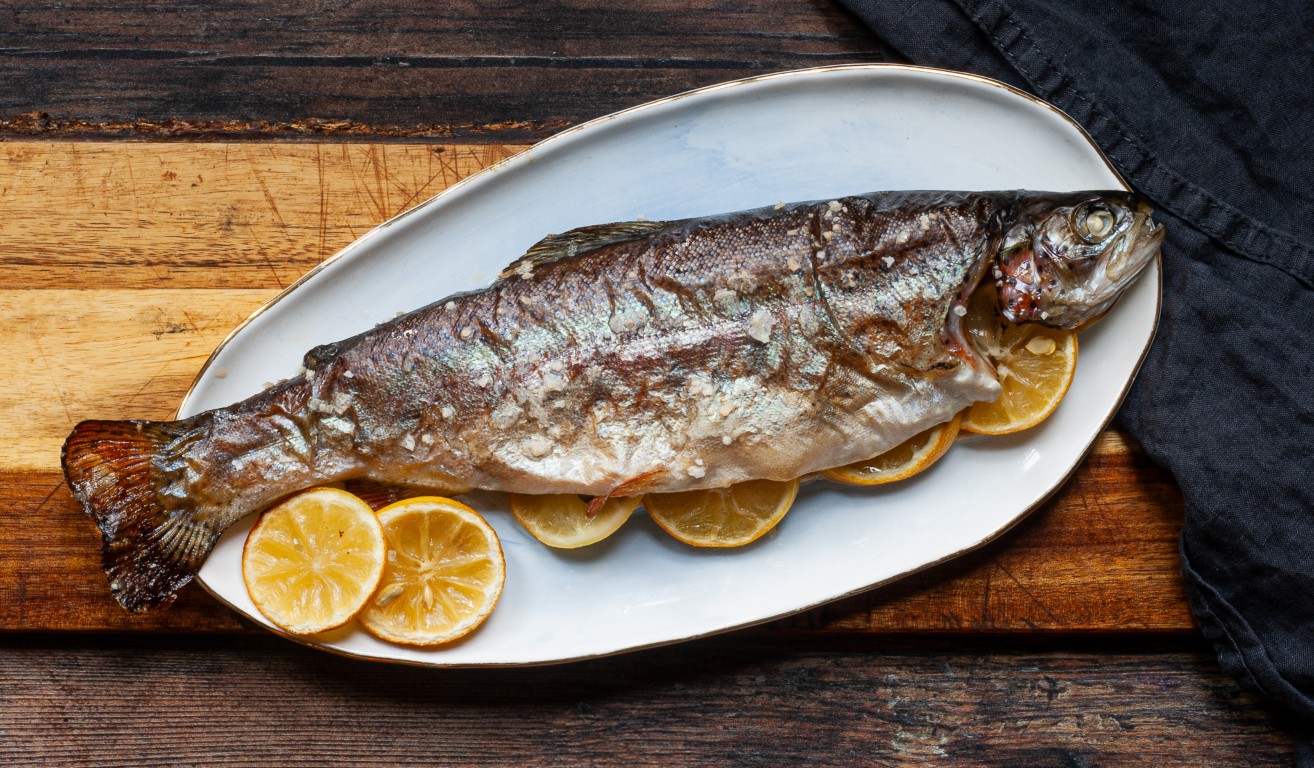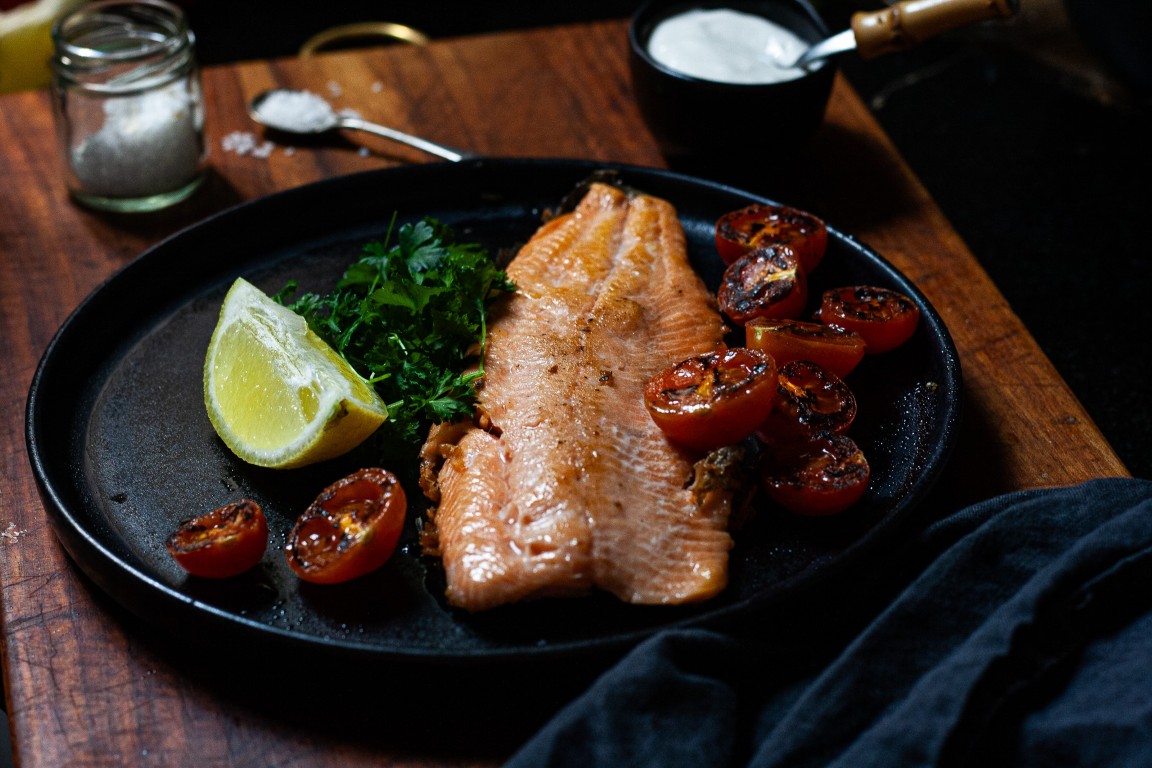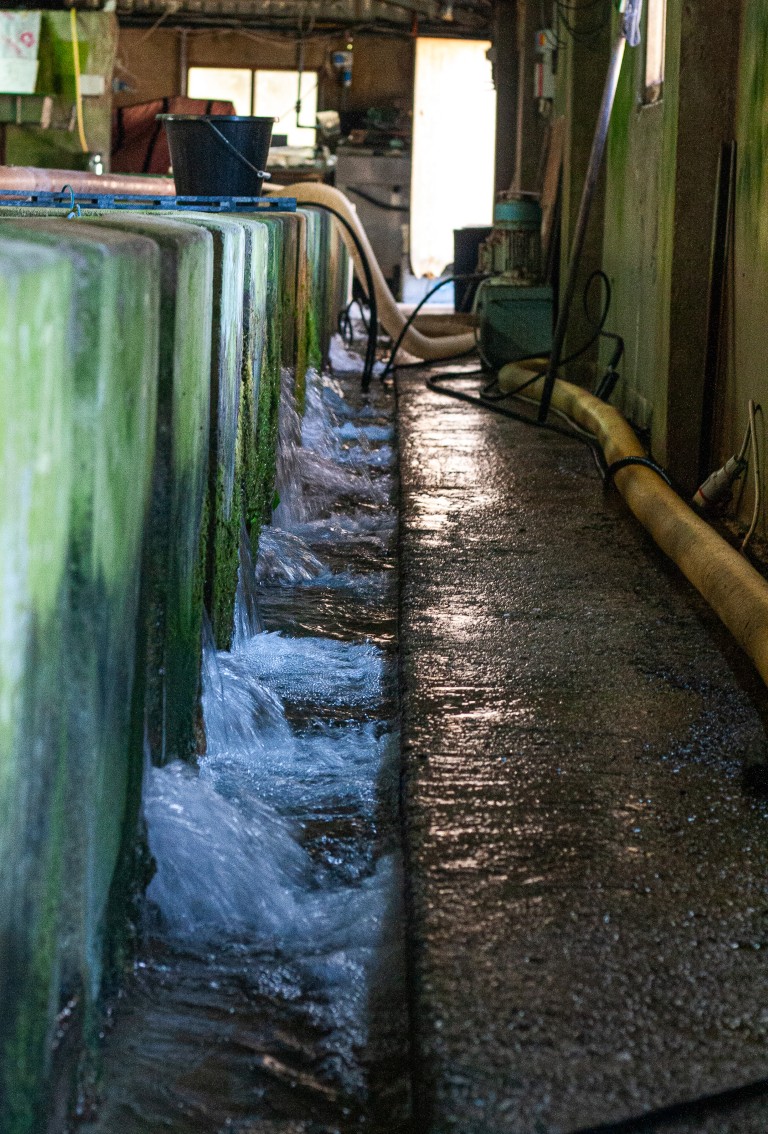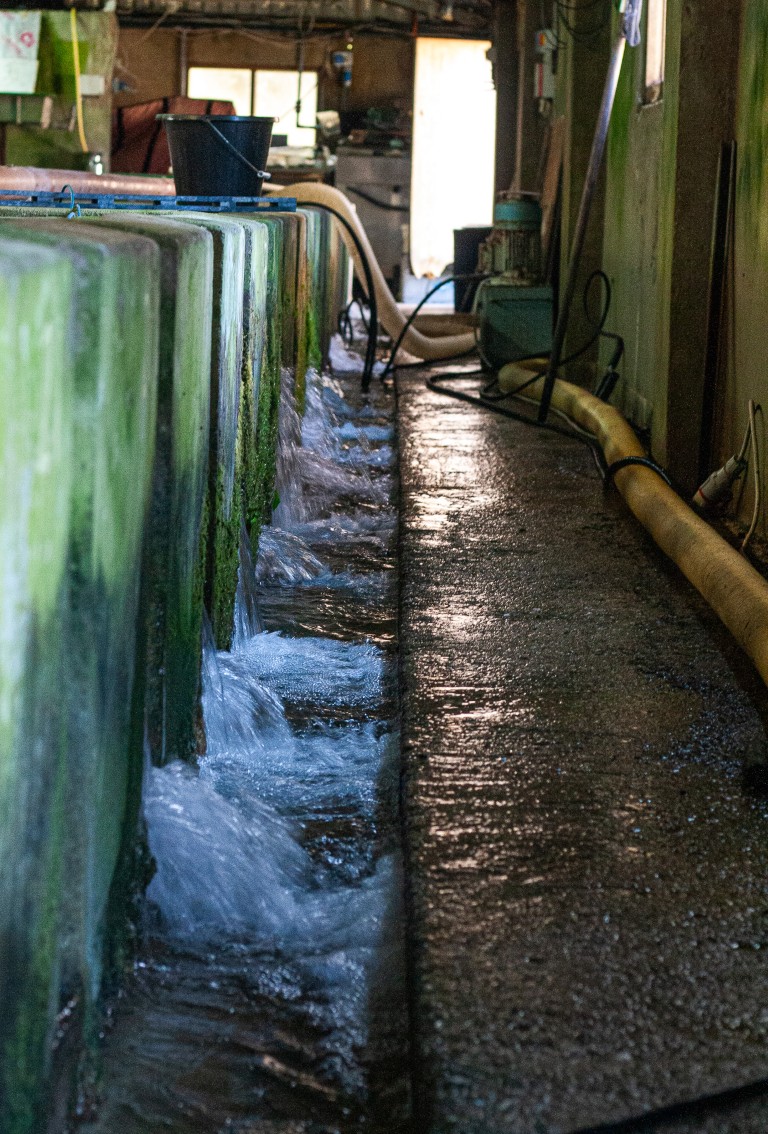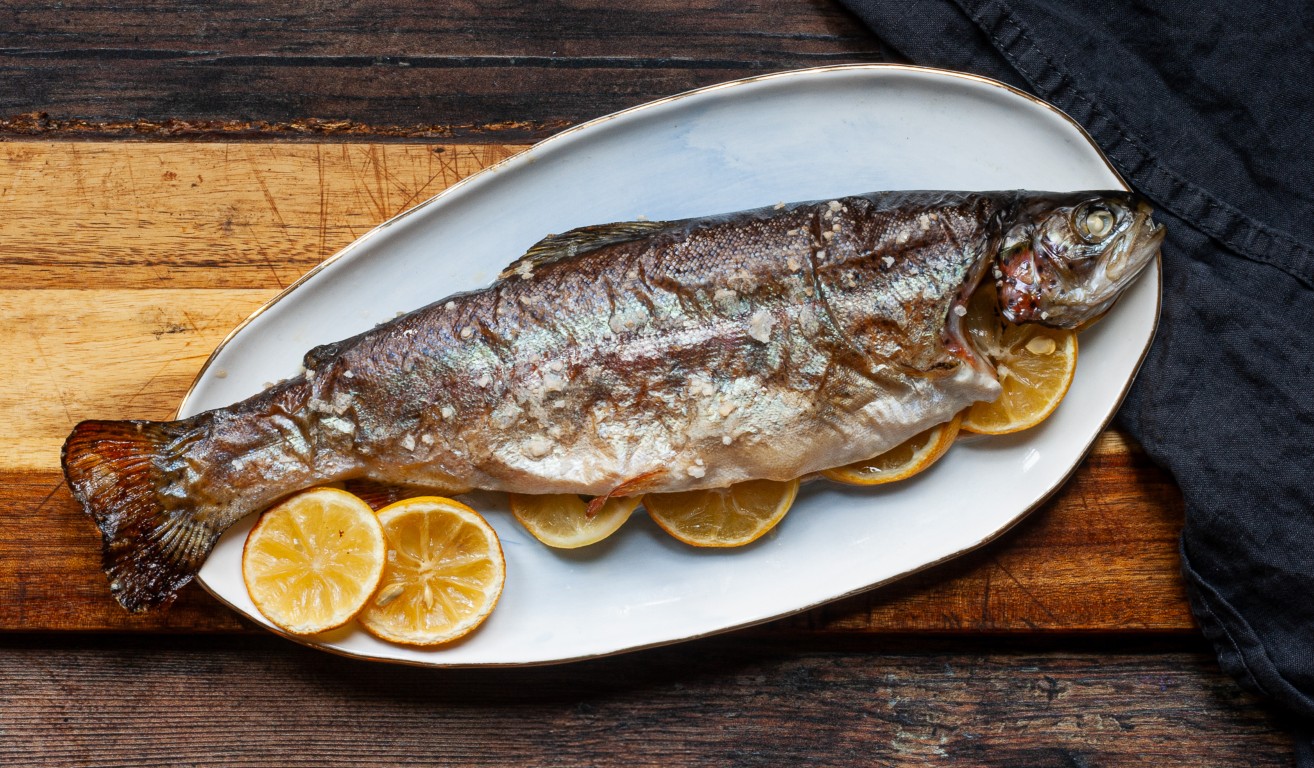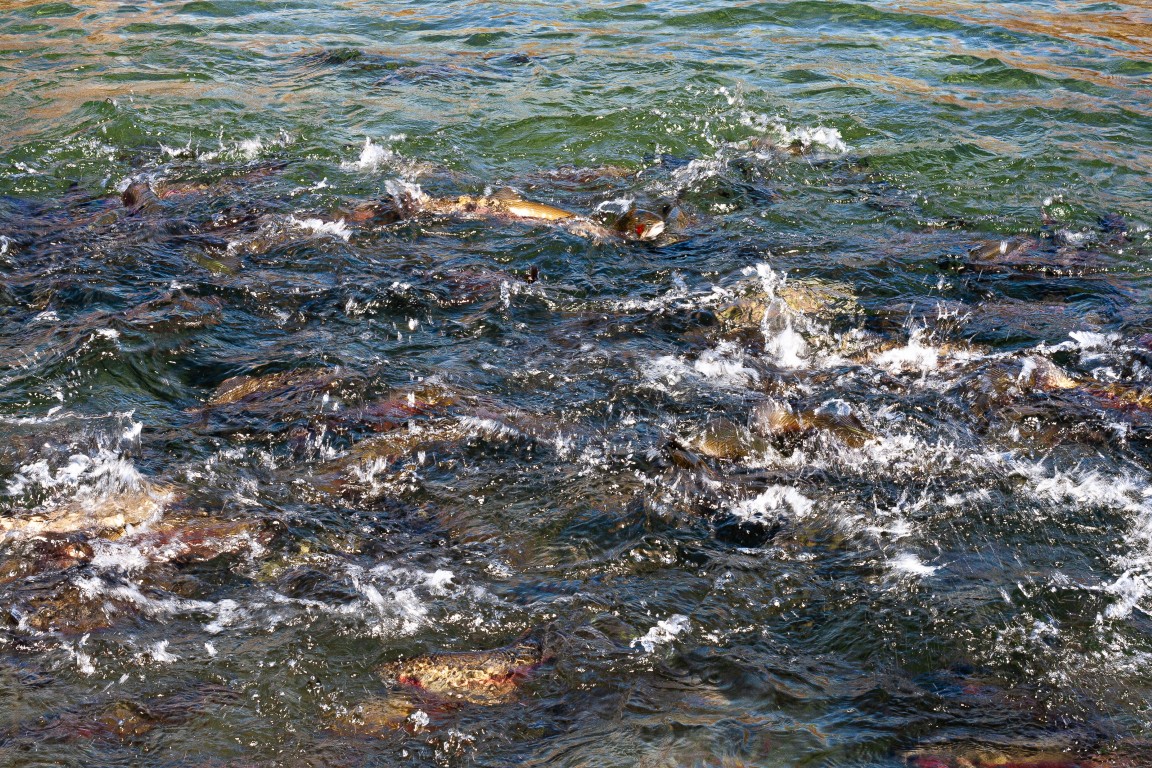
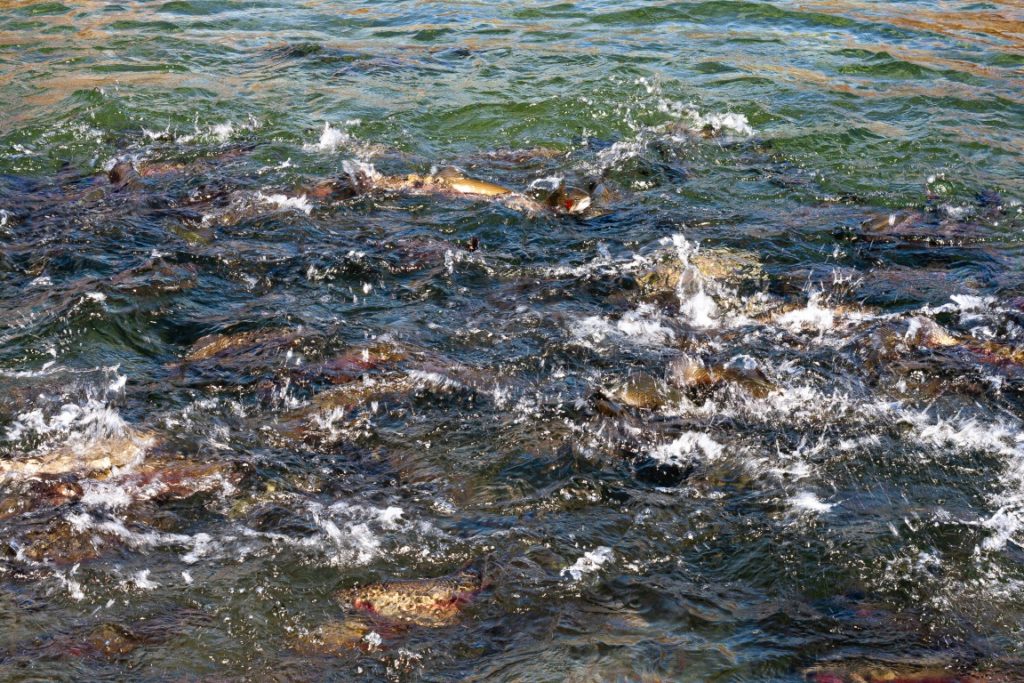
Fish farming can be a rewarding venture, but it comes with its own set of challenges. Addressing these common fish farming problems is essential for ensuring a sustainable and profitable operation. At Houghton Springs Trout Farm, we have encountered and resolved many of these issues over the years, allowing us to maintain our reputation for high-quality trout farming in rural Dorset. In this article, we will explore some of the most prevalent problems in fish farming and offer practical solutions to help you navigate these challenges effectively.
Common Problems in Fish Farming
1. Water Quality Issues
Problem: The quality of water is vital for the health of fish. Poor water conditions can lead to diseases, stunted growth, and even fish deaths.
Solution: Regularly test your water for pH, ammonia, nitrite, nitrate, and dissolved oxygen levels. Here’s a checklist to manage water quality:
- pH Levels: Aim for a pH between 6.5 and 8.5.
- Ammonia and Nitrite: Keep levels below 0.1 mg/L.
- Nitrate: Levels should be below 50 mg/L for optimal growth.
- Dissolved Oxygen: Maintain levels above 5 mg/L.
Implementing a regular water quality monitoring system can help you catch issues early and take corrective action.
2. Fish Diseases
Problem: Fish are susceptible to various diseases, which can spread quickly in farming environments.
Solution: Preventative measures are crucial. Here are steps to reduce disease outbreaks:
- Stock Healthy Fish: Source your fish from reputable suppliers like Houghton Springs Trout Farm.
- Maintain Biosecurity: Limit access to fish farms, clean equipment regularly, and use footbaths.
- Vaccination: Consider vaccinations for specific diseases common in your area.
- Observation: Monitor your fish for signs of illness, such as unusual swimming patterns or lesions.
If a disease outbreak occurs, consult a veterinary professional for an accurate diagnosis and treatment plan.
3. Overcrowding
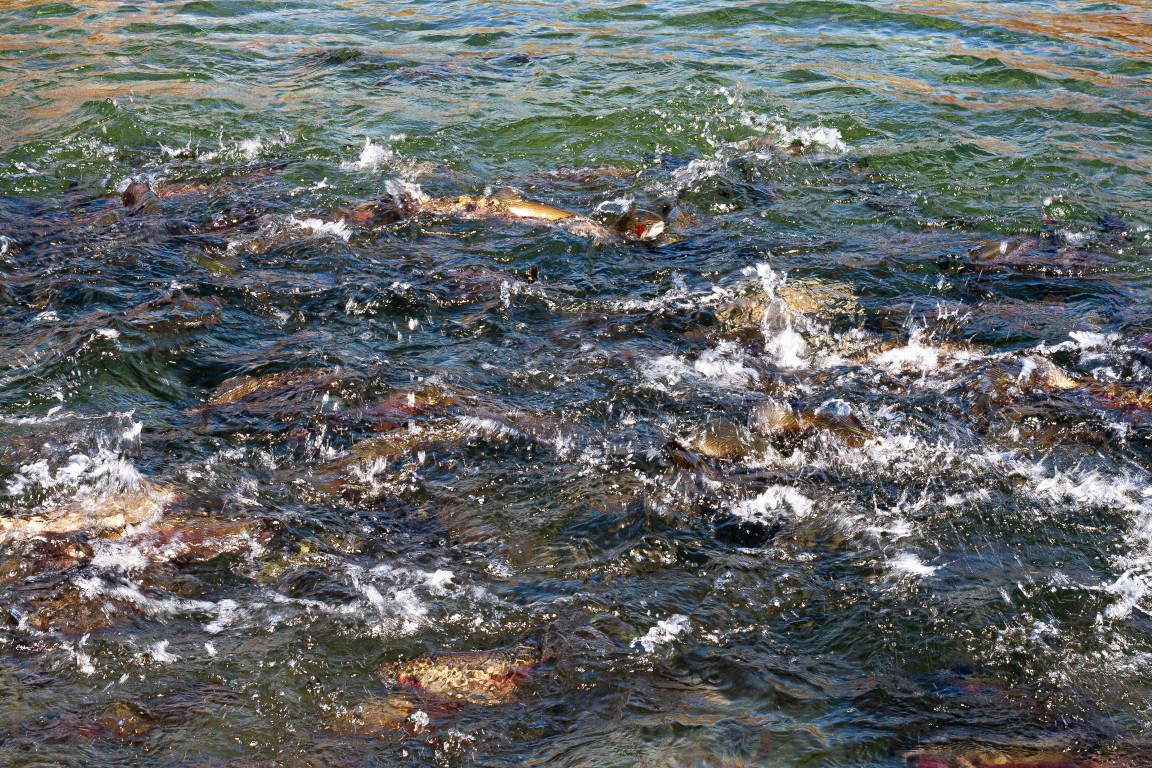
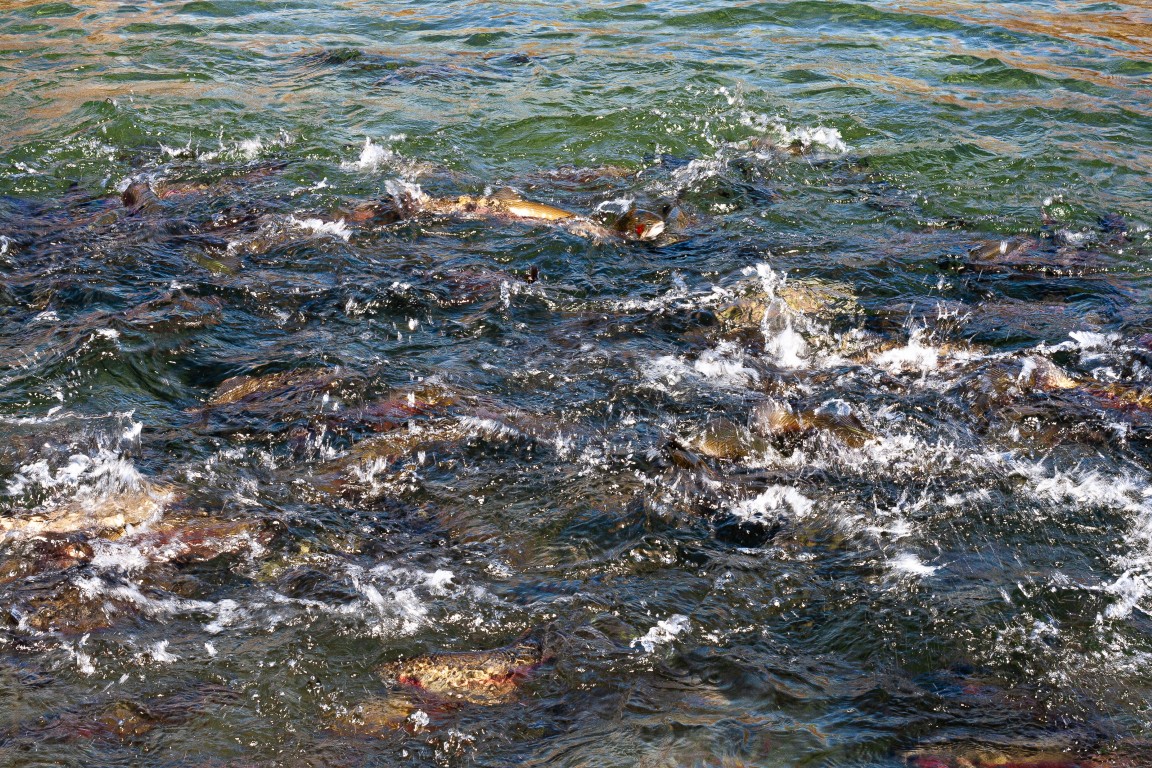
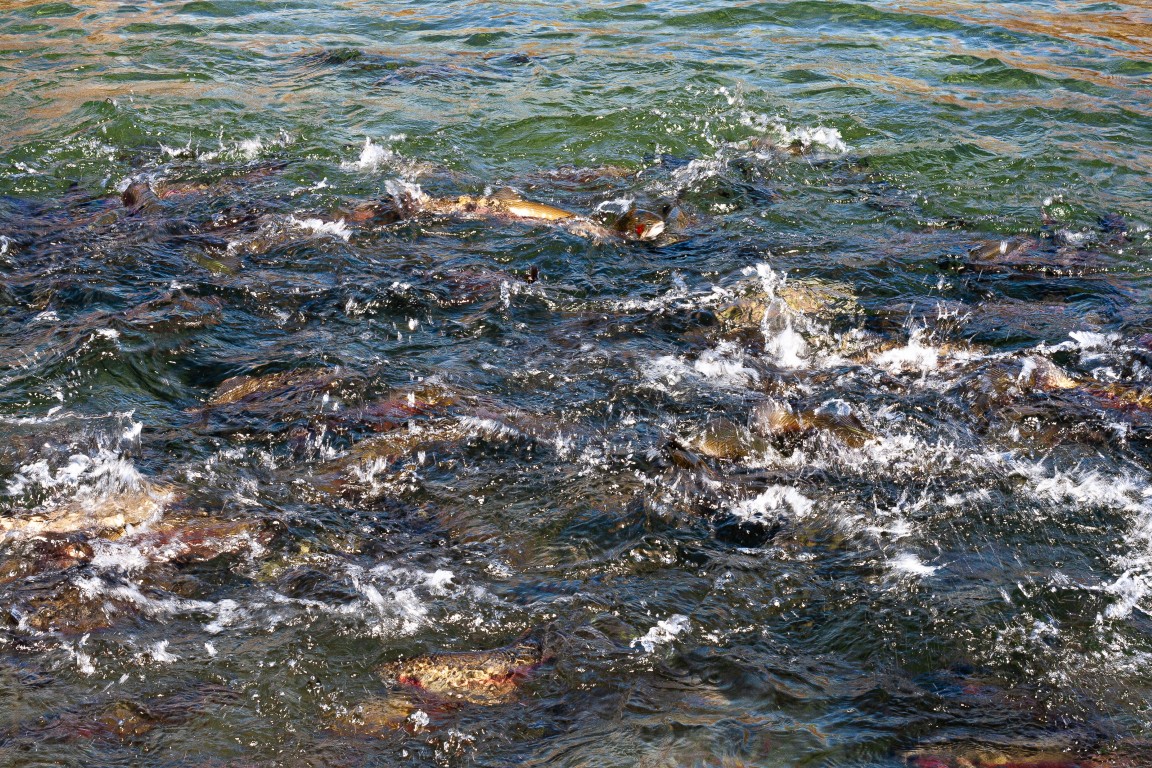
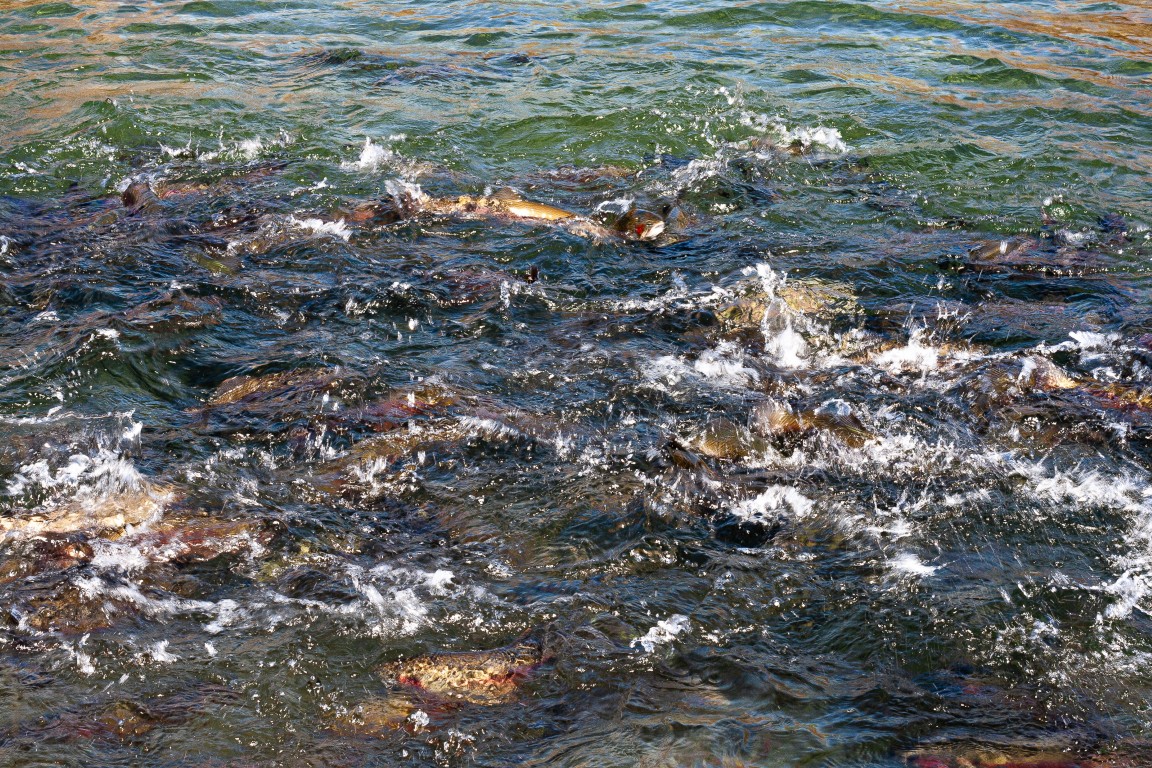
Problem: Overcrowding can lead to stress, competition for food, and poor growth rates.
Solution: Implement proper stocking densities based on the species you are raising. A general guideline for trout is:
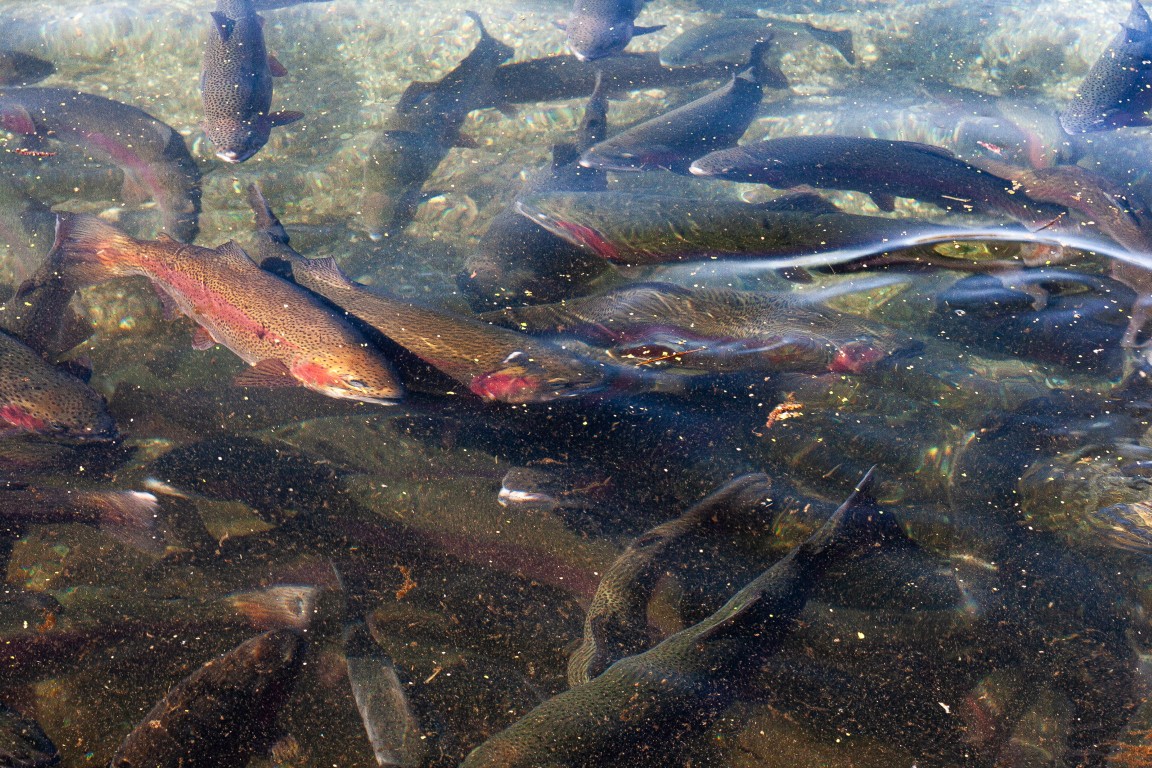
- Rainbow Trout: 10-15 kg/m³.
- Brown Trout: 5-10 kg/m³.
Regularly assess your fish’s growth and adjust feeding and stocking practices accordingly. If overcrowding is an issue, consider transferring some fish to a different pond or facility.
4. Feeding Challenges
Problem: Providing the right nutrition is crucial for fish health and growth. Improper feeding can lead to poor growth and water quality issues.
Solution: Develop a comprehensive feeding strategy that includes:
- Species-Specific Diets: Ensure you are using feeds formulated for the specific needs of your fish species.
- Feeding Schedule: Feed fish at regular intervals and adjust based on their growth stage.
- Monitor Feed Conversion Ratio (FCR): This ratio indicates how efficiently fish convert feed into body mass. Aim for an FCR of 1.0 to 1.5 for trout.
Utilise automated feeders if possible, as these can help reduce waste and ensure consistent feeding.
5. Environmental Factors
Problem: Environmental changes, such as temperature fluctuations and extreme weather conditions, can impact fish health.
Solution: Take proactive steps to mitigate environmental risks:
- Temperature Control: If you are indoors, monitor and regulate water temperature using heaters or chillers as needed.
- Shelter: Provide shaded areas in outdoor ponds to protect fish from direct sunlight and temperature extremes.
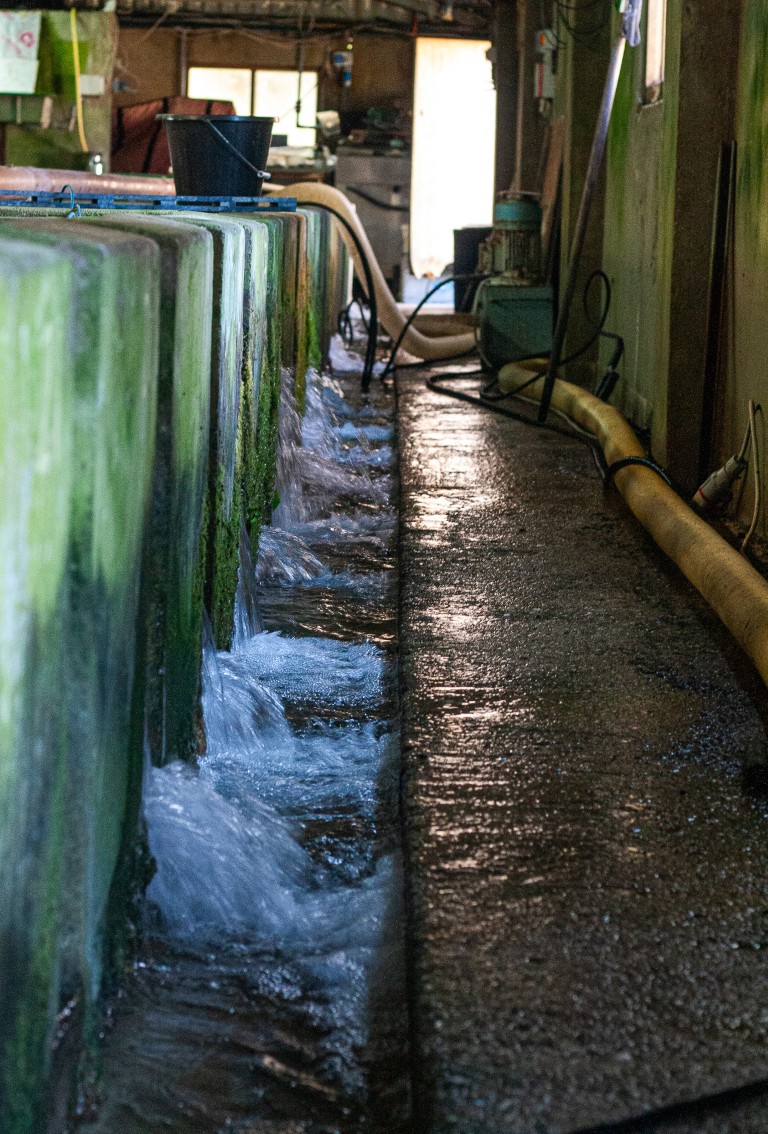
- Water Source: Ensure a reliable and clean water source, as contamination can threaten fish well-being.
Additional Considerations
Staff Training and Skills
Problem: Lack of knowledge among farm staff can exacerbate existing issues.
Solution: Invest in training for your team. Topics should include:
- Water Quality Management
- Fish Health Monitoring
- Feeding Techniques
Regular workshops or collaboration with local agricultural extension services can enhance staff skills and improve farm management.
Mistakes to Avoid
- Neglecting Regular Monitoring: Failing to monitor water quality and fish health can lead to significant problems.
- Ignoring Biosecurity Measures: Not implementing basic biosecurity can result in disease outbreaks.
- Overfeeding: This can lead to waste buildup and poor water quality. Always adhere to feeding guidelines.
Conclusion
Fish farming presents various challenges, but by understanding and addressing common problems, you can create a thriving aquaculture business. Ensure you stay informed about best practices and seek advice from established farms like Houghton Springs Trout Farm that have navigated similar issues. By implementing effective strategies, you can enhance the health and productivity of your fish, ultimately leading to a successful farming operation.
With careful planning and execution, the journey of fish farming can be not only profitable but also sustainable.