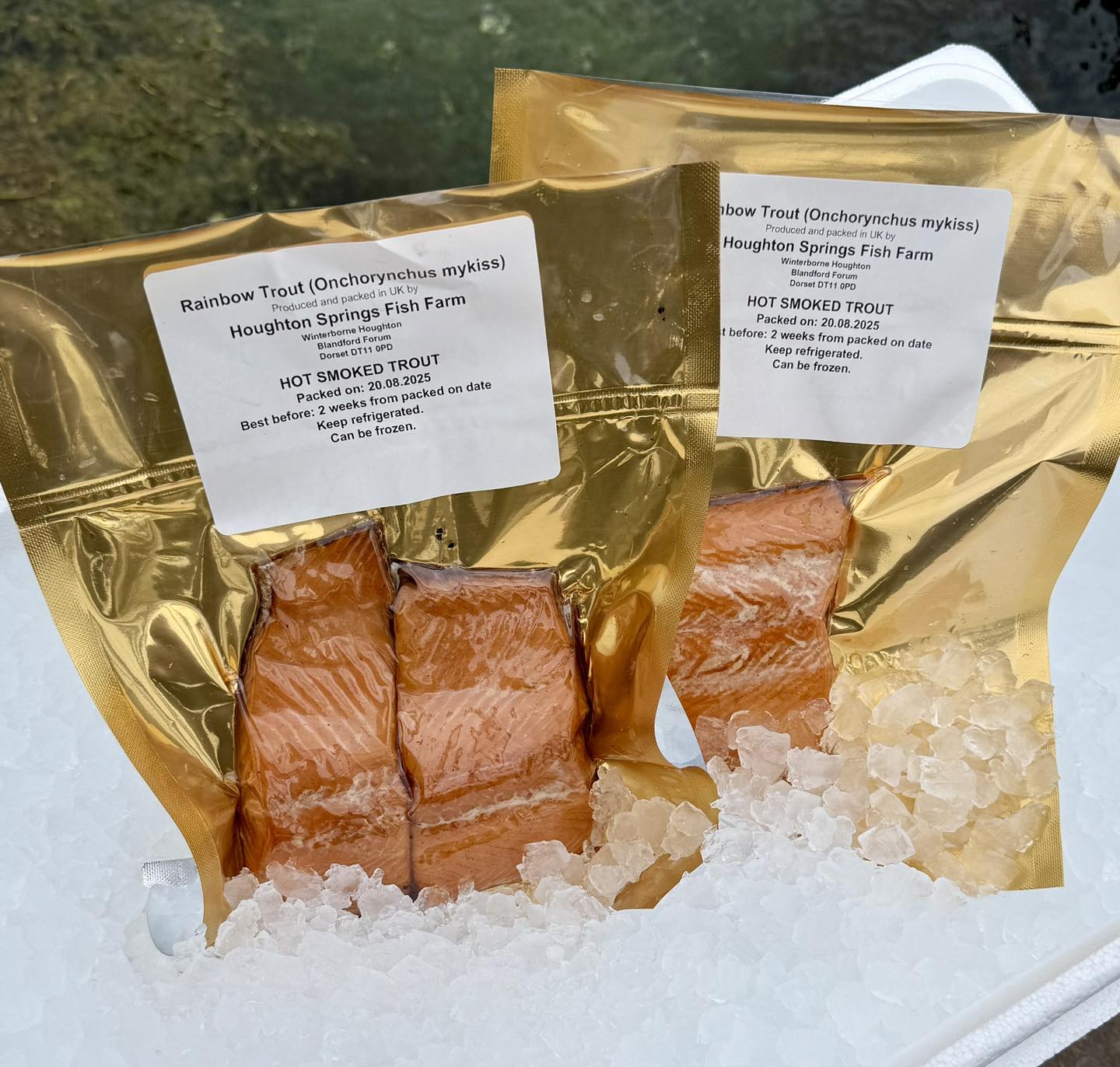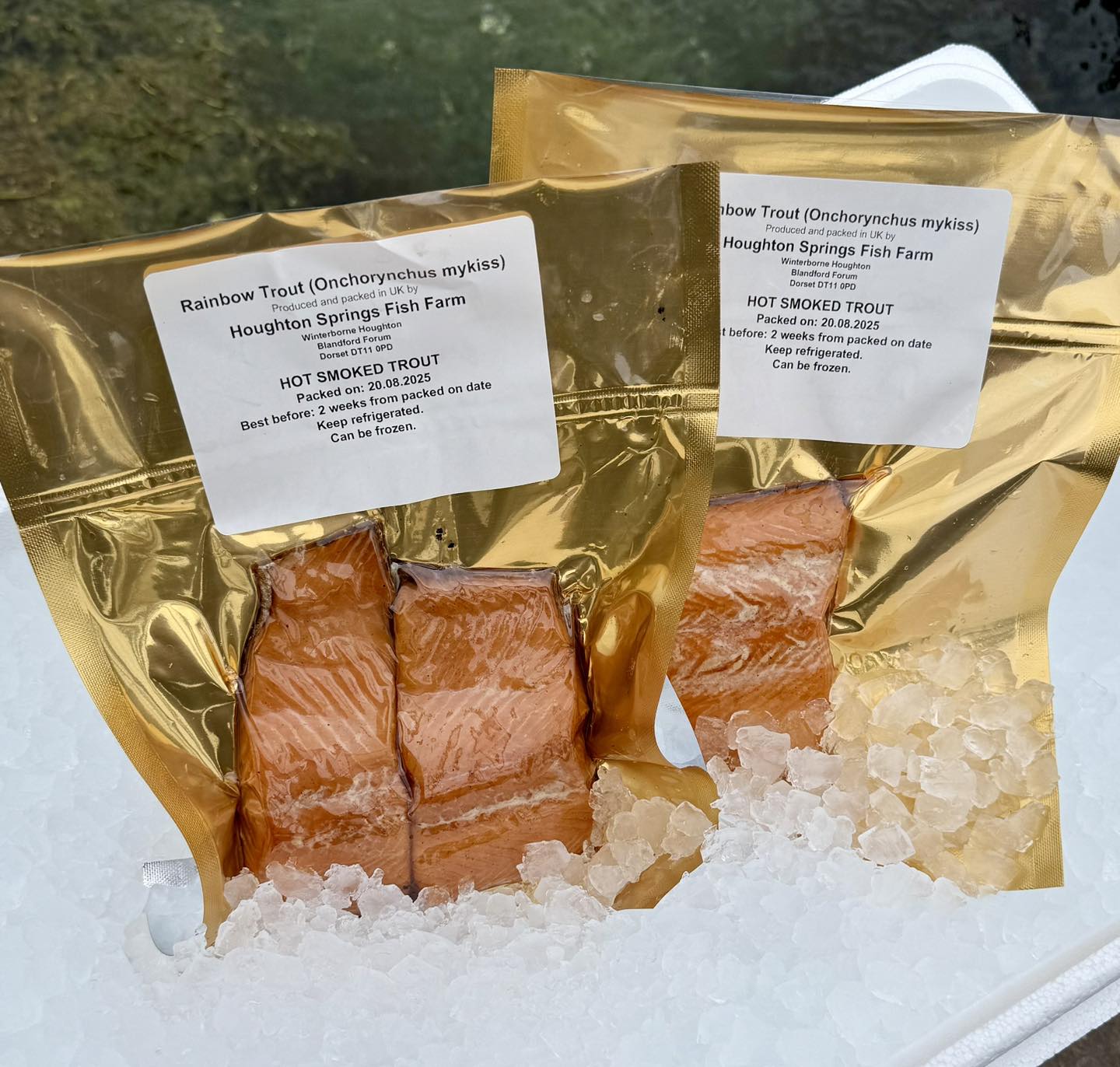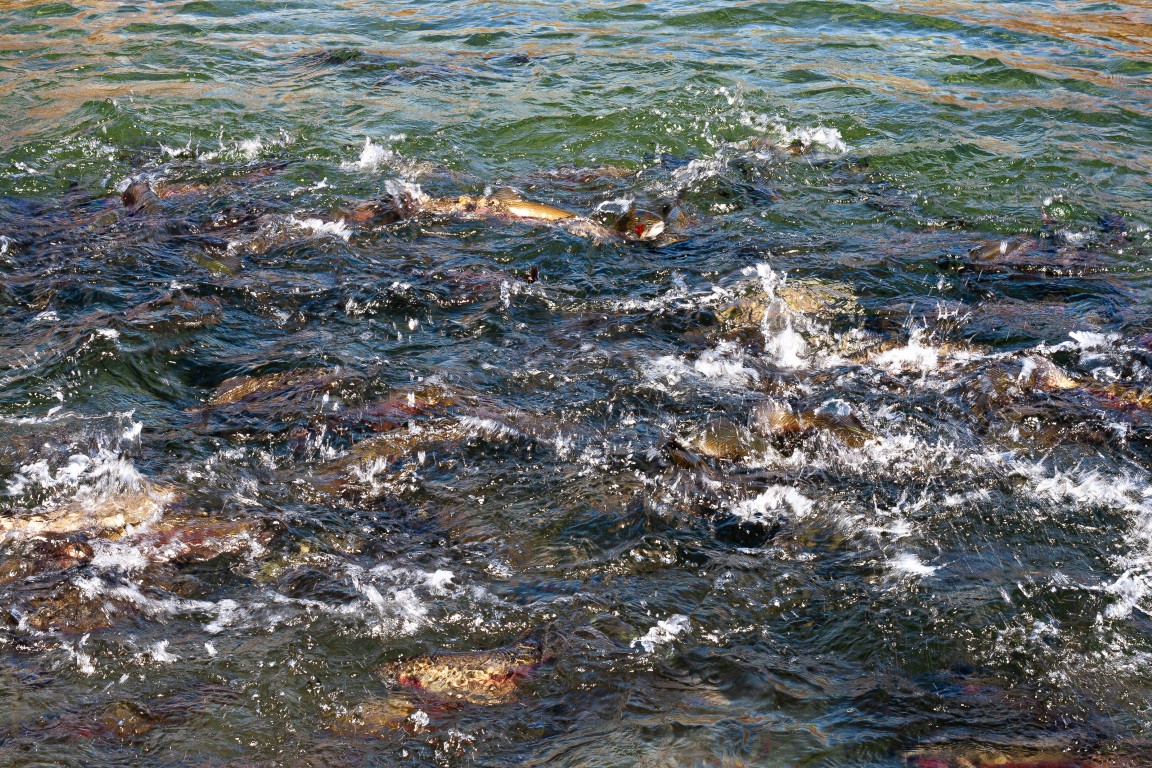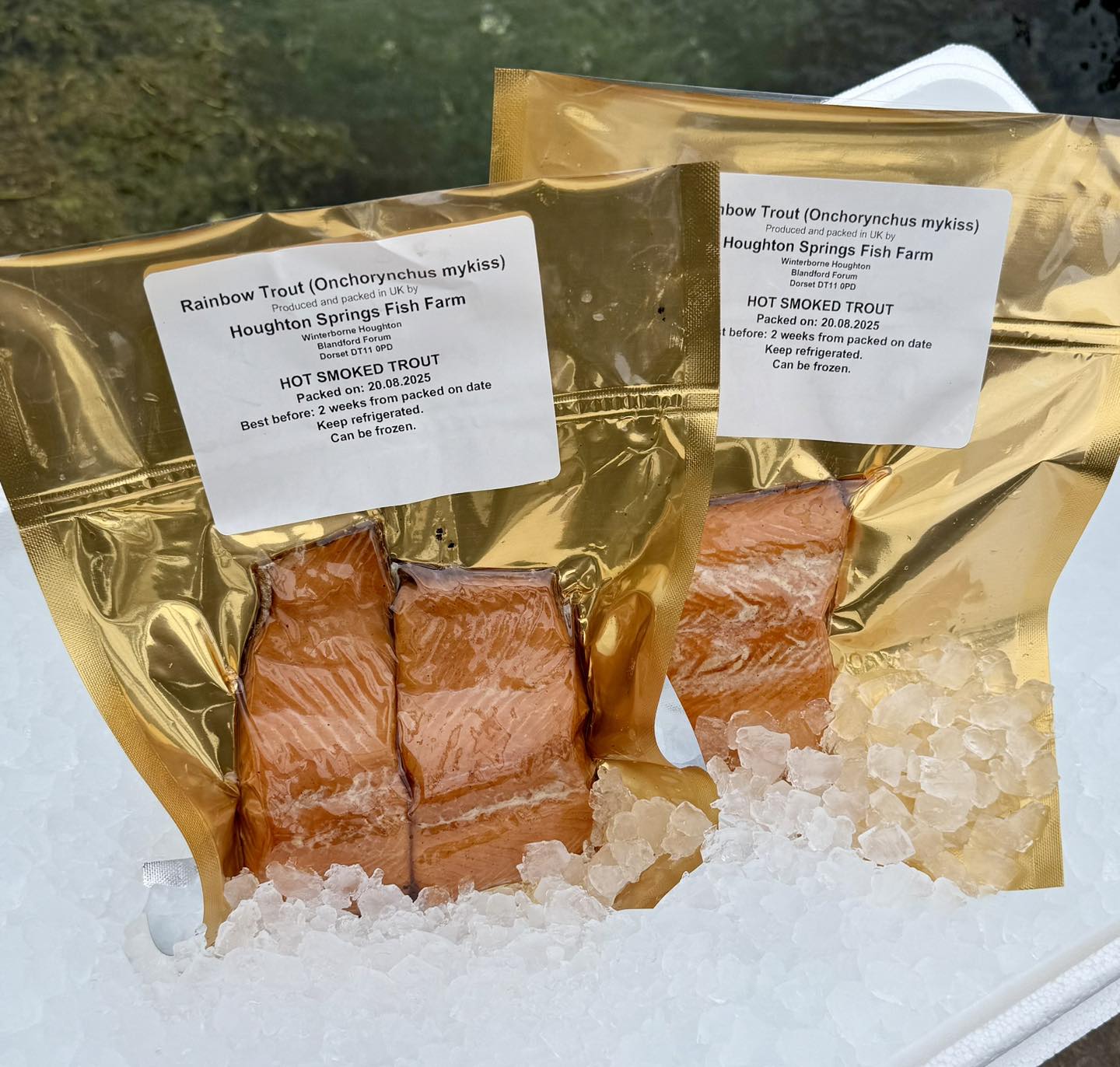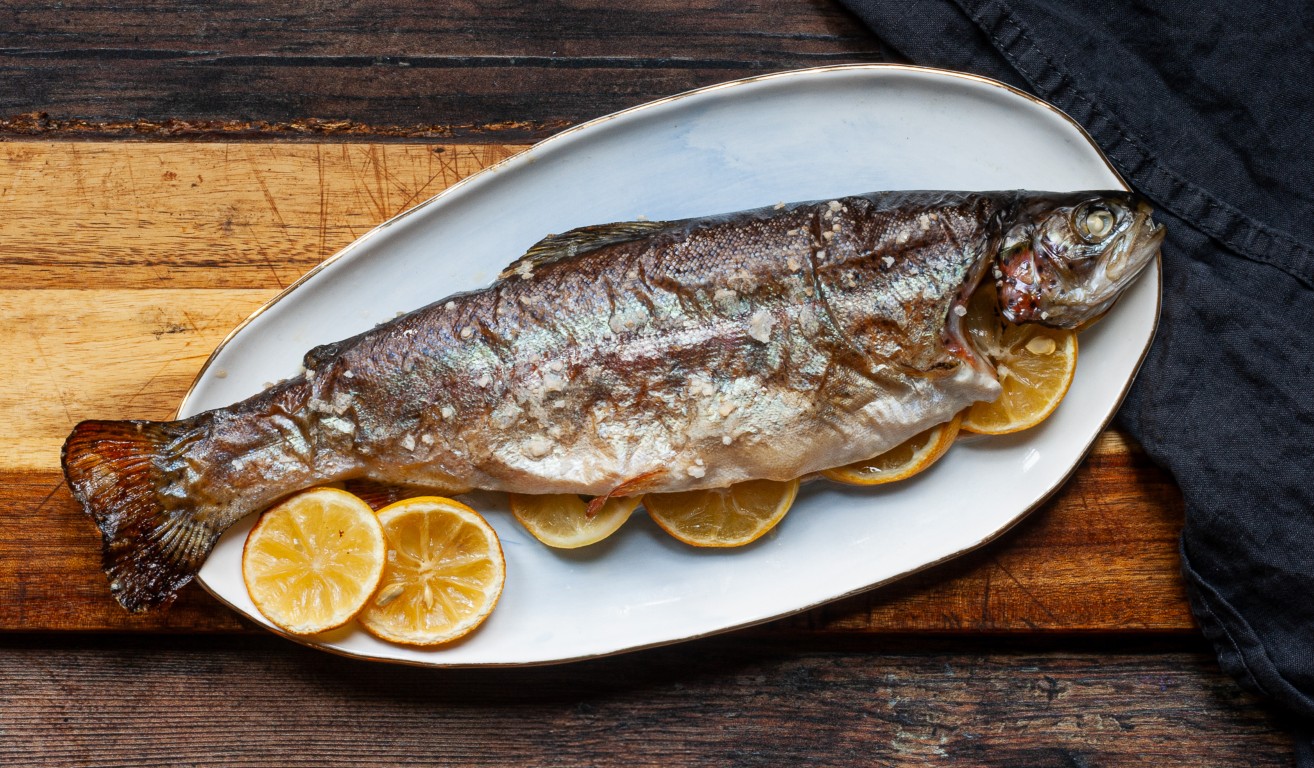
Understanding the history of trout farming in Dorset is essential for appreciating the rich heritage of this region and its connection to sustainable aquaculture. As local businesses and consumers increasingly seek locally sourced food, the story of trout farming provides insight into not only the methods used but also the values upheld by family-run farms like ours at Houghton Springs Trout Farm.
The Origins of Trout Farming in Dorset
Trout farming in Dorset can be traced back several centuries, with its roots deeply embedded in the region’s natural landscape. The presence of clean, fresh spring water has always been a vital factor, as it provides the perfect environment for raising trout. Early fish farming was often associated with monastic communities, where monks cultivated fish as a source of food during fasting periods. Over time, this practice evolved, leading to the establishment of more structured farming methods.
The Development of Modern Trout Farming Techniques
As the demand for trout increased throughout the 20th century, innovative farming techniques were introduced. Early methods focused primarily on wild catch, but with the decline of natural fish stocks, the need for sustainable practices became apparent. This led to the rise of trout farming, where controlled environments ensured a steady supply of fish while reducing pressure on wild populations.
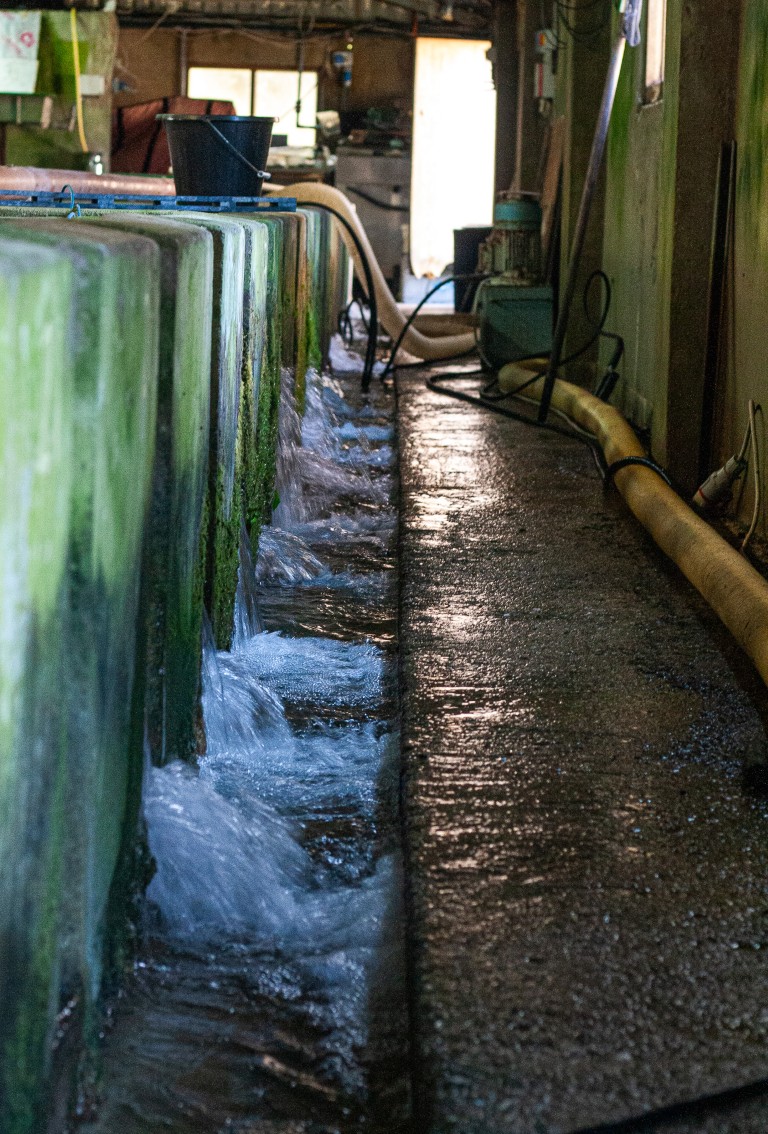
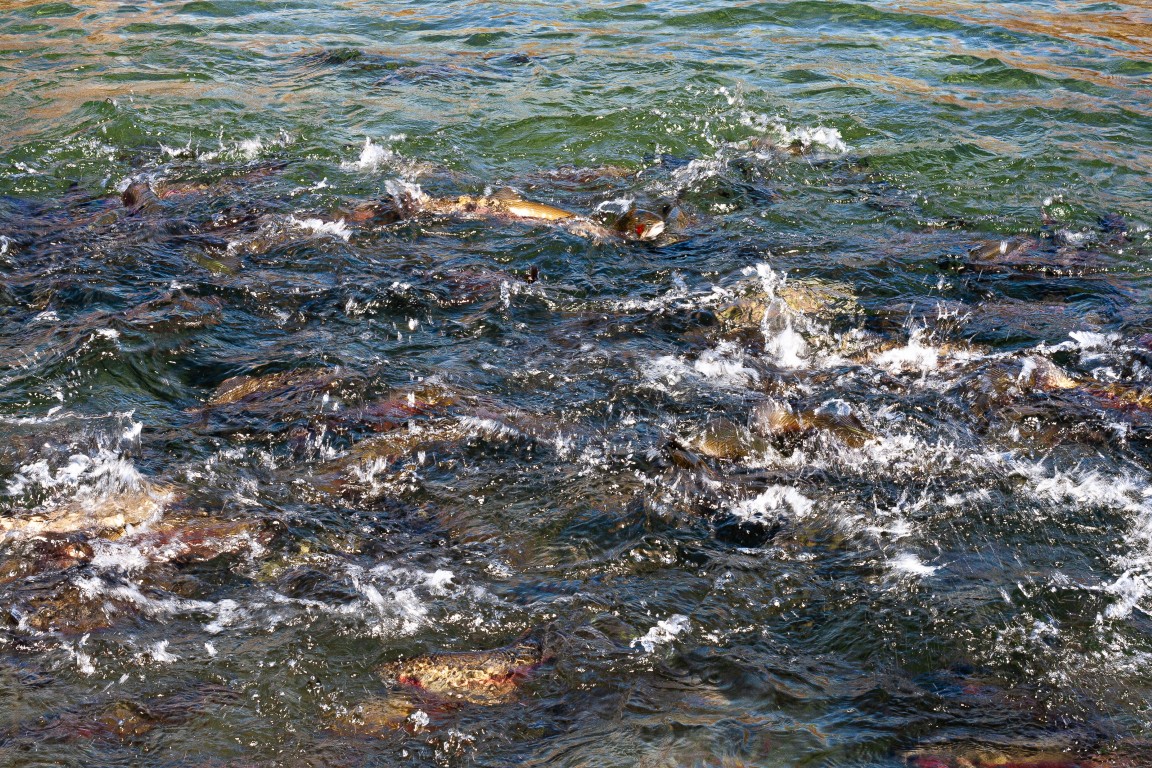
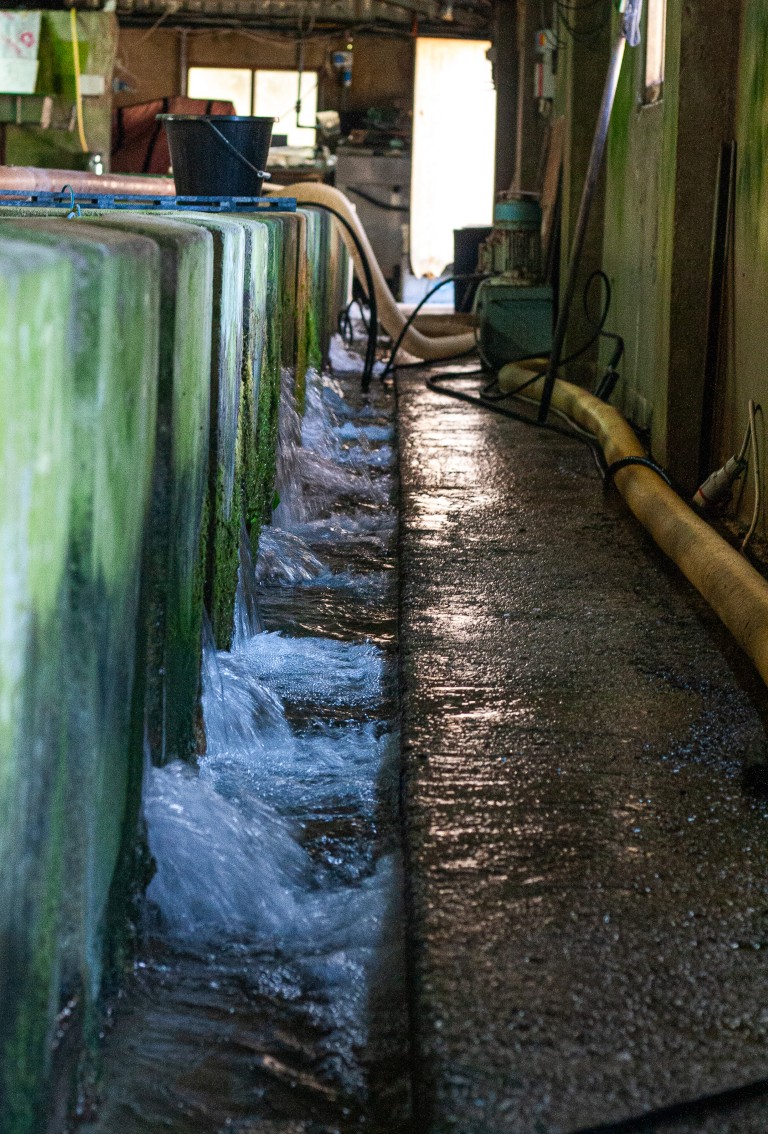
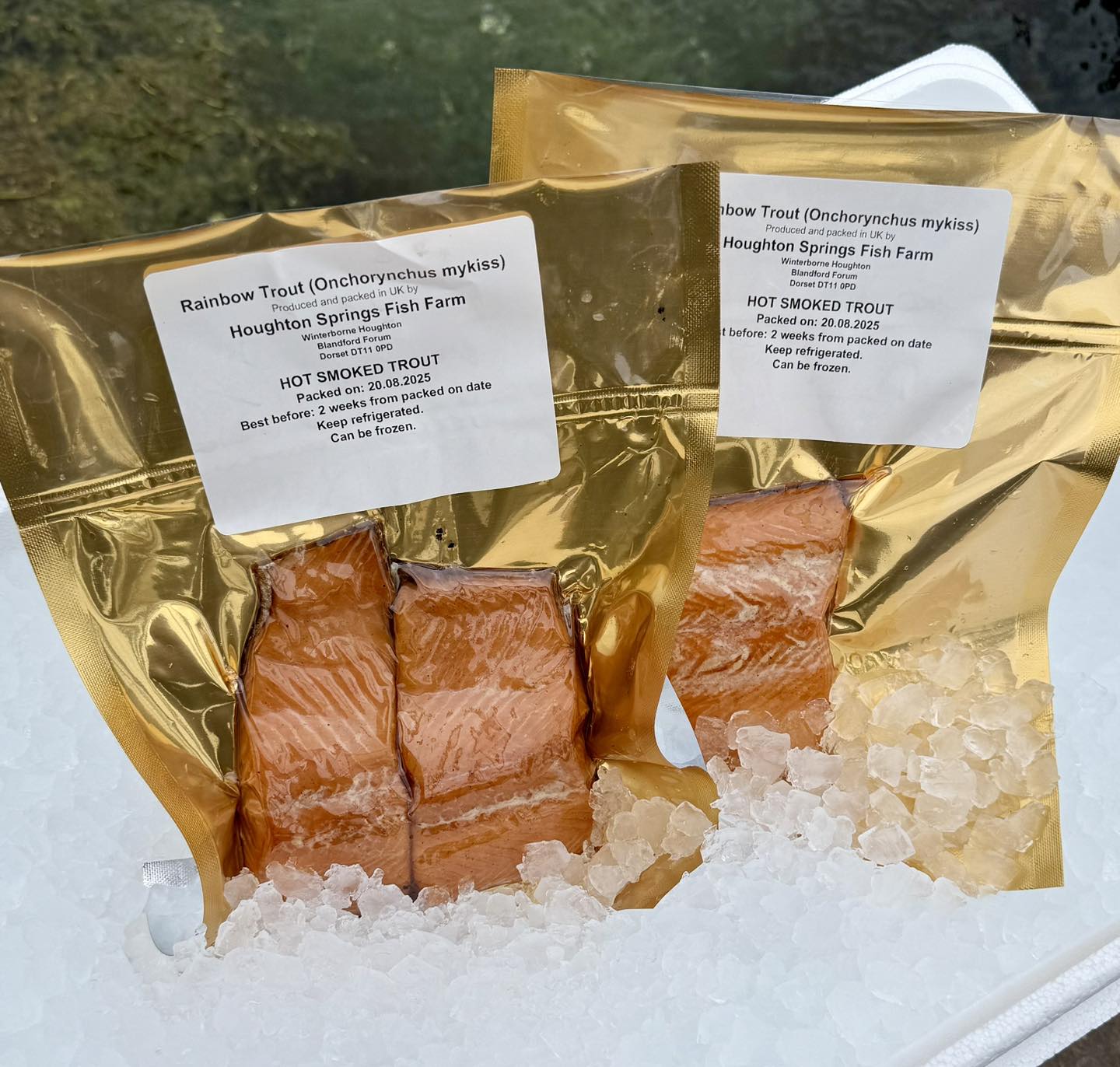
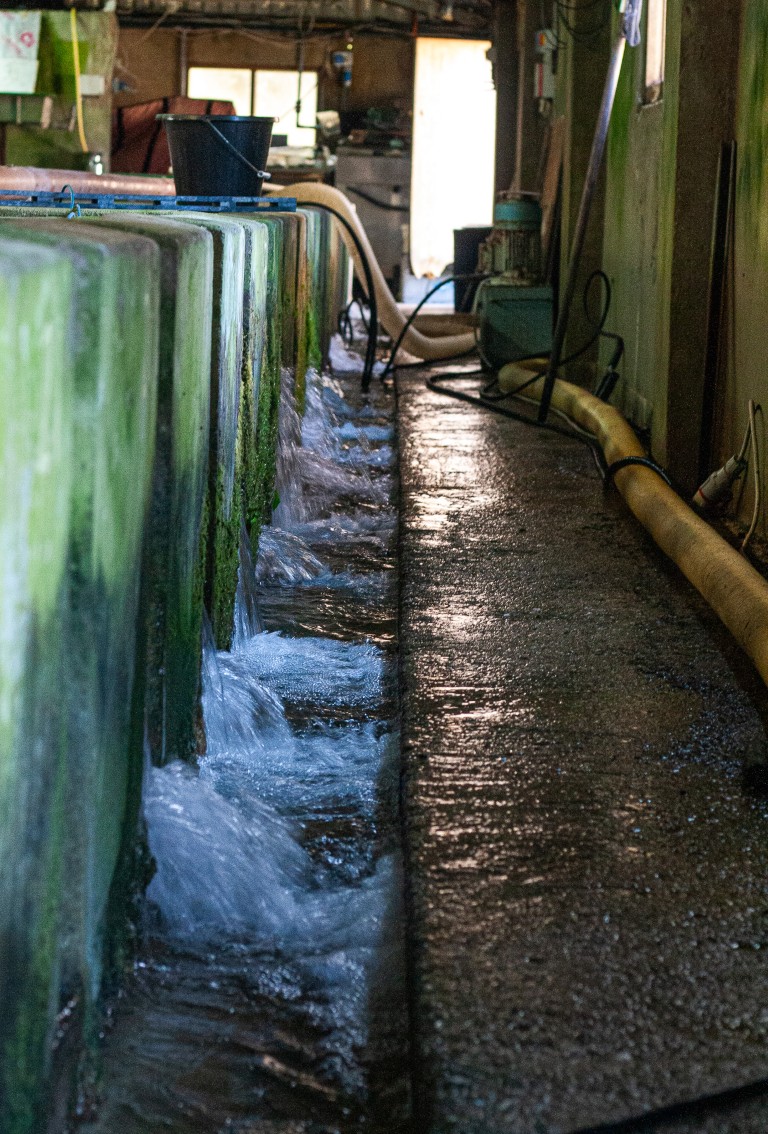
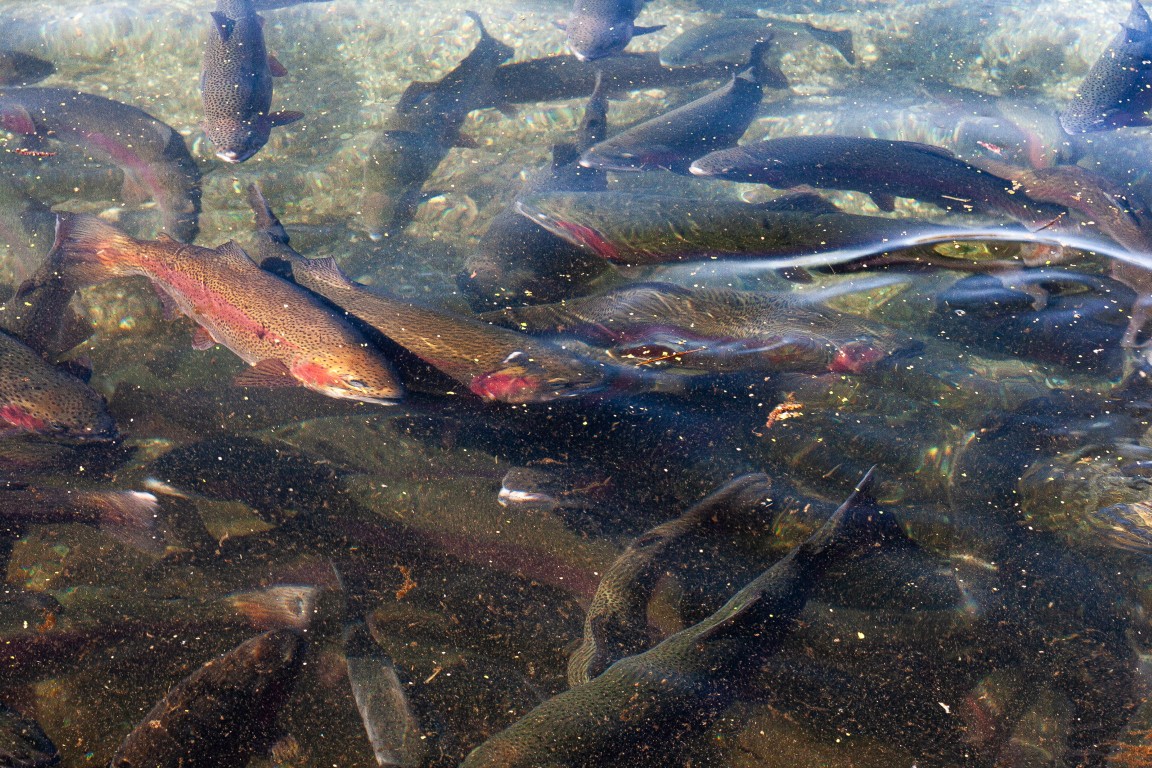
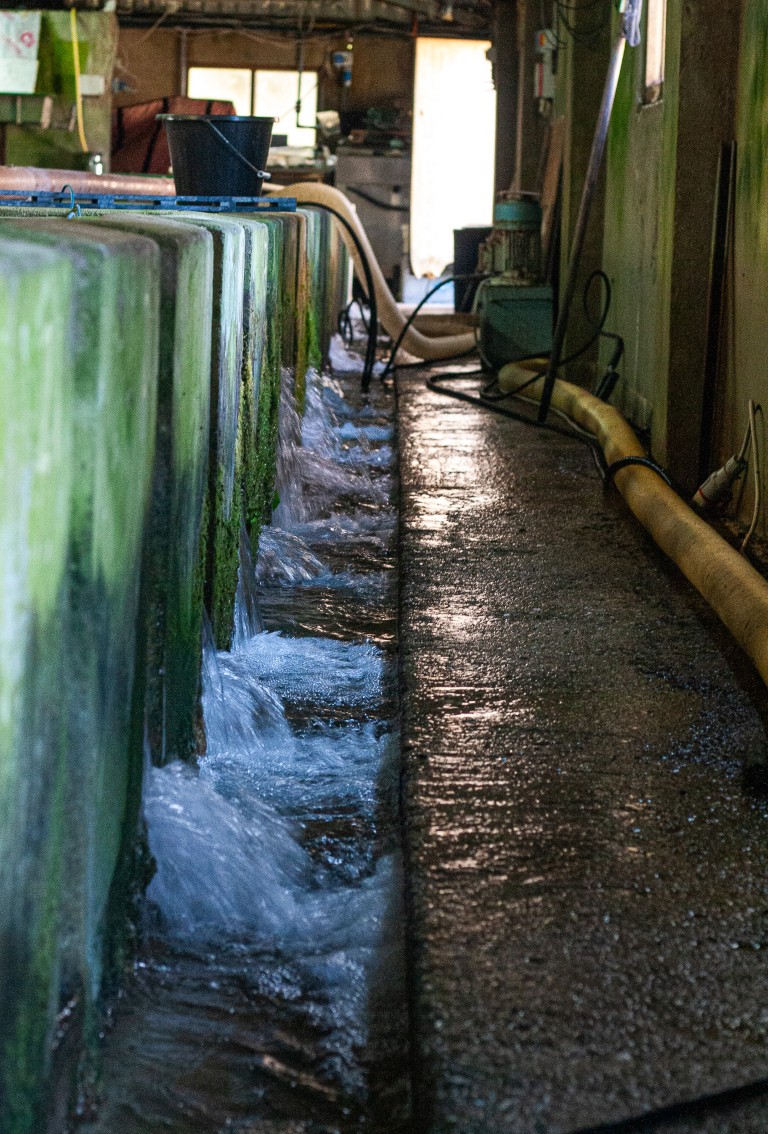
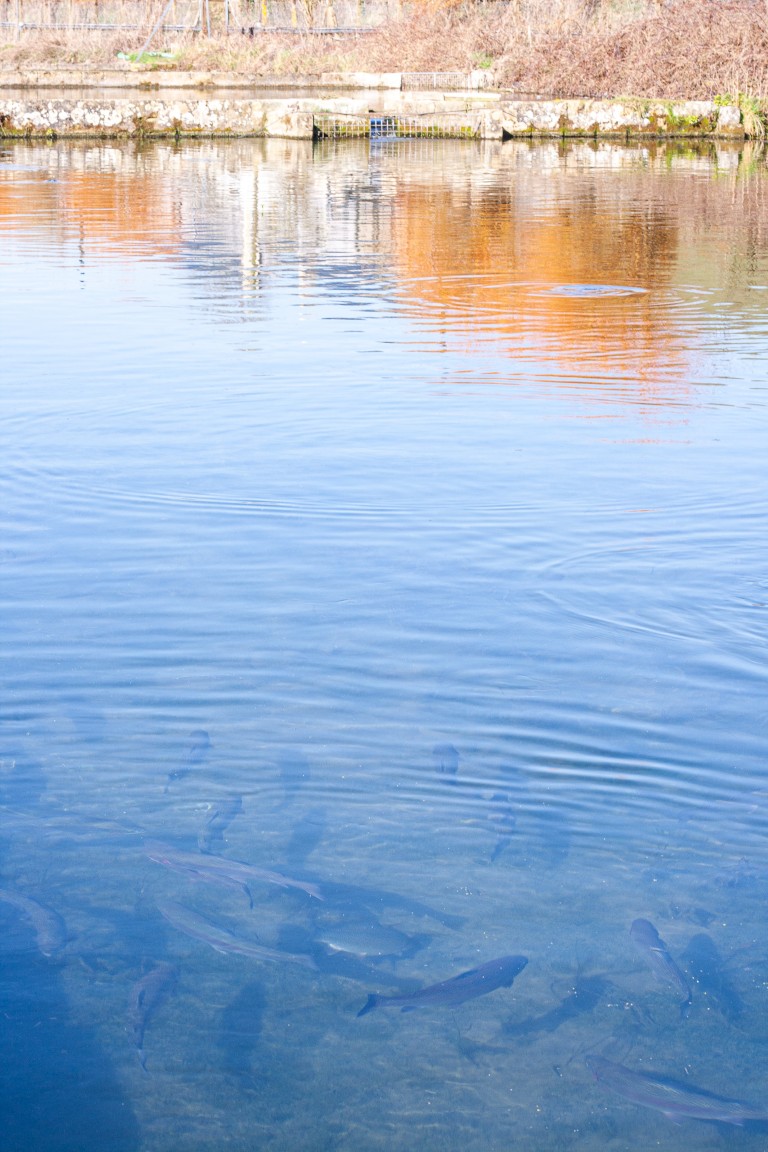
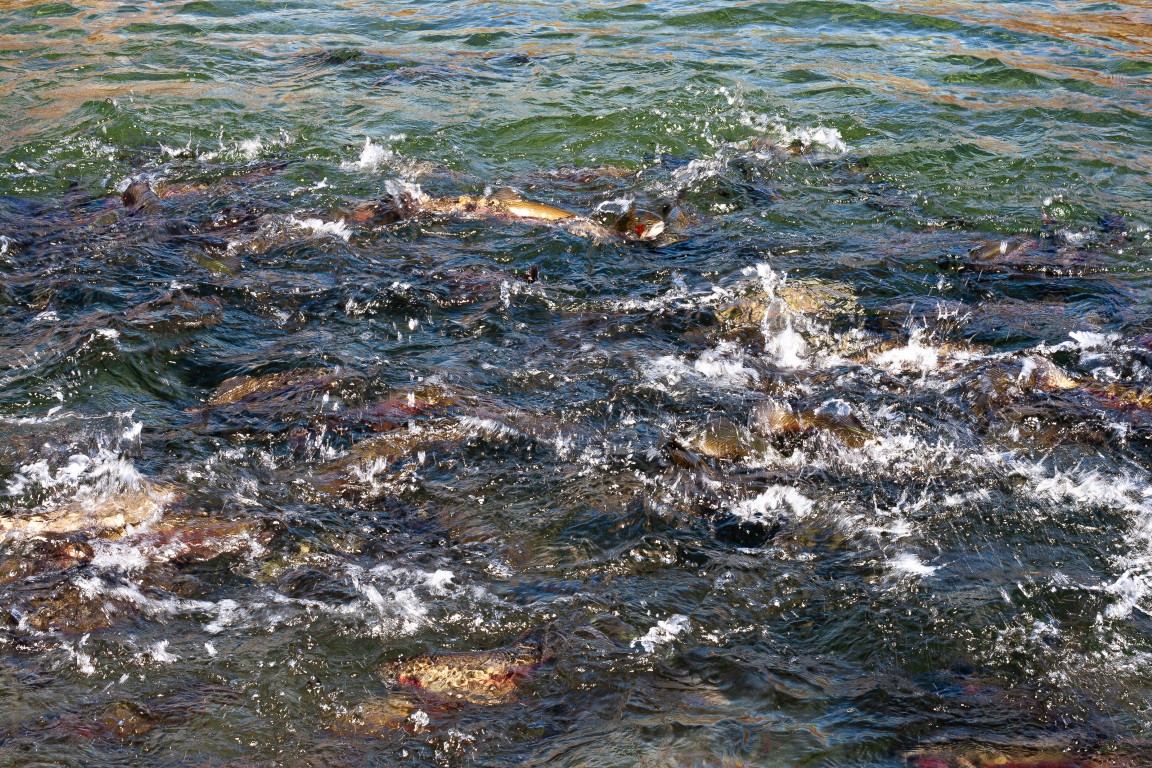
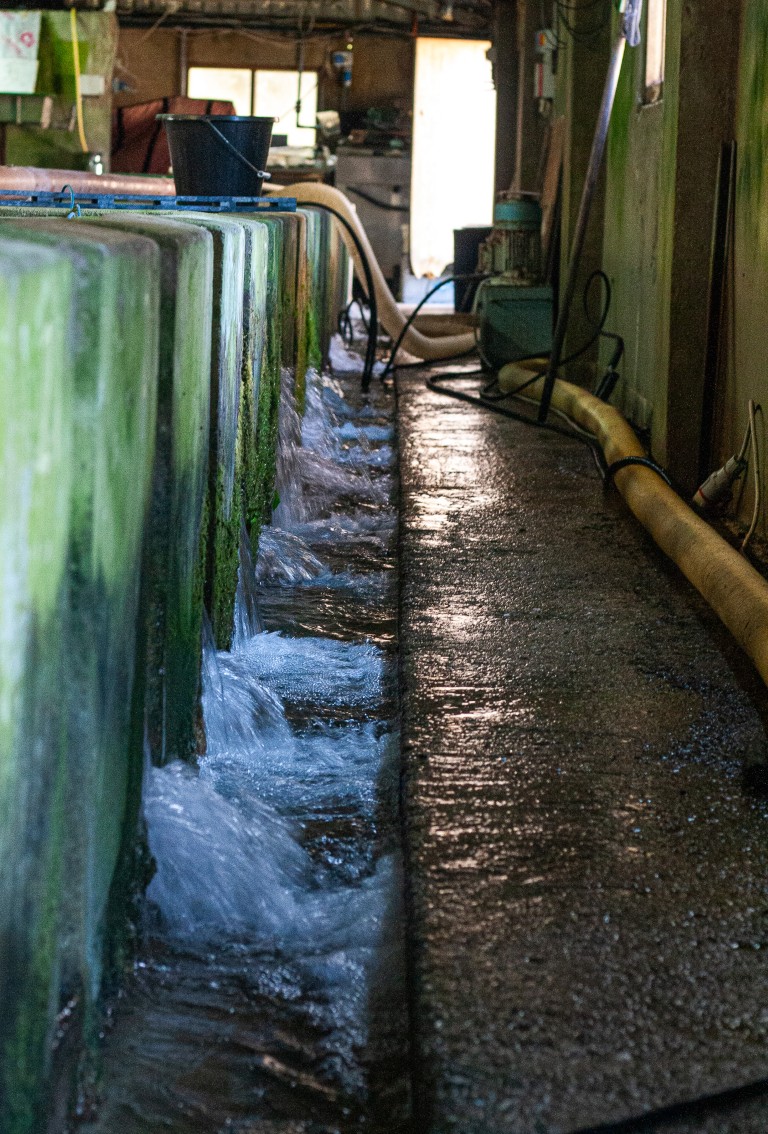
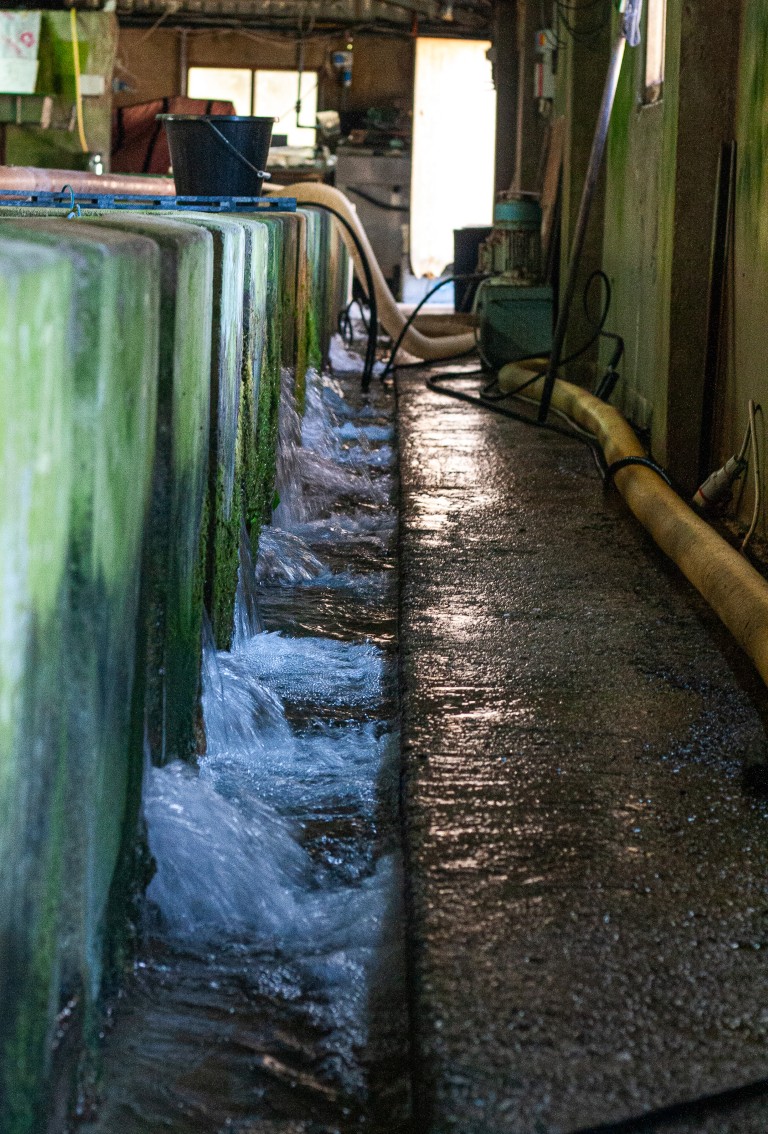
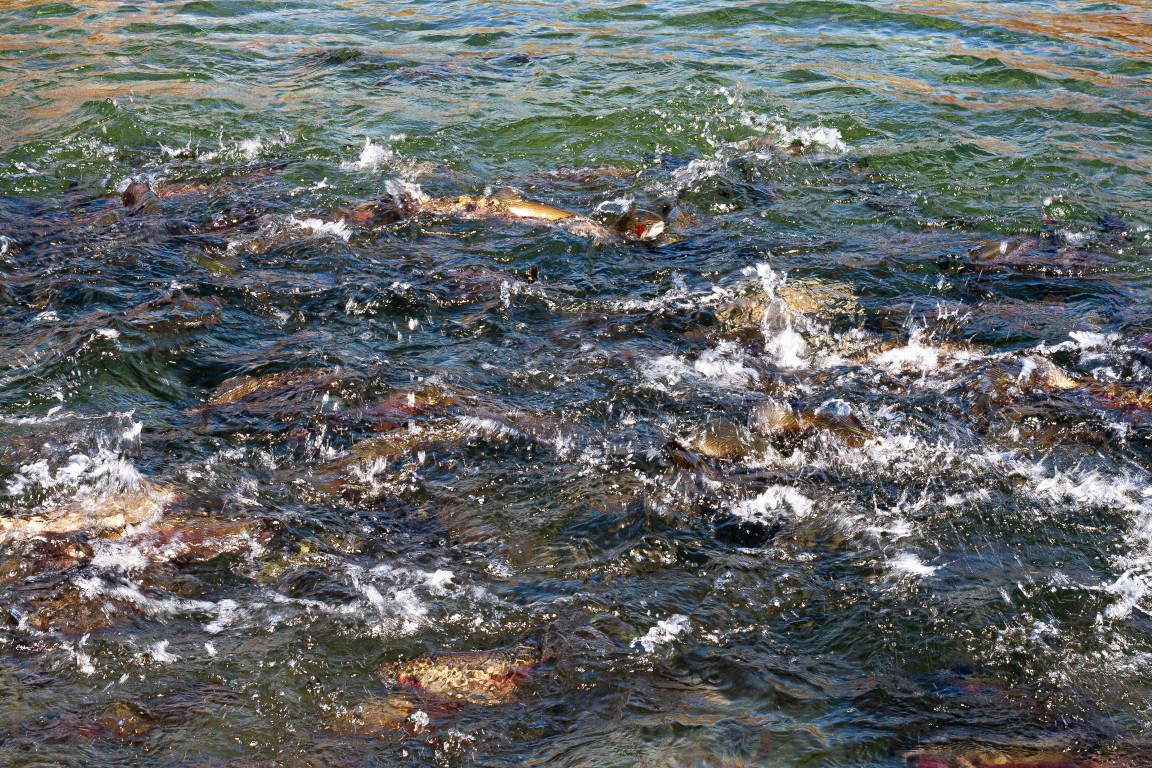
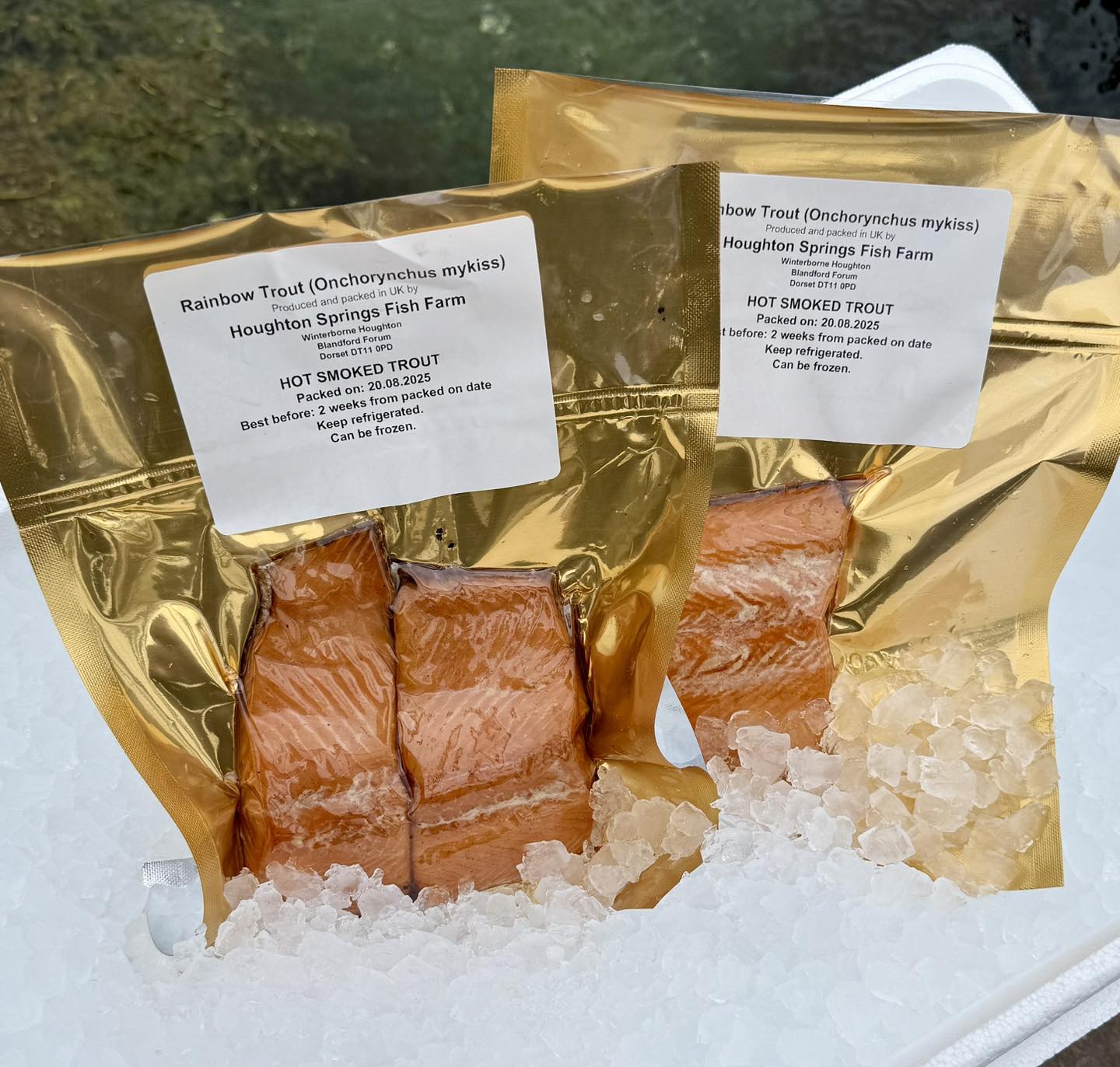
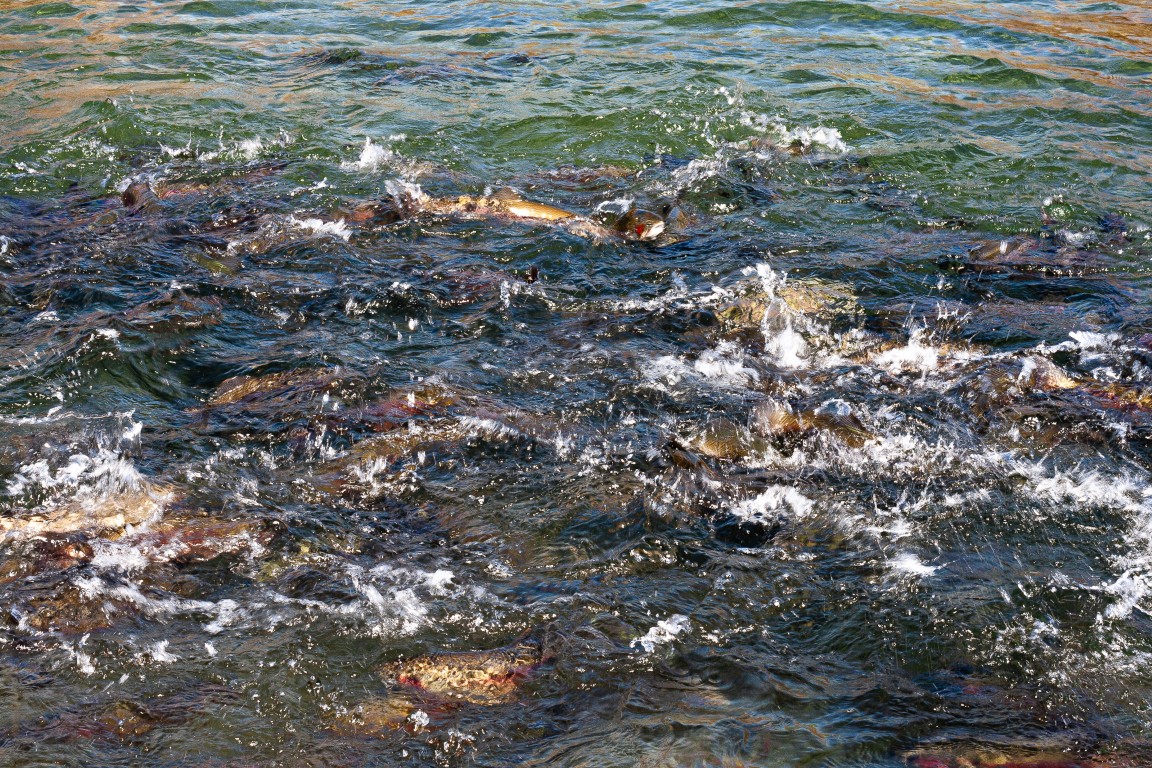
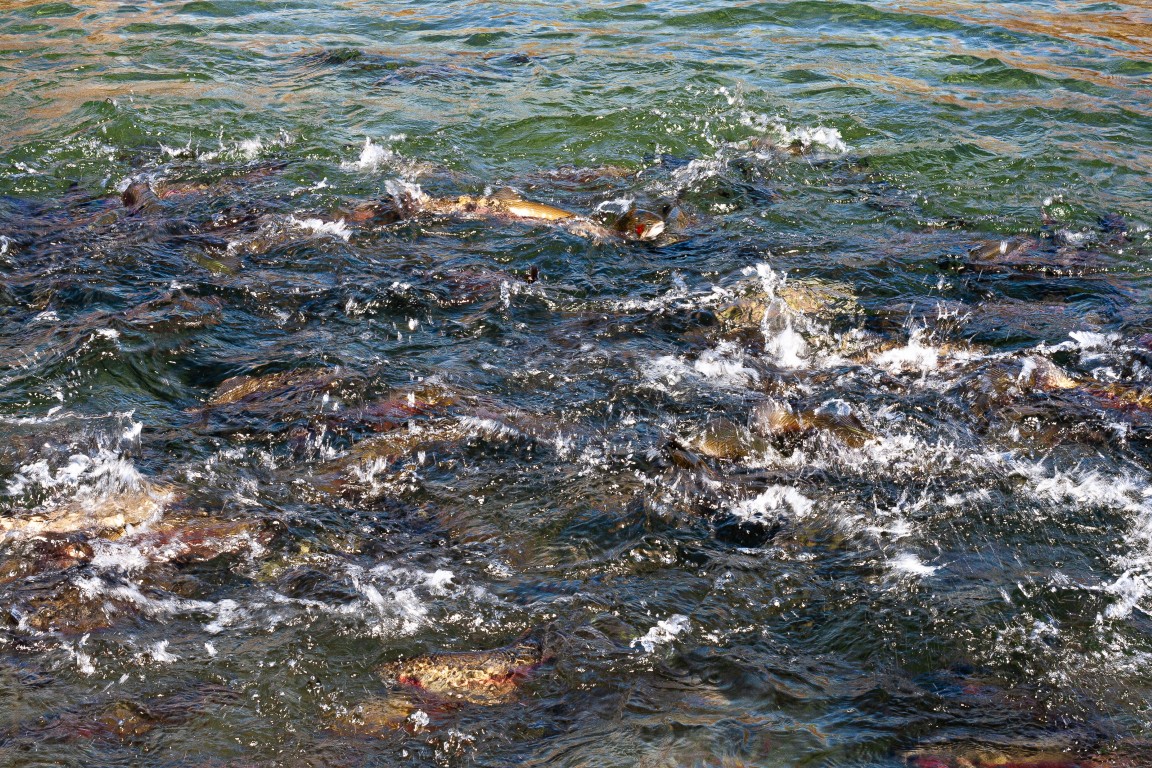
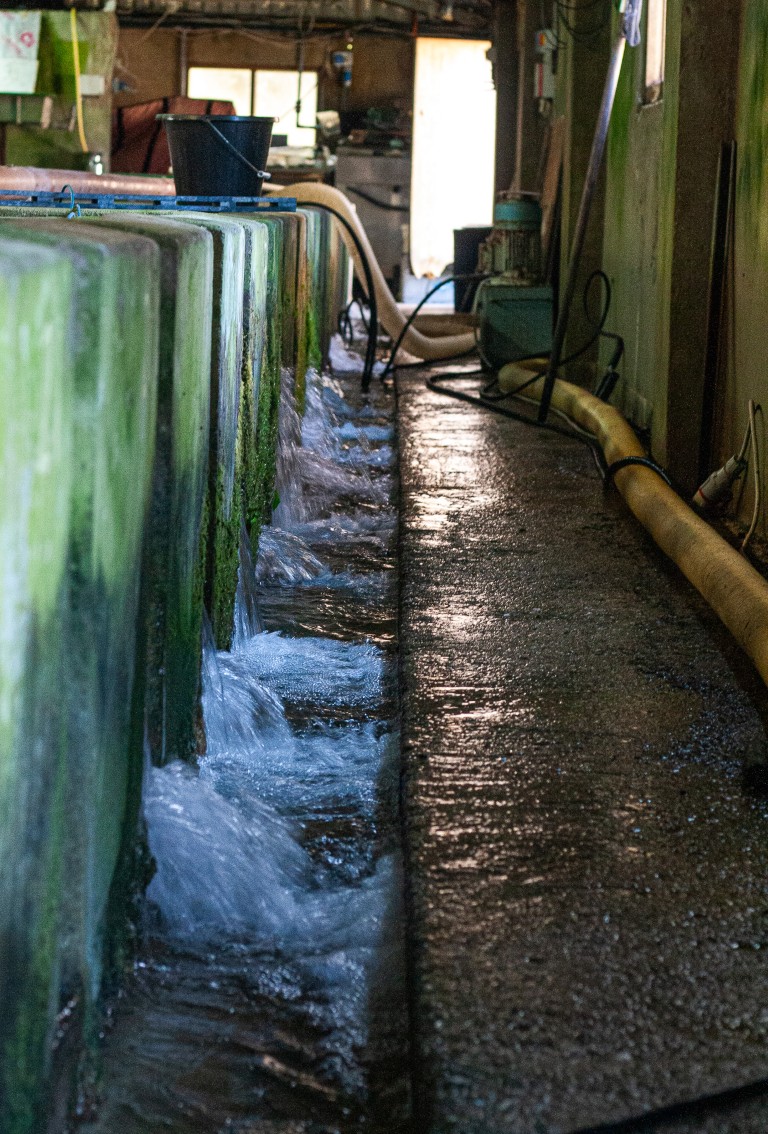
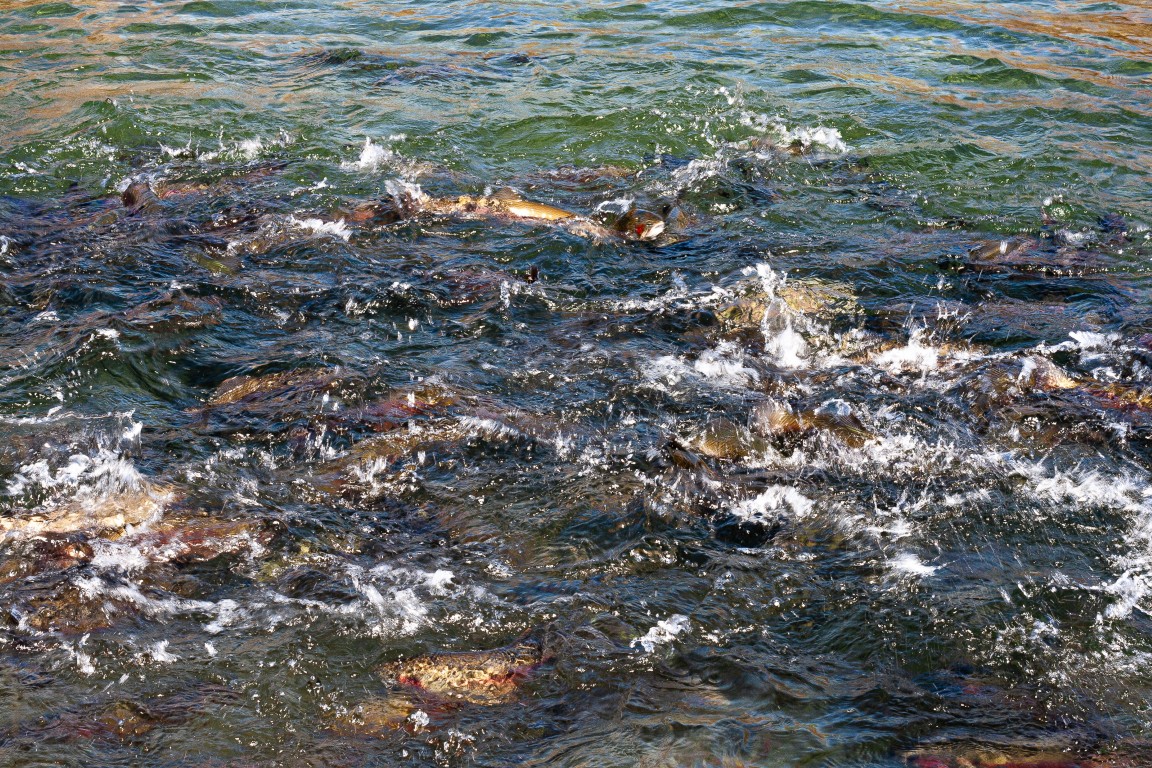
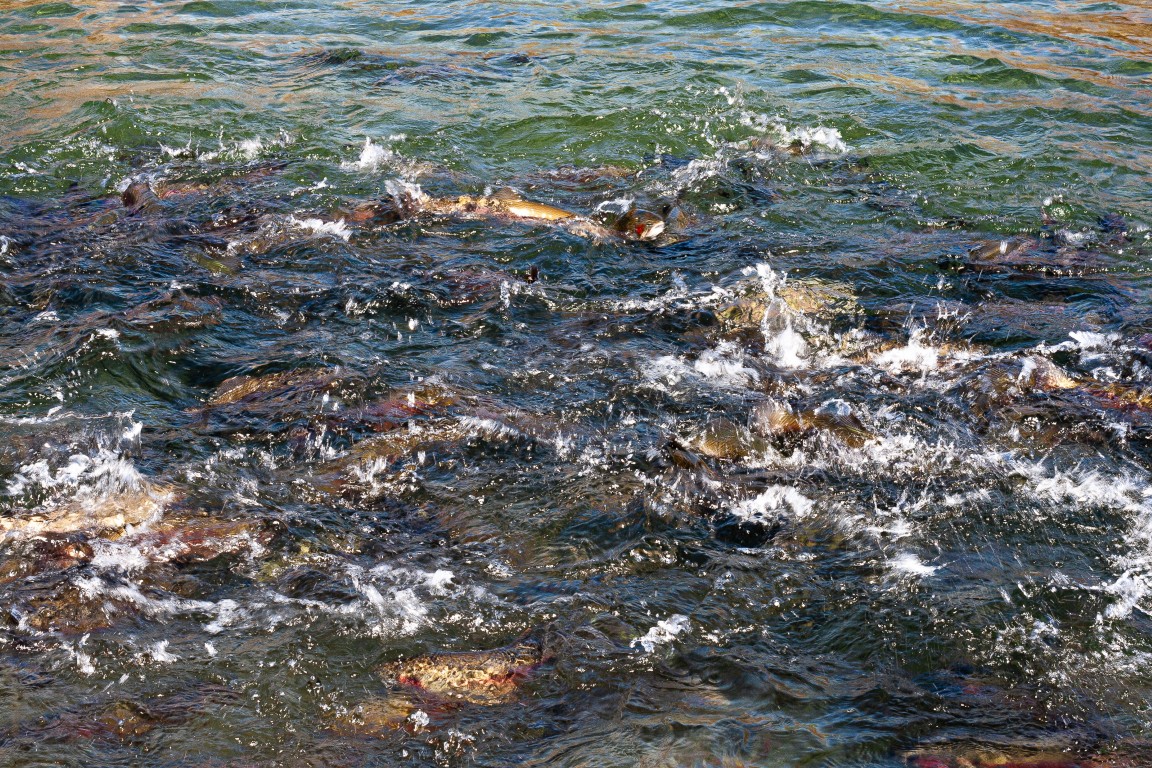
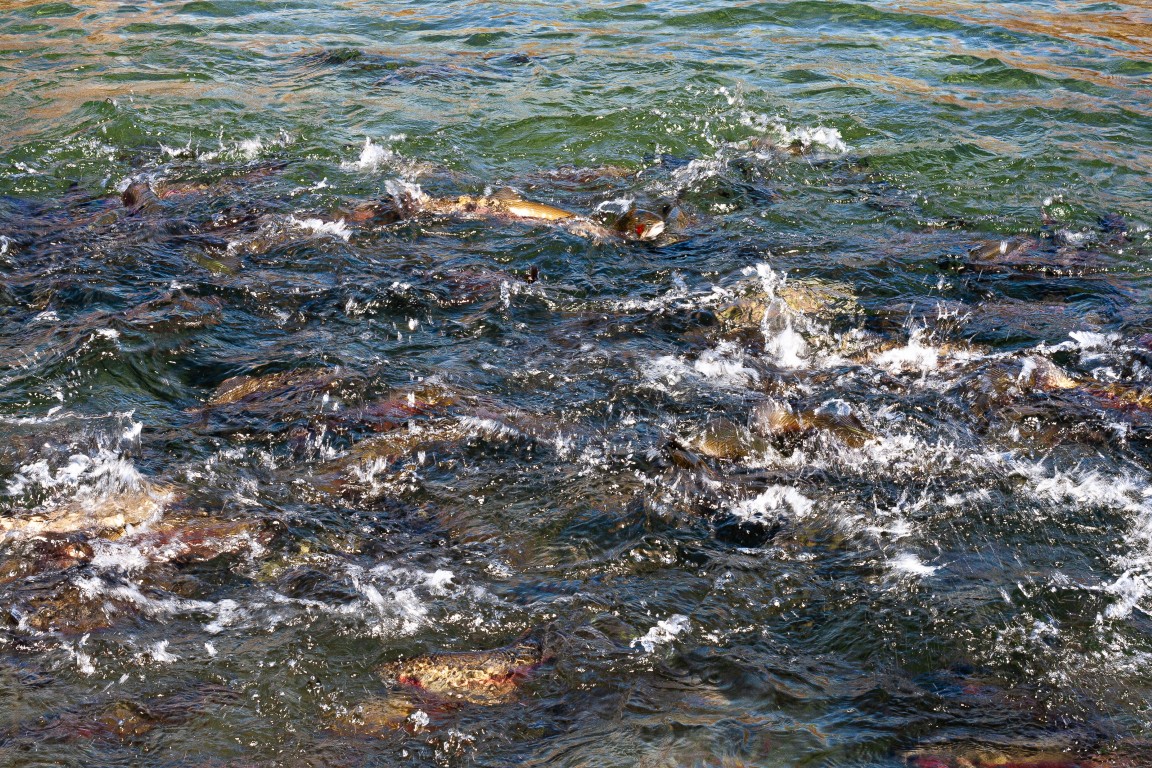
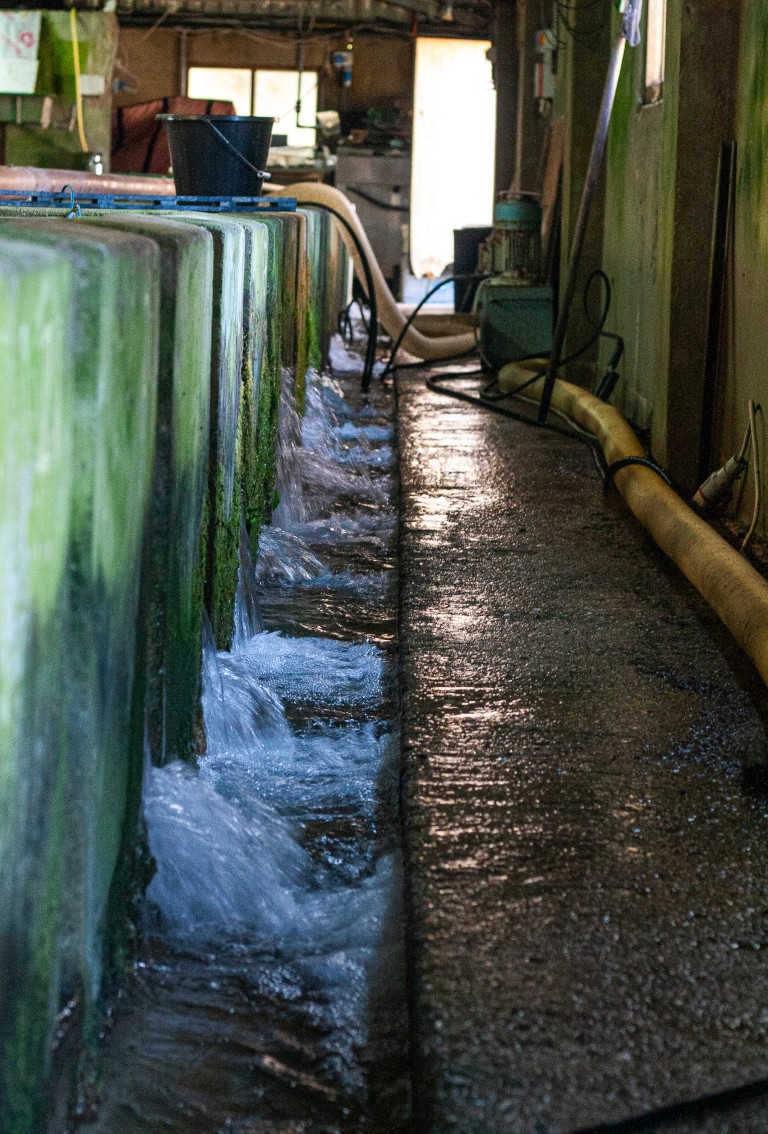
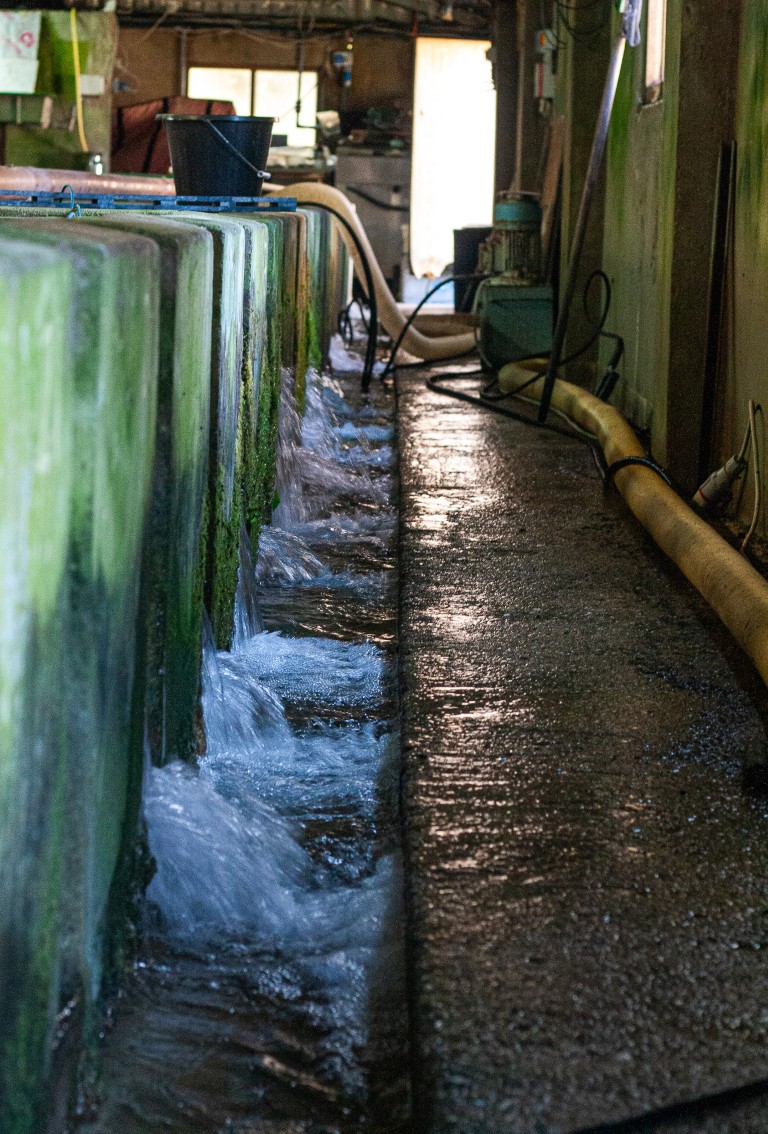
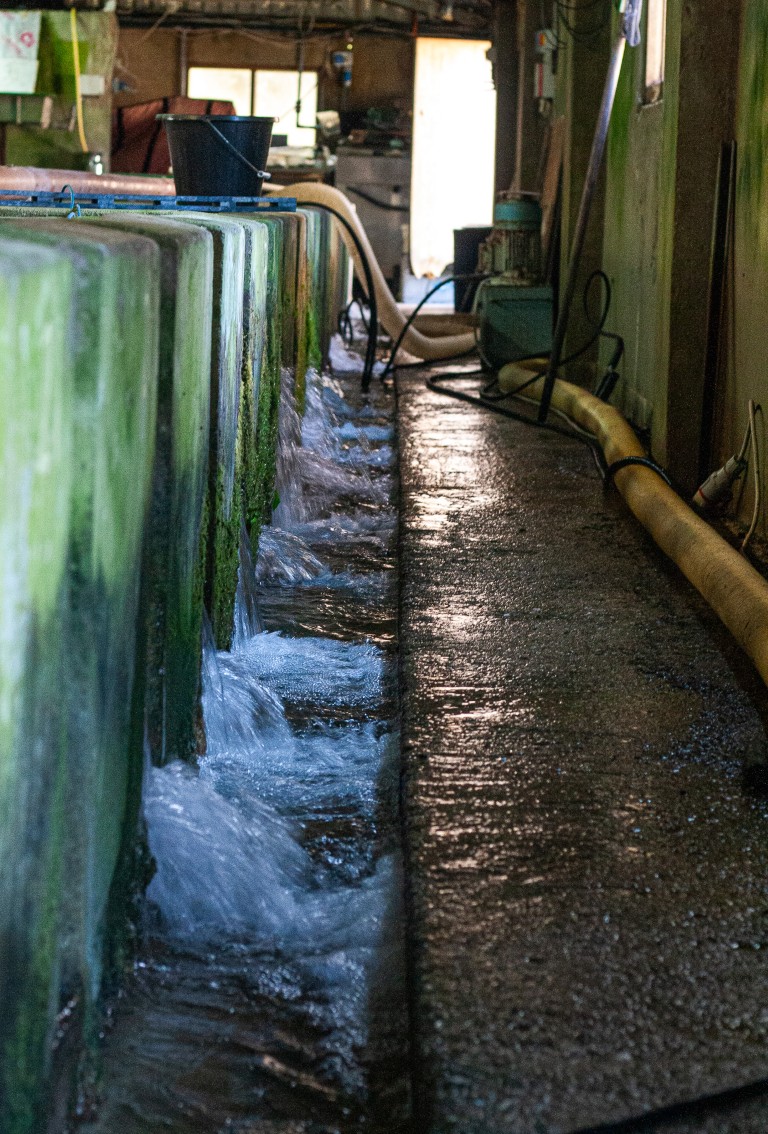
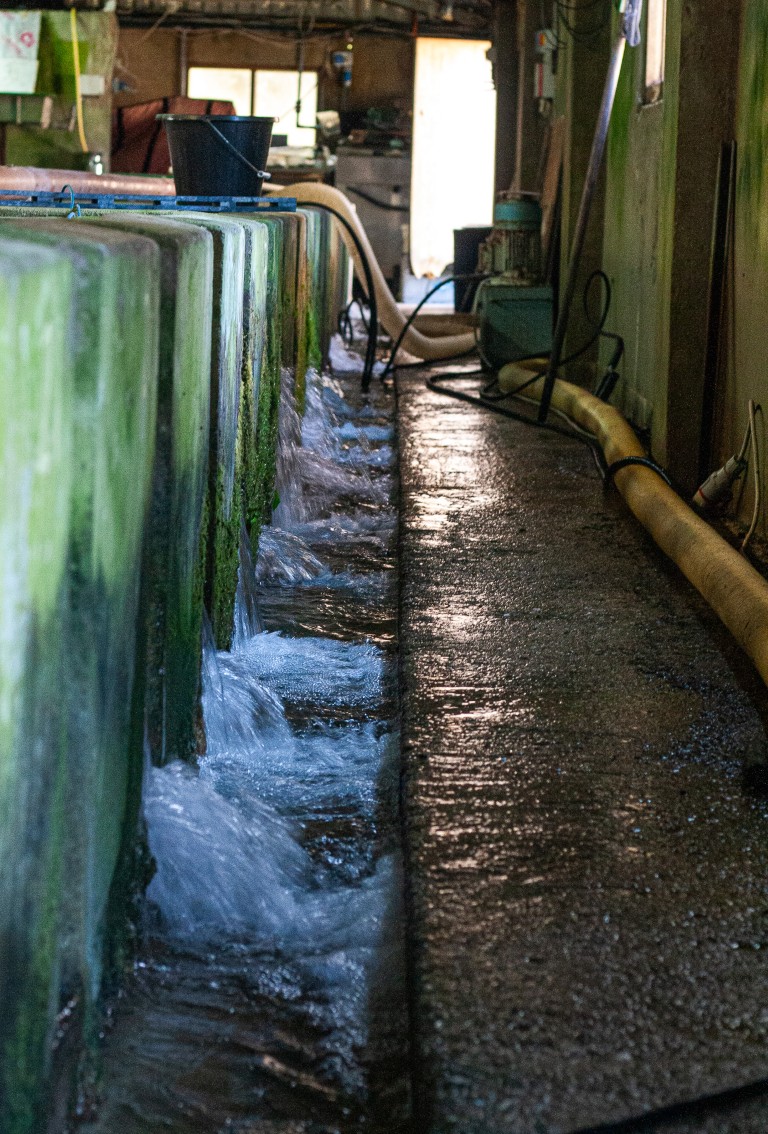
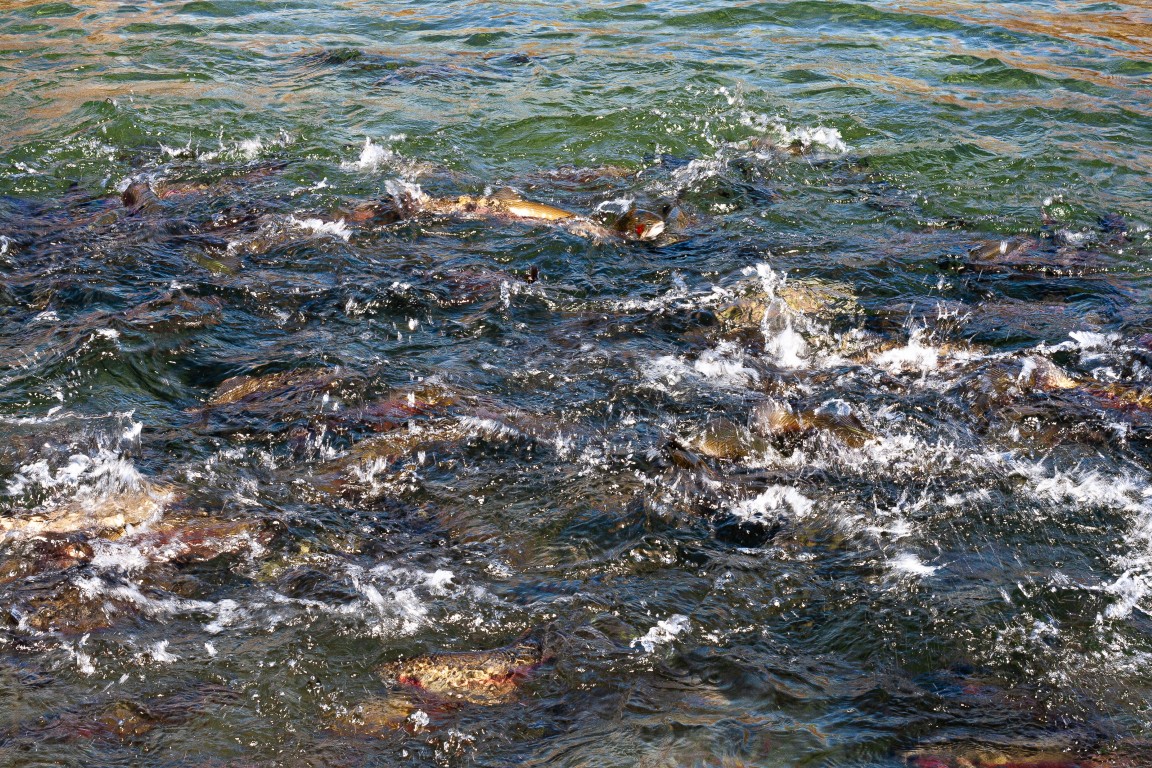
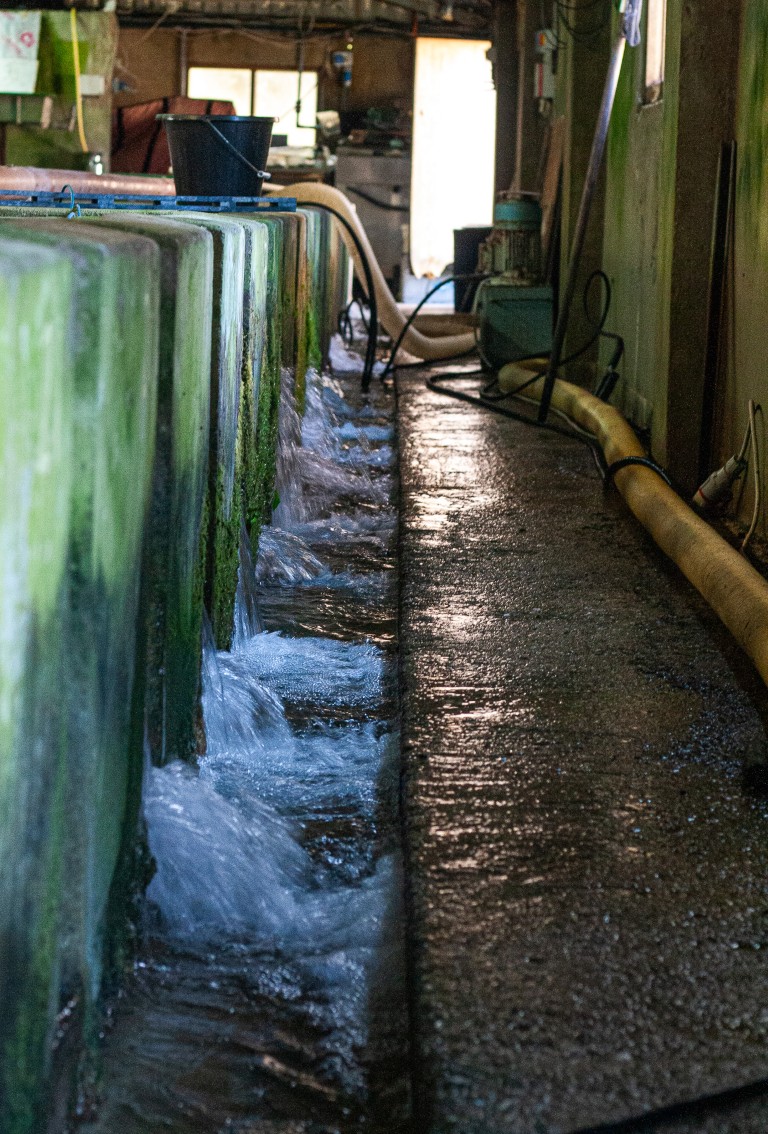
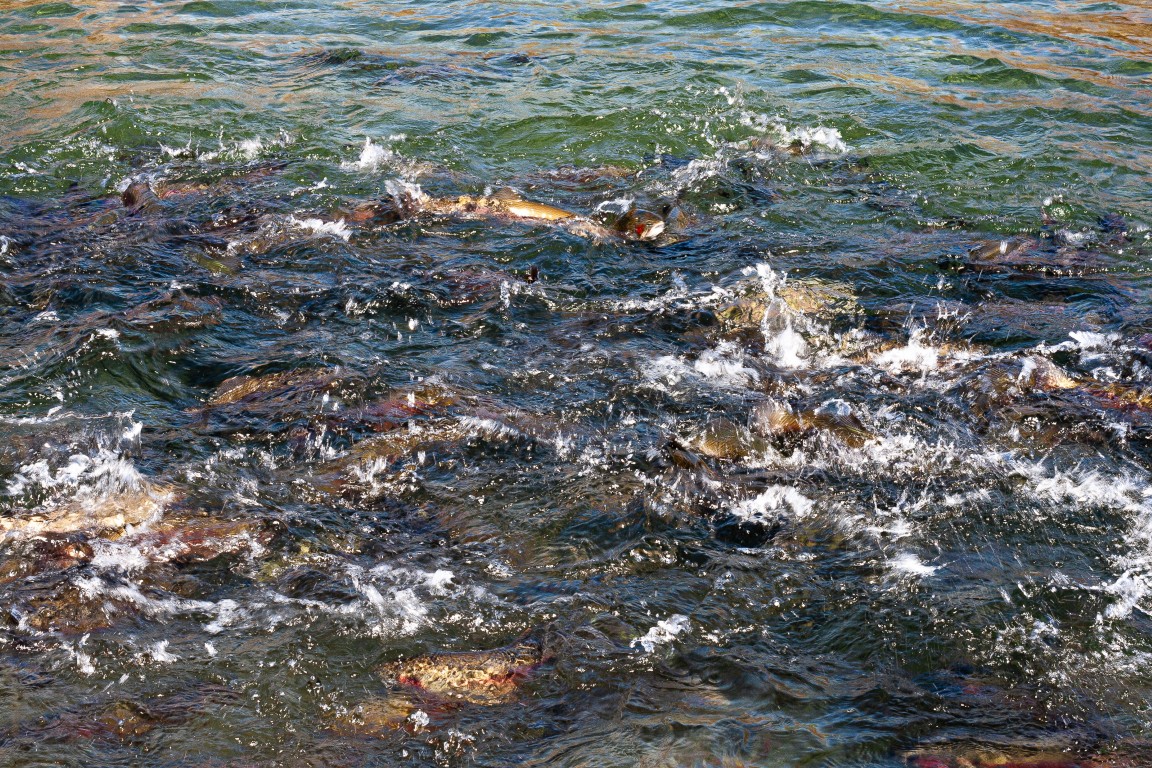
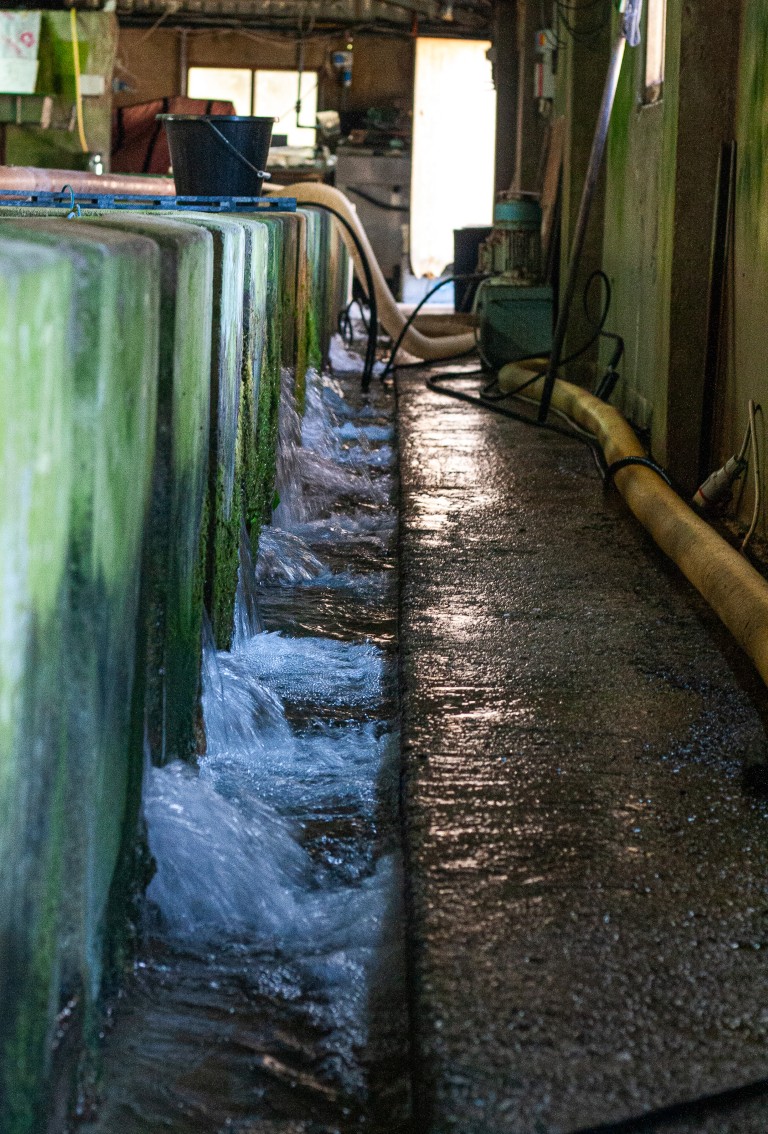
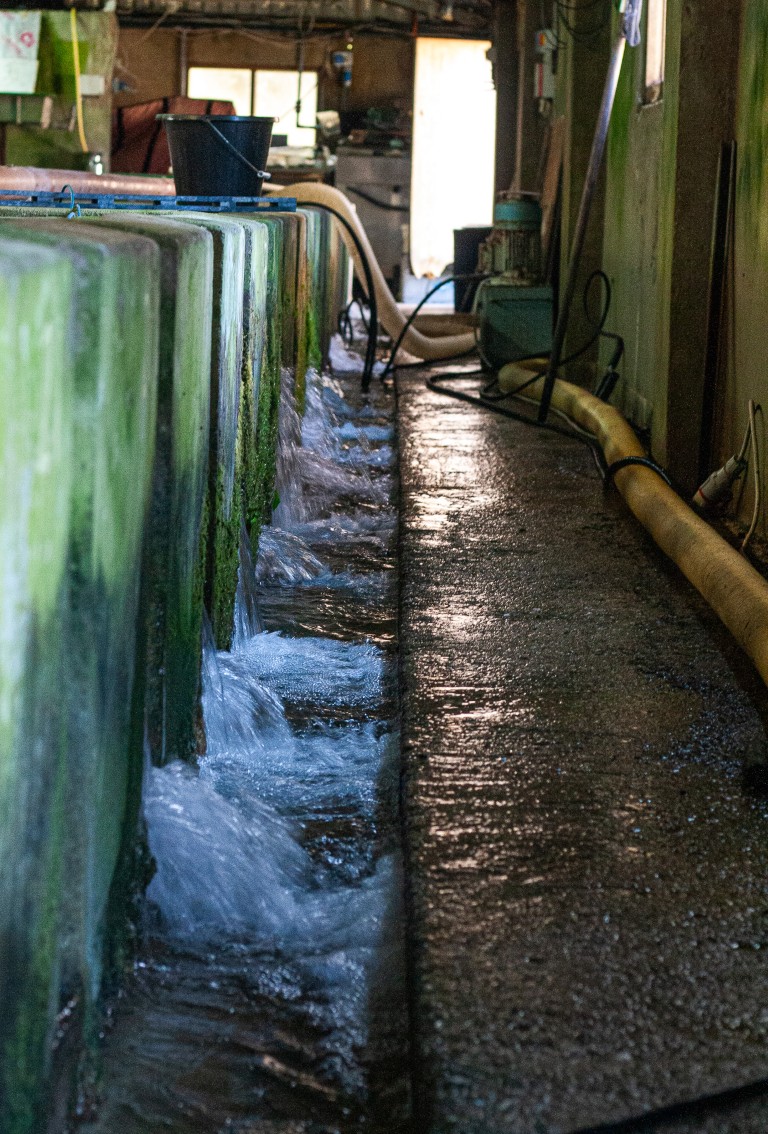
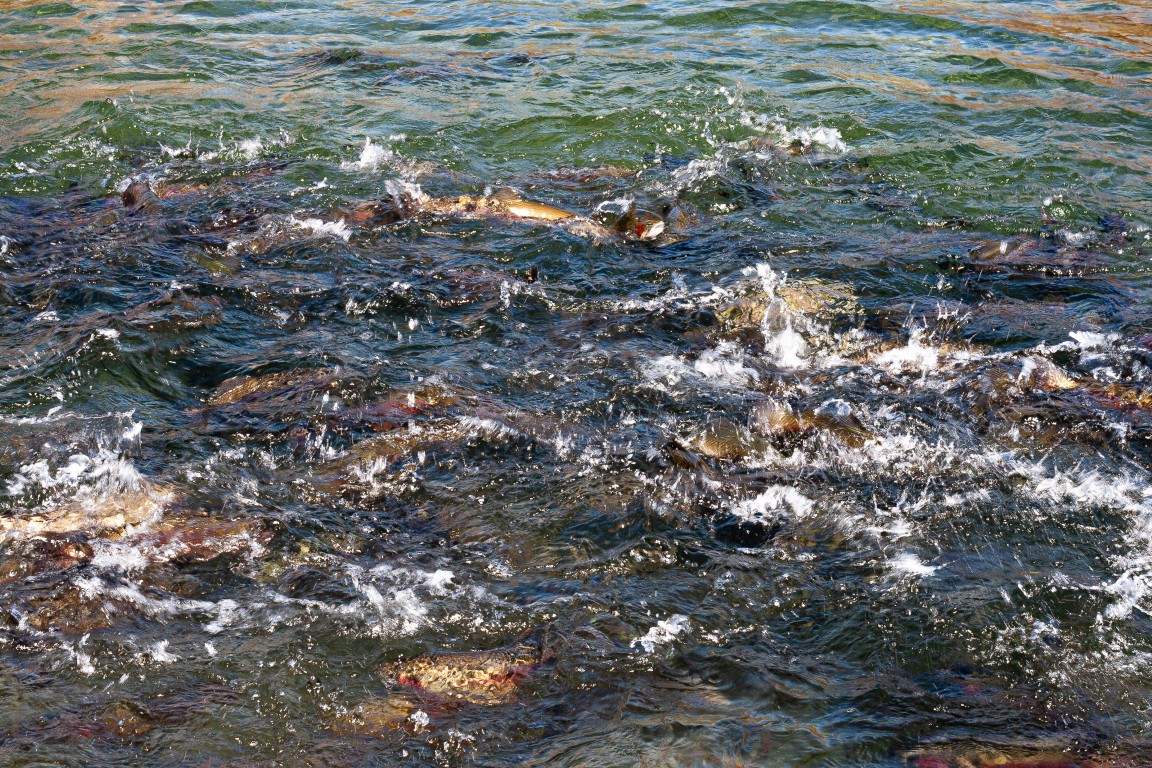
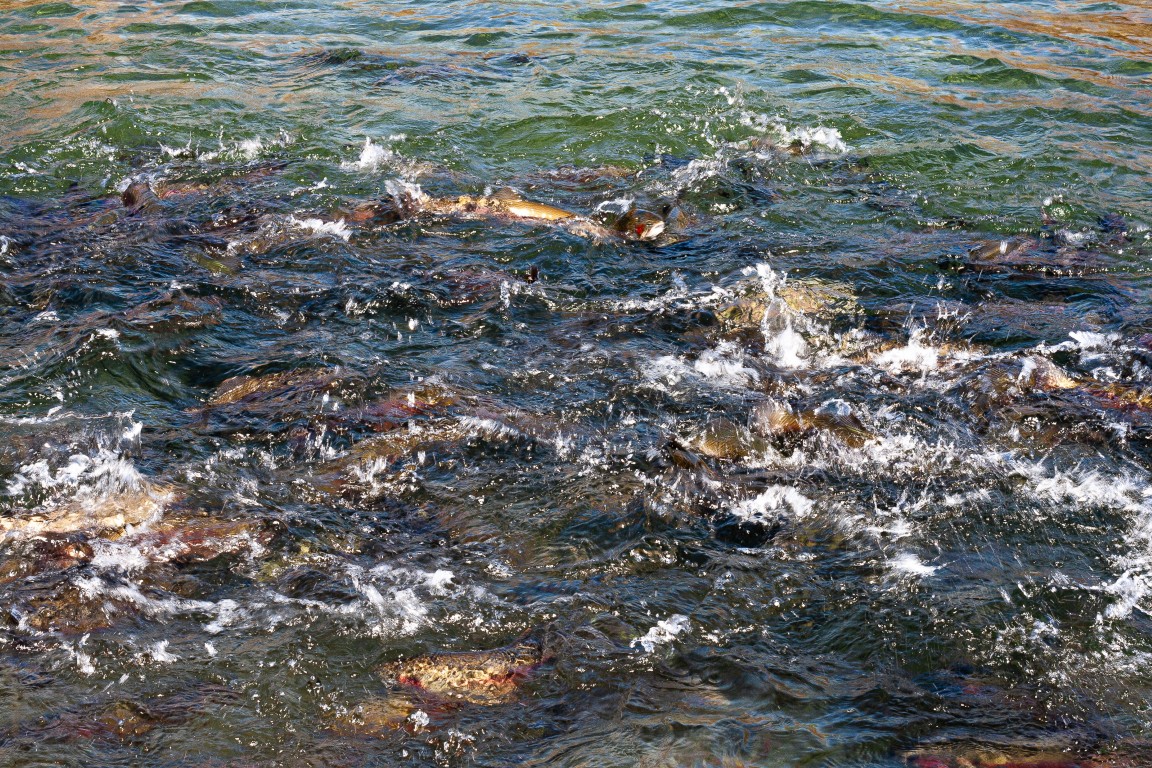
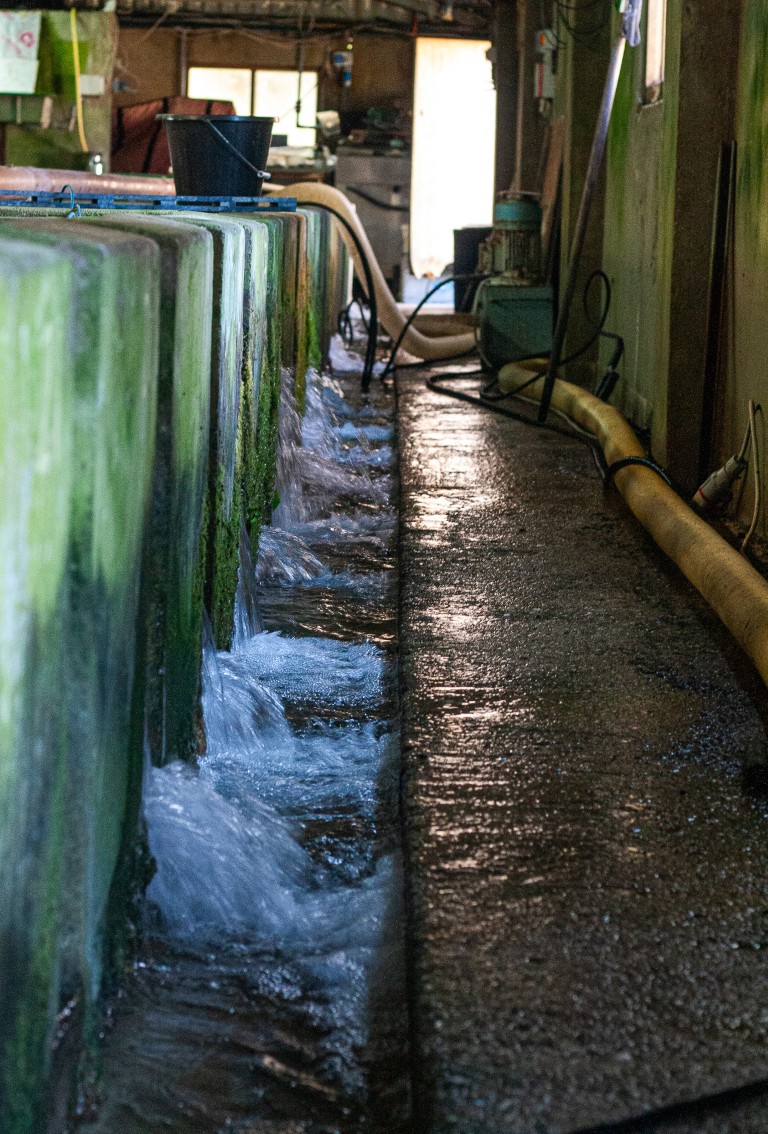
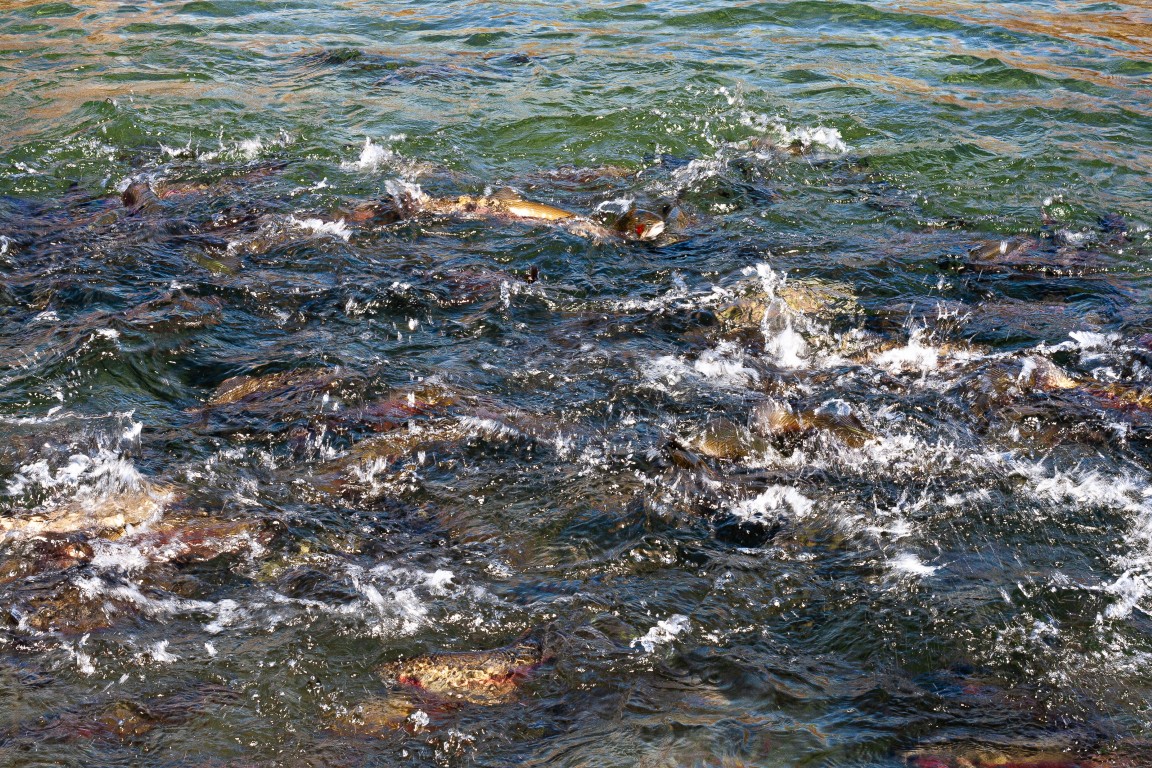
At Houghton Springs, we take pride in using traditional methods combined with modern aquaculture techniques. Our farm utilises the natural flow of spring water, ensuring that our trout thrive in a clean and healthy environment. This commitment not only enhances the quality of the fish but also supports local biodiversity.
Key Milestones in Dorset’s Trout Farming History
-
Early Beginnings (16th Century): Monastic communities in Dorset began cultivating fish, primarily for their own sustenance.
-
19th Century: The industrial revolution brought advances in farming technology, leading to more efficient fish farming practices.
-
Post-War Era (1940s-1960s): With increased awareness of overfishing, trout farming gained popularity as a sustainable alternative.
-
Modern Era (1980s-Present): The introduction of regulated farming practices and a focus on sustainability marked significant changes in the industry, with family-run farms like Houghton Springs leading the way.
The Importance of Sustainability in Trout Farming
Today, sustainability is at the forefront of trout farming in Dorset. Consumers are increasingly aware of the environmental impact of their food choices, and as a result, local farms have embraced eco-friendly practices. This includes:
- Water Conservation: Using natural spring water reduces reliance on artificial systems, promoting a healthier ecosystem.
- Feed Efficiency: Sourcing sustainable feed helps minimise environmental impact and supports local suppliers.
- Biodiversity: Maintaining genetic diversity within trout populations ensures resilience against disease and changing environmental conditions.
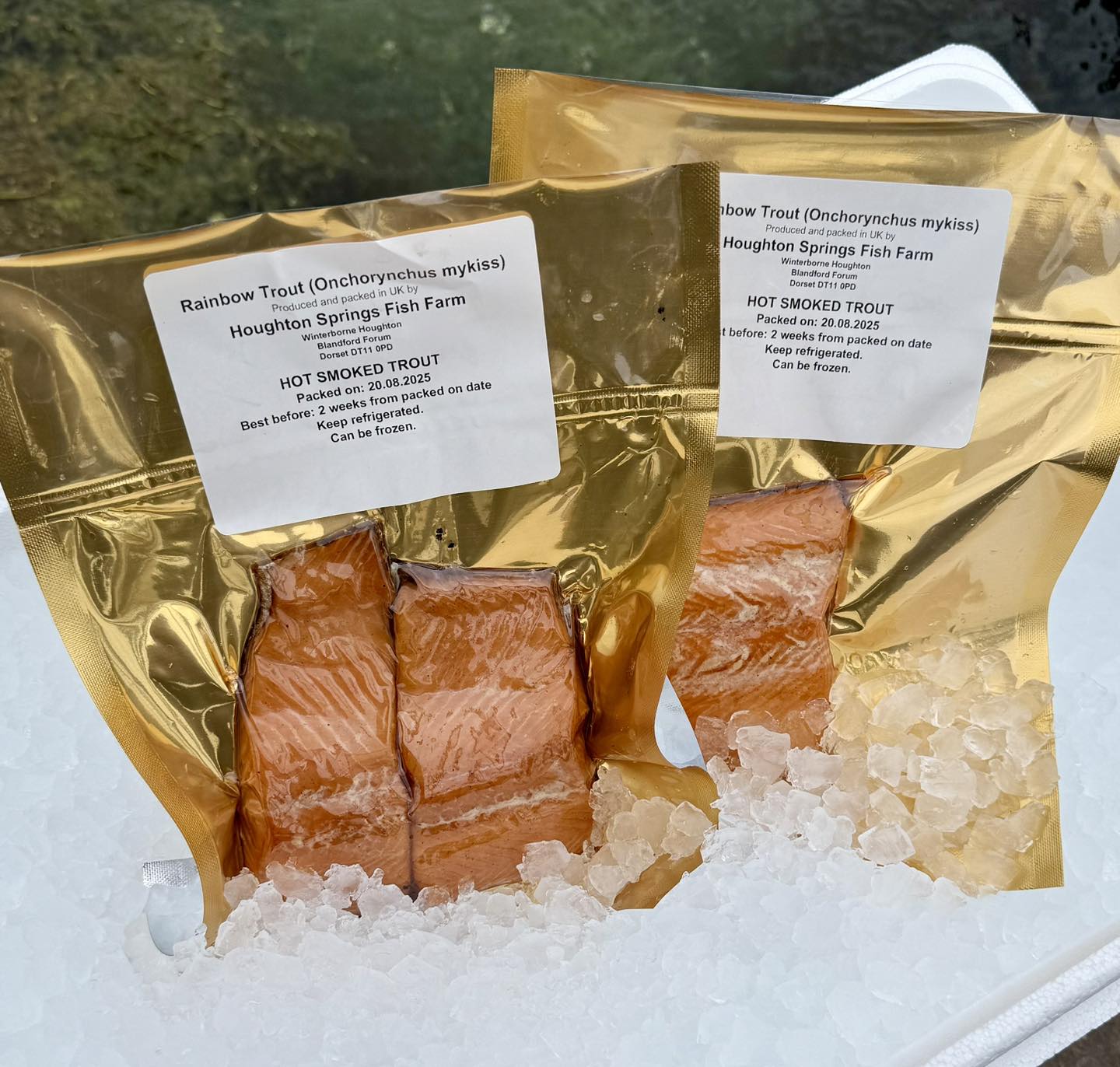
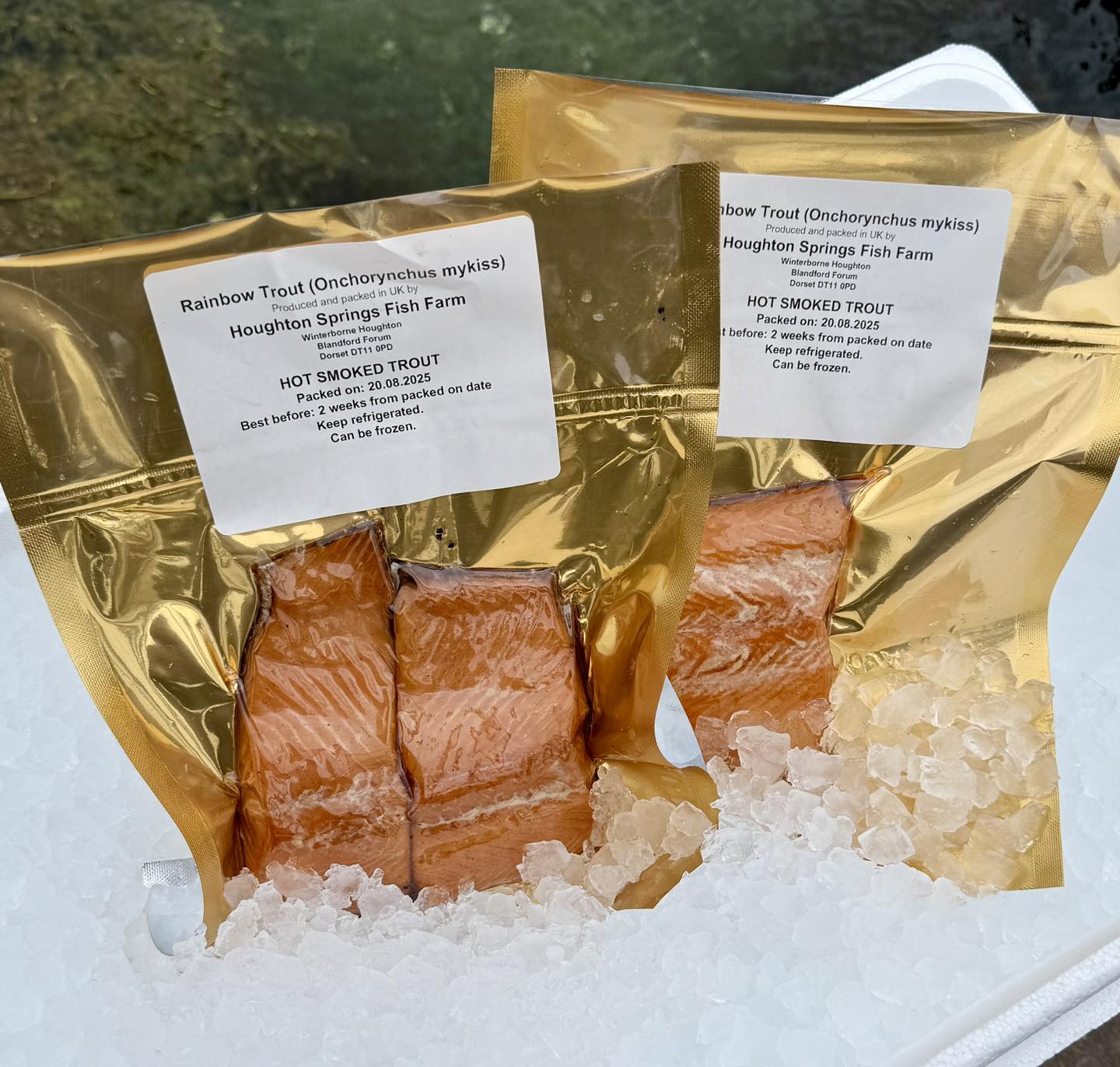
At Houghton Springs, we are committed to these principles, ensuring that our farming practices not only provide high-quality trout but also promote environmental stewardship.
How Did Houghton Springs Evolve?
Founded as a family-run operation, Houghton Springs has always focused on maintaining the highest standards of fish farming. Our commitment to quality and sustainability has been passed down through generations. Today, we continue to innovate while staying true to our heritage. Key aspects of our evolution include:
- Adopting New Technologies: We carefully integrate modern aquaculture techniques to enhance fish welfare and farm efficiency.
- Community Engagement: Building relationships within the local community has allowed us to promote the benefits of locally sourced fish.
- Education and Awareness: We strive to inform our customers about the importance of sustainable practices and the unique qualities of our trout.
What to Consider When Choosing a Trout Supplier
If you’re a local business or a consumer looking to source trout, there are several factors to consider:
- Sustainability Practices: Ensure your supplier prioritises eco-friendly methods.
- Quality Assurance: Look for farms that maintain high standards in fish health and welfare.
- Local Sourcing: Supporting local farms not only benefits the economy but also reduces carbon footprints associated with transportation.
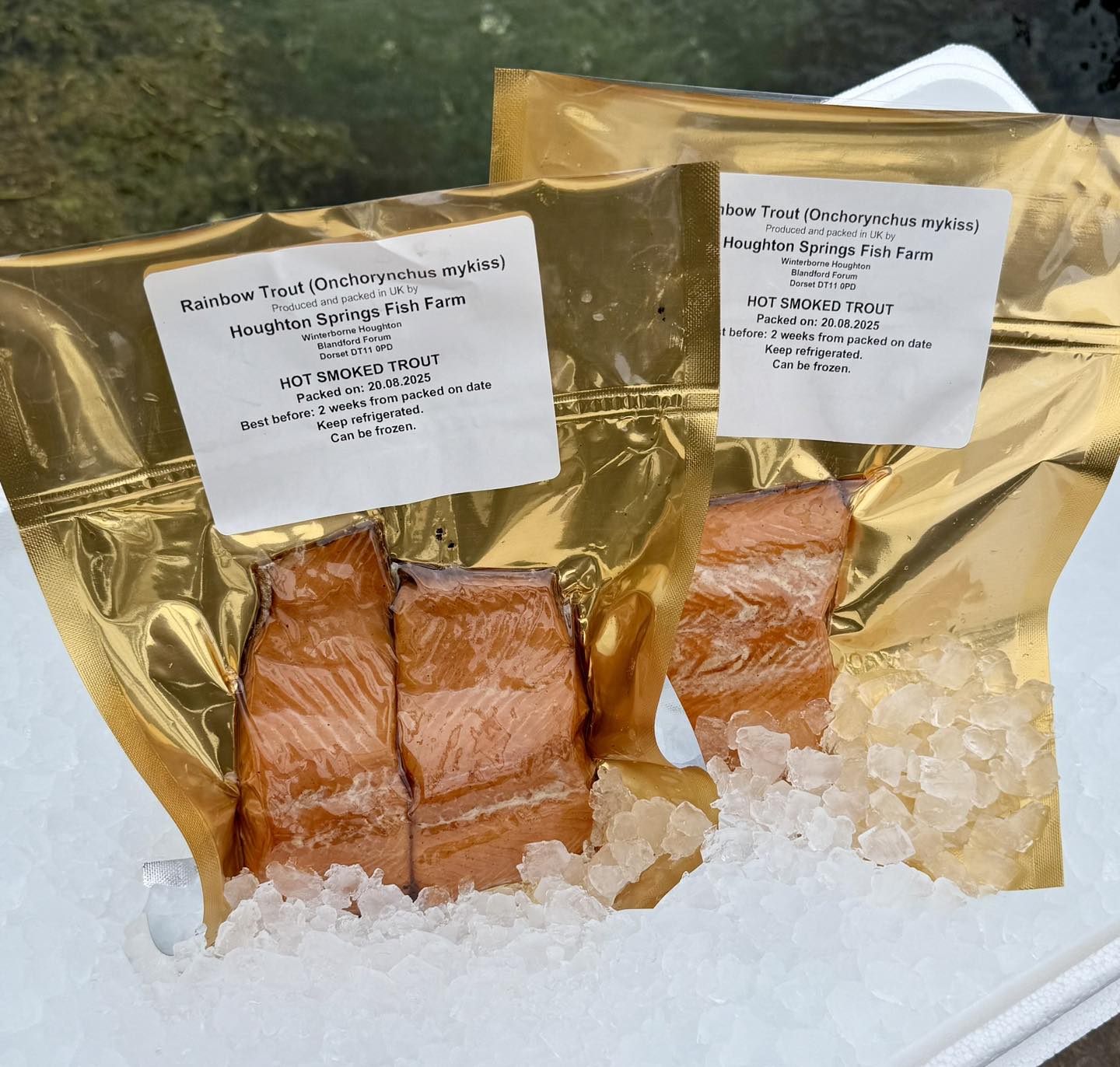
At Houghton Springs, we believe that sourcing trout should be a conscious decision. We invite you to learn more about our farming practices and the unique qualities of our fish by visiting our history page.
The Future of Trout Farming in Dorset
As we look ahead, the future of trout farming in Dorset appears promising. With increasing consumer interest in sustainable practices, family-run farms are positioned to thrive. The history of trout farming in this region serves as a foundation upon which we can build a more sustainable future.
By embracing innovation while respecting our past, we can ensure that the legacy of trout farming in Dorset continues for generations to come. At Houghton Springs, we are dedicated to this mission and are excited to share our journey with the community.
Conclusion
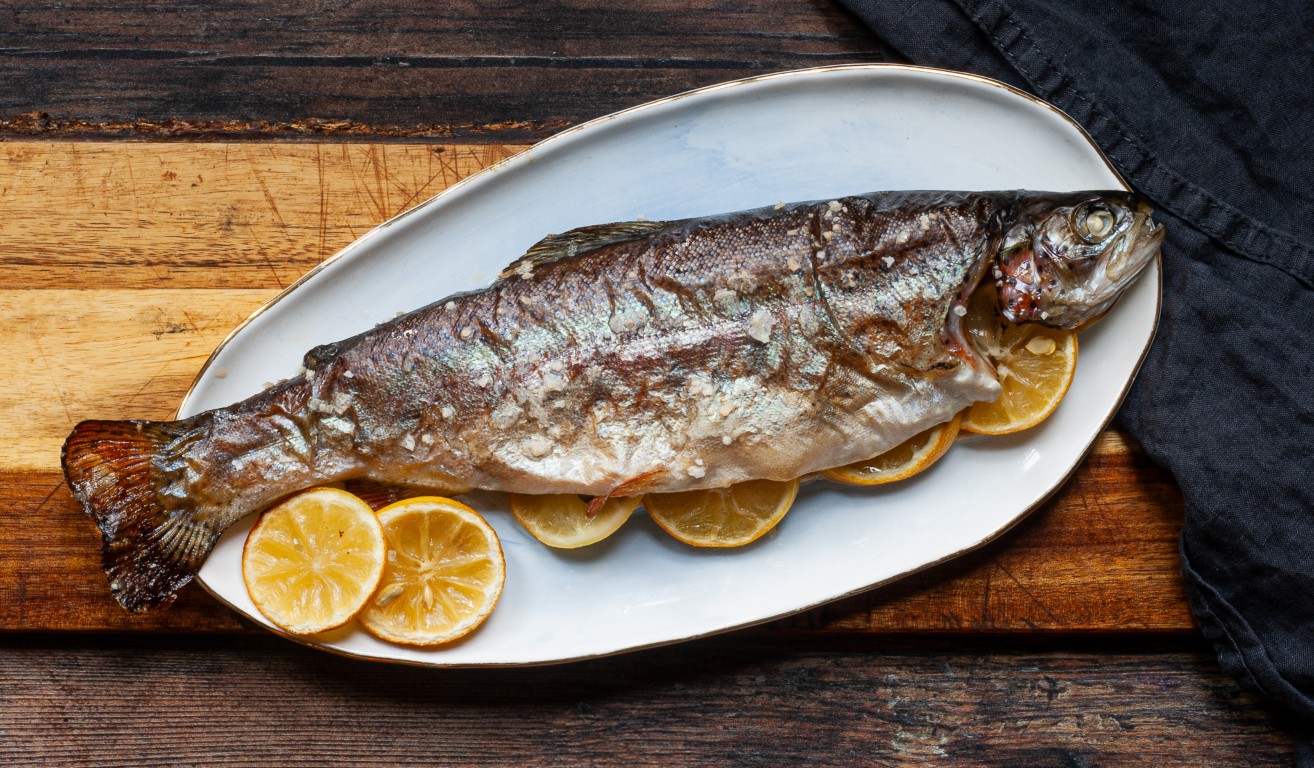
Understanding the history of trout farming in Dorset provides valuable context for the practices we uphold today. The evolution of this industry reflects broader trends in sustainability and environmental responsibility. We invite you to join us in celebrating this heritage and supporting local aquaculture.
For more insights into our practices and the unique qualities of our fish, check our history page.