Understanding Rainbow Trout Farming Practices
Rainbow trout farming is an essential segment of aquaculture, catering to both local markets and the broader seafood industry. At Houghton Springs Trout Farm, we pride ourselves on employing sustainable and efficient farming practices that ensure the health and quality of our fish. This page aims to provide valuable insights into our methods, the care we provide to our trout, and how these practices contribute to a responsible and successful farming operation.
Who This Is For
This information is particularly valuable for small businesses, local services, and trades in Dorset and beyond, who are interested in sourcing high-quality local trout. If you operate a restaurant, catering service, or retail outlet, understanding rainbow trout farming practices can help you appreciate the quality and sustainability of the fish you serve.
What’s Included in Rainbow Trout Farming
Rainbow trout farming involves several key components that work together to produce healthy fish:
1. Water Quality Management
The cornerstone of successful trout farming is maintaining optimal water quality. We closely monitor parameters such as temperature, pH, and dissolved oxygen levels. Clean, fresh water is critical for the health of our trout, and we ensure that our water supply is regularly tested and treated as necessary.
2. Feeding Practices
Feeding is a crucial aspect of trout care, and we use high-quality, nutritionally balanced feed to promote growth and health. Our feeding practices are designed to mimic natural diets as closely as possible, ensuring that our fish receive the essential nutrients they need. We also stay informed about the latest research in nutritional requirements for rainbow trout to optimise our feeding strategies.
3. Health Management
We implement rigorous health management practices to prevent disease and ensure the wellbeing of our fish. This includes regular health checks, vaccination programs, and biosecurity measures to minimise the risk of infections. Understanding fish health management is crucial for maintaining a thriving farm.
4. Sustainable Practices
Sustainability is at the heart of our operations. We adhere to best practices that reduce environmental impact, including responsible waste management and energy-efficient systems. Our commitment to sustainability aligns with the broader goals of environmental stewardship in aquaculture.
Our Process
At Houghton Springs Trout Farm, our farming process is designed to be efficient and sustainable:
-
Hatchery Operations: We begin with high-quality eggs from genetically superior broodstock, ensuring the best genetic traits for growth and health.
-
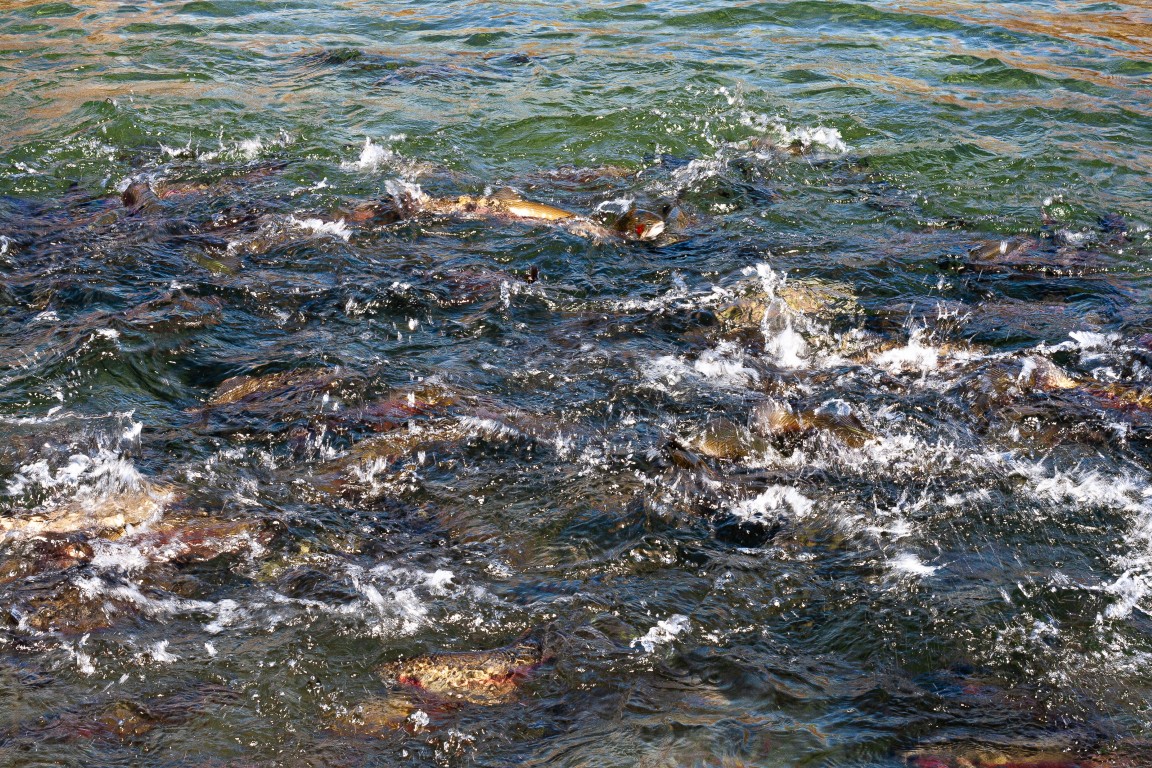
Rearing: Once the eggs hatch, the fry are raised in specially designed tanks that mimic natural conditions, providing a stress-free environment for optimal growth.
-
Harvesting: When the trout reach the appropriate size, they are harvested in a humane manner, ensuring minimal stress to the fish.
-
Distribution: After processing, our trout are distributed to local markets, ensuring freshness and quality.
Why Choose Us
Choosing Houghton Springs Trout Farm means partnering with a family-run business that prioritises quality and sustainability. Our commitment to ethical farming practices sets us apart:
- Local Expertise: Being based in rural Dorset means we understand the local market and its needs.
- Quality Assurance: We guarantee that our fish are of the highest quality, free from harmful additives.
- Sustainable Practices: Our methods are designed to protect the environment while providing nutritious food options.
Common Mistakes to Avoid
When sourcing trout for your business, consider the following common pitfalls:
- Overlooking Quality: Not all trout are created equal. Ensure you know where your fish come from and how they are farmed.
- Ignoring Sustainability: Sourcing from sustainable farms is crucial for long-term viability and environmental health.
- Neglecting Freshness: Always prioritise freshness. Local sourcing can significantly enhance the quality of your dishes.
FAQs
What is the lifespan of rainbow trout?
Rainbow trout typically live for 4 to 6 years in a controlled farming environment.
How often should I check the quality of the fish?
For businesses, it’s advisable to check the quality of the fish upon delivery and periodically during storage to ensure freshness.
Can I visit Houghton Springs Trout Farm?
Yes, we welcome visitors to learn more about our practices and see our operations first-hand. Please contact us to arrange a visit.
Get in Touch
If you are interested in sourcing high-quality rainbow trout or learning more about our farming practices, please do not hesitate to contact us. At Houghton Springs Trout Farm, we are dedicated to providing the best fish while maintaining sustainable and responsible farming practices.
For more information about our fish and farming techniques, visit our Our Fish page. We look forward to working with you to bring the best of Dorset’s aquaculture to your table.